
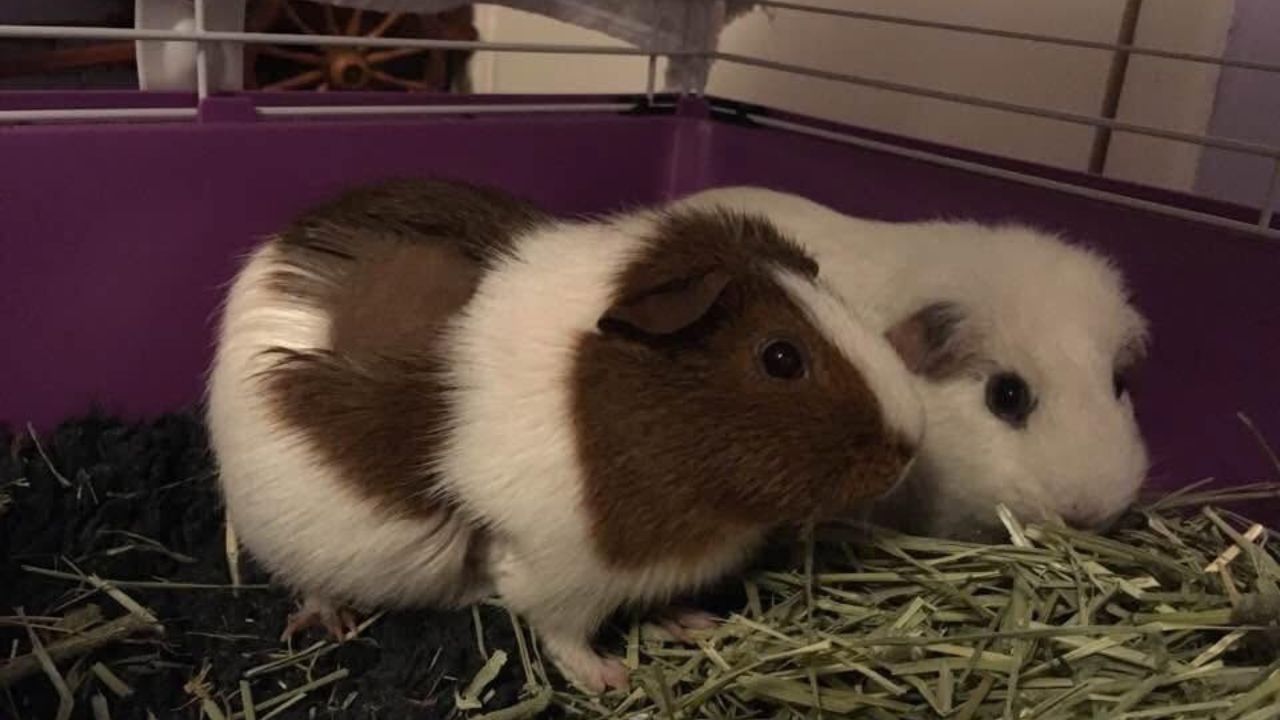

Neil has kept, bred, and sold guinea pigs at Paradise Pets Swindon since 1988 — over 35 years of first-hand experience with these animals. The need for companionship is one of the most consistently misunderstood parts of guinea pig welfare, and one I have to explain at this counter almost every week. This is the honest truth about why a single guinea pig is not a kindness.
A woman came in not long ago to buy a second guinea pig. She told me, slightly embarrassed, that she had had her first guinea pig for eight months, thought it was perfectly happy on its own, and had only recently learned — from a friend, not from anywhere official — that guinea pigs are not supposed to live alone.
She was upset, not at me, but at herself. She had genuinely believed she was giving her guinea pig a good life. In most respects, she was — good housing, good diet, regular handling. The one thing missing was the one thing her guinea pig could not get from her, no matter how much attention she gave it.
I told her what I tell everyone in this situation: this is one of the most common gaps in guinea pig care, not because owners are careless, but because nobody tells them clearly enough, early enough, why it actually matters. This article is me telling you clearly, before you find yourself having the same realisation eight months in.
Why This Isn’t Just A Preference — It’s Biology
Guinea pigs are a herd species. In the wild, and in every domesticated context since, they live in groups. This is not a loose habit that can be substituted with human company — it is a fundamental part of how the species has evolved to communicate, regulate stress, and behave normally.
Guinea pigs have an extensive vocal and behavioural language that is almost entirely directed at other guinea pigs. The wheek, the purring, the chattering teeth, the rumble-strutting, the popcorning — these behaviours exist because they evolved within a social structure, and a huge proportion of them are either directed at, or only make full sense in the context of, other guinea pigs. A human, no matter how attentive, cannot replicate this. We do not speak the language, and even when we try, we are not another guinea pig.
This is the core of why a single guinea pig, however well cared for in every other respect, is missing something that genuinely cannot be substituted. It is not about loneliness in the human emotional sense necessarily — it is about an animal being denied the social structure its entire behavioural repertoire is built around.
What A Lone Guinea Pig’s Life Actually Looks Like
I want to be specific here rather than vague, because the practical reality matters more than the general principle.
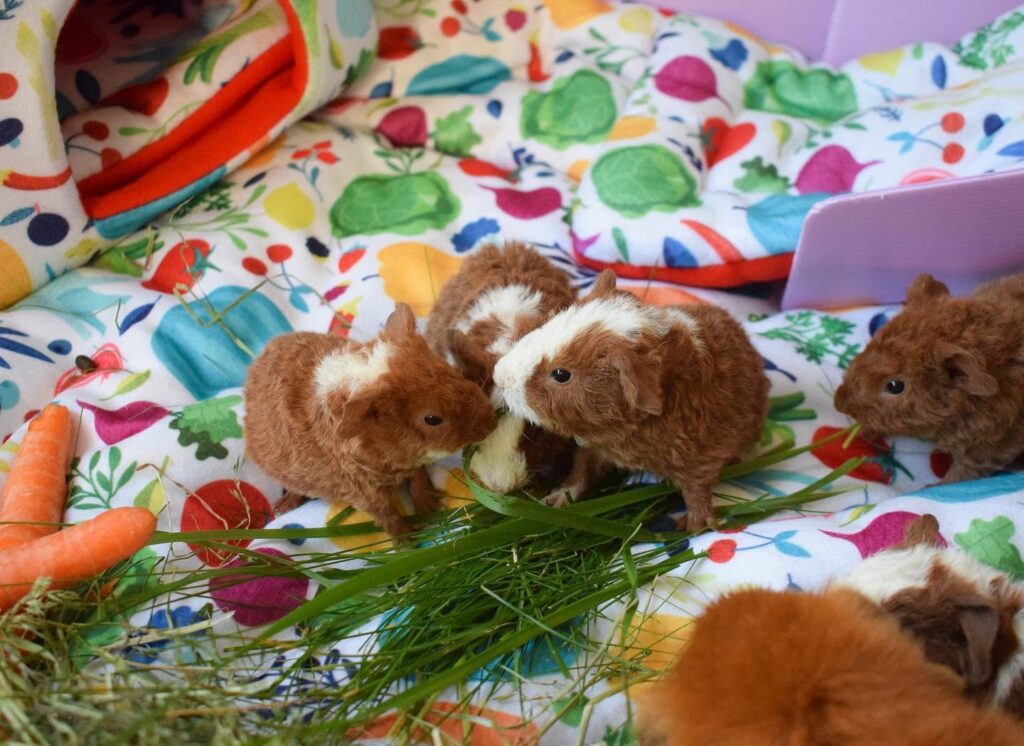
A guinea pig kept alone spends the entirety of every day without the species-typical interactions that occupy a significant part of a guinea pig’s normal waking life in company — mutual grooming, play, the constant low-level social chatter, the simple presence of another guinea pig nearby while resting. Even an extremely attentive owner, present for several hours a day, leaves the animal in social isolation for the remaining hours, which for most households is the majority of the day.
Many lone guinea pigs adapt to this in the sense that they survive and often appear outwardly content, particularly to an owner who has nothing to compare it against. But adaptation to a deprived situation is not the same as thriving, and the behavioural and physiological signs of that gap, where they appear, are well documented.
The Signs A Solo Guinea Pig Is Struggling — Even If It Looks “Fine”
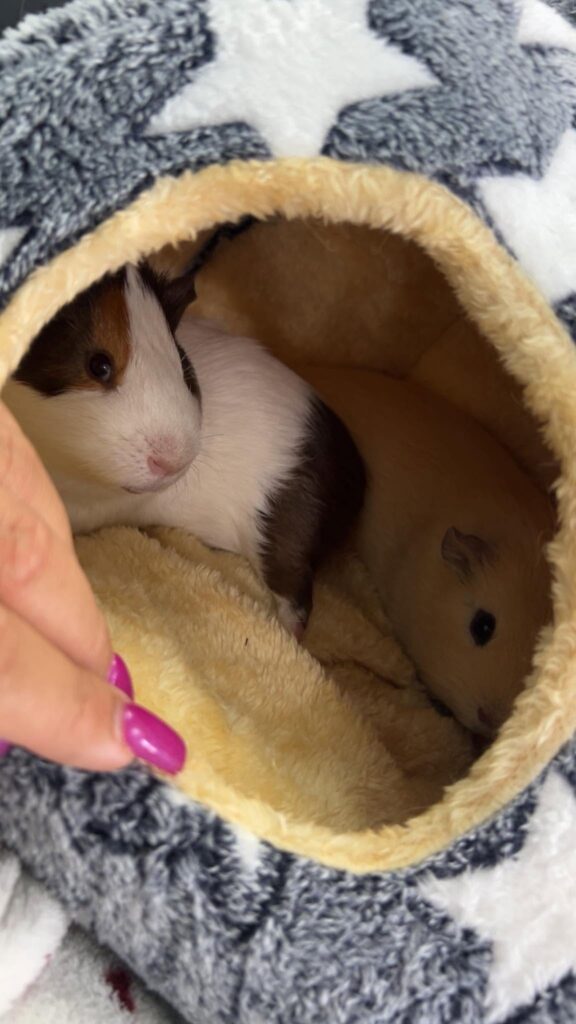
This is the part most owners genuinely do not know to look for, because a lone guinea pig rarely displays the kind of dramatic distress that would make the problem obvious.
That last point is one of the most consistent things I hear back from customers who have taken my advice and introduced a companion to a previously solo guinea pig. The change is often described in almost identical terms regardless of who is telling me about it — the animal becomes noticeably more vocal, more active, and visibly more like the guinea pigs they remember from before, or had seen kept in pairs elsewhere. People frequently tell me they had no idea their guinea pig had been so quiet until they saw the difference.
“But Mine Seems Perfectly Happy On Its Own” — Why That’s Hard To Judge
This is the thing I hear most often from owners who, entirely reasonably, push back on this advice, and I want to address it honestly rather than dismiss it.
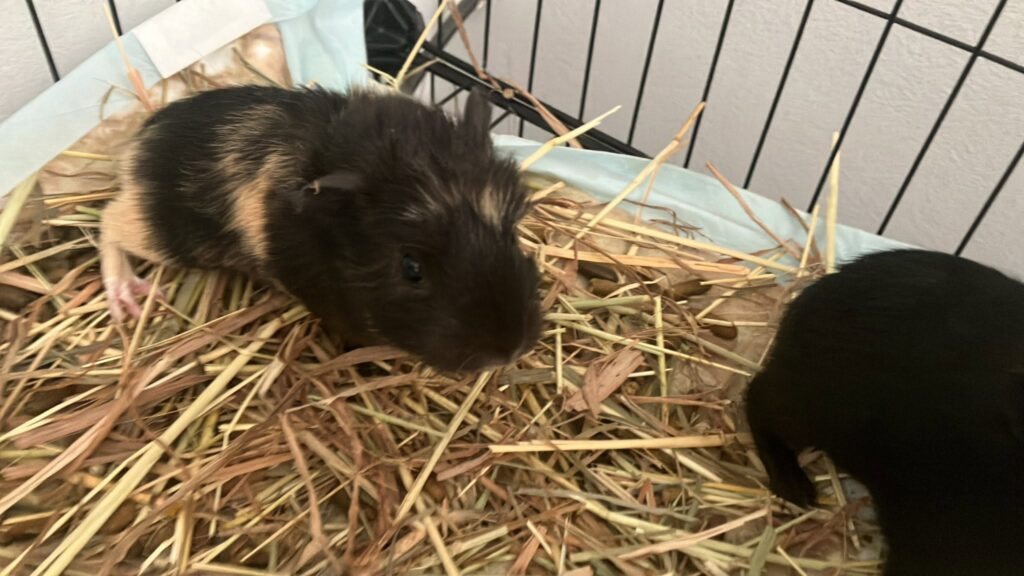
The difficulty is that most owners of a solo guinea pig have nothing to compare their own animal against. If you have only ever owned one guinea pig at a time, you do not have a direct, personal baseline of what that same individual animal would be like with company, because you have never seen it. “Seems happy” is being judged against an absence of obvious distress, not against a genuine alternative you have witnessed.
This is exactly what happened with countless customers I have spoken to over the years, including the woman I mentioned at the start. Her guinea pig was not obviously suffering. It ate, it moved around, it seemed content by any reasonable casual observation. It was only once she introduced a companion that she had any real point of comparison — and the change she then saw told her something her own observation alone never could have.
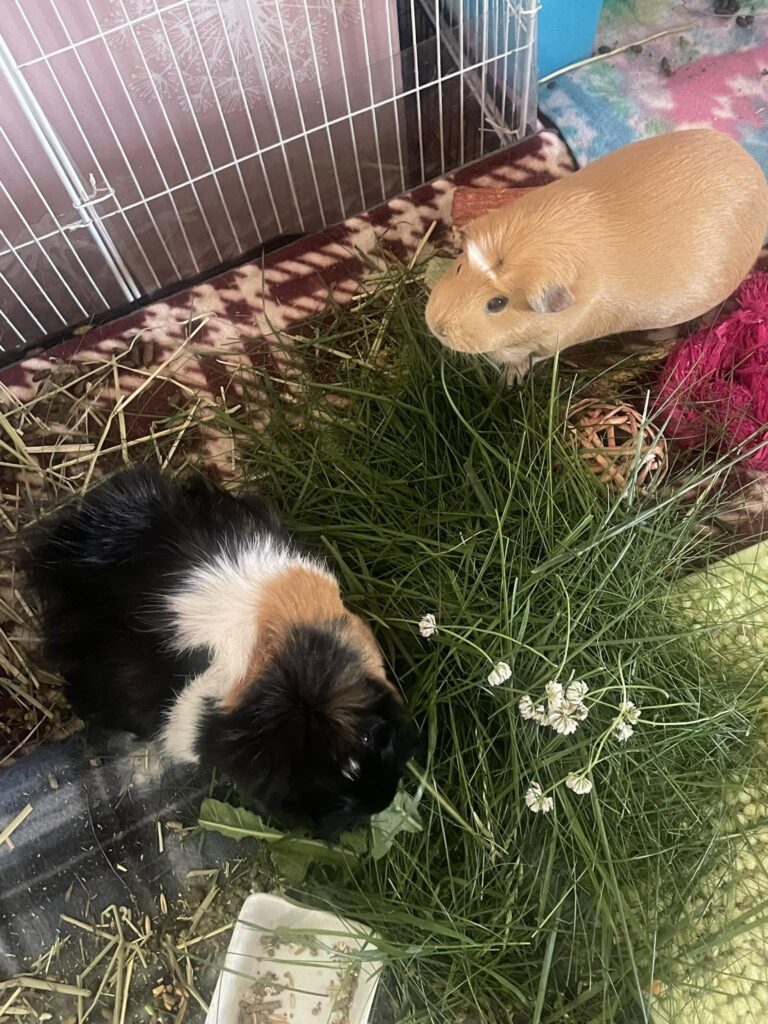
Doesn’t Time With Me Count For Something?
Genuinely, yes — and I do not want this article to suggest that human interaction with a guinea pig is worthless. It clearly is not, and a guinea pig that gets regular, gentle handling and interaction benefits from that relationship.
But it is a different kind of interaction, meeting a different need, and it does not substitute for guinea pig company any more than a guinea pig companion would substitute for human interaction. They are not interchangeable. An owner offering excellent handling and attention to a solo guinea pig is doing something genuinely valuable — it is simply not the same thing as what another guinea pig provides, and the gap left by the missing piece does not close just because a different, good thing is present instead.
This is the distinction that I think gets lost most often in this conversation. It is not “human time versus guinea pig time, pick one.” It is “both matter, and one cannot stand in for the other.”
What About Guinea Pigs That Don’t Get On?
This is a fair and important question, because not every guinea pig pairing works smoothly, and I do not want to suggest that simply acquiring a second guinea pig guarantees instant harmony.
Guinea pigs do establish a social hierarchy, and the introduction period between two guinea pigs that do not already know each other involves some assertion of dominance — chasing, mounting, and vocal posturing are normal parts of this process and are not, on their own, evidence that the pairing has failed. Genuine fighting that causes injury is a different matter and means the pairing needs rethinking.
The single most reliable way to avoid pairing difficulties is to introduce guinea pigs as young as possible, ideally siblings or animals raised together from an early age, and to do introductions in neutral territory with careful supervision rather than placing an unfamiliar guinea pig directly into an established animal’s existing space. Same-sex pairs of females tend to be the most straightforward combination for most households, though males can also live together successfully with the right introduction and enough space to allow some distance when needed.
If a pairing genuinely does not work despite a careful introduction, the answer is to try a different pairing, not to abandon the principle of companionship altogether. A guinea pig that does not get on with one particular individual is not evidence that guinea pigs as a species do not need company — it is evidence that pair compatibility, like with any social animal, is not automatic and sometimes needs a second attempt.
What If I Already Have A Lone Guinea Pig?
If you are reading this and recognising your own situation, the good news is that this is very rarely too late to address, regardless of your guinea pig’s age, provided the introduction is managed sensibly.
Speak to us or to a guinea pig rescue about finding an appropriate companion — ideally a similarly aged, same-sex individual if you are uncertain about navigating an introduction between an adult guinea pig and a very young one. Plan a proper introduction on neutral territory rather than simply placing the new arrival into the existing cage. Be prepared for a settling-in period that involves some normal hierarchy-establishing behaviour, and give it time before judging whether the pairing is working.
Most owners who go through this process tell me they wish they had done it sooner, once they see the change in their original guinea pig. That regret, gently expressed, is one of the most common things I hear at this counter, and it is exactly why I would rather tell people clearly now than have them discover it themselves eight months or a year down the line.
Frequently Asked Questions
Is it cruel to keep a single guinea pig if I am home with it most of the day?
It is not about the quantity of time you spend with the animal, but the kind of interaction guinea pigs are built to need. Even an owner home all day cannot provide the specific social behaviours another guinea pig provides. The kindest approach for a social species is genuine company of its own kind alongside, not instead of, your own attention.
Can I pair an older guinea pig with a younger one?
Yes, this can work well, though it requires a more careful introduction than pairing two similarly aged animals, since there is a bigger gap in size, energy levels, and established habits to navigate. Same-sex pairings with a reasonable size match tend to go most smoothly.
Will my guinea pig prefer me less if I get it a companion?
No — guinea pigs are fully capable of forming bonds with both another guinea pig and their human owner simultaneously. Adding a companion does not reduce the bond with you; in many cases, owners report their guinea pig seems more content and confident overall, which often makes interaction with people more relaxed rather than less.
How do I know if my two guinea pigs are bonding well or actually fighting?
Normal hierarchy behaviour includes some chasing, mounting, and vocal posturing, particularly in the first days or weeks. Genuine fighting involves sustained aggressive biting that causes injury, drawn blood, or one animal being relentlessly pursued without any breaks. If you see injury or one guinea pig seems genuinely unable to escape ongoing aggression, separate them and seek advice on the specific pairing.
Is it better to get two guinea pigs from the start rather than adding a companion later?
Generally, yes, if you know from the outset that you want to keep guinea pigs — starting with two from the same litter or a known-compatible pair avoids the introduction process altogether. But adding a companion to an existing solo guinea pig is absolutely still worthwhile and very commonly successful when done thoughtfully.
Do male and female guinea pigs need to be neutered to live together?
If you are keeping a male and female together long-term and do not want litters, yes, neutering one of them is necessary, as guinea pigs breed readily and frequently. Same-sex pairs avoid this issue entirely, which is part of why they are the most commonly recommended combination for owners who are not planning to breed.
One Last Thing From Me
The woman who came in that day left with a second guinea pig and, a few weeks later, came back specifically to tell me about the change in her first one. She used the word “transformed,” which is strong language, but it is not the first time I have heard exactly that word used in exactly this context.
I do not think anyone who keeps a guinea pig alone is doing so out of carelessness. In every single case I have encountered across 35 years, it has come from not being told clearly enough, early enough, what this particular animal genuinely needs. That gap in information is what this article is trying to close.
A guinea pig is, by its biology, a herd animal. Giving it company of its own kind is not an optional extra on top of good care — it is one of the foundational pieces of what good care for this species actually means.
If you have a solo guinea pig and want honest advice on introducing a companion, or any other guinea pig welfare question, come and find us at Manor Garden Centre, Cheney Manor, Swindon SN2 2QJ. Get in touch here or call 01793 512400.
Got A Solo Guinea Pig? Come And Talk To Us
We stock guinea pigs and can advise honestly on finding and introducing the right companion for your existing animal. If you have any questions about guinea pig welfare, come in and talk to us.