
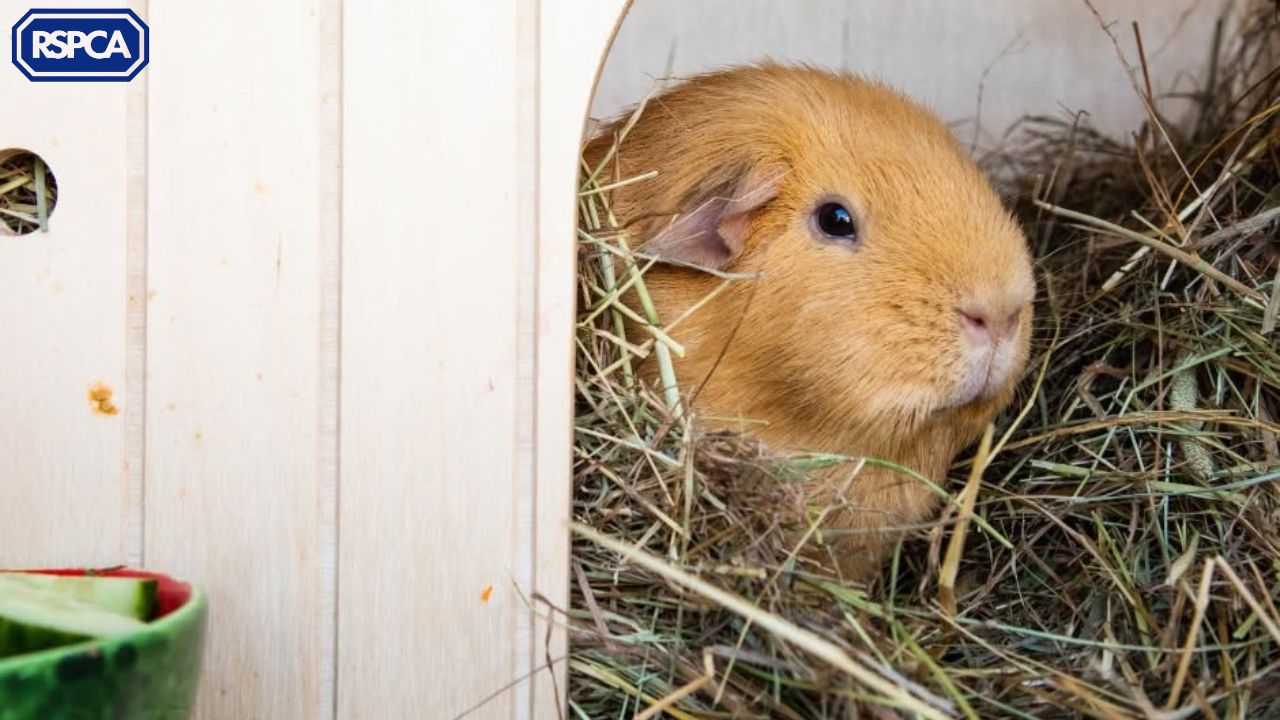

Neil has owned and run Paradise Pets Swindon since 1988. In more than 35 years of helping families choose small pets, he has seen the same guinea pig mistake many times: people buy one guinea pig, buy a small cage, underestimate the cost, and only learn later that guinea pigs need space, company, hay, vitamin C and daily attention. The RSPCA’s July 2026 warning is a good moment to check those basics before buying.
The RSPCA has issued a fresh warning around Guinea Pig Appreciation Day after reporting a 70% year-on-year rise in guinea pigs coming into its national centres last year.
The charity says overbreeding, cost pressures and lack of owner knowledge are all contributing to more guinea pigs being given up. It also reported an almost 70% rise over five years in cases involving 10 or more animals at a single address, which can include small pets such as guinea pigs.
This does not mean guinea pigs are bad pets. They can be wonderful animals. But they are not low-effort starter pets, and they should not be bought on impulse for children without adults understanding the real care involved.
What The RSPCA Warning Says
The RSPCA’s 17 July 2026 update says 419 guinea pigs were taken into its national centres in England and Wales last year, a rise of 181 compared with the previous year. The charity linked the increase to overbreeding, cost-of-living pressure and some owners not understanding what guinea pigs need.
The RSPCA also highlighted cases where large numbers of animals were being kept in poor conditions. In one example, 100 guinea pigs were removed from the same property in May. In another, five guinea pigs were dumped in a nappy box at a Kent cemetery.
For normal pet owners, the practical message is not panic. It is preparation. A guinea pig should be planned properly before it enters the home.
Why Guinea Pigs Are Often Misunderstood
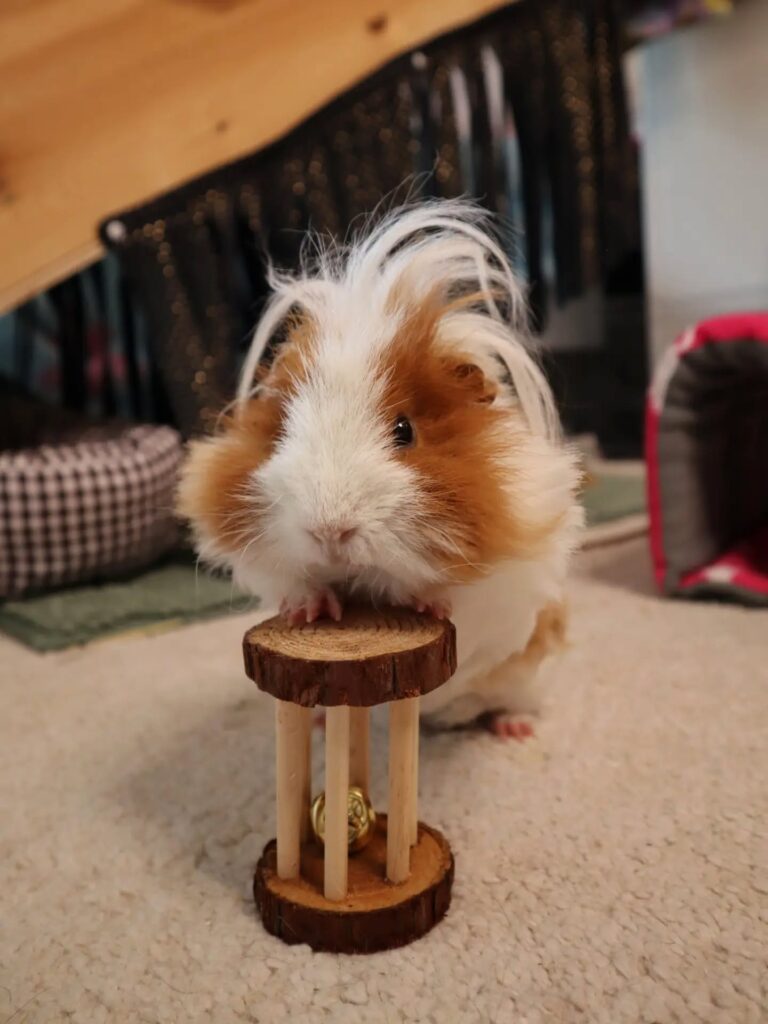
Guinea pigs are often sold or described as easy children’s pets. That creates problems. They are gentle, social and rewarding, but their needs are specific.
- They should not normally be kept alone.
- They need a constant supply of good hay.
- They need vitamin C in the diet because they cannot make enough themselves.
- They need more floor space than many people expect.
- They can hide pain or distress because they are prey animals.
- They need careful sexing to prevent accidental breeding.
- They need daily cleaning checks, not occasional attention.
- They may need veterinary care, which has a real cost.
If a family only sees the cute side, they can miss the responsibility. That is where many welfare problems begin.
Neil’s Buying Checklist Before You Get Guinea Pigs
- Are you buying at least two compatible guinea pigs? Guinea pigs are social animals and should not usually live alone.
- Do you know their sex? Mistakes here can lead to unwanted litters very quickly.
- Is the enclosure big enough? A small pet-shop cage is often not enough for long-term welfare.
- Can you provide unlimited hay? Hay should be the main part of daily feeding.
- Have you planned vitamin C? Guinea pigs need vitamin C through suitable food and care.
- Can you clean daily? Wet bedding, dirty corners and old food quickly become welfare issues.
- Can you afford vet care? Dental issues, skin problems, injury and appetite loss can all need urgent help.
- Is an adult responsible? Children can help, but adults must own the care routine.
The Biggest Mistake: Buying One Guinea Pig
One of the most common mistakes Neil sees is a single guinea pig bought because the family thinks one will be easier than two.
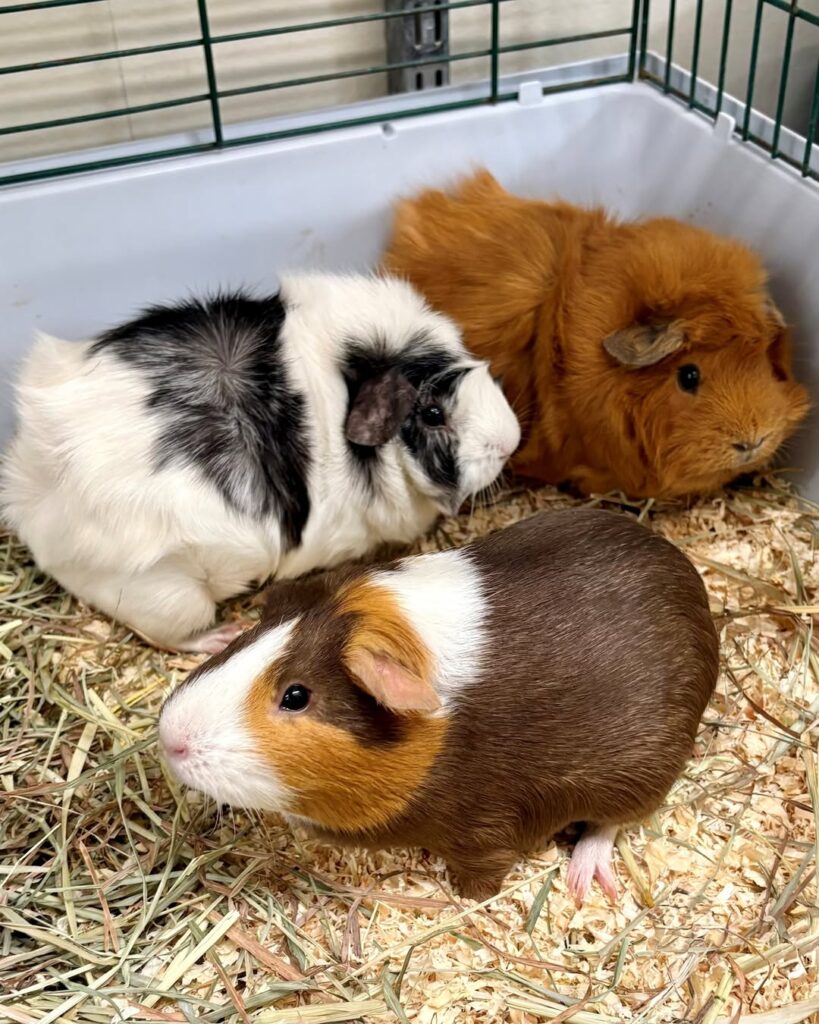
In reality, guinea pigs are social animals. The RSPCA says they get lonely and are happiest in pairs. The safest setup is usually a compatible same-sex pair, or a neutered male with one or more females, with proper advice before mixing.
Do not put males and females together unless the male is neutered and you understand the risks. Accidental breeding is one of the reasons guinea pigs end up in rescue and rehoming situations.
Related guide: Why Guinea Pigs Need Companions
The Diet Check Owners Must Get Right
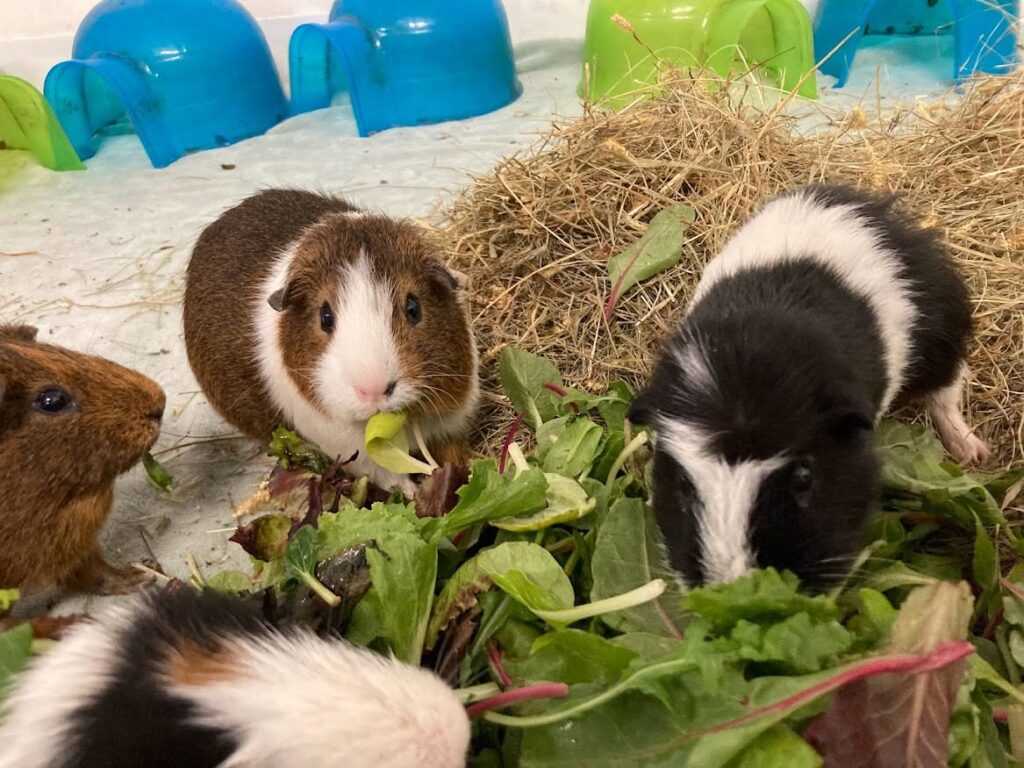
Guinea pig feeding is not just a bowl of mixed food. Their diet needs structure.
- Hay: should be available all the time.
- Fresh vegetables: should be safe, suitable and introduced sensibly.
- Pellets: use a good-quality guinea pig pellet, not rabbit food.
- Vitamin C: must be part of the diet.
- Fresh water: should be available every day.
- Treats: should be limited and not replace proper feeding.
For more detail, read: What Do Guinea Pigs Eat? and The Vitamin Your Guinea Pig Cannot Make.
When Not To Buy Guinea Pigs
Sometimes the honest answer is to wait. Neil would rather a family delay buying than take home animals they are not ready for.
- Do not buy if you only want one guinea pig and cannot provide company.
- Do not buy if you have not checked the sex of the animals.
- Do not buy if the cage or enclosure is still too small.
- Do not buy if you cannot afford hay, bedding, food and vet care.
- Do not buy as a surprise present.
- Do not buy because a child is excited today but no adult has planned daily care.
- Do not buy if you are hoping they will be easier than rabbits without checking the reality.
What To Ask The Seller
Before buying guinea pigs from any shop, breeder or private seller, ask direct questions.
- How old are they?
- Are they male or female?
- Have they been kept with the opposite sex?
- Are they already bonded?
- What are they currently eating?
- Have they had any health problems?
- Are their eyes, nose, coat, feet and droppings normal?
- What size enclosure do you recommend?
- What should I do if one stops eating?
If the seller cannot answer basic welfare questions, that is a warning sign.
Warning Signs After Bringing Guinea Pigs Home
Guinea pigs can hide illness, so owners should watch closely, especially in the first few weeks.
- Not eating or suddenly eating much less
- Not passing droppings normally
- Sitting still, hunched or withdrawn
- Breathing difficulty
- Wet chin or signs of dental pain
- Weight loss
- Blood, injury or swelling
- Severe diarrhoea
- Flystrike risk in warm weather
- One guinea pig being bullied or unable to reach food
Neil can help with husbandry checks, diet, housing and setup advice, but he is not a veterinary surgeon. For illness, injury or urgent symptoms, contact a qualified vet.
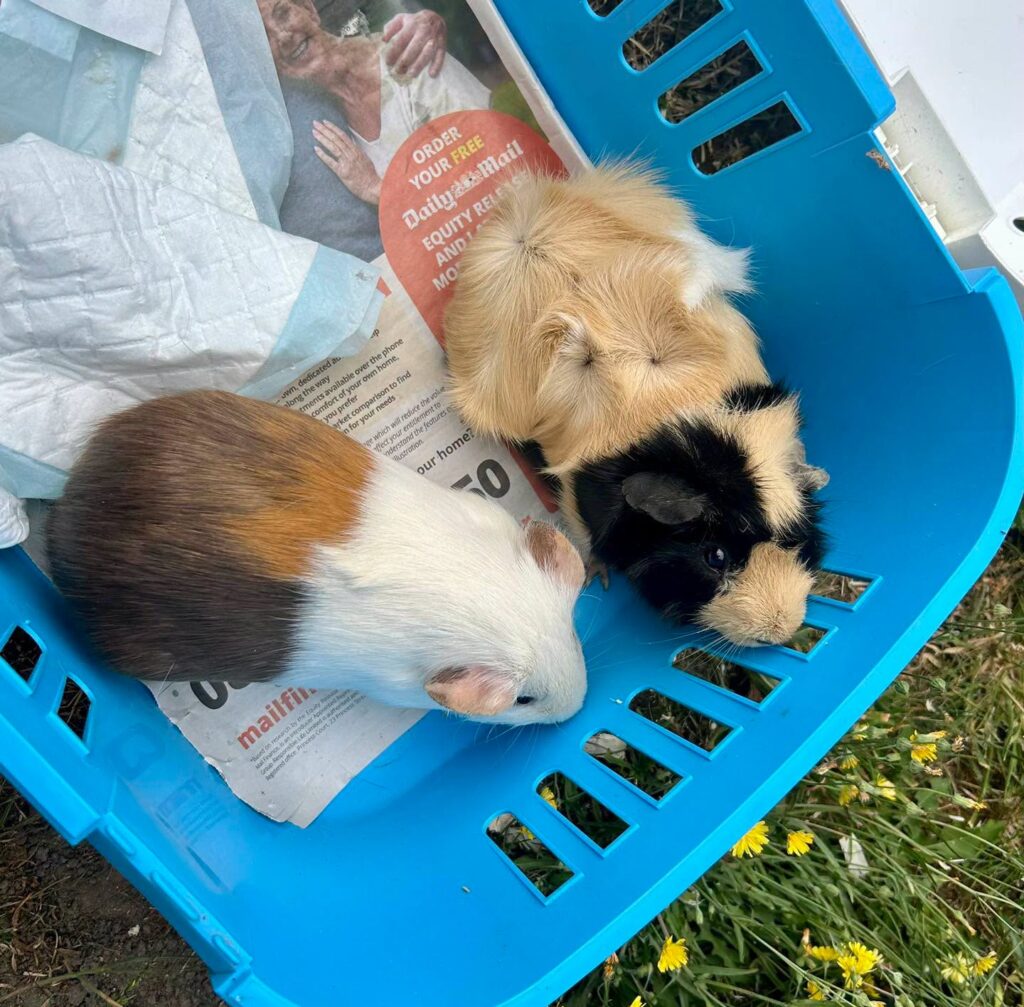
Why This Matters In Summer
The RSPCA warning comes during the summer period, when animal welfare charities often face extra pressure. Guinea pigs can also struggle in hot weather, especially if they are kept in direct sun, poorly ventilated sheds or outdoor hutches without proper shade.
In warm weather, check shade, water, airflow and bedding every day. Do not leave guinea pigs in direct sun. If you use an outdoor run, make sure there is shade throughout the day, not just when you first put them out.
Related guide: How To Keep Rabbits And Guinea Pigs Safe In A UK Heatwave
Frequently Asked Questions
Are guinea pigs good pets for children?
They can be good family pets, but they should not be treated as pets for children to manage alone. Adults must take responsibility for housing, diet, cleaning, handling and vet care.
Should guinea pigs be kept alone?
No, not usually. Guinea pigs are social animals and generally need suitable guinea pig company. A compatible pair or group is normally better than a single guinea pig.
Why is overbreeding a problem?
Overbreeding can lead to unwanted litters, overcrowding, poor handling, poor conditions and more animals being given up. Correct sexing and neutering advice are important before mixing males and females.
What should guinea pigs eat every day?
They need constant hay, fresh water, suitable guinea pig pellets, safe fresh vegetables and vitamin C. Their diet should not be based only on dry mix or treats.
What is the first thing to buy before guinea pigs?
Buy the correct enclosure and setup first. Do not bring guinea pigs home and then work out housing later. Space, hay, bedding, water, hiding places and a cleaning routine should already be ready.
A Final Thought From Neil
The RSPCA warning should not put good owners off guinea pigs. It should stop rushed buying.
Guinea pigs are lovely animals when they are kept properly. But they need company, space, hay, vitamin C, daily checks and a real adult care plan. If those things are in place before buying, the animals have a much better chance of a good life.
Thinking About Guinea Pigs?
Visit Paradise Pets Swindon before you buy. Neil can talk you through housing, pairs, diet, bedding, handling and the practical costs so you start properly.
Sources Checked For This Article
Last checked: 18 July 2026