
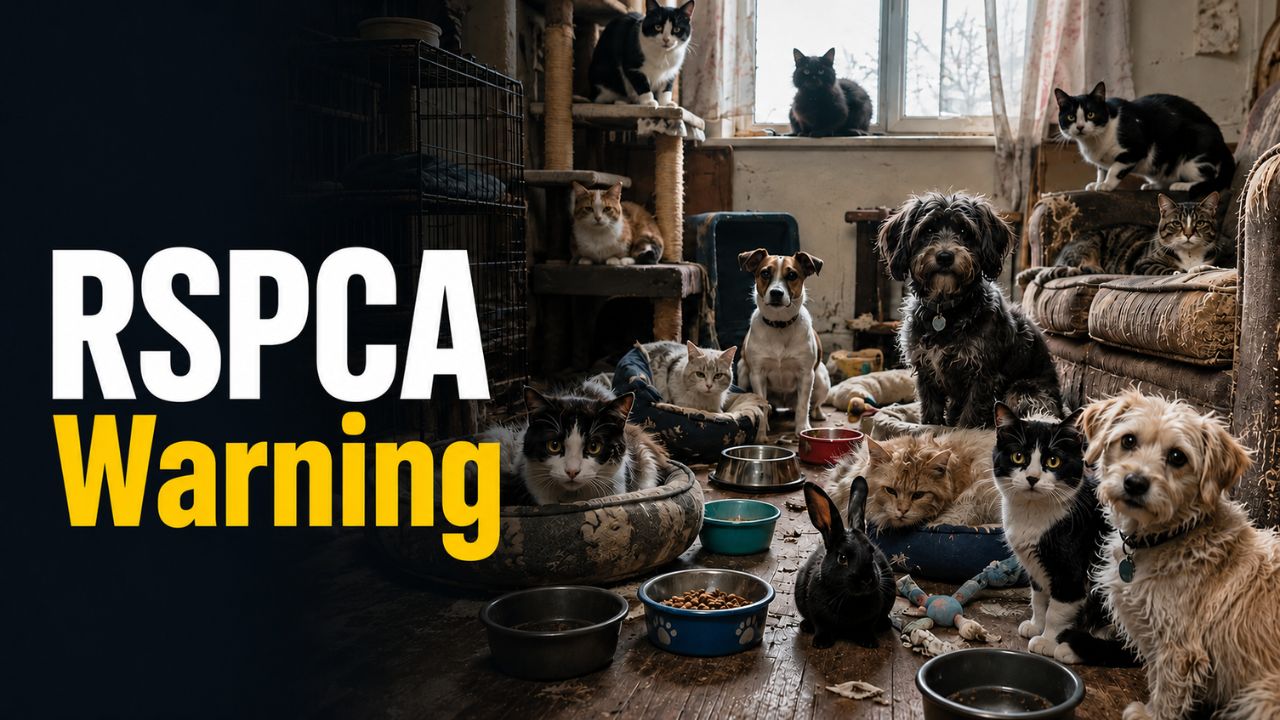

Neil has owned and run Paradise Pets Swindon since 1988, and in that time he has seen one pattern again and again: most pet welfare problems do not start with someone trying to be cruel. They often start with good intentions, too little space, accidental breeding, rising costs, or one more pet than the household can properly manage.
Recent RSPCA warnings about large numbers of animals being kept at one address should make every pet owner pause before saying: “We could probably manage one more.”
This is not about judging people. It is about being honest. A family can love animals and still become overwhelmed. A person can start with two pets, then four, then eight, and only realise too late that cleaning, feeding, vet care, separation, space and daily attention have become too much.
The RSPCA has warned that multi-animal welfare cases are putting serious pressure on rescue centres. ITV Meridian also reported that Wiltshire saw incidents involving more than ten animals rise from 24 to 40 across the previous year. That matters locally, because Paradise Pets is based in Swindon, and these are not distant problems happening somewhere else.
If you are thinking about getting another budgie, cockatiel, rabbit, guinea pig, hamster or gerbil, this article is the conversation I would have with you at the counter before you take that step.
Why The RSPCA Warning Matters To Ordinary Pet Owners
When people hear about large-scale animal welfare cases, they often imagine something extreme and nothing like their own home. But that is not always how these situations begin.
Sometimes it starts with a pair of guinea pigs that were wrongly sexed. Sometimes it starts with rabbits that were not neutered in time. Sometimes it starts with budgies breeding because the nest box was left in too long. Sometimes someone keeps taking in unwanted pets because they care, but they do not have the space, money or health to continue.
The RSPCA has said that some multi-animal situations can involve people who were initially well-meaning but became overwhelmed. That is the important lesson for pet owners. The danger is not only deliberate neglect. The danger is also slow loss of control.
For small animals and birds, this can happen faster than people expect. Guinea pigs and rabbits are social animals, but that does not mean you can keep adding more without planning. Budgies and cockatiels may enjoy company, but more birds also means more noise, more mess, more monitoring and more risk of illness spreading. Hamsters are often solitary, so adding another one is usually not companionship at all. It may create fighting and stress.
The question is not “Do I love animals?” The real question is: “Can I meet the needs of every animal already here before I add another?”
The Hidden Problem With “Just One More”
At the counter, I often hear people say something like:
- “We already have one, so another will be easy.”
- “The cage is big enough for now.”
- “They can share everything.”
- “They will keep each other company.”
- “We will sort the setup later.”
These are the sentences that worry me.
Another pet is not just another animal. It is another daily welfare commitment. It may need a separate enclosure. It may need quarantine. It may need a different diet. It may need careful bonding. It may need veterinary treatment. It may not get along with the pet you already have.
And if the new pet turns out to be pregnant, wrongly sexed, sick, under-socialised or stressed, the workload can increase suddenly.
This is why the decision needs to be made before the animal comes home, not after.
Before Getting Another Pet, Ask These 10 Questions
- Do I have enough space if they cannot live together?
Never assume animals will share peacefully. Have a backup enclosure ready before bringing the new pet home. - Can I afford two separate vet visits if needed?
More pets means more chance of illness, injuries, dental problems, respiratory symptoms, parasites or emergency costs. - Do I know the sex of every animal involved?
Wrong sexing is one of the easiest ways small pet numbers get out of control. - Is the existing pet healthy enough for a new companion?
Do not introduce a new animal to one that is already ill, stressed, elderly or unsettled. - Can I quarantine the new pet properly?
New birds and small animals should not be mixed straight away. Illness can spread before obvious signs appear. - Do I have time for extra cleaning every week?
More animals means more droppings, bedding, hay waste, food waste, dust, smell and cage maintenance. - Will the noise level still be manageable?
This matters especially with budgies, cockatiels and larger bird groups. - Can I feed them correctly without cutting corners?
Food costs rise. Hay, pellets, vegetables, seed mixes, grit, mineral blocks and bedding all add up. - Do I understand the species properly?
Rabbits, guinea pigs, hamsters, gerbils, budgies and cockatiels all have different needs. Do not use one pet’s care routine for another species. - If my situation changes, who will help?
Illness, work changes, money pressure or moving house can affect animal care quickly. Have a backup plan.
If you cannot answer these questions clearly, wait. Waiting is not failure. Waiting is responsible ownership.
Which Pets Are Most Likely To Cause Problems When Numbers Increase?
Guinea pigs
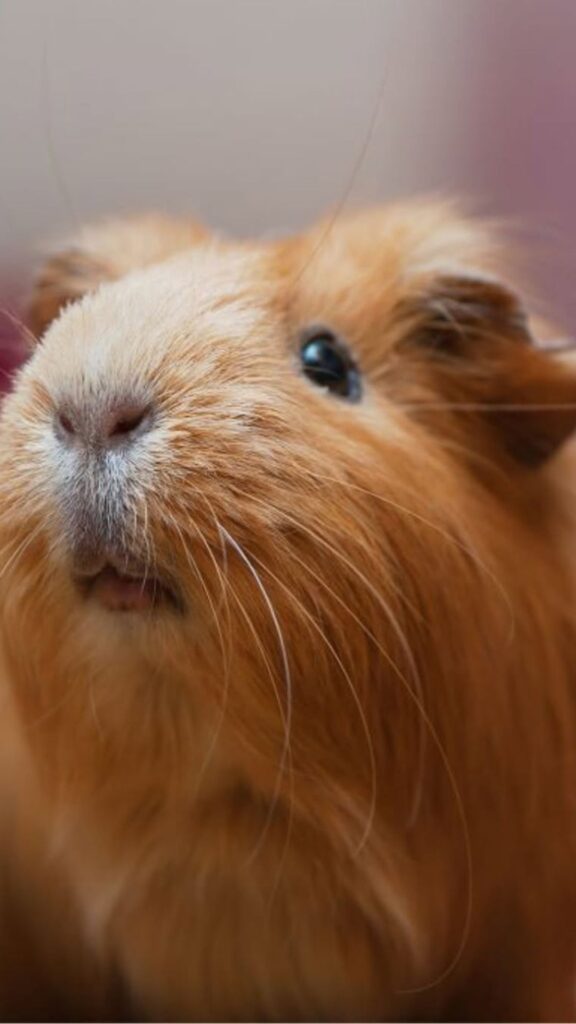
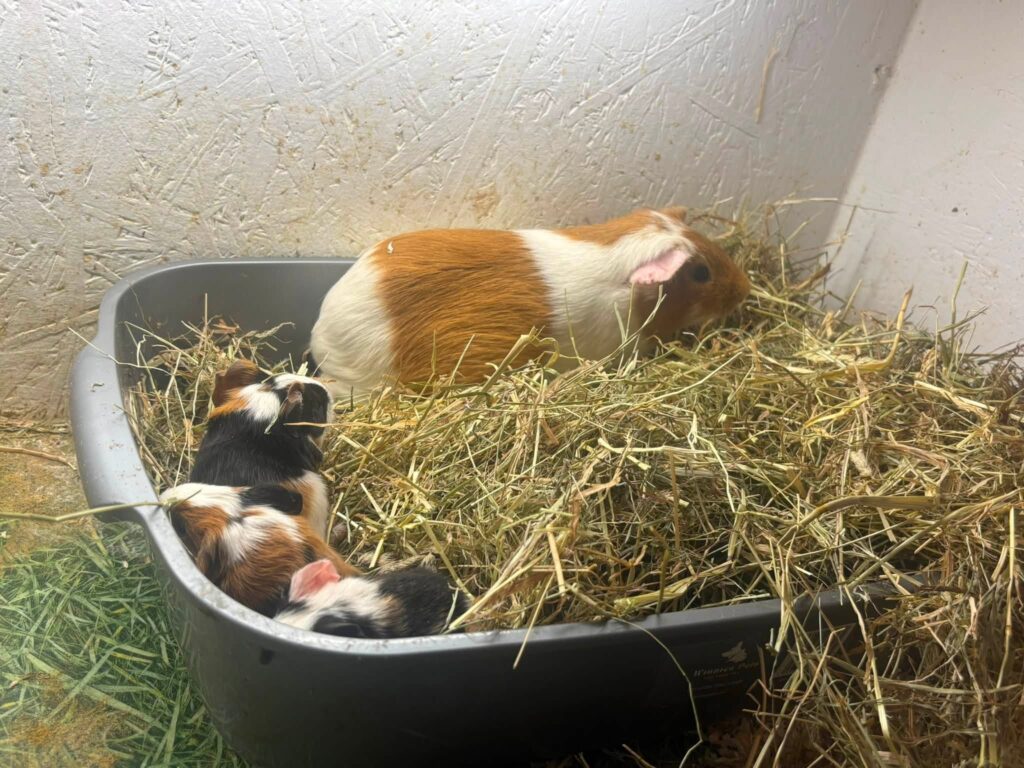
Guinea pigs are social and should not be kept alone without a welfare reason, but they still need enough space, correct pairing, constant hay, vitamin C, fresh water and regular health checks. More guinea pigs means more cleaning and more risk of bullying if the group is not stable.
A common mistake is buying two young guinea pigs without being absolutely certain of their sex. If they are wrongly sexed, numbers can increase very quickly.
Rabbits
Rabbits need much more space than many people expect. They also need suitable companionship, neutering in many cases, dental care, vaccination advice from a vet, safe flooring, shelter and daily monitoring.
Adding another rabbit without proper bonding can lead to fighting, stress and injury. Rabbits are not “easy hutch pets”. They are complex animals.
Hamsters
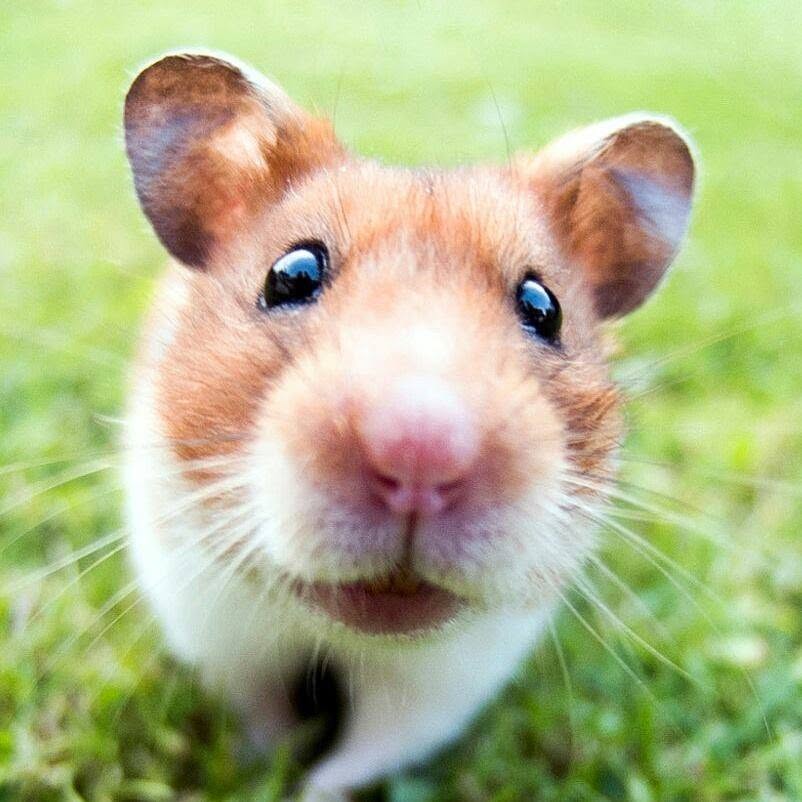
Most pet hamsters should be kept alone. A second hamster is usually not a companion. It is often a welfare risk.
If a child wants “another hamster so the first one has a friend”, stop there. That is usually the wrong reason. Hamsters need a good enclosure, deep bedding, enrichment, safe wheels and quiet handling, not another hamster in the same cage.
Budgies and cockatiels
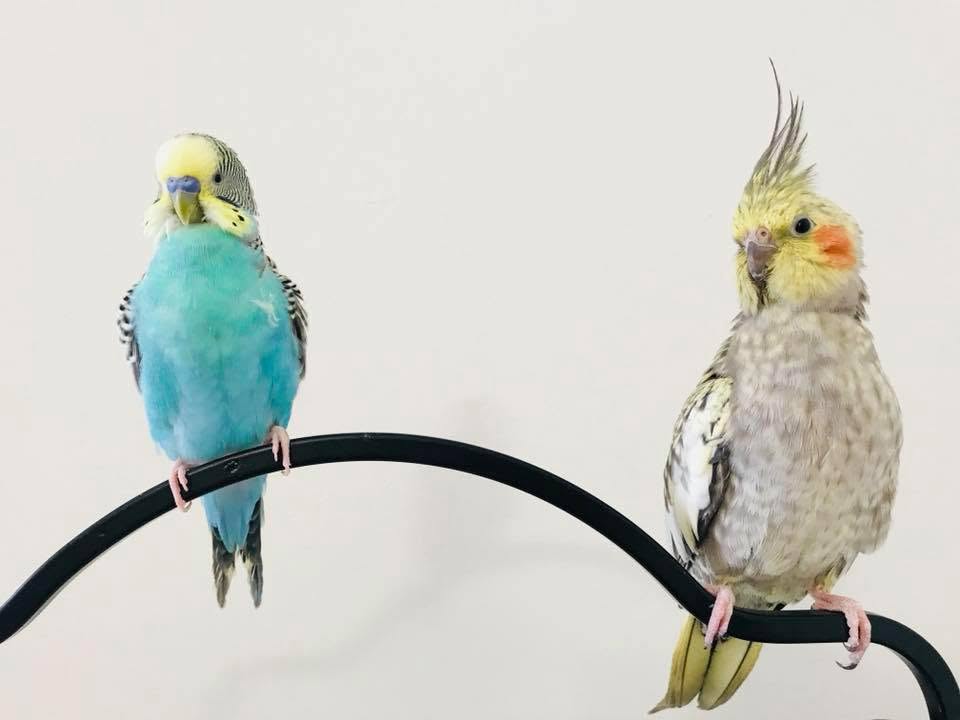
Birds are social, intelligent animals, but adding another bird is not always simple. You need quarantine, careful introduction, enough cage space, extra perches, more food stations and close observation.
A new bird can also bring illness into the home if it comes from a poor source. That is why the source matters.
The Local Wiltshire Lesson
The ITV Meridian report matters because it mentioned Wiltshire specifically. Incidents involving more than ten animals rose from 24 to 40 across the previous year.
For a Swindon pet owner, that should make this feel close to home. This is not just a national charity issue. It is a local welfare issue too.
At Paradise Pets, I would much rather tell someone to wait, upgrade the setup, check the sex of the animals, or speak to a vet before adding another pet than sell an animal into a situation that may become difficult later.
That may sound old-fashioned for a shop, but it is the right way to do it. A healthy pet in the right home is better for the animal, better for the owner, and better for the reputation of everyone involved.
Red Flags That You Already Have Too Many Pets
Be honest with yourself. These are signs that you should not add another animal yet:
- You are behind on cleaning cages, hutches or bedding.
- You are delaying vet visits because of cost.
- You cannot remember exactly what each animal eats daily.
- You are using temporary cages as permanent homes.
- You have animals living together because there is nowhere else to put them.
- You are not sure which animals are male or female.
- You have no quarantine space for new arrivals.
- You feel stressed by the amount of care already needed.
- Your home smells strongly of urine, damp bedding or stale food.
- Your family members disagree about who is responsible for care.
If any of these are true, the answer is not another pet. The answer is to stabilise the animals already in your care.
What To Do Instead Of Getting Another Pet Today
If you are tempted to get another pet but you are not fully ready, do one of these first:
- Upgrade the cage, hutch or enclosure for the pet you already have.
- Book a vet check if there are any health concerns.
- Improve diet quality, especially hay for rabbits and guinea pigs.
- Add enrichment, perches, hides, tunnels, chew items or foraging activities.
- Clean and reorganise the setup properly.
- Save a small emergency vet fund before expanding.
- Ask for proper species-specific advice before buying.
Often, the best welfare improvement is not adding another animal. It is giving the animal you already have a better life.
When Adding Another Pet Can Be The Right Decision
This article is not saying you should never get another pet. Many animals do better with the right companion. Guinea pigs usually need company. Rabbits often benefit from a bonded partner. Budgies and cockatiels are social birds and can thrive with suitable companionship.
But the word is suitable.
Adding another pet can be right when:
- You have enough space for separate housing if introductions fail.
- You know the sex, age and health status of the animals.
- You understand the species’ social needs.
- You can afford ongoing care and vet support.
- You have a calm introduction plan.
- You are buying from a source that can answer proper welfare questions.
That is responsible pet ownership. Not impulse. Not pressure from children. Not because an animal looks lonely in a shop. A planned pet is far more likely to become a healthy, settled pet.
Neil’s Advice Before You Decide
Before you bring another animal home, come in and talk it through. Tell us what you already have, cage size, sex, age, behaviour, diet, and what you are thinking of adding.
A good pet shop should not just ask whether you want to buy. It should ask whether the setup is right.
Sometimes I will say yes, that sounds sensible. Sometimes I will say wait. Sometimes I will say the cage needs changing first. Sometimes I will say you need a vet or a rescue organisation rather than another purchase.
That advice may save you money, stress and heartache. More importantly, it may protect the animals.
Thinking About Getting Another Small Pet Or Bird?
Before you buy, speak to Neil at Paradise Pets Swindon. We can help you check cage size, species compatibility, sexing, diet, bedding, enrichment and whether now is the right time to add another animal.