

Neil has sold and advised on cage and aviary birds at Paradise Pets Swindon since 1988. The RSPB’s 2026 Patterns of Persecution report is mainly about wild birds of prey, but it also carries a clear lesson for indoor bird owners: people who care about birds can help by staying informed, reporting suspected wildlife crime correctly, and supporting higher welfare standards for all birds.
If you keep a budgie, cockatiel, canary, finch, or any other indoor bird, it can be easy to think that wildlife crime is a separate subject. A hen harrier disappearing on a grouse moor, a buzzard being killed illegally, or a red kite being poisoned may feel far away from the bird in your living room.
But people who keep birds are already part of a community that notices birds. That matters.
The RSPB published its Patterns of Persecution report in May 2026. The report looked at confirmed bird of prey persecution incidents in the UK between 2015 and 2024. The numbers are serious: 921 confirmed incidents were recorded, involving 18 protected bird of prey species.
The report also makes clear that these confirmed incidents are only the cases that were detected and recorded. Many crimes involving birds of prey happen in remote areas, so the real number is likely to be higher.
This article is not about making indoor bird owners feel responsible for crimes they did not commit. It is about showing practical things ordinary bird lovers can do: report properly, support enforcement, talk about bird welfare, and make choices that treat birds as living animals rather than objects.
What the RSPB’s 2026 Report Found
The RSPB’s Patterns of Persecution report examined illegal killing and persecution of birds of prey in the UK from 2015 to 2024.
According to the RSPB, 921 confirmed incidents were recorded during that ten-year period. These incidents involved 18 protected bird of prey species. The report says at least 55% of confirmed incidents occurred on or near land managed for gamebird shooting.
The RSPB also reported that 48% of the confirmed incidents were shooting related. Other forms of persecution included poisoning, trapping, nest destruction, egg destruction, and killing chicks before they fledged.
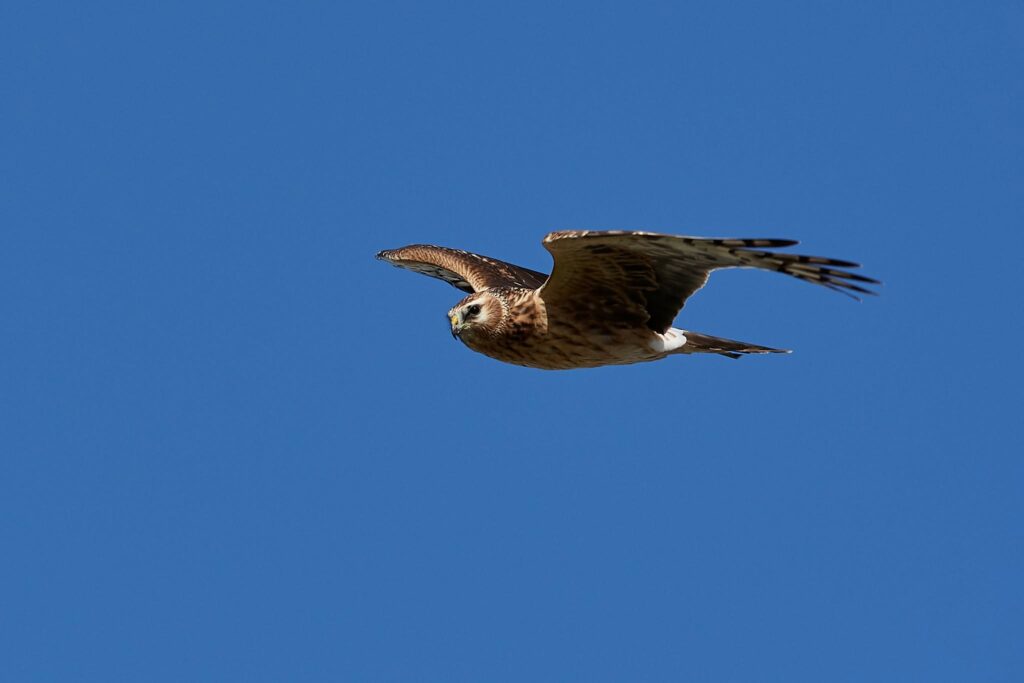
Hen harriers were one of the species highlighted. The RSPB reported 49 confirmed hen harrier persecution incidents between 2015 and 2024. It also reported that 100 satellite-tagged hen harriers disappeared in suspicious circumstances on or near grouse moors during the same period.
The conviction figures are also important. The RSPB says that between 2015 and 2024, only 24 individuals were convicted of bird of prey persecution-related offences. That gap between confirmed incidents and convictions is one reason the RSPB argues for stronger regulation and licensing for gamebird shooting.
Why This Matters If You Keep an Indoor Bird
A pet bird in a home and a wild bird of prey in the countryside are not the same thing. They have different needs, different risks, and different legal situations.
But the attitude behind good bird care is similar. Birds are not decorations. They are living animals with needs, instincts, and value. Whether the bird is a cockatiel in a cage or a red kite flying over farmland, people make choices that affect its life.
Indoor bird owners can help in three practical ways.
- They notice birds. People who keep birds are more likely to pay attention to bird behaviour, bird injuries, and things that look unusual.
- They can report correctly. Many wildlife crime cases depend on members of the public recording details and passing them to the right people.
- They can support better standards. A public that cares about bird welfare makes it harder for bird crime and poor animal treatment to be ignored.
This does not mean every indoor bird owner has to become a campaigner. It means knowing what to do if you see something suspicious, and making sure bird welfare is treated as a serious subject.
What to Do If You See Suspected Bird Crime
If you are out walking and see a dead or injured bird of prey in suspicious circumstances, do not touch the bird, bait, trap, or anything nearby. Poisoned bait and contaminated carcasses can be dangerous to people, dogs, and other animals.
The RSPB advises that if a wildlife crime is happening now, if the suspect is still present, or if anyone is in immediate danger, you should call 999. Otherwise, suspected wildlife crime should be reported to the police on 101, and you should ask for a reference number.
If the incident involves birds of prey, owls, ravens, suspected poisoning, trapping, shooting, or nest destruction, the RSPB also asks people to report it to RSPB Investigations. The RSPB also operates a confidential Raptor Crime Hotline on 0300 999 0101 for sensitive information about illegal targeting of birds of prey.
- Do not touch a dead bird, trap, bait, or suspicious object.
- Keep children and dogs away from the area.
- Take photos from a safe distance if you can.
- Record the exact location, date, time, and what you saw.
- Call 999 if a crime is happening now or someone is in danger.
- Call 101 for non-emergency wildlife crime reports.
- Report bird of prey cases to RSPB Investigations as well.
- Use the RSPB Raptor Crime Hotline on 0300 999 0101 for sensitive information.
What Indoor Bird Owners Can Do at Home
You do not need to live near a grouse moor or spend every weekend birdwatching to help create a stronger bird welfare culture. A lot starts at home.
- Keep your own birds properly. Good cage size, diet, enrichment, social contact, and veterinary care all matter.
- Buy birds responsibly. Ask where the bird came from, how it was bred, what it has been eating, and what aftercare support is available.
- Do not reward poor sourcing. Very cheap birds from sellers who cannot explain origin or care history should raise concern.
- Support proper reporting. Share official reporting guidance rather than rumours or social media speculation.
- Support reputable conservation work. Organisations that investigate and record bird crime depend on public awareness and support.
The aim is not to connect every pet bird owner directly to every wildlife crime. The aim is to make bird welfare part of normal public conversation.
What I Tell People at the Counter
When people come into the shop to ask about budgies, cockatiels, canaries, or finches, the first conversation is usually practical: cage size, diet, handling, noise, taming, cleaning, and cost.
That practical advice matters. But after more than 35 years, I have learned that responsible bird ownership also depends on attitude.
If you see a bird as a cheap impulse purchase, you will make different choices from someone who sees that bird as an animal with needs. If you see wild birds as background scenery, you will respond differently from someone who understands that many species depend on law, reporting, and public concern to survive.
Good bird keeping starts with the bird in your care. But it should not end there.
- “Birds of prey are protected, so the law must be working.” Birds of prey are legally protected, but the RSPB’s report shows that illegal persecution is still being recorded across the UK.
- “This has nothing to do with people who keep pet birds.” Indoor bird owners are not responsible for wild bird crime, but they are part of a wider community that cares about birds and can help raise awareness.
- “There is nothing I can do from a town or city.” You can learn how to report suspected crime, support investigation work, buy birds responsibly, and talk about welfare standards.
- “If I am not completely sure, I should not report it.” You do not need to investigate it yourself. Record what you saw safely and pass it to the proper organisations.
Frequently Asked Questions
Does UK bird crime directly affect my pet budgie or cockatiel?
Usually, no. The direct risks to a pet budgie or cockatiel are things like poor diet, unsafe cage setup, lack of enrichment, stress, and delayed veterinary care. But bird crime still matters to bird owners because it reflects how seriously birds are protected and valued in wider society.
Should I report a dead bird of prey if I find one?
If the circumstances look suspicious, yes. Do not touch the bird or anything nearby. Record the location and report it to the police on 101. If it involves a bird of prey, you can also report it to RSPB Investigations.
What number should I call for raptor crime information?
If a crime is happening now, call 999. For non-emergency wildlife crime, call 101. For sensitive information about illegal targeting of birds of prey, the RSPB lists its confidential Raptor Crime Hotline as 0300 999 0101.
Can indoor bird owners really make a difference?
Yes, but in a practical way. Indoor bird owners can keep their own birds well, buy from responsible sources, report suspected wildlife crime correctly, support reliable conservation work, and help make bird welfare a normal topic of conversation.
Where can I get bird care advice in Swindon?
You can visit Paradise Pets at Manor Garden Centre, Cheney Manor Industrial Estate, Swindon, SN2 2QJ, or call 01793 512400. We can help with cage setup, diet, enrichment, responsible sourcing, and general bird care questions.
One Last Thing From Me
The RSPB’s 2026 report is not comfortable reading. It shows that even with legal protection, birds of prey are still being illegally shot, trapped, poisoned, and disturbed in the UK.
But the practical lesson is not hopeless. Public reporting matters. Good information matters. Responsible ownership matters. Better buying choices matter. A larger community of people who care about birds matters.
If you keep a bird at home, start there. Give that bird the best care you can. Ask better questions before buying. Share accurate reporting advice. Support the people doing the difficult work of investigating bird crime.
That is how ordinary bird lovers can help: not by pretending they can solve everything alone, but by refusing to treat bird welfare as someone else’s problem.
Visit Us at Paradise Pets Swindon
We have been giving practical bird care advice in Swindon for over 35 years. If you are thinking about getting a bird, improving a cage setup, changing diet, or understanding what responsible sourcing looks like, come and speak to us.
We also stock supplies for cage and aviary birds, plus care products for gerbils and hamsters, guinea pigs, and rabbits.
Sources Checked for This Article
Last checked: 15 July 2026. These sources are included so readers can verify the report data and official reporting advice used in this article.
- RSPB news release on the 2026 Patterns of Persecution report
- RSPB Patterns of Persecution report page
- RSPB guidance on reporting crimes against wild birds
- RSPB bird crime and raptor persecution information
- National Wildlife Crime Unit: raptor persecution priority
- GOV.UK wildlife crime reporting leaflet