

Neil has run Paradise Pets Swindon since 1988. After more than 35 years of selling birds and advising owners, he believes responsible bird buying is not only about getting a healthy pet. It is also about asking better welfare questions, choosing transparent sellers, and treating birds as living animals rather than cheap stock.
A customer recently asked me a very direct question at the counter:
“Does it really matter where I buy a bird from?”
He was looking for a cockatiel. He had seen different prices online, different types of sellers, and different claims about hand-rearing, tameness, health, and availability. What he wanted to know was whether the source genuinely mattered, or whether it was just a question of finding a bird that looked healthy on the day.
My answer was simple: yes, it matters.
It matters for the bird you buy. It matters for the standards you reward with your money. And, in a wider sense, it matters because the way people buy birds shapes how birds are treated across the whole industry.
This is why the poisoning of two young white-tailed eagles in County Antrim is worth talking about on a pet bird website. A poisoned eagle on a moor and a cockatiel in a Swindon home are not directly connected. Buying a well-sourced pet bird will not, by itself, stop wildlife crime. But both stories ask the same underlying question: do we treat birds as living animals with value, or simply as things to be used?
What Happened to the White-Tailed Eagles?
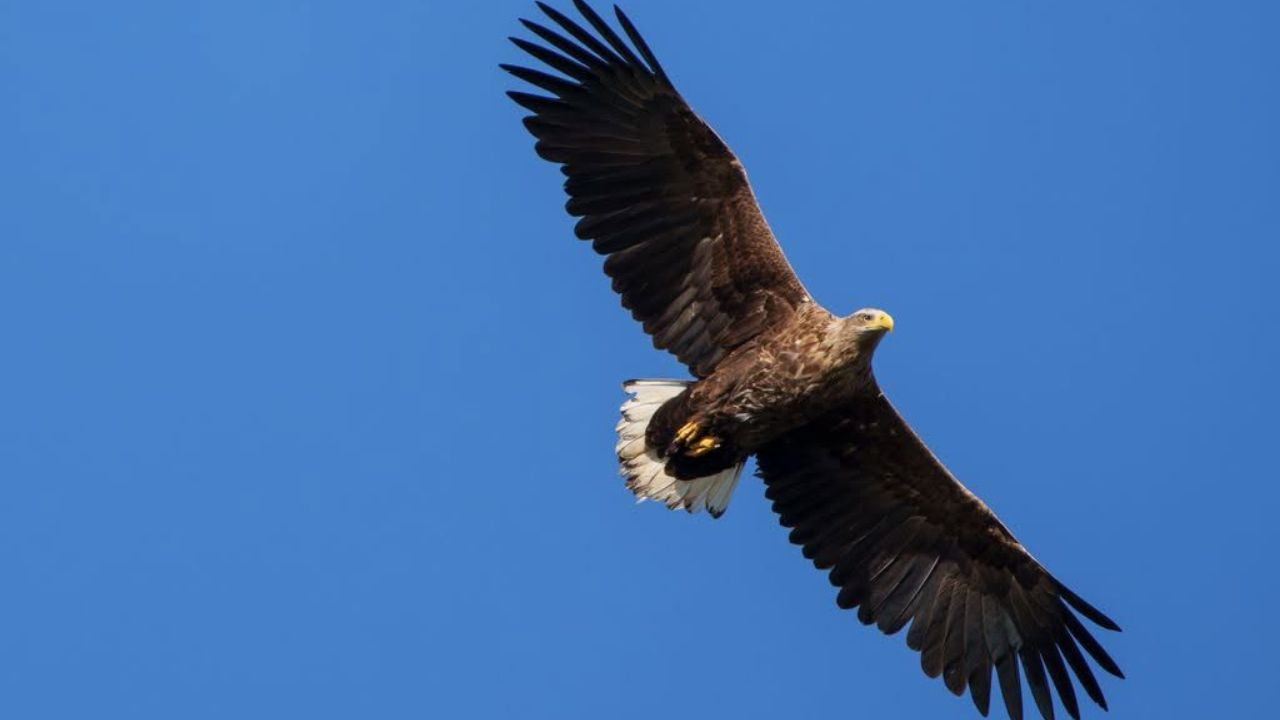
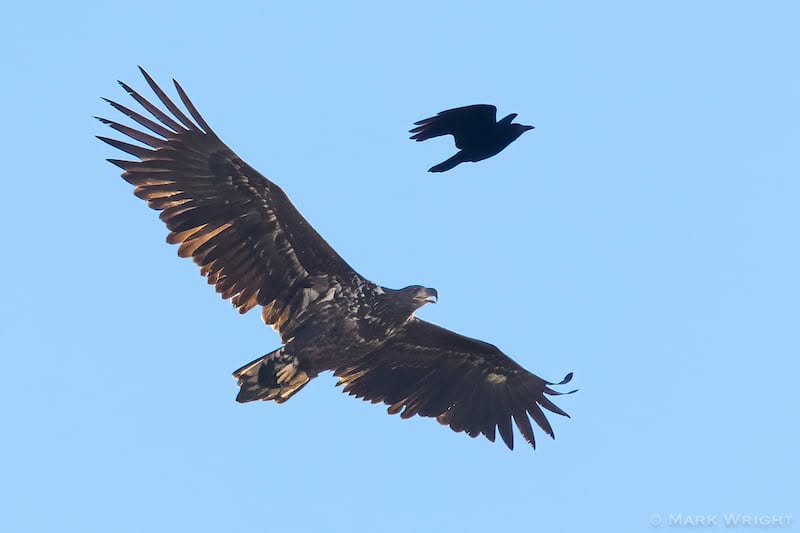
Two young white-tailed eagles were found dead in County Antrim, Northern Ireland, in May 2023. According to the National Parks and Wildlife Service, investigations by the Police Service of Northern Ireland found that both birds had ingested bendiocarb, a highly toxic insecticide.
The NPWS statement said it was not known exactly how the eagles ingested the substance, but it may have been through carrion or bait contaminated with the insecticide. The statement also noted that bendiocarb is fatal if swallowed and toxic through contact or inhalation.
White-tailed eagles are one of the UK’s most important conservation recovery stories. They were once wiped out in the UK after years of persecution, including shooting and poisoning. Reintroduction work has helped bring them back in parts of Britain and Ireland, but every illegal killing still matters because these populations remain fragile.
Why This Matters to Pet Bird Buyers
I do not want to overstate the link. A pet cockatiel breeder in Wiltshire is not the same thing as a person illegally poisoning birds of prey in Northern Ireland. Most responsible pet bird breeders have nothing to do with wildlife crime or gamebird shooting.
But there is a wider point that responsible bird owners should understand.
Bird welfare is shaped by what people tolerate. If buyers only ask, “What is the cheapest bird I can get?” then the market rewards sellers who cut corners. If buyers ask, “Where was this bird bred? How was it handled? What has it been eating? What support do you offer after sale?” then the market rewards sellers who take welfare seriously.
That difference matters. It improves the life of the individual bird. It also supports a culture where birds are treated with care, not as disposable stock.
The Direct Welfare Issue: Poorly Sourced Birds Suffer First
The most immediate reason to care about where you buy a bird is the welfare of that bird.
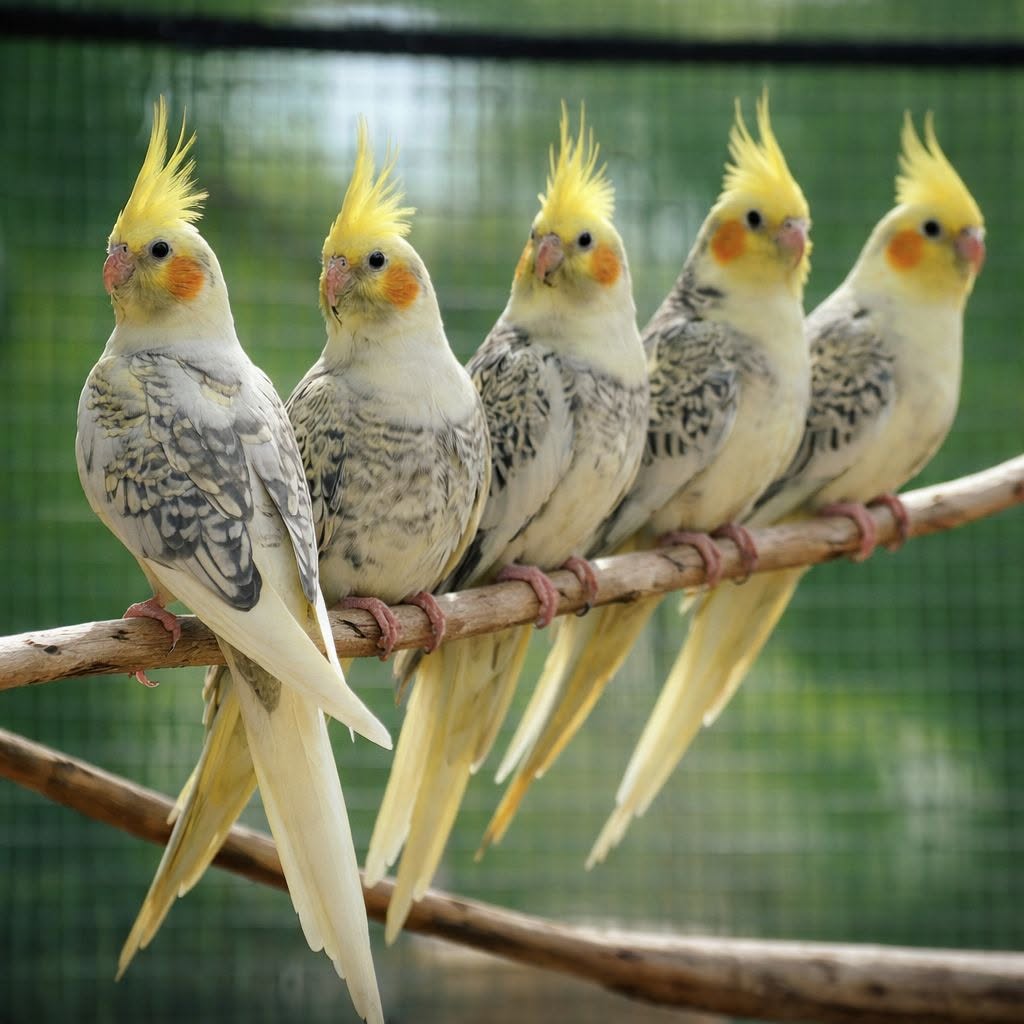
A well-sourced budgie, cockatiel, canary, or finch should come from someone who can explain its background clearly. The seller should know how the bird has been kept, what it has been fed, whether it has been handled, and what care it will need after purchase.
A poorly sourced bird may be cheaper at the start, but it can cost more later. Birds from weak sources are more likely to have poor socialisation, narrow diets, stress problems, or health issues that appear after the sale.
- Ask where the bird was bred. A responsible seller should be able to explain the bird’s origin clearly.
- Ask how the bird has been fed. A bird raised only on a narrow seed diet may need careful diet improvement later.
- Ask whether the bird has been handled. Socialisation matters, especially for cockatiels and other companion birds.
- Ask what support is available after sale. A seller who gives no aftercare has no real stake in the bird’s future.
- Do not choose only by price. Very cheap birds can be a sign that care, time, and welfare standards have been reduced.
What Responsible Bird Buying Looks Like
Responsible buying is not complicated, but it does require patience. Before buying a bird, you should feel comfortable asking the seller direct questions.
- Who bred this bird?
- How old is the bird?
- What has the bird been eating?
- Has the bird been handled regularly?
- Has the bird been kept with other birds?
- What cage size and setup do you recommend?
- What should I do if the bird does not settle?
- Do you offer advice after I take the bird home?
A good seller will not be offended by these questions. In fact, a good seller will usually be pleased that you are asking them. It shows that you are thinking about the bird properly, not just treating it as a quick purchase.
The Bigger Bird Welfare Lesson
The white-tailed eagle case is mainly a wildlife crime and conservation story. But for pet bird owners, it is also a reminder that birds depend entirely on human choices.
Wild birds depend on landowners, law enforcement, conservation groups, and public reporting. Pet birds depend on breeders, sellers, and owners. In both cases, birds suffer when people put convenience, profit, or indifference ahead of welfare.
That is the real connection. Not a direct financial connection. Not a claim that buying a cockatiel in Swindon changes what happens on a moor in Northern Ireland. The connection is about attitude.
If you care about birds, that care should show up in practical decisions:
- Buy from transparent, welfare-focused sources.
- Avoid sellers who cannot explain where their birds come from.
- Do not reward poor conditions just because the price is lower.
- Support bird welfare and conservation organisations when you can.
- Report suspected wildlife crime if you see it.
What to Do If You Find a Dead Bird of Prey
If you find a dead bird of prey in the countryside, especially near suspicious bait, do not touch it. Poisoned bait can be dangerous to people, dogs, and other animals.
The RSPB advises the public to report suspected bird crime. You can also contact the police on 101 if you believe a wildlife crime may have taken place. GOV.UK also provides guidance on reporting dead wild birds where disease monitoring may be relevant.
- Do not touch the bird or any bait nearby.
- Keep dogs and children away from the area.
- Take photos from a safe distance if possible.
- Record the location carefully.
- Report suspected wildlife crime to the police on 101.
- Use RSPB guidance on reporting crimes against wild birds.
Frequently Asked Questions
Does buying a responsible pet bird directly help wild birds?
Not directly. Buying a well-sourced cockatiel or budgie does not directly prevent illegal raptor persecution. But it does support better bird welfare standards. When buyers choose transparent, responsible sellers, they reward better practice and reduce demand for poor-quality sourcing.
What is the most important question to ask before buying a bird?
Ask where the bird came from and how it has been cared for. A seller should be able to explain the bird’s background, diet, handling, and care needs. If they cannot answer basic welfare questions, that is a warning sign.
Is it always better to adopt instead of buying?
Adoption can be a very good option, especially for birds needing a second home. But buying from a responsible breeder or reputable shop can also be appropriate, particularly for owners who need a young, well-socialised bird with clear background information. The key issue is welfare, not whether the bird is adopted or bought.
How can I tell if a seller is not trustworthy?
Be cautious if the seller cannot explain the bird’s origin, avoids welfare questions, pushes you to buy quickly, keeps birds in poor conditions, offers no care guidance, or sells at prices that seem too low to support proper care.
Where can I get honest bird-buying advice in Swindon?
You can visit Paradise Pets at Manor Garden Centre, Cheney Manor Industrial Estate, Swindon, SN2 2QJ, or call 01793 512400. We are happy to talk through bird sourcing, cage setup, diet, handling, and whether a bird is right for your home.
One Last Thing From Me
The customer who asked whether it mattered where he bought a bird was asking the right question. Many people only ask what species they should get, what cage they need, or how much the bird costs. Those questions matter, but they come after the first one: where is this bird coming from?
If you buy from a responsible source, ask proper questions, and choose welfare over the cheapest price, you are already doing something important. You are giving your own bird a better start, and you are supporting the kind of bird trade that should exist.
The two white-tailed eagles in County Antrim were wild birds, not pets. Their deaths belong mainly to a conservation and wildlife crime conversation. But for anyone who loves birds, the lesson is still close to home: birds need people to make better choices.
Start with the bird in front of you. Ask where it came from. Ask how it was raised. Ask what it needs. Then choose the seller who can answer properly.

Thinking About Getting a Bird? Ask Where It Comes From First
We have been selling birds and giving honest advice in Swindon for over 35 years. If you are thinking about a budgie, cockatiel, canary, finch, or another cage bird, come in and ask us what to look for before you buy.
Sources Checked for This Article
Last checked: 15 July 2026. Sources are included so readers can verify the conservation and wildlife-crime information used in this article.
- National Parks and Wildlife Service statement on the death of white-tailed eagles
- RSPB bird crime and raptor persecution information
- RSPB Birdcrime report information
- RSPB guidance on reporting crimes against wild birds
- National Wildlife Crime Unit: raptor persecution priority
- GOV.UK guidance on reporting dead wild birds