
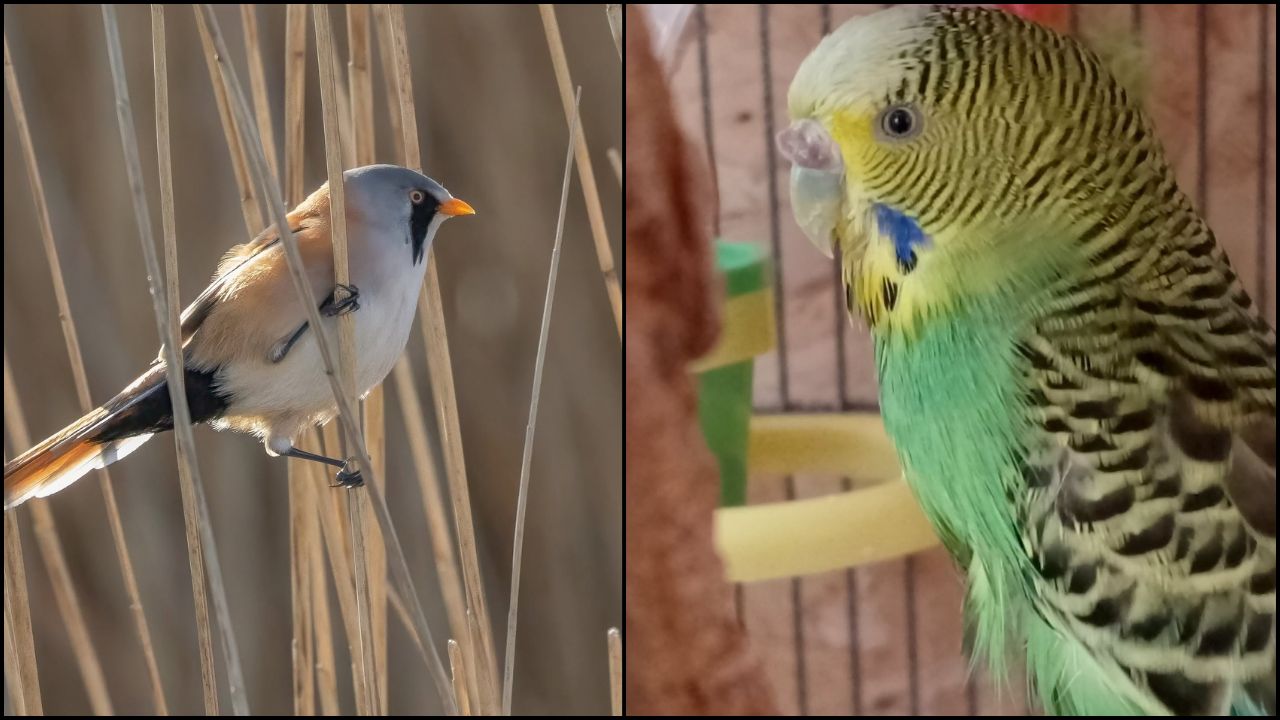

Neil has kept, bred and sold birds at Paradise Pets Swindon since 1988. This article looks at recent nightingale figures from RSPB nature reserves and explains the practical lesson for pet bird owners: birds respond when the right conditions are provided, whether that is habitat in the wild or diet, space, social life and health monitoring at home.
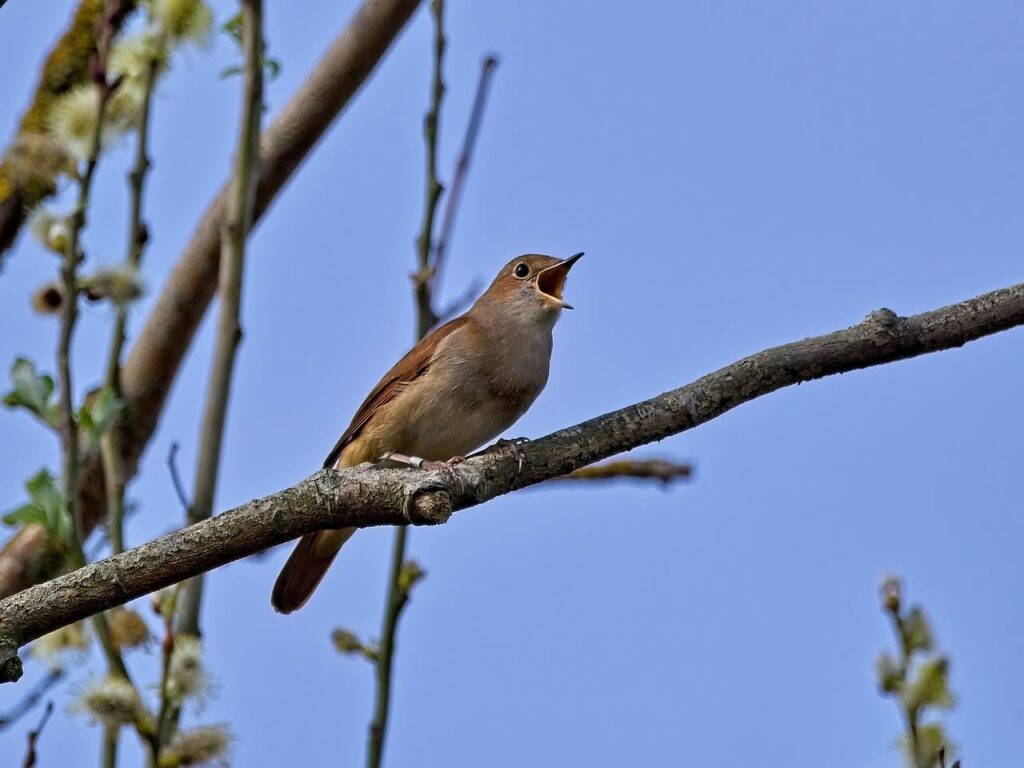
The nightingale is one of Britain’s most famous songbirds, but it is also one of the birds under serious long-term pressure. In 2025, the RSPB reported a positive result from its nature reserves: 176 singing male nightingales were recorded across RSPB reserves, a rise compared with the previous year.
That is encouraging. It shows that targeted habitat work can help.
But the wider picture is more complicated. The BTO nightingale bird facts page shows the UK breeding population remains in long-term decline, and the species remains a serious conservation concern.
That contrast is the useful lesson: improvement can happen where the right conditions are provided, but one good area does not fix the whole problem everywhere else.
I see the same principle with pet birds. A budgie, cockatiel or canary may have one thing right — a better diet, a larger cage, or more attention — but still not truly thrive if other basic needs are missing.
What the Nightingale Story Shows
The nightingale is a small, brown bird with one of the most celebrated songs in British wildlife. Most people in Britain will never hear one in the wild unless they visit the right place at the right time.
Nightingales now breed mainly in southern and eastern England. They need dense scrub, thickets and suitable cover for nesting and feeding. Where that habitat is managed carefully, they can respond.
The RSPB’s 2025 reserve figures show that targeted conservation can work. Reserves where scrub creation, coppicing, habitat restoration and deer control are used can provide the structure nightingales need.
But the wider decline shows that managed reserves are only part of the picture. Outside those places, habitat loss and habitat degradation still matter.
For pet bird owners, the lesson is simple: birds do not thrive because one condition is good. They thrive when the key conditions they depend on are all taken seriously.
The Pet Bird Lesson: One Good Thing Is Not Enough
A budgie’s welfare depends on several basic conditions working together.
The main ones are:
- diet
- space
- social life
- daily observation
- access to suitable veterinary help when needed
If one of these is missing, the bird may still struggle even if another part of its care is good.
A budgie on a good diet but living alone in a very small cage is not getting everything it needs.
A cockatiel in a large cage but eating a poor diet is not getting everything it needs.
A canary with good food and space but no proper health monitoring may still have problems missed until they are advanced.
This is why I try to move owners away from thinking in single fixes. It is rarely just “buy a better seed mix” or “get a bigger cage” or “add one toy”. Good bird care is the whole picture.
Diet: The First Condition Many Owners Underestimate
Many UK pet birds still live on a seed-heavy diet. Seed has its place, but seed alone is not a complete plan for most pet birds.
Birds need variety. Depending on the species, that may include suitable greens, vegetables, controlled seed portions, appropriate supplements when advised, and clean fresh water.
Diet affects energy, feather condition, immune health and long-term resilience. A bird can look fine for a long time while nutritional problems slowly build.
If you are unsure what your bird should be eating, ask someone with species-specific experience or speak to an avian vet. Do not guess from one social media post or one old packet label.
Space: The Cage Has to Allow Real Movement
A cage should not be treated as decoration or storage. For a pet bird, it is the centre of daily life.
A cage needs enough width for movement, sensible perch spacing, safe materials and room for normal behaviour. A bird that cannot properly stretch, hop, climb or move between perches is living with a daily restriction.
Out-of-cage time can help, but it does not excuse a cage that is too small. Many birds spend most of their day inside the cage, so the cage has to work.
For budgies and cockatiels especially, width often matters more than height. Birds move across space, not just up and down.
Social Life: Birds Are Not Ornaments
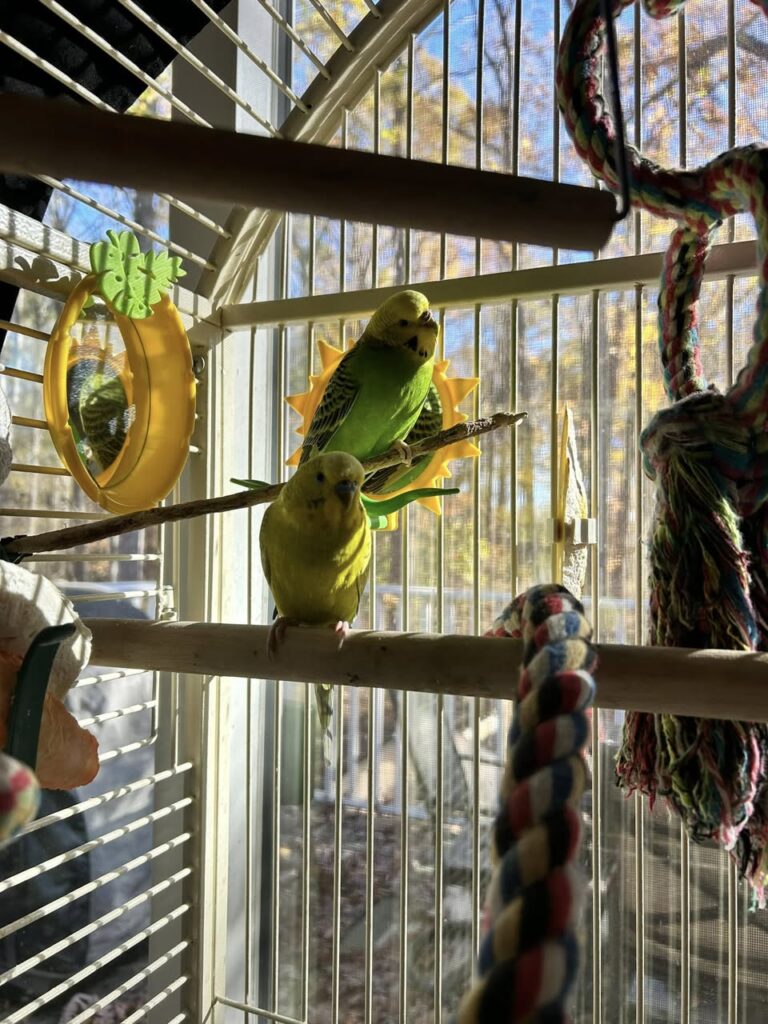
Many pet birds are social animals. They notice routine, voice, presence and absence. They respond to interaction, and many suffer when they are isolated or ignored.
That does not mean every bird should be paired without thought. Species, temperament, sex, age, cage size and owner experience all matter.
But it does mean owners should take social needs seriously. A bird left alone for long periods, with little interaction and little enrichment, may become quieter, more anxious or more difficult to handle.
A bird’s behaviour often tells you whether its environment is working. If a bird is constantly screaming, feather damaging, hiding, lunging or shutting down, do not only ask “how do I stop the behaviour?” Ask what need is not being met.
Health Monitoring: Catch Problems Early
Birds are very good at hiding illness. This is one of the first things new bird owners need to understand.
A bird that looks obviously ill may already have been struggling for some time. That is why daily observation matters.
Watch:
- breathing
- droppings
- appetite
- posture
- feather condition
- activity level
- voice and normal behaviour
If something changes and does not quickly return to normal, speak to a vet with bird experience. The RCVS Find a Vet tool can help owners look for veterinary practices in their area.
Why the Nightingale Comparison Helps
The nightingale is not the same as a budgie. A wild migratory songbird and a pet parakeet are very different animals.
But the principle is still useful.
The nightingale responds where the right habitat structure exists. The pet bird responds where the right home conditions exist.
For the nightingale, the conditions include scrub, thicket, food supply, reduced browsing pressure and suitable breeding areas.
For the pet bird, the conditions include diet, space, social life, enrichment and early health detection.
In both cases, the animal is not failing because it is weak. It is usually the environment that decides how well it can do.
The Checklist This Story Produces
| Wild Nightingale Need | Pet Bird Equivalent | Owner Question |
|---|---|---|
| Dense scrub and thicket for nesting and shelter | A cage and room setup that allows safe movement and normal behaviour | Can my bird move, stretch and use the cage properly? |
| Suitable food supply in the habitat | A varied, species-appropriate diet rather than seed alone | Is my bird’s diet genuinely balanced? |
| Protection from habitat damage | Protection from chronic stress, boredom and unsafe room conditions | Is the cage placed and managed with the bird’s needs in mind? |
| Stable conditions across the wider landscape | Consistent daily care, observation and access to vet help | Would I notice early if something changed? |
What Owners Can Do This Week
You do not need to fix everything in one day. Start with a simple audit.
Check these four things:
- Is the cage large enough for the bird’s actual daily movement?
- Is the diet more varied than seed alone?
- Does the bird get enough interaction, enrichment and routine?
- Do you know which vet you would call if something looked wrong?
If one answer is weak, start there. If several are weak, do not panic. Improve one condition at a time, but understand that the goal is the whole picture.
Frequently Asked Questions
Why did nightingale numbers rise on RSPB reserves in 2025?
The RSPB reported 176 singing male nightingales across its nature reserves in 2025. The increase is linked to targeted habitat work such as scrub creation, coppicing, habitat restoration and deer management. These measures help create the dense vegetation structure nightingales need.
Why is the nightingale still a conservation concern?
Reserve results can be positive while the wider population remains under pressure. The BTO records long-term decline in the UK breeding population, and nightingales remain restricted mainly to southern and eastern England. Wider habitat loss and degradation are still important problems.
What does this have to do with my budgie or cockatiel?
The comparison is about conditions. A bird’s welfare depends on whether its key needs are met. For pet birds, that means diet, space, social life, enrichment and health monitoring. One good condition helps, but it does not replace the others.
Should every budgie have a companion?
Many budgies benefit from social contact, but pairing should be done carefully. Cage size, bird temperament, sex, age and owner experience all matter. If you are unsure, ask for advice before introducing another bird.
Where can I get advice in Swindon?
You can visit Paradise Pets at Manor Garden Centre, Cheney Manor, Swindon SN2 2QJ, or call 01793 512400. We can talk through your bird’s cage, diet, routine and general care needs. For illness, injury or urgent symptoms, contact a qualified vet.

Want Practical Advice About Your Bird’s Setup?
Bring your questions to Paradise Pets Swindon. We can talk through cage size, cage position, diet, enrichment and daily care. For illness, injury or emergency symptoms, contact an avian vet immediately.
Sources Checked for This Article
- RSPB: A singing success for Nightingales on RSPB nature reserves
- RSPB: Nightingale species information
- BTO: Nightingale bird facts and UK population trend
- BTO: Understanding the plight of the English Nightingale
- RCVS: Find a Vet
Last checked: 15 July 2026.