
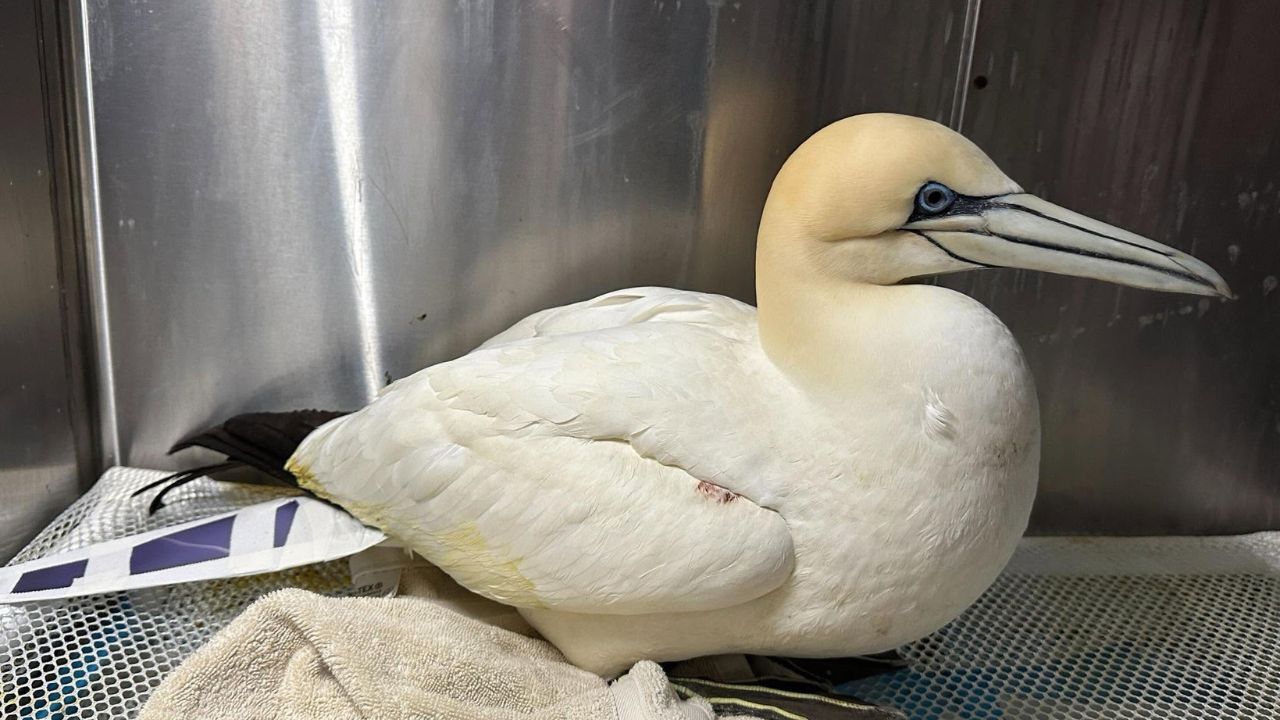

Neil has kept and sold cage birds at Paradise Pets Swindon since 1988 — over 35 years watching UK bird health, wild and captive. A study published today in Biological Conservation finds that Bass Rock in Scotland and Grassholm in Wales — two of the world’s largest gannet colonies — will not recover to pre-outbreak population levels until 2041 at the earliest. Death rates during the 2022 HPAI H5N1 outbreak rose from an average of 6% annually at Bass Rock to 33%. At Grassholm, 16,000 nests were left empty, halving the colony. The UK holds more than half the world’s gannet population. These findings are the wildlife consequence of a disease that is still active. This article is Neil’s honest account of what it means for indoor cage bird owners — and the specific risk he believes most of them are not thinking about.
A retired birdwatcher came in this morning with a printout of the gannet study.
He had been to Bass Rock in 2019. Described it as the most extraordinary wildlife experience of his life — a working fishing boat surrounded by tens of thousands of gannets, a noise that he said he still thought about, a smell he had never been able to fully convey to anyone who had not been there. He had been following the colony’s decline since 2022 with a specific, personal kind of grief.
“Is this going to affect my birds?” he said. He kept a pair of cockatiels. Had done for fifteen years.
It was the right question to ask. And the honest answer — which I gave him — is more nuanced than either a flat yes or a flat no, and more important than most indoor cage bird owners have stopped to think about.
The gannet news is a conservation story. It is also an ongoing disease story. Highly pathogenic avian influenza H5N1 is not a historical event. It is circulating. It has been circulating continuously in wild bird populations since 2021. It produced the worst seabird mortality event in recorded UK history in 2022, and the study published today confirms that the ecological damage from that single year will take nearly two decades to repair — if the modelling is optimistic. If it is not optimistic, it will take longer.
What that means for the owner of an indoor cage bird is a specific, practical question with a specific, practical answer — and it is the answer I want to give clearly in this article.
What the Gannet Study Actually Found — Today’s Numbers
The study, published today in Biological Conservation and led by Jude Lane of the RSPB, provides the most detailed quantitative analysis of HPAI H5N1 impact on UK seabirds produced to date. Its findings deserve to be stated clearly before anything else.
Death rates among northern gannets jumped from an annual average of 6% at Bass Rock in the eleven years prior to 2022, to 33% during the bird flu outbreak. At Grassholm, mortality rates rose from an average annual 11% in the eleven years before the outbreak, to 47% as the disease swept the colony.
This led to a 26% decrease in the size of the gannet colony at Bass Rock and a 38% decline at Grassholm in 2023, the year after the outbreak. In Wales, 16,000 empty nests were left at Grassholm, effectively halving the size of the colony.
Population modelling forecasts that the colonies are unlikely to recover to the size they would have had until 2041, 19 years after the outbreak. However, the authors caution that these predictions are a likely best-case scenario and recovery could take even longer.
The study’s authors have recommended revising the species’ global conservation status — currently Least Concern on the IUCN Red List — in light of this unprecedented mortality and subsequent population recovery time linked to a single disease outbreak.
The UK dimension of this matters beyond its national borders. The UK supports more than half of the world’s gannets, so losses in Scotland and Wales carry global weight for a species that breeds in the North Atlantic.
This is not historical. The disease that produced these numbers is still circulating in wild bird populations across Europe and the UK. The 2022 event was the worst single outbreak. It was not the last outbreak.
- Bass Rock death rate during the 2022 outbreak: 33% — against a pre-outbreak average of 6% annually
- Grassholm death rate during the 2022 outbreak: 47% — against a pre-outbreak average of 11% annually
- Bass Rock colony size fell 26% in 2023. Grassholm fell 38%
- 16,000 empty nests left at Grassholm — the colony effectively halved
- Recovery to pre-outbreak levels not expected until 2041 at the earliest — possibly longer
- IUCN Least Concern status recommended for revision — an unprecedented recommendation for a species at this scale of global importance
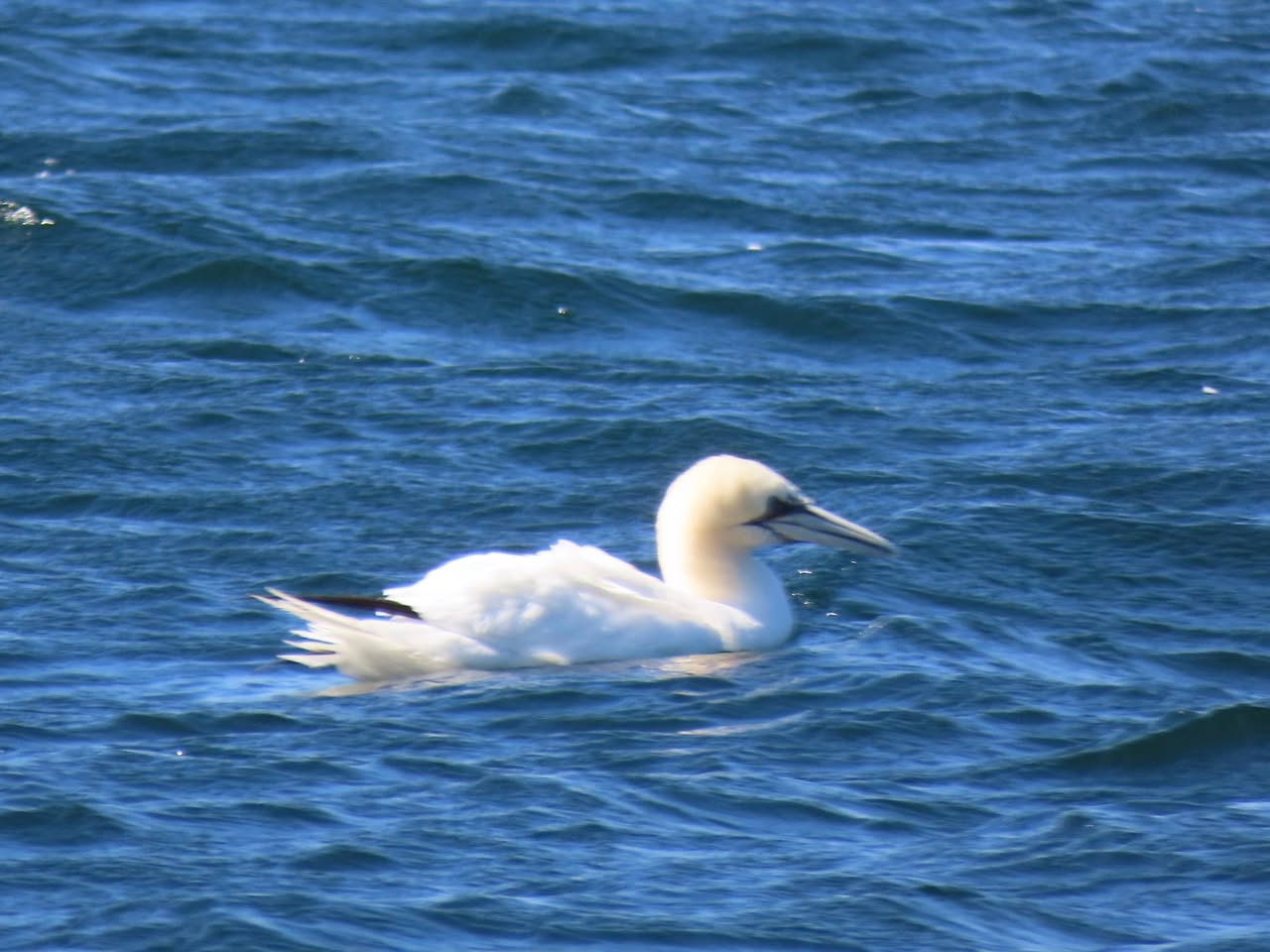
What HPAI H5N1 Actually Is — And Why Its Current Status Matters
Before the pet bird risk section, it is worth being precise about what HPAI H5N1 is and where it currently stands — because the media coverage of bird flu has been inconsistent enough that many owners have a confused picture of whether this is an ongoing risk or a past event.
Highly pathogenic avian influenza H5N1 is a strain of influenza A that has been circulating in wild bird populations globally since its initial identification in poultry in Asia in 1996. It spread to European wild bird populations progressively, reaching the UK in significant scale in 2021. The 2022 outbreak that devastated the gannet colonies was part of a Europe-wide HPAI wave that produced the highest recorded wild bird mortality from influenza in the continent’s history.
The virus has not been eradicated. It continues to circulate in wild migratory bird populations — particularly waterfowl and seabirds, which are the primary reservoir and spreader species. Annual HPAI risk periods in the UK — typically autumn through spring as migratory birds move through — have been a feature of UK wild bird management since 2021, with APHA (Animal and Plant Health Agency) issuing housing orders for poultry when risk levels are elevated.
The current APHA status as of July 2026: no mandatory housing order is in force for poultry in England, meaning the immediate outdoor risk level is currently managed but not at its peak seasonal level. Autumn 2026 will bring the next elevated risk period as migratory species begin to move through the UK again.
- HPAI H5N1 has been continuously circulating in European wild bird populations since 2021 — it has not been eradicated
- Wild migratory waterfowl and seabirds are the primary reservoir and dispersal species
- Annual risk periods — autumn through spring in the UK — have been a consistent feature since 2021
- No mandatory poultry housing order is currently in force in England — July is within the lower seasonal risk period
- Autumn 2026 will bring the next elevated risk period as migratory bird movements resume
- APHA monitoring data shows the virus remains present in UK wild bird populations between peak outbreak periods
The Actual Risk to Indoor Pet Birds — Honest and Specific
The risk to an indoor cage bird — a budgie, a cockatiel, a canary, a parrot kept in a domestic home — from HPAI H5N1 is genuinely low in normal circumstances. I want to say that clearly because the opposite impression — that every cage bird in the UK is in imminent danger — is not accurate and would be unhelpful.
What I want to be equally clear about is that low risk is not zero risk. And the specific pathways through which the risk reaches an indoor bird are not things that most cage bird owners are thinking about — which is why I am writing this today, in direct response to the gannet study and the question the retired birdwatcher asked me this morning.
The risk pathways that actually exist for indoor birds
The primary transmission route for HPAI in domestic birds has consistently been indirect contact with wild birds — through contaminated surfaces, shared water sources, contaminated footwear or clothing, and the introduction of wild-caught or newly sourced birds that have been exposed to the virus.
For an indoor cage bird that never goes outside and whose owner takes basic precautions, the risk of exposure is very low. The virus does not travel through walls. An indoor bird that has no contact with wild birds or contaminated materials from wild bird environments is at minimal risk during a normal, non-outbreak period.
Where the risk increases for indoor bird owners — and where most are not paying attention — is in specific scenarios that are entirely avoidable but that most people do not think to avoid.
- Handling wild birds, found dead or sick wild birds, or working in environments with high wild bird contact, then handling cage birds without changing clothes and washing hands
- Feeding wild birds in the garden with the same equipment or hands used for indoor cage birds, without adequate hygiene between the two
- Introducing a new bird to an existing household without a quarantine period — a bird from a source that keeps birds with any outdoor access, or that mixes recently acquired birds from multiple sources, carries more risk than a bird from a well-managed single-source environment
- Open windows during peak risk periods that allow wild birds — particularly pigeons, starlings, or sparrows — to land near cage birds or access the room where they are kept
- Using water from outdoor sources — garden water butts, bird baths — to fill indoor bird water dishes
- Purchasing birds, particularly poultry or waterfowl, at markets or from mixed-species outdoor collections during elevated risk periods without checking the source’s APHA compliance status
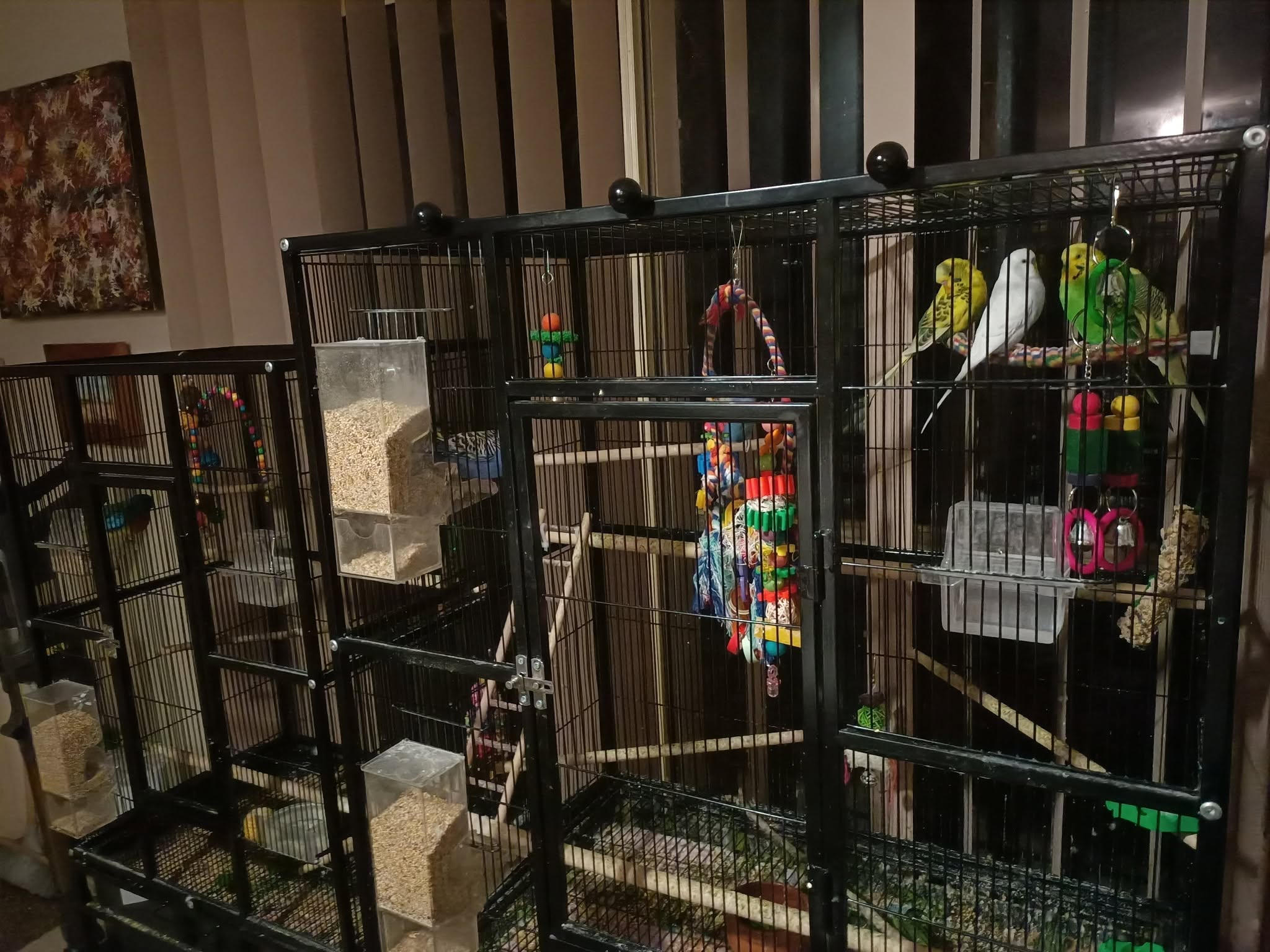
The Specific UK Context — Why This Matters Here More Than Elsewhere
The gannet study’s finding that the UK holds more than half the world’s gannet population is relevant beyond its conservation dimension. It speaks to a broader truth about the UK as an HPAI risk environment.
Britain is a major flyway for migratory birds. Every autumn, tens of millions of birds move through and into the UK from northern Europe, Scandinavia, Iceland, and beyond — many of them from populations that have higher HPAI circulation rates than typical UK resident populations. Geese, ducks, waders, and seabirds carry the virus across these flyways. The UK’s extensive coastline, its significant estuarine habitats, and its dense wild bird populations make it one of the higher-exposure environments in Europe for HPAI transmission to domestic and captive birds.
This does not mean indoor birds are at high risk. But it does mean that the background level of virus circulation in UK wild bird populations — the level that creates the exposure pathways described above — is meaningfully higher than in many other countries where equivalent media coverage might be generating less concern.
UK pet bird owners living near coastal areas, nature reserves, wetlands, or other high-wild-bird-density environments face marginally higher exposure risk through the indirect pathways above than those in urban centres. This is a nuance rather than a crisis — but it is worth knowing if you are the person who feeds garden birds every morning before going in to check on your cockatiel without washing your hands in between.
What Basic Biosecurity Actually Looks Like for a Pet Bird Owner
I want to be specific here rather than general — because “good biosecurity” in a professional poultry context means something very different from what is practically relevant for the owner of a house budgie.
The following is not about turning your home into a biosecure facility. It is the set of simple, consistent habits that meaningfully reduce the risk pathways identified above without requiring any specialist equipment, significant cost, or meaningful inconvenience.
- Wash hands before handling your bird or its food and water, every time. This applies particularly after handling wild birds, after gardening, after touching garden bird feeders or bird baths, and after being in environments with high wild bird density — parks, coastal areas, nature reserves. The transmission pathway this addresses is direct contamination from wild bird environments to indoor bird, via the owner’s hands. It takes ten seconds.
- Keep garden bird feeding equipment separate from indoor bird equipment. Do not use the same scoop, the same container, the same measuring cup for garden bird seed and indoor cage bird food. Do not clean both in the same sink without thorough disinfection between. The surface contamination risk here is real and entirely avoidable with separate equipment.
- New bird quarantine — four weeks minimum. Any new bird introduced to a household where other birds live should be quarantined in a separate room, with separate equipment, for a minimum of four weeks before any contact with existing birds. This is not specific to HPAI — it applies to any respiratory or systemic infection — but it is the most important single precaution for HPAI specifically, because a bird recently sourced from a multi-species or outdoor-access environment has meaningfully higher exposure risk than a well-established indoor bird.
- Do not handle found dead or sick wild birds without protection. The impulse to help a bird found sick on the pavement or in the garden is understandable and humane. If you do handle a sick or dead wild bird, treat it as a potential HPAI source — wear disposable gloves if available, do not handle it near your cage birds, wash hands and change clothes before contact with indoor birds. Report dead wild birds — particularly waterfowl, raptors, or seabirds — to APHA on 03000 200 301.
- During elevated risk periods, manage window access carefully. Autumn through spring — when migratory birds are moving through the UK and HPAI risk periods are active — is when open windows that allow wild birds to approach or enter the room where cage birds are kept carry more risk than in July. This does not mean keeping windows closed all winter. It means being thoughtful about windows that face areas of high wild bird activity — garden feeders directly outside, or bird-dense outdoor environments — during periods when APHA has flagged elevated risk.
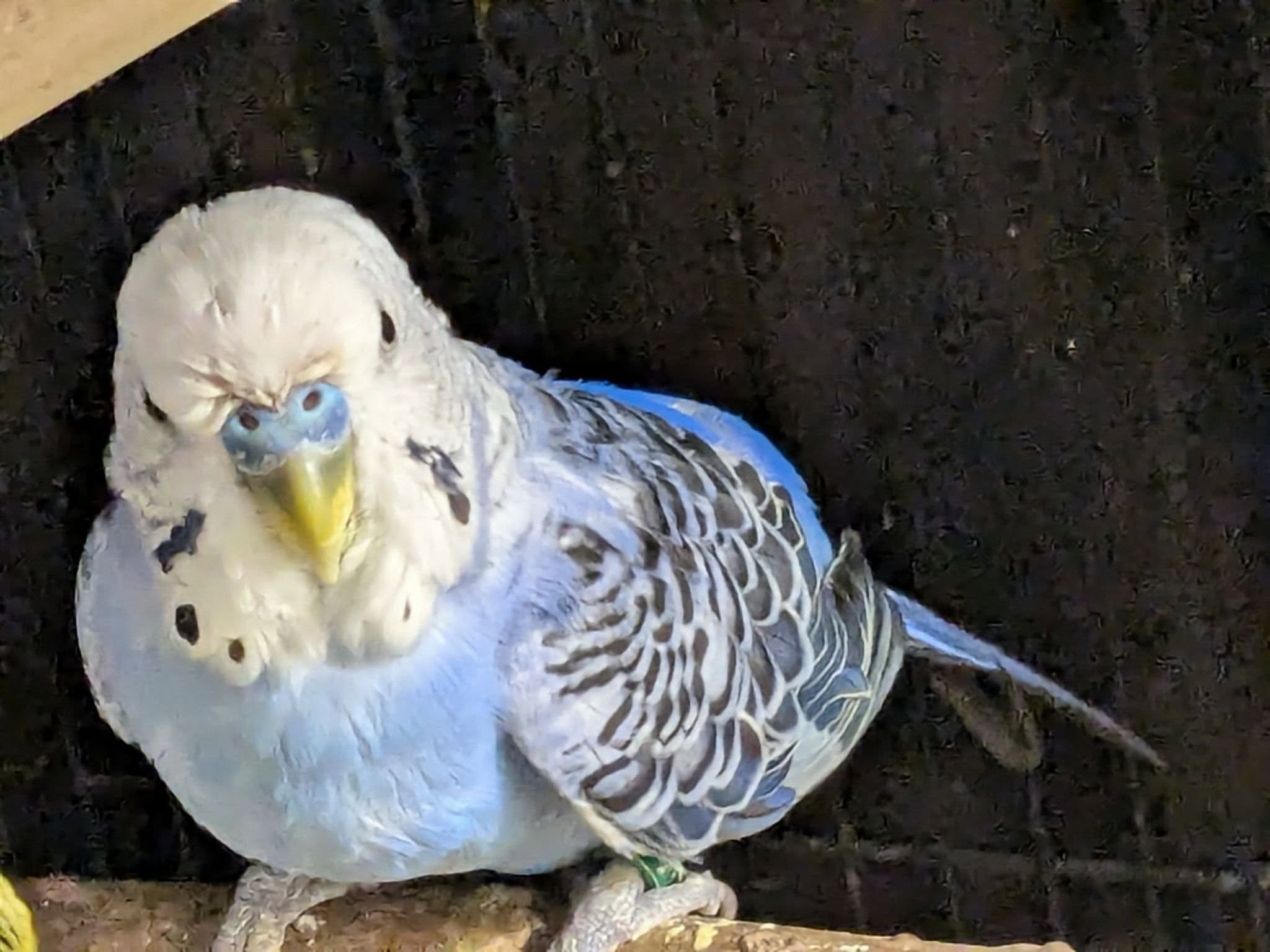
The Conservation Dimension — Why the Gannet News Matters Beyond the Risk to Your Bird
I want to address this separately, because the retired birdwatcher who came in this morning was asking two different questions with the same words — and only one of them was about his cockatiels.
The gannet news is a conservation catastrophe in slow motion. A 25% decline in breeding gannet numbers at surveyed UK sites was recorded in 2023, while other badly hit seabirds included great skuas and roseate terns. The recovery timeline of 2041, with the caveat that this is a best-case scenario, describes a generation of absence from some of the UK’s most iconic coastal wildlife spectacles.
The study authors’ recommendation to revise the gannet’s IUCN conservation status from Least Concern is significant. The global gannet population did not appear vulnerable a decade ago. A single disease outbreak has moved the species to the threshold of genuine conservation concern — not because of habitat loss, not because of hunting or pollution, but because of a disease that moved through a slow-reproducing species faster than the population can replace the adult breeding birds it lost.
Slow-breeding birds cannot replace adult losses quickly. A gannet does not begin breeding until it is five or six years old. A colony that lost 33 to 47 percent of its adult breeding birds in a single year is not simply reduced — it is structurally damaged in ways that compound over years as the breeding cohort is smaller, produces fewer young, and those young take years to reach breeding age themselves. The 2041 recovery date assumes no further significant outbreak. The authors caution that these predictions are a likely best-case scenario and recovery could take even longer.
- The UK holds more than half the world’s northern gannet population — the global conservation significance of the Bass Rock and Grassholm losses extends well beyond the UK
- Great skuas and roseate terns were also severely affected in 2022 — the seabird community impact is broader than the gannet headlines alone suggest
- The 2041 recovery date is a best-case scenario that assumes no further significant HPAI outbreak affecting these colonies
- The IUCN revision recommendation reflects a genuine shift in the species’ conservation trajectory — from secure to genuinely at risk — produced by a single disease event
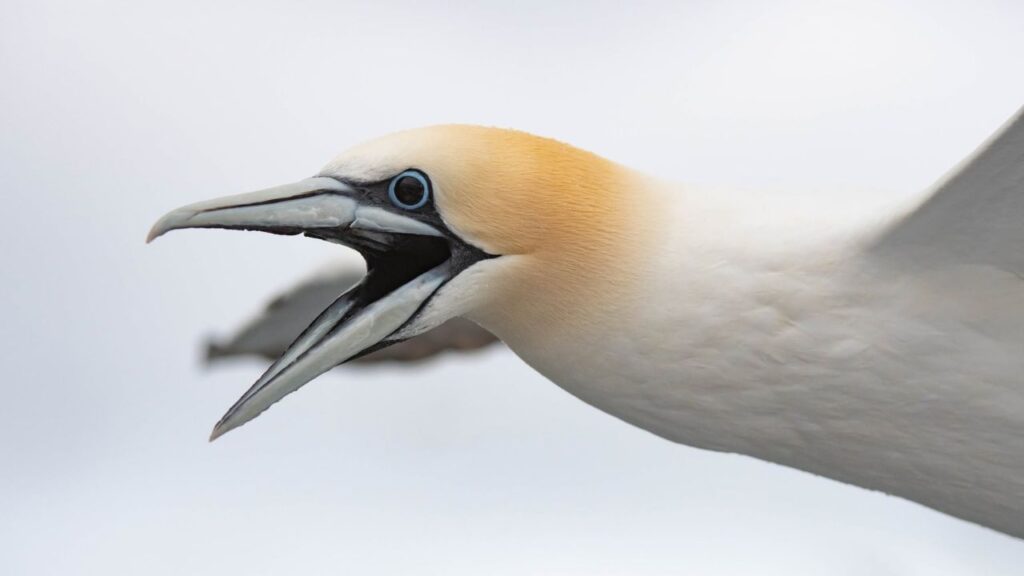
- Some survivors show unusual black iris colouration linked to previous HPAI infection — evidence that some birds survived the disease, though what long-term implications this carries is not yet known
What the Ongoing Circulation Means for Autumn 2026
I want to close the risk section with something that is forward-looking rather than historical — because the gannet study is being published today about a 2022 event, but the relevant question for pet bird owners is not what happened in 2022. It is what is likely to happen this autumn.
HPAI H5N1 remains present in global wild bird populations. Autumn 2026 will bring the next wave of migratory birds into the UK — primarily from Scandinavia, Iceland, and northern Europe, populations in which HPAI circulation is well-documented. The UK’s APHA monitoring will begin issuing risk level assessments from September onward as the autumn migration commences. Previous years’ patterns suggest elevated risk periods from approximately October through March.
During those elevated risk periods, the biosecurity habits described above matter more, not less. Specifically:
- Follow APHA risk level assessments from September — they are published at gov.uk/guidance/avian-influenza-bird-flu and are updated as the situation changes
- The hand washing and equipment separation habits described above should be maintained year-round but are particularly important from October through March
- New bird introductions — if you are planning to add a bird to your household — are better made in July or August than in October or November, when the background risk level will be higher
- Any found dead or sick wild bird during elevated risk periods should be reported to APHA at 03000 200 301 — reports from the public contribute to the monitoring picture that allows early detection of new outbreak events
- Pet insurance policies for birds should be reviewed for their coverage of infectious disease treatment — not all policies cover HPAI-related illness, and knowing this before an event is better than discovering it during one
Frequently Asked Questions
Can my indoor budgie or cockatiel catch bird flu from me if I have touched a wild bird?
Theoretically yes, through surface contamination — the virus can be carried on hands, clothing, or footwear from a contaminated outdoor environment to an indoor bird. The risk is low if basic hygiene is maintained but not zero. Wash hands thoroughly before handling your bird or its food and water after any contact with wild birds or outdoor environments where wild birds are present. This single habit addresses the primary indirect transmission route for domestic pet birds.
Should I stop feeding garden birds because of the gannet news and ongoing HPAI risk?
The RSPB and APHA do not currently advise stopping garden bird feeding as a routine precaution during lower seasonal risk periods — July falls within that lower risk window. During elevated risk periods (typically October through March), APHA guidance sometimes advises specific precautions for garden feeders, particularly around hygiene and feeder positioning. Continue feeding garden birds, but maintain separate equipment from your indoor cage birds and wash hands between the two activities consistently.
Is there a vaccine for HPAI H5N1 for pet birds?
No licensed vaccine for HPAI is available for companion birds in the UK. Poultry vaccination programs have been discussed and partially implemented in some EU countries, but for domestic pet birds — budgies, cockatiels, parrots — no licensed preventative vaccination exists as of July 2026. The only available protection is biosecurity — preventing exposure through the risk pathways described in this article.
Where can I get bird health advice in Swindon?
Come and see us at Paradise Pets, Manor Garden Centre, Cheney Manor Industrial Estate, Swindon SN2 2QJ. Or ring us on 01793 512400. We have been keeping and advising on cage birds for over 35 years. For specific HPAI guidance or to report a sick or dead wild bird, contact APHA on 03000 200 301.
One Last Thing From Me
The retired birdwatcher who came in with the printout left with a clearer answer than he arrived with. His cockatiels, kept indoors, with no contact with wild birds, managed by someone who will now wash his hands between the garden feeder and the cage, are in a low-risk position. Not zero risk. Low risk.
He was quiet for a moment before he went out.
“Bass Rock in 2019 was the most extraordinary thing I have ever seen,” he said. “And now we find out it will take twenty years to come back. If it does.”
That is the weight of the gannet study, and it should not be understated. What happened to those colonies in 2022 was not a minor setback. It was a structural wound to some of the world’s most important wildlife sites, caused by a disease that is still circulating, in a species that breeds slowly and cannot rapidly repair that kind of adult mortality. The 2041 recovery date — a best-case scenario — describes a situation in which the damage done in a single year will echo through two decades of conservation work.
The indoor pet bird risk is real but small and mostly manageable with simple habits. The wild seabird story is genuinely serious and genuinely unresolved.
Both things are true. The gannet news matters on its own terms, not just as a prompt for cage bird owners to wash their hands more carefully. It deserves to be taken seriously as exactly what it is — the documented consequence of an unprecedented disease event in one of Britain’s most significant wildlife populations.
Pay attention to the gannet study for what it says about the disease. And take the ten seconds to wash your hands before you open the cage door.
Questions About Bird Flu Risk for Your Cage Bird? Come In and Ask
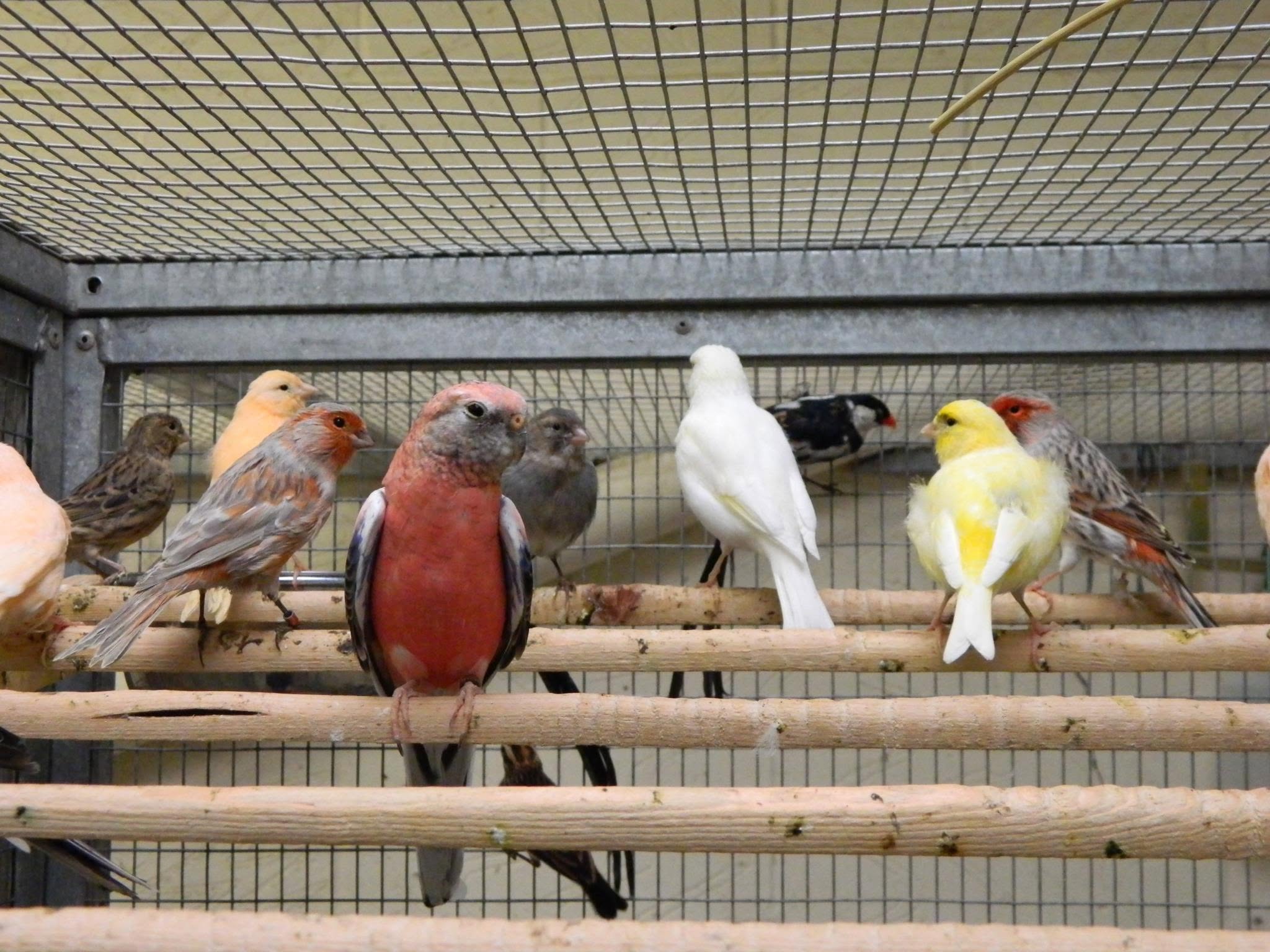
We have been keeping cage birds and advising on their health for over 35 years. If today’s gannet news has raised questions about your own birds — what the risk actually is, what precautions make sense, and what to watch for — come in and ask. Free advice, no obligation. That is how we have always done things.