

Neil has owned and run Paradise Pets Swindon since 1988. When the RSPB reported that the UK’s oldest Avocet had been found at 36 years old, Neil saw more than a rare bird record. He saw the same lesson he gives pet bird owners every week: birds do not reach old age by accident. They need the right environment, the right food, low stress, good routine and problems spotted early.
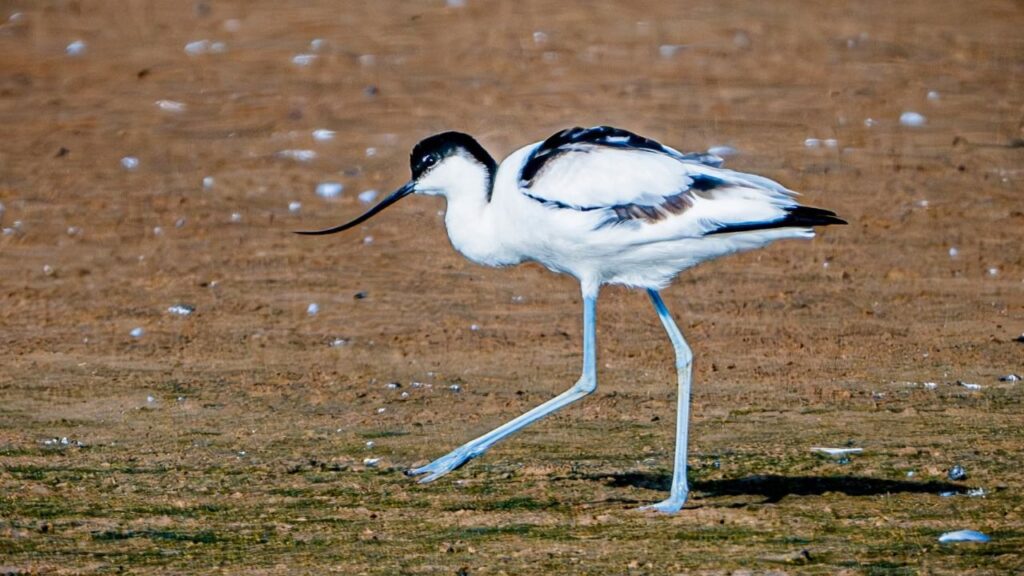
The RSPB has confirmed a remarkable bird record: a 36-year-old Avocet has been found at RSPB Middleton Lakes in Staffordshire.
The bird was originally ringed as a chick at RSPB Titchwell Marsh in Norfolk on 2 July 1990. According to the RSPB, it is now the oldest known Avocet in the UK and more than five times the average lifespan for the species.
This is a wild bird story, not a pet bird study. But it still gives pet bird owners a useful reminder. Long life in birds is rarely about one magic thing. It is usually about many good conditions continuing for years.
Why This Avocet Story Matters
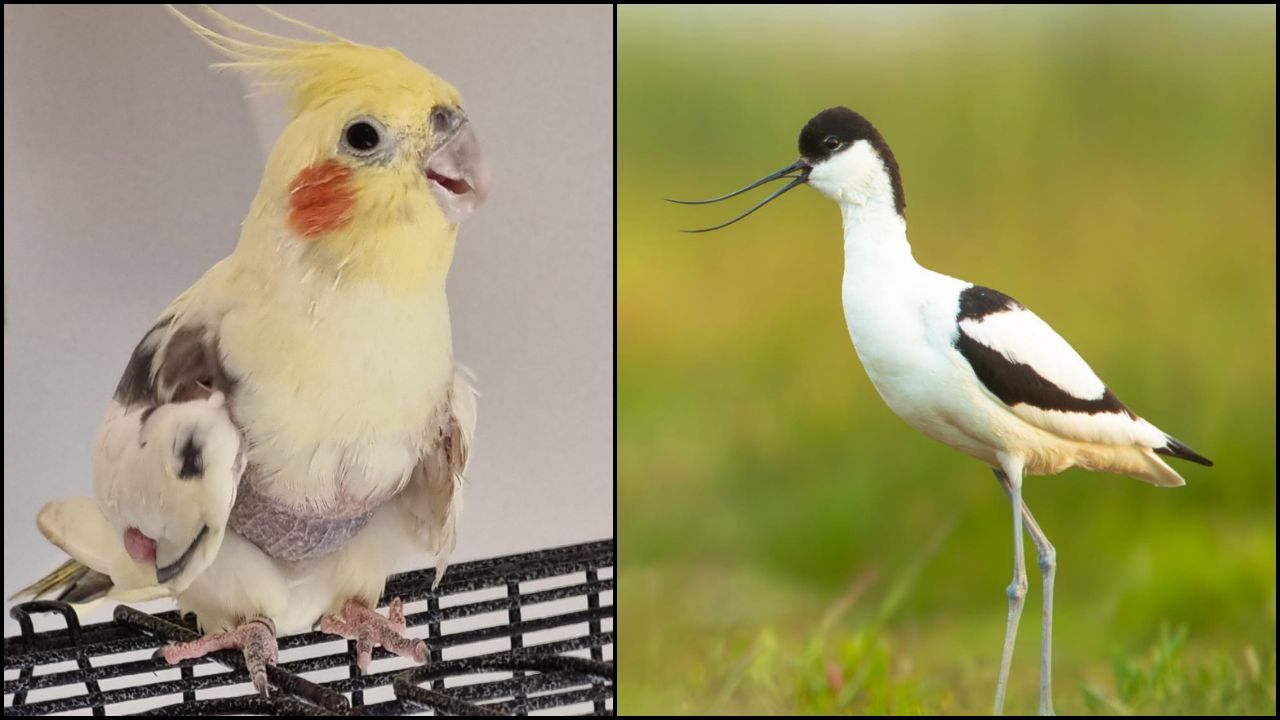
Avocets are striking black-and-white wading birds with long upcurved bills. They were once lost as a breeding bird in the UK after wetland drainage and habitat loss. Their return is one of the better-known UK conservation success stories.
The RSPB says Avocets returned to the Suffolk coast in 1947, when four breeding pairs arrived at what would later become RSPB Minsmere. Since then, managed wetland habitat has helped the species recover.
That is why a 36-year-old Avocet matters. It is not just an old bird. It is a sign of what can happen when the right conditions are protected for long enough.
The Pet Bird Lesson: Lifespan Needs Conditions
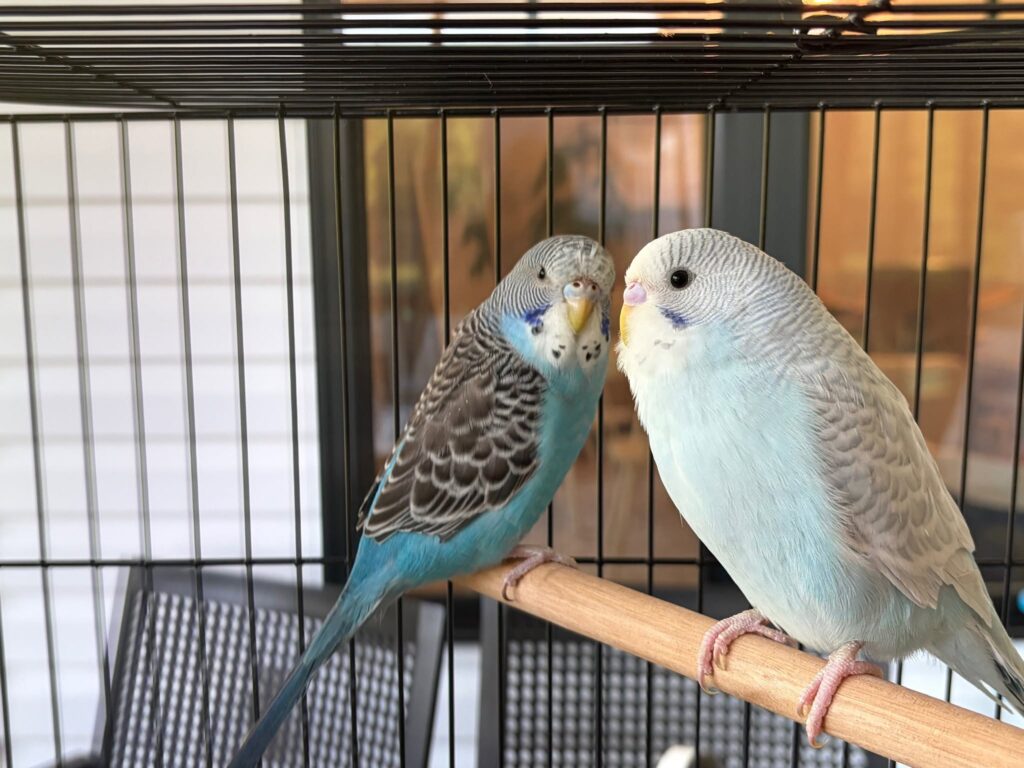
At the counter, Neil often hears owners ask how long a budgie, cockatiel or canary should live. It is a fair question, but it can be misleading if owners treat lifespan like a fixed number.
A bird may have a typical lifespan, but the real outcome depends heavily on care. Two birds of the same species can have very different lives if one has a better diet, safer cage position, cleaner air, less stress and quicker vet care.
The Avocet story reminds us that long life comes from conditions that support survival again and again, not from luck alone.
Seven Things That Shape A Pet Bird’s Lifespan
- Diet: a seed-heavy diet can create long-term health problems in many pet birds.
- Space: a bird needs room to move, stretch, perch properly and behave naturally.
- Air safety: birds should be kept away from smoke, fumes, aerosols, overheating and kitchen risks.
- Stress: loud rooms, poor cage position, other pets and unpredictable handling can affect welfare.
- Hygiene: dirty bowls, wet cage floors and old fresh food can create avoidable health risks.
- Observation: owners need to know what normal looks like for their own bird.
- Vet access: illness signs in birds should be treated seriously and early.
None of these is dramatic on its own. Together, they decide the bird’s daily welfare.
The Mistake Neil Sees Most Often
The most common mistake is not one terrible act. It is small weak care repeated for years.
- A cage that is always just a bit too small.
- A diet that is always mostly seed.
- A bird that is always near a kitchen or window draught.
- A water bowl that is changed, but not cleaned properly.
- A bird that is quiet for days before anyone acts.
Birds are good at hiding weakness. By the time a bird looks obviously ill, the problem may already be serious. That is why daily observation matters so much.
Neil’s Long-Life Bird Care Check
- Look at the cage position: away from kitchens, direct hot sun, draughts, radiators, smoke and sprays.
- Check the diet honestly: is your bird eating more than just seed?
- Clean bowls properly: food and water bowls should be washed, not just refilled.
- Watch for five minutes: check breathing, posture, voice, droppings, appetite and movement.
- Check perches: use safe varied perches, not only smooth identical dowels.
- Check stress: is the bird exposed to cats, dogs, loud noise, fast movement or poor sleep?
- Save a vet number: know which vet to call before there is an emergency.
This kind of care will not guarantee a record-breaking lifespan. Nothing can. But it gives a pet bird a much better chance of a healthy, comfortable life.
What Owners Should Not Take From This Story
Do not compare your budgie or cockatiel directly with a wild Avocet. They are different birds with different lives.
Do not assume that a pet bird will live to an extreme age because one wild bird did.
And do not believe that long life comes from one special food, one supplement or one expensive cage. The lesson is bigger than that. Long-term welfare is a complete routine.
When To Call A Vet
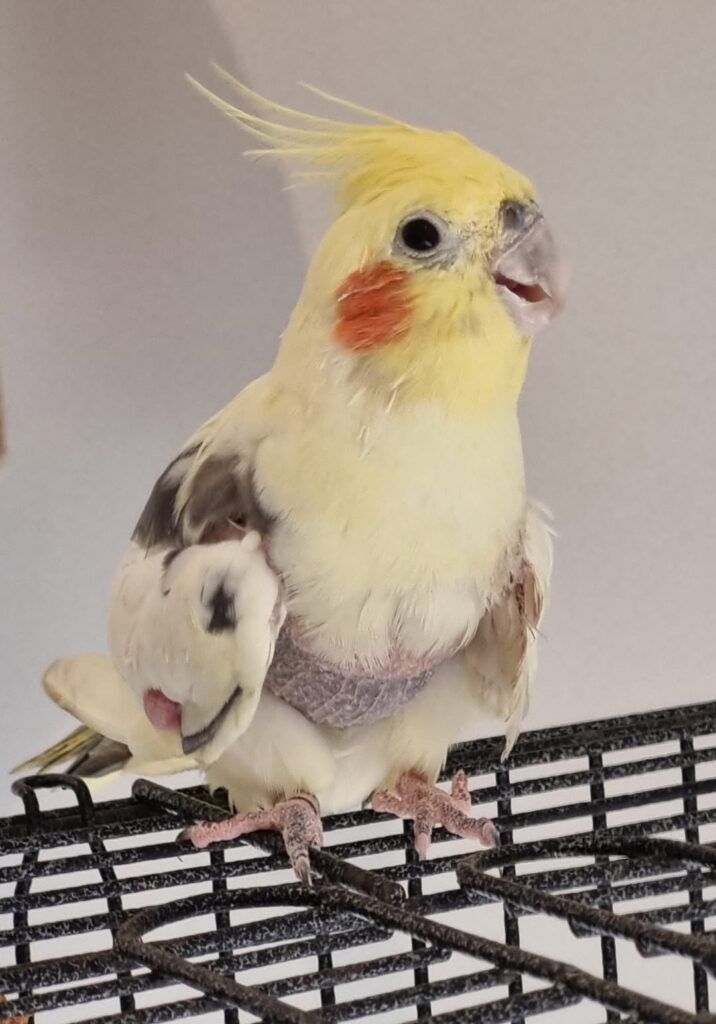
- Fluffed up for long periods
- Breathing heavily or tail bobbing
- Sitting on the cage floor
- Not eating or eating much less
- Sudden quietness in a normally active bird
- Bleeding, injury or collapse
- Loss of balance or difficulty perching
- Major change in droppings
Neil can help with husbandry and setup advice, but he is not a veterinary surgeon. For illness, injury or emergency symptoms, contact a qualified vet urgently.
Frequently Asked Questions
Did the UK’s oldest Avocet really reach 36?
Yes. The RSPB reported in July 2026 that an Avocet found at RSPB Middleton Lakes had been ringed as a chick at RSPB Titchwell Marsh on 2 July 1990, making it 36 years old.
Does this mean pet birds can live that long?
No, not directly. Avocets, budgies, cockatiels and canaries are different species. The useful lesson is not the exact age, but the importance of long-term conditions.
What helps pet birds live longer?
Good diet, clean water, safe cage position, suitable space, low stress, proper sleep, careful observation and fast veterinary help when needed all support better long-term welfare.
Is seed-only feeding bad for pet birds?
For many pet birds, a seed-only diet is not balanced. The RSPCA warns that seed mixes can be high in fat and low in important nutrients. Diet changes should be gradual and suitable for the species.
What is the first thing I should improve?
Start with cage position and diet. Those two areas create daily effects, so small improvements there can make a real difference over time.
A Final Thought From Neil
A 36-year-old Avocet is a beautiful reminder that birds can be astonishingly resilient when the conditions around them work.
That is the lesson I want pet bird owners to take. Do not only ask, “How long should my bird live?” Ask, “What am I doing today that helps this bird stay well for years?”
Want To Check Your Bird’s Long-Term Setup?
Bring a photo of your cage, room position, food and perches into Paradise Pets Swindon. Neil can help you spot the simple changes most likely to improve your bird’s everyday welfare.
Sources Checked For This Article
Last checked: 18 July 2026