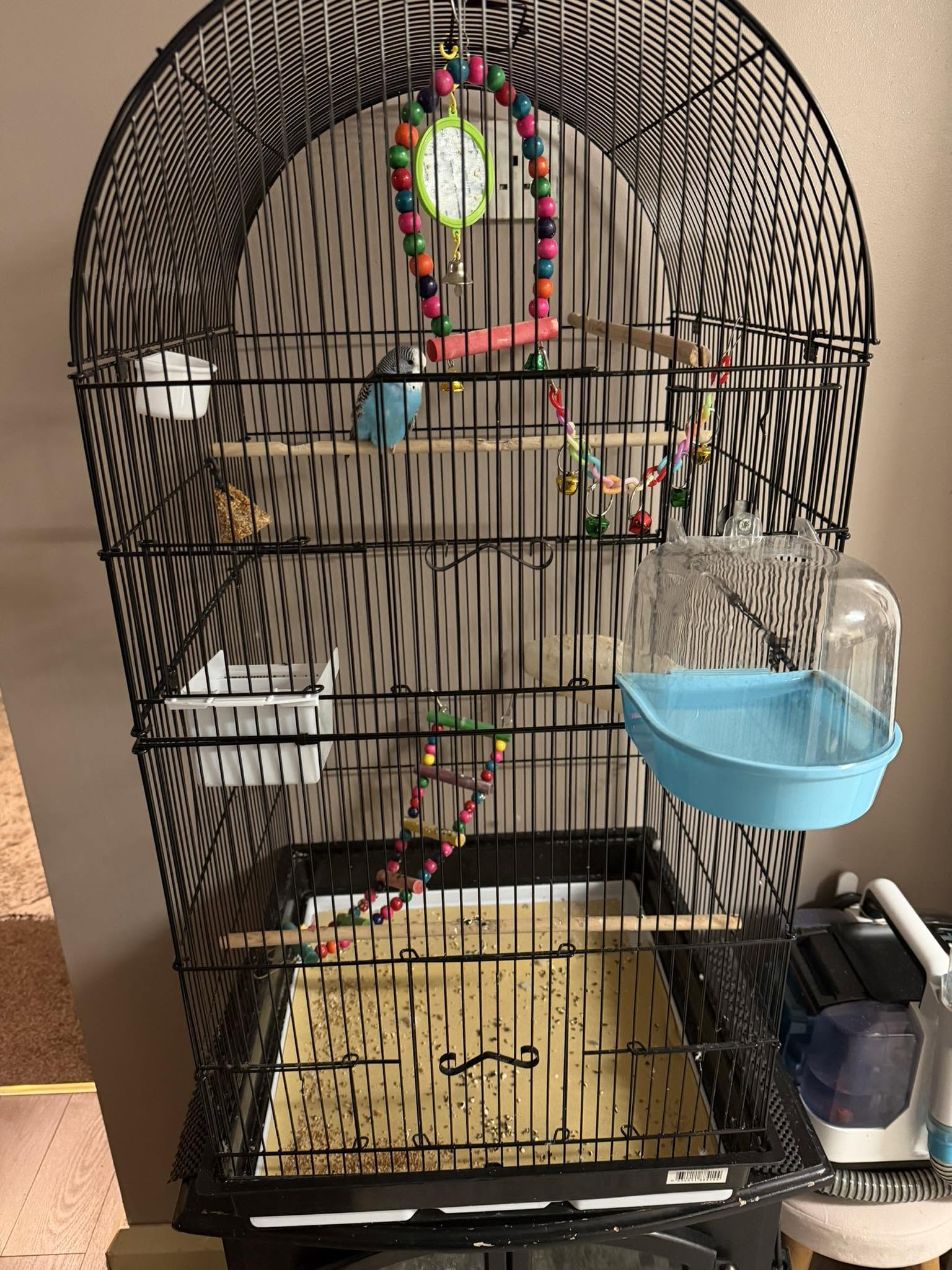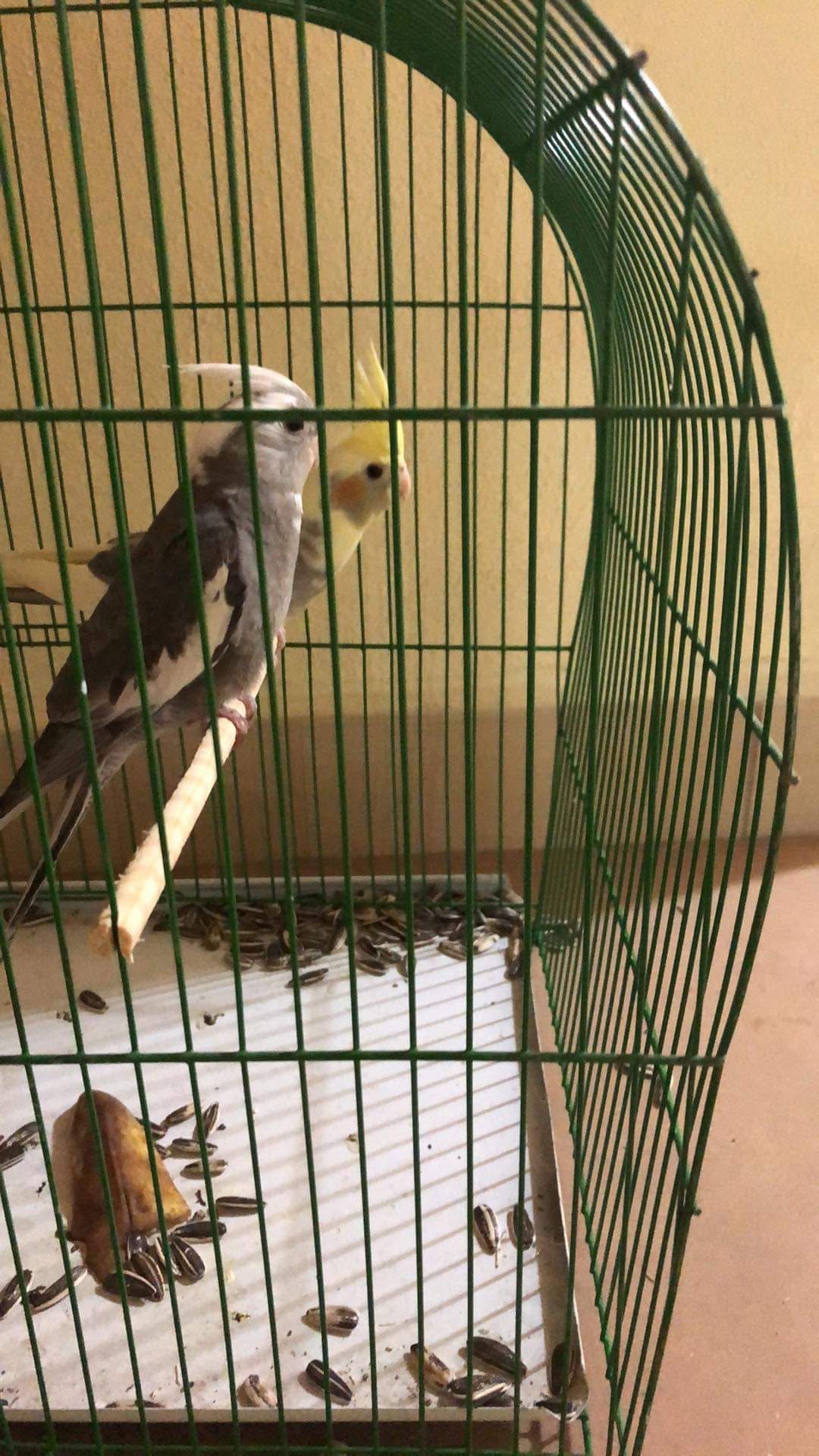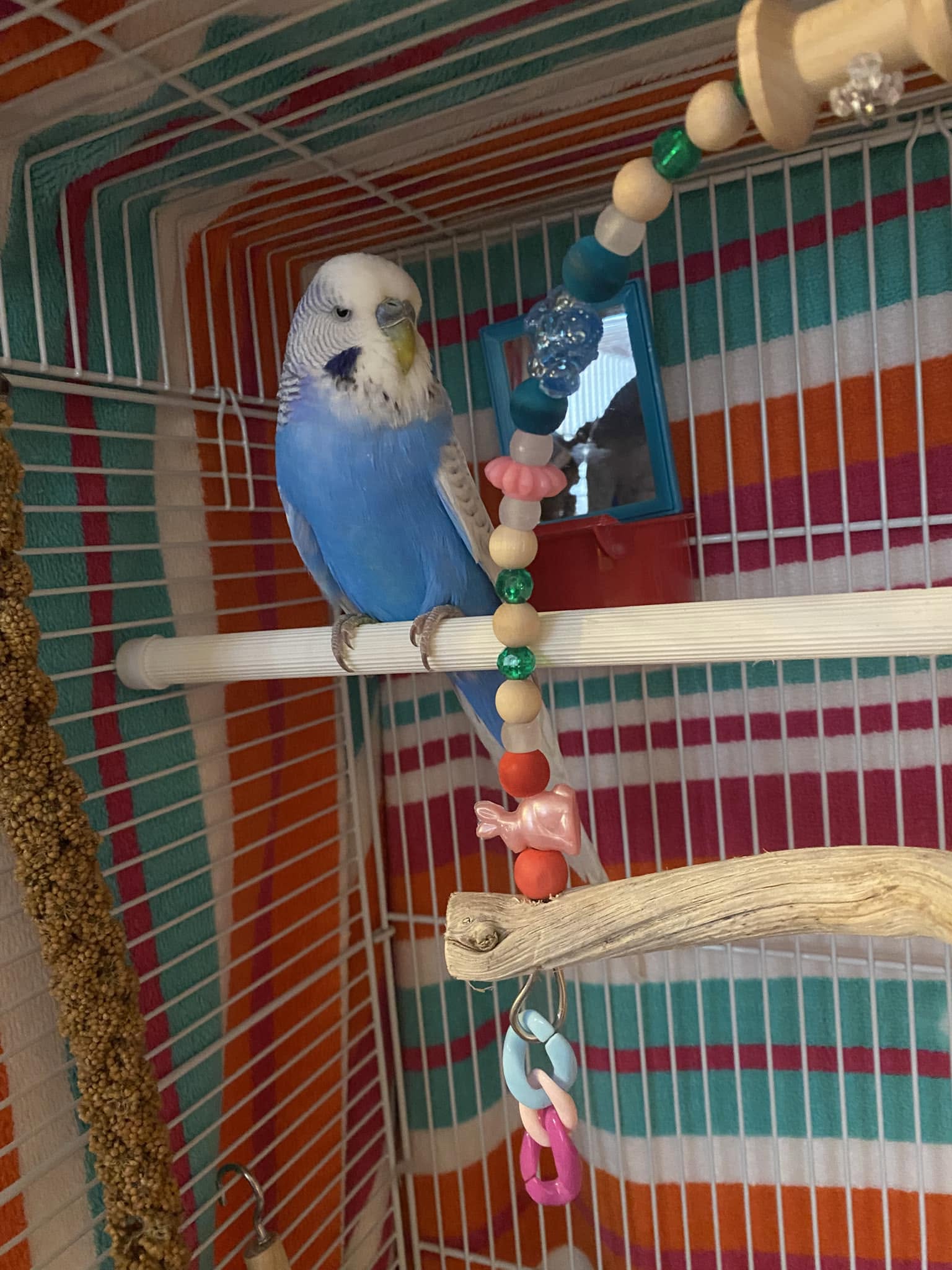
Neil has kept, bred, and sold budgies at Paradise Pets Swindon since 1988 — over 35 years of watching UK budgie owners set up cages that fall genuinely short of the welfare standards the RSPCA has actually published for pet birds. The RSPCA’s own guidance on pet bird housing is publicly available, evidence-based, and consistently followed by welfare-led UK independent shops. But after 35 years at the counter, Neil has come to believe most UK budgie owners have never actually read what the RSPCA recommends, and most UK budgie cages currently sold and used in British homes fall genuinely short of these welfare standards — often by a significant margin. This is his honest, welfare-led take on what the RSPCA actually says about UK budgie cage sizes, why most UK owners have never been told about these guidelines at point of purchase, why the gap between RSPCA guidance and UK owner reality matters for individual pet birds, and exactly what welfare-led UK owners can do to bring their setup in line with what the RSPCA has recommended for years.
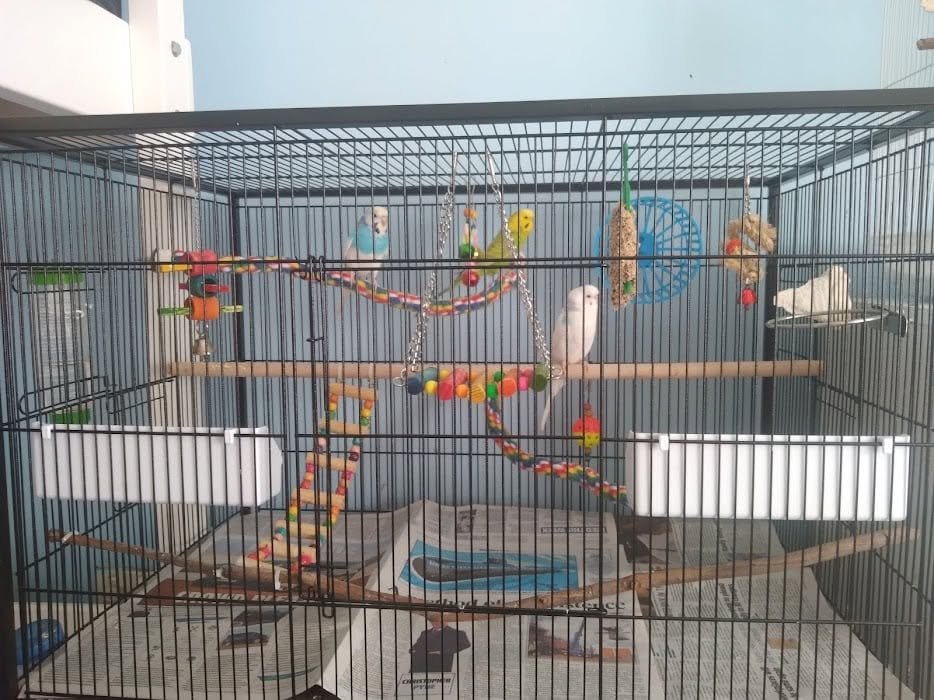
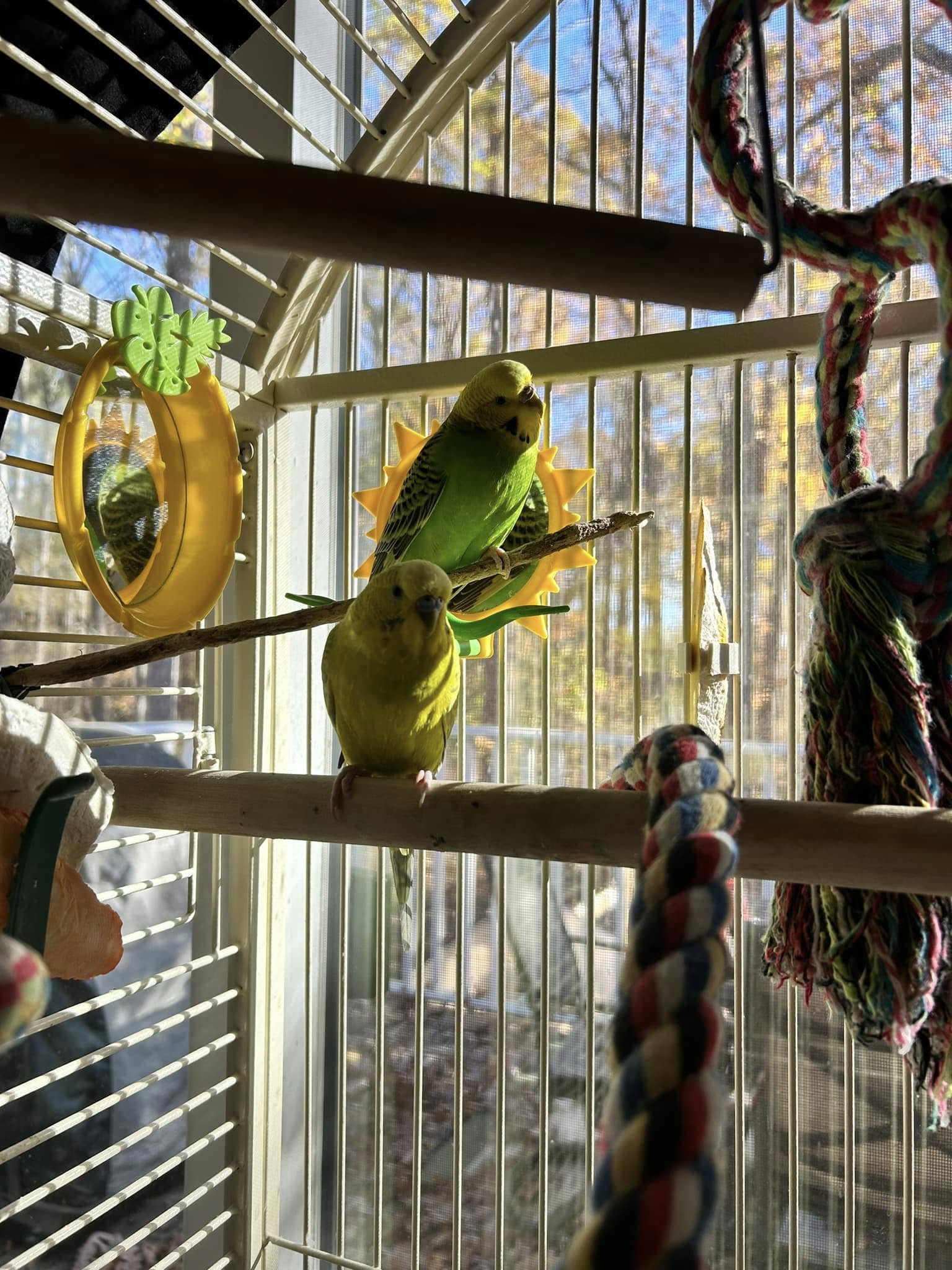
A regular customer came into the shop one Wednesday morning, genuinely proud of her new budgie setup. She had recently rehomed a pair of young budgies, Sunny and Sky, from a well-meaning UK household that could no longer keep them. She had bought what she believed was a good-quality UK budgie cage from a well-known pet retailer, had positioned it thoughtfully in her living room, had provided proper food and water, and wanted my professional opinion on whether her setup was welfare-appropriate. She had done more research than most UK budgie owners genuinely do. She had done more thoughtful preparation than most UK budgie owners genuinely do. And her cage was still substantially undersized according to the RSPCA’s own published welfare guidance for pet birds.
I sat with her for half an hour and explained the honest answer, which is one I have given hundreds of times over 35 years — her cage was not unusual. It was, in fact, the size of cage most UK budgie owners have. It was the size of cage most UK pet retailers routinely sell. It was probably the size of cage her friends’ budgies were kept in. But it was substantially smaller than the RSPCA has recommended for pet birds in their published welfare guidance for years, and she had never been told this at point of purchase because UK pet retail practice has consistently under-explained RSPCA welfare guidance to individual bird owners. She left that afternoon with a plan to upgrade to a genuinely welfare-standard pair cage over the following month, came back three weeks later with a much larger cage, and told me that Sunny and Sky had visibly changed within the first week — more active, more vocal, more playful, more visibly enjoying their space. The welfare difference had been immediate and unmistakable.
I am writing this article because RSPCA guidance on UK pet bird cage sizes is genuinely publicly available, evidence-based, and welfare-led — but most UK budgie owners have never read it, most UK pet retailers do not adequately explain it at point of purchase, and most UK budgie cages currently sold and used in British homes fall short of it by substantial margins. This is not a criticism of individual UK owners. It is honest recognition of a systematic gap between what the RSPCA has recommended for pet birds and what UK consumer pet retail typically provides.
This article is the conversation I have at the counter with UK budgie owners who want honest welfare-led guidance about whether their existing setup genuinely meets welfare standards. By the end of it, you will understand exactly what the RSPCA has published about UK pet bird cage sizes, why the gap between guidance and typical UK owner reality persists, what the welfare implications are for individual birds kept in undersized cages, how to assess whether your current UK budgie cage meets RSPCA guidance, and exactly what steps welfare-led UK owners can take to upgrade their setup responsibly.
What The RSPCA Actually Says About UK Pet Bird Cage Sizes
For UK budgie owners wanting to understand what the RSPCA has published, here is the honest picture based on the RSPCA’s own guidance for pet bird housing and environments.
What the RSPCA’s published guidance actually recommends for pet bird cages:
- Minimum cage size must allow full wing stretching without touching sides
- Bird must be able to sit on a perch without tail touching the floor
- Cage should be longer than tall — birds fly and hop horizontally rather than vertically
- For a pair of budgies, width should be three times the combined wingspan
- Cage height and depth should be at least twice the largest bird’s wingspan if bird spends most time inside
- If bird spends most time outside cage, minimum dimensions are 1.5 times wingspan
- Enough space for multiple food and water sources, perches, and enrichment toys
- Groups of more than two budgies require additional 5 percent increase per bird
- Minimum 6 hours of free-flight time outside the cage every day
- Cage placement against solid wall with covered top for security
- Not near radiators, fires, stoves, or draughts
- Aviary housing recommended where possible for genuine welfare-led keeping
Practical application of these RSPCA guidelines for UK budgies specifically:
- Typical adult budgie wingspan is approximately 25-30cm (10-12 inches)
- Combined pair wingspan therefore approximately 50-60cm
- RSPCA-guidance-compliant pair cage width therefore approximately 150-180cm (5-6 feet)
- RSPCA-guidance-compliant pair cage height and depth approximately 60cm (2 feet) if birds spend most time inside
- Six hours daily out-of-cage flight time in bird-safe indoor space
- Multiple perches at different heights for exercise and rest variety
- Space for at least two food bowls, two water bowls, and enrichment toys
- Cage position ensuring quiet, safe, draught-free placement
- Regular cleaning without disruption of settled birds
- Bar spacing appropriate to prevent head-catching (typically 12mm maximum for budgies)

The RSPCA guidance is genuinely publicly available on their website. It is evidence-based, reflects welfare science about how budgies actually behave, and represents the minimum welfare standards the UK’s leading animal welfare charity recommends for pet birds. It is not marketing material from a cage manufacturer or a competitive claim by one shop. It is welfare-led guidance from the organisation that most UK owners would consider the primary authority on animal welfare in Britain.
For more on UK pet bird welfare context generally, our article on why UK budgies genuinely need a friend covers the related welfare requirement of pair or group housing that the RSPCA also strongly recommends.
Why Most UK Budgie Cages Fall Short — The Honest Gap Analysis
For UK budgie owners wanting to understand why so many current UK cages fall short of RSPCA guidance, here is the honest picture based on 35 years of watching UK pet retail evolve.
Why the UK pet retail cage market falls short of RSPCA guidance:
- Consumer-facing UK cages typically prioritise appearance and shelf-fit over welfare-standard dimensions
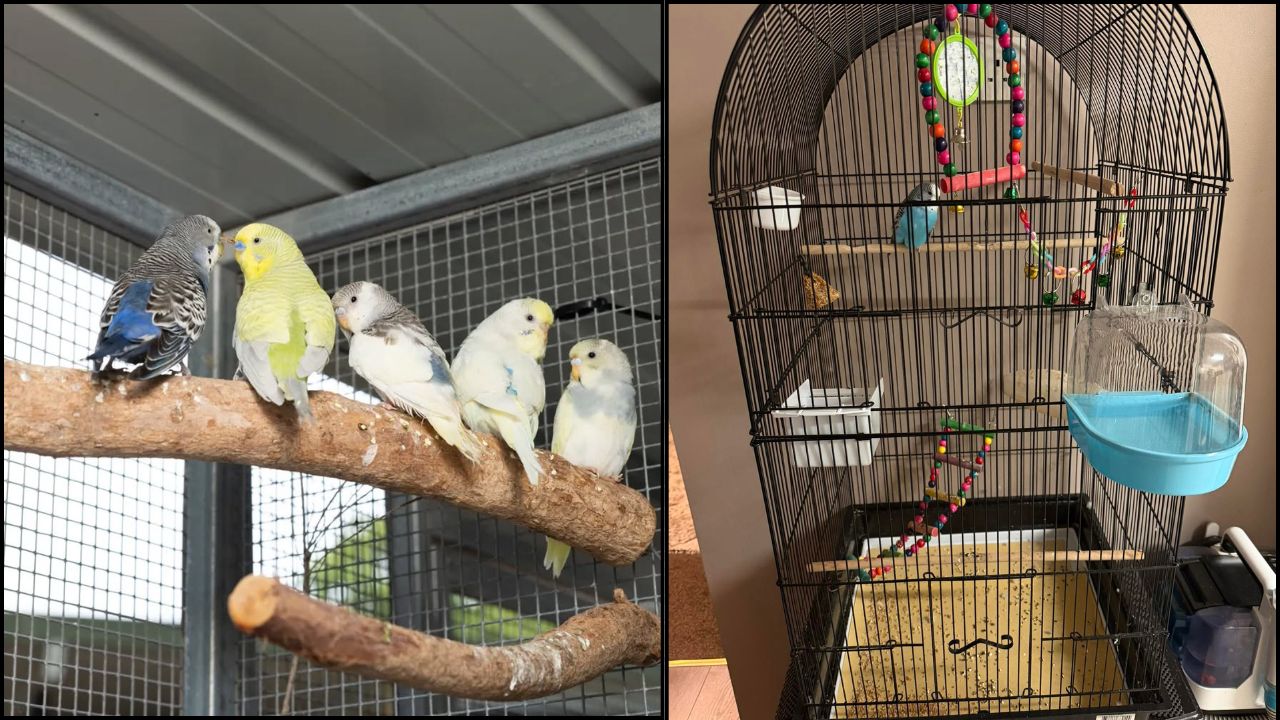
- Chain retailer stocked cages are often 30-45cm wide — well below RSPCA-compliant dimensions
- “Starter cage” marketing suggests smaller sizes are appropriate when they are not
- UK households often expect budgie cages to be relatively small due to historical retail norms
- Point-of-purchase guidance rarely explains RSPCA specific dimensions
- Larger welfare-standard cages cost more creating price-driven welfare compromises
- Space concerns in UK homes influence cage size decisions
- Cultural assumption that “budgies are small so cages can be small” misapplies welfare thinking
- Historical UK budgie keeping practices normalised undersized cages generations ago
- Most UK owners have never actually read RSPCA guidance in detail
- Welfare-led UK independent shops carry particular responsibility to close this gap
- Manufacturer sizing conventions have not kept pace with welfare science
Why individual UK owners typically buy cages that fall short:
- Not being told about RSPCA guidance at point of purchase
- Reasonable assumption that pet shop stock reflects appropriate sizes
- Cost consideration during initial pet purchase
- Space limitations in UK homes particularly flats and smaller properties
- Cultural expectation of budgie cage size based on childhood memories or family history
- Attractive-looking small cages marketed with imagery of contented birds
- Belief that larger cages are “aviary” rather than “cage” — false distinction
- Assumption that pet retailer would not sell inappropriate products
- Focus on other setup elements (toys, food, water) rather than cage dimensions
- Genuine lack of accessible welfare guidance written for individual owners rather than professionals
After 35 years at the counter, I have come to believe UK owners keeping budgies in undersized cages are almost never doing so out of neglect or lack of care. They are doing so because UK pet retail practice has consistently failed to communicate RSPCA welfare guidance clearly at point of purchase, because affordable welfare-standard cages have been genuinely harder to find than undersized alternatives, and because the gap between welfare guidance and typical UK owner reality has become normalised over generations. The problem is systematic rather than individual, and closing it requires clearer welfare-led guidance rather than owner blame.

Why The Gap Matters — Welfare Consequences For UK Budgies
For UK budgie owners wondering whether undersized cages genuinely affect welfare, here is the honest picture based on welfare science and 35 years of counter observation.
What undersized cages actually do to UK pet budgie welfare:
- Insufficient space to fly properly — genuine muscle wastage and reduced fitness
- Restricted normal behavioural expression — reduced play, exploration, social interaction
- Higher risk of obesity and metabolic issues from reduced exercise
- Increased stereotypic behaviours — cage bar chewing, pacing, feather plucking
- Elevated stress markers in scientific studies of restricted birds
- Reduced psychological wellbeing — measurable through behaviour observation
- Shorter effective lifespan compared to welfare-standard housed birds
- Higher rates of feather condition problems from restricted movement and stress
- Reduced ability to engage in mutual social behaviours for paired birds
- Impaired foot health from limited perch variety and movement
- Boredom and frustration behaviours visible to attentive owners
- Reduced overall quality of life throughout the bird’s years in the home

The welfare consequences develop gradually over months and years rather than producing immediate visible harm. This is genuinely part of the reason the problem has persisted — UK owners with undersized cages often describe their birds as “fine” because the birds have adapted to the space they have, without the owner having a comparison point for what welfare-standard housing would produce. The birds are not dramatically ill. They are simply not thriving to the extent that welfare-standard housing would enable.
The specific practical difference I see at the counter — UK budgies moved from undersized cages to welfare-standard cages typically show visible behavioural changes within days. They become more active, more vocal, more visibly engaged with their environment. Owners frequently describe their birds as having “come alive” or “shown personality I hadn’t seen before.” This transformation is the welfare gap made visible. The birds have not changed. Their environment has changed to enable behaviours they were always capable of but had been unable to express.
For more on UK pet budgie welfare-led keeping generally, our article on why UK pet shops are still selling this one thing that is harming budgies covers another welfare issue related to cage setup that most UK owners have not been warned about, and our article on why solo keeping is the most common UK budgie welfare mistake covers the related welfare requirement of pair housing.
How To Assess Your Current UK Budgie Cage Against RSPCA Guidance
For UK budgie owners wanting to honestly assess whether their current cage meets RSPCA welfare guidance, here is the honest practical assessment protocol.
- Measure your cage internal dimensions
Width, height, depth in centimetres. Note internal usable space rather than external overall size. - Measure your bird’s wingspan when stretched fully
Approximately 25-30cm for adult budgies. For pairs, combine both wingspans. - Compare width to RSPCA guidance
For a pair, width should be at least three times combined wingspan (typically 150-180cm minimum). - Compare height and depth to RSPCA guidance
Should be at least twice largest bird’s wingspan (typically 50-60cm minimum) if bird spends most time inside. - Check wing stretch clearance
Bird should be able to stretch wings fully without touching cage sides. - Check perch-to-floor clearance
Bird sitting on highest perch should have tail well clear of floor. - Assess space for enrichment
Room for multiple food/water sources, varied perches, appropriate toys. - Consider out-of-cage flight time
Is bird genuinely getting 6+ hours of safe indoor flight time daily? - Note any welfare concerns
Cage bar chewing, feather plucking, restricted movement patterns. - Compare to welfare-standard reference cages
Consider visiting welfare-led UK independent shops for accurate comparison.

The honest assessment for most UK budgie owners is that their current cage will fall short of RSPCA guidance on at least one dimension, typically width. This is not a failing of the owner. It is a reflection of what UK pet retail has typically stocked and what UK homes have historically used. The value of the assessment is not to create guilt but to create honest awareness of where welfare-led upgrades would benefit individual birds.
For UK owners who complete this assessment and identify significant gaps, the good news is that upgrading is genuinely achievable. Welfare-standard UK budgie cages are increasingly available from welfare-led independent shops and reputable UK online suppliers. The cost is higher than starter cages but represents a one-time investment for the bird’s lifetime.
Practical Steps To Bring Your UK Budgie Setup In Line With RSPCA Guidance
For UK budgie owners recognising that their setup needs upgrading, here is the honest practical protocol for making welfare-led changes.
Immediate welfare-led improvements available to UK budgie owners:
- Increase out-of-cage flight time — most impactful immediate change
- Create bird-safe indoor flight space — cover mirrors, close windows, remove hazards
- Add varied perches at different heights — natural wood perches preferred
- Provide more enrichment toys — foraging, chewing, exploration opportunities
- Reposition cage for security — solid wall behind, covered top, quiet location
- Ensure appropriate cage placement — away from radiators, draughts, kitchen fumes
- Improve cage cleaning routine — weekly deep clean minimum
- Add multiple food and water sources if space allows
- Consider seasonal welfare adjustments — heat, cold, ventilation
- Plan for cage upgrade as budget and space allow
Steps for upgrading to welfare-standard UK budgie cage:
- Identify welfare-led UK cage supplier — independent shops, reputable online suppliers
- Choose cage meeting RSPCA guidance dimensions — 150cm+ width for pairs
- Consider aviary option if space and budget allow — genuine welfare-led choice
- Plan gradual introduction to new cage — familiar toys and perches transferred
- Allow adjustment period — birds may need time to settle in larger space
- Consider outdoor aviary option if suitable UK space available
- Budget for one-time investment — welfare-standard cage lasts the bird’s lifetime
- Prioritise dimensions over aesthetics — welfare-first purchasing decisions
- Check bar spacing appropriate for budgies — typically 12mm maximum
- Ensure cage stability and safety — stable stand, secure doors, no sharp edges

The single most impactful immediate welfare change most UK owners can make is increasing out-of-cage flight time toward the RSPCA-recommended 6 hours daily. This does not require any purchase — only bird-safe preparation of indoor space and commitment to regular flight sessions. Many UK owners find this transforms their bird’s welfare without waiting for cage upgrade budget.
For more comprehensive welfare-led UK budgie keeping guidance, our article on the one thing most UK new bird owners get wrong in the first week covers the related welfare setup considerations for newly-arrived pet birds.
Common UK Owner Concerns About Welfare-Standard Cage Upgrades
For UK owners considering the change but worried about specific practical issues, here are the honest responses to concerns I hear most often at the counter.
- “Welfare-standard cages are too expensive”
Higher one-time cost but lifetime welfare improvement. Many UK owners spend more on other bird supplies over the years than the cage cost difference. - “I do not have space in my UK home for a bigger cage”
Consider whether existing space truly cannot accommodate a larger cage. Often the space concern is less absolute than assumed. Some UK owners find that repositioning furniture creates room. - “My budgies seem happy in their current cage”
Birds adapt to available space, which is different from thriving in appropriate space. Welfare-standard housing typically produces visible behaviour improvements owners had not realised were possible. - “Won’t a bigger cage stress my birds initially?”
Some adjustment period is normal. Most UK budgies show positive behaviour changes within days of moving to welfare-standard housing. - “I have kept budgies in smaller cages for years and they lived long lives”
Survival is not the same as welfare-standard living. Long-lived birds may still have experienced welfare compromise throughout their lives. - “UK pet retailers wouldn’t sell inappropriate cages”
Unfortunately mainstream UK retail has historically stocked cages that fall short of RSPCA guidance. This is a real gap in UK pet retail practice. - “How can I tell which UK cage brands genuinely meet RSPCA guidance?”
Measure the specific cage dimensions against RSPCA guidance rather than trusting brand marketing. Welfare-led UK independent shops can advise. - “Aviaries seem excessive for pet budgies”
RSPCA actually recommends aviary housing as the welfare-preferred option. Not excessive — closer to welfare-appropriate. - “My budgies get out-of-cage time anyway”
Genuinely 6+ hours daily is what RSPCA recommends. Most UK owners provide substantially less without realising this is the guidance. - “What if I cannot afford to upgrade right now?”
Immediate improvements possible without cage upgrade — more flight time, better placement, more enrichment, improved hygiene routine.
The honest summary is that most UK owner concerns about welfare-standard cage upgrades reflect reasonable practical worry rather than genuine obstacle. With appropriate planning, budget consideration, and welfare-led supplier choice, most UK households can move toward RSPCA-guidance-compliant setup over time. The upgrade does not need to happen immediately or all at once — welfare-led improvements are cumulative and every step toward RSPCA guidance benefits the bird.

Frequently Asked Questions
What does the RSPCA actually say about UK pet budgie cage sizes?
The RSPCA’s published welfare guidance for pet birds recommends cage dimensions based on the bird’s wingspan. For a pair of budgies, the RSPCA recommends cage width equivalent to three times the combined wingspan (typically 150-180cm minimum for adult UK budgies), with cage height and depth at least twice the largest bird’s wingspan (typically 50-60cm minimum) if the birds spend most time inside the cage. The RSPCA also recommends at least 6 hours of daily out-of-cage flight time in bird-safe indoor space. Aviary housing is preferred where possible. The full published guidance is available on the RSPCA’s website.
Are most UK budgie cages currently sold too small according to RSPCA guidance?
Based on 35 years of watching UK pet retail, most UK budgie cages currently sold in mainstream retail — and consequently most cages in UK homes — do fall short of RSPCA guidance, particularly on width. Chain retailer stocked cages of 30-45cm width are common and fall substantially below the 150-180cm width the RSPCA recommends for pairs. This gap between UK retail practice and RSPCA guidance has persisted for generations and reflects a systematic issue rather than individual owner failing.
Does keeping my UK budgie in an undersized cage really affect welfare?
Yes — undersized cages produce genuine welfare consequences that develop over months and years. These include insufficient space for proper flight leading to muscle wastage, higher risk of obesity from reduced exercise, increased stereotypic behaviours like cage bar chewing and feather plucking, elevated stress markers, reduced psychological wellbeing, and shorter effective lifespan compared to welfare-standard housed birds. The changes are typically gradual rather than dramatic, which is why the problem often goes unrecognised until a bird is moved to welfare-standard housing and shows visible improvement.
How do I measure whether my UK budgie cage meets RSPCA guidance?
Measure your cage internal usable width, height, and depth in centimetres. Measure your budgie’s wingspan when stretched fully (typically 25-30cm for adults). For pairs, combine both wingspans. Compare cage width to three times combined wingspan (typically should be 150-180cm minimum). Compare cage height and depth to twice largest bird’s wingspan (typically should be 50-60cm minimum). Check that your bird can stretch wings fully without touching sides and sit on the highest perch with tail well clear of floor. Assess whether space allows multiple food/water sources, varied perches, and enrichment toys.
What can I do immediately if my UK budgie cage falls short of RSPCA guidance?
The most impactful immediate change requiring no purchase is increasing out-of-cage flight time toward the RSPCA-recommended 6 hours daily. Create bird-safe indoor flight space by covering mirrors, closing windows, and removing hazards. Add varied natural wood perches at different heights within existing cage. Reposition cage against solid wall with covered top for security. Ensure placement away from radiators, draughts, and kitchen fumes. Plan for eventual welfare-standard cage upgrade as budget allows. These changes can substantially improve welfare whilst you plan for cage upgrade.
Are welfare-standard UK budgie cages genuinely affordable for typical UK households?
Welfare-standard UK budgie cages cost more than mainstream retail starter cages but represent a one-time lifetime investment for the bird. Many UK owners find the cost difference over the cage’s lifetime is less than they spend on other bird supplies over the years. Welfare-led UK independent shops and reputable UK online suppliers stock cages meeting RSPCA guidance at varying price points. Consider the cost as welfare-essential investment rather than optional upgrade, and plan budget accordingly. Some welfare-led UK shops offer payment plans or upgrade schemes.
Where can I get welfare-standard UK budgie cage advice in Swindon?
Come and see us at Paradise Pets, Manor Garden Centre, Cheney Manor, Swindon SN2 2QJ. We stock welfare-standard UK budgie cages that meet or exceed RSPCA guidance dimensions, offer honest assessment of your existing setup, and provide welfare-led upgrade advice based on your specific UK household situation. Free thoughtful guidance based on 35 years of helping UK budgie owners provide welfare-appropriate housing. Ring us on 01793 512400.
One Last Thing From Me
“Is my UK budgie cage actually big enough?” is the question I have been asked more often than almost any other at the counter over 35 years, and one I want to answer with complete clarity now that this article has laid out what the RSPCA actually recommends. The honest answer, after 35 years of watching UK budgie owners genuinely try their best for their birds, is — your UK budgie cage probably falls short of RSPCA welfare guidance, particularly on width. This is almost certainly not because you have failed as an owner. It is because UK pet retail practice has consistently under-communicated RSPCA welfare guidance at point of purchase, because affordable welfare-standard cages have historically been harder to find, and because the gap between welfare guidance and typical UK owner reality has become normalised over generations. The RSPCA’s published guidance recommends cage width equivalent to three times combined pair wingspan, cage height and depth at least twice largest bird’s wingspan, and at least 6 hours of daily out-of-cage flight time. Most current UK budgie cages do not meet these dimensions. Most current UK budgies do not receive this much daily flight time. The gap is systematic and it has real welfare consequences that develop over months and years. But it is also completely correctable, both through immediate welfare-led changes to existing setup and through gradual planning for welfare-standard cage upgrade as budget and space allow. After 35 years at the counter, I have come to believe UK budgie owner awareness of actual RSPCA guidance is one of the most under-communicated welfare issues in British pet bird keeping. This article is my honest 35-year attempt to close that gap for UK budgie owners who want welfare-led guidance about their birds’ housing.
The customer with Sunny and Sky that Wednesday morning? She went home understanding for the first time that her welfare-conscious care was being undermined by a cage that fell short of RSPCA guidance, planned her upgrade thoughtfully over the following weeks, and returned three weeks later with a welfare-standard pair cage that met the RSPCA dimensions. Sunny and Sky showed visible behaviour changes within the first week of the new cage — more active flight, more vocal engagement, more varied play, more visible enjoyment of their space. The welfare improvement was immediate and unmistakable. She described the difference as “the birds had been trying to tell me something was wrong, and now they were trying to tell me something was right.”
That is what I want for every UK budgie owner reading this article. Not the guilt of realising your current setup falls short of RSPCA guidance. Not the defensiveness of assuming the guidance is unreasonable. But the genuine understanding of what the RSPCA actually recommends, honest assessment of whether your current setup meets it, welfare-led immediate improvements you can make regardless of cage upgrade budget, and thoughtful planning for welfare-standard cage transition as circumstances allow. Your UK budgies deserve welfare-appropriate housing. The RSPCA has told us what that looks like. The gap between guidance and reality is closeable, one UK budgie household at a time.
If you have questions about your specific UK budgie cage situation, want honest assessment of whether your current setup meets RSPCA guidance, or want welfare-led advice about upgrading to a welfare-standard cage that suits your specific UK home, please come in for a chat. After 35 years at the counter, helping UK budgie owners provide welfare-appropriate housing is one of the most genuinely valuable things any independent UK pet shop can do.

Wondering If Your UK Budgie Cage Meets RSPCA Guidance? Come And See Me
We stock welfare-standard UK budgie cages that meet or exceed RSPCA guidance dimensions, offer honest assessment of your existing setup, and provide welfare-led upgrade advice. Free thoughtful guidance based on 35 years of helping UK budgie owners provide welfare-appropriate housing. That is how we have done things since 1988.