

Neil has run Paradise Pets Swindon since 1988. The UK nightingale story is a useful lesson for pet bird owners because it shows something simple but often missed: one good condition is not enough. A bird needs the right environment, diet, social life, observation, safety and veterinary care working together.
The nightingale is one of Britain’s most famous birds, but many people in the UK will never hear one in the wild.
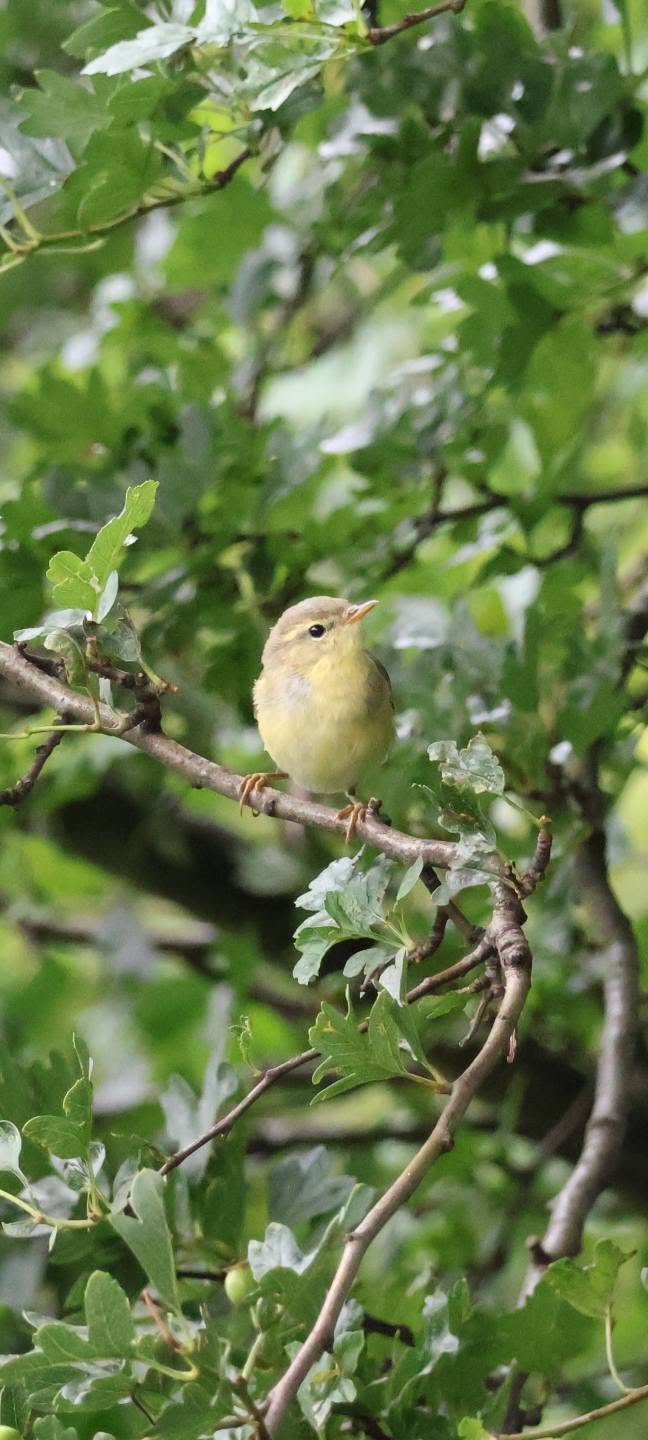
It is not a colourful bird. It is plain brown, secretive and often hidden in thick scrub. But its song is one of the most celebrated sounds in nature. For centuries, writers, musicians and bird lovers have treated the nightingale as part of the sound of spring.
Today, the picture is more fragile. The RSPB lists the nightingale on the UK Red List of Birds of Conservation Concern, and recent scientific work describes a long-term UK decline of around 90% since 1967. The species is now mainly restricted to parts of southern and eastern England.
There is good news too. RSPB reserves recorded 176 singing male nightingales in 2025, a 7% increase on the previous year. RSPB Minsmere has also shown that careful habitat work can help local numbers recover.
But that is the lesson. Local success matters, but it does not solve every pressure the bird faces. The nightingale needs good breeding habitat in England, suitable non-breeding habitat in West Africa, safe migration routes and enough food at the right time.
Pet bird care works the same way. One good thing does not cancel out a missing thing.
What Is Happening to UK Nightingales?
Nightingales arrive in the UK in spring after spending the winter in Africa. They breed in dense scrub, thickets and coppiced woodland, where low vegetation gives them cover for nesting and feeding.
The RSPB says the drop in UK breeding nightingales is mainly linked to the loss of scrub and thicket habitat. Other pressures include deer browsing, reduced coppice management and wider pressures outside the UK.
Recent tracking research has also shown how tightly connected the UK population is to a small area of West Africa, especially around Senegal, The Gambia and Guinea-Bissau. That matters because problems in that non-breeding area can affect how many birds return to breed in England.
The result is a complicated conservation problem. Good habitat in England helps. But if the bird also faces pressure during migration or in West Africa, one fixed part of the annual cycle may not be enough.
Why RSPB Minsmere Matters
RSPB Minsmere is a good example of habitat management working.
According to the RSPB, the Minsmere team transformed more than three hectares of scrubland into nightingale-friendly habitat over more than eight years. They also restored hedgerows through coppicing, helping create the thick, dense vegetation nightingales prefer.
The reported result was a rise from a low of eight singing males in 2018 to between 22 and 35 singing males in recent years.
That is real success. It shows that when people understand a bird’s needs and manage habitat properly, birds can respond.
But Minsmere cannot fix every problem on its own. A nightingale that arrives there in April has already depended on conditions in Africa and on migration. It may also be affected by food timing and climate conditions. The whole life cycle matters.
The Lesson for Pet Bird Owners
In the shop, I often meet owners who are doing one thing very well but missing another part of the picture.
One bird has a large cage but a poor diet. Another has a varied diet but not enough safe exercise. Another gets plenty of attention but has no identified avian vet. Another has toys and enrichment but lives too close to kitchen fumes, draughts or direct sun.
Those owners are not uncaring. Usually, they have done the thing they were told was important. The problem is that bird welfare is not one thing.
The nightingale needs the right breeding habitat, wintering habitat, migration conditions and food timing. A pet bird needs the right cage, diet, social life, enrichment, safety, observation and veterinary care.
One strong area does not fully compensate for a weak one.
The Six-Part Pet Bird Care Check
If this article makes you do one thing, make it this: check your bird’s care as a complete system, not as separate pieces.
- Cage and space: Does your bird have enough room to move, stretch, climb and use its wings safely?
- Diet: Is your bird eating more than a narrow seed-only diet, with appropriate variety for the species?
- Enrichment: Does your bird have safe things to chew, climb, forage with and investigate?
- Social life: Is your bird getting suitable company or consistent human interaction?
- Daily observation: Do you know what your bird’s normal posture, droppings, activity and appetite look like?
- Veterinary access: Do you know which avian or bird-experienced vet you would contact if something changed?
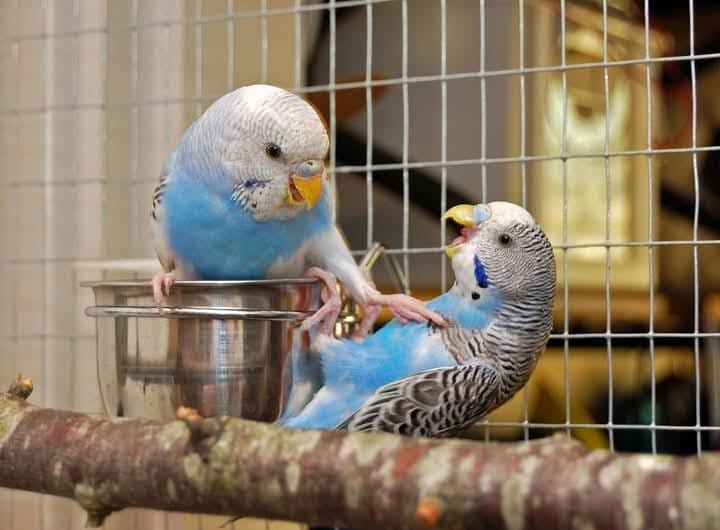
What to Check First
If you are not sure where to start, do not try to fix everything in one afternoon. Start with the parts that affect the bird every day.
- Cage position: Check direct sun, draughts, noise, kitchen fumes and whether the bird can rest properly.
- Food and water: Clean bowls daily and check whether the diet is too seed-heavy.
- Perches: Use natural perches of different safe sizes and textures, not only identical smooth dowels.
- Enrichment: Rotate toys and give safe chewing or foraging opportunities.
- Out-of-cage time: If suitable for the bird, provide safe supervised exercise in a bird-proofed room.
- Vet plan: Find an avian or bird-experienced vet before an emergency happens.
The RSPCA advises that pet birds need opportunities to do the things they naturally want and need to do, including flying, climbing, perching, playing and foraging. That is a useful way to think about your setup: does your bird’s daily life allow normal bird behaviour, or does it only keep the bird contained?
Frequently Asked Questions
Can I still hear nightingales in the UK?
Yes, but they are local and can be difficult to find. The RSPB says they are mainly found in woodland and scrub in southern and eastern England, especially south of the Severn-Wash line. Spring is the best time to hear them.
Are nightingales still declining in the UK?
Yes. The RSPB says the UK breeding population dropped by 34% between 1995 and 2024, and scientific research describes a much larger long-term decline since the late 1960s. Some managed reserves are doing better locally, but the national picture remains a conservation concern.
What does nightingale conservation have to do with my budgie or cockatiel?
The connection is not literal. A wild migratory bird and a pet bird are not living the same life. The lesson is structural: birds need several important conditions to be right at the same time. Good cage size does not replace diet. Good diet does not replace social needs. Toys do not replace veterinary care.
What is the most common missing part of pet bird care?
It varies, but common gaps include cage position, diet variety, lack of safe enrichment, limited out-of-cage time, no avian vet plan and owners not noticing early behaviour changes. The most useful first step is to check the whole setup honestly.
Should every pet bird have another bird as a companion?
Not always. It depends on species, individual temperament, housing, owner experience and whether introductions can be managed safely. But birds are social animals, and a single bird needs serious daily interaction and enrichment. Ask for species-specific advice before adding another bird.
Where can I get help checking my bird’s care?
You can visit Paradise Pets at Manor Garden Centre, Cheney Manor Industrial Estate, Swindon SN2 2QJ, or call 01793 512400. We can talk through cage setup, diet, enrichment, social needs and when to contact a vet.
A Final Thought From This Counter
The nightingale story is not only sad. It also shows that targeted action can work. At sites like Minsmere, the right habitat work has helped birds return in better numbers.
That is the encouraging part for pet bird owners. If you find a gap in your bird’s care, it does not mean you have failed. It means you have found the next thing to improve.
Measure the cage. Check the diet. Look at the perches. Watch the bird properly for five minutes a day. Find an avian vet before you need one. Move the cage away from the kitchen if that is the weak point.
Bird care improves when owners stop asking, “Have I done one big thing right?” and start asking, “Is the whole setup working for this bird?”
Want to Check Whether Your Bird’s Care Has a Gap?
Come and speak to us at Paradise Pets. We can talk through your bird’s cage, diet, enrichment, social needs, daily routine and safety risks without pressure or judgement.
Sources Checked for This Article
Last checked: 16 July 2026. These sources are included so readers can verify the nightingale conservation and pet bird welfare information discussed in this article.
- RSPB: Nightingale bird facts and conservation status
- RSPB: A singing success for nightingales on RSPB nature reserves
- RSPB: Nightingales at Minsmere and habitat management
- Scientific Reports: UK nightingale migratory connectivity and West African non-breeding grounds
- BTO: Managing scrub for nightingales
- RSPCA: Housing and environments for pet birds
- RCVS Find a Vet