
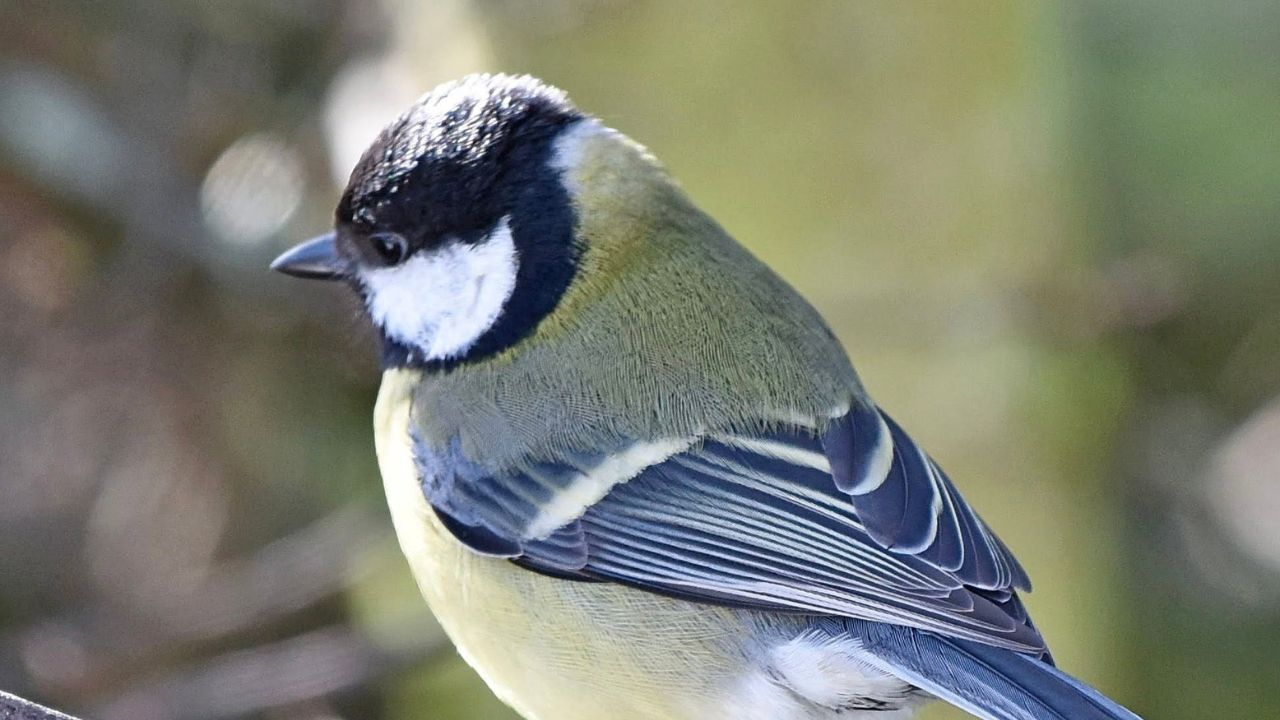

Neil has owned and run Paradise Pets Swindon since 1988. In more than 35 years of helping bird owners, he has seen one pattern many times: a bird may cope with one mild problem, but struggle when several small problems happen together. A 2026 Oxford study on wild great tits does not prove the same numbers for pet budgies or cockatiels, but it gives pet bird owners a useful warning: temperature, humidity, cage position, air quality and stress should be checked together, not one by one.
A new Oxford University study has looked at how extreme weather affects young wild great tits in Wytham Woods. The research used 60 years of data from more than 80,000 individually monitored birds, making it one of the most important long-term bird studies in the UK.
The headline finding is simple but important: single weather stresses had a smaller effect, but combined stress had a much bigger effect. Oxford reported that cold or heavy rain alone could reduce fledging mass by up to 3%, while extreme heat combined with heavy rain could reduce fledging mass by up to 27%, especially in later broods.
This is a wild bird study, so pet owners should not treat the 27% figure as a direct pet bird rule. But the care lesson is still valuable. Birds can be sensitive to combinations of stress: a warm room plus poor ventilation, humidity plus kitchen fumes, or a cage near a window plus a sudden draught.
What The Oxford Bird Study Found
The Oxford research focused on great tits breeding in Wytham Woods. Researchers combined long-term nesting data with daily weather records to understand how weather extremes affected young birds at different stages of development.
- The study used 60 years of great tit data from Oxford’s Wytham Woods.
- It included more than 80,000 individual wild birds.
- Cold snaps were especially harmful in the first week after hatching.
- Heavy rain became more harmful as chicks grew older.
- Cold or rain alone reduced fledging mass by up to 3%.
- Extreme heat combined with heavy rain reduced fledging mass by up to 27%.
- Later-hatching broods were more vulnerable to combined stress.
- Moderate warmth sometimes helped young birds by improving feeding conditions.

The most useful point for pet owners is not that wild great tits and pet birds live the same life. They do not. The useful point is that birds can be affected by combinations of environmental pressure. That is exactly what many owners miss at home.
What This Means For Pet Bird Owners
A pet budgie, cockatiel, canary or lovebird is not facing rain in a nest box. But it may be facing its own combined pressures inside a house.
For example, a bird may cope with a slightly warm room for a short time. But a warm room, poor airflow, direct sun on the cage, limited water access and household noise together can become a very different welfare picture.
After decades at the counter, Neil sees this most often when owners say, “The temperature is not that high, so I thought it was fine.” The temperature may be only one part of the problem.
Common Combined Stress Problems In UK Homes
- Warm room plus poor ventilation: the air feels stale and the bird cannot move away from the heat.
- Direct sun plus cage position: part of the cage may become too hot even if the room feels normal.
- Kitchen location plus heat: cooking fumes, steam and changing temperature can combine badly.
- Window location plus draught: a cage may swing between sun, cold glass and moving air.
- Humidity plus warmth: a room can feel heavy and uncomfortable even without extreme heat.
- Stress plus heat: loud noise, poor sleep or too much disturbance can make environmental stress harder to tolerate.
- Poor diet plus weather stress: a bird with weak nutrition has less resilience when conditions change.
- Illness plus environmental pressure: a bird already unwell may decline faster in poor conditions.
Neil’s Practical Home Check
If you keep a bird at home, do this check today. It is simple and it can prevent many avoidable problems.
- Check the temperature: use a room thermometer near the cage, not on the other side of the room.
- Check humidity: a combined thermometer and humidity monitor helps you understand the room properly.
- Check airflow: the room should feel fresh, but the bird should not be in a draught.
- Check sunlight: make sure the bird can move into shade and is never trapped in direct sun.
- Check kitchen risk: avoid smoke, steam, aerosols, fumes and non-stick cookware fumes near birds.
- Check water: fresh water should be available at all times, and changed daily.
- Check cage position: avoid windows, radiators, kitchens, bathrooms and busy doorways.
- Check behaviour: know your bird’s normal voice, posture, appetite, droppings and activity.
- Check your vet plan: know which vet you would call before an emergency happens.
The best first step is a basic thermometer and humidity monitor near the cage. This gives you real information instead of guessing from how the room feels to you.
Signs Your Bird May Be Struggling
Birds often hide illness and discomfort, so small changes matter. Watch for patterns, especially during warm, humid, noisy or unsettled periods.
- Fluffed-up feathers for longer than normal
- Open-mouth breathing or tail bobbing
- Sitting low, weak or unusually still
- Reduced appetite or drinking much more than usual
- Sudden quietness in a normally vocal bird
- Changes in droppings that continue
- Loss of balance or difficulty perching
- Holding wings away from the body in heat
- Less interest in toys, food or people
- Any bleeding, injury or collapse
If your bird shows breathing difficulty, collapse, bleeding, injury, not eating, severe weakness or sudden major change, contact a qualified vet urgently. Neil can give practical husbandry advice, but he is not a veterinary surgeon.
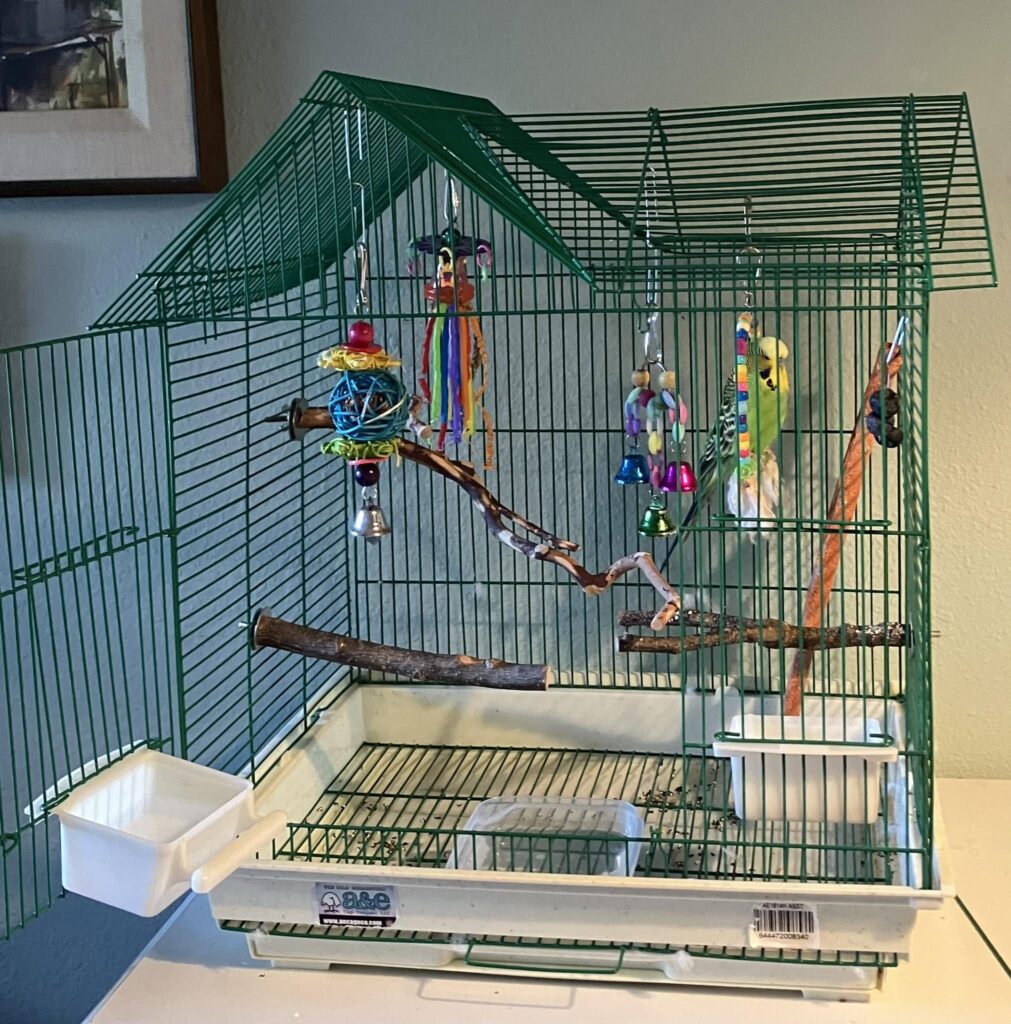
How To Make The Cage Area Safer
Start with cage position. A good cage in the wrong place can still create problems.
- Move the cage away from kitchens and cooking areas.
- Keep the cage away from radiators, fires and direct sun.
- Avoid placing the cage right against a window.
- Do not put the bird in a draughty hallway or doorway.
- Keep aerosols, sprays, smoke, scented candles and strong cleaning fumes away.
- Offer shaded areas so the bird can choose a cooler spot.
- Keep water clean and easy to reach.
- Use safe perches and do not overcrowd the cage with toys.
What Not To Take From The Study
It is important not to misuse the Oxford research. The study was about wild great tit nestlings, not pet budgies, cockatiels or canaries in homes. It does not say that your pet bird will lose 27% body mass if your room is warm and humid.
The correct takeaway is more careful and more useful: combined environmental stress can matter more than one factor alone. That is enough reason for pet owners to check the whole setup properly.
Frequently Asked Questions
Does the Oxford great tit study directly prove what happens to pet birds?
No. The study was about wild great tit nestlings in Wytham Woods. It should not be treated as a direct clinical study of pet birds. But it does support a useful care principle: birds can be vulnerable when several environmental pressures happen together.
What is the most important thing I should do first?
Put a thermometer and humidity monitor near the cage, then check cage position. Those two steps help you spot problems that many owners miss.
Is heat the only thing I should worry about?
No. Heat matters, but so do humidity, air quality, draughts, direct sun, fumes, stress, hydration and illness. The full setup matters more than one number.
Should I use a fan near my bird?
Air circulation can help a room feel fresher, but do not point a fan directly at the bird. Avoid draughts and make sure the bird can move away from airflow.
When should I call a vet?
Call a vet urgently if your bird has breathing difficulty, is sitting on the cage floor, is not eating, is bleeding, has collapsed, cannot perch, or suddenly acts very different from normal.
A Final Thought From Neil
The Oxford study is useful because it reminds us not to look at bird care too narrowly. A bird is not just affected by cage size, or temperature, or food, or light on its own. It is affected by the way all of those things work together.
That is the message I want owners to take home. Do not wait for one obvious emergency. Check the full environment now. A few small changes to cage position, airflow, water, shade and observation can make a real difference to a bird’s daily comfort.
Need Help Checking Your Bird’s Setup?
Bring a photo of your cage, room position, food and perches into Paradise Pets Swindon. Neil can help you spot practical risks and explain what to improve first.
Sources Checked For This Article
Last checked: 16 July 2026