
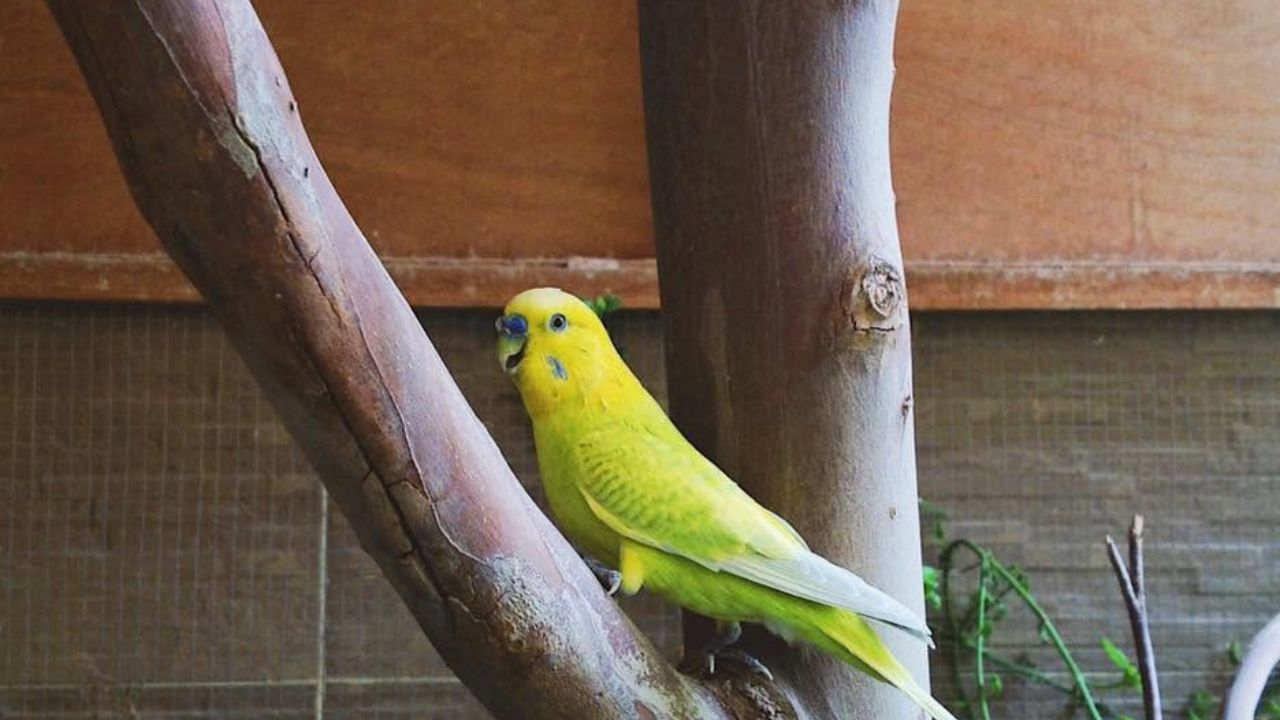

Neil has kept, bred, and sold cage birds at Paradise Pets Swindon since 1988 — over 35 years of helping UK bird owners through hot summers. With the Met Office reporting an unusual run of 35°C days in May, June and July 2026, this guide explains how to position a bird cage more safely during hot weather, what signs to watch for, and when to contact an avian vet.
Hot weather can become uncomfortable and risky for cage birds very quickly, especially when a cage is placed in direct sun or in a room that traps heat.
This guide is practical rather than complicated. If you keep a budgie, cockatiel, canary, finch or lovebird indoors, the first thing to check during a heatwave is not the food, the toys or even the cage size. It is the cage position.
The Met Office reported in July 2026 that temperatures of 35°C or higher had been recorded in May, June and July of the same year for the first time in the UK weather record. The RSPCA also advises pet owners to take extra care during hot weather, especially around shade, ventilation and fresh water.
For a pet bird, small changes in the room can make a real difference. Moving the cage away from direct sun, checking the temperature at cage height, and providing fresh water can help reduce heat stress risk.
Why Cage Position Matters So Much in Hot Weather
Small birds such as budgies, cockatiels and canaries naturally run at a higher body temperature than people. They also cannot simply leave a hot cage and move to a cooler part of the house unless we move them.
A cage that seemed perfectly fine in spring can become too warm in summer, especially if it sits near a south or west-facing window. Sun through glass can heat the area around the cage far more than the general room temperature suggests.
That is why I always tell bird owners to check the temperature where the bird actually is — at cage height, beside the perch — not just the temperature on a wall thermostat somewhere else in the room.
A sunny living room may feel pleasant to us for a short time, but a small bird sitting in the same warm patch for hours has far less choice and far less margin for error.
Where to Put the Cage During a UK Heatwave
During hot weather, the safest position is usually a shaded, stable room away from direct sunlight.
Avoid placing the cage:
- beside a south or west-facing window during the afternoon
- inside a conservatory
- next to patio doors or large glass panels
- against a wall that becomes hot in the afternoon
- in a kitchen while cooking or appliances are running
- in direct airflow from a fan or air conditioner
Better options are usually:
- a north-facing room
- an interior hallway
- a shaded bedroom
- a room where curtains or blinds can stay closed through the hottest part of the day
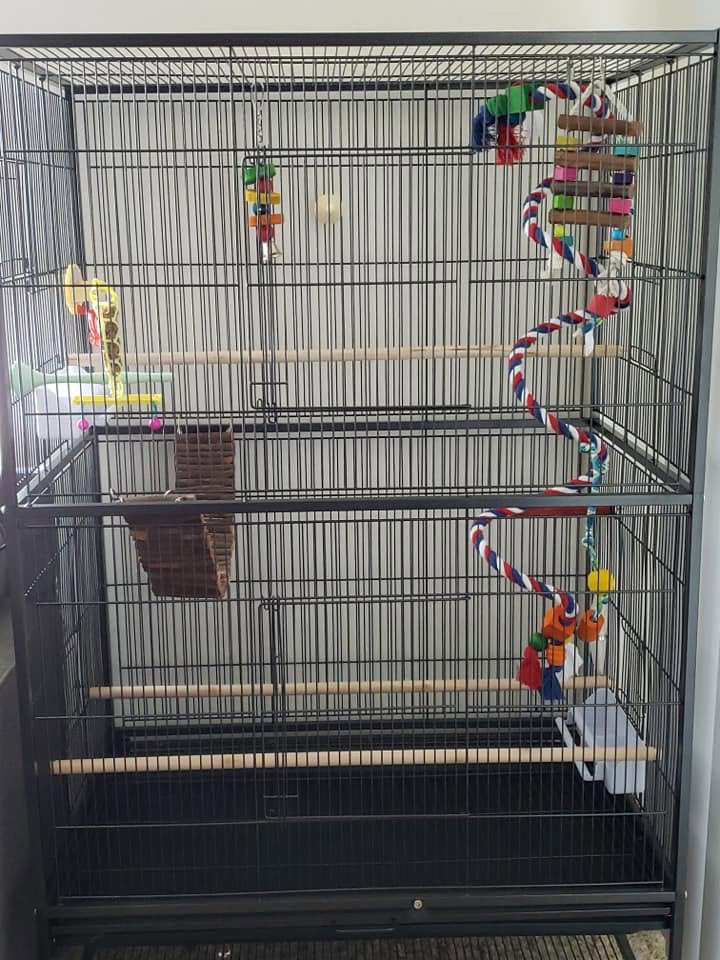
If you are not sure which room is best, use a simple room thermometer and check the temperature at cage height between midday and 5pm. The cooler, shaded, more stable room is usually the better choice.
Five Things to Do Before the Heat Peaks
Moving the cage is the first step. These extra checks can also help.
1. Change the water more often.
Warm rooms make drinking water warm quickly. During very hot days, change drinking water more often than usual, especially through the afternoon.
2. Offer a shallow bath dish.
Many birds will use a shallow bath when they need it. Keep the water clean and change it if it becomes warm or dirty.
3. Use a fine mist carefully.
A light mist can help some birds, but do not soak the bird. Use cool water, not ice-cold water. Stop if the bird becomes stressed.
4. Do not aim a fan directly at the cage.
Air movement around the room can help, but a fan blowing straight at a cage can create stress or chill a damp bird too quickly. Aim the fan across the room, not directly at the bird.
5. Check the bird properly during peak heat.
Do not just glance from the doorway. Look at breathing, posture, alertness, perch position and whether the bird is behaving normally.

Signs of Heat Stress in Pet Birds
Heat stress can begin subtly. Early signs may include:
- faster breathing than usual
- wings held slightly away from the body
- less movement or less vocal behaviour
- sitting lower than normal
- spending more time near the cage floor
- reduced interest in normal activity
If you notice these signs, move the cage to the coolest shaded room, offer fresh water, reduce room heat where possible, and monitor closely.
More serious signs can include:
- open-beak breathing or visible panting
- collapse or weakness
- being unresponsive
- remaining on the cage floor
- severe lethargy
If your bird shows serious signs, contact an avian vet immediately. Do not wait to see whether it improves on its own.
Do not put a bird into cold water and do not place ice directly on the bird. Sudden extreme cooling can add stress. Move the bird to a cooler room, use gentle cooling methods, and speak to a vet as quickly as possible.
Keep an Avian Vet Number Ready
Hot weather is not the time to start searching for a vet for the first time. If you keep birds, save the number of a vet practice that can advise on birds or exotic pets.
The RCVS Find a Vet tool can help you search for veterinary practices in your area. When you call, ask whether the practice regularly sees birds and what out-of-hours emergency options are available.
If you are in Swindon or nearby and need practical shop advice, you can ring Paradise Pets on 01793 512400. If your bird is showing serious symptoms, contact an avian vet first.
How Long Should the Cage Stay in the Cooler Position?
Keep the cage in the cooler shaded position until the hot spell has genuinely eased, not just until one morning feels slightly fresher.
Rooms can warm again quickly by midday, especially if the cage is moved back near a sunny window too early. Check the latest local forecast from the Met Office and keep watching the room temperature at cage height.
For many homes, the best heatwave routine is simple:
- curtains closed on sunny windows before the heat builds
- cage moved away from direct sun
- fresh water checked more often
- bath dish offered
- bird monitored during the hottest hours
Frequently Asked Questions
My bird is in a shaded room but it still feels warm. What else can I do?
Use the coolest stable room available, block direct sun, change water more often, offer a shallow bath dish, and monitor your bird closely. If the room remains very warm and your bird shows heat stress signs, contact an avian vet for specific advice.
Should I leave air conditioning on with a bird in the room?
A stable, comfortable room temperature can help, but do not place the cage in direct cold airflow. Avoid sudden temperature drops. The aim is a comfortable, steady room — not a cold one.
Should I keep windows open?
Only if it actually helps the room stay cooler and is safe. On very hot afternoons, open windows can sometimes bring warmer air inside. Keep the cage secure, away from drafts, and never risk escape.
My bird seems fine. Do I still need to move the cage?
Yes, if the cage is in direct sun or a room that becomes hot in the afternoon. It is better to prevent heat stress than to react after symptoms appear.
What is the riskiest cage position during hot weather?
A cage beside a south or west-facing window in direct afternoon sun is one of the riskiest positions. Conservatories and rooms with large glass areas can also become too warm very quickly.
One Last Thing
Most heatwave protection for cage birds is simple. It does not require expensive equipment. It requires checking the cage position before the hottest hours arrive.
Move the cage out of direct sun. Keep water fresh. Watch the bird carefully. Know which vet to call if symptoms appear.
We are at Manor Garden Centre, Cheney Manor, Swindon SN2 2QJ. You can contact Paradise Pets here or call 01793 512400 for practical shop advice.
Need Practical Bird Care Advice?
We have helped UK bird owners at Paradise Pets Swindon since 1988. If you are unsure about cage position, heatwave care or what to check next, call us on 01793 512400. If your bird is showing serious symptoms, contact an avian vet immediately.
Sources Checked for This Article
- Met Office: Heatwave continues as UK records unprecedented run of 35°C days
- Met Office: UK weather forecasts and warnings
- RSPCA: Keeping pets safe in hot weather
- RCVS: Find a Vet
- GOV.UK: Animal welfare guidance
Last checked: 15 July 2026.