

Neil has kept and sold cage birds at Paradise Pets Swindon since 1988 — over 35 years. The UK recorded its hottest ever May on 26 May 2026 when 35.1°C was recorded at Kew Gardens, breaking the previous May record by two full degrees. Met Office amber heat warnings remain active across England and Wales as of this week, with temperatures of 31–33°C forecast to continue. Every heatwave, the same preventable emergency arrives. This article is his urgent, practical guide for every bird owner in the UK right now.
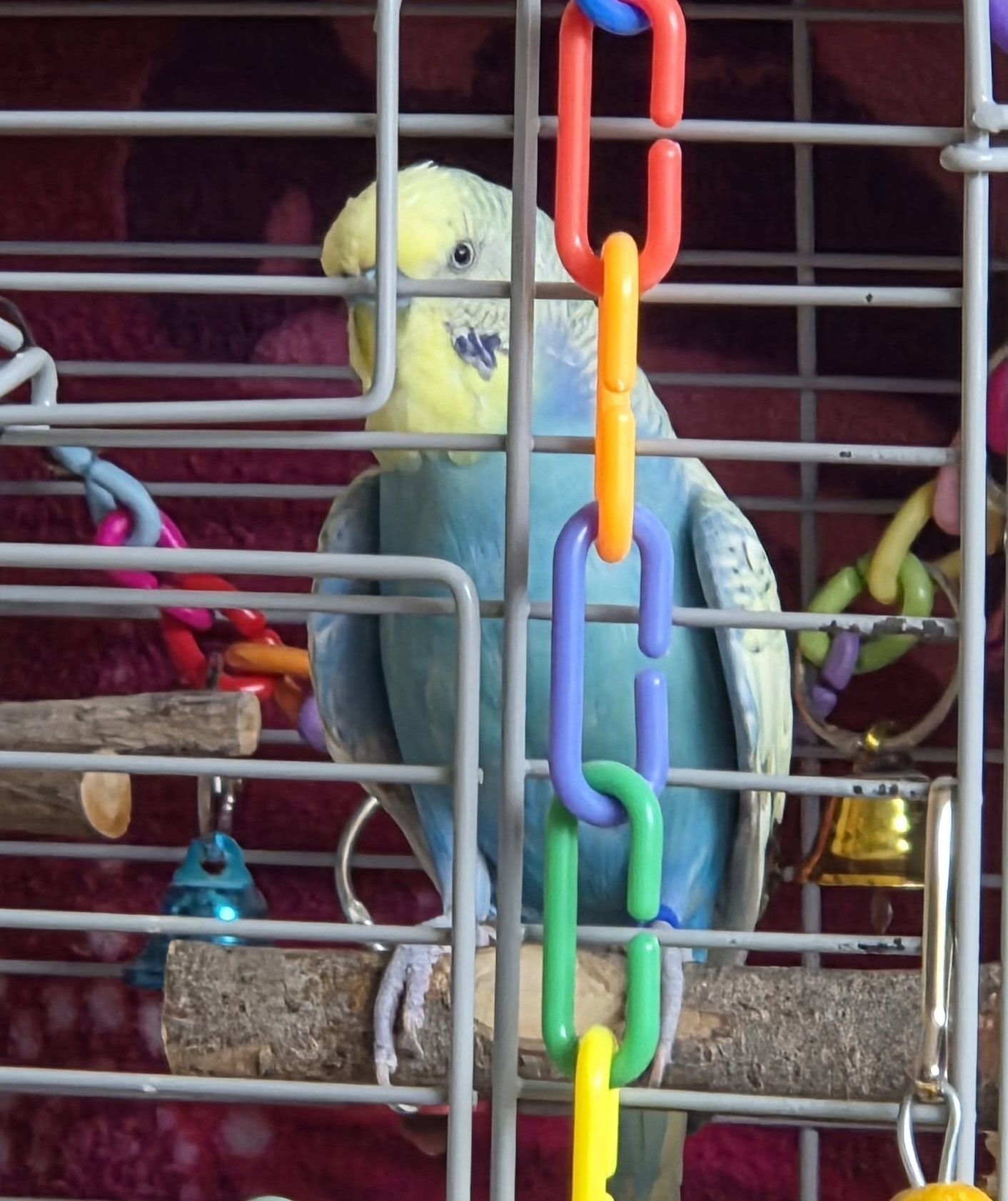
The phone rang on the Tuesday of the May heatwave. A woman from Wiltshire. Her voice told me everything before the words did.
“My budgie is on the bottom of the cage,” she said. “He’s panting. He won’t move.”
I asked her one question. Where was the cage?
“On the windowsill,” she said. “He loves the sun.”
I told her to move the cage immediately to the coolest room in the house, mist the bird lightly with cool water, offer fresh drinking water at cage-floor level, and get to an avian vet within the hour. I told her not to put him in front of a fan directly. Not to use ice. Not to wait to see if he improved.
She rang back two hours later from the vet. He survived. The vet told her that thirty more minutes in that window would likely have been a different conversation.
That call was one of four I took that Tuesday. It is the same call, from different owners, in different forms, every time the UK temperature breaks records. The May 2026 heatwave — 35.1°C at Kew Gardens on the 26th, the hottest UK spring day since records began in 1884 — produced more of these calls than any heatwave I can remember. And the Met Office amber warnings active this week across England and Wales mean the risk has not passed.
This guide is for right now. If your bird is showing symptoms, skip to the emergency section first. Come back to the rest after.
If Your Bird Is Already Showing Symptoms — Do This Now
If you came to this article because your bird is already distressed, this section is for you first. Read it, act on it, then come back to the rest.
- Beak open, panting continuously — this is the bird’s emergency cooling mechanism and means it is already significantly heat stressed
- Wings held away from the body — the bird is trying to dissipate heat through increased surface area. This is not relaxed posture. It is thermal distress
- Bird on the cage floor — this is a late-stage sign. A bird that cannot maintain its perch is in serious difficulty
- Eyes half-closed, unresponsive to your voice or approach — advanced heat stress affecting neurological function
- Loss of coordination or balance on the perch
- Feathers slicked tightly to the body rather than puffed — the bird is trying to reduce insulation to lose heat
The emergency sequence — in this order:
- Move the cage to the coolest room in the house immediately — not outside, not into a room with air conditioning blasting cold air. A cool, shaded interior room
- Mist the bird very lightly with cool water from a spray bottle — not cold, not soaking. A fine mist over the feathers and feet. This assists evaporative cooling without shocking the bird
- Place fresh cool water — not ice cold — directly accessible to wherever the bird currently is. If the bird is on the floor, water must be at floor level
- Call an avian vet while you are doing the above. Do not wait to see if the bird improves before calling. Call while you cool
- Do not put the bird directly under a fan — high-velocity airflow on a heat-stressed bird causes respiratory stress and can chill a wet bird dangerously. Create gentle room airflow rather than directing air at the bird
- Do not use ice or ice-cold water — rapid cooling causes thermal shock which compounds the physiological stress. Gradual cooling is what the bird needs
- Keep the environment calm and quiet — speak quietly, avoid sudden movements, partially cover the cage to reduce visual stimulation while leaving ventilation
Why 2026 Is Different — The Record Context
Every summer brings heat stress risk for cage birds in the UK. But the 2026 heatwave has produced conditions that are genuinely unprecedented for the time of year — and which have caught owners off-guard in ways that a predictable July heatwave would not.
On 26 May 2026, 35.1°C was recorded at Kew Gardens, breaking the previous UK May temperature record of 32.8°C set in 1922 by two full degrees. The Met Office described the country as experiencing an exceptional spell of warmth, with overnight temperatures remaining unusually high — some areas experiencing tropical nights where temperatures stayed above 20°C.
The specific danger of an early, record-breaking heatwave is that owners have not yet made the seasonal adjustments to cage position, ventilation, and management that they might make before a predicted July hot spell. Cages are still in the positions they occupied through spring — often near windows chosen for natural light when temperatures were mild. The bird that was comfortable in that window position in April is the same bird that is in crisis in that position on a 35-degree May afternoon.
As of this week, a heatwave is affecting much of England and Wales, with temperatures reaching 31–33°C in parts. The Met Office has issued an amber warning for heat, in force until Thursday evening. Night-time temperatures will also stay high, offering little relief.
The heat has not passed. If your bird’s cage position has not changed since the May heatwave, it needs to change today.
- The May 2026 heatwave broke the UK spring temperature record by two full degrees — conditions unprecedented in over a century of records
- Amber heat warnings remain active across England and Wales in June 2026 — the risk period is ongoing, not historic
- Early heatwaves catch owners unprepared — seasonal cage position adjustments that owners make for July had not been made by late May
- High overnight temperatures mean birds are not recovering the overnight cooling that would partially compensate for daytime heat stress
- The south-east and central England are most affected — but amber warnings cover a wide swathe of England and Wales
The Fundamental Problem — Why Birds Are So Vulnerable
Understanding the biology makes the emergency steps make more sense — and helps owners grasp why temperatures that feel manageable to a human in a house can be lethal to a bird in a cage.
Birds have a resting body temperature of between 40 and 42 degrees Celsius — already close to the threshold at which heat damage to tissues begins. The margin between a bird’s normal operating temperature and the temperature at which organ stress commences is far smaller than for mammals. A human’s core temperature needs to rise several degrees above normal before serious consequences follow. A bird’s body temperature is already within two to three degrees of that threshold at rest.
Birds cannot sweat. Their primary heat dissipation mechanism is panting — rapid breathing through an open beak that loses heat through evaporation from the respiratory tract. In humid conditions, or conditions where the ambient temperature is close to the bird’s own body temperature, panting provides progressively less relief. The mechanism becomes less effective at precisely the moment it is most needed.
Cages amplify heat. A cage near a window in direct sun is not experiencing the same temperature as the room. Glass amplifies solar radiation significantly. On a 30-degree afternoon with direct south-facing sun, the air temperature immediately around a cage can be 35 to 40 degrees or higher — conditions that are lethal for small birds within a relatively short period of sustained exposure.
Small birds are most vulnerable. A budgie, a finch, a canary — with their very low body mass — reach dangerous temperatures faster than larger birds and have less physiological reserve. A budgie that has been in a hot cage environment for two hours has less capacity to recover than one that has been there for thirty minutes.
- Bird resting body temperature is 40–42°C — they have a very small margin before heat causes organ stress
- Birds cannot sweat — panting is their only cooling mechanism and becomes less effective as ambient temperature rises
- Glass amplifies solar radiation — cage temperature near a sunny window is significantly higher than room temperature
- Small birds — budgies, finches, canaries — are the most acutely vulnerable due to low body mass and limited physiological reserve
- High overnight temperatures in the 2026 heatwave mean birds are entering each hot day without the overnight recovery that partially compensates for daytime heat exposure
The Immediate Actions — What to Do Right Now, Today
With amber warnings active across England and Wales this week and temperatures forecast at 31–33°C, the following actions are not seasonal preparation. They are immediate requirements.
Move the cage — today, not when the temperature peaks
The most impactful single action any bird owner can take right now is to assess the cage position honestly and move it if necessary. Here is the honest assessment:
- Any cage that receives direct sunlight at any point during a hot day needs to be moved. South-facing and west-facing windows are the highest risk in June and July afternoon sun
- The coolest room in the house is almost always an interior room with no external walls, or a north-facing room that does not receive direct sun at any point in the day
- An interior hallway, a north-facing bedroom, or a room with thick walls and no south or west-facing windows is a better position for a cage in this weather than any bright, sunny living room
- The bird does not need sunlight during a heatwave. It needs cool air and shade. The sunlight preference that makes window positions pleasant in March is the same preference that makes them dangerous in June at 33 degrees
Ventilation — the right kind
- Open windows on the shaded side of the house in the cool of the early morning — before 8am — to bring cool air in. Close windows and draw curtains on the sunny side before the temperature rises. The house stays cooler if cool morning air is trapped inside
- Cross-ventilation — windows or doors open on opposite sides of the house simultaneously — creates through-flow that is more effective than a single open window
- A fan creating gentle air movement in the room — not directed at the cage but moving air around the space — assists the bird’s panting mechanism without the risks of direct high-velocity airflow
- Do not leave windows open on the sunny side of the house during afternoon heat — this brings hot air in rather than cooling the space
Water — critical and often overlooked
- Change water at least three times today — morning, midday, and late afternoon. Water warms quickly in a hot room and warm water provides no cooling relief. Fresh, cool water at each change
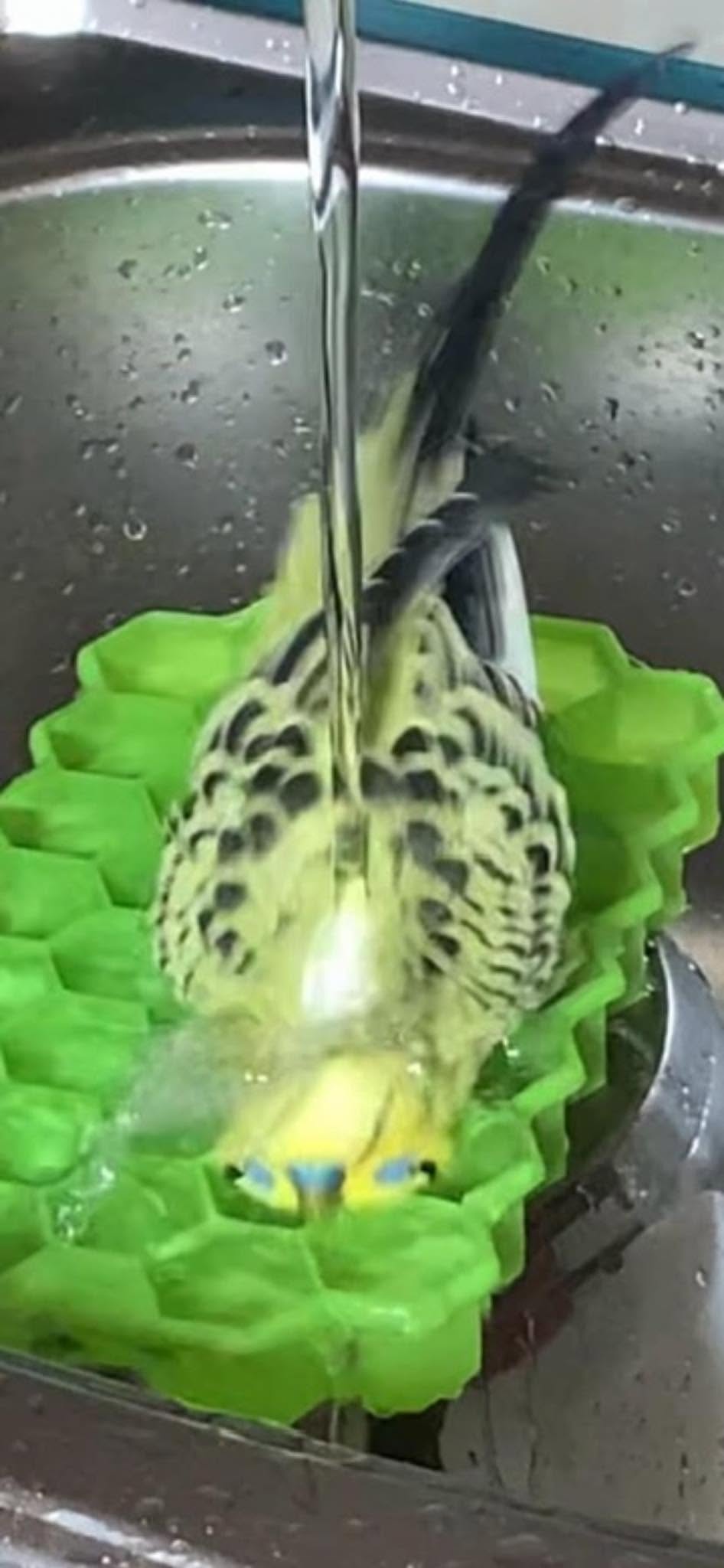
- Offer a shallow bath dish during heatwave conditions — most birds will use it and the evaporation from wet feathers provides significant cooling. Remove the dish after an hour to prevent the water warming and becoming a contamination risk
- A light misting with a spray bottle once every two to three hours during peak heat — fine mist, not soaking, cool not cold — assists evaporative cooling in birds that do not actively bathe
- Ensure water is accessible at the lowest point in the cage as well as normal positions — a bird that has moved to the lowest perch or cage floor in heat needs water accessible at that level
Species by Species — The Specific Vulnerabilities
Not all cage birds respond to heat identically. Knowing the specific profile of the species you keep helps you calibrate the urgency of your response.
Budgies
From the Australian interior — and therefore more heat-adapted than their owners typically assume. A budgie in a well-ventilated, shaded position in a 28-degree room is under less acute stress than a canary in the same conditions. But this relative tolerance has hard limits. A budgie in a cage near glass in direct afternoon sun on a 33-degree day will overheat. Their small body mass means they reach critical temperatures faster than larger birds once conditions worsen beyond their tolerance threshold. Do not use Australian origin as a reason for complacency. Move the cage.
Cockatiels
Also from Australia, with moderate heat tolerance, but cockatiels show heat stress signs very clearly — open-beak panting and the wing-spreading posture are very visible in this species. The cockatiel that started the article — the one on the windowsill — is the most common emergency I see. Cockatiels are large enough that owners underestimate how quickly they can deteriorate. Act on the early signs immediately.
Canaries and Finches
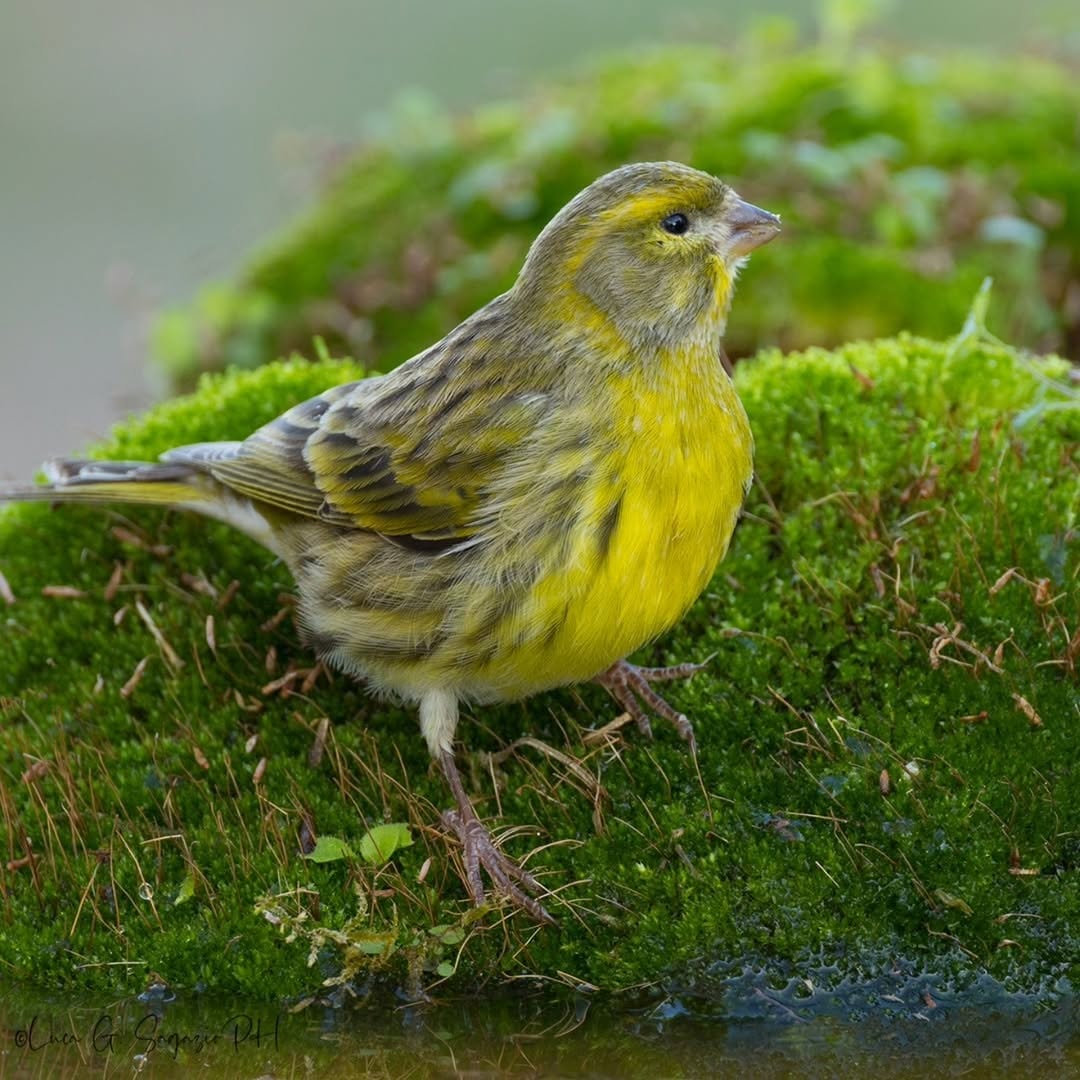
The most vulnerable of the commonly kept species. Their very low body mass means they have the least physiological reserve of any cage bird. A small finch in a hot cage can move from comfortable to critical faster than any other species I keep or sell. In a 33-degree day with any direct sun exposure, canaries and finches need to be in the coolest available position in the house with active ventilation. This is not cautious advice. It is the minimum adequate response for these species in current conditions.
Larger Parrots
More thermal mass, more physiological reserve, slower progression to crisis. But not immune. A large parrot in a very hot, unventilated room will overheat — and because owners assume larger birds are more resilient, the warning signs are sometimes missed until the bird is further into heat stress than it would be in a smaller species. The warning signs are the same: open-beak panting, wing spreading, reduced activity, reduced responsiveness.
- Canaries and finches — most vulnerable, least reserve, require the coolest position and most active management in current conditions
- Cockatiels — moderate heat tolerance but visible early warning signs that must be acted on immediately
- Budgies — relatively heat-adapted but small body mass means rapid deterioration once tolerance threshold is exceeded
- Larger parrots — most reserve but not immune, and their apparent resilience can lead owners to miss warning signs
The Temperature Thresholds — What the Numbers Mean
- Below 25°C ambient at cage height. Normal range. Standard water provision and reasonable cage positioning adequate. No specific heat action required.
- 25–28°C ambient at cage height. Caution zone. Cage position matters. Any direct sunlight through glass raises local cage temperature to dangerous levels even when the room feels comfortable. Ensure shade, fresh water, gentle airflow. Monitor for early warning signs.
- 28–32°C ambient at cage height. Active management required. This is the range that UK homes without air conditioning reach during current conditions. Cage must be in the coolest available position. Water refreshed multiple times daily. Misting provided. Bird checked every 30 to 45 minutes during peak afternoon heat. For canaries and small finches, this is already serious.
- Above 32°C ambient at cage height. Emergency territory for all small birds. In current UK conditions, with amber warnings and forecast highs of 33°C, any cage near a window or in an inadequately ventilated room may be reaching this range. Cool damp towels near the cage — not touching it, but creating evaporative cooling in the immediate environment. Misting every hour. Immediate vet contact if any warning sign appears.
- The glass multiplier. Whatever the ambient temperature is, direct sunlight through glass adds ten to fifteen degrees to the local temperature around the cage. A 28°C room with the cage in direct afternoon sunlight is a 38–43°C environment for the bird. In current heatwave conditions, this is a lethal environment for a small bird within a relatively short period of exposure.
What Not To Do — The Mistakes That Make It Worse
| What owners do | Why it makes it worse | What to do instead |
|---|---|---|
| Put the bird directly under cold running water or in a bowl of cold water | Thermal shock — the sudden temperature drop constricts blood vessels and can cause cardiac stress in a bird that is already physiologically compromised. Cold water immersion can also cause hypothermia if the bird becomes fully soaked | Fine mist of cool water, gradual movement to a cooler room, cool drinking water. The goal is slow, steady reduction not sudden shock |
| Direct a fan at the cage at high speed | High-velocity airflow causes respiratory stress, can chill a wet bird dangerously quickly, and can produce eye irritation and feather damage in prolonged exposure | Position the fan to create gentle room air movement — not aimed at the cage. The bird benefits from moving air in the space, not a blast of air at the cage |
| Leave the cage in the same sunny position because the bird has been fine there until now | Conditions in late May and June 2026 are genuinely unprecedented for the time of year. A position that was adequate in April and May at 18–22°C is not adequate at 33°C with amber warnings in force | Reassess the cage position for current conditions, not for conditions that existed when the position was chosen |
| Check the bird in the morning and not again until evening | Heat stress develops fastest during the hottest part of the day — typically 12pm to 4pm in UK conditions. A bird that was well at 9am can be in crisis by 2pm if conditions have worsened through the morning | Check the bird every 30 to 45 minutes during peak afternoon heat on days when amber warnings are in force |
| Wait until the bird is on the cage floor before calling a vet | A bird on the cage floor is already in advanced heat stress — it has been in crisis for longer than the owner realised and has used most of its physiological reserve. Outcome at this stage is significantly worse than if caught at the early warning signs | Know and act on the early signs — panting, wing spreading, reduced activity — before the bird reaches the cage floor |
Frequently Asked Questions
My bird seemed fine this morning — do I really need to move the cage today?
Yes. The peak heat of the current heatwave falls in the early to mid afternoon, not the morning. A bird that is comfortable in its position at 9am on a day when amber warnings are in force may be in crisis in that same position by 1pm. Move the cage now, before the temperature peaks. The five minutes it takes to move the cage is significantly less costly than the emergency vet visit that results from not moving it.
Is it safe to move the bird to a room with air conditioning?
Carefully. A bird moved directly from a very hot environment into a room with air conditioning set to a cold temperature experiences a rapid temperature change that is itself a physiological stress. Move to a cool room first — ideally one that is naturally cool rather than air-conditioned — and allow the bird to normalise gradually. If air conditioning is the only option, set it to a moderate temperature rather than cold and allow the bird to acclimate over thirty to forty minutes rather than going straight from hot cage to cold room.
How do I know if my bird needs a vet or just needs cooling down?
If the bird is panting but still on its perch and responsive to your voice — cool it down immediately and monitor closely. If the bird is on the cage floor, unresponsive, or showing signs of loss of coordination — cool it while simultaneously calling an avian vet. Do not decide to cool first and call later. The call and the cooling happen at the same time. A vet call that turns out to be unnecessary costs nothing. Not calling when the bird needed it costs everything.
The amber warning expires Thursday — is it safe to move the cage back to the window then?
Not until you have confirmed the forecast for your specific area. The amber warning expiring does not mean temperatures return to spring normal immediately. The south-east may stay warm into the weekend. Monitor the Met Office forecast for your area and do not move the cage back to a sunny position until you are confident the temperatures are back below 25°C at cage height. The precautionary approach costs nothing. The alternative costs birds their lives.
Where can I get urgent bird advice in Swindon?
Ring us now on 01793 512400. We are at Paradise Pets, Manor Garden Centre, Cheney Manor Industrial Estate, Swindon SN2 2QJ. If your bird is showing heat stress signs, ring an avian vet first — but ring us if you need help identifying the nearest avian vet or guidance on immediate cooling while you arrange the vet visit.
One Last Thing From Me
The woman whose budgie was on the windowsill rang me back that evening. He had been kept in overnight for observation at the vet and was coming home the following morning. She was quiet for a moment before she said: “He was fine yesterday. I had no idea.”
She was not a careless owner. She was an owner who had not understood that the conditions of the 2026 May heatwave were categorically different from anything the UK had seen in May before — and that the window position that had been fine for three years was not fine on the hottest spring day since records began in 1884.
The current week’s amber warnings mean the risk has not passed. The forecast highs of 31–33°C for the coming days are not as extreme as the May peak, but they are extreme enough to kill a small bird in an inadequately managed cage position.
Move the cage. Change the water. Mist the bird. Check it through the afternoon. Know the emergency signs and know what to do if you see them.
That is all this requires. Not specialist knowledge. Not expensive equipment. Attention and action, applied before the crisis rather than during it.
The bird on the windowsill cannot move itself. That is your job.
Bird Showing Heat Stress Signs? Ring Us Now
We have been keeping cage birds through UK summers for 35 years. If your bird is showing any sign of heat stress during the current heatwave — ring us on 01793 512400 and we will guide you through the immediate steps and help you find the nearest avian vet. Do not wait. Ring now.