
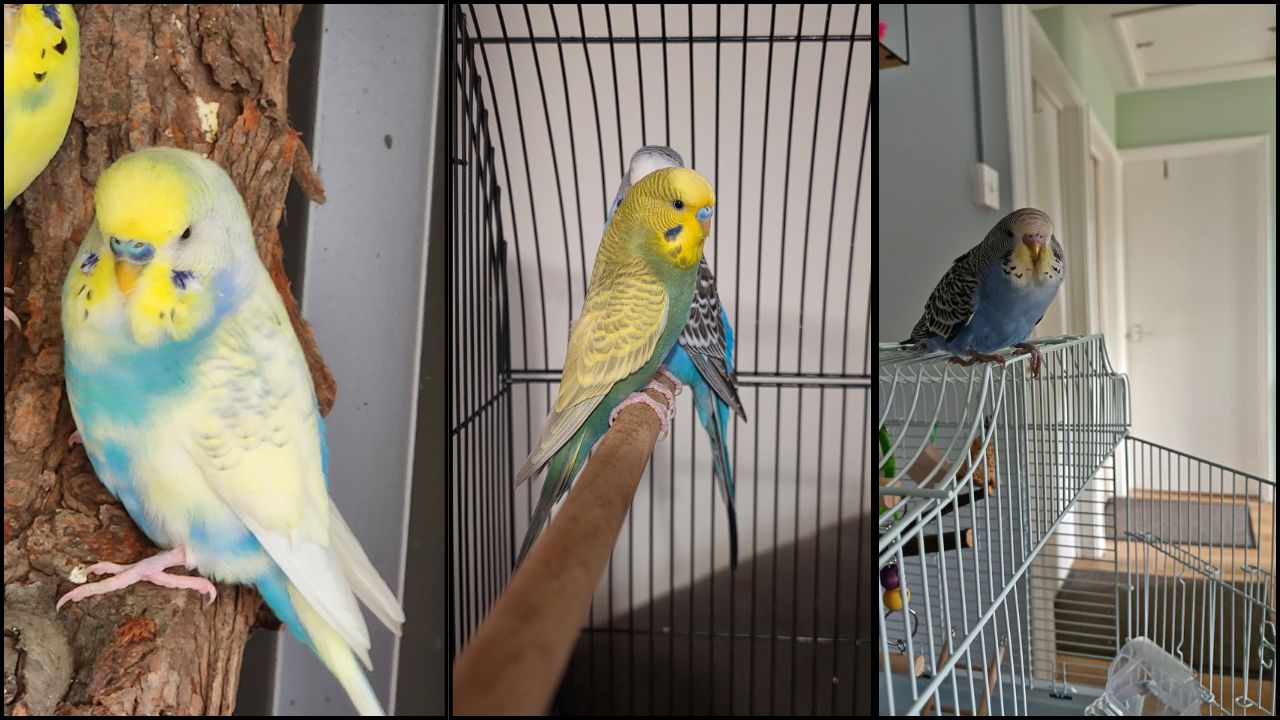

Neil has owned and run Paradise Pets Swindon since 1988. The new primate licensing rules in England do not ban budgies, cockatiels, canaries or pet birds. But they are a useful reminder of something many owners forget: the Animal Welfare Act 2006 already expects every kept animal to have a suitable environment, suitable diet, normal behaviour, appropriate company and protection from pain, suffering, injury and disease.
From 6 April 2026, private primate keepers in England need a licence unless the animal is kept under an exempt setting such as a zoo licence or scientific licence. The rules are aimed at primates, not pet birds.
So if you keep a budgie, cockatiel, canary, finch or lovebird, you do not need to panic. The law has not suddenly changed for cage bird owners.
But the new primate rules do matter as a reminder. They show that animal welfare law is not just paperwork. It is being used to raise standards where animals have complex needs that are often not being met in private homes.
What The New Primate Rules Actually Say
The Animal Welfare (Primate Licences) (England) Regulations 2024 introduced a licensing system for privately kept primates in England. From 6 April 2026, people keeping primates privately must hold a licence and meet strict welfare conditions.
The rules apply to non-human primates such as marmosets, tamarins, squirrel monkeys, spider monkeys, capuchins, lemurs and lorisids. They do not apply to budgies, cockatiels, canaries or other pet birds.
The reason bird owners should pay attention is not because this is a bird law. It is because the rules sit within the same broad animal welfare direction that applies to all kept animals: owners are expected to meet the real needs of the animal, not just keep it alive.
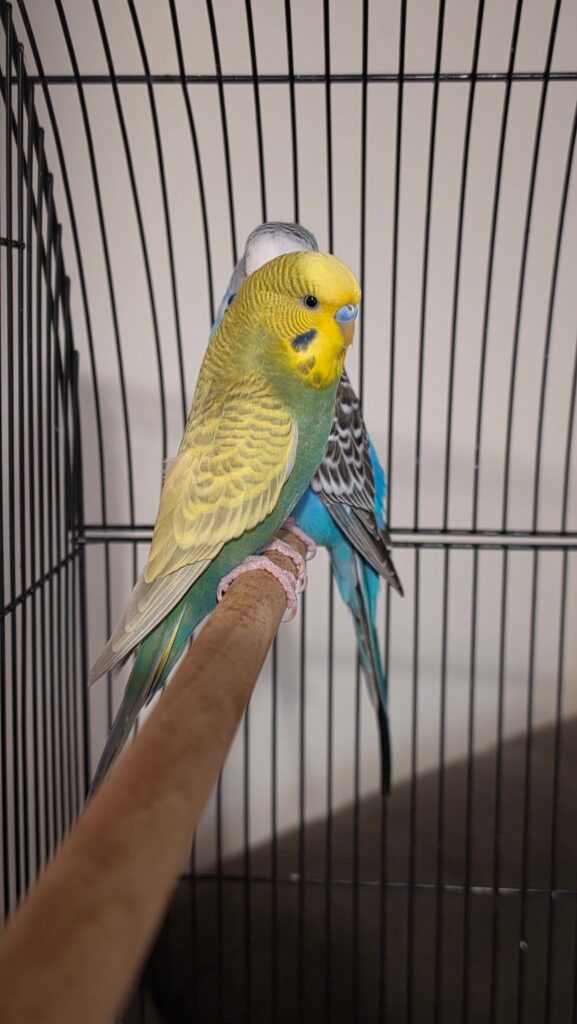
The Five Welfare Needs Your Bird Already Has
Under the Animal Welfare Act 2006, a person responsible for an animal must take reasonable steps to make sure the animal’s welfare needs are met. For owners in England and Wales, those needs include:
- A suitable environment: the bird needs a safe, clean, well-positioned cage or aviary with enough space and protection from heat, draughts, fumes and hazards.
- A suitable diet: the bird needs food and water appropriate for its species, not just whatever is easiest to put in the bowl.
- Normal behaviour: the bird should be able to fly or move properly, perch, forage, vocalise, preen, explore and rest.
- Appropriate company: social species need suitable bird company or meaningful daily human interaction, depending on the bird and situation.
- Protection from pain, suffering, injury and disease: illness, injury, poor feather condition, breathing problems or major behaviour changes should not be ignored.
Scotland and Northern Ireland have their own animal welfare laws, but the same basic welfare principles apply across responsible pet keeping.
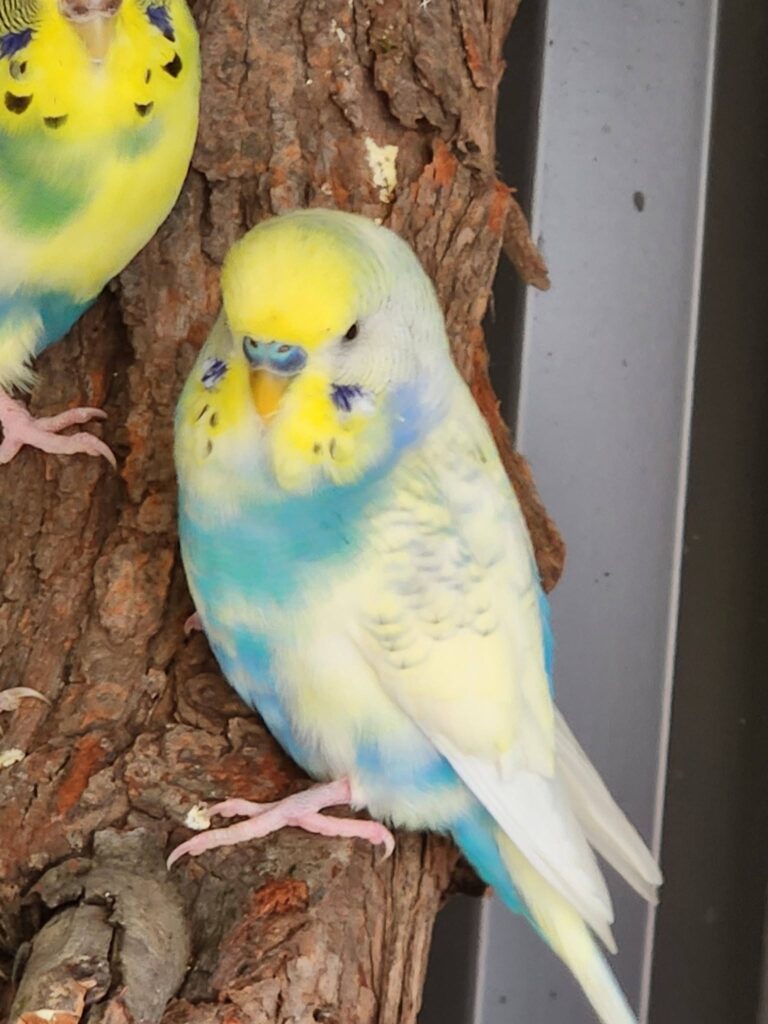
Does This Mean Cage Birds Will Be Banned?
No. There is no current proposal to ban the keeping of commonly kept pet birds such as budgies, cockatiels, canaries or finches.
Primates are different animals with very complex social, behavioural and environmental needs. The new licensing rules were created for that specific welfare problem. A well-kept pet bird in a suitable home is not the same situation as a primate kept privately without specialist conditions.
The fair lesson is simpler: animal welfare standards are moving towards better care, better knowledge and more responsibility. Bird owners should be ahead of that, not waiting until something goes wrong.
How To Check Your Bird Against The Five Welfare Needs
If you keep a bird at home, use this as a practical self-check.
1. Suitable Environment
Ask whether your bird’s cage is large enough for real movement, not just sitting. The cage should be away from kitchens, aerosols, smoke, direct hot sun, cold draughts, radiators and busy doorways.
The RSPCA says birds need space to fly, climb, perch, hide, feed and roost. A cage can look tidy and still be too small or badly placed.
2. Suitable Diet
Many pet birds are still fed too much seed and not enough variety. The right diet depends on the species, but owners should think about balanced nutrition, clean water, safe greens, minerals and gradual diet changes where needed.
If you are unsure, ask an experienced bird keeper, specialist pet shop or avian vet before making sudden changes.
3. Normal Behaviour
A bird needs more than food and a perch. It needs chances to move, explore, chew, forage, preen, vocalise and rest. Toys and enrichment help, but the cage should not be so cluttered that the bird cannot stretch or move properly.
4. Appropriate Company
Budgies, cockatiels and many other pet birds are social. A single bird can do well in some homes, but only if it receives proper daily interaction and stimulation. A bird left alone for long periods with little contact can become stressed or bored.
5. Protection From Illness And Injury
Birds often hide illness. A bird that is fluffed up, breathing heavily, not eating, sitting low, losing balance, bleeding or suddenly quiet needs urgent attention from a qualified vet. Neil can help with practical care advice, but he is not a veterinary surgeon.
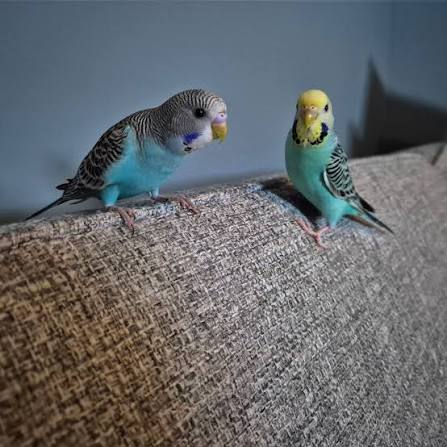
The Most Common Bird Welfare Gaps Neil Sees
- Cages that are too small: the bird can sit and hop, but cannot move properly.
- Cages in the wrong place: near kitchens, windows, draughts, radiators or direct sun.
- Seed-heavy diets: food is offered daily, but nutrition is not balanced enough.
- Lonely birds: especially single budgies or cockatiels with little daily interaction.
- No vet plan: the owner does not know which vet to call if the bird becomes ill.
- Too little observation: small changes in droppings, breathing, voice or posture are missed.
- Unsafe household air: smoke, sprays, candles, fumes or cooking hazards near the bird.
Fixing these points is not about being scared of future regulation. It is about doing right by the animal already in your care.
What Bird Owners Should Do This Week
- Take a clear photo of the cage: include the whole cage and where it sits in the room.
- Write down the full diet: seed, pellets, greens, treats, supplements and water routine.
- Check daily social time: be honest about how much interaction the bird actually gets.
- Watch behaviour for five minutes: note posture, breathing, voice, activity and droppings.
- Find a vet before there is an emergency: keep the number saved.
If you bring those details into the shop, Neil can help you spot practical issues quickly. Most improvements are simple: better cage position, safer air, improved perches, a cleaner diet routine, more enrichment or a clearer vet plan.
What This Article Is Not Saying
This article is not saying pet birds are the same as primates. They are not.
It is not saying cage birds are about to be banned. There is no current proposal saying that.
It is not saying every bird owner is doing something wrong. Many owners care deeply and are trying their best.
It is saying that animal welfare law already expects real care, not minimum survival. If a new law about primates makes bird owners check their own standards more carefully, that is a good outcome.
Frequently Asked Questions
Does the new primate licensing law affect pet bird owners?
No. The primate licensing rules apply to privately kept primates in England. They do not create new licensing rules for pet bird owners.
Are budgies, cockatiels or canaries going to be banned?
There is no current proposal to ban commonly kept pet birds such as budgies, cockatiels, canaries or finches. The practical point is to make sure bird welfare standards are being met now.
What law already applies to pet birds?
In England and Wales, the Animal Welfare Act 2006 requires animal keepers to meet welfare needs, including environment, diet, behaviour, company and protection from pain, suffering, injury and disease.
Does a pet bird need to see a vet?
Yes, when there are signs of illness, injury or welfare concern. Many owners also benefit from having an avian-experienced vet identified before an emergency happens.
Where can I check whether my bird setup is good enough?
You can bring photos of your cage, room position, diet and perches into Paradise Pets Swindon. Neil can help you check the practical welfare basics and explain what to improve first.
A Final Thought From Neil
The new primate law is not something bird owners need to fear. But it is something worth learning from.
Good animal care is moving away from “the animal is alive, so it must be fine” and towards a better question: can this animal actually live properly in the conditions I provide?
That question matters for primates, and it also matters for pet birds. If your bird has a suitable environment, a suitable diet, normal behaviour, proper company and a clear vet plan, you are already thinking in the right way.
Want Help Checking Your Bird’s Welfare Setup?
Bring a photo of your cage, room position, food and perches into Paradise Pets Swindon. Neil can help you check the five welfare needs in a practical, honest way.
Sources Checked For This Article
Last checked: 16 July 2026