
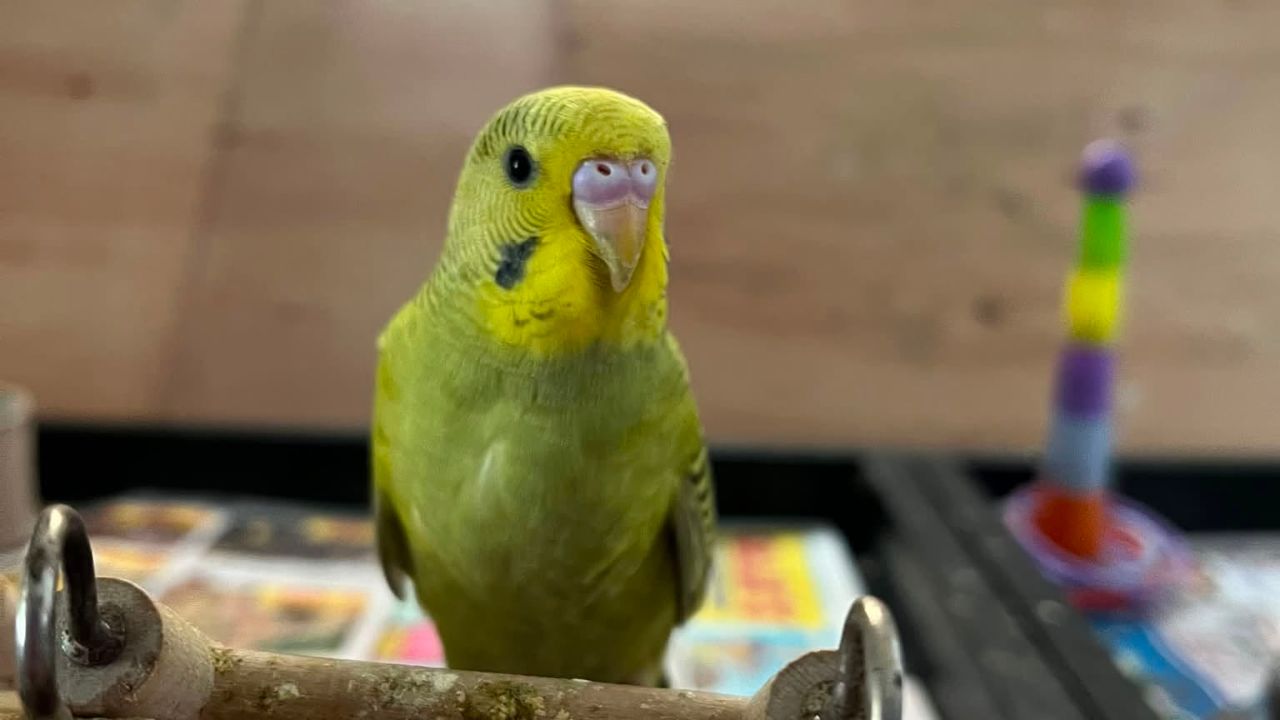

Neil has kept, bred, and sold birds at Paradise Pets Swindon since 1988 — over 35 years of first-hand experience with this species through every kind of British summer. New research published in 2026 has specifically confirmed what the effects of heat on young birds actually look like at a physiological level. This is his honest translation of what that science means for the bird in your living room, right now.
A woman came in last week carrying a printed page from a news article about young birds dying in the heat. She kept budgies, she said, and wanted to know whether any of it was actually relevant to her situation, or whether it was purely about wild birds and nothing to do with what she had at home.
It is a question worth taking properly seriously rather than dismissing, and the research published in 2026 makes that answer considerably clearer than it was even a year ago.
What The Research Actually Found
I want to give you the actual findings rather than a vague summary, because the specifics matter.
In March 2026, researchers at the University of Oxford published a study in the journal Global Change Biology, drawing on long-term data from UK great tit nestlings. The headline finding was precise and striking: fledglings from later-season broods — those exposed to the hotter weeks of the season — emerged around a third lighter than their earlier-season counterparts, even when the absolute temperatures they experienced were similar. The difference was not simply the heat itself, but the compounding effect of heat arriving during the critical developmental window, when growth is fastest and the demand on the bird’s metabolism is highest.
In May 2026, researchers at Lund University published a paper in Trends in Ecology and Evolution specifically addressing the physiological constraints that limit birds’ ability to adapt to heat. Their conclusion was unambiguous: extreme weather events pose serious, measurable harm to birds, and the knowledge gaps around exactly how and how quickly that harm accumulates represent a genuine research priority. One of their specific findings was that birds face a genuine physiological ceiling in terms of how much heat they can dissipate through panting and altered blood flow — and that ceiling is considerably lower than many people assume.
Separately, a major analysis published in Nature Ecology and Evolution in 2025, drawing on historical bird population data from 1950 to 2020, found that heat extremes have caused bird abundance to decline by between 25 and 38 percent across affected populations over that period, compared with what would have been expected without climate warming. That is a population-level finding, but it reflects the cumulative effect of exactly the individual-level physiological damage the Oxford and Lund research describes.
The Specific Physiological Picture — Why Young Birds Are Most Vulnerable
Understanding why younger birds are specifically more vulnerable is the key to understanding what this research means for a pet bird owner.
A bird’s primary heat-loss mechanisms are panting, which requires muscular effort and burns energy, and redistributing blood flow toward the skin to allow heat to radiate away from the body surface. Both of these work only up to a physiological ceiling, beyond which the bird’s internal temperature begins to rise regardless of effort.
In a developing nestling or juvenile bird, that ceiling is lower than in a healthy adult. The thermoregulatory system is not yet fully developed. The metabolic demands of growth are already drawing heavily on the bird’s energy reserves. And the feather covering — which in adults provides some degree of insulation and moisture management — is incomplete during development and the moult, leaving the bird with less capacity to buffer against rapid temperature changes.
The Oxford research’s finding that later-season fledglings emerge a third lighter captures this precisely: the birds that hatched into hotter conditions did not simply experience some discomfort. They emerged from the nest with measurably reduced body mass, which is a direct proxy for survival odds. A lighter fledgling has smaller energy reserves, is less able to sustain the effort of early flight and foraging, and is more vulnerable to any subsequent stressor — cold snap, illness, food shortage — than a well-nourished bird from an earlier brood.
What This Means Specifically For Pet Birds
The research above is conducted on wild bird populations, and I want to be honest about what translates directly and what requires some extrapolation.
The physiological findings from Lund — the ceiling on heat dissipation, the specific limits of panting as a cooling mechanism, the vulnerability when those limits are reached — apply to birds as a class, not only to wild birds. A budgie, cockatiel, or canary has the same physiological constraints as a great tit nestling. The species differ, but the underlying mechanisms are shared.
What this means in practice is that the research gives us a more precise, evidence-based picture of exactly what happens inside a bird that is too warm — and of how much faster that process occurs in a younger or moulting bird than in a healthy adult. This is not new information to avian vets, but it is newly confirmed by research with a rigour and scale that makes it harder to dismiss as anecdote.
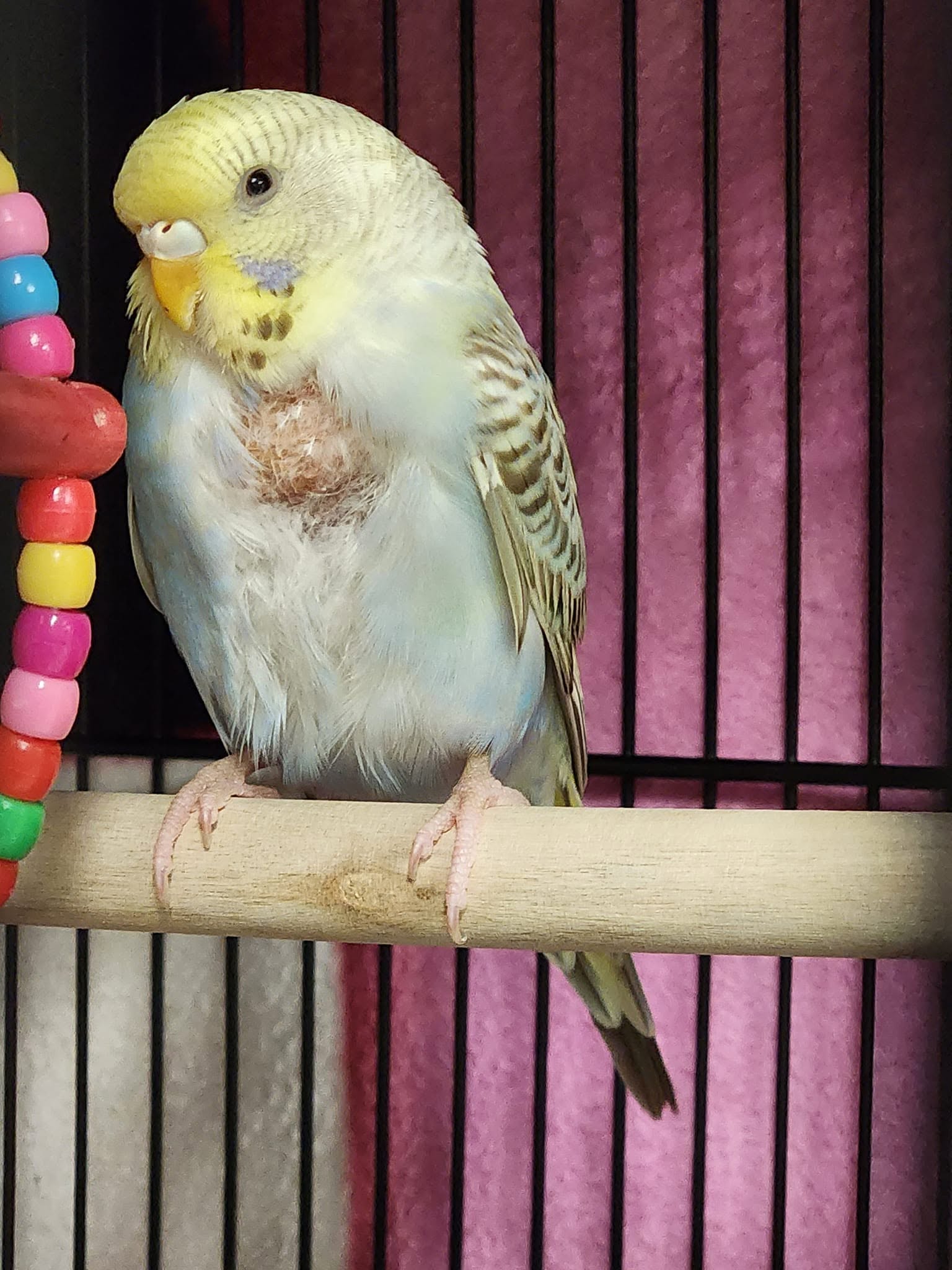
The specific groups within your pet bird household most directly reflected by the vulnerability findings are any bird currently going through a moult — because moult mirrors the developmental incompleteness that makes young wild birds more vulnerable — and any recently acquired young bird still in its early weeks in your home. Both groups have less thermal resilience than a settled adult in full plumage, and both deserve specific attention during any period of elevated heat.
The Warning Signs The Research Helps Explain
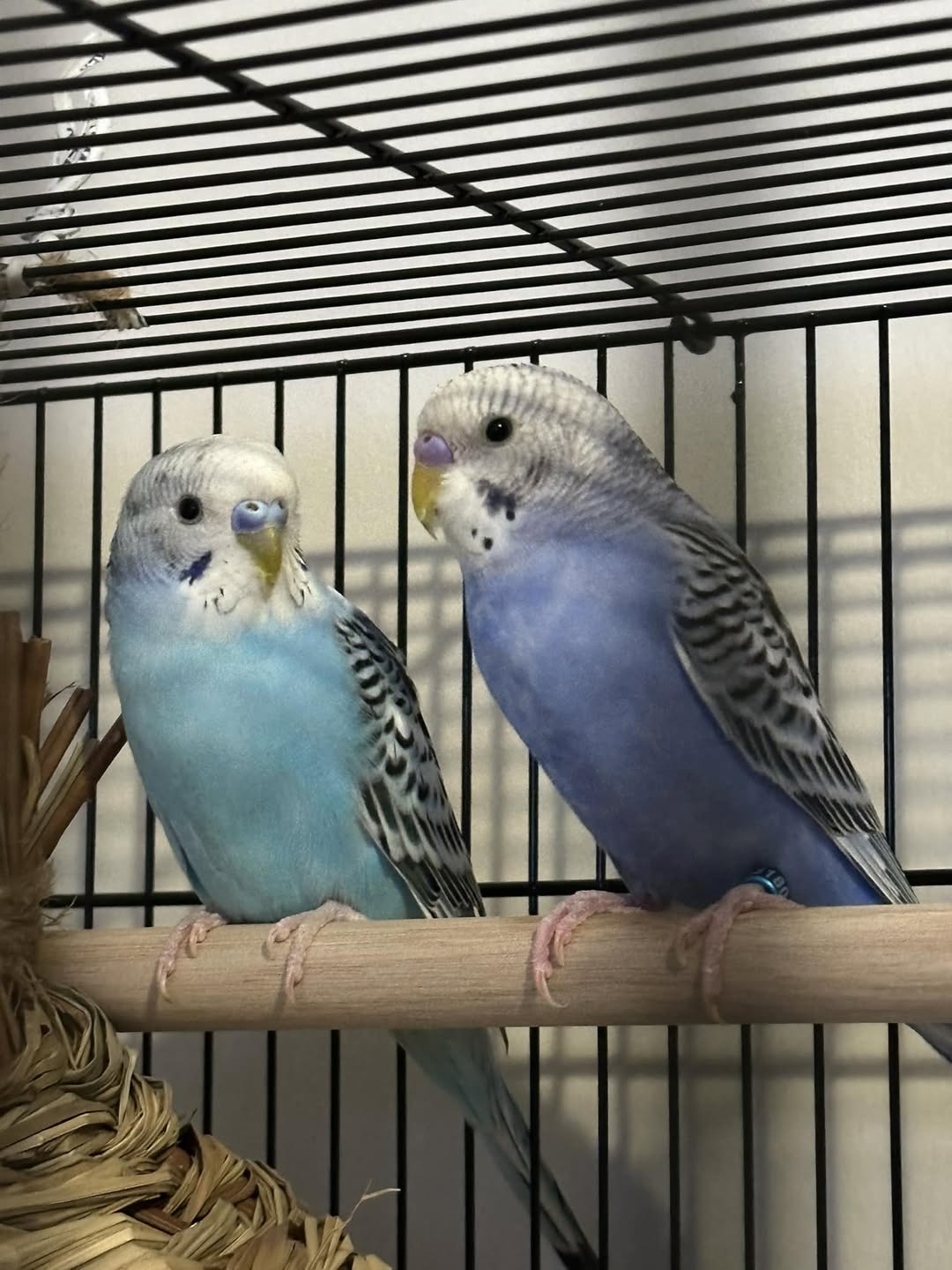
The Lund research specifically identifies what happens as a bird approaches and reaches its physiological ceiling for heat dissipation. Knowing this sequence is directly useful for any pet bird owner.
The research makes clear that the gap between “developing” and “ceiling reached” is considerably smaller than most people assume. A bird that has been visibly panting for an extended period is already working hard to stay within tolerable limits. The time available to respond before the situation becomes critical is shorter than an owner who has not read this research might expect.
The Moult Connection — Why Right Now Is A Higher-Risk Period
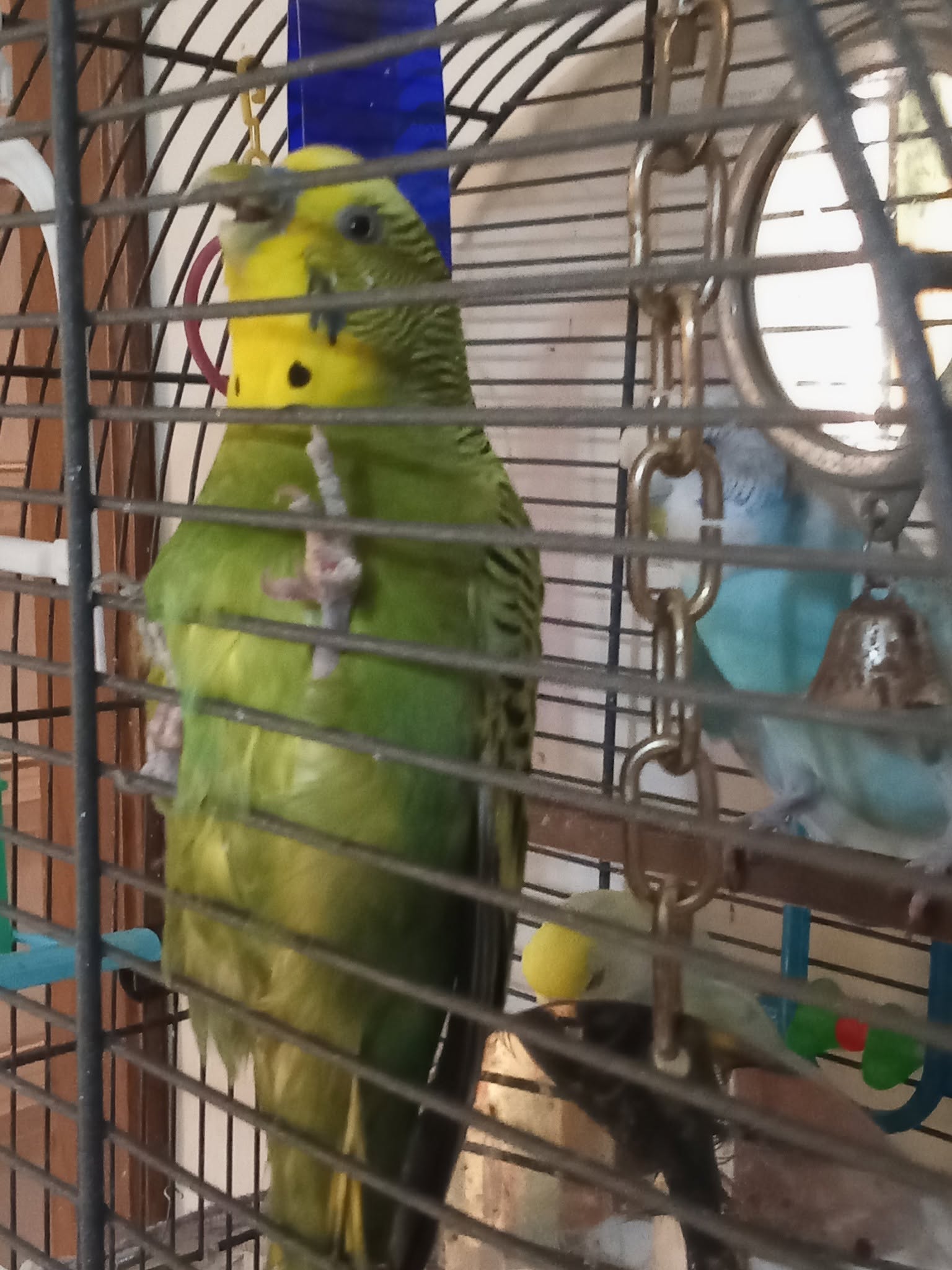
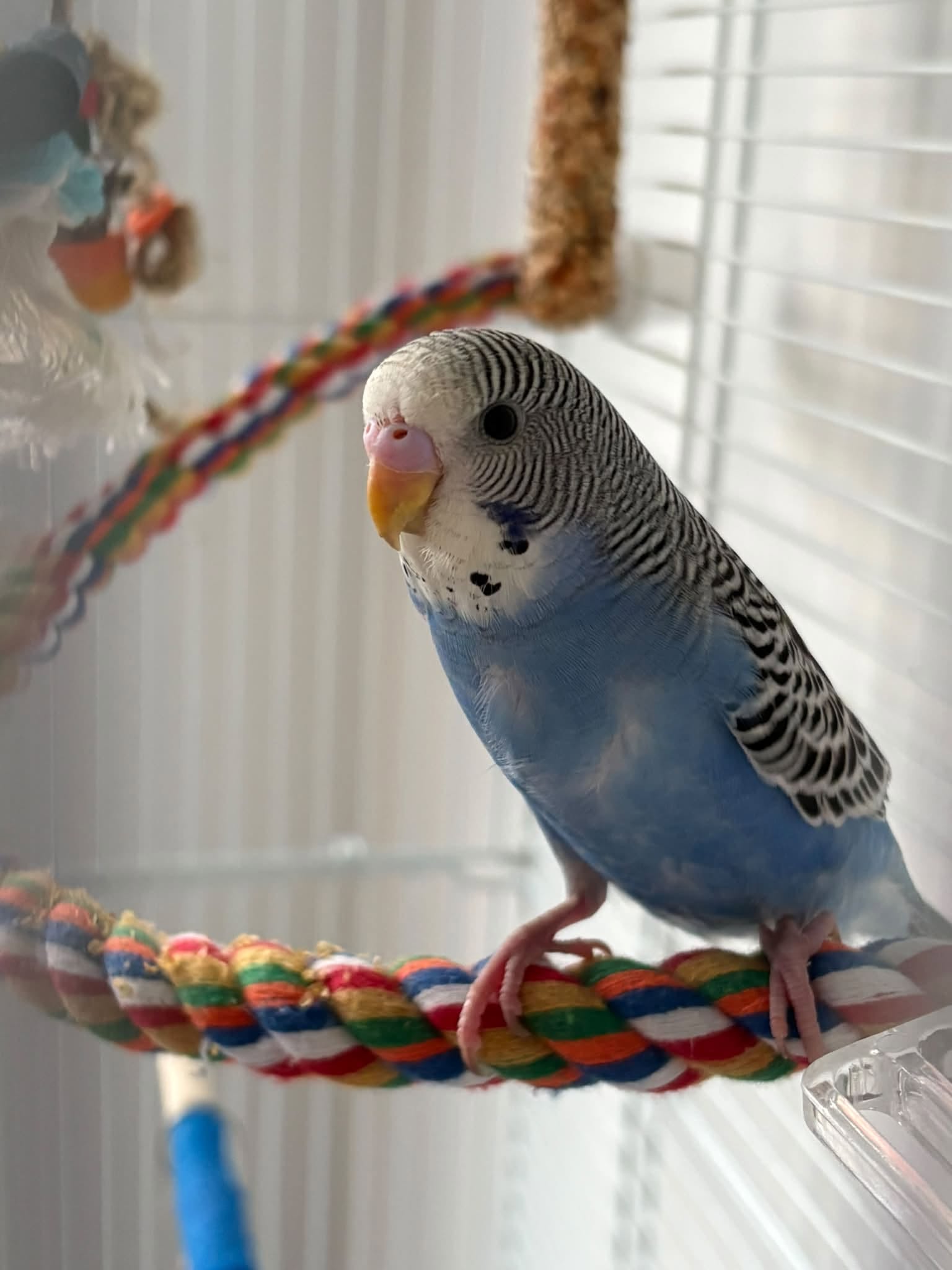
The Oxford research’s finding about fledgling weight being around a third lower when development coincides with heat matters not just for young birds but for any bird whose feather covering is currently incomplete — which, in the height of a British summer, includes a significant proportion of adult pet birds going through their annual moult.
A moulting bird has a combination of reduced insulation in the areas where old feathers have been shed, and the high metabolic cost of growing new feathers drawing on the same energy reserves that heat management is also demanding. This is precisely the kind of compounding that the Oxford data captures in fledglings — and it is exactly what makes the warning signs above more urgent in a bird that is currently moulting than in a fully-feathered adult at the same ambient temperature.
If your bird is visibly moulting right now, during this summer, treat the heat risk guidance with additional rather than standard seriousness. The two demands are arriving simultaneously in a way that specifically reduces resilience.
What To Do Based On What The Research Tells Us
The Lund research specifically makes the point that measuring and managing microclimates — the actual temperature at the location where a bird spends its time — matters more than ambient room temperature alone. A cage positioned near a window may be significantly hotter than the centre of the same room. A cage on a surface that absorbs heat may be considerably warmer than one at the same height but on a different surface.
Move the cage based on where the temperature actually is, not where you assume it is. If you have a thermometer, use it at cage level. The bird’s physiological ceiling is not about the average temperature in the room — it is about the temperature the bird itself is experiencing.
Provide fresh, cool water consistently through the hottest parts of the day. The research confirms that dehydration compounds heat stress rapidly, because water is both a heat sink for the bird and the medium through which panting extracts heat. A bird that runs out of water during a hot period loses its primary heat management tool at exactly the moment it needs it most.
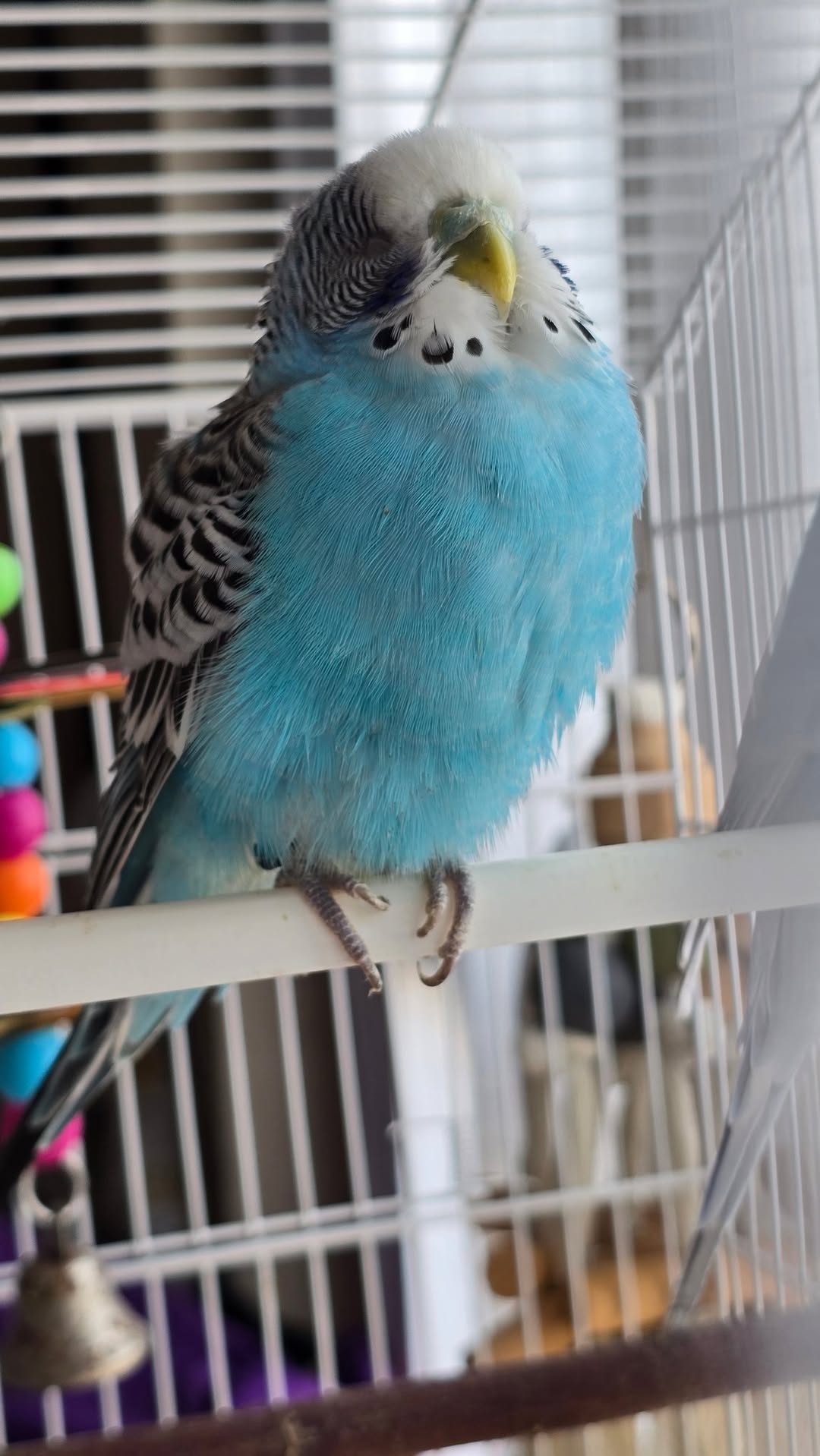
And for any bird that is currently moulting, or any young bird newly acquired, treat any visible panting or wing-holding as a signal requiring immediate response rather than a sign of mild discomfort to monitor from a distance. The research tells us that the ceiling is reached faster in those groups, and the time available to respond before the situation becomes critical is correspondingly shorter.
Frequently Asked Questions
Is the Oxford University research about wild birds — does it actually apply to budgies and cockatiels?
The specific population studied was wild great tit nestlings in the UK. The physiological mechanisms described — thermoregulatory limits, the metabolic cost of heat management, the vulnerability of birds in developmental or moulting states — are shared across bird species, not specific to great tits. The research tells us something precise about how birds respond to heat at a physiological level, which is directly relevant to any bird regardless of whether it lives in a garden or a cage.
What temperature is actually dangerous for a pet bird?
The Lund University research specifically addresses this and concludes that there is no single safe threshold, because the danger depends on the combination of temperature, humidity, the duration of exposure, the bird’s current condition including whether it is moulting, and whether the bird has had time to acclimatise gradually. What the research does confirm is that birds reach their physiological ceiling for heat dissipation faster than most owners assume, and that younger or moulting birds reach it faster still.
If my bird seems to be coping with the heat, does the research still suggest I should act?
Yes, because the research specifically found that birds appearing to manage — panting, wings held out — are already working physiologically to stay within tolerable limits. The appearance of coping is not the same as having comfortable margins of safety. Acting on the early signs, rather than waiting for the bird to stop coping, is what the physiological picture supports.
Does the research say anything useful about humidity specifically?
The Lund paper specifically highlights humidity as a compounding factor, because panting removes heat through evaporation — and evaporation is less effective when ambient humidity is already high. This is directly relevant to a summer like 2026, where the Met Office recorded unusually high humidity alongside high temperatures. A hot, humid room is physiologically harder for a bird to manage than dry heat at the same temperature.
My bird has been through previous hot summers without problems — is this year different?
The 2026 summer has brought genuinely unusual conditions by UK historical standards — record-breaking May temperatures and June Amber Extreme Heat Warnings. Past performance in milder conditions is not a reliable guide to performance under conditions that are more extreme than anything the bird has previously encountered. The research is relevant precisely because it describes what happens at the physiological ceiling, which is a threshold your bird may not have previously reached.
Should I take a moulting bird to a vet during a heatwave as a precaution?
A moulting bird that is eating, drinking, and not showing visible heat stress signs does not require a vet visit as a routine precaution. What the research supports is closer monitoring of moulting birds during heat, and prompt action — including contacting a vet — if visible signs of heat stress appear, rather than assuming the same tolerance that would apply to a fully-feathered bird at the same temperature.
One Last Thing From Me
The woman who came in with her printed page left with a clearer picture than she had arrived with — not alarmed, but genuinely better informed about what the research was actually saying and why it mattered for her budgies specifically. She was also, I think, reassured rather than more anxious, because the research is not telling us something alarming and unpredictable. It is telling us something precise and actionable: younger birds and moulting birds have less thermal resilience, panting is the first line of defence and has a ceiling, and acting on early signs rather than late ones is what the physiology actually supports.
After 35 years of watching birds through British summers, none of that is surprising to me. What is useful about the 2026 research is that it is now confirmed clearly enough to tell anyone who wants to understand why this is true, rather than simply asking them to take my word for it.
If you want to talk through your own bird’s situation in this heat, come and find us at Manor Garden Centre, Cheney Manor, Swindon SN2 2QJ. Get in touch here or call 01793 512400.
Questions About Your Bird In This Heat? Come And Talk To Us
We stock everything you need to help keep your bird cool and well during an unusually demanding summer. If something does not look right, come in and talk to us — and if it looks serious, contact an avian vet immediately.