
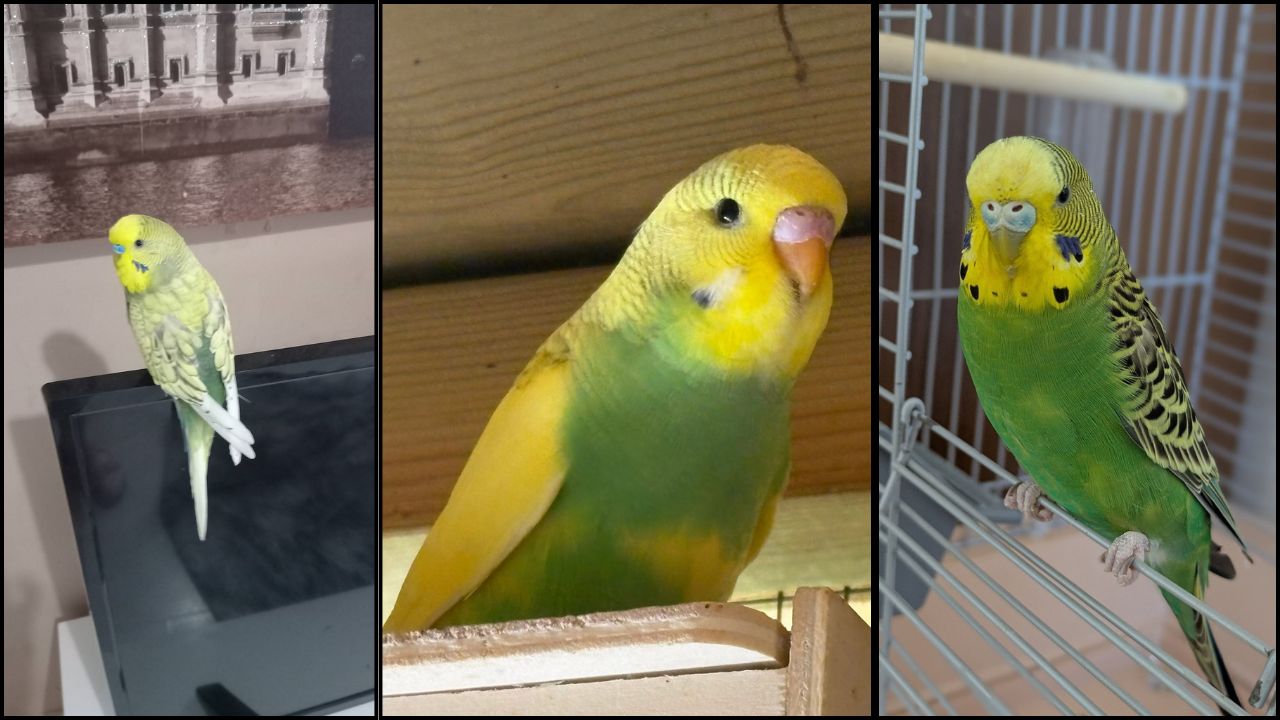

Neil has kept, bred, and sold cage and aviary birds at Paradise Pets Swindon since 1988 — over 35 years of helping owners through hot British summers. This June has brought genuinely record-breaking conditions, and the number of heat-related concerns coming through this shop and the local vets we work with has risen accordingly. This is his honest guide to why, and the warning signs every bird owner needs to know right now.
A local vet I have worked with for years rang me earlier this week, partly to ask whether we had any cooling supplies left in stock, and partly just to compare notes. She told me she had seen more heat-stressed birds through her door in the past few days than she normally would across several weeks of an average summer. I have heard a near-identical version of that sentence from two other people in this trade in the last fortnight.
This is not a coincidence, and it is not simply that birds are more fragile than people assume. June 2026 has brought conditions that are genuinely unusual for this country — the Met Office has issued Amber Extreme Heat Warnings, with temperatures forecast to reach as high as 38°C, putting the UK’s June temperature record of 35.6°C, set in 1976, at real risk of being broken. The combination of that level of heat with unusually high humidity is exactly the kind of weather event that catches birds, and their owners, off guard.
I want to lay out plainly why this particular June has produced more heat-stressed birds than usual, and exactly what every owner should be watching for right now, regardless of what species you keep.
Why This June Specifically Is Producing More Cases
The Met Office has described the current weather event as impactful and severe, with record-breaking June temperatures combined with very high humidity — dew points forecast to reach around 22°C on the hottest days, compared with only single figures during the well-known 2022 heatwave. That distinction matters enormously for birds specifically, because humid heat is far harder for any animal to dissipate than dry heat at the same temperature, and birds have fewer cooling mechanisms available to them than mammals do in the first place.
The UK Health Security Agency has issued accompanying Heat Health Alerts in response, reflecting genuine concern about the health risks this particular combination of heat and humidity poses. Vets I have spoken to locally describe the same underlying pattern repeating across different households: owners who have kept the same bird, in the same room, for years without any issue, suddenly finding that bird in genuine distress, because the room itself has simply never reached the temperatures it is reaching this week.
Why Birds Specifically Struggle More Than Many Owners Expect
Birds cannot sweat. Their primary mechanisms for releasing excess body heat are panting, holding their wings slightly away from the body to expose more skin to the air, and behaviourally seeking out cooler conditions. In a cage, in a warm room, with limited airflow, none of these work nearly as effectively as they would for a bird with the freedom to relocate to genuinely cooler conditions.
A bird’s normal body temperature already sits considerably higher than a human’s — generally somewhere around 40 to 42°C depending on species — which means the margin between normal and dangerously overheated is narrower than people often assume. Once a bird’s environment prevents effective heat loss, internal temperature can climb quickly, and the shift from manageable warmth to genuine emergency can happen faster than most owners expect, particularly in smaller species with a higher surface-area-to-body-mass ratio.
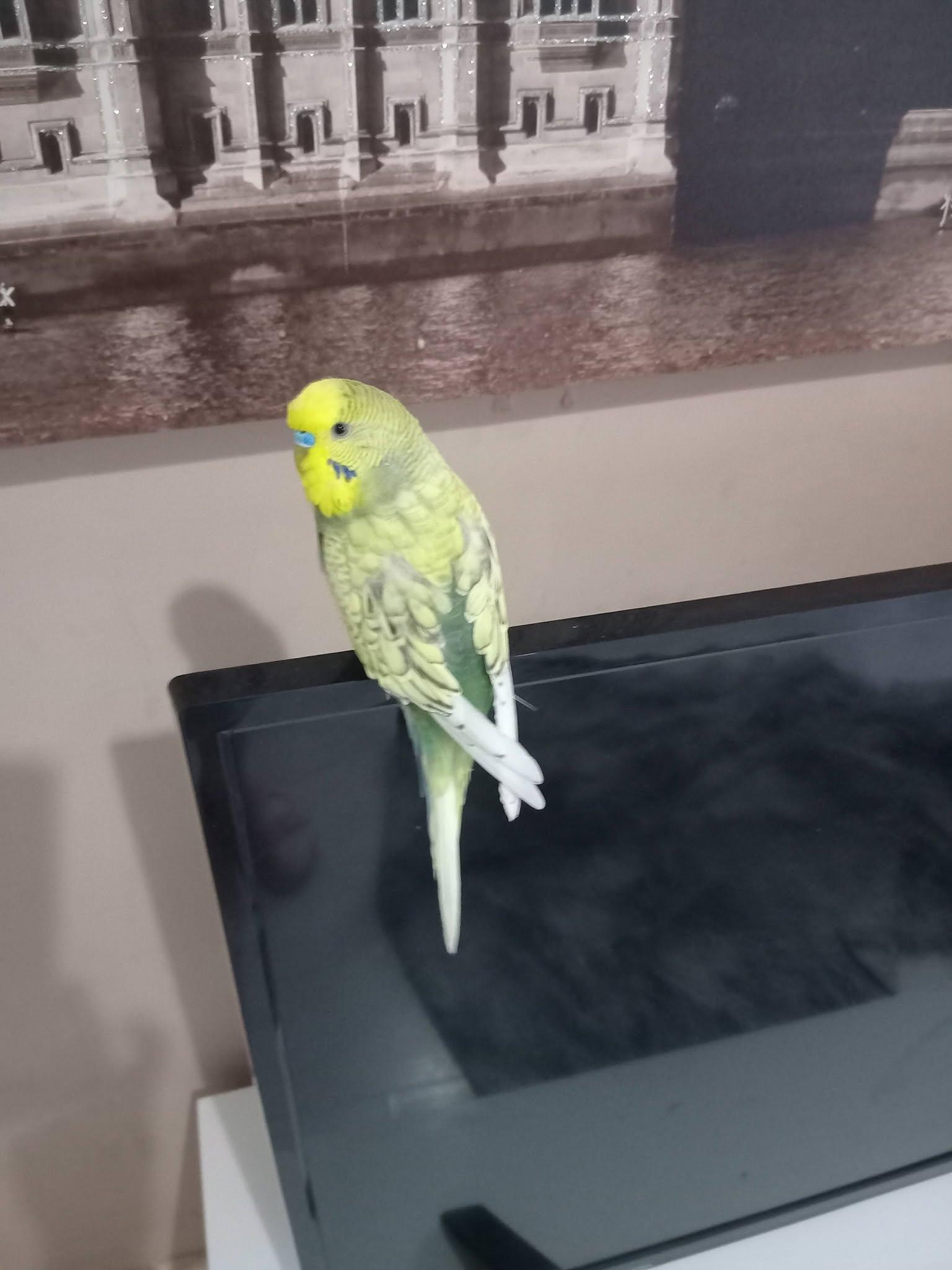
The Warning Signs Every Owner Should Know Right Now
These signs apply across budgies, cockatiels, canaries, finches, and any other commonly kept cage bird, listed in order of increasing seriousness.
The specific combination that vets I have spoken to this week describe seeing most often is wings held away from the body together with time spent low in the cage and visibly faster breathing — exactly the serious-to-emergency range above, and exactly the pattern that warrants immediate action rather than monitoring to see if it passes.
What To Do The Moment You Spot Any Of These Signs
Act calmly but without delay. Move the cage immediately to the coolest, best-ventilated room available — away from direct sunlight, away from south-facing windows, and on a lower floor if your home has more than one storey, since heat rises and upper floors run hotter.
Increase general airflow in the room without creating a direct draught onto the bird specifically — a fan circulating air around the room rather than blasting directly at the cage is the safer approach. Offer fresh, cool, but not iced, water immediately. A very light misting with cool water from a spray bottle can help through evaporative cooling, provided the bird tolerates it and does not seem additionally stressed by it.
If the bird is showing serious or emergency-level signs — laboured open-mouth breathing, inability to perch properly, or collapse — contact an avian vet immediately rather than waiting to see whether home cooling measures help on their own. Heat stress at that level can progress quickly, and professional treatment may be needed alongside, not instead of, the steps above.
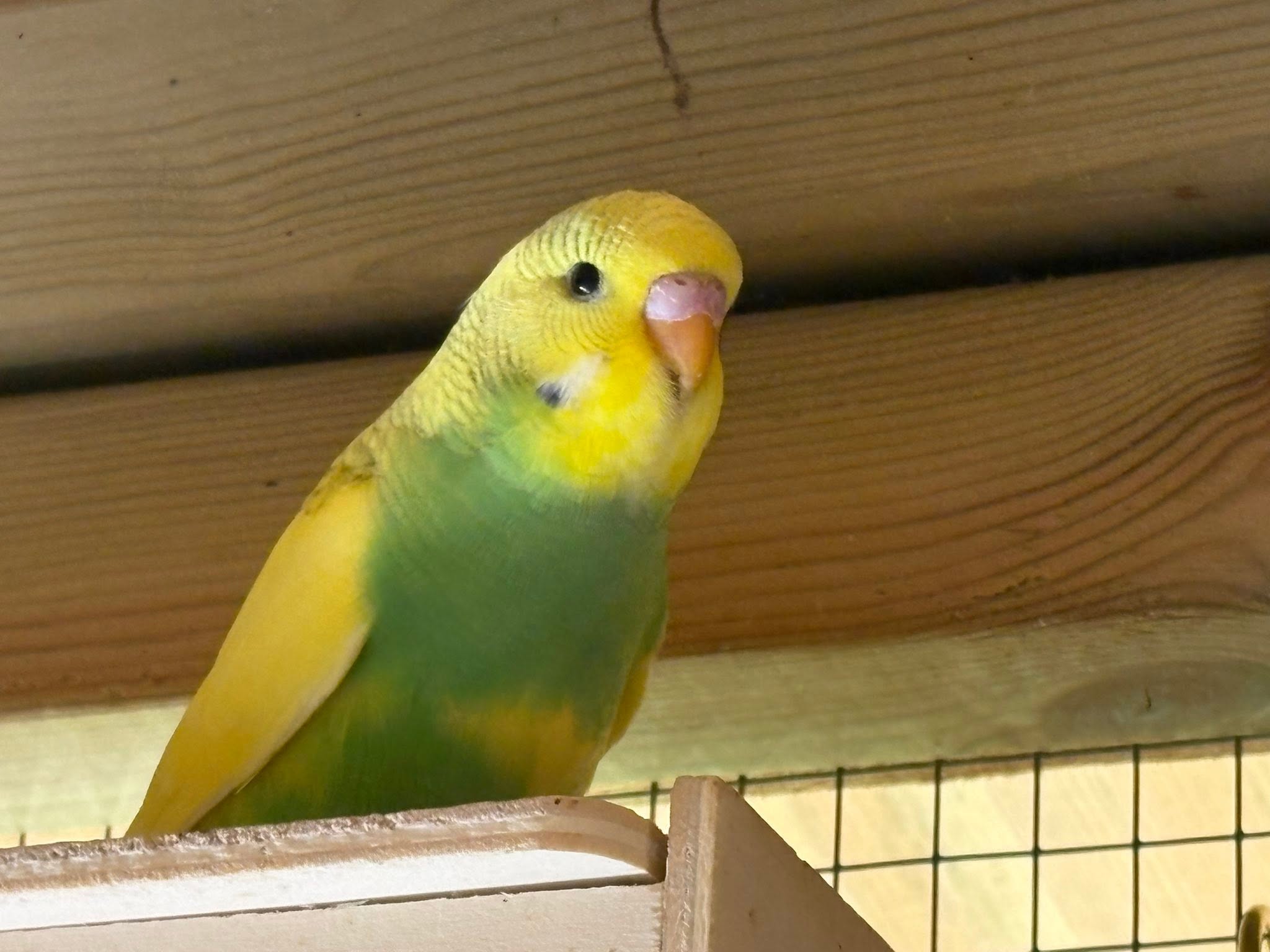
Why So Many Owners Are Caught Off Guard This Year Specifically
This is worth addressing directly, because I do not think the rise in cases reflects carelessness on the part of owners. It reflects a genuinely unusual weather event meeting rooms and routines that have simply never had to cope with this level of heat before.
Many bird owners have kept the same cage in the same spot for years, through every previous British summer, without any problem. That track record creates a reasonable, if mistaken, assumption that the setup is simply fine as it is. The issue this June is that record-breaking temperatures and unusually high humidity together have pushed many ordinary rooms well beyond the conditions that setup was ever tested against. A spot that was perfectly adequate during every previous summer can become genuinely dangerous once the room itself reaches temperatures it has never reached before.
This is precisely why vets are describing a noticeable rise in cases specifically this June, rather than this being simply “more of the same” warm-weather pattern repeated from previous years.
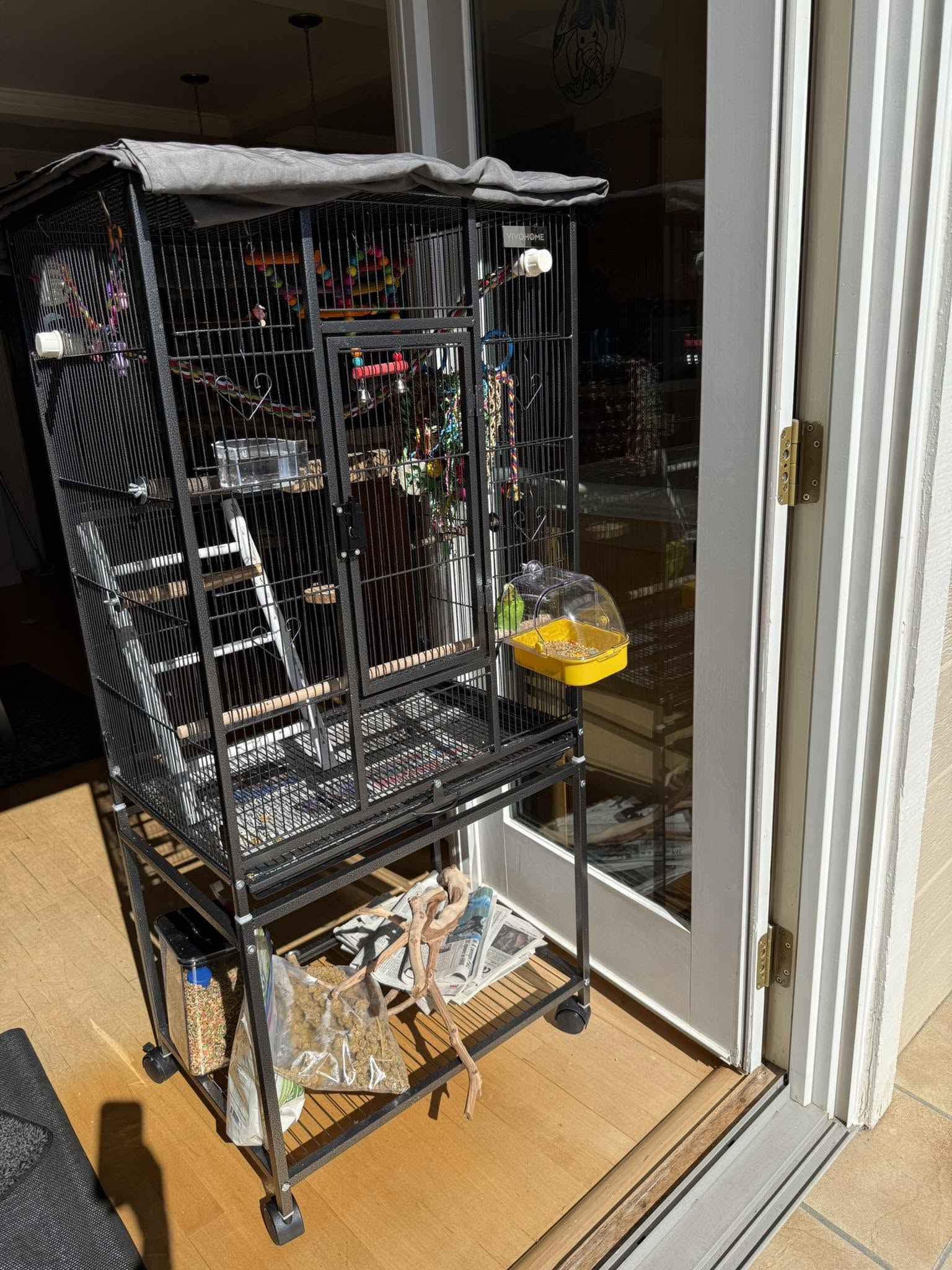
Preventing Heat Stress For The Rest Of This Heatwave
Given that Amber Extreme Heat Warnings remain in place with widespread temperatures exceeding 35°C, prevention matters more this week than in an average summer.
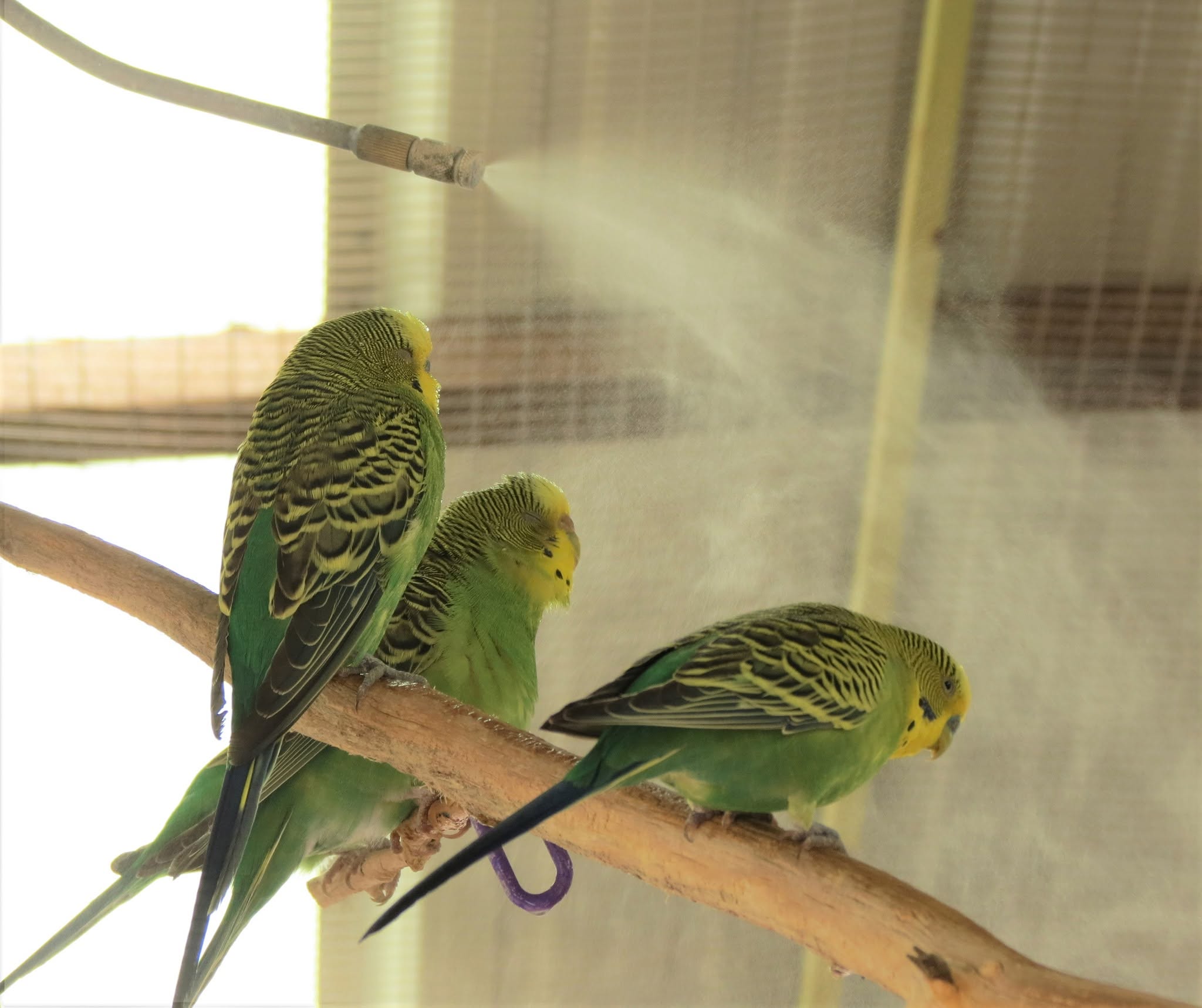
Reassess Cage Position Today, Even If It Has Never Been A Problem Before
Move any cage that receives direct sunlight at any point in the day, even briefly, and reconsider any spot near a window that gets strong afternoon sun. Direct sun on a cage during this kind of heat can raise the immediate temperature around the bird dramatically above the ambient room temperature.
Improve Airflow Without Direct Draughts
Open windows elsewhere in the house to create general air movement, and use a fan positioned to circulate air around the room rather than blow directly onto the cage.
Refresh Water More Often Than Usual
Water can warm considerably faster than normal in this heat, reducing how effectively it helps the bird stay cool. Check and refresh it more frequently than your usual routine through the hottest days.
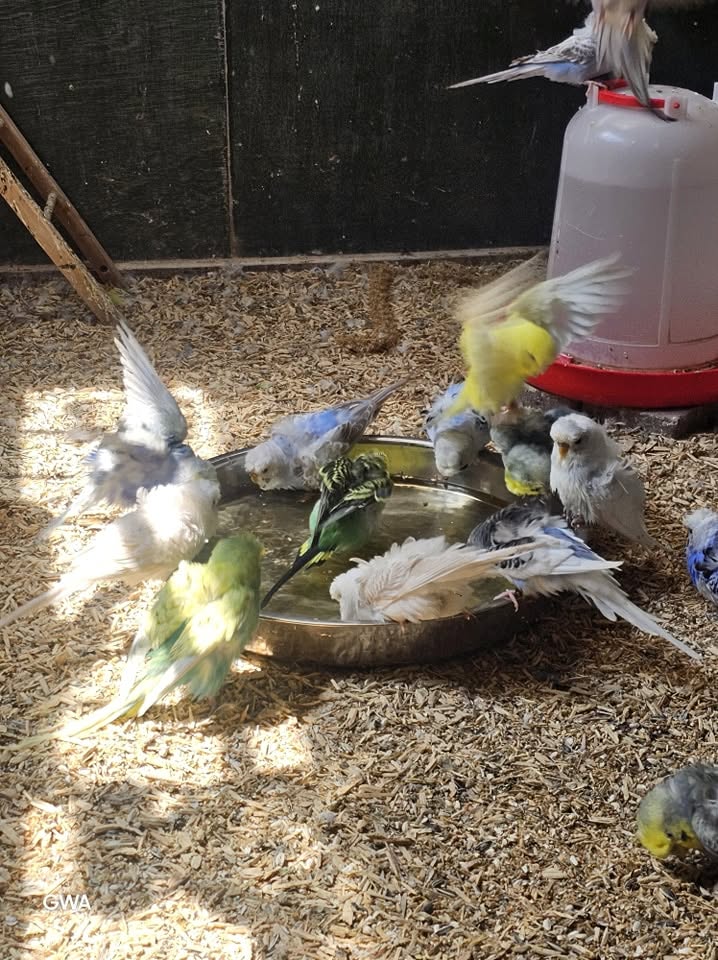
Offer A Shallow Bathing Option
Many birds will voluntarily bathe in hot weather, which is an effective, bird-initiated cooling method. A shallow dish of cool water, refreshed regularly, lets the bird manage some of its own cooling on its own terms.
Minimise Handling And Stressful Activity During Peak Heat
Stress raises body temperature on top of environmental heat. Through the hottest part of the day, generally early to mid afternoon, keep handling and loud nearby activity to a minimum.
Check In More Frequently Than Your Normal Routine
Given how quickly heat stress can develop under these conditions, more frequent checks through the hottest days genuinely matter. Catching early signs quickly is far easier to manage than discovering a bird already in serious distress.
Frequently Asked Questions
Why are vets seeing more heat-stressed birds this June specifically compared to previous summers?
This June has brought a genuinely unusual combination of record-breaking temperature and unusually high humidity, reflected in Met Office Amber Extreme Heat Warnings and accompanying UKHSA Heat Health Alerts. Many ordinary household setups that have coped fine through every previous summer are being pushed beyond conditions they were ever tested against, which is producing more cases than a typical year.
Is it the heat or the humidity that is actually more dangerous for birds?
Both matter, but the combination is what makes this particular weather event especially difficult. High humidity makes it considerably harder for a bird to lose excess heat through panting and other behavioural cooling methods, meaning the same temperature feels and behaves more dangerously when humidity is also high, as it has been this week compared with previous heatwaves.
My bird has never had a problem with heat before — could this year still affect it?
Yes, genuinely. A setup that has been fine in every previous summer can become dangerous once temperatures and humidity reach levels your bird’s environment has never actually been tested against. Past safety under different, milder conditions does not guarantee safety under this particular combination of extreme heat and humidity.
Should I cover my bird’s cage at night during this heat?
Be cautious about this specifically during a genuine heatwave. Covering a cage can trap heat rather than letting it dissipate, particularly overnight if temperatures remain unusually high. Many owners use a very light, breathable cover or leave the cage uncovered entirely during conditions like this, prioritising airflow over the usual darkness routine.
How quickly can heat stress actually become dangerous in a bird?
Faster than most owners expect. Because a bird’s normal body temperature already sits considerably higher than ours, and because birds lack sweating as a cooling mechanism, the gap between manageable warmth and a genuine emergency can close within a relatively short period once a bird’s environment stops allowing effective heat loss.
Does this apply equally to all pet bird species, or are some more vulnerable than others?
The same underlying principles apply across budgies, cockatiels, canaries, finches, and other commonly kept species, though smaller birds with a higher surface-area-to-body-mass ratio can be particularly vulnerable. Species-specific tolerance varies somewhat, but none of the commonly kept cage birds are well equipped for the combination of extreme heat and high humidity the UK is currently experiencing.
One Last Thing From Me
The vet who rang me earlier this week was not describing carelessness on the part of her clients. She was describing exactly what I would expect to happen when genuinely unusual weather meets households that have, quite reasonably, never had to think this hard about it before.
If there is one thing I would want every bird owner to take from this particular June, it is that “this spot has always been fine” is not the same guarantee it usually is, during a heatwave this far outside the ordinary range. A few minutes spent reassessing your bird’s environment this week, and knowing the specific signs to watch for, are genuinely what stand between a manageable situation and the kind of emergency that vet was describing to me on the phone.
If you have any concern about your bird during this heat, do not wait to see if it passes. Come and find us at Manor Garden Centre, Cheney Manor, Swindon SN2 2QJ, or call us directly. Get in touch here or call 01793 512400.
Worried About Your Bird In This Heat? Come And Talk To Us
We stock everything you need to help keep your bird safe and cool during extreme heat. If something about your bird’s behaviour does not look right, come in and talk to us — and if it looks serious, please contact an avian vet immediately.