
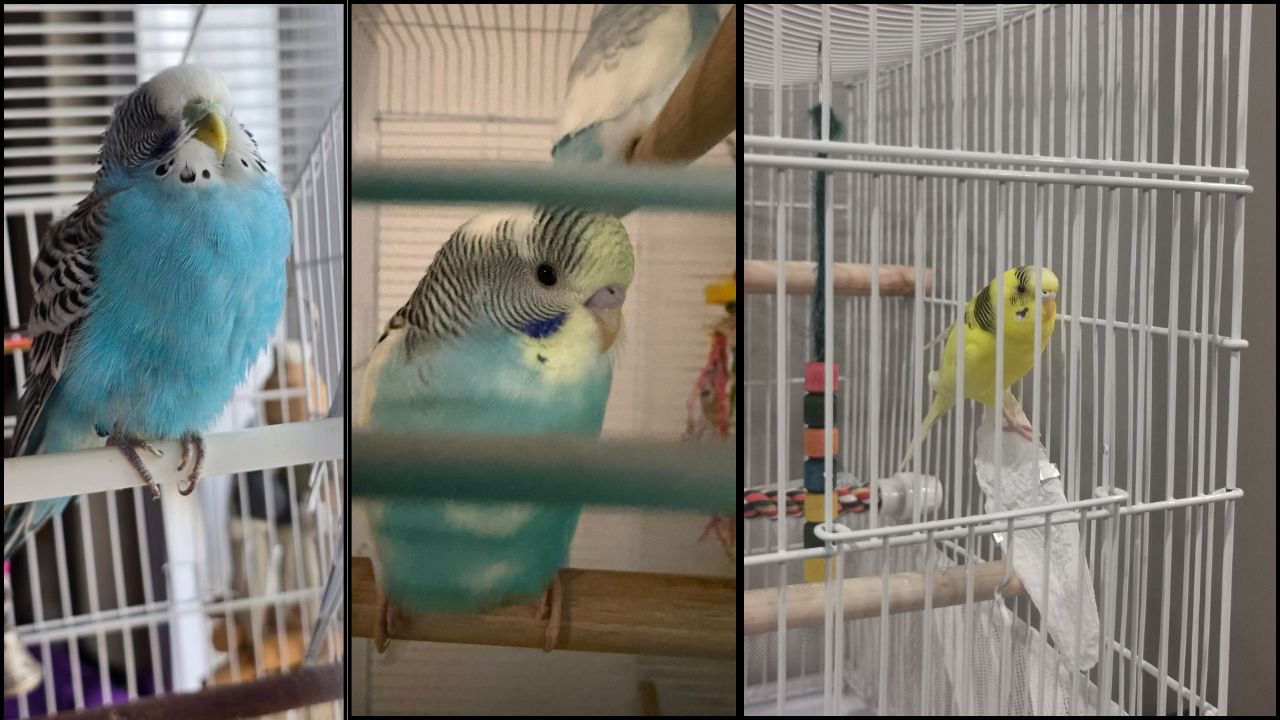

Neil has kept, bred, and sold budgerigars at Paradise Pets Swindon since 1988 — over 35 years of first-hand experience with this species, including several genuinely dangerous UK heatwaves. With Met Office Amber Extreme Heat Warnings in place and temperatures forecast to reach 38°C this week, this is his honest, urgent guide to recognising overheating in a budgie before it becomes a genuine emergency.
A woman rang the shop yesterday afternoon, audibly anxious. Her budgie was sitting at the bottom of the cage with its wings held slightly away from its body, breathing fast, and she did not know whether that was normal for hot weather or something she needed to act on immediately.
I told her to act immediately, and I will explain exactly why in this article — because what she was describing is one of the clearest signs of a bird in genuine heat distress, and budgies, unlike us, cannot simply take their jumper off or step into the shade and expect to recover on their own once things have gone that far.
This week’s heat is not ordinary British summer warmth. The Met Office has issued Amber Extreme Heat Warnings, with temperatures forecast to reach as high as 38°C and the current UK June temperature record — 35.6°C, set in 1976 — genuinely at risk of being broken. The UK Health Security Agency has issued accompanying Heat Health Alerts because of the real risk this level of heat poses, and that risk applies just as seriously to the bird in your living room as it does to people.
Why This Heatwave Is Different From An Ordinary Warm Day
The Met Office has described this as an impactful severe weather event, with record-breaking June temperatures and very high humidity combining to create conditions that are genuinely more dangerous than heat alone would be. Dew points — the measure of how humid the air actually is — are forecast to reach around 22°C on the hottest days. For context, during the well-known 2022 heatwave, dew points were only in single figures. That difference matters enormously, because humid heat is harder for any animal, including a small bird, to cope with than dry heat of the same temperature.
Budgies are native to the dry interior of Australia, and they are genuinely well adapted to heat in low-humidity conditions. What they are far less equipped to cope with is the combination the UK is currently experiencing — high temperature and high humidity together, inside a home that may itself be retaining heat with little airflow.
Why Budgies Overheat Faster Than You Might Expect
Birds do not sweat. Their primary methods of releasing excess body heat are panting, holding their wings slightly away from their body to expose more skin to the air, and seeking out cooler air or shade. In a small cage, in a warm room, with limited airflow, none of these mechanisms work nearly as well as they would for a bird with the freedom to move to genuinely cooler conditions outdoors.
A budgie’s normal body temperature is already considerably higher than a human’s, generally around 40 to 42°C, which means the margin between normal and dangerously overheated is narrower than people often assume. Once a budgie’s environment prevents it from shedding excess heat effectively, its internal temperature can rise quickly, and the transition from mild heat stress to a genuine emergency can happen faster than most owners expect.
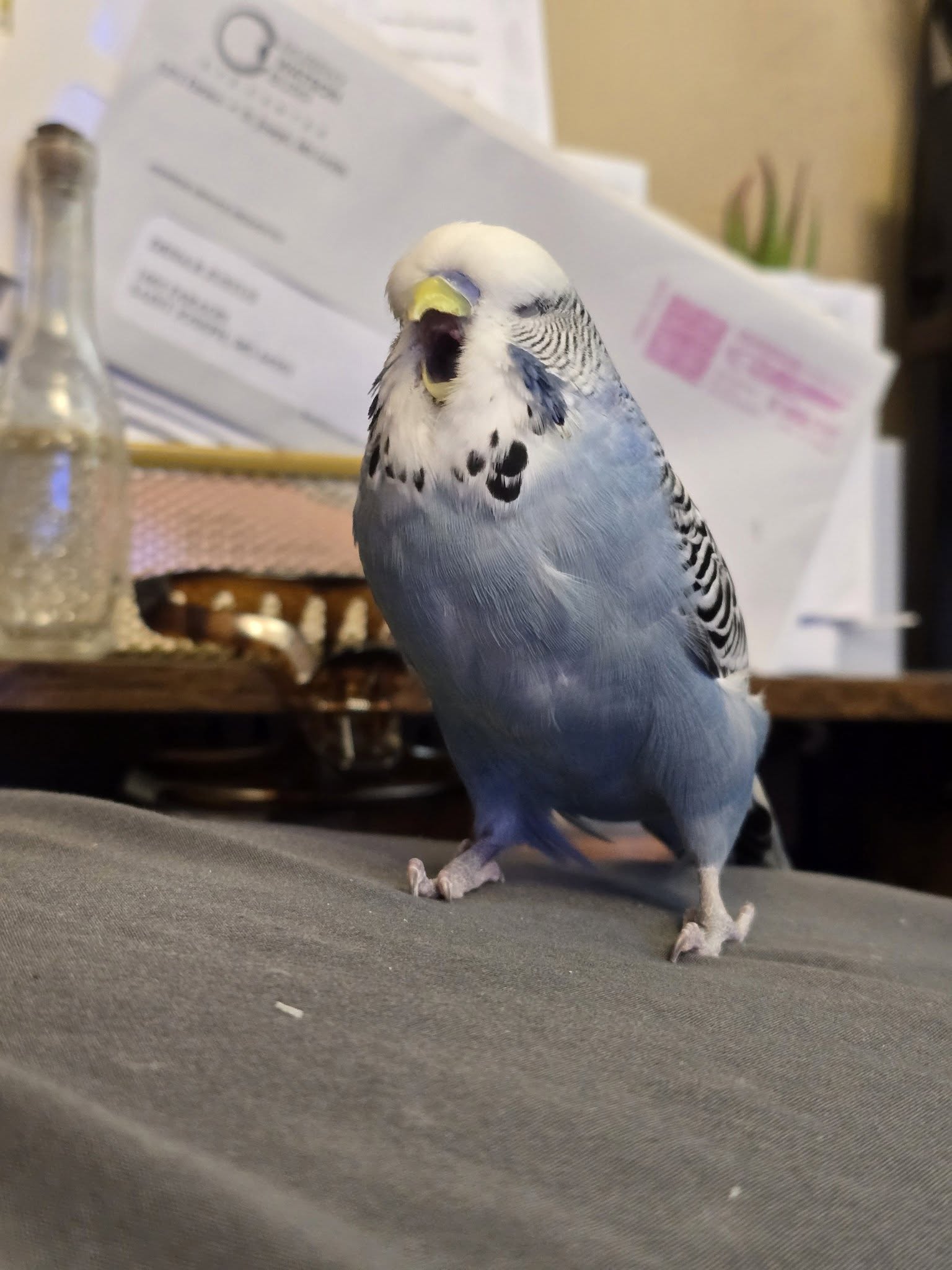
The Signs Your Budgie Is Too Hot
Here is exactly what to watch for, in order of increasing seriousness.
The pattern the woman described to me on the phone — sitting at the bottom of the cage, wings held away from the body, fast breathing — falls into the serious-to-emergency range, and is exactly the combination that warrants immediate action rather than a wait-and-see approach.
What To Do The Moment You Spot Heat Stress
Act calmly but quickly. Move the cage immediately to the coolest available room in the house — generally somewhere away from direct sunlight, away from south-facing windows, and ideally on a lower floor if your home has more than one storey, since heat rises and upper floors are typically warmer.
Increase airflow around the bird without creating a direct draught onto it specifically. A fan placed to circulate air generally around the room, not blasting directly at the cage, can help considerably.
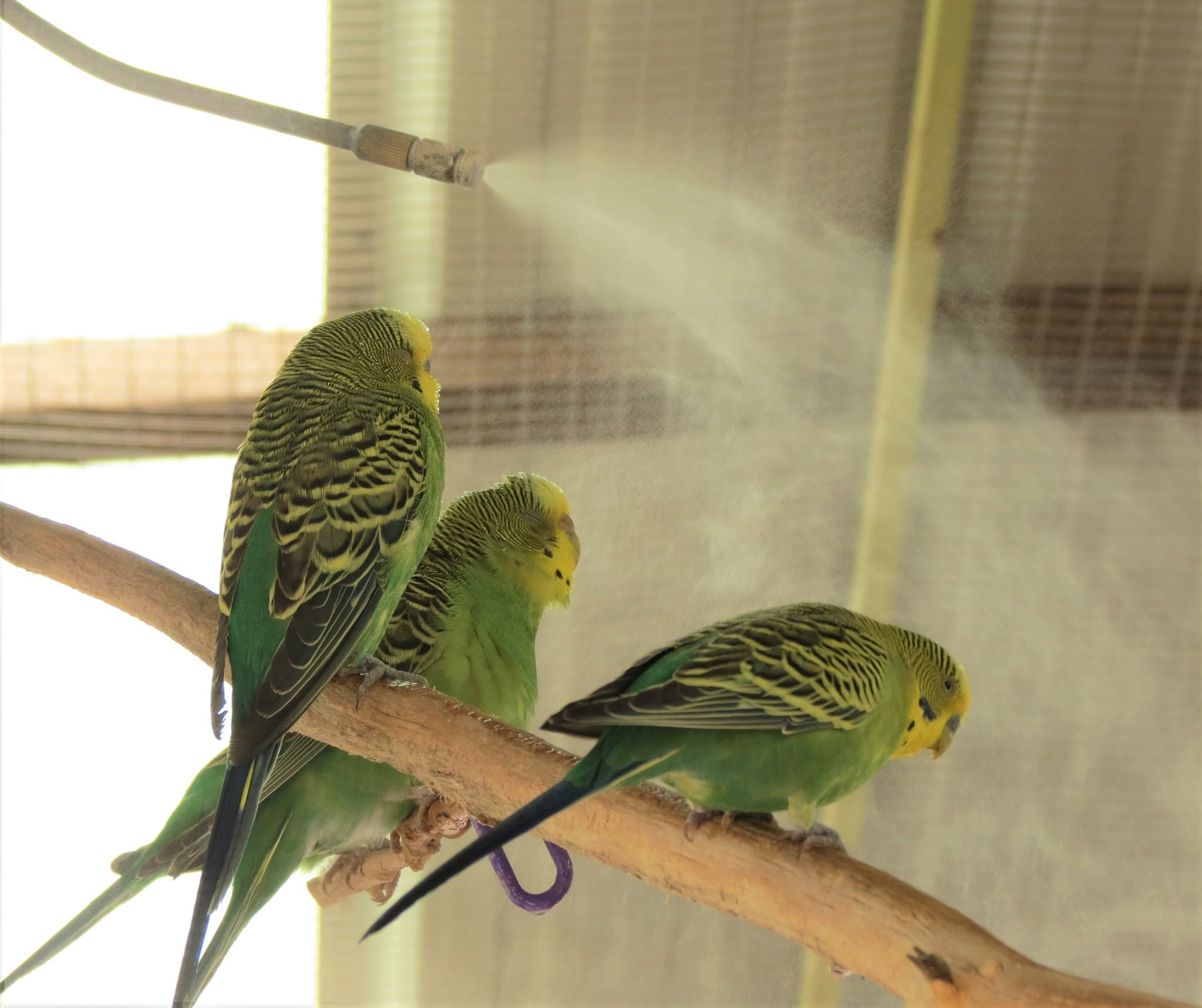
Offer fresh, cool — not iced — water immediately, and consider misting the bird very lightly with cool water from a spray bottle if it tolerates this and seems receptive, as evaporative cooling from damp feathers can help reduce body temperature. Do not force this if the bird seems distressed by it, as added stress works against the goal.
If the bird is showing serious or emergency-level signs — laboured open-mouth breathing, inability to perch, collapse — contact an avian vet immediately rather than waiting to see if home cooling measures help first. Heat stress at that level can progress to a fatal outcome quickly, and professional intervention may be needed alongside, not instead of, the cooling measures above.
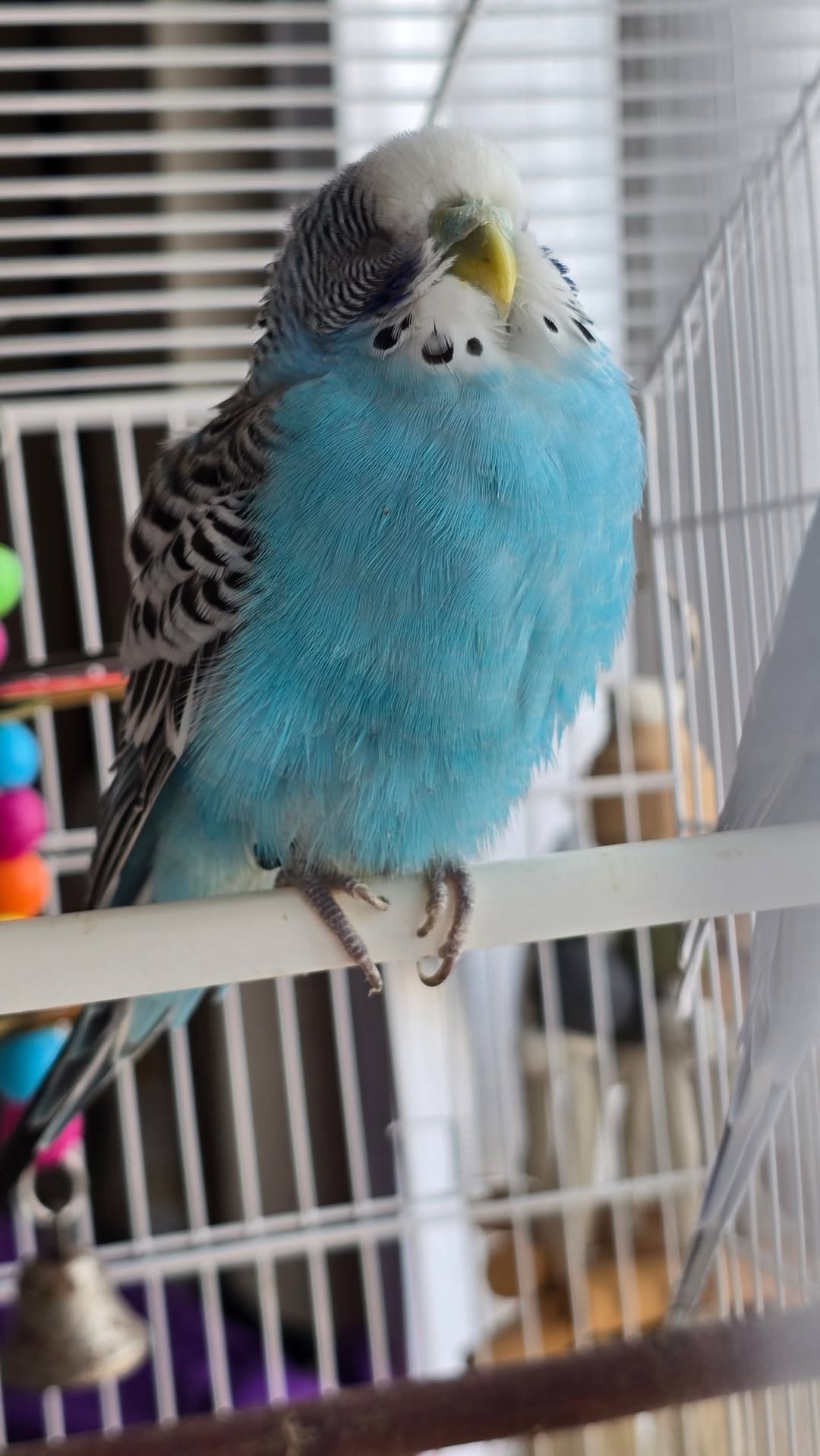
Preventing Heat Stress Before It Starts — What To Do Right Now This Week
Given the specific conditions forecast — Amber Extreme Heat Warnings through to Thursday, with temperatures widely exceeding 35°C and the possibility of 38°C in places — prevention this week matters more than it normally would in an average British summer.
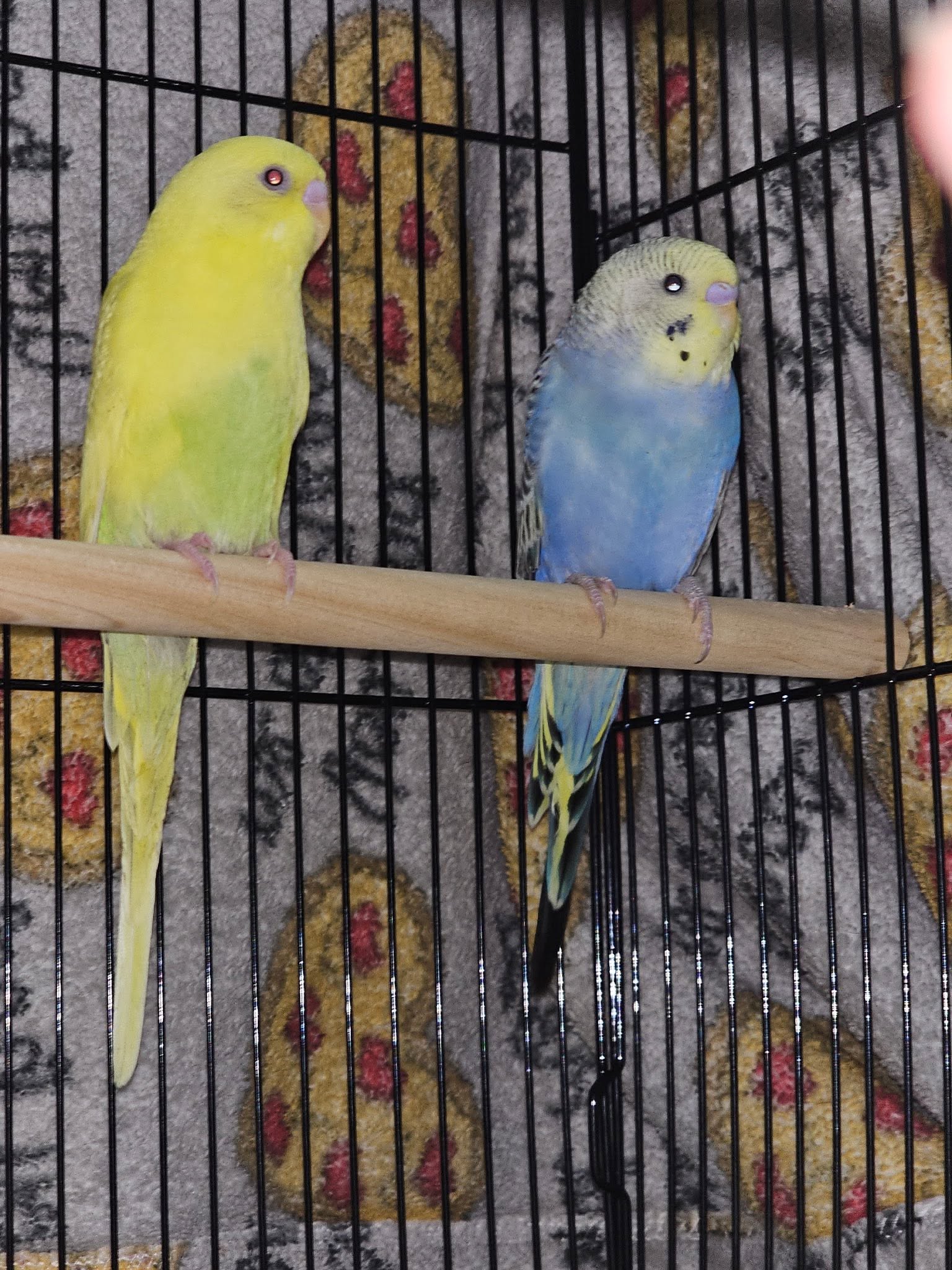
Reposition The Cage Today
Move the cage out of any direct sunlight entirely, and away from windows that receive strong afternoon sun, even if that means a temporary, less convenient spot in the house for a few days. A cage in direct sun during this kind of heatwave can become dramatically hotter than the surrounding room.
Increase Ventilation Without Direct Draughts
Open windows in other parts of the house to create general airflow, and consider a fan in the room, positioned so it circulates air rather than blowing directly onto the bird. Good general airflow makes panting and wing-holding considerably more effective as the bird’s own cooling mechanisms.
Offer Cool Water And Refresh It Often
Check water more frequently than you normally would — in this heat, water can warm considerably faster than usual, reducing how effectively it helps the bird stay cool when drinking.
Provide A Shallow Bathing Dish
Many budgies will bathe voluntarily in warm weather, and this is a genuinely effective, bird-initiated cooling method. A shallow dish of cool water, refreshed regularly, gives the bird the option to cool itself on its own terms.
Avoid Handling Or Stressful Activity During Peak Heat
Stress raises body temperature further on top of environmental heat. During the hottest parts of the day — generally early to mid afternoon — minimise handling, loud activity nearby, or anything else likely to agitate the bird unnecessarily.
Check On Your Bird More Often Than Usual
Given how quickly heat stress can develop, more frequent checks through the hottest days — rather than your normal routine — genuinely matter this week. A bird showing early signs caught quickly is far easier to help than one that has progressed to serious distress before anyone notices.
What About Other Caged Birds — Does This Apply Beyond Budgies?
Everything in this article applies equally to cockatiels, canaries, finches, and any other commonly kept cage bird, with the same underlying principle — birds cannot sweat, rely on behavioural and respiratory cooling mechanisms that work far less effectively in hot, humid, poorly ventilated conditions, and can move from mild heat stress to genuine danger faster than many owners expect.
If you keep more than one species, the same checks and preventive steps described above are worth applying across every cage in the house during conditions like this week’s, not just to the bird you happen to be most focused on.
Frequently Asked Questions
Is it safe to put my budgie’s cage outside in the shade during this heat?
Generally, no — even shaded outdoor air during a heatwave like this one can be more humid and harder for a bird to cool itself in than a well-ventilated indoor room, and outdoor conditions are far less controllable. Keeping the bird indoors, in the coolest, best-ventilated room available, is the safer approach during genuinely extreme heat.
Should I cover my budgie’s cage at night during a heatwave?
Be cautious with this during hot weather specifically. Covering a cage can trap heat rather than allowing it to dissipate, particularly overnight when temperatures may still be unusually high. Many owners leave cages uncovered, or use only a very light, breathable cover during a genuine heatwave, prioritising airflow over the usual darkness routine.
How do I know if my budgie is just resting or actually in heat distress?
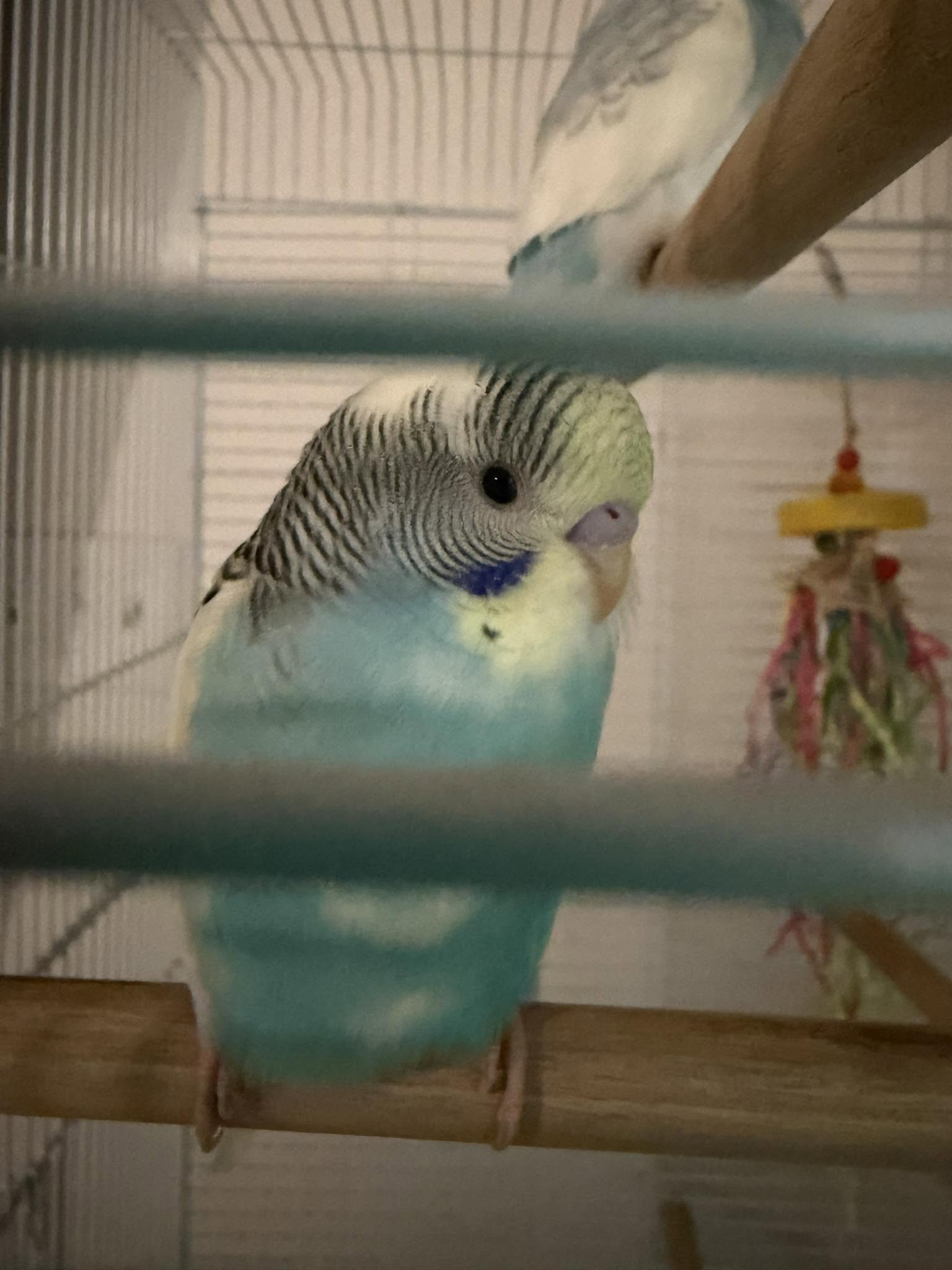
A resting budgie is generally relaxed, with feathers settled normally against the body, and will respond readily to your voice or approach. A bird in heat distress typically holds its wings away from its body, may be panting with an open beak, often seeks the lowest, coolest part of the cage, and may seem less responsive than usual. The combination of these signs, rather than any single one in isolation, is what distinguishes distress from simple rest.
Can I give my budgie ice cubes or very cold water to help it cool down?
No — very cold water or ice can cause its own problems and is not the recommended approach. Cool, fresh water at a normal temperature, refreshed often so it does not warm up in the heat, is the safer option.
What temperature is actually dangerous for a budgie?
There is no single precise cutoff, since factors like humidity, ventilation, and the individual bird’s condition all matter, but as a general guide, room temperatures consistently above the high twenties Celsius, especially combined with poor airflow or high humidity, warrant the preventive steps in this article. The conditions forecast this week — widely exceeding 35°C outdoors with high humidity — represent genuine, serious risk if a bird’s indoor environment is not actively managed.
My budgie seems fine in this heat — do I still need to do anything differently?
Yes, prevention matters even for a bird showing no current signs of distress, precisely because heat stress can develop quickly once conditions tip from manageable to dangerous. The steps in this article — repositioning the cage, improving airflow, refreshing water often, checking in more frequently — are sensible precautions to take now, before any sign of distress appears, given the severity of this particular heatwave.
One Last Thing From Me
The woman who rang yesterday acted quickly once she understood what she was looking at, and her budgie recovered well once moved to a cooler, better-ventilated spot in the house. That outcome is exactly what I want for every bird owner reading this during a week like this one.
This heatwave is genuinely unusual — the Met Office’s own language describes it as an impactful severe weather event with record-breaking temperatures, and the accompanying Heat Health Alerts reflect real concern about the health risks involved, for people and, just as seriously, for the animals in our care.
A budgie cannot move itself to a cooler room, open a window, or pour itself a fresh glass of water. That responsibility sits with you, and during a heatwave like this one, a few minutes of attention and a handful of straightforward adjustments are genuinely what stands between your bird and a dangerous outcome.
If you have any concern about your bird during this heat, do not wait to see if it passes. Come and find us at Manor Garden Centre, Cheney Manor, Swindon SN2 2QJ, or call us directly. Get in touch here or call 01793 512400.
Worried About Your Bird In This Heat? Come And Talk To Us
We stock everything you need to help keep your bird safe and cool during extreme heat. If something about your bird’s behaviour does not look right, come in and talk to us — and if it looks serious, please contact an avian vet immediately.