
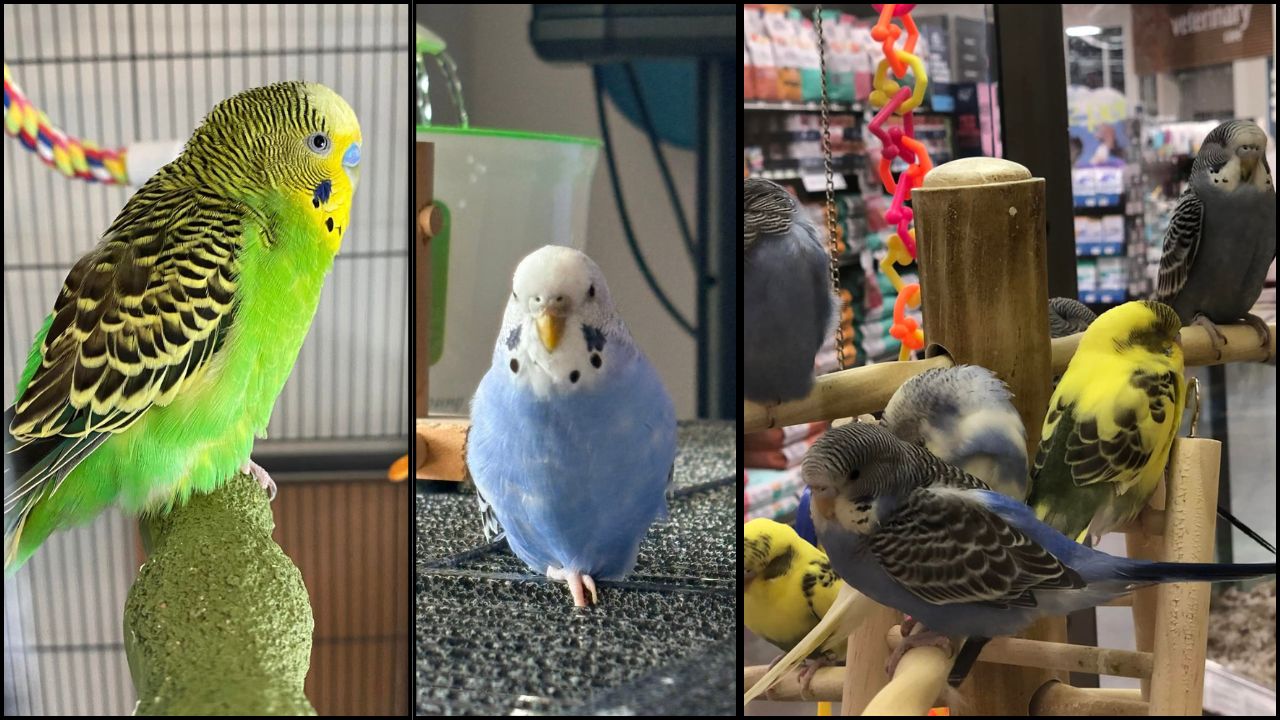

Neil has run Paradise Pets Swindon since 1988 — over 35 years of selling budgerigars and watching owners make the same preventable mistakes again and again. In 2026, with avian veterinary costs at record levels, those mistakes are more expensive than ever. This is his honest account of what is going wrong, and what you can do about it.
A customer came in a few months ago with a budgie in a carrier. The bird had been off its food for two weeks, was sitting puffed up at the bottom of the cage, and had not made a sound in days. She had bought it from us about eighteen months earlier — a bright, chatty little thing that had settled in beautifully.
By the time she brought it in, there was very little anyone could do. The avian vet she eventually reached confirmed what I had already suspected: the bird had been unwell for considerably longer than two weeks, and the signs had been there the whole time. She had simply not known what to look for.
That is not a story I tell to make anyone feel guilty. It is a story I tell because it happens more than it should, and almost all of it is preventable. After 35 years of selling budgerigars and talking to the people who keep them, I have a clear picture of the mistakes that keep coming up — the same ones, in the same order, with the same consequences. In 2026, with avian veterinary costs higher than I have ever seen them, those mistakes are not just heartbreaking. They are genuinely expensive.
The Budgerigar Problem Nobody Talks About Honestly
Budgerigars are the most commonly kept pet bird in the UK. They are affordable to buy, do not take up much space, and have a reputation — not entirely undeserved — for being relatively easy to keep. That reputation is part of the problem.
Because budgies are seen as starter pets or children’s pets, people often apply the same level of attention to their care that they would apply to a goldfish. A goldfish, if I am being honest, does not require much active management once its tank is correctly set up. A budgerigar does. It is a social, intelligent animal with specific dietary needs, a respiratory system that is genuinely sensitive to airborne irritants, and a very well-developed instinct to hide signs of illness until it is seriously compromised.
The combination of those things — accessible price, deceptive simplicity, and concealed vulnerability — means that mistakes which might not matter with a more robust animal become serious quickly with a budgie. And in a year when avian veterinary consultations have become considerably more expensive, the cost of getting things wrong has gone up significantly alongside everything else.
Mistake One: The Wrong Cage, Set Up The Wrong Way
This is the first thing I see when a customer brings a bird in with problems, and it is the mistake I would most like to stop before it starts.
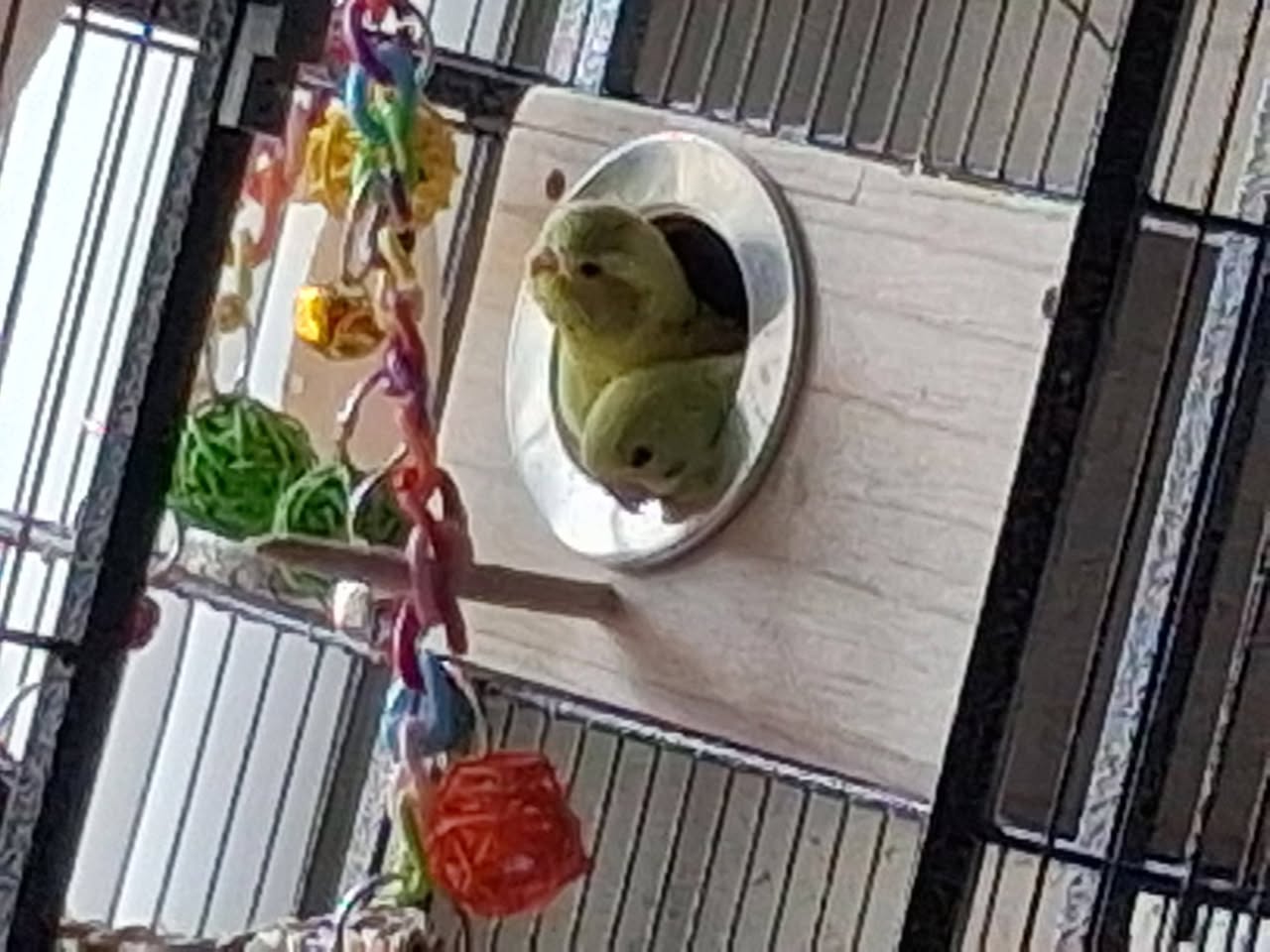
The typical cage sold as a “budgie cage” in many pet retailers and online is too small. Budgerigars need to fly — not hop between perches, but actually open their wings and move through the air. The minimum I would recommend for a single budgie is a cage wide enough for genuine lateral flight, with perches positioned so the bird has to travel between them rather than simply turn around. For a pair, considerably more space is required.
Beyond the cage itself, the positioning matters more than most owners realise. Budgies should not be placed in kitchens — cooking fumes, non-stick cookware releasing fumes when overheated, and aerosols used for cleaning are all capable of causing serious respiratory harm to a bird very quickly. They should not be placed in direct draughts, even in warmer months. They should not be in direct sunlight without shade available.
Perch diameter matters too. The wooden dowel perches supplied with most cages are often the wrong diameter and encourage the development of foot problems over time. Natural branch perches of varied diameter are considerably better, and they cost very little to source correctly.
Mistake Two: A Diet That Looks Fine But Is Not
Seed is not a complete diet for a budgerigar. I have been saying this for thirty-five years, and it is still the most common feeding mistake I see.
A bowl of mixed seed looks like adequate food. The bird eats it, appears active, and seems content. What is actually happening in many cases is that the bird is selecting its preferred seeds — usually the fattier, higher-carbohydrate options — and leaving the rest. Over time, a bird fed exclusively on seed develops nutritional deficiencies that affect feather quality, immune function, and long-term organ health.
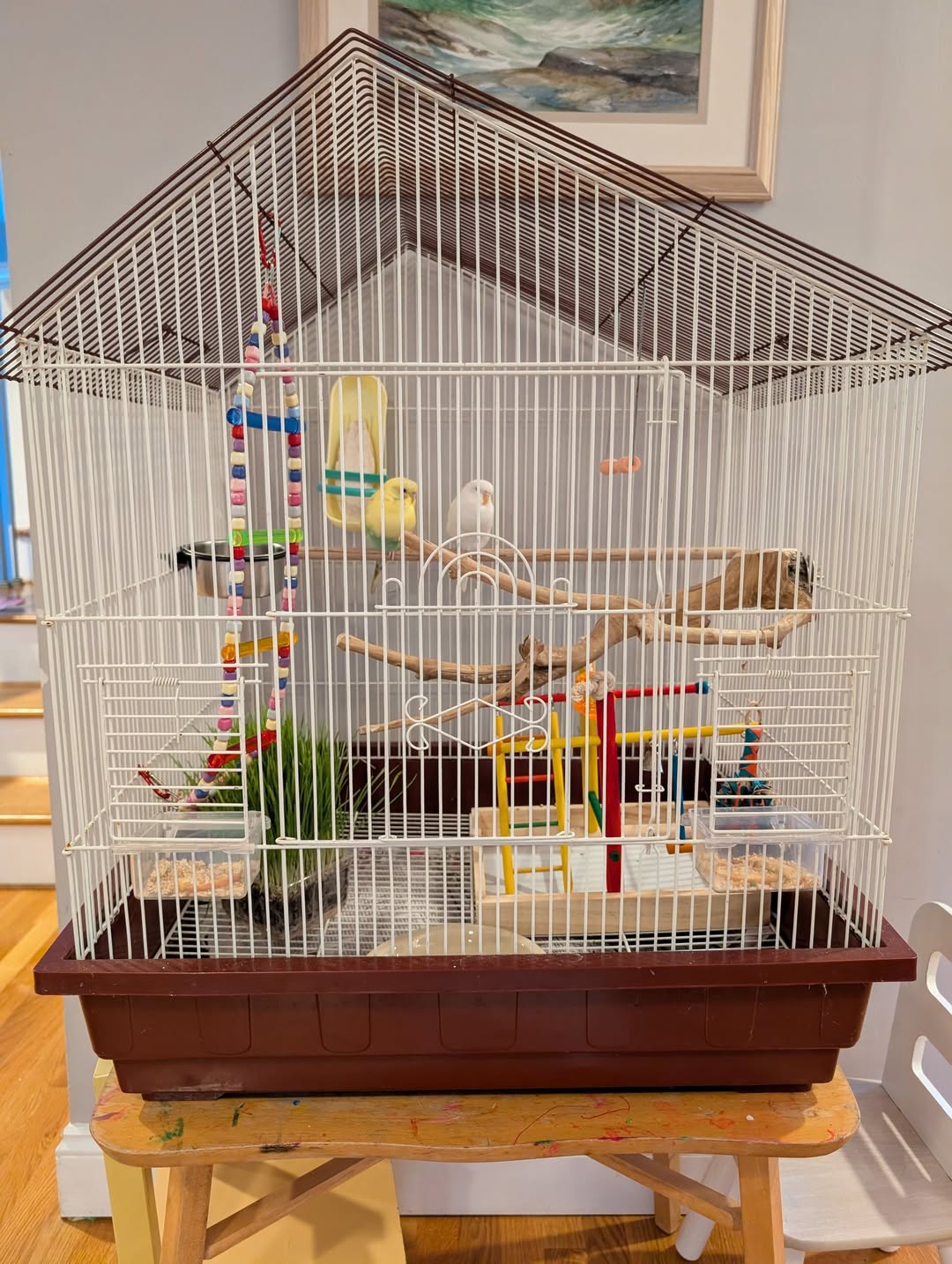
A properly balanced budgerigar diet includes a good quality pellet base or varied seed mix, fresh leafy greens offered regularly, occasional fruit in small quantities, and access to cuttlebone for calcium and beak conditioning. It does not need to be complicated or expensive. It does need to be more varied than a single seed mix left in a bowl.
Freshwater, changed daily, is also non-negotiable. Budgies drinking from a contaminated water dish that has not been cleaned properly are at genuine risk of bacterial infection. I have seen this cause illness in otherwise well-kept birds, and it is entirely avoidable.
Mistake Three: Not Knowing What A Sick Budgie Actually Looks Like
This is the one that cost the customer I mentioned at the start her bird, and it is the one I feel most strongly about making sure people understand before they take a budgerigar home.
Budgies are prey animals. In the wild, a bird that shows visible signs of illness becomes a target. The instinct to appear healthy even when unwell is deeply embedded, and it means that the obvious symptoms owners tend to watch for — a bird lying on the cage floor, not eating, visibly distressed — are often late-stage signs of a problem that has been developing for weeks or months.
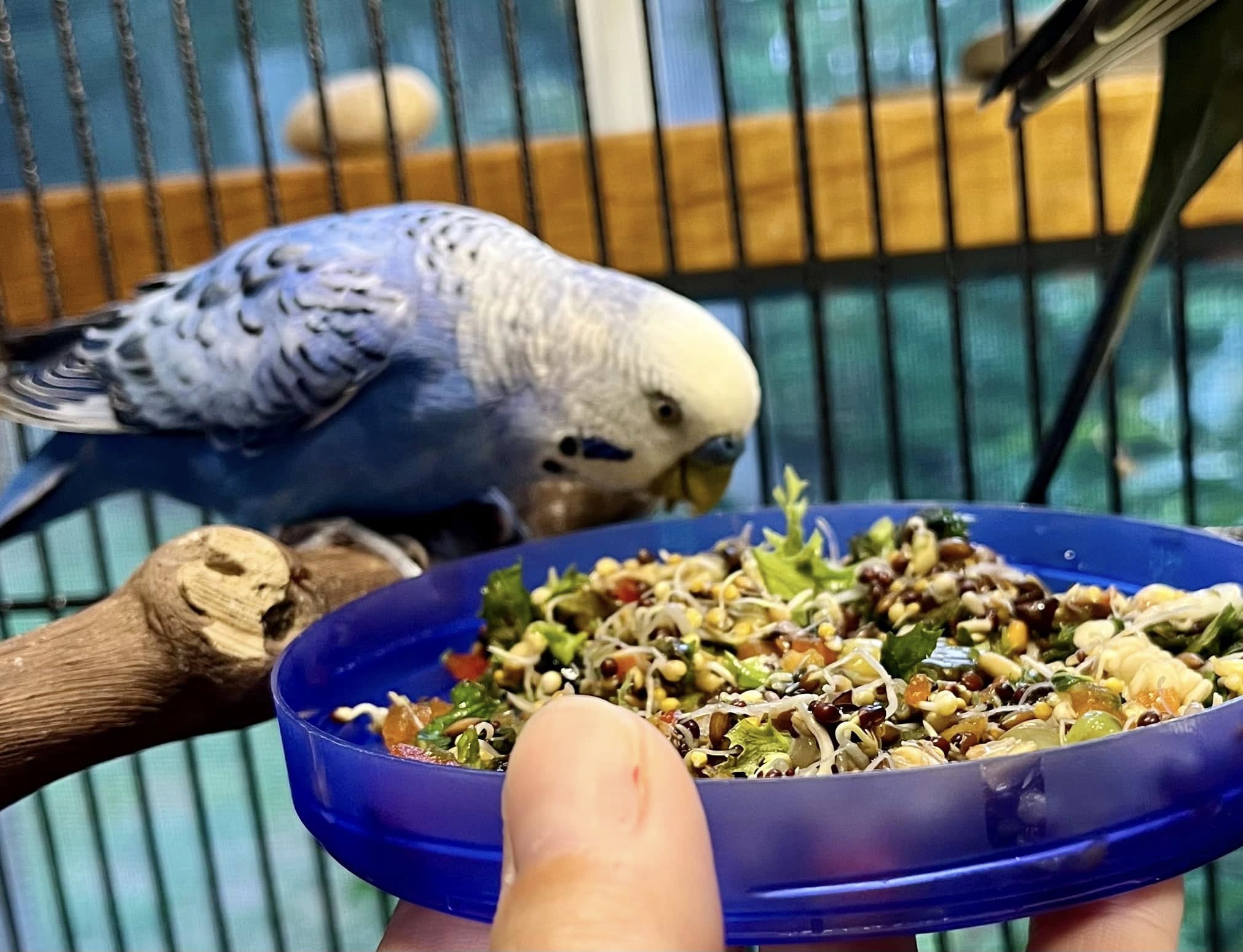
The earlier warning signs are subtler, and they are the ones that matter. A budgie sitting with its feathers puffed up for extended periods, particularly during the day when it would normally be active. A bird sleeping more than usual, or sleeping at unusual times. Changes in droppings — colour, consistency, or volume. A change in voice, or unusual silence in a bird that is normally vocal. Tail bobbing when at rest, which can indicate respiratory effort. Any discharge from the nostrils or eyes.
None of those things are dramatic. All of them are meaningful. A bird showing any of those signs for more than a day or two needs to see an avian vet — not a general small animal vet who will do their best but may lack specific avian expertise, and not a wait-and-see approach.
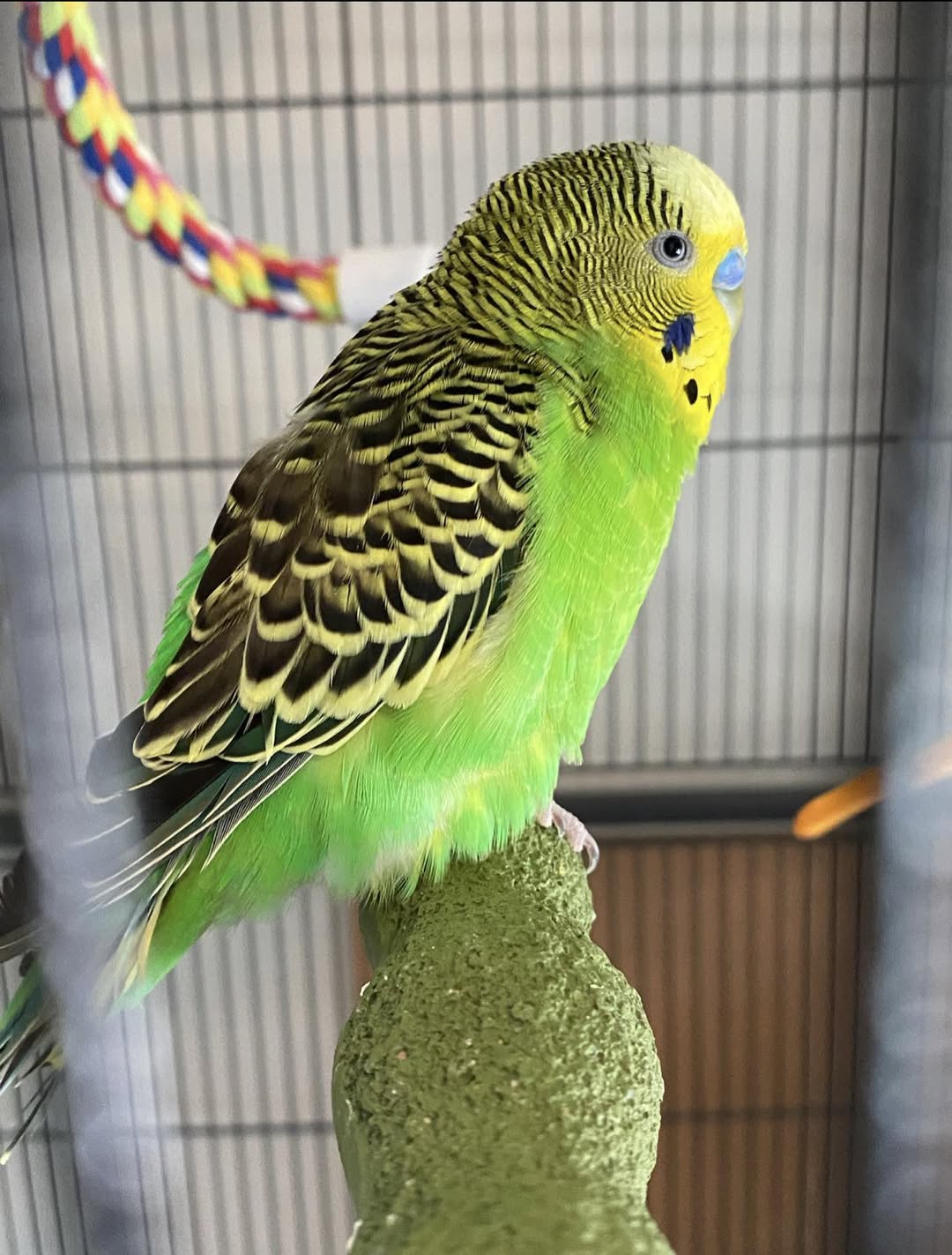
Mistake Four: Keeping A Single Bird When Two Are More Appropriate
This is one where I want to be careful, because there are genuine reasons why someone might keep a single budgie, and a single bird that receives sufficient human interaction and mental stimulation can do well. But I would be doing a disservice if I did not say this clearly: budgerigars are highly social flock animals, and a single bird kept alone for most of the day without adequate interaction is at risk of stress and the health problems that come with it.
Chronic low-level stress in birds manifests in a number of ways — feather plucking, repetitive behaviours, appetite changes, and reduced immune function. None of those things appear suddenly. They develop slowly, and by the time they are obvious, the bird has often been struggling for some time.
If you work full-time and cannot dedicate significant time each day to interacting with a single budgie, a pair is usually the more honest choice for the bird’s welfare. The cost of keeping two budgies is only marginally greater than one. The benefit to the birds’ mental and physical health is considerable.
Mistake Five: Ignoring Airborne Hazards In The Home
A budgerigar’s respiratory system is extraordinarily efficient — it is what allows birds to sustain flight — and that same efficiency makes it acutely sensitive to airborne irritants that would have very little effect on a mammal.
Non-stick cookware heated to high temperatures releases fumes that can kill a budgerigar within minutes. Scented candles, air fresheners, and aerosol sprays used in the same room as a bird are a persistent low-level risk. Cigarette smoke is harmful. Strong cleaning products used near a bird’s cage without adequate ventilation can cause respiratory distress. Even certain indoor plants, if a bird gains access to them, carry a risk of toxicity.
None of this means keeping a budgerigar is incompatible with normal household life. It means being aware of which rooms a bird should not be in, which products should not be used near it, and treating its respiratory sensitivity as a genuine consideration rather than an overstatement.
I mention this to every new budgie owner. In my experience, it is one of the factors that surprises people most, and one of the hazards most likely to cause sudden and unexplained illness in a bird that appeared perfectly healthy the day before.
Mistake Six: Underestimating The True Cost Of Keeping A Bird Well
I wrote recently about the broader increase in pet costs in 2026, and the specific point I made there applies with particular force to birds: the part of the cost that has risen most steeply is veterinary care, not food or equipment.
An avian veterinary consultation in 2026 is not cheap. Finding a vet with genuine avian expertise — not a general practice that will see birds occasionally, but a practitioner with specific training and experience in bird health — is also not straightforward in every part of the country. The combination of higher costs and less accessible specialist care means that a bird owner who delays seeking veterinary advice is not just risking the bird’s health. They are potentially creating a situation where an early and relatively inexpensive intervention becomes a serious and costly emergency.
Before you take a budgerigar home, I would ask you to think about whether your budget includes a realistic provision for veterinary care — not just the cage and the seed. A dedicated savings buffer for unexpected vet bills is more important now than it has been at any point in my 35 years of running this shop.
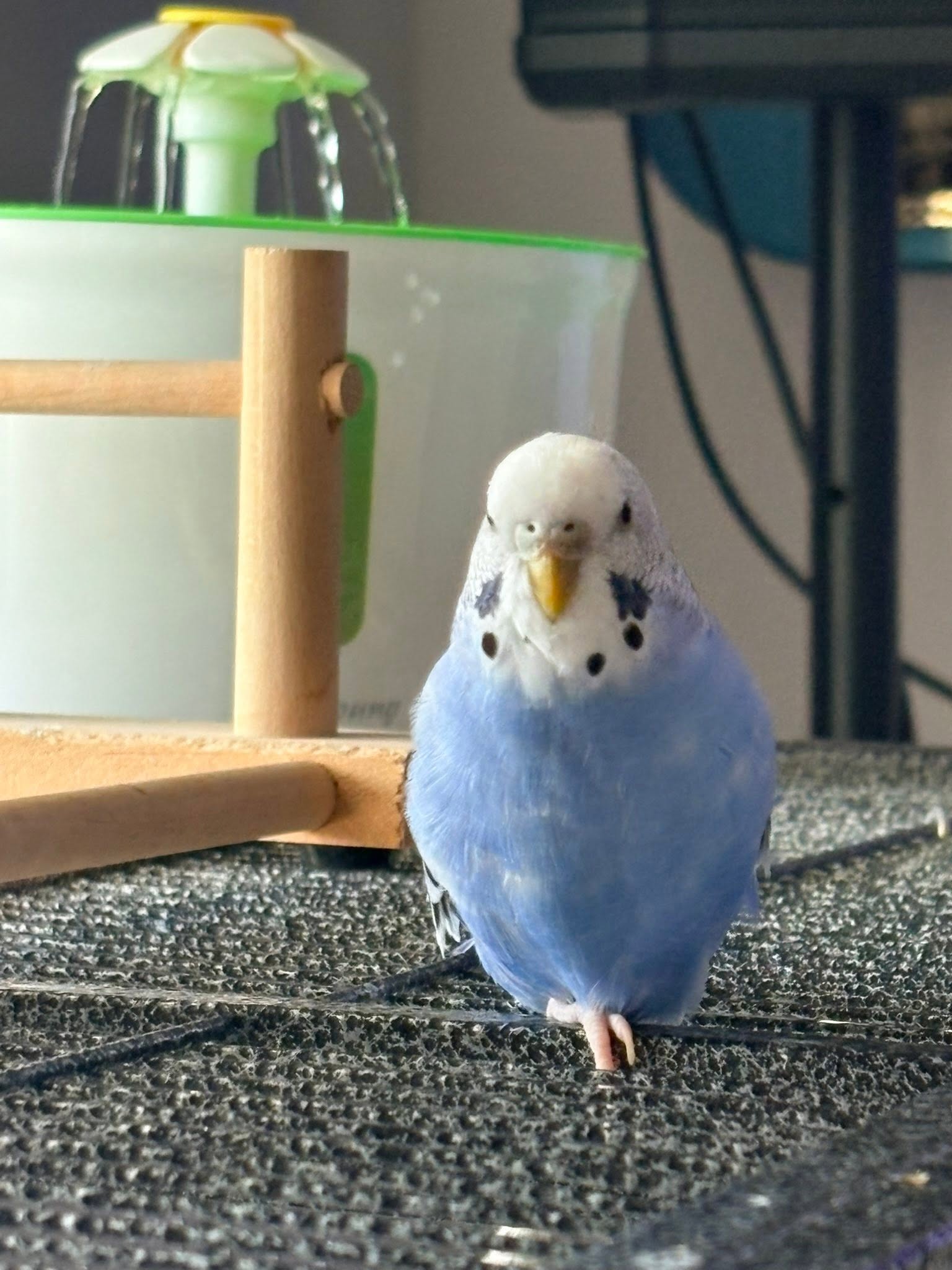
What Good Budgie Keeping Actually Looks Like
I do not want to leave people with the impression that keeping a budgerigar well is difficult. It is not. It requires attention and a degree of knowledge, but the bar is entirely achievable for anyone willing to learn what they need to know before bringing a bird home rather than after.
A well-kept budgerigar is one of the most rewarding small animals you can share a home with. They are genuinely intelligent, capable of remarkable vocalisation and mimicry, entertaining to watch, and — when they trust their owner — genuinely affectionate in their own way. The birds I have sold over 35 years that have gone on to live long, healthy lives into their teens have almost always been owned by people who took the time to understand what the animal actually needed.
That understanding is not complicated. It is a correctly sized cage in the right location. A varied, nutritious diet. Daily observation of the bird’s behaviour and appearance. Awareness of the household hazards specific to birds. A realistic budget that includes veterinary costs. And, where possible, the company of another bird.
None of that is beyond any owner who approaches it properly. The mistakes I have described in this article happen not because people do not care about their birds — the vast majority of budgie owners care enormously — but because they were not told what to watch for, or they were told in a way that did not really land.
Frequently Asked Questions
How long do budgerigars actually live if kept properly?
A well-kept budgerigar can live between eight and twelve years, with some individuals reaching their mid-teens. The average, in my experience, is closer to six to eight years — which suggests that many birds are not living to their full potential. Diet, environment, and access to appropriate veterinary care are the most significant factors.
Do budgies need to come out of their cage every day?
Ideally, yes. Out-of-cage time in a safe, supervised environment allows flight exercise that a cage cannot replicate and provides mental stimulation. The room needs to be made safe first — windows closed, fans off, no cats or dogs present, non-stick cookware not in use. Daily out-of-cage time is not essential for survival, but it is meaningful for quality of life, particularly in a single bird.
What should I do if I think my budgie is unwell?
Contact an avian vet as soon as possible — ideally one with specific bird experience rather than a general practice. Do not wait to see if the bird improves on its own. Keep the bird warm in the meantime, as sick birds lose heat quickly. Do not attempt to medicate with products not prescribed or recommended by a vet. Time matters significantly with birds, and early intervention produces considerably better outcomes than delayed action.
Are budgies suitable for children?
Budgerigars can be wonderful in households with children, but they are better thought of as a family pet with adult responsibility for their welfare than as a child’s independent pet. The daily observation, diet management, and welfare monitoring required is genuinely adult work. A child who is taught to engage with a budgie correctly can have an excellent relationship with the bird. A budgie left entirely in a child’s care without adult oversight is at higher risk of the mistakes I have described here.
Is it better to get a budgie from a pet shop or a private breeder?
Both can produce healthy, well-socialised birds if the source is reputable. What matters is whether the birds have been properly socialised, are being kept in appropriate conditions, and whether the seller is willing to give you honest information about the animal’s background and care requirements. A seller who tells you budgies are easy and need very little is not giving you accurate information, regardless of whether they are a shop or a private breeder.
Come And Talk To Us Before You Decide
If you are thinking about getting a budgerigar — or if you already have one and something in this article has raised a question — come in and have a conversation with us. We have been doing this since 1988, and there is no question about budgie care that we have not heard before.
We would rather spend twenty minutes talking you through what a budgie genuinely needs than see a bird struggle because the honest conversation happened too late. That has always been how we do things here, and it has not changed.
Thinking About Getting A Budgie? Talk To Us First.
We will give you a straight answer about what a budgerigar genuinely needs to thrive — not just to survive. No pressure, no upselling. Just an honest conversation, as it has always been.