
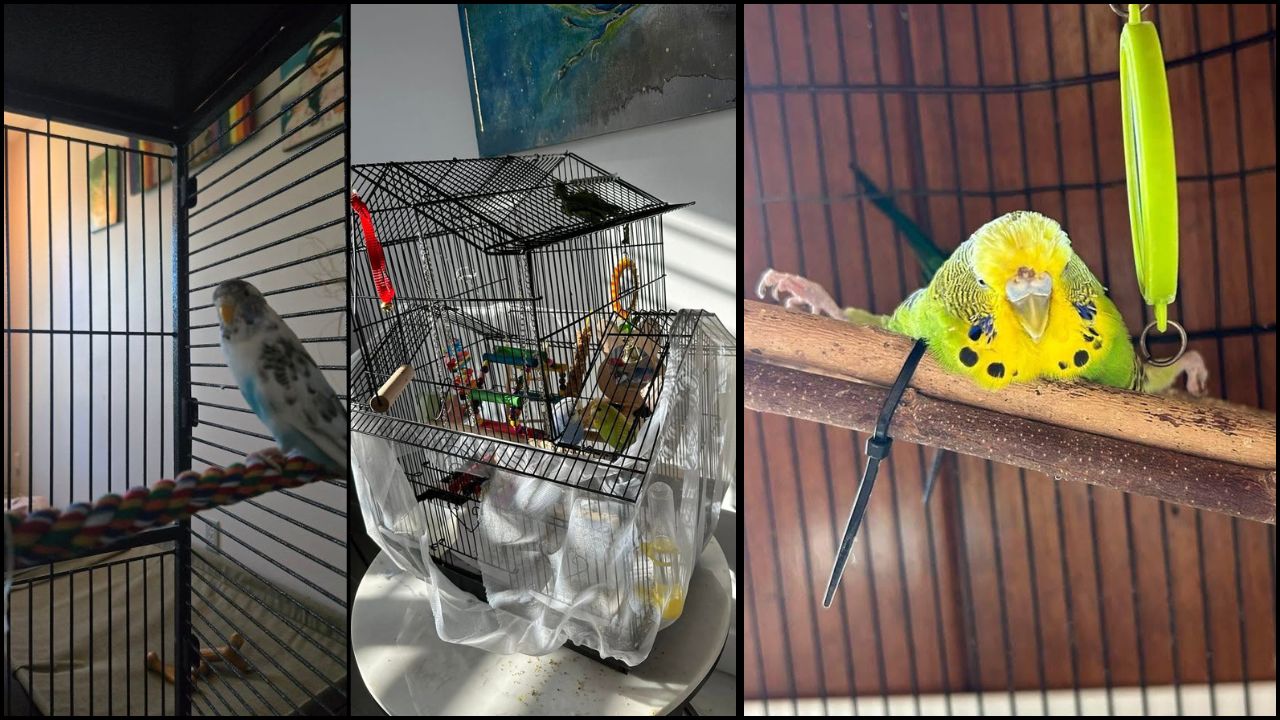

Neil has kept, bred, and sold budgerigars at Paradise Pets Swindon since 1988 — over 35 years of first-hand experience with this species. One single cage mistake accounts for more budgie health and behaviour problems than everything else combined. This is his honest explanation of what it is, why it is still so common, and exactly how to fix it today.
A couple came into the shop one Saturday afternoon carrying a small cardboard box. “Neil,” the man said, looking apologetic, “we bought a budgie last week from a different shop. They sold us this cage with him. We have just realised it might be too small. Can you have a look?”
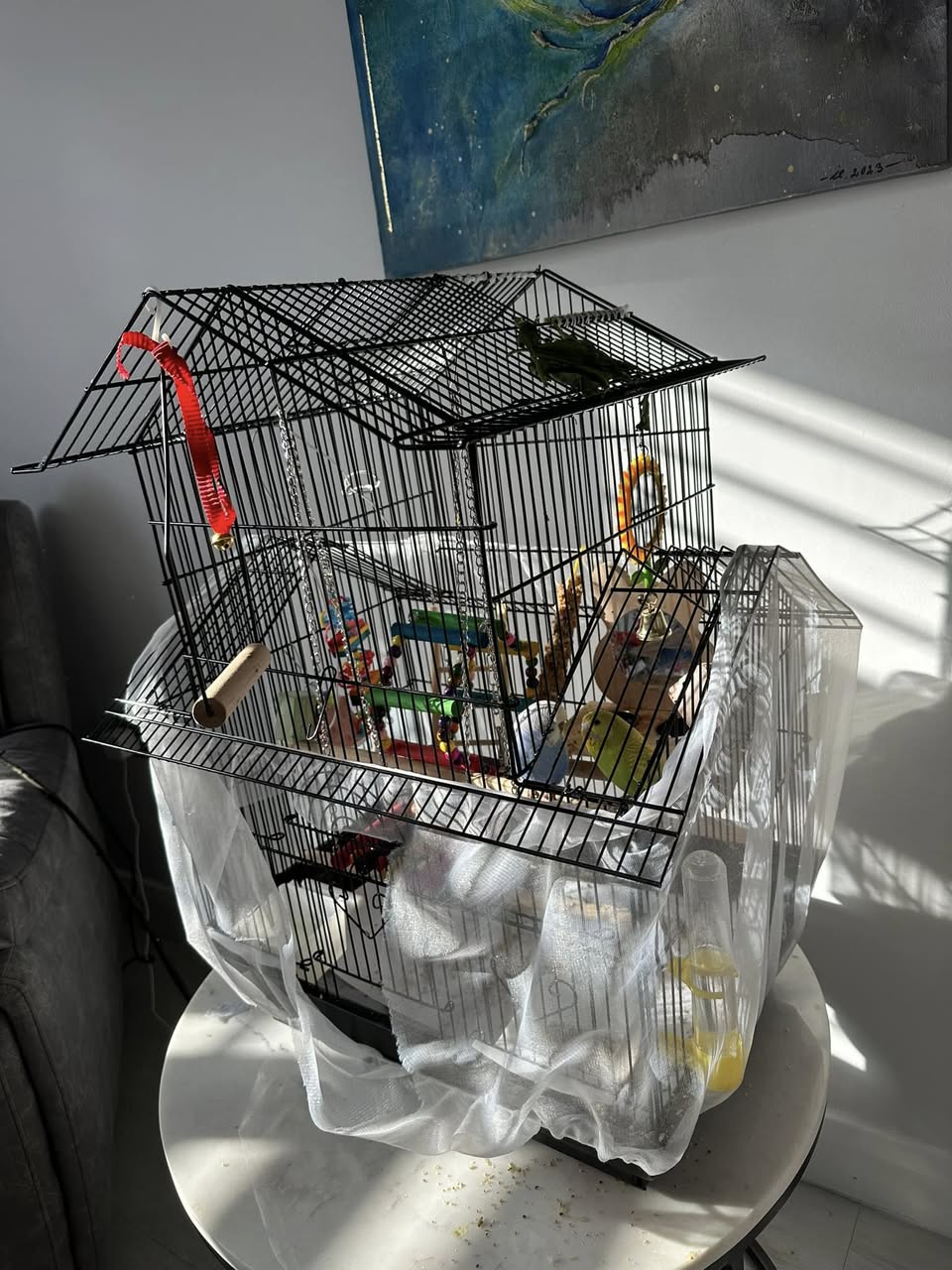
I looked at the cage. It was one of the small starter cages that get sold all over the UK as “budgie cages” — about 30cm wide, maybe 40cm tall, a couple of plastic perches, a tiny seed cup, a mirror. The budgie inside could just about turn around. It looked nervous and was hunched on its perch.
I had to give them the honest answer. The cage was genuinely too small — not just a bit small, but properly inadequate for any budgie. The bird needed at least three times the space.
We worked through the options, picked a proper cage, and set it up correctly. A few weeks later they were back, beaming. “Neil, he is a completely different bird. He flies, he plays, he chirps all day. We had no idea the cage was that important.”
That conversation, in one form or another, happens at this counter most weeks. It is not new, and it is not isolated to one supplier or one type of shop. It is, by far, the most common mistake I see in budgie keeping across the whole country — and it is also the easiest one to fix completely, the moment an owner understands why it matters.
Why The Cage Matters More Than Most Owners Realise
A budgie spends the overwhelming majority of its life inside its cage. Even with daily time out — which every budgie should genuinely get — the cage is where the bird eats, sleeps, plays, exercises, and simply exists for most hours of the day. A bird in a properly sized, well thought-out cage thrives. A bird in a small, badly designed cage develops physical and behavioural problems, often within a matter of months.
Budgies are not birds that sit still on a perch for most of the day, despite how they are often marketed alongside small “starter” cages. They are highly active, flock-oriented birds, and in the wild they fly considerable distances daily as a normal part of their lives. A cage that does not allow even a few wingbeats of genuine flight from one side to the other creates a level of confinement that, over time, produces stress and behavioural problems that owners often mistake for personality traits rather than the actual cause — a bird that has simply never had the physical space to be a budgie properly.
The Mistake Itself — Why “Technically Fits” Is Not Good Enough
The mistake is not malicious, and it is rarely the fault of the owner directly. It is buying a cage based on whether a budgie can physically fit inside it, rather than whether the bird can actually live a normal, healthy life inside it. Those are two very different standards, and the gap between them is exactly where the problem lives.
Many cages sold in UK pet shops are marketed as “suitable for budgies,” and technically a budgie can be housed inside them — but there is a meaningful difference between a cage that holds a bird and a cage that allows that bird to express normal behaviour. A cage that is barely large enough for the budgie to turn around in offers no room to fly, no room to stretch its wings fully, and very little to occupy a genuinely intelligent, active animal through the long hours it spends there each day.
This is compounded by the fact that the advice given alongside these cages in many shops has not always kept pace with what is now understood about budgie welfare. The cages, mirrors, and seed-only diets sold as standard “budgie starter kits” reflect an older style of bird keeping that has not been properly updated in line with current best practice, even as the products themselves continue to be sold widely.
What Confinement Actually Does To A Budgie
This is not a vague welfare concern — the specific physical and behavioural consequences of inadequate cage size are well understood and worth being direct about.
Reduced space leads to muscle weakness from lack of flight and exercise, and a higher likelihood of obesity in a bird that simply cannot move enough to maintain a healthy weight. Boredom in an under-stimulated, confined bird is strongly associated with feather plucking, a distressing and difficult-to-reverse behavioural problem in budgies. Poor ventilation, often a feature of smaller cages crowded into a corner of a room, increases the risk of respiratory illness. And birds kept in cramped conditions are consistently observed to be less active and to visit the vet more frequently than birds given proper space.
None of this happens overnight. It builds gradually, which is exactly why so many owners do not connect a quiet, hunched, less playful budgie with the size of its cage — the change is slow enough that it can look like the bird simply has a less outgoing personality, when in fact the cage itself is the underlying cause.
What A Properly Sized Cage Actually Looks Like
Here is the practical detail, stated plainly rather than left vague.
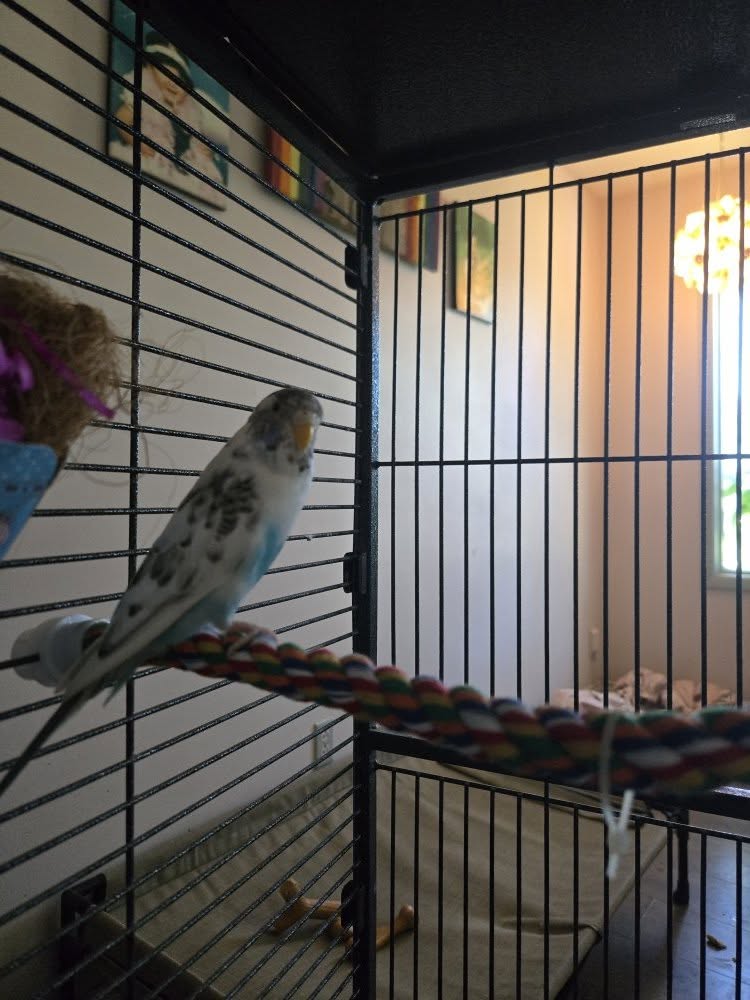
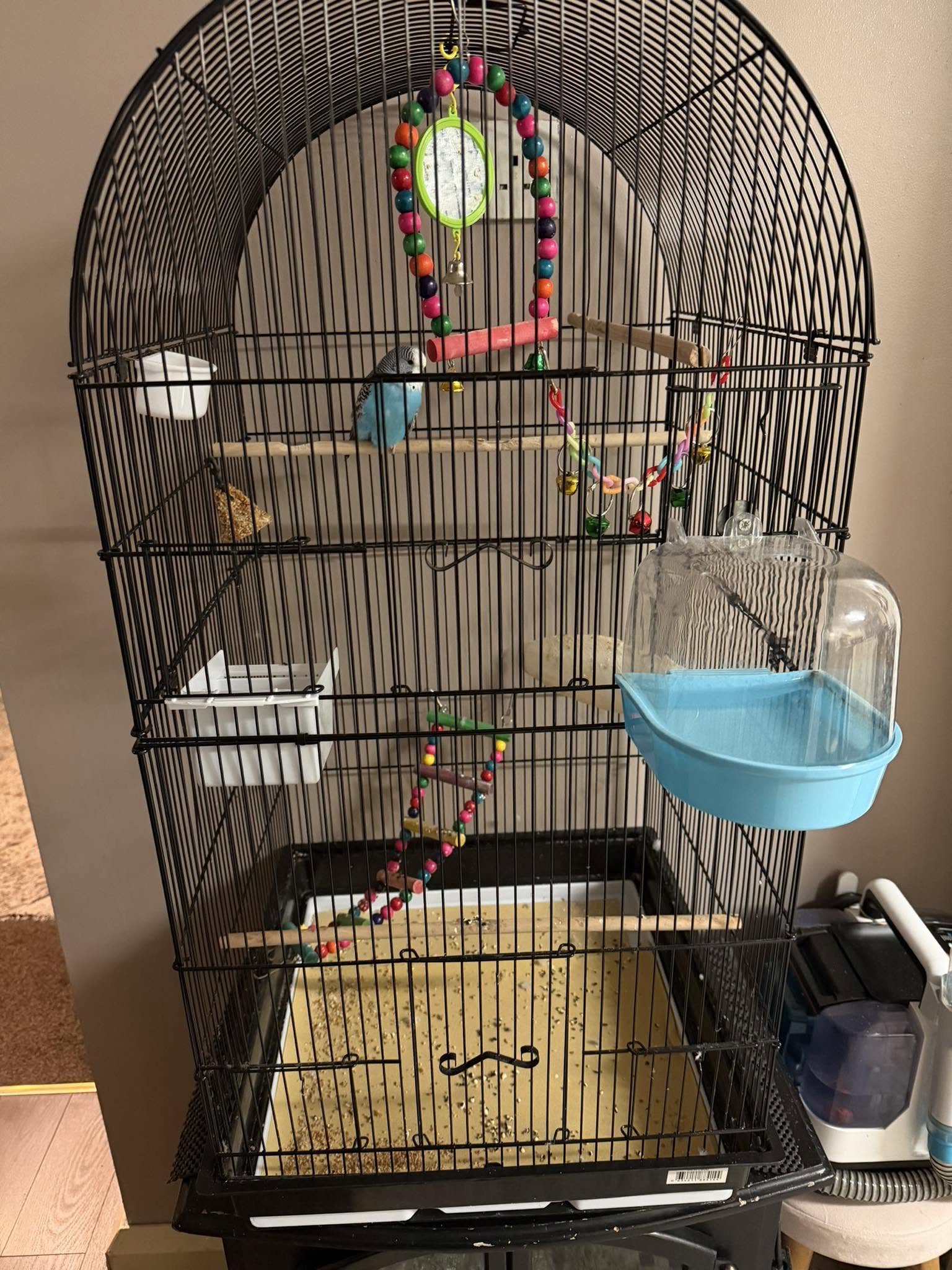
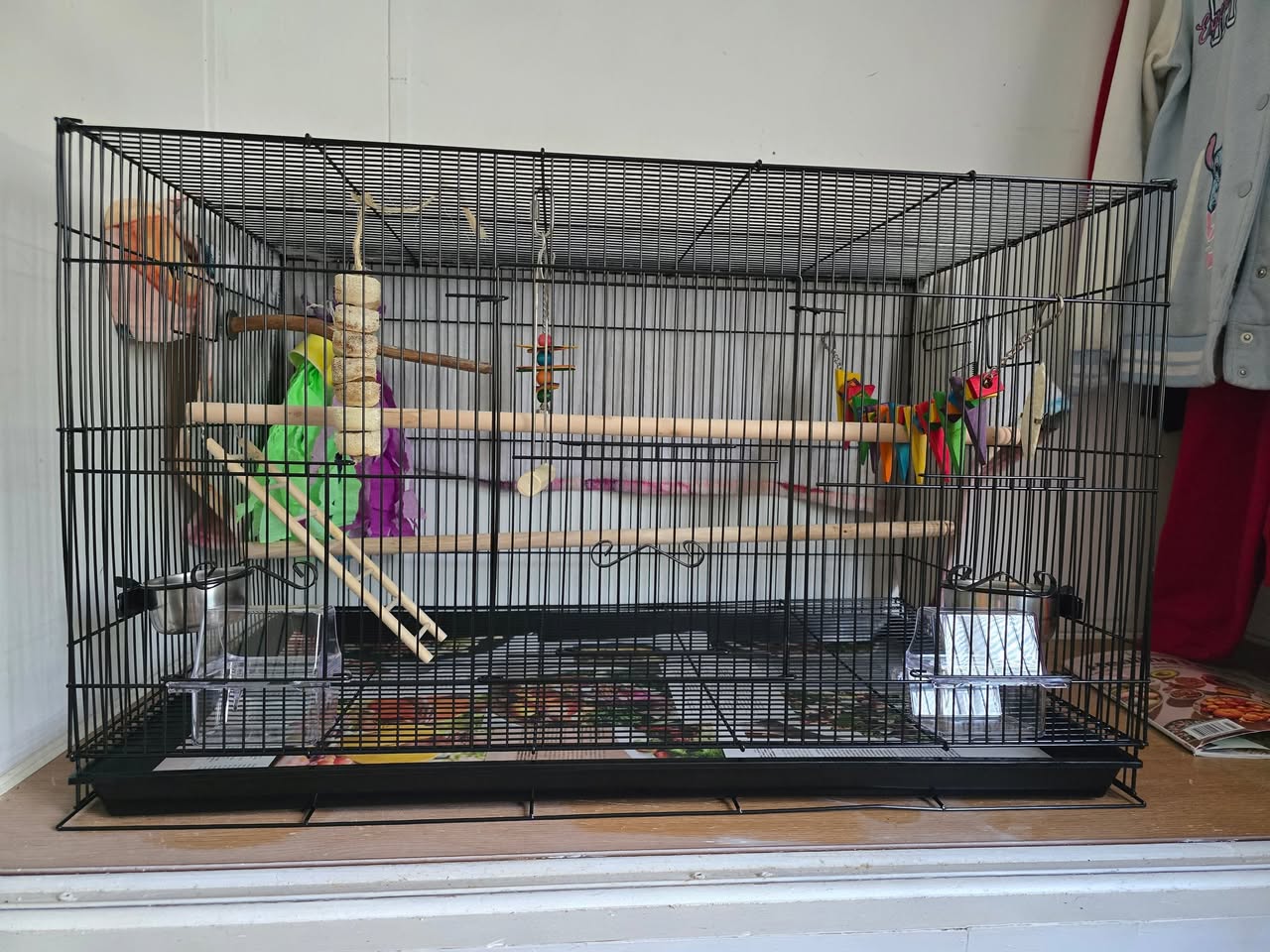
The single most useful question to ask of any cage, regardless of the dimensions printed on the box, is this: can the bird fly across it properly, with a few genuine wingbeats, rather than simply hop from one perch to another? If the answer is no, the cage is too small, whatever the label says.
The Other Common Cage Mistakes Worth Knowing About
While size is the biggest and most common issue, a handful of related mistakes come up often enough at this counter to be worth covering honestly alongside it.
Round Or Decoratively Shaped Cages
These look attractive but cause genuine welfare problems. A round cage with no proper corners reduces the bird’s ability to orient itself comfortably, and round cages are generally associated with more stress-related behaviour than standard rectangular designs.
Bar Spacing Too Wide
Anything wider than roughly 12mm between bars risks a budgie’s head becoming trapped, which is a genuine and serious safety hazard rather than simply a comfort issue.
Only Plastic Dowel Perches
Smooth, uniform plastic perches do not allow a budgie’s feet the natural variation in grip and pressure that branches of varying width provide, and over time this is associated with foot problems. A mix of natural wood perches of differing diameters is considerably better for foot health.
Cage Placed In A Poor Location
Even a properly sized cage placed somewhere with poor ventilation, direct draughts, or constant disturbance undermines much of the benefit of getting the size right in the first place. Cage placement matters alongside cage size, not instead of it.
How To Fix This Today If You Recognise The Problem
If you suspect your own budgie’s cage may fall into the category described above, here is the honest, practical path forward.
Measure your current cage and compare it honestly against the figures above. Be specific rather than approximate — many owners are surprised by how much smaller their existing cage is than they had assumed.
If an upgrade is needed, buy the largest cage your space and budget genuinely allow, rather than the smallest one that technically meets a minimum. Bigger is, in practical terms, always better for this particular decision — there is no meaningful downside to more space, only benefit.
Make the transition gradually where possible. Set the new cage up fully, including familiar perches, toys, and feeding stations from the old cage, before moving the bird across, to reduce the stress of an unfamiliar environment change.
And if cost is the genuine barrier, talk to us honestly about it before settling for an inadequate cage as a compromise. A correctly sized secondhand cage in good condition is very often a better outcome for the bird than a smaller new one, and we would rather help you find the right solution than see a budgie housed inadequately because of an assumption about cost that was never actually tested.
Frequently Asked Questions
My budgie seems happy in its small cage — does the size really matter that much?
Yes, and this is one of the most common things owners say to me, precisely because the effects of inadequate space build gradually and are easy to mistake for a calm temperament. A budgie that has never had room to fly properly has nothing to compare its situation against. Many owners who upgrade their bird’s cage describe a genuinely different, more active animal within weeks, which tells you something the bird’s previous outward calm did not.
Is a bigger cage really worth the extra cost?
Given how much of its life a budgie spends in its cage, this is genuinely one of the highest-value decisions you can make for the bird’s welfare. A properly sized cage typically costs somewhat more than a small starter cage, but the difference is modest compared to the benefit, and it avoids the behavioural and physical problems that often require veterinary attention later.
Can I keep my budgie in a smaller cage as long as it gets daily time out?
Daily time out is genuinely valuable and should always be part of a budgie’s routine, but it does not substitute for a properly sized cage. The bird still spends the majority of its hours inside the cage, and an hour or two of free time each day does not offset the cumulative effect of being confined the rest of the time.
What is the single biggest sign my current cage might be too small?
Watch whether your budgie can fly — genuinely fly, with several wingbeats — from one side of the cage to the other, rather than simply hopping or stepping between nearby perches. If there is no room for actual flight, the cage does not meet a budgie’s basic exercise needs regardless of what size it is marketed as.
Is it better to buy a flight cage or a standard rectangular cage?
A wider, horizontally oriented cage that allows flight is the priority, whether it is specifically marketed as a “flight cage” or simply a generously sized standard cage. The label matters less than the actual usable horizontal space and the presence of horizontal bars that allow climbing.
How do I introduce my budgie to a new, larger cage without stressing it?
Set the new cage up completely first, including familiar items from the old cage such as perches, toys, and food dishes, in a similar arrangement if possible. Move the bird across calmly, ideally at a quiet time of day, and allow a settling-in period without excessive handling while it explores the new space.
One Last Thing From Me
The couple who came in with that small cardboard box did nothing wrong by buying what they were sold. They trusted the shop, the packaging, and the label that said “suitable for budgies.” The honest truth is that the cage they were sold met none of the standards a budgie genuinely needs, and that gap between what is sold and what is actually appropriate is the entire reason this mistake remains so common, even now.
I would rather every UK budgie owner reading this walk away knowing exactly what to check, rather than discover the problem the way that couple did — by noticing, eventually, that their bird seemed quieter and less happy than it should have been.
The cage is the single biggest welfare decision you make for a budgie. Get it right, and almost everything else about keeping the bird well becomes considerably easier.
If you want help checking whether your current setup is right, or choosing a proper cage from scratch, come and find us at Manor Garden Centre, Cheney Manor, Swindon SN2 2QJ. Get in touch here or call 01793 512400.
Not Sure If Your Budgie’s Cage Is The Right Size? Come And Let Us Check
Bring a photo or the measurements, or bring the bird itself if you can, and we will give you an honest assessment and help you find the right setup if a change is needed. Free advice, no obligation. That is how we have always done things.