
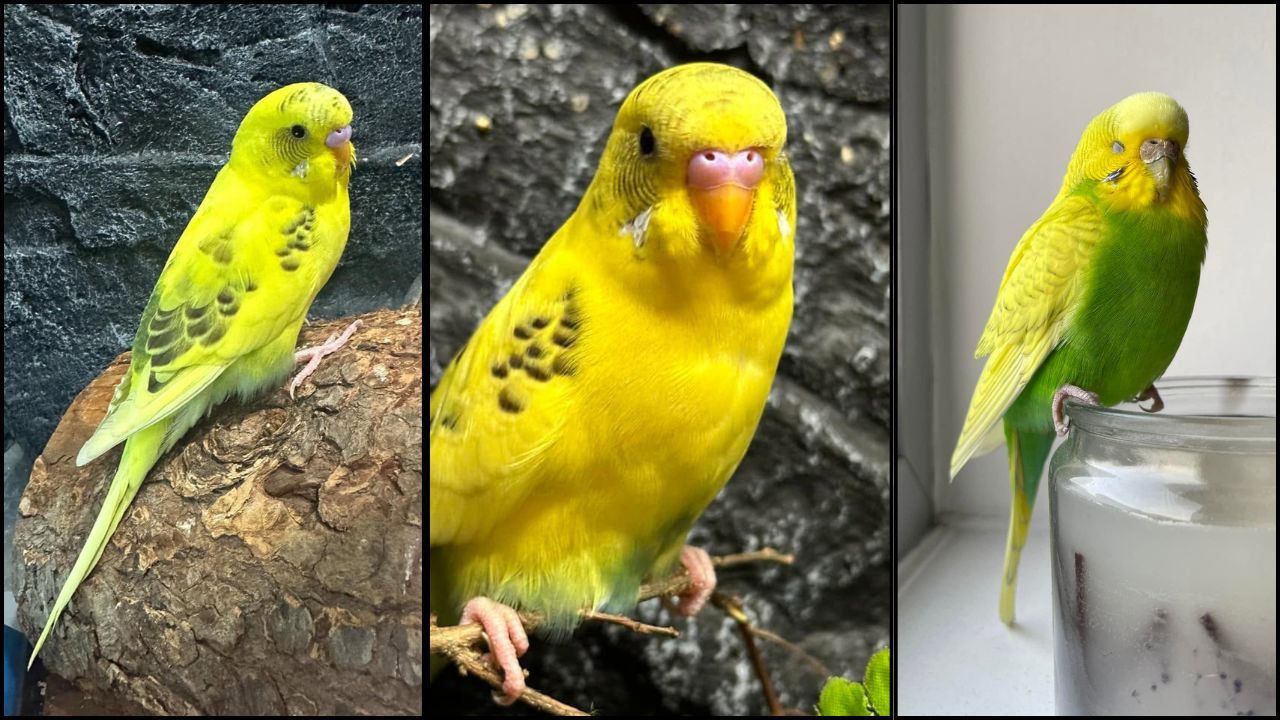

Neil has kept, bred, and sold birds at Paradise Pets Swindon since 1988 — over 35 years of first-hand experience with these animals through every kind of British summer. June 2026 has broken temperature records that stood since 1976. If you keep a pet bird, this article is for tonight.
I am going to keep this short and direct, because the situation warrants it.
On 26 June 2026, Santon Downham in Suffolk recorded 37.3°C — the hottest June day in UK history. The previous June record was 35.6°C, set in 1976, and it had stood for fifty years. In the days surrounding that record, Cardiff’s Bute Park held an overnight minimum of 23.5°C — a UK record for a June night, shattering the previous 20.0°C mark set in 2023. The June temperature record fell not once but three consecutive days in a row.
These are not ordinary UK summer statistics inflated for a headline. They are verified Met Office figures representing genuine extremes. And if you keep a pet bird in a UK home right now, the specific conditions they describe are the exact conditions that create the most serious heat risk for the animal in your care.
Why Tonight Specifically Matters
The daytime heat is the part most people focus on, and rightly so. But the June 2026 records that make this week specifically dangerous for pet birds are the overnight minimums, not just the daytime peaks.
A Cardiff overnight minimum of 23.5°C — a UK June record — means that homes which normally cool down between midnight and six in the morning during a hot summer are not cooling down. They are retaining the heat accumulated during the day, through a night that stays warmer than any June night previously recorded, and adding that retained heat to the following day’s building temperature rather than shedding it.
For a pet bird, this is the specific scenario that turns a manageable hot day into a genuinely dangerous multi-day accumulation. A bird’s body can tolerate significant heat if it gets a proper overnight recovery period — a chance to cool, to rest, to restore the energy it spent on temperature regulation during the day. A night at 23.5°C indoors provides none of that recovery. What arrives the following morning is not a bird rested and reset, but one already compromised before the next day’s heat has even begun.
This is why tonight specifically matters. If your bird has spent today in a warm room, tonight’s conditions determine whether it enters tomorrow with any physiological reserve left.
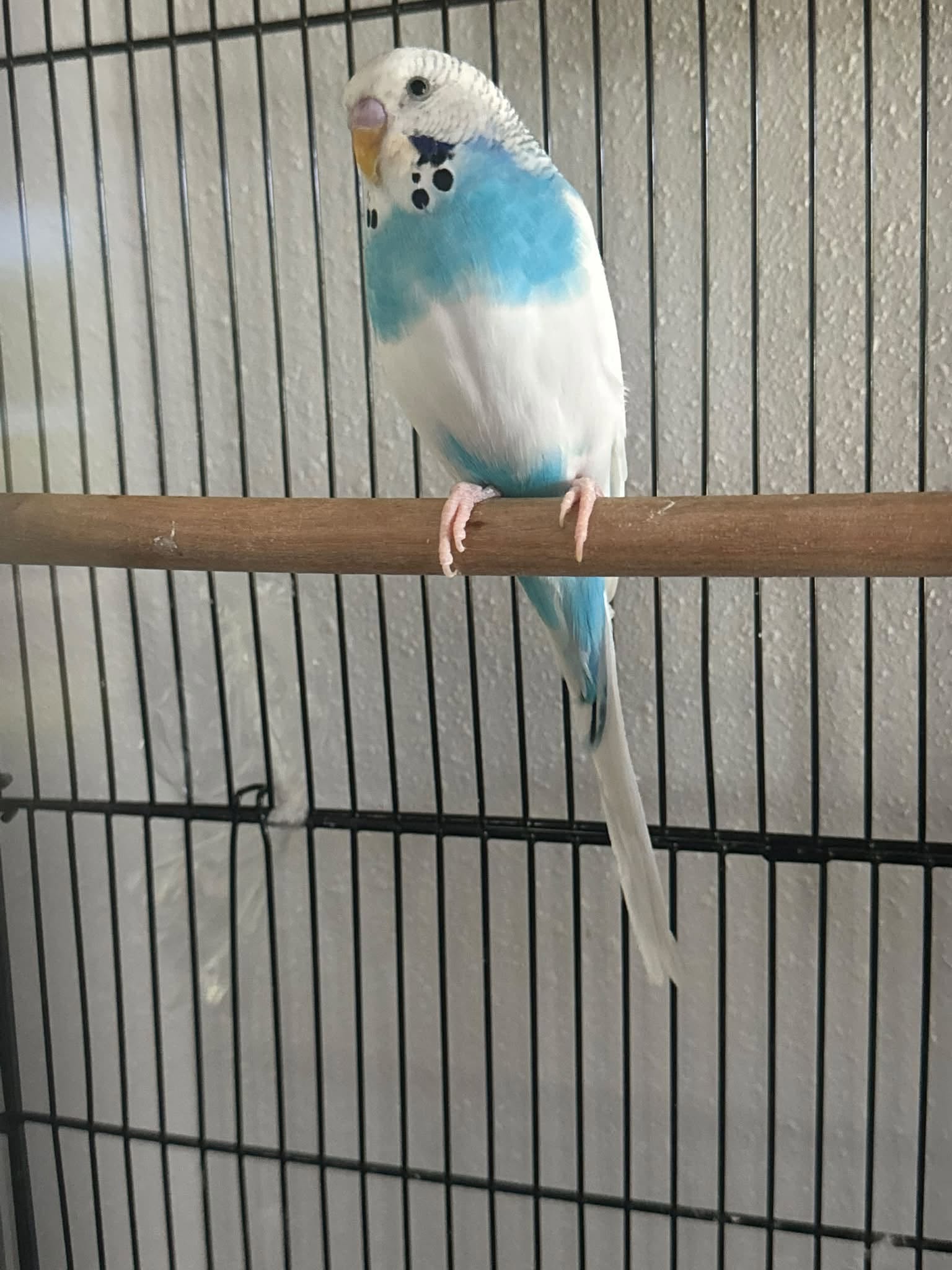
What To Do Right Now, Before You Go to Bed
I am going to give you the list in the order it matters, not in order of complexity.
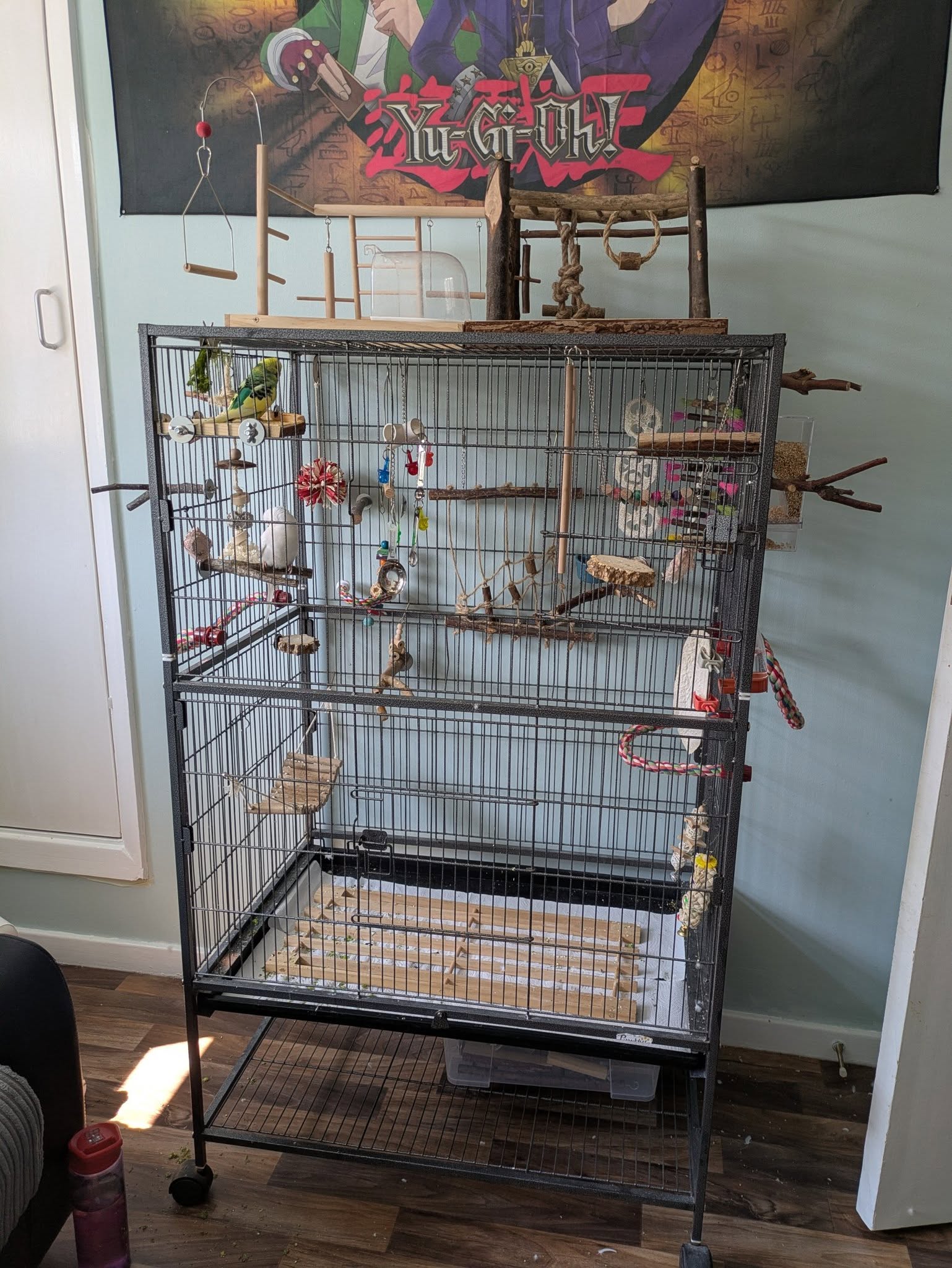
The single most important thing you can do tonight is identify the coolest room in your house and move your bird’s cage there before you sleep. Not the room where it usually lives. The coolest room in the building — on a lower floor if you have one, away from any window that has received direct sun today, and with the best natural airflow. Heat rises, ground floors are cooler than upper floors, and the room that feels most comfortable to you right now is probably also the safest room for your bird overnight.
Open windows in that room, and adjacent rooms if the layout allows, to create cross-ventilation. The goal is air movement, not air conditioning — natural airflow carrying slightly cooler night air through the room will help far more than a sealed, still room even at the same ambient temperature.
Ensure your bird has fresh, cool water in the cage right now. Not the water that has been sitting there all day. Empty the container, clean it, and refill it with fresh tap water. A bird that has been heat-managing all day has used more water than usual and needs clean, cool water through the night.
Do not cover the cage tonight. The usual overnight cover that provides darkness and warmth is the wrong intervention when warmth is already the problem. The bird needs airflow more than it needs the normal routine. Skip the cover.
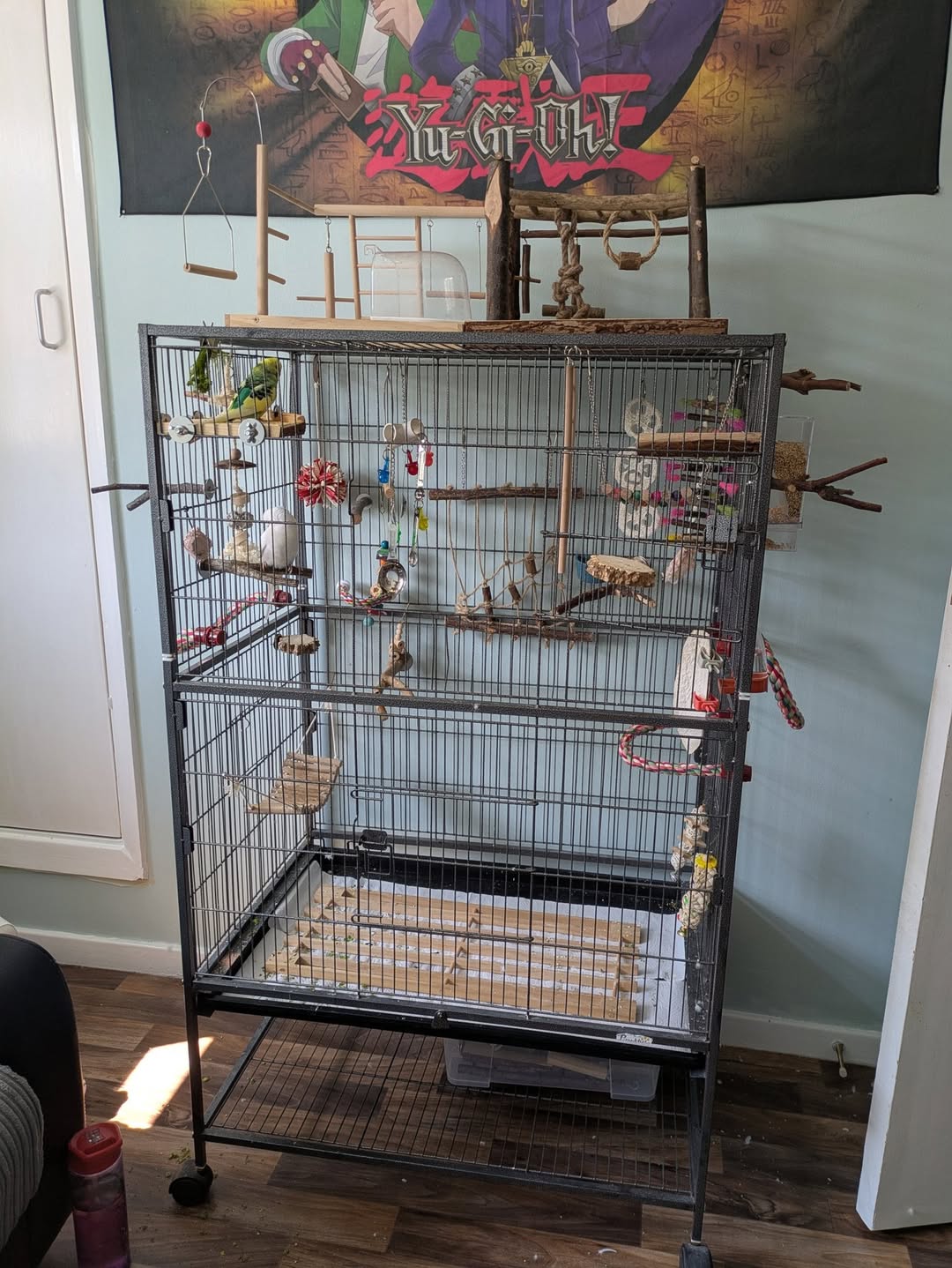
The Signs To Check For Right Now Before You Go to Bed
Before you leave your bird for the night, check these specifically.
If your bird is in the third or fourth category tonight, do not go to bed. Birds in genuine heat distress can deteriorate quickly, and the overnight temperatures forecast mean there is no natural recovery period coming. An emergency vet call tonight is the right decision if your bird is showing those signs.

The Records That Put This Week In Proper Context
I want to be accurate about what has actually been broken, because I think precision matters here more than a dramatic headline.
The June temperature record that stood since 1976 — 35.6°C, a figure that had defined the boundary of what a UK June could produce for fifty years — was broken three consecutive days in a row in late June 2026, ultimately reaching 37.3°C at Santon Downham. The overnight minimum record for any June night in UK history was also broken. The Met Office’s own climate scientists have confirmed that what was predicted for a 1976-equivalent event in today’s climate — peak temperatures of 38°C or 39°C — is what the late June 2026 forecasts reflected.
What has not yet been confirmed is whether the summer of 2026 as a whole will rank as the hottest since 1976. That depends on what July and August bring. What can be said with certainty is that the specific period of late June 2026 produced June heat that exceeded anything recorded in the fifty years since 1976’s legendary summer — and that the overnight temperatures which accompanied it created conditions with no recent UK precedent for this time of year.
Tomorrow Morning — What To Check First
Before you do anything else tomorrow morning, check your bird. Not a glance from the door. Properly — posture, breathing, responsiveness, and whether it is on the perch or the cage floor.
Check whether the water needs changing again. In these temperatures, overnight water warms faster than in a typical summer and should be replaced fresh each morning in addition to the evening change.
If the forecast shows another day of significant heat — which the Met Office is the authoritative source to check — make the cage position decision for the day now, before the room warms. Moving a cage from a warm room to a cool one mid-afternoon is less effective than starting the day in the right place.
And if your bird seemed compromised at any point last night but appears better this morning, do not treat that as a sign the problem has resolved. A bird that struggled through the night without proper recovery has less physiological reserve going into today’s heat than it did yesterday. Watch it more carefully today, not less.
Frequently Asked Questions
Is it true this is the hottest UK summer since 1976?
Not yet confirmed for the summer as a whole — that depends on what July and August bring. What is confirmed is that late June 2026 produced the hottest June temperatures since 1976, with the June daily maximum record broken three consecutive days in a row and the June overnight minimum record also broken. Summer 2025 was actually the warmest UK summer on record overall. The specific conditions of this June week are genuinely without precedent for the time of year.
My bird was fine all day — does tonight still matter?
Yes, specifically because the overnight minimum records that have been broken this week mean that the overnight recovery period your bird would normally get does not exist in the same way. A bird that managed the day may enter tomorrow’s heat already compromised if tonight does not provide adequate cooling. The overnight check and cage repositioning matter even for birds that appeared fine during the day.
Should I use a fan directly on my bird’s cage to cool it?
Do not point a fan directly at the cage. Air movement in the room is helpful; a direct draught onto the bird creates a different kind of stress and can cause respiratory problems. Position a fan to circulate air around the room, not to blow at the cage directly.
Can I use ice or cold water to cool my bird down faster?
No. Sudden cold is as stressful as heat for a bird and can cause shock. Cool, fresh tap water for drinking, and a very light mist with room-temperature water from a spray bottle if your bird will tolerate it, are the appropriate interventions. Avoid anything sudden, cold, or forceful.
What if I have no cooler room in my home?
If all rooms in your home are equally warm, prioritise airflow over temperature — open windows to create cross-ventilation, position the cage away from any window that receives direct sun, and use a fan to move air through the space rather than allowing it to remain still. If the whole home is genuinely at dangerous levels of heat, a cool room in a trusted neighbour’s or family member’s property overnight may be worth considering.
When is it safe to go back to my bird’s normal cage position?
When the forecast shows overnight minimums returning to normal summer levels and daytime temperatures no longer require Extreme Heat Warnings from the Met Office. Do not return to the normal position out of convenience while the exceptional conditions continue.
One Last Thing From Me
I will keep this brief, because if you are reading this late in the evening, time matters more than a long closing paragraph.
Check your bird now. Move it if you need to. Change the water. Leave the cover off. And check it again before you go to sleep.
This week has produced June heat that has not been seen in this country for fifty years, with overnight temperatures that have never been recorded in a June in UK history. Your bird cannot manage its own environment. That responsibility sits with you tonight, and the specific actions above are the ones that will make the most difference before tomorrow morning arrives.
If you have any concern about your bird right now, call an emergency vet. Do not wait to see how the morning looks.
Find us at Manor Garden Centre, Cheney Manor, Swindon SN2 2QJ. Get in touch here or call 01793 512400.
Bird Showing Heat Stress Signs Tonight? Do Not Wait Until Morning.
Contact an avian vet immediately if your bird is showing serious or emergency signs. If your bird is managing but you want to talk through your setup, come in and see us during opening hours.