


Neil has kept, bred, and sold cockatiels at Paradise Pets Swindon since 1988 — over 35 years of first-hand experience with these birds. In that time, he has had countless worried phone calls from UK owners describing the same thing — a cockatiel that has suddenly started shaking, trembling, or visibly shivering. This is his honest, practical guide on what cockatiel shaking really means, the difference between harmless trembling and dangerous illness, and what every UK owner needs to do today if they see it.
A young woman rang the shop one cold November evening, her voice tight with worry. “Neil,” she said, “my cockatiel Pebbles has started shaking. Properly shaking — I can see her whole body trembling on the perch. She has been doing it for about an hour. She is still upright, still alert, but I am terrified. What is wrong with her?”
I asked her four quick questions while she was still on the phone. Where in the house was the cage? What was the room temperature? Was Pebbles puffed up at the same time? And had anything frightening happened recently? By the time she had answered, I had a strong idea of what was going on. The cage had been moved to a cooler part of the house the previous week, and the recent UK cold snap had dropped the room temperature significantly overnight. Pebbles was cold, shivering to keep warm, and stressed. Within two days of moving the cage back to a warmer spot and covering it properly at night, Pebbles had stopped shaking entirely and was back to her usual chirpy self.
Cockatiels are sensitive, intelligent birds with quite specific environmental and emotional needs. Shaking is one of the ways they communicate that something is genuinely wrong — and unlike budgies, who can sometimes show similar behaviours over minor issues, cockatiels usually shake for genuine reasons that need investigating. Most causes are identifiable within the first few minutes of careful observation, but the rare critical cases need urgent action.
This article is the conversation I have at the counter with worried owners watching their cockatiel tremble. By the end of it, you will know exactly what shaking means, how to identify the cause quickly, what to do in the immediate term, and when you need to stop reading and contact an avian vet today.
First — Why Cockatiels Shake In The First Place
To understand what shaking means in your bird, you first need to understand what is going on physiologically. Cockatiels shake or tremble in response to several distinct triggers, and the body movement looks similar regardless of the underlying cause.
Shaking is the bird’s body responding to:
- Cold stress — muscles contract rapidly to generate heat
- Fear or stress — the body’s adrenaline response causes trembling
- Illness — fever, weakness, or systemic problems
- Excitement or anticipation — heightened arousal in playful or expectant birds
- Hormonal changes — particularly in spring or breeding condition
- Pain or discomfort — chronic or acute pain causes tremor
- Neurological problems — rare but serious

Because the same shaking movement can come from such different causes, you cannot diagnose anything from the shake alone. The information you need is in the bird’s overall posture, environment, recent history, and any other symptoms present. Five minutes of careful observation usually narrows the cause to one or two possibilities.
Cockatiels are also more vulnerable to environmental causes than many UK owners realise. They originate from the warmer interior of Australia and they handle UK temperature drops less well than budgies. They are also more emotionally sensitive — quick to stress from changes that other species barely notice. Understanding these basic vulnerabilities is the foundation for reading shaking properly.
The First Two Minutes — What To Check Before You Act
Before you do anything else, take two minutes to observe the bird without disturbing it. Do not pick it up. Do not approach the cage too closely. Just watch quietly. Most of what you need to know is visible in those two minutes.
- How is the bird’s posture?
Upright and alert, or fluffed up and hunched? - What is the room temperature?
Feel it yourself. Cockatiels need 18-24°C; below 15°C is stress territory. - Is there a draught near the cage?
Window, door, vent? Check carefully. - Has anything frightened the bird recently?
Loud noise, new pet, sudden movement, predator at window? - What is the bird’s breathing like?
Calm and quiet, or visible effort and tail bobbing? - Is the shaking the whole body, or just parts?
Whole-body shivering, head tremor, leg trembling? Pattern matters. - Is the bird eating or interested in food?
Active interest in food = better. No interest = more worrying. - What does the cage floor look like?
Normal droppings overnight, or sparse and abnormal?
If the bird is alert, upright, breathing normally, eating, and the only obvious issue is the shaking — you have time to work through the causes carefully. The problem is almost certainly environmental and fixable.
If the bird is also fluffed up, hunched, breathing with effort, sitting low, not eating, and the shaking is constant — that is a sick bird, not just a shaking one. Skip the rest of this article and contact an avian vet today.
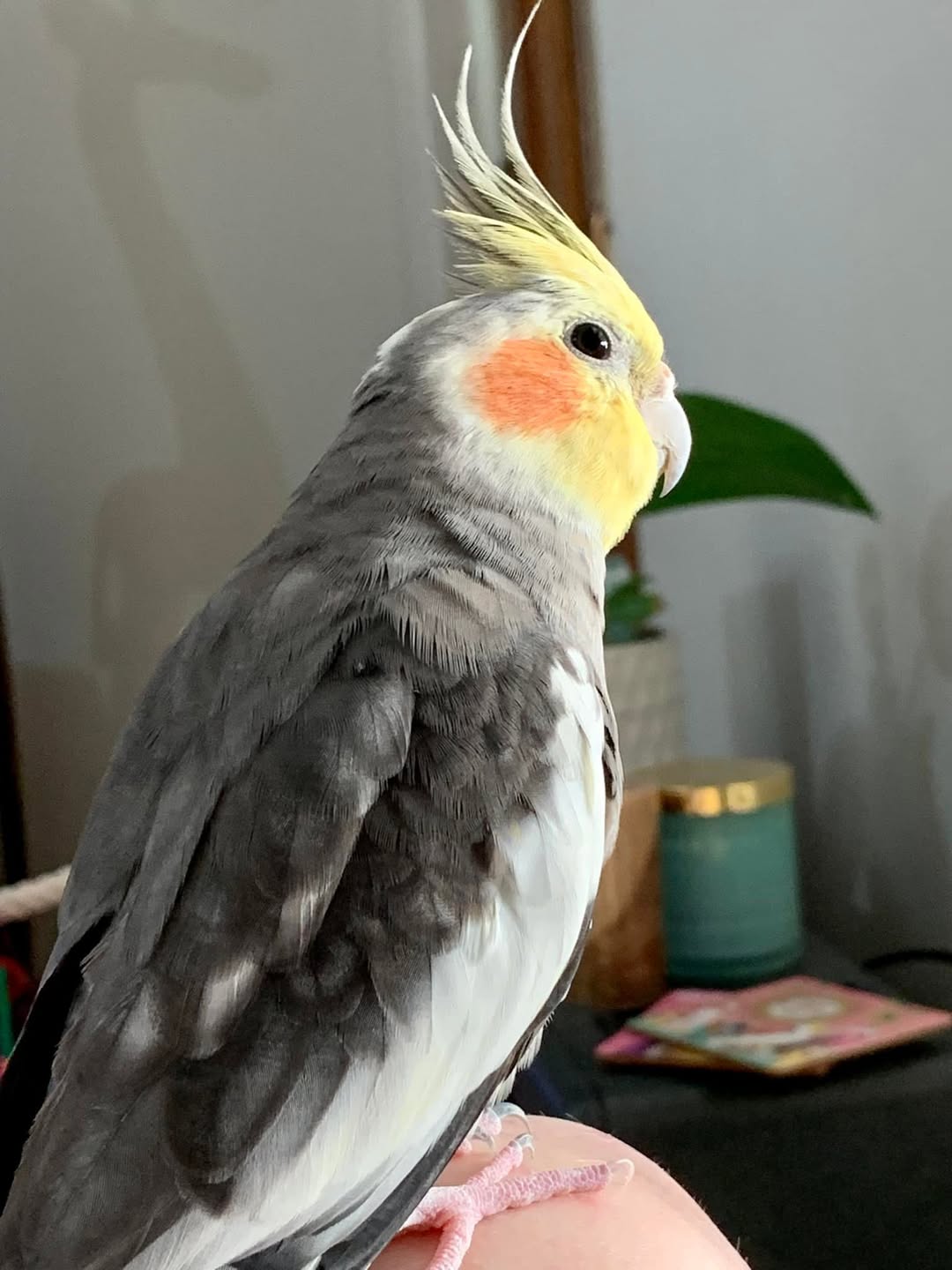
- Fluffed up, hunched posture with eyes partly closed
- Sitting on the cage floor or unable to perch properly
- Visible breathing effort, tail bobbing, or open beak breathing
- No droppings on the cage floor or abnormal droppings
- The bird is unresponsive to your presence
- Falling off the perch or unsteady balance
- Loss of coordination, twisting head or neck
- Discharge from nostrils, eyes, or vent
- Shaking does not stop even in a warm room
- Visible weakness or collapsing
For everyone else — the bird is shaking but otherwise looks essentially normal — let me walk you through the seven main causes I see at the counter.
The 7 Real Reasons UK Cockatiels Shake
After 35 years of observing this in pet cockatiels, the causes fall into seven distinct patterns. Identifying which one matches your bird is the key to what to do next.
1. Cold Stress (By Far The Most Common UK Cause)
This is the single most common cause I see at the counter, particularly during UK autumn, winter, and early spring. Cockatiels are tropical birds that tolerate indoor UK temperatures fine when properly acclimatised — but they cannot cope with sudden cold, draughts, or being in a room that drops temperature overnight.
A cold cockatiel shakes to generate body heat through rapid muscle contractions. It is the bird’s emergency warming response and can keep going for hours if the temperature does not improve. The bird may also puff up to trap warm air against the skin, sit lower than usual, and reduce activity.
Signs of cold-related shaking:
- Cooler weather, particularly UK autumn through spring
- Cage location near a window, draught, or external door
- Cage in a conservatory, porch, or unheated room
- Recent drop in room temperature or heating turned down
- Bird is puffed up alongside the shaking
- Shaking improves when the bird is moved to a warmer area
- Often combined with reduced activity but not severe illness signs

What to do: move the bird to a warmer, draught-free area immediately. Cover the cage properly at night. Check the room temperature — aim for 18-24°C. Provide warm, easily accessible food. Most cold-stressed cockatiels stop shaking within an hour of being properly warmed.
2. Fear And Stress Response
This is the second most common cause I see, and one many UK owners do not recognise. Cockatiels are genuinely sensitive birds, and they shake in response to fear, stress, or feeling unsafe. The shake is part of the body’s adrenaline response — similar to how a human might tremble after a frightening event.
Signs of fear-related shaking:
- Recent frightening event — loud noise, new pet, predator sighting, visitor
- The bird may be wide-eyed, alert, looking around for danger
- Shaking is often combined with calling, vocalising, or distress sounds
- Often improves quickly once the perceived threat passes
- Bird may flatten its body or try to hide
- Can be triggered by household routine changes
- The bird is otherwise healthy

What to do: identify and remove the stressor where possible. Reduce noise and activity around the cage. Speak softly and move calmly. Give the bird time to settle — most fear-related shaking resolves within 30 minutes to a few hours of removing the trigger.
3. Excitement Or Anticipation
This one surprises many UK owners. Cockatiels can shake when they are excited, particularly young birds anticipating food, attention, or a favourite activity. The shake is brief, accompanied by alert engaged behaviour, and the bird is clearly happy rather than distressed.
Signs of excitement-related shaking:
- Happens at predictable times — food time, your arrival home, getting out of cage
- Brief episodes, lasting seconds to minutes
- Combined with positive behaviour — crest up, eyes bright, vocalising
- The bird is moving towards something it wants
- No fear signs — no hiding, no flattening, no distress vocalisations
- Quickly stops when the anticipated event begins
- Young birds are more likely to show this
What to do: nothing. This is positive behaviour and a sign of an engaged, well-bonded bird. Enjoy watching it.
4. Hormonal Trembling (Spring And Breeding Condition)
This is more common than UK owners realise. Cockatiels in hormonal condition can show trembling behaviour as part of their courtship and territorial displays. The trembling is usually combined with other hormonal signs — head bobbing, wing displays, increased vocalising — and tends to be more theatrical than distressed.
Signs of hormonal trembling:
- Spring or early summer timing
- Increased vocalising, head bobbing, or wing displays
- Cere colour changes, particularly in males
- Nesting behaviours — seeking dark spots, paper shredding
- Heart-shaped wing posture in males
- Trembling is directed at an object, mirror, or perceived mate
- Bird is otherwise healthy and active
What to do: this is mostly normal, but persistent hormonal stimulation can cause health problems particularly in females. Reduce daylight hours, remove nest-triggering items (paper, dark corners), and limit mirror access. Watch female birds carefully for nesting or egg-laying behaviours that may need vet attention.
5. Illness Or Fever
This is the cause that most worries me when I see it at the counter. Cockatiels with internal illness — respiratory infections, organ problems, parasitic infections — can show trembling as part of a wider picture of being unwell. The shaking is not just one symptom; it is part of a bird that is genuinely sick.
Signs of illness-related shaking:
- Combined with other illness signs — fluffed up, reduced eating, quiet
- The bird may sit low on the perch or on the cage floor
- Eyes partially closed, dull, or watery
- Changes in droppings — colour, consistency, frequency
- Breathing changes — tail bobbing, increased rate
- Bird is unresponsive to normal triggers (food, voice)
- Often accompanied by weight loss visible over days

What to do: contact an avian vet today. This is not an “observe overnight” situation. Internal illnesses in cockatiels progress quickly, and early intervention dramatically improves outcomes. Keep the bird warm and quiet while arranging the vet visit.
6. Pain Or Discomfort
A cockatiel in pain — from injury, internal condition, or acute illness — may tremble persistently as a response. The pain may not be immediately visible to the owner, but the trembling combined with reduced activity, reluctance to move, or favouring a body part can suggest discomfort.
Signs of pain-related shaking:
- Persistent trembling that does not match environmental causes
- Bird is reluctant to move, fly, or stretch
- May favour one wing, leg, or side of the body
- Reduced appetite or interest in normal activities
- Bird may have changed perch preference, sitting in unusual spots
- Possible visible injury, swelling, or wound
- Often combined with reduced vocalisation
What to do: see an avian vet promptly. Cockatiels hide pain instinctively, and by the time it is visible the underlying cause has usually progressed. Do not give human pain medication — many are toxic to birds.
7. Neurological Problems
This is the rarest cause but worth knowing about. Some cockatiels develop neurological conditions — from infections, toxin exposure, head injury, or genetic conditions — that cause persistent tremor or shaking. The pattern is usually distinctive.
Signs of neurological shaking:
- Persistent, rhythmic tremor that does not respond to warmth or calm
- May affect specific body parts — head only, one side only, legs only
- Loss of coordination, balance problems
- Twisting of head or neck (torticollis)
- Inability to perch normally or grip properly
- Sometimes follows a known head injury or toxin exposure
- The bird may seem confused or disoriented
What to do: see an avian vet today. Neurological conditions in cockatiels need urgent assessment, and some are treatable if caught early. Note exactly what you have observed, including any recent exposures to chemicals, smoke, or potential toxins, to help the vet diagnose.
How To Tell The Causes Apart — Neil’s Counter Approach
When an owner rings or brings in a shaking cockatiel, here is the order I work through to identify the cause. Most cases become clearer in the first five questions.
| Question | What The Answer Tells Me |
|---|---|
| Is the bird otherwise alert and behaving normally? | Yes = environmental or behavioural cause. No = illness, urgent. |
| Is the room cold or draughty? | Yes = cold stress, most common cause. Move to warmth. |
| Has anything frightening happened recently? | Yes = fear response, will resolve once threat passes. |
| Is the shaking happening at predictable happy times? | Yes = excitement, positive behaviour. No action needed. |
| Is the bird fluffed up or hunched? | Yes = illness most likely, see a vet today. |
| Is it spring with other hormonal signs? | Yes = hormonal, monitor for egg-binding in females. |
| Is the tremor persistent and rhythmic? | Yes = possibly neurological, vet today. |
| Is the bird showing signs of pain or favouring a body part? | Yes = injury or pain, vet promptly. |
Working through these questions in order usually identifies the cause within five minutes. The vast majority of cases fall into the first four categories, and most resolve once the underlying cause is addressed.
What To Do Right Now — Your First 24 Hours
For UK owners reading this with a shaking cockatiel at home, here is the practical immediate action plan. Work through these steps in order.

- Do the two-minute observation check
Posture, breathing, alertness, environment. Confirm no emergency signs. - Check and adjust the room temperature
Aim for 18-24°C. Move the cage away from windows, doors, vents. - Eliminate obvious stressors
Reduce noise, remove other pets from the room, close curtains if predators visible. - Cover part of the cage
Provides a sense of security for an anxious or cold bird. - Offer warm comforting food
Slightly warm millet spray or a piece of fresh vegetable can be reassuring. - Watch for improvement over the next 1-2 hours
Most cold and fear shaking should ease noticeably in this window. - If shaking persists, contact an avian vet
Persistent shaking despite a warm calm environment needs professional assessment. - Take a video on your phone
Useful for the vet — they can see exactly what you are seeing.
For most cold, fear, or stress-related shaking, you will see noticeable improvement within 1-2 hours of addressing the cause. Birds that continue to shake despite a warm, calm environment, or that show any illness signs, need same-day veterinary input.
What NOT To Do With A Shaking Cockatiel
There are a few things UK owners do with the best of intentions that can make shaking worse. Avoid these.
- Do not pick the bird up or handle it unnecessarily — adds stress to an already stressed bird
- Do not move the cage suddenly to a new room — gradual changes are better
- Do not use heat lamps or direct heat sources — risk of burns or overheating
- Do not give human medications or supplements — many are toxic to cockatiels
- Do not feed unusual foods to “warm” the bird — stick to normal diet
- Do not assume it will sort itself out — most cockatiel shaking has identifiable causes
- Do not introduce a new bird “for company” — adds more stress
- Do not try home remedies from the internet — most are useless, some are harmful
- Do not ignore the shaking if it persists more than 24 hours — get vet input
When To Contact A Vet — Honest Guidance
After 35 years, this is when I tell UK owners to stop trying to fix it themselves and contact a vet.
- The bird is shaking and showing any illness signs — fluffed, quiet, off food
- Shaking continues despite a warm, calm environment
- The bird has any breathing difficulty or visible distress
- You see neurological signs — loss of balance, twisting head, unable to perch
- The bird is unresponsive or weak
- Possible injury, swelling, or wound visible
- Changes in droppings combined with shaking
- A female bird showing hormonal signs alongside shaking
- Any suspicion of toxin exposure
- The shaking is getting worse rather than better
A specialist avian vet is genuinely worth the extra journey for a cockatiel. General small-animal vets often do not have the specific cockatiel experience for proper assessment. If you do not know an avian vet in your area, ring us at Paradise Pets and we will try to point you in the right direction.
How To Prevent Cockatiel Shaking In The First Place
For UK owners who want to reduce the risk of their cockatiel becoming a worried shaking case, here are the practical prevention steps that genuinely work.
- Stable warm temperature — keep the bird’s room at 18-24°C year-round
- Cage away from windows, doors, vents — eliminate draughts and temperature swings
- Proper cage cover at night — thick, breathable cover for warmth and darkness
- Avoid sudden environmental changes — gradual transitions reduce stress
- Keep cats and other pets away from the cage — reduces fear stress
- Quality varied diet — supports overall health and resilience
- Daily out-of-cage time and interaction — well-socialised birds handle stress better
- Quarantine new birds — prevents introducing illness
- Annual avian vet checks — catches issues before they become problems
- Know your bird’s normal behaviour — makes spotting changes easier

Prevention is genuinely easier than treatment. Most shaking cases I see at the counter come from environmental issues — cold rooms, draughts, frightening events — that could have been prevented with a few minutes of careful setup.
The Special Case Of New Cockatiels
This deserves its own section because new cockatiels — birds you have only just brought home — shake more often than established pets, and many UK owners worry their new bird is ill when actually it is just settling in.
A new cockatiel may shake during the first few days because:
- The journey home was stressful
- The new environment is completely unfamiliar
- Everything in the home — sounds, smells, people, other pets — is novel
- The bird has not yet established its safe perch or routine
- It may be temperature-acclimatising to your specific home
- Bonding with new humans takes time
For new birds, the right approach is patience and stability. Give the bird a quiet first 24-48 hours with minimal handling. Keep the cage in a warm, draught-free spot. Talk gently from a distance. Let the bird settle and observe before you start interaction. Most new cockatiels stop initial settling-in shaking within a week and become confident, happy birds.
If shaking continues beyond a week, or you see any illness signs, contact an avian vet — but for the first few days, gentle patience is the answer.
Frequently Asked Questions
Why is my cockatiel shaking but acting normal otherwise?
A bird that is shaking but otherwise alert, eating, and behaving normally is most likely responding to environmental factors — cold, fear, excitement, or hormones. The first thing to check is room temperature. The second is whether anything has frightened or stressed the bird recently. Most cases resolve within 1-2 hours of addressing the cause.
Should I be worried if my cockatiel is shaking?
It depends entirely on the surrounding signs. A bird that is otherwise healthy and the shaking has an identifiable environmental cause is usually fine once the cause is addressed. A bird showing other illness signs alongside the shaking is worrying and needs same-day vet attention. The shaking itself is not what tells you whether to worry — it is everything around it.
Why does my cockatiel shake when I come home?
Excitement. Cockatiels that are bonded to their humans often show shaking, foot-shifting, and crest-raising behaviours when their favourite people return home. This is positive behaviour and a sign of a well-bonded engaged bird. Nothing to worry about.
How can I tell if my cockatiel is cold or sick?
A cold cockatiel is otherwise alert and active, the room temperature is genuinely cool, the shaking improves quickly when the bird is moved to a warmer area, and there are no other illness signs. A sick cockatiel shows multiple signs together — shaking plus fluffed-up posture, quiet behaviour, reduced eating, changes in droppings, breathing problems. Look at the whole picture, not just the shake.
Can a cockatiel shake from anxiety?
Yes, absolutely. Cockatiels are emotionally sensitive birds and can shake in response to fear, stress, or anxiety. Common triggers include loud noises, new pets, predators visible through windows, sudden movements, unfamiliar visitors, or major routine changes. The shaking usually resolves once the trigger is removed and the bird has time to settle.
What temperature is too cold for a cockatiel?
Anything consistently below 15°C is stress territory for a UK pet cockatiel. The comfortable range is 18-24°C. Brief drops slightly below 15°C are usually tolerable for a healthy adult bird, but prolonged exposure to cold causes stress, shivering, and weakens the immune system. Young birds, older birds, or those already unwell are even more vulnerable.
Where can I get honest cockatiel advice in Swindon?
Come and see us at Paradise Pets, Manor Garden Centre, Cheney Manor, Swindon SN2 2QJ. Or give us a ring on 01793 512400. Bring the bird if you can — five minutes of watching it in person tells me more than half an hour on the phone. The advice is free and we have been doing this for 35 years.
One Last Thing From Me
“My cockatiel is shaking — what do I do?” is one of the most worried calls I get from UK owners, and one of the most useful to address quickly. The honest answer, after 35 years of selling these birds, is — most shaking is environmental or behavioural and resolves once you address the cause. But some shaking is the first sign of genuine illness, and the difference is in the wider picture.
Most shaking cockatiels are not seriously ill. They are cold, stressed, excited, hormonal, or settling in. Give them stability, warmth, calm, and patience, and the shaking stops. Most owners who walk into the shop worried walk out reassured, and a few days later their bird is comfortable and confident again.
But some shaking cockatiels are showing the first sign of internal illness — and those are the cases where catching it early genuinely matters. Trust the wider picture. Look at the bird’s overall posture, eating, droppings, and breathing. If something feels wrong, do not wait — see an avian vet today.
The young woman who rang me about Pebbles that November evening? She moved the cage to the warmest part of the house, covered it properly at night, and made sure the room stayed above 20°C. By the second day Pebbles had stopped shaking entirely. Three months later she rang back to say Pebbles was thriving — eating well, vocalising constantly, and a daily reminder to keep an eye on the room temperature. That is the outcome you want — a bird responding properly to good care, and an owner who has learned to read the signs.
If you are reading this with a shaking cockatiel at home, please do not panic. Go through the two-minute check. Address the obvious environmental causes. Give it 1-2 hours. And if the shaking continues or you see any illness signs, contact an avian vet today. If you are local to Swindon and unsure, come and see us. We have helped countless UK owners through exactly this worry, and we are always happy to take a proper look.
Worried About Your Shaking Cockatiel? Come And See Me
Bring the bird in or give us a ring. Five minutes of careful observation and a few honest questions usually identifies the cause. Free advice, no obligation. That is how we have done things for 35 years.