
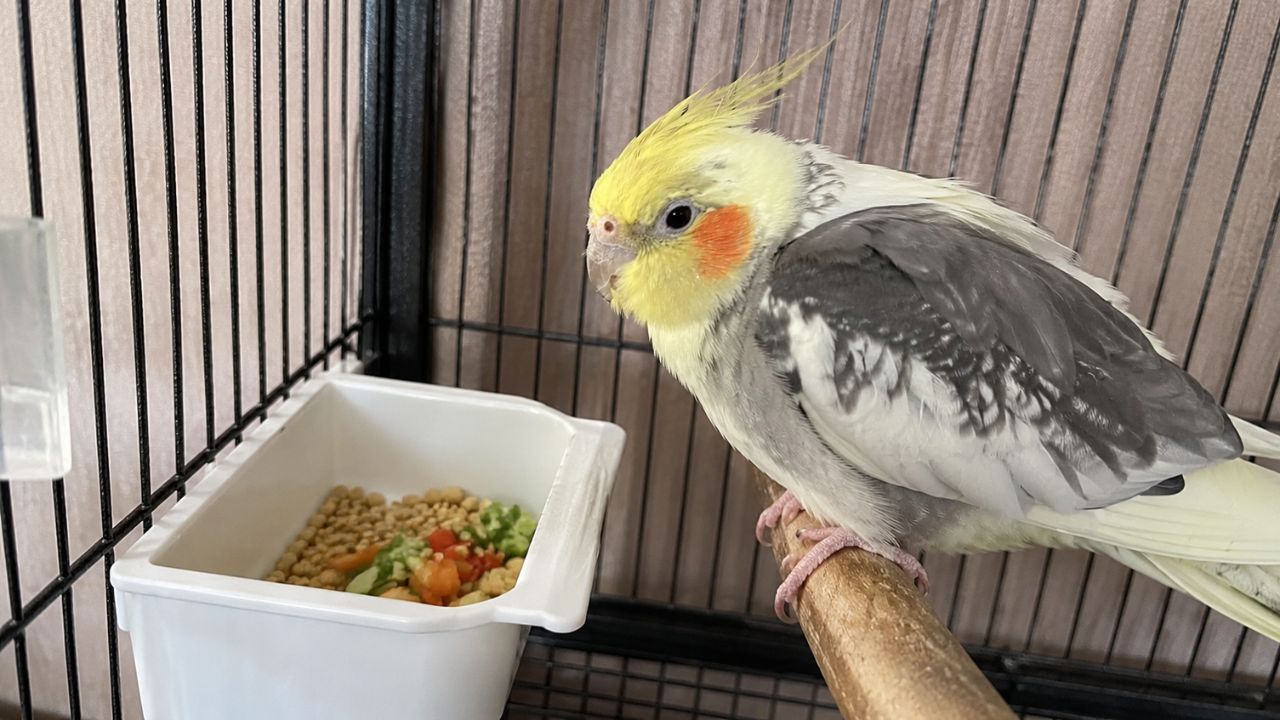

Safety correction, 24 September 2026: Veterinary guidance on recognising illness in birds supports prompt professional contact for reduced appetite or illness signs. Do not use a time threshold or an apparently alert posture to decide that it is safe to delay care.
Neil has kept, bred, and sold cockatiels at Paradise Pets Swindon since 1988 — over 35 years of first-hand experience with these birds. A cockatiel that has stopped eating is always serious. This is his honest, urgent guide on what to do.
A retired teacher came into the shop one afternoon with her cockatiel in a travel cage. She had owned him for eleven years. He had always been healthy — good weight, good feathers, vocal and active. Over the past three days, he had barely eaten.
She had waited three days before coming in.
I want to say that gently — not to make her feel bad, because she had not known any better — but because it is the central lesson of this article. With cockatiels, as with most birds, three days is too long to wait. The window for intervention is much shorter than most owners realise.
Her cockatiel recovered, because she came in when she did and we got him to a vet that afternoon. But it was closer than it should have been. And the only reason she waited three days was that nobody had told her how serious this was.
This article is that conversation, had before the problem rather than during it.
Why Cockatiels Not Eating Is Always Serious
Cockatiels, like all birds, are prey animals. In the wild, a sick bird is a vulnerable bird — and vulnerable birds get eaten. So over thousands of years of evolution, birds have developed an extraordinary ability to hide illness. They keep eating when they can, keep moving when they can, keep looking normal until their body simply cannot maintain that effort any longer.
By the time a cockatiel visibly stops eating — properly, consistently, over more than a day — it has usually been unwell for several days already. The hiding stops when the bird no longer has the energy to maintain the performance.
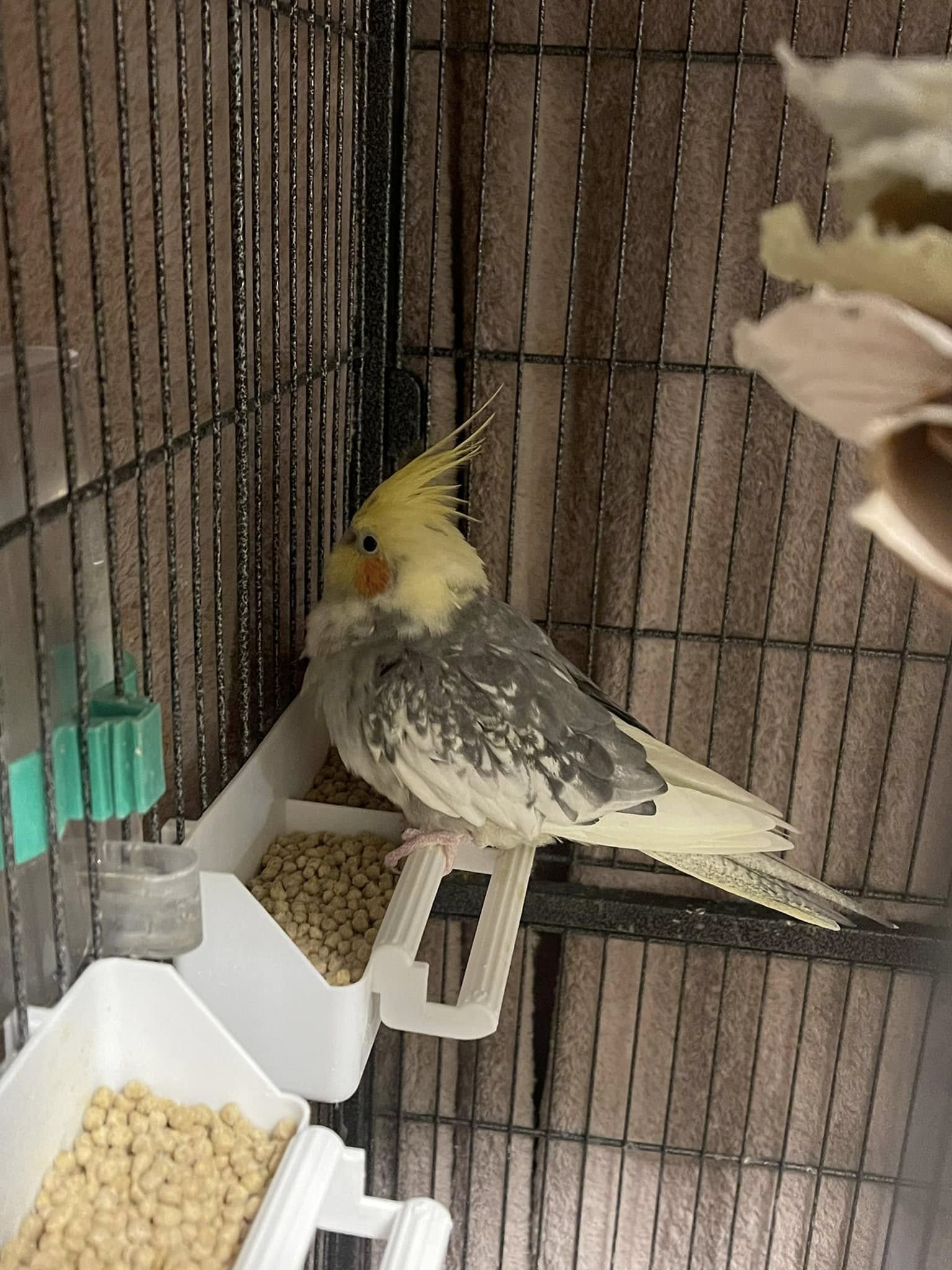
This is why prompt action matters so much. The visible symptom is not the beginning of the problem. It is often the late stages of it.
First — Has Your Cockatiel Actually Stopped Eating?
Before we go into causes, I want to make sure we are talking about the same thing. Because owners sometimes misread what they are seeing.
Cockatiels eat at various points throughout the day and may appear less active at certain times — particularly in the early afternoon when many birds take a rest period. A cockatiel that has not eaten at one specific check may simply have eaten earlier.
The reliable way to confirm reduced eating is to weigh the bird. A kitchen scale accurate to one gram is an essential piece of kit for cockatiel owners — and one that most do not have. A cockatiel losing more than one or two grams per day is losing weight at a rate that requires attention.
Without scales, look at the keel bone — the central breast bone you can feel by gently running a finger down the chest. A healthy cockatiel’s keel bone has some muscle either side of it and is not prominently obvious. A bird that has not been eating properly will have a keel bone that feels sharp and prominent, with little flesh either side. That is a clear sign of weight loss.
The Most Common Causes — In Order
Cause 1: Illness or Infection
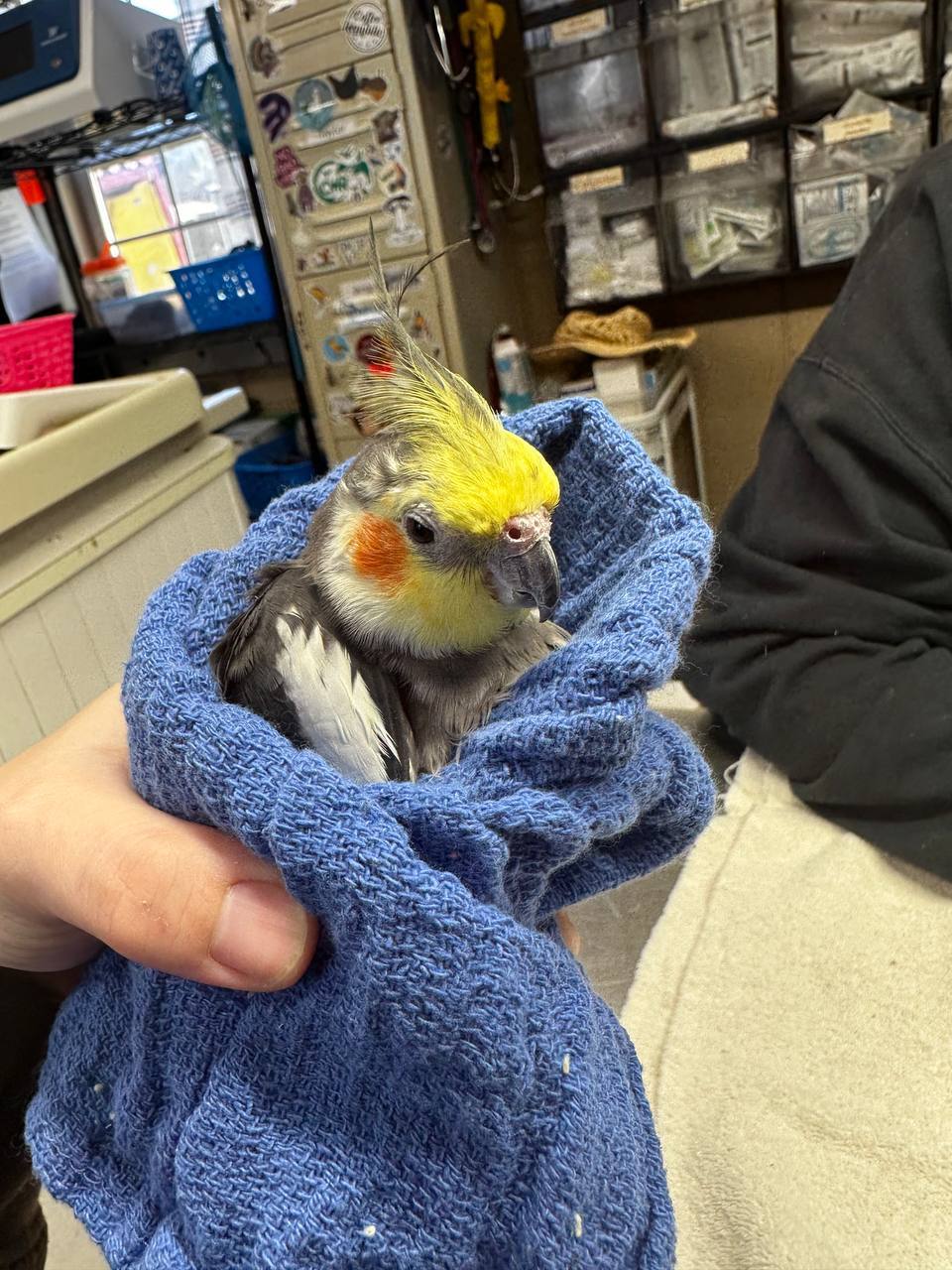
This is the cause I see most often and the one that owners need to take most seriously. A cockatiel that has reduced its eating significantly, combined with any other sign of being unwell, is almost certainly fighting an infection or illness.
Respiratory infections are particularly common in cockatiels and can cause a bird to stop eating because the congestion and discomfort make eating difficult. Watch for any breathing-related signs alongside the reduced eating — clicking or wheezing sounds, tail bobbing in time with breathing, discharge from the nostrils. If you see any of these alongside not eating, this is an emergency vet visit. Do not wait.
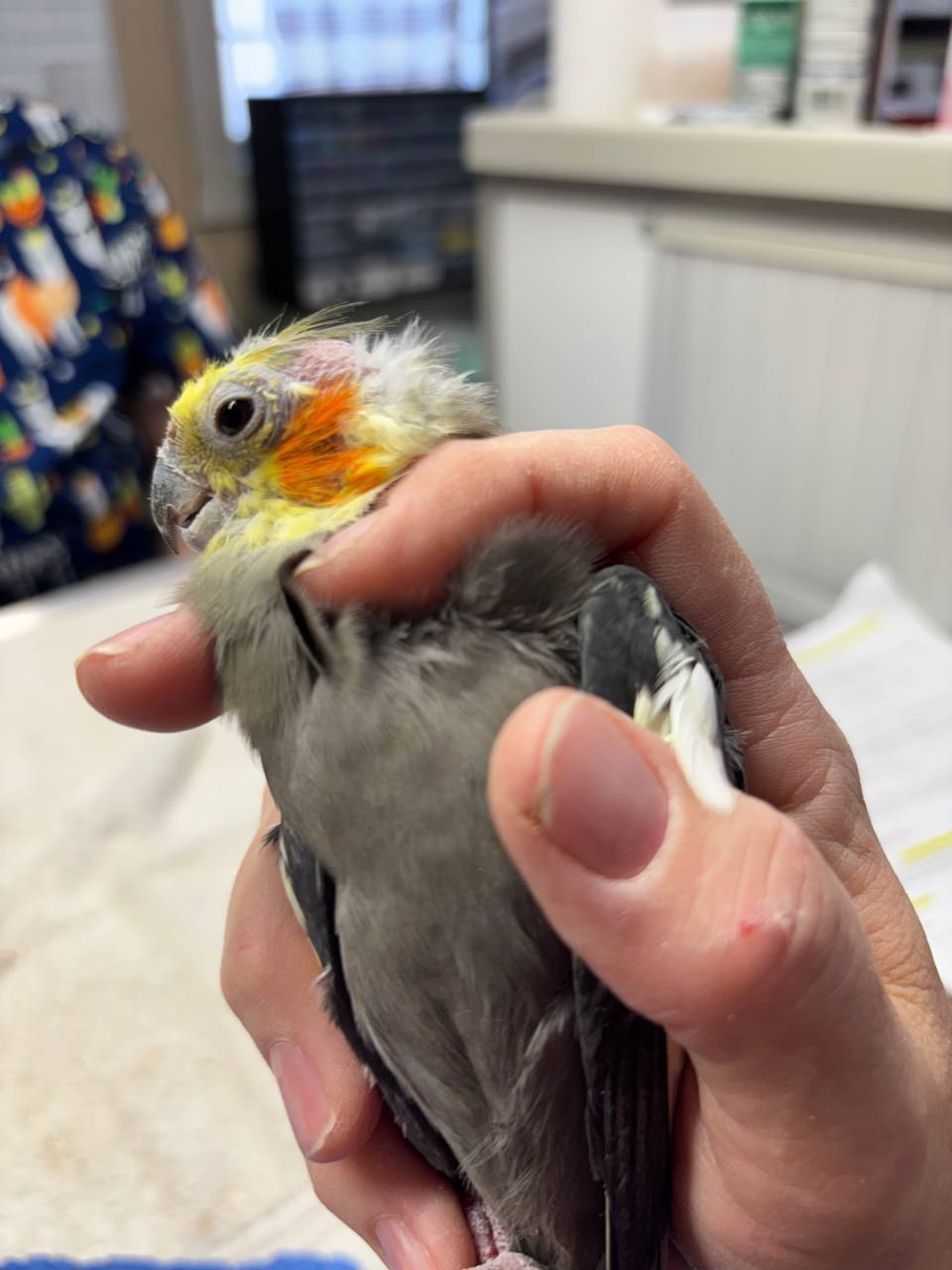
- Clicking or wheezing sounds when breathing
- Tail bobbing rhythmically at rest
- Sitting fluffed on the floor of the cage
- Discharge from nostrils or eyes
- Significant weight loss — keel bone feels sharp and prominent
- Completely unresponsive to your presence or voice
Cause 2: Dietary Change or Food Refusal
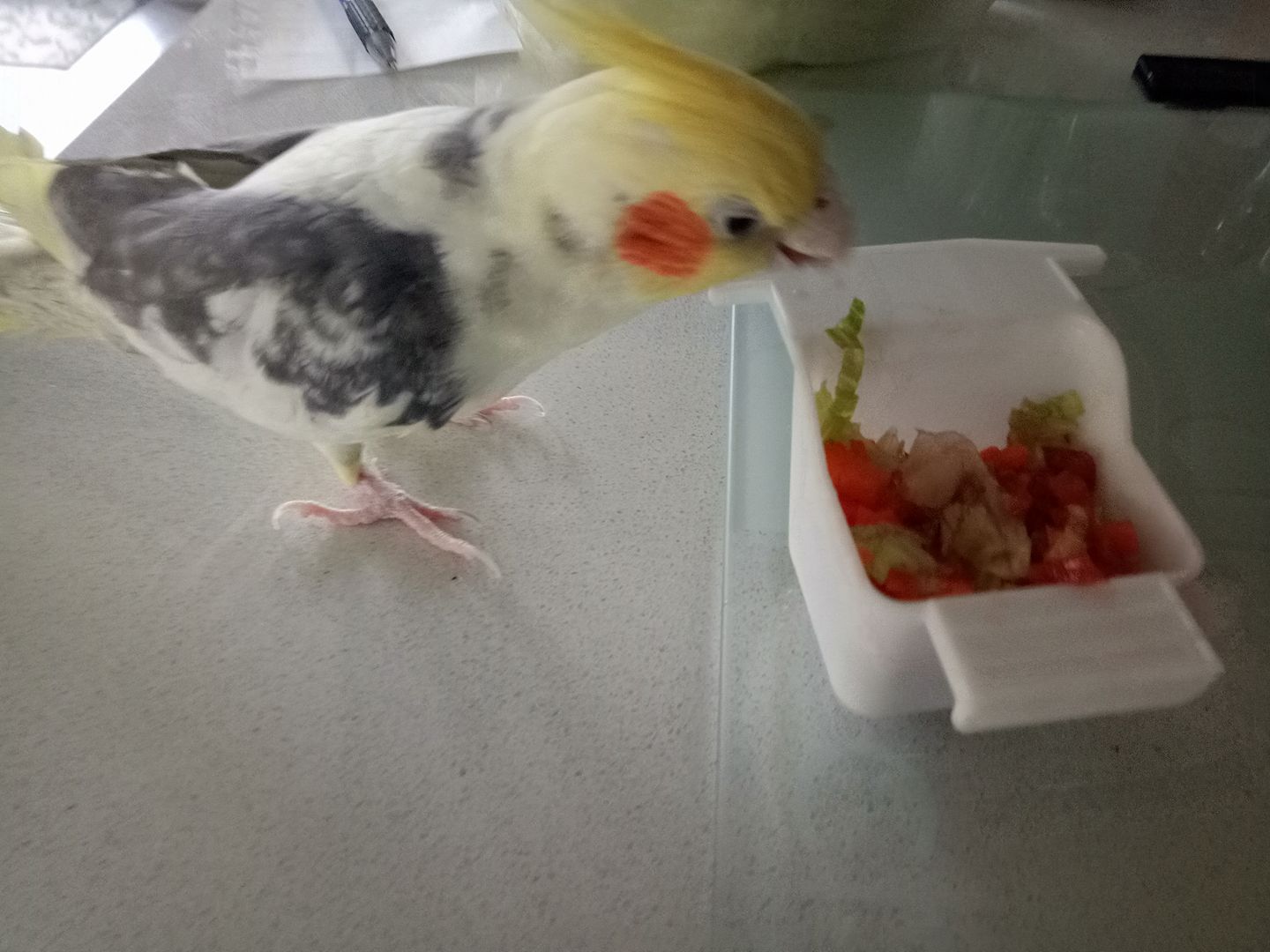
Cockatiels can be notoriously conservative about food. A bird that has been on one type of seed mix its entire life may flatly refuse a new brand, a new type of seed, or anything unfamiliar. This is frustrating but common, and it is important to distinguish it from illness-related not eating.
A food-refusal bird is otherwise alert, vocal, and actively interested in what you are doing — it is just not eating what you put in front of it. An ill bird is quiet, withdrawn, and disengaged. The behaviour difference is usually fairly clear.
If you have recently changed the food and the bird seems otherwise well, revert to the previous food while you introduce the new one gradually. Never switch a cockatiel’s diet abruptly — the transition needs to happen slowly, over weeks, with the old food still available.
Cause 3: Stress
Cockatiels are sensitive birds and significant environmental changes can suppress their appetite. New home, new cage position, a new person in the house, a new pet, building work nearby, a change in routine — any of these can cause a cockatiel to go quiet and eat less for a period.
A recent move or other stress may be relevant, but does not prove why eating has changed. Call an avian vet promptly rather than waiting twenty-four hours for normal eating to return.
Cause 4: Boredom and Understimulation
A cockatiel that is deeply bored or understimulated can develop reduced interest in food as part of a general withdrawal. This is less acute than illness-related not eating — it tends to develop gradually and is accompanied by other signs of depression, such as reduced vocalisation, less activity, and general disengagement.
If you suspect this is the cause, the solution is environmental enrichment — more interaction, more toys, more out-of-cage time, and ideally a companion bird. Our guide on why cockatiels are not beginner birds covers what cockatiels actually need day-to-day to stay mentally healthy.
Cause 5: Female Cockatiels and Egg Laying
Female cockatiels can lay eggs — with or without a male present — and the process can significantly affect their appetite. A female in the run-up to laying may eat less than usual, become quieter, and spend more time in corners or on the cage floor.
If your cockatiel is female and is showing signs of not eating alongside hormonal behaviour — seeking enclosed spaces, sitting low, spending time at the bottom of the cage — egg binding is a possibility that needs to be ruled out. A female cockatiel that cannot pass an egg can die within hours. If you suspect this, see a vet today.

Information to Record for the Vet
- How long has it actually not been eating?
Record when intake changed and call an avian vet promptly. Do not wait for twelve or twenty-four hours to pass. - Is the bird otherwise alert and responsive?
A bird that is quiet, withdrawn, and not responding to your presence is more likely dealing with illness than a picky food day. - Has anything changed recently?
Describe any new food, environment or routine. A change may be relevant, but does not prove the cause or rule out illness. - Is the bird female?
If yes, hormonal behaviour and egg-related issues move to the front of the list of possible causes. - Are there any other signs alongside the not eating?
Breathing changes, discharge, changed droppings, weight loss — any of these alongside not eating moves this straight to a vet visit.
What To Do Right Now
| What you are seeing | What to do | Urgency |
|---|---|---|
| Eating less than usual, otherwise alert | Record intake and call an avian vet | Promptly |
| Not eating, even without other signs | Phone an avian vet directly for triage | Promptly |
| Not eating plus breathing changes | Vet immediately | Emergency |
| Not eating plus sitting on cage floor | Vet immediately | Emergency |
| Female, not eating, sitting low | Vet today — rule out egg binding | Urgent |
| Food change with reduced intake | Offer familiar food and seek veterinary advice | Promptly; do not assume pickiness |
Prevention — What I Tell Every New Cockatiel Owner
- Weigh your cockatiel weekly on a kitchen scale — weight loss is the earliest reliable sign of a problem
- Observe the bird every morning — note how it looks, how it moves, whether it eats when you put food in
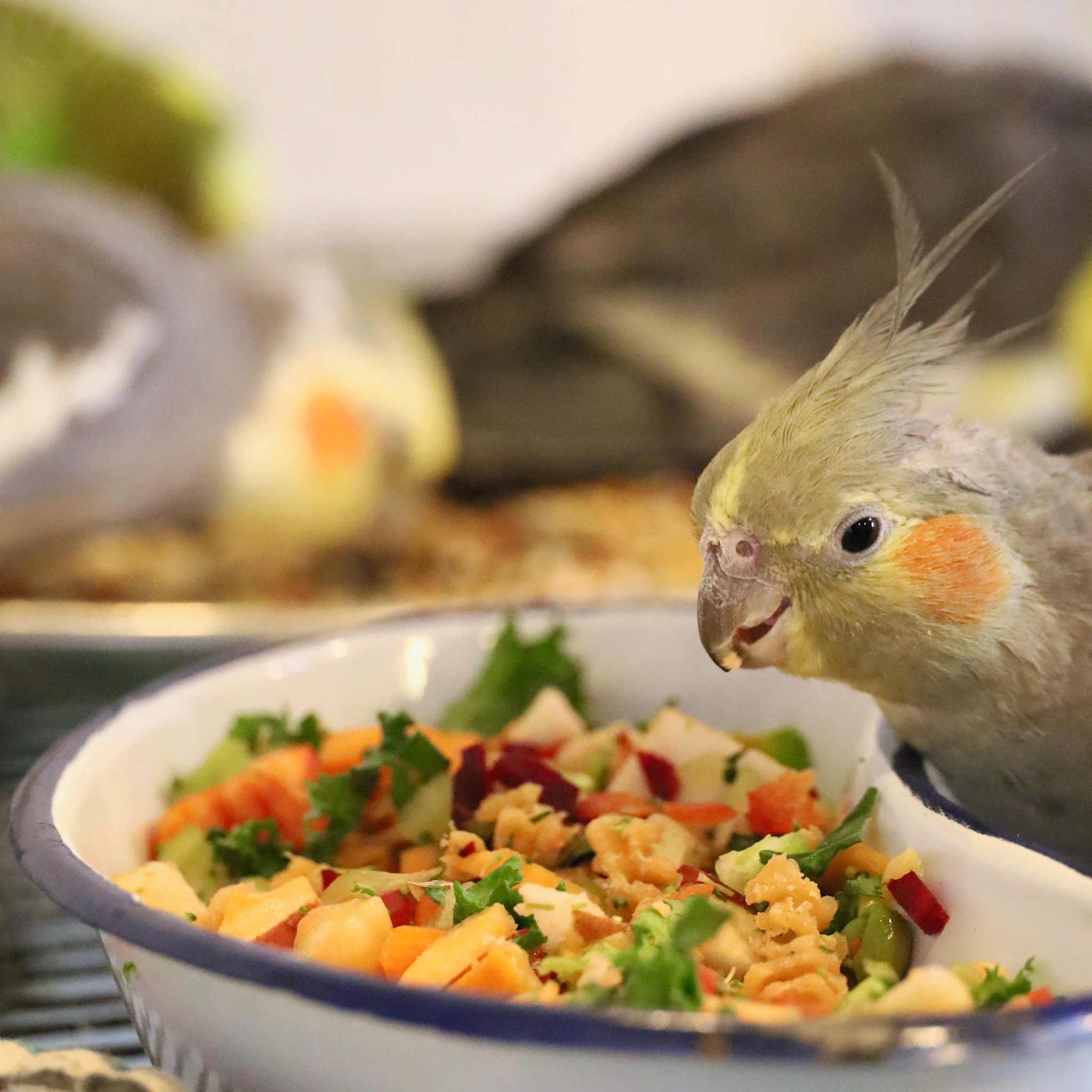
- Provide a varied diet — seed mix plus fresh vegetables plus pellets. A bird on a varied diet is more resilient than one on seed alone
- Find an avian vet before you need one — when time matters, you do not want to be searching
- Know what normal looks like for your specific bird — changes from normal are always the first sign something is wrong
Frequently Asked Questions
How long can a cockatiel go without eating?
Do not use a survival estimate to decide when to seek help. A cockatiel that has stopped eating needs a prompt call to an avian vet, before an arbitrary twelve- or twenty-four-hour deadline.
My cockatiel is eating but much less than usual — should I worry?
Yes. Record the change and call an avian vet promptly, even if the bird is still active. Existing weight records may help, but monitoring should not delay contact.
Can cockatiels be picky eaters?
A bird may reject unfamiliar food, but alert behaviour cannot distinguish pickiness from illness. Keep familiar food available and contact an avian vet if total intake falls.
Where can I get honest cockatiel advice in Swindon?
For general food and equipment questions, contact Paradise Pets at Manor Garden Centre, Cheney Manor, Swindon SN2 2QJ, or on 01793 512400. A cockatiel eating less needs an avian vet first.
Worried About Your Cockatiel? Come And See Us
Bring your bird, bring a video, or just bring your questions. We will have a proper look and tell you honestly what we think. Free advice, no obligation. 35 years of helping cockatiel owners in Swindon.