
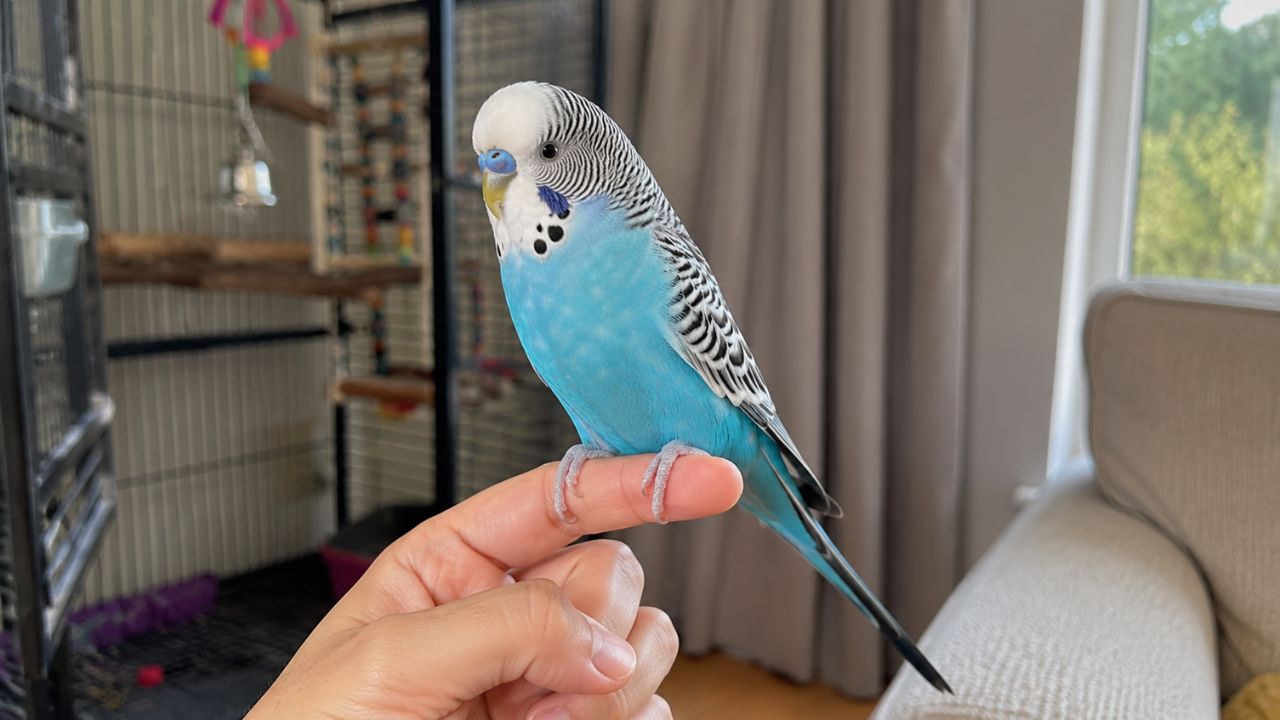

Neil has kept, bred, and sold budgies at Paradise Pets Swindon since 1988 — over 35 years of first-hand experience with these birds. In that time, he has noticed a clear pattern: people who live alone often end up with the most rewarding relationships with their budgies. This article explains exactly why — and how to get it right.
She came in on her own, a Tuesday afternoon, and she spent a long time looking at the budgies before she said anything. Then she turned to me and said something I have heard many times over the years, in slightly different words each time.
“I live alone. I work from home. I want a bird that will actually interact with me — not just sit there looking pretty. But I don’t know which one to choose.”
I like this question. It is one of the most honest questions someone can ask in a pet shop — because it acknowledges that different circumstances call for different choices, and it puts the animal’s welfare alongside the owner’s needs. Both matter. Both should be part of the decision.
After 35 years of answering this question, here is my honest guide.
Why Living Alone Changes Everything About Budgie Ownership
Most budgie care advice is written with a family household in mind — multiple people, children coming and going, the television on, regular activity and noise. A single person working from home is a completely different environment. And that difference matters in ways that most people do not realise before they buy.
In a busy household, a budgie has constant stimulation. People moving around, different voices, different activity. The bird barely notices when one person leaves the room because there are usually others around.
In a single-person household, the budgie’s entire social world is one person. When that person leaves — even briefly — the bird notices. When that person is present, the bird’s entire attention is on them. The bond that develops is more intense, more personal, and often more rewarding than anything a family budgie experiences. But it also comes with specific responsibilities that a family setup does not.
The Central Question — One Bird or Two?
This is the question I always ask before anything else, because the answer shapes everything that follows.
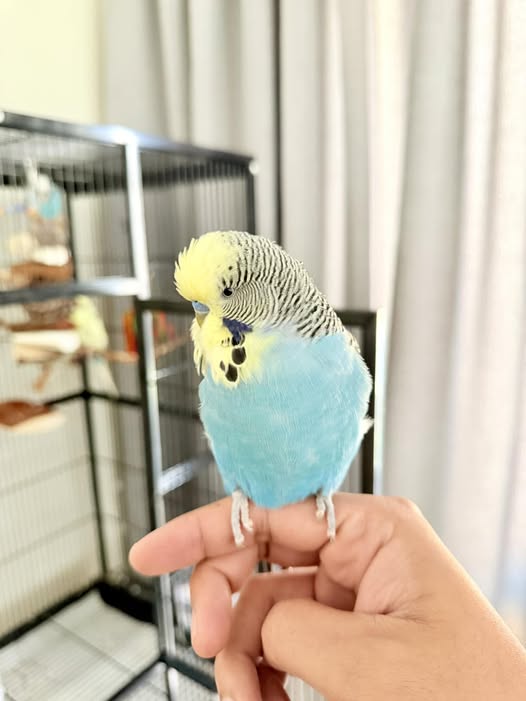
Most advice on budgies — including advice I give generally — leans toward keeping two birds rather than one. Budgies are flock animals and they suffer in isolation. That is genuinely true. But there is a specific circumstance in which a single bird can thrive, and that circumstance is a person who is home for most of the day and can provide consistent, genuine companionship.
If you work from home, are retired, or are home for significant parts of the day — a single budgie can work well. The bird will bond to you as its flock. It will talk to you, interact with you, follow your movements with its eyes and its body. That relationship is deep and often remarkable.
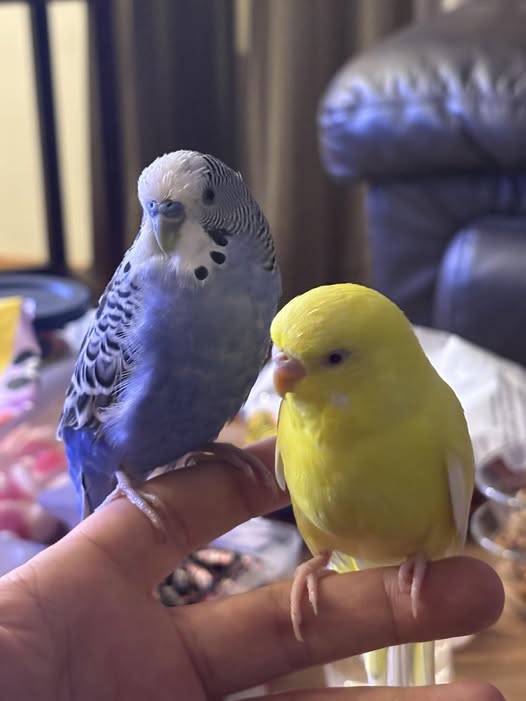
If you work outside the home all day and the bird will be alone for eight hours or more — a pair is strongly recommended. A lone budgie alone all day in a flat will develop problems: feather plucking, repetitive behaviours, depression. A paired bird has company, and is also often friendlier with people than you would expect, because it is not desperately seeking human contact out of loneliness.
Which Type of Budgie — My Honest Recommendation
Assuming you are home frequently and considering a single bird, here is my honest breakdown of which budgie is most likely to suit someone living alone.
Standard Budgies — The Classic Choice
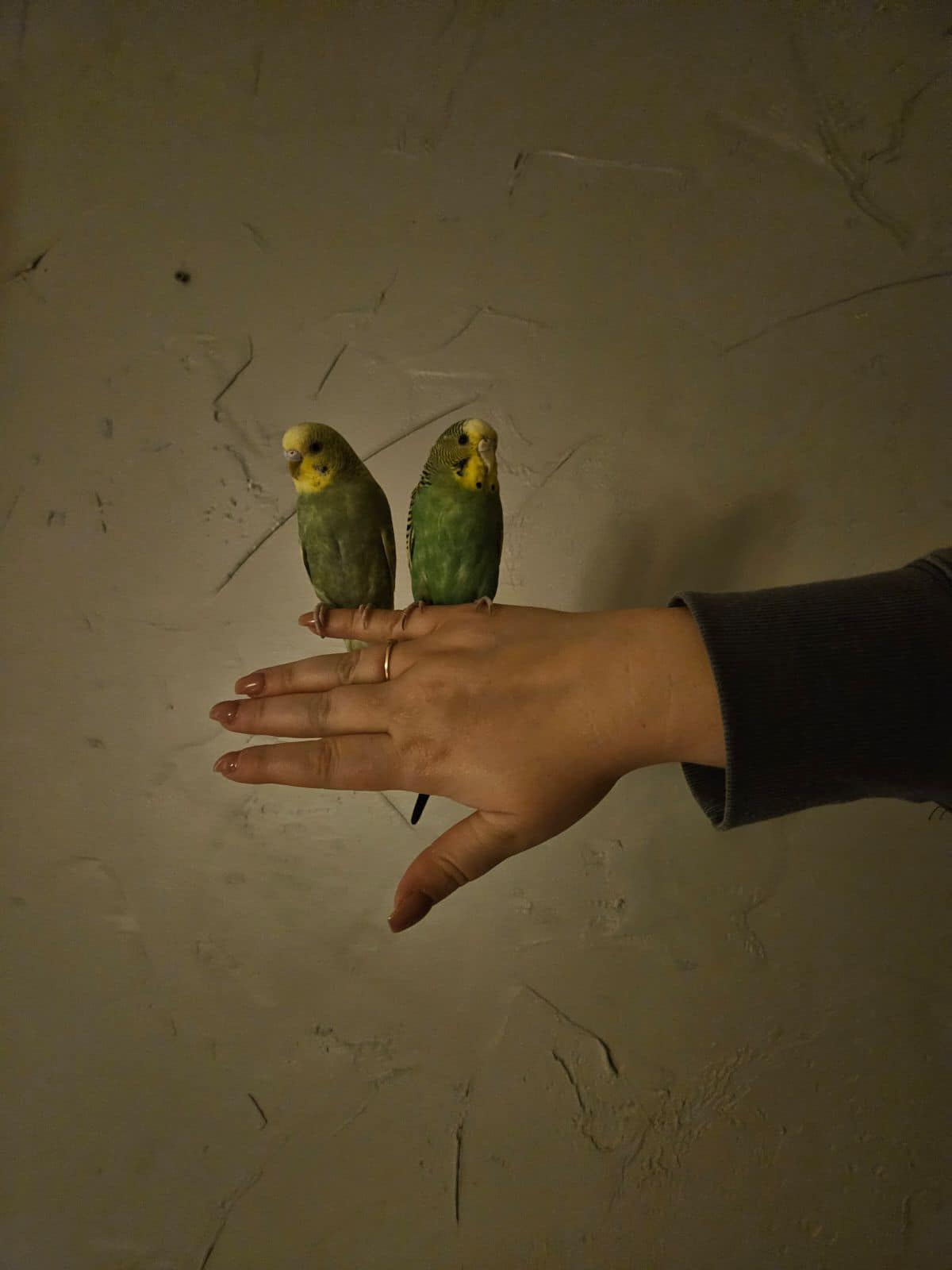
Standard budgies are the variety most people picture — the bright green, blue, yellow, and white birds that have been kept as pets for well over a century. They are small, active, curious, and vocal. A male standard budgie, hand-tamed from a young age and given consistent attention, is one of the most likely birds to develop genuine speech — clear words, short phrases, sometimes much more than that.
They are also the most commonly available variety, which means you have the widest choice of individual birds. And individual personality matters enormously with budgies — more than variety or colour.
English Budgies — The Calmer Option
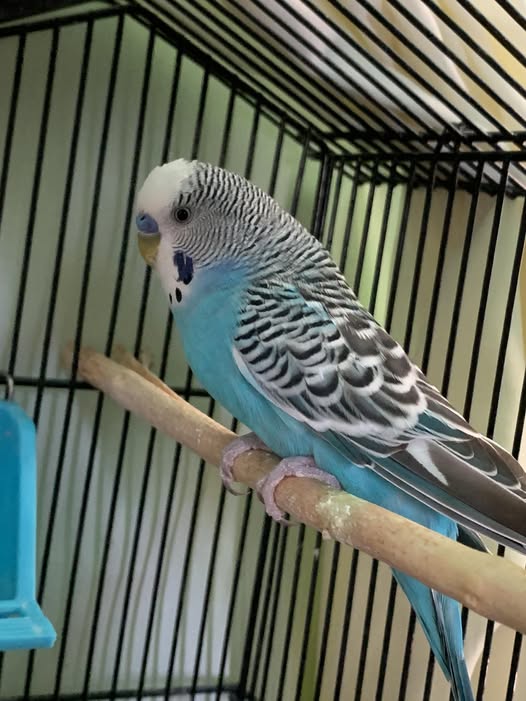
English budgies are larger than standard budgies, with distinctive fluffy head feathering and a calmer, slower-moving temperament. They are less likely to develop extensive speech, but they are often more relaxed and less demanding in terms of activity level. For someone who wants a companion that is present and engaged but not constantly bouncing around the cage, an English budgie can be an excellent choice.
They are less commonly available than standard budgies, so it is worth calling ahead to check what we have in stock.
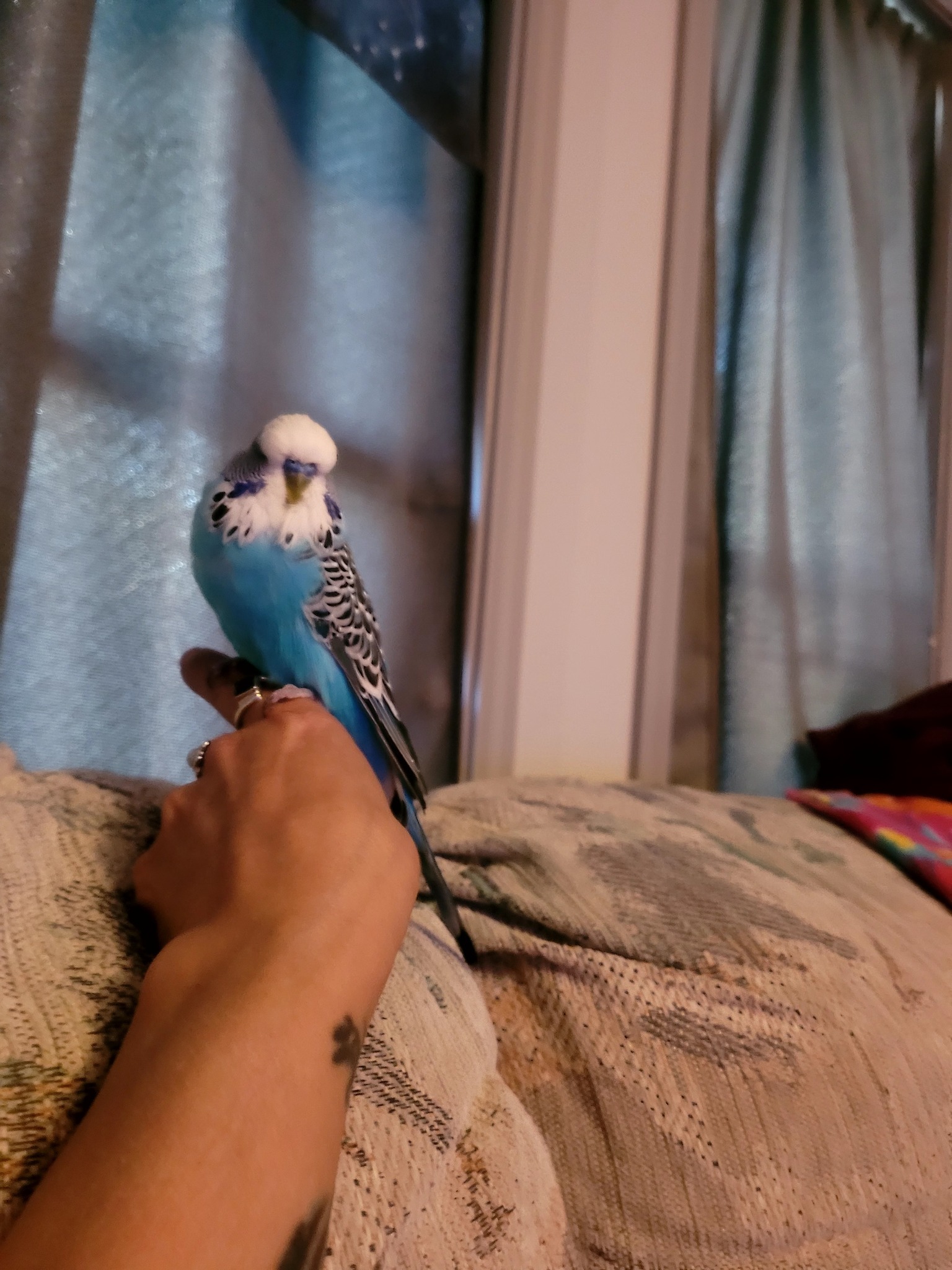
Male or Female?
For someone who specifically wants a talking bird — and this is a very common priority for people living alone — a male budgie is the more reliable choice. Males are more inclined to vocalise, more likely to experiment with sounds, and statistically more likely to develop recognisable words and phrases.
That said, “more likely” is not the same as “will.” I have sold male budgies that never said a word, and female budgies that said dozens. Individual personality matters more than sex. If you want to read the full breakdown of the difference, our guide on male versus female budgies covers it in detail.
What A Budgie Needs From Someone Living Alone
This is the section I think is most important, and it is the one that most pet shop advice skips entirely.
A budgie bonded to a single person is deeply attuned to that person’s presence and routine. This is wonderful when you are home. It requires some thought when you are not.
The Leaving Problem
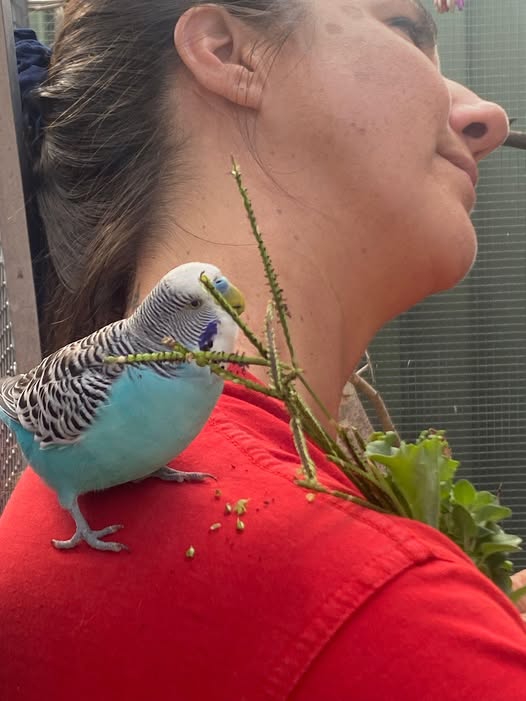
A budgie bonded to you will call when you leave the room. Not because it is badly behaved — because it is checking where you are. The way to manage this is simple: respond. A short whistle, a word, showing yourself briefly in the doorway. The bird knows you are there, relaxes, and settles. Owners who understand this find it charming. Owners who do not know about it find it confusing and sometimes maddening.
The Holiday Problem
A single budgie bonded to one person needs careful management when that person goes away. The bird needs someone it knows, ideally in the same environment, who will provide the same level of interaction. Leaving it with a stranger in a strange place is genuinely stressful for the bird. This is worth thinking about before you buy, not after.
The Working Problem
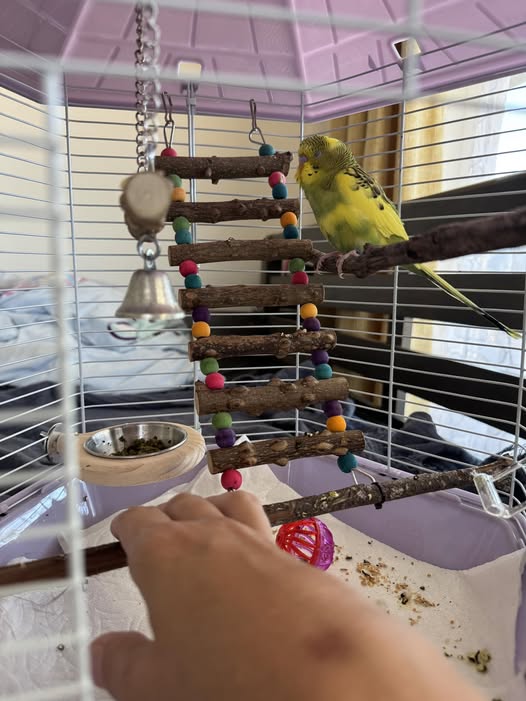
If you work from home, a budgie is an ideal companion — it will be near you, interact with you during breaks, and keep a quiet but present company through the day. If you have meetings or calls, the bird may call during them. Some owners solve this by covering the cage briefly during calls — the bird settles in the dark. Others simply work with the noise as background. Either approach can work.
- How many hours a day are you actually home?
This determines whether a single bird or a pair makes more sense. More than six hours at home daily — single bird can work. Mostly out — pair is strongly recommended. - What do you want from the bird specifically?
Talking and direct interaction — male standard budgie, single, hand-tamed. Calm companion presence — English budgie or female. Either sex in a pair. - What will you do when you go on holiday?
This is the question most people have not thought about. It matters enormously for a bird bonded to one person. Think about it before you buy. - Do you have any other pets?
A cat and a budgie in the same flat requires very careful management. A dog varies. I need to know before making a recommendation. - Have you kept a bird before?
First-time bird owners get more of my time at the counter. Not because budgies are complicated — they are not — but because the taming process and the daily routine are easier to get right first time than to fix later.
The Taming Process — Getting It Right From Day One
A budgie bought from a reputable source at a young age — ideally six to twelve weeks old — and handled consistently from the start will become hand-tame within weeks. This is not complicated, but it requires patience and consistency.
The basic process: spend time near the cage every day without forcing interaction. Let the bird get used to your presence. Then introduce your hand — not reaching for the bird, just resting in the cage. Let the bird investigate at its own pace. Eventually, offer a finger as a perch. The bird steps up when it is ready, not when you decide it should be.
The mistake most first-time owners make is going too fast. They want to handle the bird immediately. The bird is not ready. The early interactions are negative. Trust is damaged before it has been built. Patience in the first two weeks pays dividends for the next ten years.
What To Expect — The Honest Version
I want to tell you what a well-tamed budgie in a single-person household actually looks like — because the reality is better than most people expect, and knowing what is possible helps you invest properly in getting there.
A budgie that has bonded with you will come to the front of the cage when you enter the room. It will call to you when you leave. It will sit on your shoulder for extended periods, occasionally preening your hair or investigating your ear with a gentle, curious beak. If it develops speech — and many do — you will hear your words and phrases played back to you in a small, slightly mechanical voice that is genuinely surreal the first time you hear it.
The warbling sound a contented budgie makes when it is comfortable and engaged — a soft, continuous chattering to itself — is one of the most peaceful sounds in a home. Once you live with it, the absence of it tells you immediately when something is off.
That relationship is entirely available to you. It just requires the right start.
One Last Thing
If you come into Paradise Pets and describe your situation to me — working from home, living alone, wanting a bird that will actually interact with you — I will not just point you at the nearest cage. I will spend time with you working out which individual bird, at what age, in what setup, makes most sense for your specific situation.
That is the only way to get it right. And getting it right matters — for you, and for the bird.
Come and see us. We stock budgies year-round in a range of colours and varieties, all UK-bred and handled from a young age. There is no pressure and no rush. The right bird, in the right home, is worth finding properly.
Visit Us at Paradise Pets Swindon
We stock standard and English budgies year-round — males and females, in a range of colour varieties. All UK-bred, all handled from a young age. Come in and spend some time with the birds before you decide.