


Neil has been keeping, breeding, and selling budgies at Paradise Pets Swindon since 1988 — over 35 years of daily first-hand experience with these birds and the people who keep them. Cage bar licking is a behaviour that comes up at the counter regularly — and the answers range from completely harmless to a meaningful signal worth paying attention to. This is his honest guide to every reason a budgie licks its cage bars, what each one means, and the one version that occasionally points toward something that needs addressing.
A man came into the shop on a Saturday morning and described his budgie’s behaviour with the slightly embarrassed tone people use when they think they might be wasting my time. His budgie, he said, had taken to licking the cage bars. Not chewing them, not biting them — licking. Running its tongue along the bars repeatedly, particularly in the morning and after eating. The bird was otherwise completely normal. He had looked it up online and found about seven different explanations, three of which contradicted each other, and he was no clearer than when he had started.
I told him what it almost certainly was.
Mineral-seeking behaviour — a budgie investigating an environmental surface for trace minerals, often triggered by something as simple as the zinc coating on galvanised cage bars. Entirely normal in most cases, completely harmless, and one of the more interesting things budgies do that most owners never notice or, when they do notice, spend considerably more time worrying about than the situation deserves.
He looked relieved. Then I told him the full picture — because there are contexts in which cage bar licking is a minor thing to note, and contexts in which it reflects a genuine dietary gap. He deserved to know the difference, and so do you.
Why Budgies Lick Things — The Biology First
Before I go through the specific reasons for cage bar licking, I want to explain something about budgie behaviour that makes the whole topic make sense — because without this context, cage bar licking seems arbitrary.
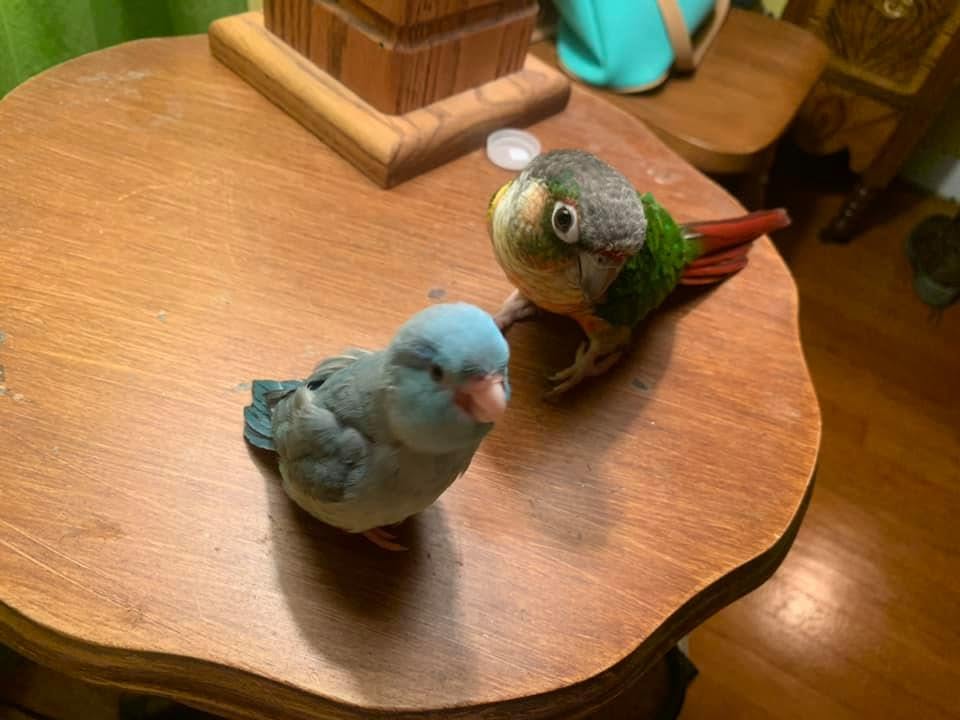
Budgies, like all parrots, explore their environment with their beaks and tongues. The tongue is a sensory organ as much as a feeding tool. When a budgie encounters a new object, a surface it has not investigated recently, or something that has produced an interesting sensation before, it will often mouth it — running the tongue along it, pressing the beak against it, tasting and feeling in the same motion. This is normal investigative behaviour and it is part of how budgies gather information about their world.
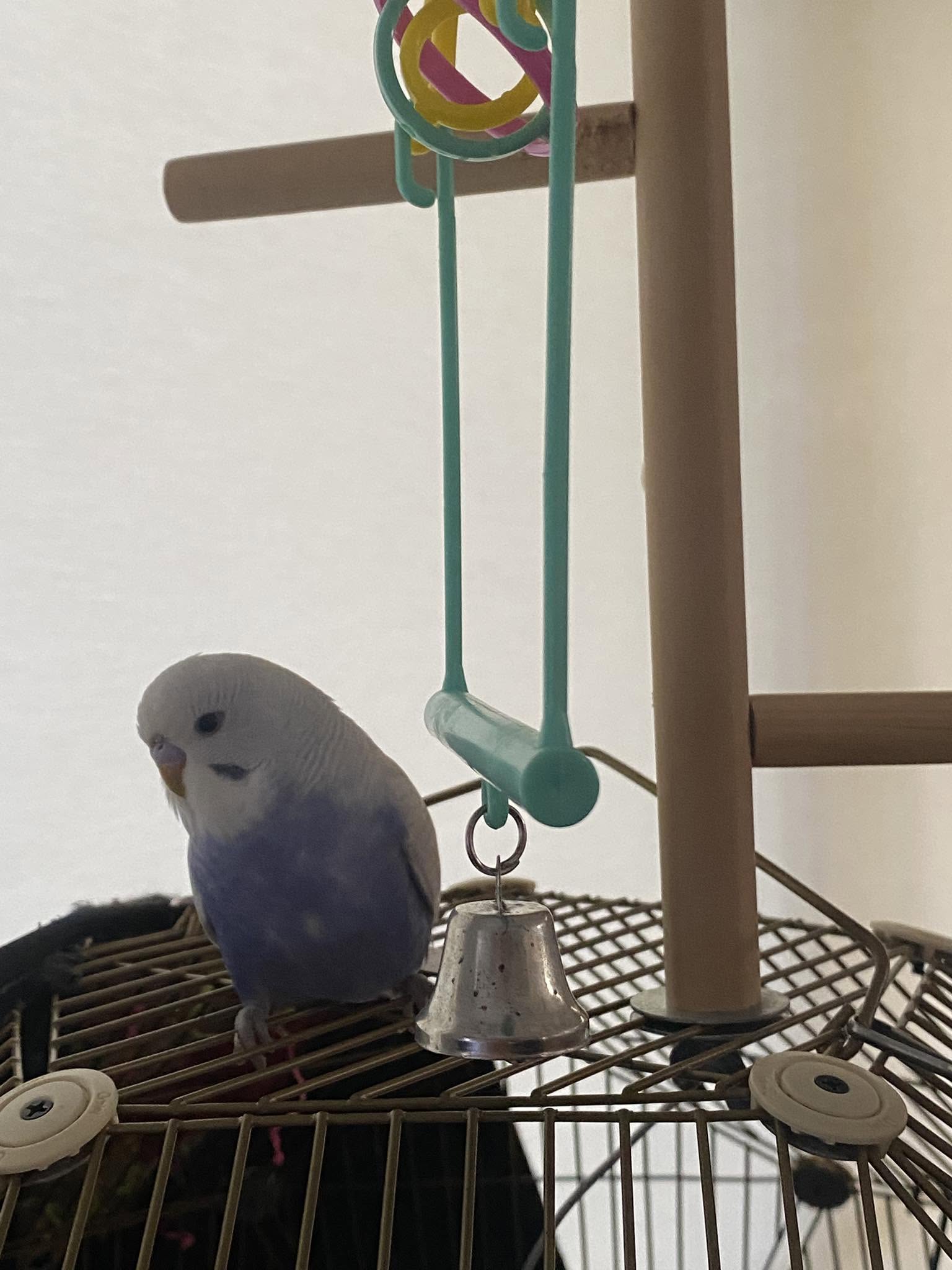
The cage bars are the most consistently present surface in a budgie’s environment. They are there every day, they may carry trace residues from cleaning products, from the bird’s own droppings, from food, from the galvanisation process of the metal itself. A budgie that licks its cage bars is not doing something random — it is doing something purposeful, even if the purpose is not immediately obvious.
- Parrots use their tongues to investigate as well as to eat — licking is part of normal sensory exploration; it is not a sign of illness, stress, or boredom in isolation
- The cage bars are the most consistently present surface in the bird’s environment — it would be surprising if a budgie never investigated them
- Frequency and context matter more than the behaviour itself — occasional cage bar licking is normal; sustained, repetitive licking that dominates the bird’s active time is worth looking at more carefully
- What the bird does after licking tells you something — a bird that licks briefly and moves on is exploring; a bird that licks persistently and returns repeatedly to the same spot is seeking something specific
The Main Reasons — What Is Actually Driving the Behaviour
Mineral Seeking — The Most Common Cause
This is what I told the man who came in on Saturday morning, and it is the explanation that fits most cases of budgie cage bar licking. Budgies have a genuine physiological drive to seek out minerals — calcium, sodium, zinc, and trace elements — that may be absent or insufficient in their diet. When a bird detects a mineral source, it will investigate and lick it repeatedly.
Cage bars — particularly galvanised steel bars, which are the most common material in standard budgie cages — have a zinc coating. Zinc is a trace mineral that budgies require in small amounts. The surface of a galvanised bar has enough of a mineral signature to attract investigation and repeated licking in some birds.
- Galvanised bar licking is most common in birds on seed-heavy or seed-only diets — seeds are deficient in many minerals; a bird that is not getting adequate mineral provision from its food will seek it elsewhere; the cage bars are a logical target
- The behaviour often increases after eating — the bird has eaten, its appetite is partially satisfied, and its mineral-seeking drive becomes more prominent; post-feeding cage bar licking is a common pattern
- Providing a cuttlebone or mineral block usually reduces or eliminates the behaviour — cuttlebone is calcium-rich and provides the mineral provision that the bars are substituting for; a bird that licks bars but has no cuttlebone in the cage should have one added immediately; in most cases the bar licking reduces within days
- Iodine blocks and mineral perches — both provide trace minerals in a form the bird can access safely; worth adding to any cage where mineral-seeking behaviour is observed
- The zinc on galvanised bars is not toxic in the amounts accessed by licking — this is a concern that comes up regularly; the trace amount of zinc transferred by licking a galvanised bar is not harmful; zinc toxicity in birds occurs from ingesting significant amounts of zinc — from chewing through plated metal fittings, swallowing zinc-coated objects, or being kept in a cage where the coating has corroded and is flaking; licking is not the same as ingesting and is not a toxicity risk in normal circumstances
Salt Seeking
Salt — sodium chloride — is a mineral that birds require in small amounts and that is often absent from seed-based diets. A bird that has been handling food with its beak may transfer trace amounts of salt from the owner’s fingers to the bars; or the bars may carry salt residue from previous handling. The bird licks the bars because it is detecting sodium.
- This is most noticeable after the owner has been handling the bird or touching the bars — human skin transfers salt residue readily; a bird that starts licking the bars after you have held it or touched the cage has detected the salt from your skin
- It is harmless and does not need to be stopped — the amounts of sodium transferred this way are negligible; the bird is not consuming a harmful amount
- If you are concerned about the bird’s sodium intake from its diet — a balanced diet including pellets and fresh vegetables provides adequate sodium without the need for supplementation; seed-only diets are often sodium-deficient alongside their other nutritional deficiencies
Taste and Residue Investigation
Cage bars accumulate residue. Cleaning product residue, food residue from the bird’s own beak, droppings, environmental dust. A budgie that licks a specific spot on the bars repeatedly has often identified a residue of some kind at that spot — not a mineral deficiency, just something interesting that has accumulated there.
- Check the spot the bird returns to most frequently — is there any visible residue, staining, or deposit at that location? If yes, clean the bar thoroughly with a pet-safe cleaner and the licking of that specific spot will usually stop
- Cleaning product residue — some cage cleaning products leave a residue that is detectable to birds even after the cage appears clean; if bar licking started after a cage clean, rinse the bars thoroughly with plain water and allow to dry completely before returning the bird
- Food transfer from the beak — budgies often wipe their beaks on the bars after eating; the food residue at wiping points attracts subsequent investigation; this is normal and not a concern

Boredom and Understimulation
This is the cause owners most often suggest when they come in and describe cage bar licking, and it is — in my honest experience — less commonly the primary cause than mineral seeking. But it is a real contributor in some cases, particularly where the bar licking is sustained and accompanies other repetitive behaviours.
- A budgie with adequate enrichment, social contact, and out-of-cage time rarely licks bars compulsively — the behaviour tends to be brief and occasional in well-stimulated birds; when it is sustained and repetitive in a bird with little else to do, boredom is a reasonable contributing factor
- Bar licking as a stereotypy — in cases where a budgie is kept in genuinely poor conditions — too small a cage, no enrichment, minimal interaction, long periods alone — repetitive behaviours including bar licking can develop into stereotypies: fixed, repetitive patterns that the bird performs regardless of other stimulation; this is a welfare concern and reflects an environment that needs improving, not a training problem
- Assess the overall environment honestly — how large is the cage? How much out-of-cage time does the bird get? Are toys rotated? Is the bird alone? If the answers suggest a poor environment, improving the environment will address the bar licking as a secondary effect
- Adding foraging opportunities specifically — wrapping treats in paper, hiding food in toy components, hanging fresh vegetables from the bars — gives the bird something purposeful to do with its beak and tongue that replaces the bar licking; this is more effective than simply adding more static toys
Water Seeking
Occasionally, cage bar licking is a bird that is thirsty and has, for some reason, not been accessing its water bowl adequately. The bars may carry condensation or trace moisture in certain environments, and a thirsty bird may lick surfaces to access it.
- Check the water bowl — is it accessible? Is it clean? Has it been contaminated with seed husks or droppings? A bird that is licking bars and also spending unusual time near its water bowl, or that drinks heavily when fresh water is provided, may simply need better water provision
- Change the water daily — a budgie on a seed-heavy diet produces droppings that can contaminate the water bowl quickly; water that has been sitting for two days in a warm cage is not water a bird will drink willingly; fresh water daily is not optional
- In hot weather particularly — budgies in warm conditions need more water than usual; bar licking alongside open-beak breathing or wings held away from the body in warm weather indicates a bird that is dehydrated and overheated
New Cage or Newly Cleaned Cage
One of the most consistent triggers for bar licking that I see is a recently introduced new cage or a freshly cleaned one. The bars smell different — of manufacturing coatings, of cleaning products, of the absence of the bird’s familiar scent — and the bird investigates them thoroughly by licking.
- New cage bar licking is almost always temporary — the bird is investigating its new environment; it settles within days to a week as the cage takes on the bird’s familiar scent and the novelty of the new surface decreases
- Wash new cage bars with plain water before introduction — not with scented or chemical cleaners; hot water and a thorough rinse removes manufacturing residues and reduces the intensity of the initial investigation licking
- After a cage clean, the same pattern occurs — the familiar scent has been removed and the bird re-investigates; this is normal and resolves quickly
When To Actually Pay Attention To Cage Bar Licking
 Most cage bar licking is harmless. These are the situations where it is worth taking more seriously.
- The bird has no cuttlebone or mineral source in the cage — add one today; this is the most common and most easily resolved reason for persistent bar licking; cuttlebone is inexpensive, available everywhere, and every budgie cage should have one
- The bird is on a seed-only diet and licks bars persistently — the diet is almost certainly contributing; move toward pellets and fresh vegetables alongside seeds; the mineral seeking behaviour typically reduces as the diet improves
- The licking is accompanied by other signs of dietary deficiency — poor feather quality, a prominent keel bone suggesting weight loss, reduced energy — the bar licking is one signal among several and the diet needs a comprehensive review
- The cage bars are corroded, flaking, or made of plated metal that is wearing away — this is when zinc toxicity becomes a genuine concern; a bird that is ingesting flaking metal coating is a different situation from one licking intact galvanised bars; if the cage is old and the bar coating is visibly deteriorating, replace the cage
- The licking is compulsive and the bird cannot be distracted from it — sustained bar licking that the bird returns to within seconds of being moved away, that dominates active hours, and that has developed in a bird with limited enrichment and social contact warrants both environmental improvement and a vet check to rule out a nutritional cause
- Corroded, flaking, or visibly deteriorating cage bar coating — this is when zinc becomes a genuine toxicity risk; visible corrosion or flaking metal means the bird may be ingesting metal fragments alongside any licking behaviour
- Signs of zinc toxicity include vomiting, weakness, extreme thirst, and neurological symptoms; if you have an old cage with deteriorating bars and your bird is showing these signs, this is a same-day vet visit
- Replace old cages with deteriorating coatings; a cage that has rusted or has paint or plating coming away is not a safe environment regardless of the bar licking question
- Powder-coated cages are generally considered safer than galvanised ones; stainless steel is the safest option but the most expensive
What To Do About Cage Bar Licking — In Order of Priority
- Add a cuttlebone to the cage if one is not already there — this is the first and most impactful step; position it so the bird can access it easily; most birds begin using it within a day or two and the bar licking reduces correspondingly
- Add an iodine block or mineral perch — alongside the cuttlebone, these provide a broader mineral profile; available in most pet shops and inexpensive; they also give the bird something purposeful to chew and lick that is designed for that purpose
- Review the diet — is the bird eating primarily seed? Moving toward a diet that includes quality pellets and fresh vegetables will address the underlying nutritional gaps that drive mineral-seeking behaviour; this is the most comprehensive long-term fix
- Check and clean the specific spots the bird licks most — if there is residue of any kind at a specific location, cleaning it removes the immediate trigger; rinse thoroughly after cleaning and allow to dry completely
- Ensure fresh water is available and accessible daily — replace the water daily; check that the water bowl is positioned so the bird can reach it comfortably
- If boredom is a contributing factor, improve the environment — foraging toys, rotated enrichment, out-of-cage time, and ideally a companion budgie address the underlying deficit rather than the symptom
- Check the cage condition — if bars are rusted, flaking, or have visibly deteriorating coating, replace the cage regardless of the licking behaviour
Frequently Asked Questions
Is it safe for my budgie to lick the cage bars?
In most cases, yes. A budgie licking intact galvanised cage bars is not accessing zinc at a level that causes toxicity — the trace mineral contact from licking is negligible. The situation that carries risk is a bird licking or ingesting material from corroded, flaking, or badly worn cage bars, where actual metal fragments can be consumed. If the cage is in good condition, the licking itself is not a safety concern.
My budgie has a cuttlebone and still licks the bars. Why?
Not all budgies take to cuttlebone immediately, particularly if they have not been offered one before. Check that the cuttlebone is positioned accessibly — the soft side facing the bird so it can bite into it easily. Some birds prefer mineral blocks or calcium perches to cuttlebone. Try a different form of mineral provision. Also consider that the licking may not be mineral-seeking at all — it may be investigating a specific residue, exploring after a cage clean, or simply a behaviour the bird enjoys; not every cage bar licking session needs an explanation or a solution.
My budgie licks the bars after eating every day. Is that normal?
Yes, very common. Post-feeding bar licking is one of the most typical patterns I see. The bird has eaten, its appetite is temporarily satisfied, and mineral-seeking behaviour becomes more prominent. It may also be wiping its beak or exploring food residue on the bars. This is normal and harmless.
Could my budgie be licking the bars because it is bored?
Boredom can be a contributing factor, particularly in birds kept alone with limited enrichment. But it is rarely the sole cause. Most bar licking has a sensory or dietary component rather than being purely a displacement behaviour. If the bar licking is brief and occasional alongside other normal activities, boredom is not the explanation. If the bar licking is the dominant activity across most of the bird’s active hours, both boredom and dietary gaps are worth addressing together.
Should I try to stop my budgie licking the bars?
Only if the cage is in poor condition with deteriorating coatings, or if the licking has become compulsive and is crowding out other normal behaviour. In both cases the solution is environmental improvement rather than trying to discourage the behaviour directly — a better cage in the first case, and enrichment improvements plus dietary review in the second. Trying to stop the licking without addressing the underlying cause does not work and adds unnecessary stress.
My budgie chews the bars rather than licking them. Is that different?
Yes. Licking is exploratory and sensory. Chewing — biting and pulling at the bars — is more likely boredom, frustration, or a bird that wants out of the cage. A bird that grips bars and shakes them, or that bites at specific bar locations repeatedly with force, is communicating something different from one that runs its tongue along the bars. Chewing at bars consistently suggests the cage is too small, the bird has insufficient out-of-cage time, or the bird needs more stimulation. It may also be a bird that has learned the cage door mechanism — some budgies are remarkably adept at working out how their cage opens.
Where can I get cuttlebone, mineral blocks, and diet advice in Swindon?
Come in to Paradise Pets at Manor Garden Centre, Cheney Manor Industrial Estate, Swindon SN2 2QJ — or call us on 01793 512400. We stock cuttlebone, mineral blocks, iodine blocks, and calcium perches. If you want to talk through whether the diet is adequate and what might be worth changing, I am happy to go through it. Free advice, no obligation. That is how we have done things here for 35 years.
One Last Thing From Me
The man who came in on Saturday morning — the one who had spent time researching seven contradictory explanations — came back a few weeks later. He had added a cuttlebone and a mineral block to the cage the same day. He had also, in the meantime, started transitioning the bird from a seed-only diet to one that included pellets and fresh vegetables.
The bar licking had reduced to an occasional, brief investigation rather than the daily routine it had been. The bird was, by his description, noticeably more active overall — more engaged with its environment, more interested in the new foods, chattier than before.
He said the mineral block specifically had been taken to within about a week. The bird had clearly wanted it.
That is the honest answer to most cage bar licking: the bird is looking for something the diet is not providing. Give it what it is looking for in an appropriate form and the bars lose most of their appeal.
It is not complicated. It just requires knowing what the behaviour is telling you.
Questions About Your Budgie’s Behaviour Or Diet? Come In And Ask.
Describe what you are seeing and I will tell you honestly what I think is causing it and what to do. Bring the bird if you want a second opinion on its condition. Free advice, no obligation. That is how we have done things here for 35 years.