
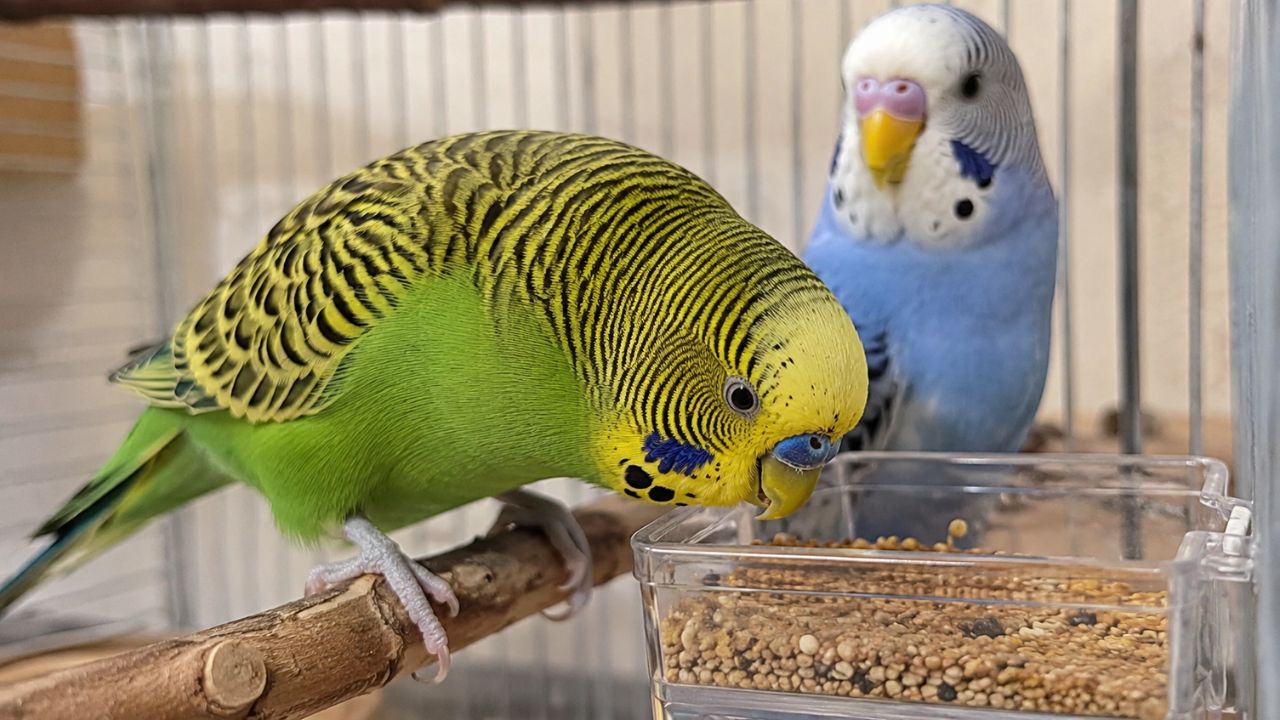

Neil has kept, bred, and sold budgies at Paradise Pets Swindon since 1988 — over 35 years of conversations with UK owners about every behaviour their bird shows them. This is his honest, practical guide on one of the most charming and surprising things budgies do — bringing their owners small toys, seed, or objects. What it really means, why it happens, and what your bird is actually trying to tell you when it offers you its favourite bell.
A young woman came into the shop one Wednesday afternoon, beaming with confusion. “Neil,” she said, “I need to ask you something a bit strange. My budgie Pickle has started bringing me things. Yesterday he flew over with a piece of cuttlefish in his beak and dropped it in my lap. This morning he carried his little plastic ring over to the sofa and put it on my arm. I don’t know whether to be flattered or concerned. Is this normal?”
I asked her how old Pickle was, whether he was male or female, what time of year he started doing it, and whether anything else had changed in his behaviour recently. By the time she had answered, I had a strong idea of what was going on. Pickle was a sexually mature male budgie in his second spring, and he had decided that his favourite human was the most appropriate recipient of his romantic offerings. He was, in budgie terms, courting her. The toys and food he was bringing were gifts — the same way wild male budgies bring food to their mates as part of bonding and courtship.
She was, as I told her, absolutely meant to feel flattered. Pickle had chosen her as his most important relationship, and he was demonstrating that fact in the only way a budgie knows how. But there was also some nuance worth understanding — about the hormonal background, about what to do with the gifts, about when this becomes a behavioural concern rather than just a charming quirk.
This article is the conversation I have with delighted UK owners who notice this behaviour for the first time. By the end of it, you will understand exactly what your budgie is communicating when it brings you gifts, why this is one of the strongest bonding signals these birds give, and how to respond in a way that supports both the relationship and the bird’s wellbeing.
First — What Your Budgie Is Actually Doing
Before we go into the meaning, it is worth understanding what you are watching from a behavioural perspective. The toy-bringing behaviour is part of a wider set of natural budgie courtship and bonding behaviours that have evolved over millions of years in the wild populations of Australia.
In their natural habitat, budgies form strong pair bonds. Male and female budgies engage in extended courtship that involves several distinct behaviours — feeding each other regurgitated food, preening each other, vocalising softly together, and sometimes exchanging nesting materials. These behaviours strengthen the pair bond and prepare the birds for breeding.
When your budgie brings you a toy, a piece of seed, a scrap of paper, or its favourite bell, it is performing a domesticated version of these natural bonding behaviours. The bird has identified you as a significant social partner — possibly even a mate-equivalent in its mental model — and is engaging with you using the social tools that evolution gave it.
What this behaviour can look like:
- Picking up a small toy and carrying it to where you are
- Dropping a piece of food in your lap, hand, or on your shoulder
- Repeatedly bringing the same object back to you
- Offering shredded paper, cardboard, or nesting material
- Bringing items to a specific person while ignoring others
- Combining gift-bringing with vocalising softly
- Sometimes attempting to feed you regurgitated food
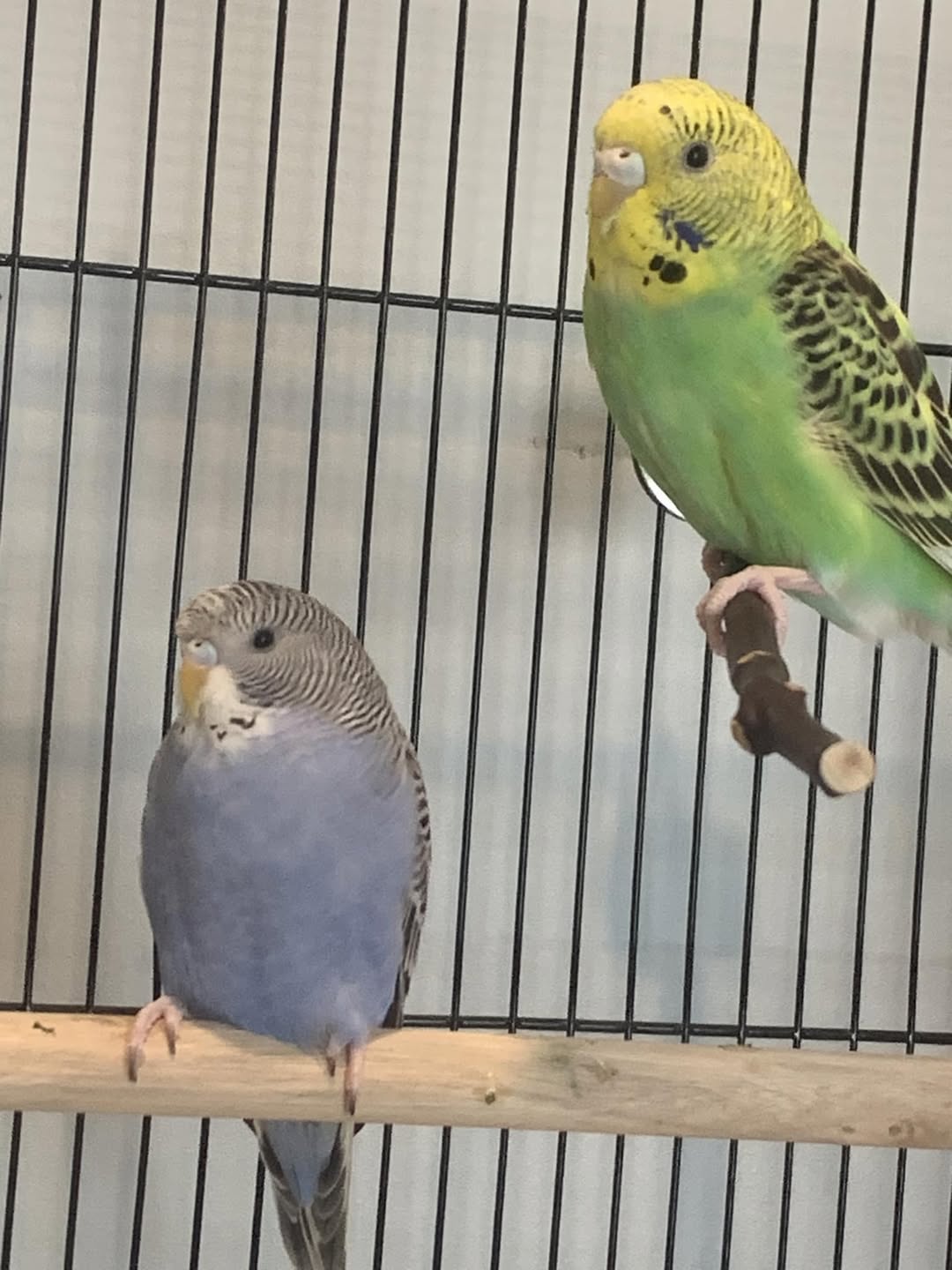
None of these behaviours are random. They are all rooted in the bird’s natural social repertoire, repurposed for its relationship with the human it has chosen.
The 5 Real Reasons UK Budgies Bring Their Owners Toys
After 35 years of watching this behaviour, the reasons fall into five distinct patterns. Most cases involve a combination of these factors, but identifying which is dominant helps you understand what your bird is communicating and how to respond.
1. Courtship And Mate Bonding (The Most Common Reason)
This is by far the most common cause I see at the counter, particularly with male budgies who have bonded strongly with a human. In wild budgies, males bring food and small items to females as part of the courtship ritual — demonstrating fitness, willingness to provision, and emotional investment in the relationship.
A pet budgie that has identified its owner as the most important relationship will often direct these natural courtship behaviours toward that person. It is the bird’s way of saying — “I have chosen you. I want to be paired with you. Here is something I have brought you to prove it.”
Signs of courtship-driven gift-bringing:
- Bird is sexually mature — typically over 5-6 months
- Often a male, but females do this too
- Behaviour intensifies in spring or early summer
- Combined with other courtship signs — vocalising softly, head bobbing, regurgitation attempts
- Directed at a specific favourite person
- Often accompanied by cere colour changes — vivid blue in males, possibly crusty brown in females
- The bird may also attempt to mount toys or specific surfaces
- Increased interest in dark corners, paper shredding, or nest-like spots
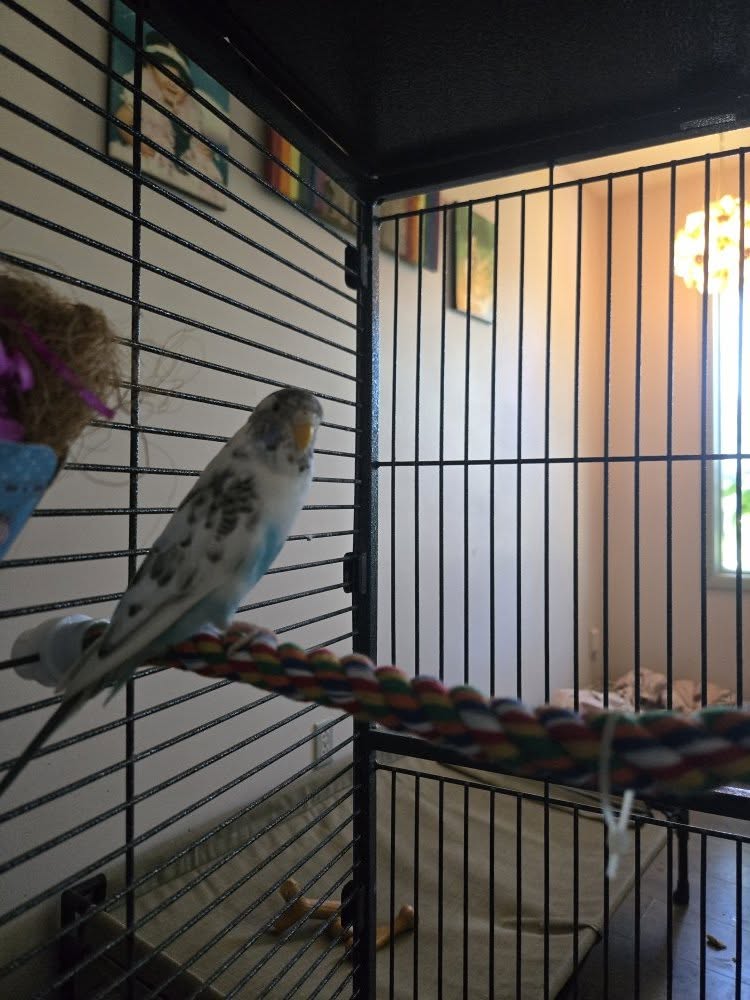
This is genuinely positive behaviour and a strong sign of a well-bonded bird. It is also worth being aware of the wider hormonal context — birds in active courtship condition for extended periods can develop health issues, particularly females that may go into egg-laying without proper conditions.
2. Bonding And Affection (Outside Of Hormonal Triggers)
Some budgies bring their owners toys throughout the year without strong hormonal seasonal patterns. This is more about general affection and social bonding than active courtship — the bird simply enjoys interacting with its favourite person and the gift-bringing is part of that ongoing relationship.
Signs of general affection-driven gift-bringing:
- Behaviour happens year-round, not just in spring
- Less intense than courtship behaviour
- Often combined with general social interaction — riding on shoulder, gentle preening
- The bird is generally calm and content
- May happen at predictable times — when you sit down to read, watch TV, work at the computer
- The bird looks pleased rather than urgent during the behaviour
- No strong hormonal background signs
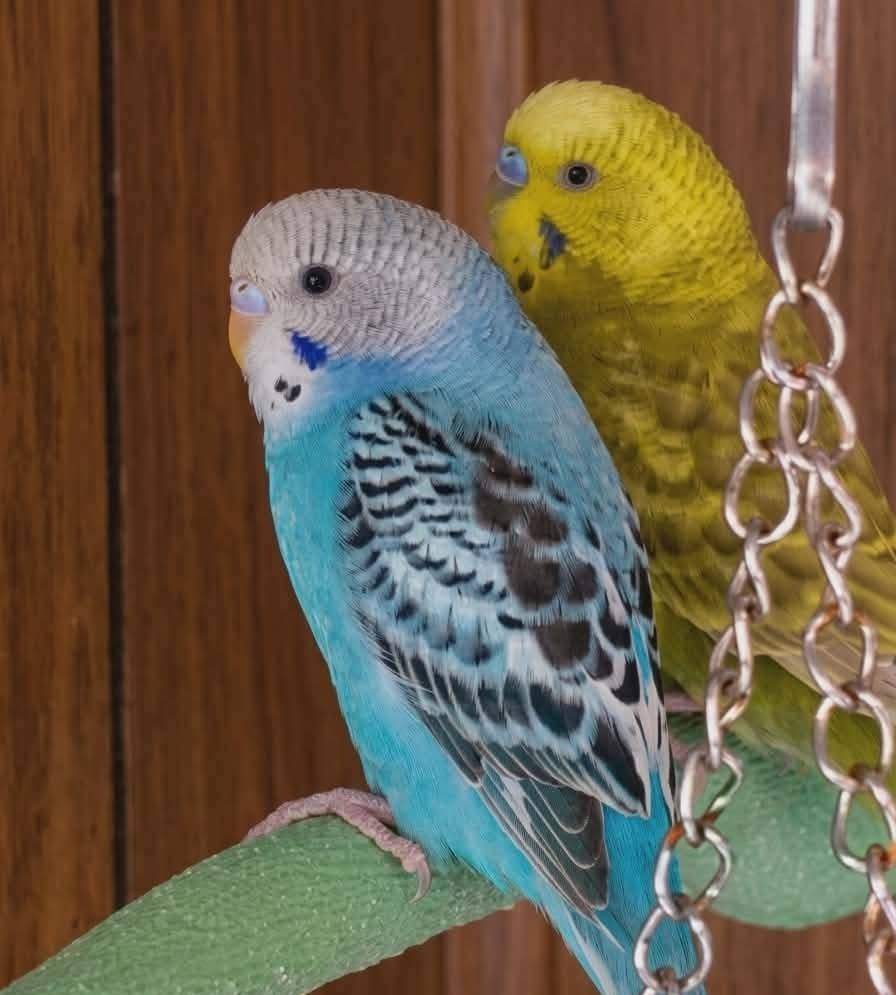
This is the lovely everyday bonded behaviour of a budgie that has incorporated you into its social world. It does not need any special response — just appreciation.
3. Play And Interaction
Some budgies turn the gift-bringing into a kind of game. They bring you something, you respond, they take it back, they bring it again. The bird has discovered that this interaction gets a reaction from you, and the back-and-forth becomes a form of play.
Signs of play-driven behaviour:
- The bird wants the item back after giving it to you
- Repeated cycles of bringing and retrieving
- Bird becomes excited or vocally engaged during the interaction
- You can sometimes initiate the game by holding the toy
- The bird is otherwise alert and active
- Often happens during out-of-cage time
- Behaviour may be inherited from how young birds explore objects
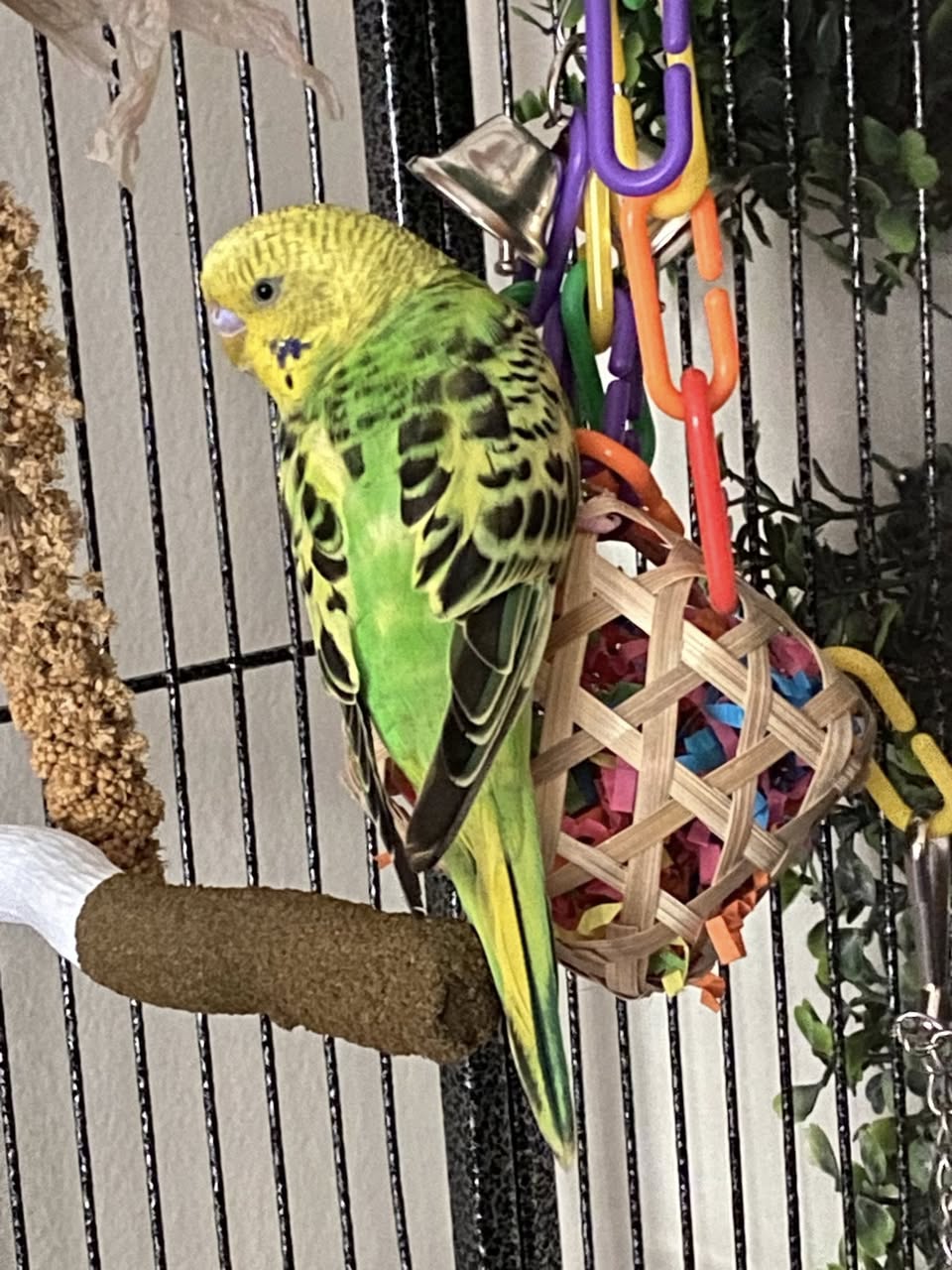
This is one of the most charming forms of budgie-human interaction. It indicates a confident, intelligent bird that has learned to engage you in a structured way. Enjoy it — and if you have the time, play back gently. The bird is treating you as a friend.
4. Attention-Seeking Learned Behaviour
Some budgies discover that bringing their owner a toy reliably produces attention — your eye contact, your voice, your hand reaching out, perhaps a treat. The bird has learned that this behaviour gets the response it wants, and incorporates it into its daily routine.
Signs of attention-seeking behaviour:
- Behaviour started gradually after the bird discovered it gets attention
- Happens at predictable times when the bird wants interaction
- Bird looks at you expectantly after delivering the gift
- Increases when the bird has been alone for a while
- May escalate to bringing items repeatedly if you keep responding
- Stops if you genuinely ignore it for a while
- The bird is otherwise healthy and well-cared-for
This is also positive behaviour but worth being aware of as a pattern. Responding too consistently to every gift can train the bird into demanding-style behaviours. A balance of warm response to some gifts and going about your day normally for others usually works best.
5. Nesting And Hormonal Behaviour (The One To Watch)
This is the cause that is worth understanding more carefully because it can indicate a bird in extended hormonal condition that may need environmental adjustments to stay healthy.
Some budgies, particularly females, bring their owners small objects as part of nesting behaviour — paper scraps, threads, small toys — treating you or specific spots in your home as a nesting site. This is nesting instinct rather than pure affection, and it can sometimes signal the bird is preparing to lay eggs (sometimes infertile eggs without a mate present).
Signs of nesting-related gift-bringing:
- Bird is bringing nesting-type materials specifically — paper, shredded items, soft objects
- Repeatedly bringing items to the same spot — often a dark corner, your lap, a specific surface
- Combined with other nesting behaviours — paper shredding, seeking dark enclosed spaces
- Female bird with crusty brown cere
- Possibly preparing to lay eggs
- Aggressive defence of the chosen spot
- Continued behaviour for weeks despite the lack of an actual nest
What to do: this is when the behaviour shifts from “lovely bonding sign” to “potentially health-relevant.” Persistent nesting hormonal stimulation can lead to females laying eggs repeatedly, calcium depletion, egg binding risk, and other health problems. Reducing daylight hours, removing nest-like spots and dark corners, and limiting access to materials that look like nesting material can help reduce the hormonal stimulation.
How To Respond When Your Budgie Brings You Something
For UK owners experiencing this delightful behaviour and wanting to respond appropriately, here is what I tell customers at the counter. The right response varies slightly depending on which type of gift-bringing your bird is showing, but the general principles are simple.
- Acknowledge the gift gently
Eye contact, soft voice, a word of acknowledgement. The bird is communicating with you — communicate back. - Do not eat the food they offer
If the bird is bringing seed or trying to regurgitate to you, accept the gesture but obviously do not actually eat what they have brought. - Touch the gift briefly if comfortable
Many birds find it satisfying when you acknowledge the object itself — a gentle touch, picking it up briefly. - Leave gifts where the bird left them
Do not immediately remove every gift. The bird may want to retrieve it, leave it for you, or repeat the action. - Engage in gentle conversation
Speak softly to the bird about what they have brought. They will not understand the words but they will pick up the tone of engagement. - Do not force the interaction
If you are busy or distracted, a brief acknowledgement is enough. The bird does not need full attention every time. - Avoid encouraging regurgitation if it happens
Regurgitation onto you in particular is courtship feeding — accept the gesture but do not reinforce it heavily, as repeated regurgitation can dehydrate the bird. - Watch for nesting patterns
If the gifts are increasingly nesting materials brought to the same spot, consider environmental adjustments to reduce hormonal stimulation.
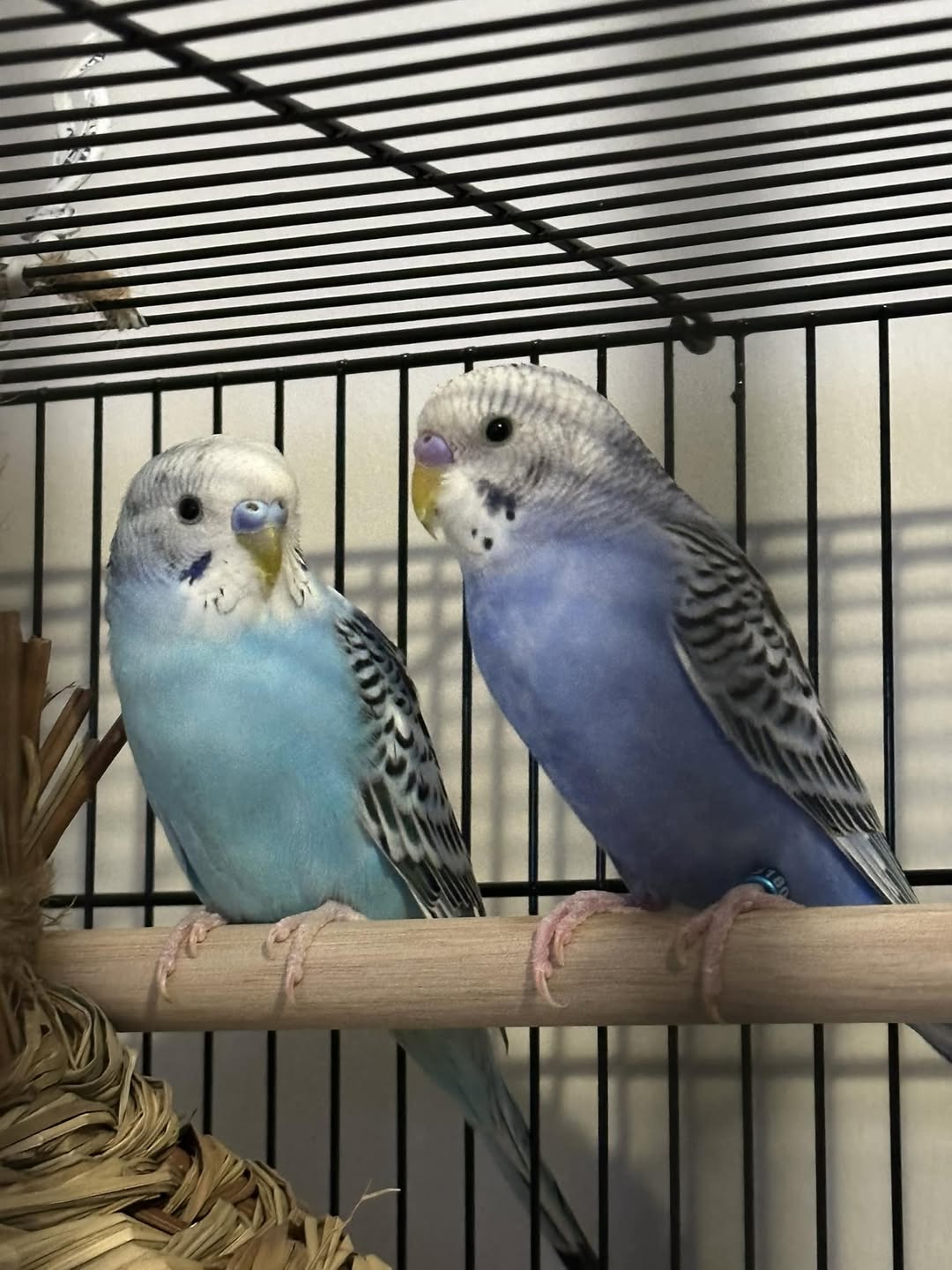
The most common UK owner mistake I see is either ignoring the behaviour entirely (which can confuse the bird) or responding too intensely every time (which can encourage hormonal escalation). A warm, gentle, consistent acknowledgement strikes the right balance.
What The Different Gifts Mean
For UK owners curious about why their bird chose specifically what they brought, here is what I have learned about budgie gift selection over 35 years.
| What Your Budgie Brings | What It Usually Means |
|---|---|
| Their favourite toy or bell | Strong bonding signal. The bird is offering something they value to someone they value. |
| A piece of seed or millet | Classic courtship feeding behaviour. Particularly strong sign in males. |
| Shredded paper or cardboard | May be playful or may be early nesting behaviour. Watch the overall pattern. |
| Cuttlefish bone pieces | Sharing food resources — bonding and possibly courtship. |
| Small plastic items, rings, or bells | Often play behaviour combined with bonding. Some birds collect specific objects. |
| Feathers (their own or others) | Less common — may be related to grooming or play, sometimes related to plucking issues. |
| Threads, hair, or string-like items | Watch carefully — nesting material instinct. Remove access to long strings (entanglement risk). |
| Whatever they happen to be holding | Casual interaction, often play or attention-seeking rather than deep significance. |
Different budgies have different preferences for what they bring. Some birds consistently bring food. Others always bring the same favourite toy. Some bring whatever they can find. The pattern tells you something about your specific bird’s personality and what they consider valuable.
The Hormonal Side — When To Be Aware
For UK owners whose bird’s gift-bringing seems to involve persistent nesting-style behaviour, there are some important considerations worth knowing about. Extended hormonal stimulation in pet budgies — whether triggered by environment, light, diet, or social factors — can cause genuine health problems, particularly in females.
- Female bird laying eggs repeatedly without a mate — calcium depletion, egg binding risk
- Bird becoming aggressive toward family members other than the chosen one
- Bird spending excessive time in dark corners or specific nest-like spots
- Persistent crusty cere in females beyond normal seasonal cycling
- Cloacal prolapse or other reproductive complications
- Bird becoming protective or possessive of specific objects or spots
- Increased weight loss despite normal eating
- Reduced energy for normal activities outside the nesting focus
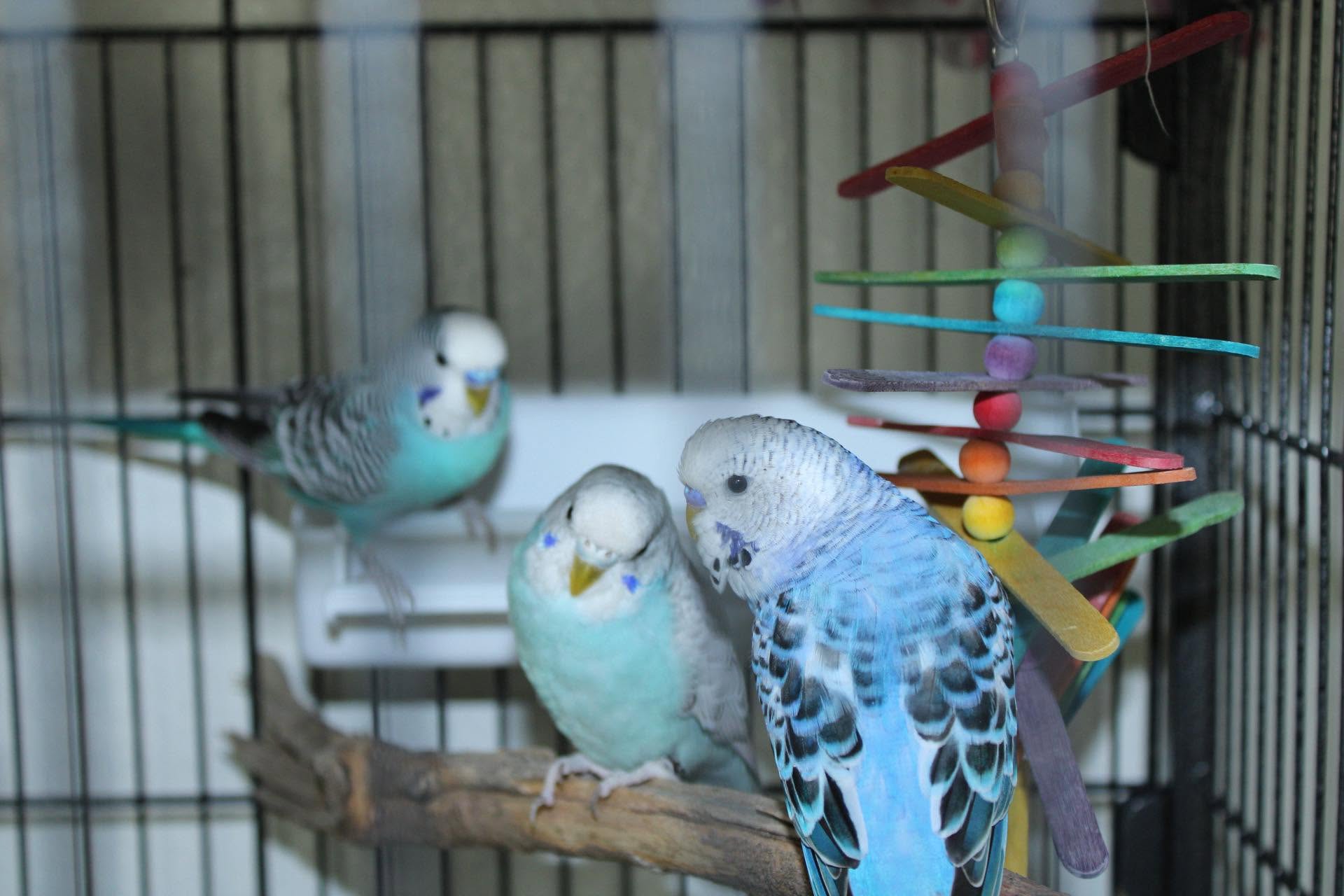
If you see any of these signs combined with persistent gift-bringing, particularly if it is nesting-material-style gifts to specific spots, consider speaking to an avian vet about hormonal management. Adjustments to light hours, diet, environment, and social interaction can usually bring the bird back to a healthy balance.
For more on understanding budgie behaviour and bonding, our article on do budgies need a friend covers the wider social picture, and our guide on how to tell if your budgie is happy covers the positive bonding signs you should look for alongside gift-bringing.
Why Some Budgies Bring Gifts And Others Do Not
This is a question UK owners often ask at the counter when their friend’s budgie does this charming behaviour but theirs does not. The honest answer is that gift-bringing varies enormously between individual birds based on several factors.
Factors that increase the likelihood of gift-bringing:
- Strong bond with a specific person — birds need to feel safely attached first
- Sexual maturity — typically over 5-6 months
- Confident personality — shy or fearful birds may never show this
- Plenty of out-of-cage time — birds need access to bring items to you
- Single-bird household or one chosen favourite human
- Spring or breeding-condition timing
- Tame, hand-reared birds — more likely than aviary-raised birds
- Quality varied toys and items in the cage to choose from
Factors that reduce the likelihood:
- Bird is not particularly bonded to humans
- Limited out-of-cage time or interaction
- Cage in a high-traffic noisy area where the bird does not feel safe
- Multiple budgies bonded to each other rather than to humans
- Bird is shy, fearful, or recently traumatised
- Bird is unwell — gift-bringing usually stops if the bird is sick
If your budgie does not bring you gifts, it does not mean your bird does not love you or trust you. Some bonded, happy birds simply never develop this specific behaviour. Other bonding signs — sitting near you calmly, vocalising when you arrive, allowing handling, sleeping in your presence — are all equally valid expressions of attachment.
How To Support Healthy Bonding Behaviour
For UK owners who want to encourage healthy bonding behaviours including possible gift-bringing, here are the practical approaches that genuinely work.
- Regular daily interaction — at least 30-60 minutes of out-of-cage time with you each day
- Consistent gentle handling — never forced, always at the bird’s pace
- Talk to your bird — they respond to voice tone and learn individual words
- Provide quality varied toys — gives the bird items to potentially bring you
- Reward calm trusting behaviour — quiet attention is often more valued than treats
- Maintain stable routines — predictability builds confidence and trust
- Avoid stress triggers — loud noises, other pets, sudden movements
- Be present without demanding — read or work near the bird without expecting interaction
- Respect the bird’s mood — sometimes they want close interaction, sometimes they prefer space
- Provide proper environmental enrichment — well-stocked cage means a contented bird
The key principle is that bonding cannot be forced. It develops naturally when the bird feels safe, well-cared-for, and treated with patience. Gift-bringing, when it appears, is one of many possible expressions of that bond.
Frequently Asked Questions
Why is my budgie bringing me toys?
The most common reason is bonding and courtship behaviour. Your bird has identified you as an important social partner — possibly even a mate-equivalent in its mental model — and is expressing that relationship through gift-bringing, which mimics the natural courtship feeding and material-sharing of wild budgies. It is genuinely one of the strongest bonding signs a budgie can give.
Is it normal for budgies to bring their owners things?
Yes, completely normal in well-bonded pet budgies. Not every budgie does it — some birds express bonding in other ways — but those that do are showing positive social attachment. Behaviours include bringing seed, toys, paper, or favourite objects to the person they are most bonded to.
Why does my budgie keep dropping things in my hand?
This is targeted gift-bringing. Your bird has chosen you as the recipient and has learned that putting items directly in your hand gets a response. It is a sign of confident bonding and learned interaction. Some birds do this almost ritually — same time of day, same hand, same type of item.
Should I stop my budgie from bringing me food?
Not necessarily. Occasional food-bringing is normal bonding behaviour and does not need stopping. However, if your budgie is repeatedly regurgitating onto you (rather than just dropping seed in your lap), be aware that intense repeated regurgitation behaviour can dehydrate the bird and is worth managing — by not directly reinforcing it, reducing hormonal triggers, and ensuring the bird has appropriate other outlets for the behaviour.
Why does my female budgie keep bringing me paper and string?
Be a little careful here — paper, threads, string, and similar materials brought repeatedly to specific spots can indicate nesting behaviour in a hormonally active female. This is not necessarily a problem on its own, but persistent nesting hormonal stimulation can lead to egg-laying, calcium depletion, and other health concerns. If you see this pattern combined with other hormonal signs, consider environmental adjustments and speak to an avian vet.
My budgie brings me things but only to one person in the family. Why?
Budgies often pair-bond strongly to one specific person, treating them as their primary social partner. This is natural behaviour and not a reflection of how the other family members treat the bird. The chosen person is usually the one who spends most calm time with the bird, who established trust early, or who matches the bird’s individual preferences. Other family members can still build relationships, but the primary bond is usually strongest.
Where can I get advice on budgie behaviour in Swindon?
Come and see us at Paradise Pets, Manor Garden Centre, Cheney Manor, Swindon SN2 2QJ. We are always happy to talk about budgie behaviour and what it means. Ring us on 01793 512400. The advice is free and we have been doing this for 35 years.
One Last Thing From Me
“My budgie keeps bringing me things — what does it mean?” is one of the most enjoyable questions I get from UK owners, and one I always answer with pleasure. The honest answer, after 35 years of selling these birds, is — your bird has chosen you. Whatever specific reason underlies the behaviour — courtship, bonding, play, attention-seeking — the underlying message is that your budgie has placed you in a significant role in its social world. That is something to celebrate, not something to worry about.
The young woman with Pickle that Wednesday afternoon? She went home reassured and a little flattered. She started gently acknowledging Pickle’s gifts when he brought them — eye contact, a soft word, a touch of the toy — and let him retrieve them or leave them as he wished. Six months later they came back into the shop, and Pickle’s gift-bringing had stabilised into a pleasant daily ritual rather than escalating into anything problematic. She told me she had come to genuinely look forward to his afternoon gifts, and that the little plastic ring was now permanently on the arm of her sofa where Pickle liked to leave it.
That is the experience I want every UK owner to have with this beautiful behaviour. Not to overthink it, not to discourage it, not to worry about every gift — but to see it for what it is. A small, intelligent bird has decided that you matter enough to share something with. After 35 years of watching budgie-human relationships at the counter, I genuinely believe this is one of the loveliest things these little animals do.
If your budgie has started bringing you things, please enjoy it. Take a photo. Tell your friends. Acknowledge the bird gently when it happens. And if you ever have concerns about the wider patterns of the behaviour, please come and see us. We have helped countless UK owners understand their birds’ behaviour over 35 years, and we are always happy to chat through what you are observing.
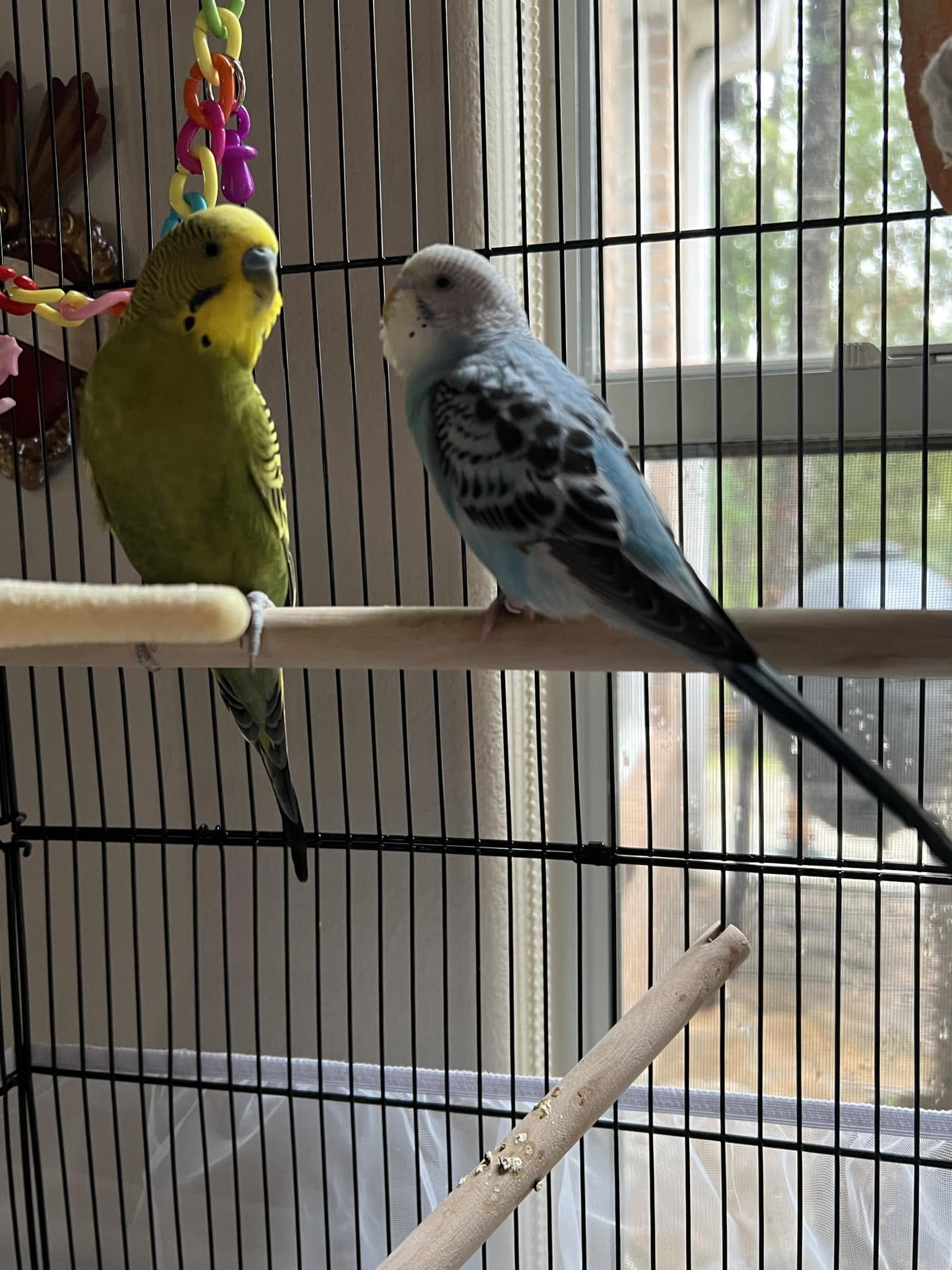
Questions About Your Budgie’s Behaviour? Come And See Me
Bring questions, photos, or stories. We love hearing about your birds and what they are doing. Free honest advice based on 35 years of watching budgies be themselves. That is how we have done things since 1988.