


Neil has kept, bred, and sold cage birds at Paradise Pets Swindon since 1988 — over 35 years of first-hand experience with budgies, cockatiels, canaries, and aviary birds. In that time he has had thousands of conversations with new bird owners. The same five mistakes come up again and again. This is his honest guide to them.
I want to be clear about something before I go through this list.
Every single thing I am about to describe is done by people who care deeply about their birds. These are not the mistakes of neglectful owners. They are the mistakes of attentive, well-meaning owners who were given incomplete information, or who applied human logic to an animal that is wired completely differently.
That distinction matters, because the point of this article is not to make anyone feel bad. The point is to give you a clear picture of what is actually stressful for a bird — as opposed to what feels helpful or affectionate to us — so that you can do things differently going forward.
I have watched good owners inadvertently stress their birds every week for thirty-five years. In almost every case, a brief conversation fixed it. Consider this that conversation.
One: Handling the Bird the Moment It Arrives Home
This is the most common mistake, and the one with the most lasting consequences if it goes wrong.
A new bird arriving in a new home is under significant stress. Everything has changed simultaneously — the smell, the sounds, the light levels, the temperature, the substrate, the cage layout, the food. There is no familiar reference point anywhere. The bird has no way of knowing yet whether this new environment is safe.
The settling period — a minimum of three to five days during which the bird is left largely alone to explore its cage and begin associating the new environment with safety — is not a nice extra. It is the foundation on which everything else is built. Skip it and you are attempting to build a trusting relationship with an animal that is still in a state of acute anxiety about its surroundings.
What most new owners do instead is take the bird home, get it into the cage, and then immediately start reaching in, talking to it at close range, and attempting to get it onto a finger. The intentions are entirely good — they want to start bonding, they are excited, the children are excited. But from the bird’s perspective, something large and unpredictable has just entered its only safe space. The result is a bird that associates human contact with threat from the very first interaction.
The owners who give their birds three to five quiet days before any handling attempt almost always end up with faster, easier taming than those who start immediately. The settling period is not wasted time. It is the most important time.
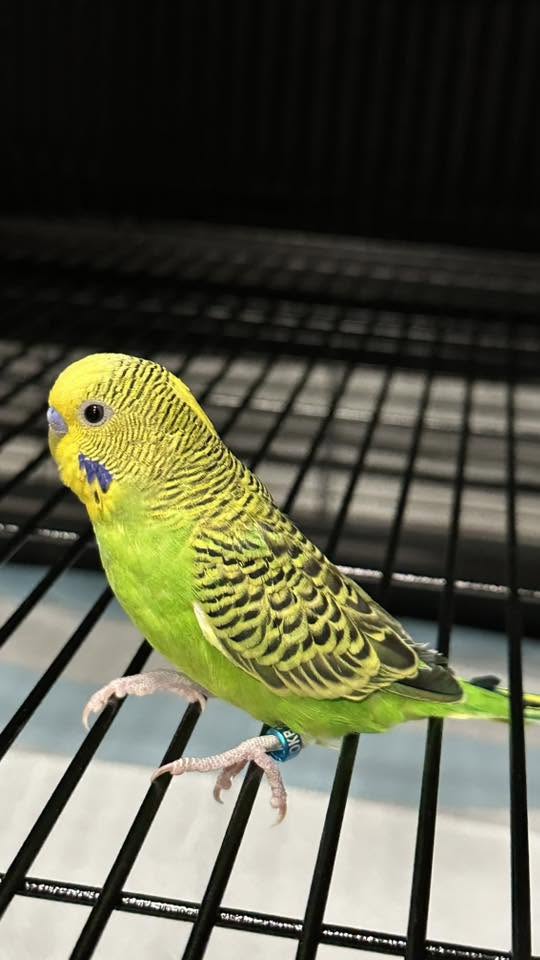
Two: Moving the Cage to Show the Bird Different Things
This one surprises people because it sounds so reasonable. The owner wants the bird to have stimulation, to see different parts of the house, to experience variety. So they move the cage to different rooms, reposition it near different windows, rotate it toward interesting activity.
In practice, this is one of the most stressful things you can do to a cage bird.
Birds are creatures of location. A settled bird knows every angle of its environment — which perches feel safe, which direction is covered, where the light comes from in the morning, what sounds are associated with which part of the house. That spatial familiarity is part of how it knows it is safe.
Move the cage and all of that recalibrates. The bird is now in a new position relative to every visual reference it had. It has to establish, all over again, whether this new location is safe. Do it repeatedly and you have a bird that never fully settles, because the environment never stops changing.
The cage should go in one position — chosen carefully for consistent temperature, away from draughts, with the back against a wall so the bird has something solid behind it — and it should stay there. Variety for a bird does not come from moving the cage. It comes from enrichment inside the cage: new toys, different perch textures, foraging opportunities, interaction with you as a consistent, familiar presence.
Once a position is established and the bird is settled, it should only be moved for genuine practical reasons. Not for stimulation.
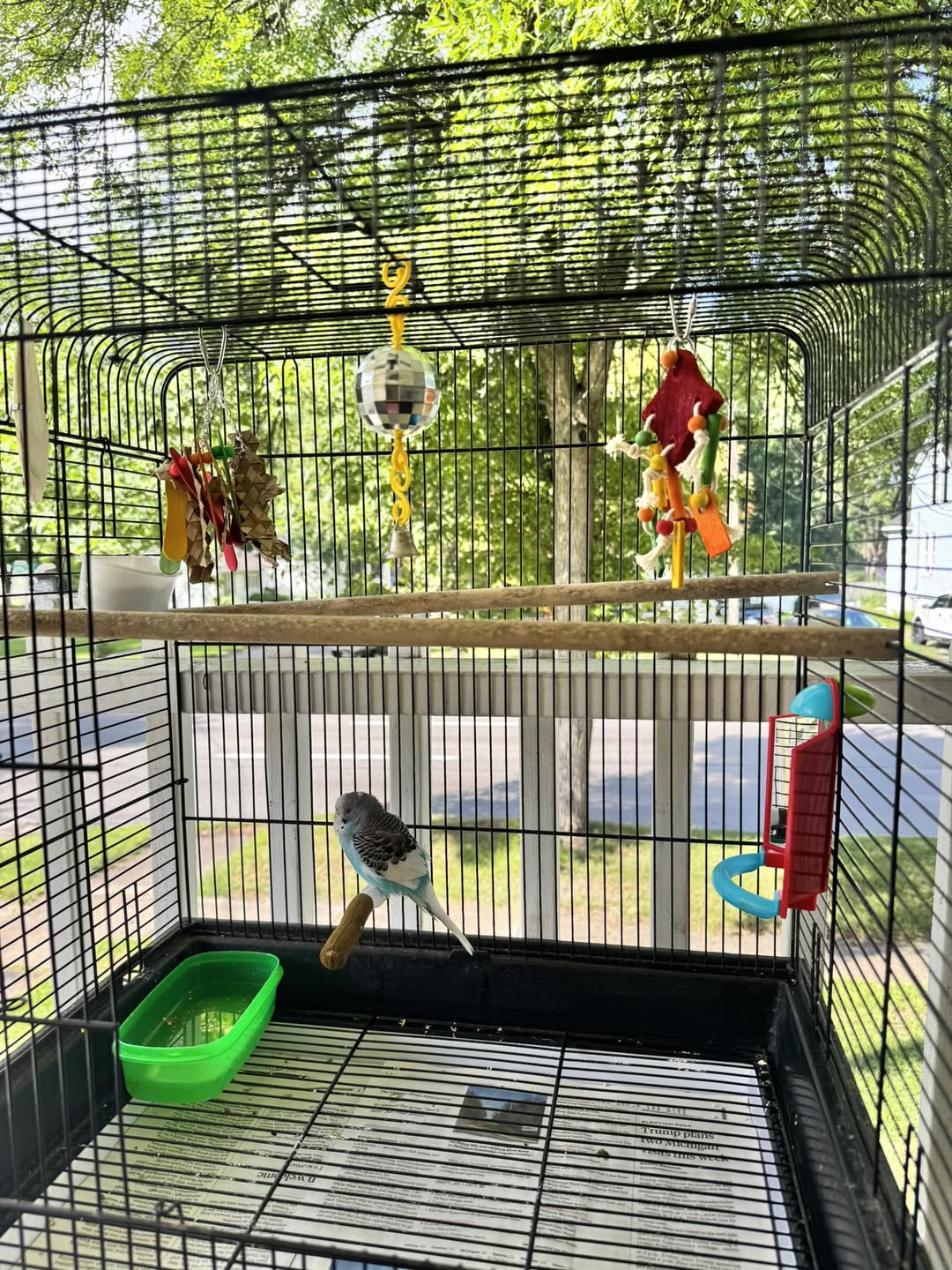
Three: Covering the Cage During the Day to “Let It Rest”
A cage cover at night is appropriate and beneficial — it signals to the bird that it is time to sleep, reduces the impact of artificial lighting, and can help with birds that are prone to night frights. I recommend it.
Covering the cage during the day to give the bird a rest, reduce stimulation, or because the household is noisy — this is different, and it often backfires.
Cage birds are social, diurnal animals. During daylight hours they expect light, activity, and social engagement. A bird covered in the middle of the day is a bird that has been cut off from all of those things. Rather than resting calmly in the dark, many birds will become agitated, calling out persistently, or will sit quietly in a way that looks like calm but is actually closer to learned helplessness.
The bird does not need protecting from the daytime household. It needs to be part of it. If the household is genuinely very loud — building work, a particularly boisterous gathering — moving the bird temporarily to a quieter room is a better solution than covering it in place.
The cover is for night. During the day the bird should be able to see the room, observe the household activity, and feel connected to its social environment.
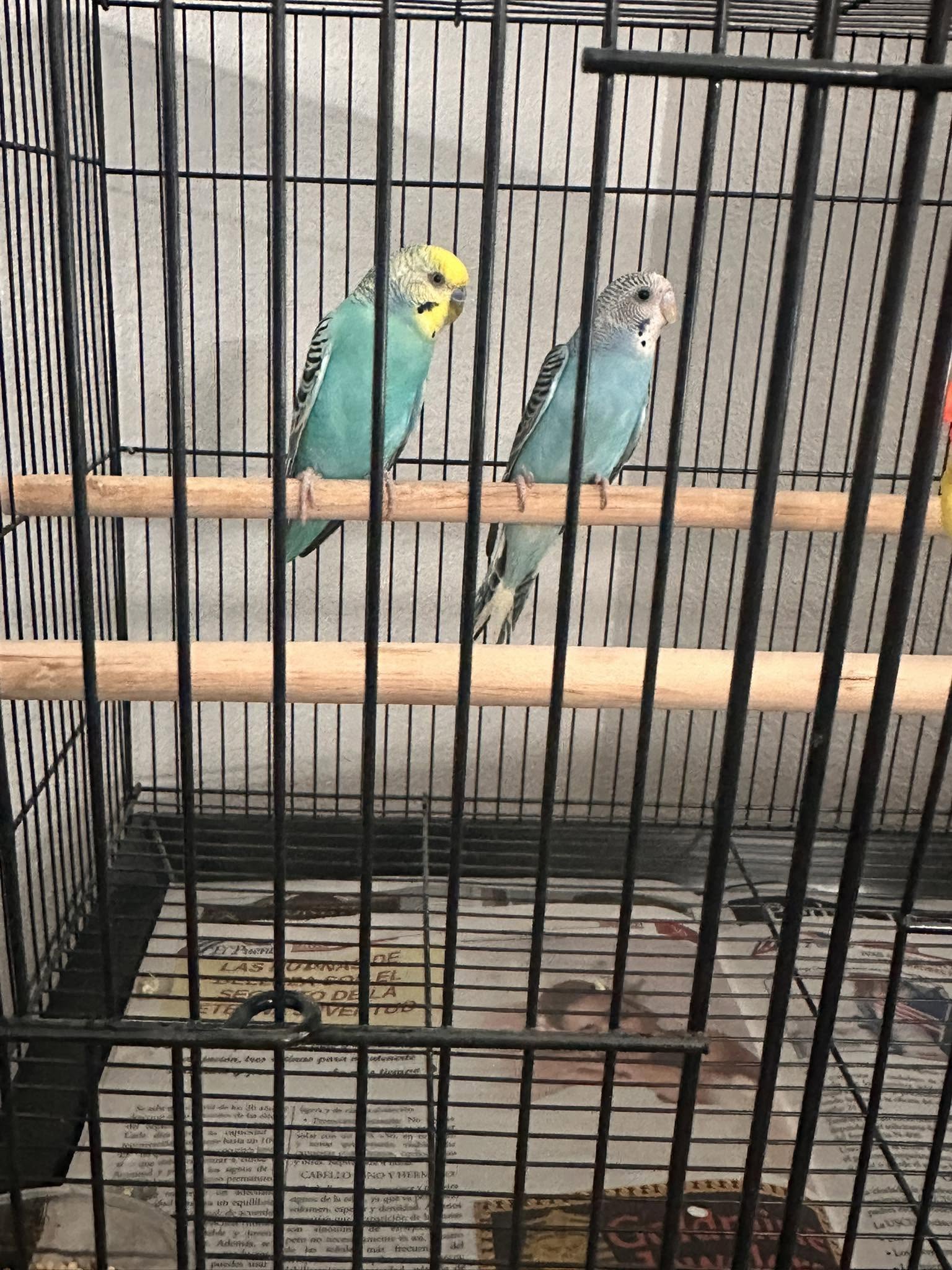
Four: Offering Too Much Food Variety Too Quickly
New bird owners often read that birds need a varied diet — which is true — and then respond by offering a different food every day, introducing new vegetables and fruits rapidly, and changing the food mix frequently to keep things “interesting.”
This causes digestive disruption and, in some birds, genuine stress.
A bird’s digestive system is calibrated to the diet it has been eating. A sudden introduction of multiple new foods simultaneously can cause loose droppings, reduced appetite, and the kind of gut disruption that looks like illness and sometimes develops into it. In budgies especially, dietary changes need to be gradual and incremental.
The right approach is to establish a consistent base diet first — good quality seed or pellet, fresh water, cuttlefish bone — and then introduce new foods one at a time, in small amounts, watching the droppings after each introduction. A new vegetable one week. Another the week after. Gradually expanding the range over months, not days.
There is also a subtler stress component to constant dietary change. A bird that never knows what food it will find in its bowl has one more source of unpredictability in its environment. Consistency in feeding — the same foods at the same times, with gradual introductions of new elements — is part of the overall stability that a settled bird depends on.
The variety is the goal. But getting there slowly produces a healthier, better-adjusted bird than rushing it.
Five: Interpreting Every Behaviour Through Human Emotion
This is the most nuanced of the five, and in some ways the most important.
New bird owners very naturally interpret their bird’s behaviour through a human emotional lens. The bird is sitting quietly with its feathers slightly puffed — it must be sad, or bored, or lonely. The bird is making noise — it must be happy, or excited, or wanting attention. The bird bit — it must be angry at me.
Some of these interpretations are not entirely wrong. But many of them lead to responses that make things worse rather than better.
The puffed-up, quiet bird may simply be resting — this is normal, especially in the early afternoon. Or it may be unwell — and in that case the correct response is observation and possibly a vet visit, not extra handling to cheer it up. Handling a bird that is ill will stress it further. But owners who have decided the bird is lonely will reach in anyway, making a sick bird sicker.
The noisy bird may be happy. Or it may be calling for a companion and genuinely distressed by being alone. The sound is similar. The cause is different. The right response is different. Deciding it is happy because it is making noise means a lonely bird’s real needs go unaddressed.
The bird that bit may have been frightened, or in pain, or simply communicating that it did not want to be handled at that moment. Interpreting it as anger and withdrawing entirely — or interpreting it as dominance and pushing through — both miss what the bird was actually saying.
Reading bird behaviour accurately takes time and observation. The most useful thing a new bird owner can do is spend time watching the bird without intervening — learning what normal looks like for that individual animal, so that changes become obvious. A bird you know well is a bird whose signals you can read. A bird you have been projecting emotions onto is a bird whose real communication has been consistently missed.
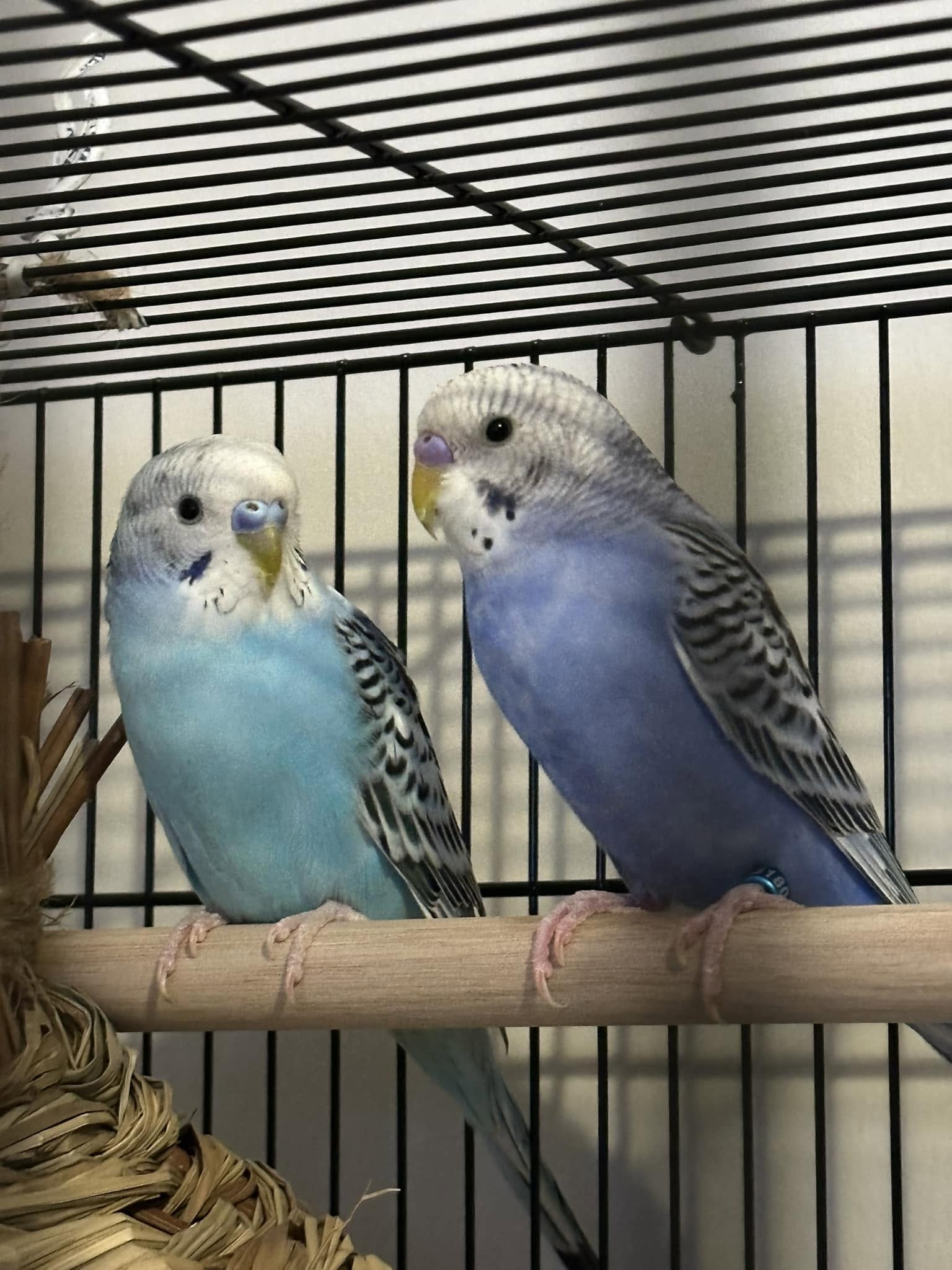
What Settled, Unstressed Birds Actually Look Like
It is worth describing this positively, because the goal of avoiding these five mistakes is not just reducing stress — it is creating the conditions for a bird that genuinely thrives.
A settled, unstressed cage bird has a consistent daily rhythm — active in the morning, quieter in the early afternoon, active again in the late afternoon and evening. It vocalises regularly during active periods — not constantly, but in a flowing, unhurried way that tells you it is comfortable. It eats and drinks at normal intervals. Its droppings are consistent in size, shape, and colour from one day to the next.
When you approach the cage it responds to you — acknowledging your presence, perhaps moving toward you, perhaps making a sound of recognition. It does not retreat to the far corner or freeze in place.
When it is handled — after proper taming, at the right time of day — it steps onto a finger without strong resistance, sits calmly for reasonable periods, and does not try to escape at the first opportunity.
That is a well-kept, well-settled bird. Not a bird that tolerates its owner. A bird that feels genuinely at ease.
Every one of the five things in this article works against that outcome. And removing them from your practice moves toward it.
A Note on Where to Get Advice
One of the things I find most consistently is that new bird owners get their advice from too many conflicting sources. A YouTube video that contradicts the forum post that contradicts the packaging on the food that contradicts what the chain pet shop told them.
My advice is to find one source you trust and go deep with it rather than sampling widely from sources of variable quality. Come into the shop and talk to us directly. Bring your specific situation — the individual bird, the specific behaviour, the particular concern — and let us give you an answer based on what is actually in front of you rather than generic content written for a general audience.
That conversation is free. It happens every day. And it is almost always more useful than an hour online.
Frequently Asked Questions
How do I know if my bird is stressed?
The signs vary by species but the consistent indicators are: feathers puffed up for extended periods outside of normal rest, reduced appetite or interest in food, excessive calling or screaming beyond normal vocalisation, repetitive behaviours such as pacing or bar biting, reduced movement and interaction, and changes in droppings. Any significant change from the individual bird’s normal baseline is worth paying attention to.
My bird seemed fine and then suddenly started biting — what changed?
Sudden biting in a previously calm bird is almost always a signal that something has changed in its environment or its health. Go through the five things in this article and check whether any of them apply recently. Has the cage been moved? Has the diet changed? Has the routine shifted? Has anything entered the environment that could be causing stress — a new pet, a new smell, a change in household noise? If the answer to all of those is no, a vet visit is warranted to rule out pain or illness as the trigger.
Is it normal for a new bird to be quiet and sit still a lot?
In the first few days, yes — a new bird settling in will often be quiet and still as it assesses its new environment. This is normal and expected. If the quietness continues beyond a week without any signs of the bird beginning to explore and vocalise, it may be settling more slowly than normal — which can sometimes indicate a health issue, a particularly stressful introduction, or a bird that was already unwell at purchase. Monitor closely and contact a vet if you are concerned.
Can I have the TV on near my bird?
Generally yes — moderate television noise is not harmful and many birds habituate to it quickly. Some birds actively enjoy the stimulation. The considerations are volume and content. Very loud television or programmes with sudden loud noises can startle birds repeatedly. News content with stress-inducing audio is worth avoiding near a bird that is easily unsettled. Calm, consistent background noise is fine. Sudden, unpredictable noise is less ideal.
Should I get a second bird to reduce stress?
For most cage birds, companionship genuinely helps — budgies, cockatiels, and canaries in particular are social species that do better with company. But introducing a second bird is not a simple fix for a stressed bird. The introduction process matters, the compatibility matters, and the timing matters. A bird that is already stressed does not need the additional challenge of a new companion on top of everything else. Stabilise the existing bird’s environment first, then consider a companion once it is settled.
One Last Thing
I have watched owners do all five of these things with complete good intentions and no awareness that they were causing a problem. That is not a criticism — it is an observation about how incomplete most available information on bird keeping is.
The birds that thrive are almost always in the homes of owners who took the time to understand how their specific animal thinks and what it actually needs — which is often quite different from what feels intuitive to a human. That understanding is built through observation, patience, and being willing to ask the right questions.
If you have a bird that is not settling, is stressed, or is behaving in a way you do not understand — come and talk to us. We are at Manor Garden Centre, Cheney Manor, Swindon SN2 2QJ, every day. Get in touch here or call 01793 512400.
Visit Us at Paradise Pets Swindon
We stock budgies, cockatiels, canaries, and aviary birds year-round. If you have a question about your bird’s behaviour or wellbeing, come in and talk to us — we are always happy to help.