
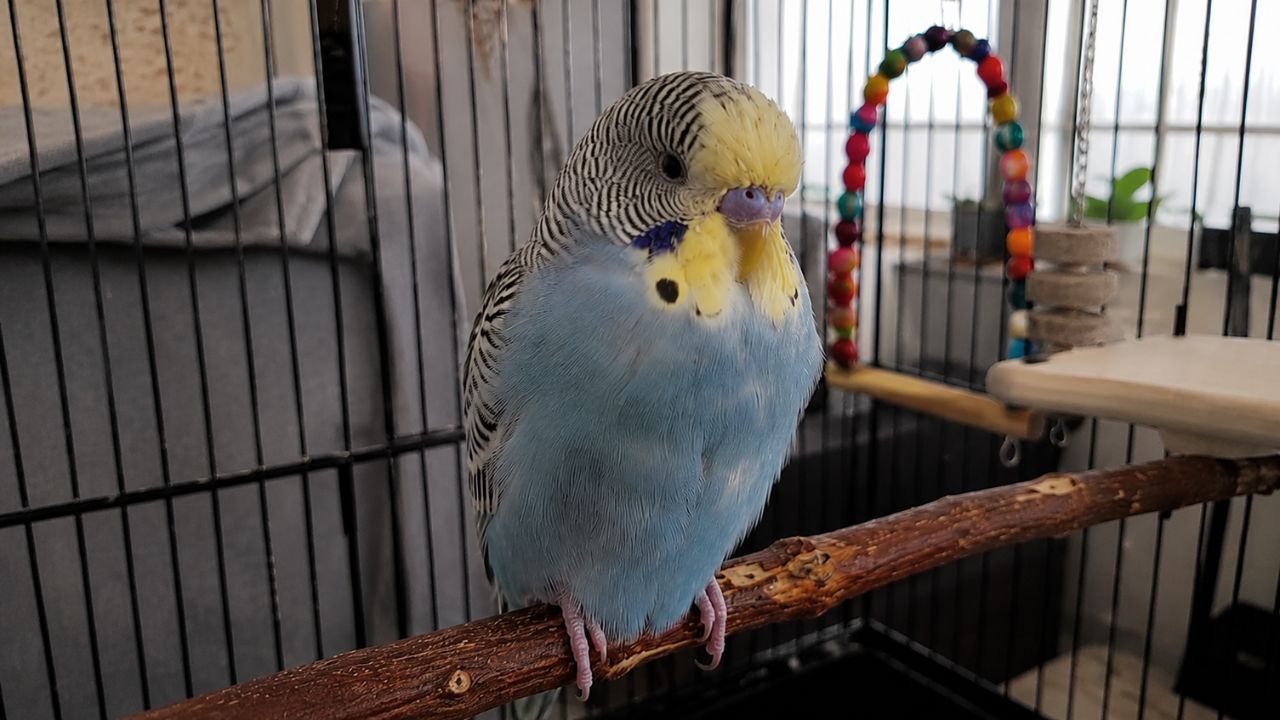

Neil has kept, bred, and sold budgies at Paradise Pets Swindon since 1988 — over 35 years of first-hand experience with these birds. In that time, he has had some genuinely frightening phone calls from UK owners, and a budgie sneezing blood is one of the most worrying. This is his honest, practical guide on what blood in a budgie’s sneeze means, why it is always urgent, and exactly what UK owners need to do in the next hour if they see it.
A man rang the shop one Saturday afternoon, his voice barely controlled. “Neil,” he said, “I have just watched my budgie sneeze, and there was blood. Actual blood. On the perch, on the bars near her head. She’s still upright, still alert, but she sneezed and I saw it clearly. What do I do? Is she dying?”
I told him to take three deep breaths, then I asked him five quick questions. Was the bird still standing properly? Was she breathing with effort? Had she eaten anything in the last few hours? Had she crashed into anything recently? And how much blood — droplets, a smear, or a small amount? By the time he had answered, I knew enough to give him the only correct piece of advice I could give. Stop reading the internet. Stop ringing friends. Phone an emergency avian vet now. Do not wait until Monday. Do not hope it sorts itself out overnight.
His bird was at the vet within ninety minutes. She had a respiratory infection that had become severe enough to cause bleeding in her upper airways. With prompt antibiotic treatment she recovered fully over the following two weeks. But if he had waited overnight — even just one night — the outcome could have been very different.
This article is not a “wait and see” article. It is not a “try this home remedy” article. It is the conversation I have at the counter with owners who have just seen blood, and the action plan I give them while they are still on the phone. By the end of it you will understand what causes this symptom, why it is always urgent, what to do right now, and what to expect when you reach the vet.
If you are reading this with a bird that has just sneezed blood — please skip straight to the action plan section below and phone an avian vet today. Read the rest later. Right now, the bird needs help.
First — Confirm What You Are Actually Seeing
Before you do anything else, take a moment to confirm what you are looking at. There are several conditions that can look similar to blood in a budgie’s sneeze, and a calm assessment in the first minute helps you describe it accurately to the vet.
What genuine blood from a budgie sneeze looks like:
- Bright red colour — clearly red, possibly with slightly darker streaks
- Wet, fresh appearance — not dried or crusted
- Found on perches, bars, or cage walls near the bird’s head
- May be accompanied by visible discharge from the nostrils
- The bird may be wiping its beak more than usual
- Sometimes droplets are seen on the bird’s facial feathers
What might look similar but is not blood:
- Red food residue — strawberry, beetroot, pomegranate seeds, or red pellets can stain
- Dried blood from a small accidental injury — possibly from beak overgrowth, a perch scrape, or a clipped feather
- Red dye from cage accessories — cheap toys can sometimes shed colour
- Pinkish discharge from a cere that has cracked — different mechanism, still needs attention
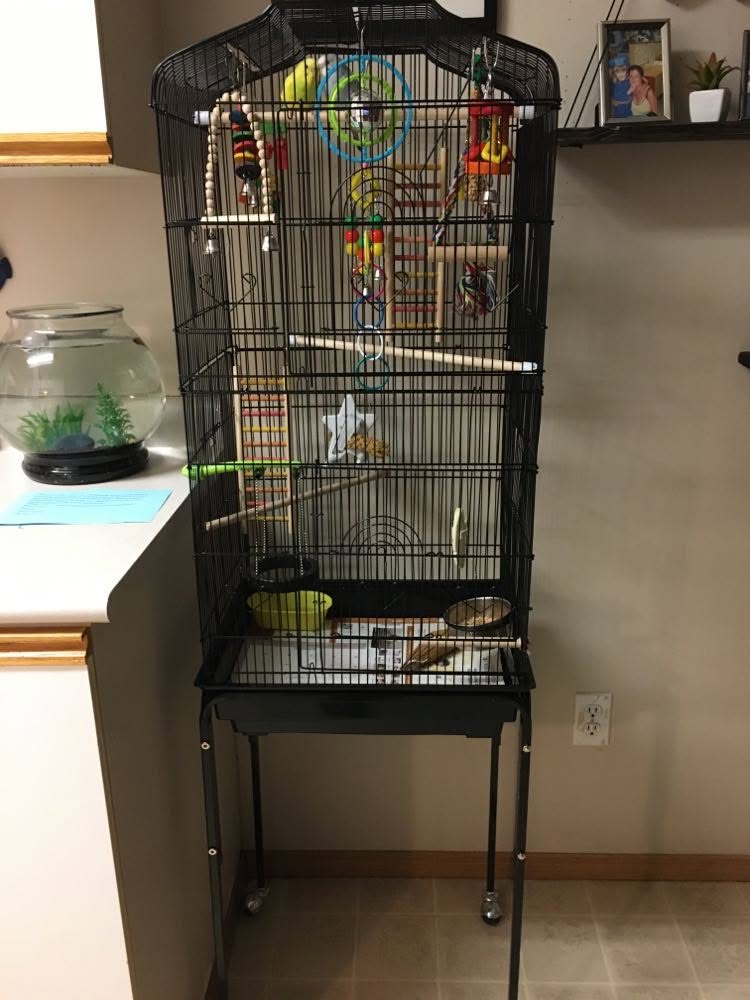
If you are genuinely uncertain whether what you are seeing is blood, take a photograph in good light, look at it carefully, and if there is any doubt — treat it as blood until proven otherwise. The cost of being cautious is a vet visit. The cost of being wrong is a bird that did not get help in time.
The Real Causes Of A Budgie Sneezing Blood
After 35 years, the underlying causes I have seen for blood in a budgie’s sneeze fall into seven patterns. The bird needs a vet regardless of which one it is — but understanding what may be happening helps you describe symptoms accurately and prepares you for what the vet may say.
1. Severe Respiratory Infection
This is the most common cause I see across the years. A respiratory infection — bacterial, fungal, or sometimes viral — has progressed to the point where the inflammation in the upper airways has caused bleeding. The bird may have shown earlier signs that were missed or downplayed.
Signs that suggest respiratory infection:
- Sneezing has been increasing over days or weeks
- Discharge from the nostrils — clear, cloudy, or yellow before the blood appeared
- Crusty deposits around the cere or nostrils
- Breathing changes — tail bobbing, open-beak breathing, faster breathing rate
- Reduced activity, fluffed-up posture
- Sometimes a slight tail discharge or change in droppings
- The bird may have been quieter than usual
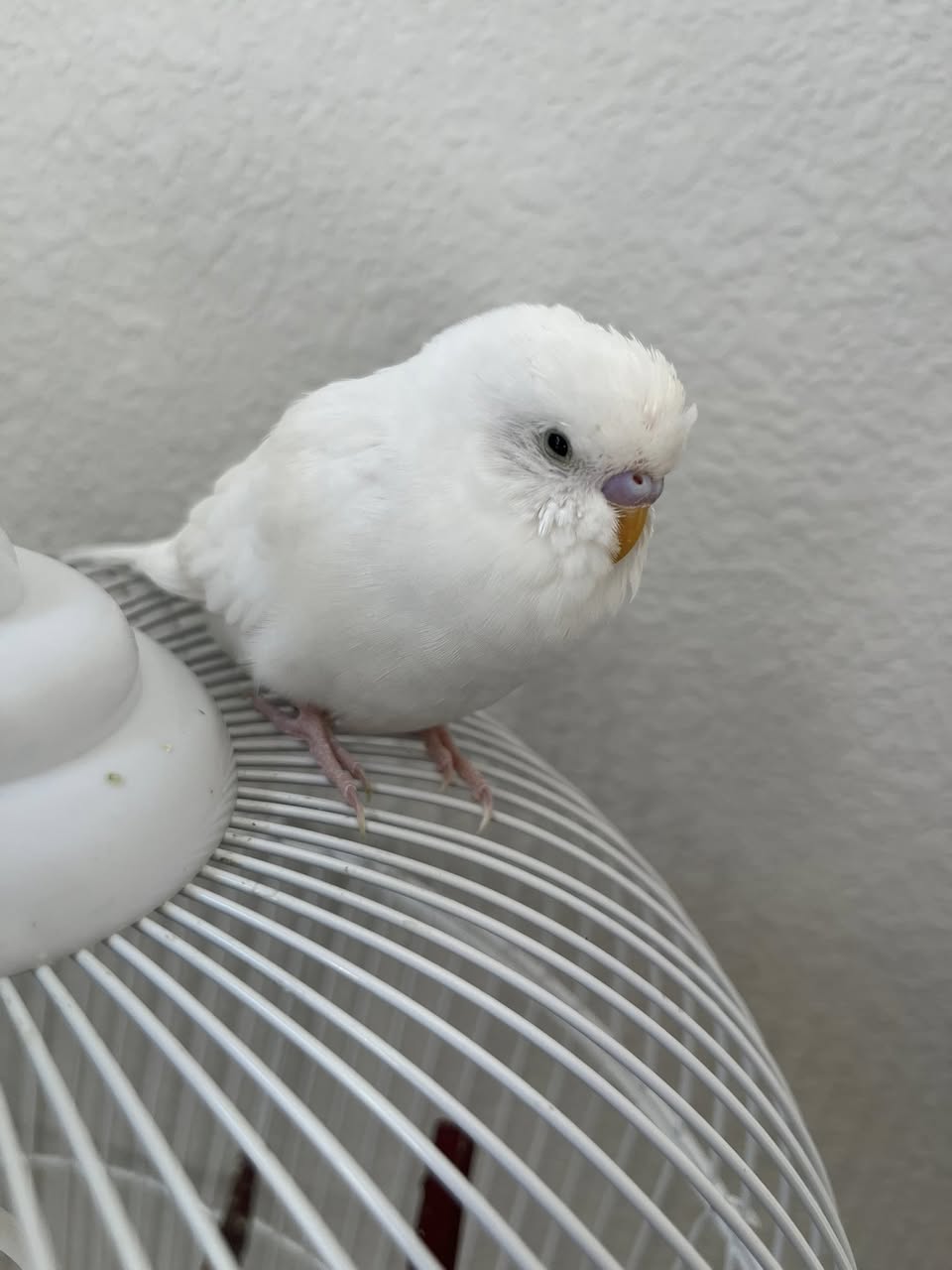
What to do: see an avian vet today. Respiratory infections are treatable with appropriate antibiotics, antifungals, or supportive care — but they need diagnosis and prescription treatment. Home remedies do not address the underlying infection.
2. Trauma To The Beak Or Cere Area
A direct injury to the bird’s face — from a flight crash, a fight with another bird, getting caught in a cage feature, or beak injury during chewing — can cause bleeding that the bird then sneezes or shakes out.
Signs of trauma-related bleeding:
- Recent flight accident or known crash
- Visible damage to the beak, cere, or surrounding tissue
- Possible asymmetry around the face
- The bird may favour one side or hold its head awkwardly
- Behaviour otherwise relatively normal — alert, possibly distressed
- Bleeding may be from external wounds rather than truly from inside
What to do: assess the injury level. Even minor-looking facial injuries in budgies can be serious because of the small size and delicate structures involved. Keep the bird confined and warm, and contact an avian vet today. Do not attempt to apply human first aid products to the bird’s face.
3. Severe Sinusitis Or Upper Respiratory Inflammation
This is essentially a more developed version of point 1 — sinus passages and upper airways becoming so inflamed that small blood vessels rupture during sneezing. Often follows untreated milder infections.
Signs of sinusitis:
- Swelling visible around the eyes or sides of the face
- Possible eye discharge or partial eye closure
- Persistent crusty material around nostrils
- Sneezing is forceful and uncomfortable looking
- Bird may shake head frequently
- Often comes with reduced appetite
What to do: same-day veterinary attention. Sinus infections in budgies need professional diagnosis and treatment. They rarely resolve without intervention and tend to worsen over days.
4. Inhaled Foreign Material Or Irritation
A budgie that has inhaled something — dust, mites, seed husks, household chemicals, smoke, aerosols — can suffer airway irritation severe enough to cause bleeding. Particularly serious if the bird has been exposed to PTFE (non-stick pan) fumes or strong cleaning chemicals.
Signs of inhalation injury:
- Known recent exposure to fumes, smoke, dust, or chemicals
- Sudden onset of symptoms after a household event
- Breathing difficulty often pronounced
- The bird may be obviously distressed
- Often combined with watery eyes
- Severity can progress rapidly
What to do: move the bird to fresh air immediately, away from any potential source of irritation. Open windows. Get the bird to an avian vet today. PTFE fume exposure in particular can be rapidly fatal and needs urgent veterinary intervention.
5. Internal Bleeding From Organ Issues
This is the cause that worries me most when I see it at the counter. Internal organ problems — liver disease, kidney issues, certain tumours — can sometimes manifest as blood appearing in airways or droppings. The bird is genuinely seriously unwell.
Signs of internal bleeding:
- Bird is generally unwell — fluffed up, quiet, eating poorly
- Changes in droppings — colour, consistency, possibly containing blood
- Reduced activity for days or weeks before the blood appeared
- Possible weight loss visible over time
- Bird may sit in unusual positions
- Often combined with general signs of advancing illness
What to do: emergency avian vet today. Internal bleeding is genuinely critical and time-sensitive. Diagnosis requires veterinary assessment and possibly imaging or blood work.
6. Tumours In The Airway Or Head Area
Older budgies — typically over four to five years — can develop tumours in or near the airways that cause intermittent bleeding. The symptoms may have been building gradually before becoming obvious.
Signs of tumour-related bleeding:
- Older bird, often over 4 years
- Symptoms have been developing slowly
- Possible visible swelling or asymmetry
- Changes in vocalisation
- Sometimes breathing changes that have worsened over weeks
- Bird may have been quieter for some time
What to do: avian vet assessment. Diagnosis usually requires imaging. Treatment options depend on tumour type, location, and the bird’s overall condition.
7. Air Sac Mites Or Severe Parasitic Infection
This is a less common but real cause. Severe parasitic infections of the respiratory system — particularly air sac mites in some bird species — can cause inflammation and bleeding in the airways.
Signs of parasitic causes:
- Sneezing, coughing, or clicking sounds
- Voice changes
- Open-beak breathing during activity
- Often the bird has been around other birds recently
- May have been showing respiratory signs for some time
What to do: avian vet. Parasitic infections need prescription treatment and proper diagnosis to confirm the parasite involved.
What To Do Right Now — The Critical First Hour
If you are reading this with a bird that has just sneezed blood, here is exactly what to do. Work through these steps in order. Do not skip ahead. Do not stop to research more.
- Stop. Take a slow breath. Do not panic.
The bird picks up on your stress. A calm owner is a more useful owner right now. Three deep breaths before you do anything else. - Confirm the bird is still alive and breathing
Watch carefully for ten seconds. Breathing should be visible but not obviously laboured. If breathing is extremely difficult — gasping, open beak constantly, struggling — proceed to step 4 immediately. - Photograph what you have seen
The blood on the perch, on the cage, on the bird if visible. Date and time-stamp it on your phone. The vet may want to see this. - Phone an avian vet
Not a general vet — an avian or exotic vet if at all possible. Tell them clearly: “My budgie has sneezed blood. I need to bring her in today.” Explain you have photos. - Confine the bird in a smaller, secure travel cage or carrier
Reduces stress, prevents further injury during transport. Add a small piece of food and a small water dish, but expect the bird may not use them. - Keep the bird warm during transport
22-24°C ideally. A blanket over the carrier, not directly touching it. Avoid extreme temperature changes. - Avoid unnecessary handling
Move the bird with the carrier, not by picking the bird up. Stress and unnecessary movement worsen respiratory cases. - Take the photos with you
The vet may want to see what the original bleeding looked like, since it may have been wiped or dried by the time you arrive.
The single most important thing in this list is the phone call. Make the call first. Everything else flows from that. Do not delay the call to do other steps — the call is urgent.
- Do not wait until Monday morning — emergency vets exist for a reason
- Do not give any human medications — many are toxic to budgies
- Do not give any home remedies you found online — most are useless, some are harmful
- Do not flush, wash, or wipe the inside of the bird’s mouth or nostrils
- Do not feed unusual foods to “build strength” — normal food only if anything
- Do not handle the bird excessively to “examine” it — observation only
- Do not assume it might pass on its own — it will not
- Do not delay because the bird “seems fine otherwise” — birds hide illness
- Do not put off the call because of vet costs — outcomes are far worse if you wait
What To Expect At The Avian Vet
For UK owners arriving at the vet with a blood-sneezing budgie, here is what typically happens. Knowing the process in advance helps you prepare and ask the right questions.
| Stage | What Usually Happens |
|---|---|
| Initial assessment | Visual examination, breathing assessment, temperature check. Vet will ask about history — when symptoms started, what you saw, recent changes in the bird’s environment. |
| Physical examination | Gentle handling to check the cere, nostrils, mouth, breathing pattern, body condition, weight. Avian vets are skilled at minimising stress during this. |
| Diagnostic tests | May include swabs from nostrils, blood tests, x-ray imaging, or microscope examination of discharge. Depends on what the vet suspects. |
| Immediate treatment | May include antibiotics, antifungals, anti-inflammatories, oxygen support, fluid therapy, or warming depending on the diagnosis. |
| Ongoing care plan | Discussion of home care, medication schedule, follow-up appointments, signs of improvement to watch for, signs of deterioration to act on. |
| Honest prognosis | The vet should give you a realistic assessment of outcomes. A good avian vet will not promise more than they can deliver but will explain the likely path. |
Avian vets are different from general small-animal vets in their training, equipment, and approach. Birds are not small mammals — they have completely different physiology, anatomy, and disease patterns. If at all possible, find an avian specialist or a vet practice with strong avian experience. The difference in outcomes is genuinely significant.
How To Recognise Earlier Warning Signs
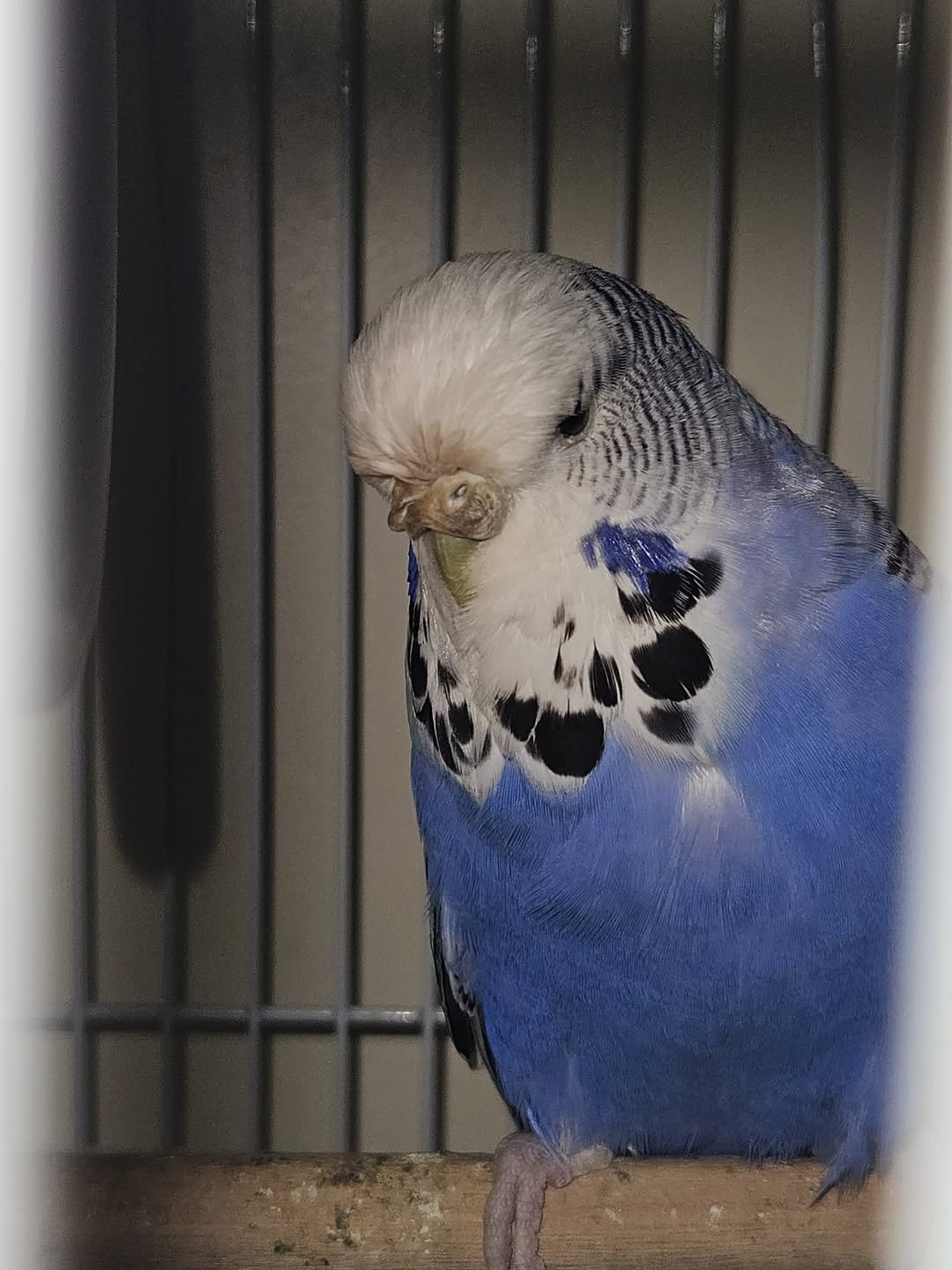
For UK owners reading this article whose bird has not yet sneezed blood, here are the earlier signs that often precede this symptom. Acting on these earlier signs prevents the more serious symptom from developing.
- Persistent sneezing without blood — more than occasional, lasting more than 2-3 days
- Discharge from nostrils — clear, cloudy, or yellow
- Crusty deposits around the cere or nostrils
- Breathing changes — tail bobbing, increased rate, audible breathing
- Voice changes — quieter, hoarser, different sounding
- Reduced activity or energy
- Sitting fluffed up more than usual
- Reduced appetite or interest in food
- Sleeping more during the day
- Wiping or scratching face more than usual
Any of these signs, individually or in combination, are reason to see an avian vet within a few days even before any blood appears. Catching respiratory issues early dramatically improves outcomes.
For more on recognising respiratory and general illness signs early, our guide on how to know if your budgie is dying covers the wider picture, and our article on why your budgie may be breathing heavy covers the specific respiratory symptoms that often precede this kind of bleeding.
How Likely Is Recovery?
This is the question every UK owner asks me when their bird is on the way to the vet. The honest answer, after 35 years, is — it depends almost entirely on how quickly the owner acted.
For birds reaching an avian vet within hours of the first blood appearing, with no other severe symptoms present, recovery is genuinely common. Respiratory infections respond well to appropriate antibiotics. Trauma cases often heal completely with rest and supportive care. Even some tumour cases can be managed.
For birds where owners waited days before seeking help, where blood was accompanied by severe breathing difficulty or collapse, where multiple symptoms had been ignored for weeks — outcomes are much less reliable. Sometimes the underlying condition has progressed too far for any treatment to save the bird.
This is why the urgency in this article matters. It is not me being dramatic. It is 35 years of watching the difference between owners who acted and owners who waited.
Caring For A Recovering Budgie At Home
For UK owners whose bird has been treated and is recovering at home, here is the supportive care that genuinely helps. Follow your vet’s specific instructions first, but these general principles apply to most respiratory recovery cases.
- Smaller hospital cage during recovery
Reduces flying attempts, conserves energy for healing. - Stable warm temperature
22-24°C consistently. Avoid drafts and temperature swings completely. - Easy access to food and water
Lower perches, easier reach. Bird should not have to fly or stretch. - Quiet environment
Reduced noise, less household activity nearby. Stress slows healing. - Strict medication schedule
Whatever the vet prescribed, give exactly as instructed. Do not stop early even if bird seems better. - Excellent nutrition
Quality seed plus daily fresh vegetables. Cuttlefish bone always available. - Watch for improvement signs
Brighter posture, more vocalising, better appetite, normal droppings returning. - Watch for deterioration signs
Renewed blood, increased fluffing, reduced eating, breathing changes. Phone vet immediately if these appear. - Follow-up appointments matter
Even if bird seems fully recovered, complete the vet’s full follow-up plan.

Most properly-treated cases show clear improvement within 3-5 days, with full recovery typically over 2-3 weeks. Patience and complete adherence to the vet’s plan give the best outcomes.
How To Prevent Respiratory Issues In The First Place
For UK owners who want to reduce the risk of their bird developing the kind of respiratory problems that can lead to blood-sneezing, here are the practical prevention steps that genuinely help.
- Stable warm environment — 18-24°C, no draughts, no extreme temperature swings
- No exposure to harmful fumes — never use PTFE non-stick pans near birds, avoid aerosols, smoke, strong cleaning chemicals
- Clean cage regularly — droppings, old food, and dust harbour bacteria
- Quality varied diet — strong immune systems resist infection
- Adequate sleep — 10-12 hours of dark quiet sleep nightly
- Quarantine new birds — 30 days separate housing before any contact
- Annual avian vet checks — catches issues before symptoms appear
- Watch for early respiratory signs — act on persistent sneezing, discharge, or breathing changes early
- Avoid overcrowding — multiple birds in small spaces increase disease transmission
- Good ventilation without draughts — fresh air helps, direct cold blasts harm
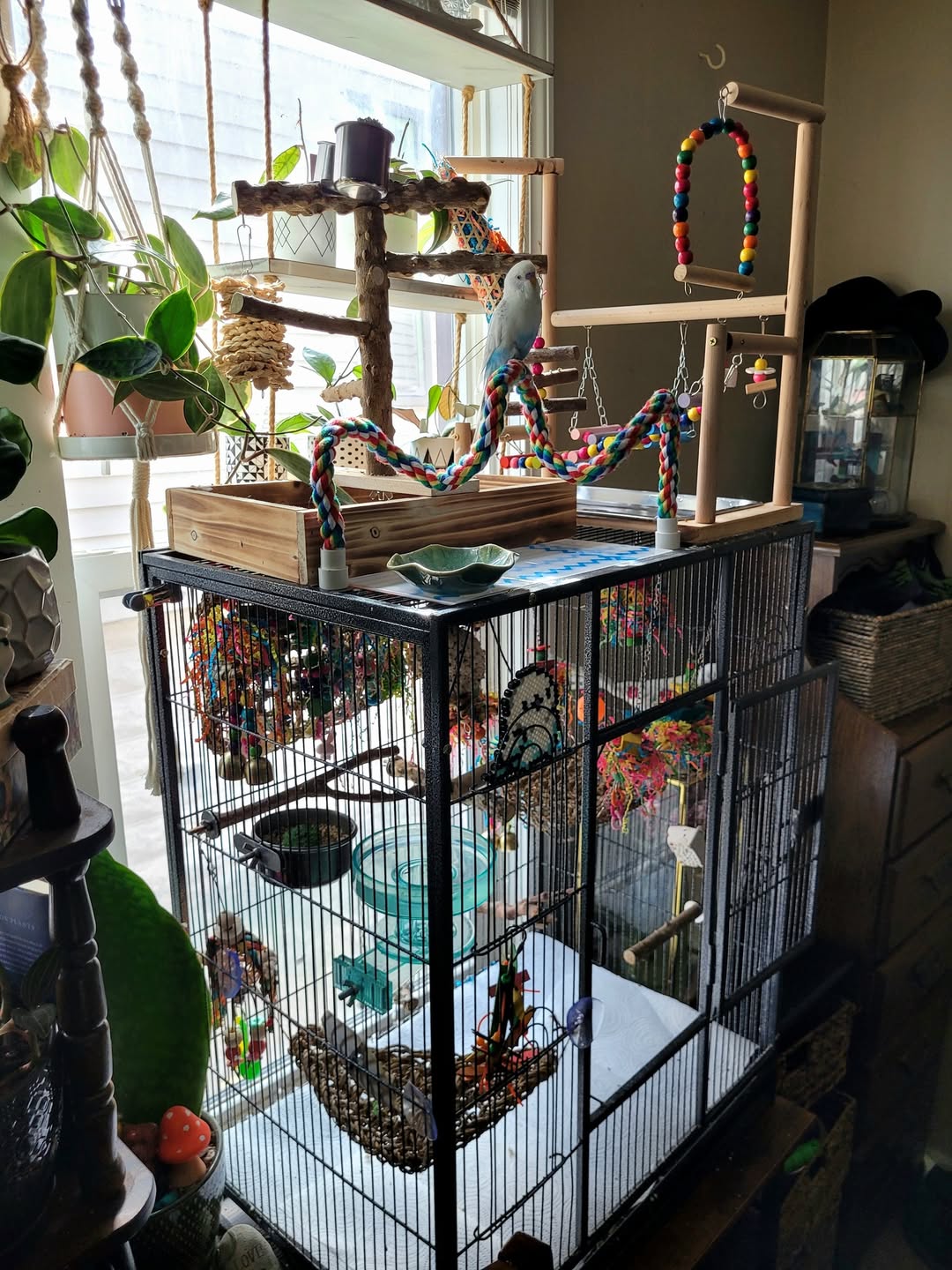
Prevention is genuinely much easier than treatment. Most respiratory problems I see at the counter could have been prevented by addressing one or more of these factors before symptoms appeared.
Frequently Asked Questions
Is blood in a budgie’s sneeze always an emergency?
Yes, always. There is no scenario in which blood in a budgie’s sneeze is normal, minor, or “wait and see.” It always indicates something significantly wrong inside the bird’s body — infection, trauma, internal problem, or serious irritation — that needs veterinary assessment within hours, not days. Treat it as urgent regardless of how otherwise normal the bird appears.
Can my budgie recover from sneezing blood?
Yes, in many cases — but only if you act quickly. Birds that reach an avian vet within hours of the symptom appearing have genuinely good chances of recovery for many of the underlying causes. Birds whose owners wait days before seeking help have much worse outcomes. The single biggest factor in recovery is how quickly veterinary treatment begins.
What does it mean if my budgie sneezes blood and then seems fine?
It still means something is wrong. Budgies hide illness instinctively — by the time symptoms are visible, the underlying problem has usually been developing. A bird that seems fine after sneezing blood is a bird whose body is currently coping with whatever caused the bleeding, but the cause itself has not gone away. See an avian vet today regardless of how the bird appears otherwise.
Should I take my budgie to a general vet or an avian vet?
An avian or exotic vet wherever possible. Birds have completely different anatomy, physiology, and disease patterns from cats and dogs. General vets often have limited specific avian experience, particularly for complex respiratory cases. If you cannot reach an avian specialist quickly, a general vet is better than nothing, but request referral to an avian specialist if the case is serious.
What causes a budgie to sneeze blood?
The most common causes I see are severe respiratory infections (bacterial, fungal, or viral), trauma to the face or beak area, sinusitis, inhaled irritants including PTFE fumes, internal organ problems, tumours in older birds, and severe parasitic infections. All of them require veterinary diagnosis to determine which is involved, and all of them need professional treatment.
How much will treatment cost?
This varies enormously by location, vet, and underlying cause. Initial avian vet consultations in the UK typically range from £40-80, with additional costs for tests, medications, and follow-up appointments. Bird insurance can help significantly with unexpected costs. Whatever the cost, it is almost always less than the cost of losing the bird — and considerably less than the long-term distress of having waited and lost a bird that could have been saved.
Where can I get emergency budgie advice in Swindon?
Come and see us at Paradise Pets, Manor Garden Centre, Cheney Manor, Swindon SN2 2QJ for general advice, or ring us on 01793 512400. For genuine medical emergencies — including blood sneezing — please contact an avian vet directly rather than waiting to visit us. We can advise on which local vets have good avian experience, but treatment must come from a vet.
One Last Thing From Me
“My budgie has sneezed blood — what do I do?” is one of the most frightening calls I get from UK owners, and one of the most important to answer with absolute clarity. The honest answer, after 35 years of selling and watching these birds, is — phone an avian vet today. Not tomorrow. Not Monday. Today. Every other piece of advice in this article is secondary to that single instruction.
The man who rang me about his budgie that Saturday afternoon? He hung up, phoned the emergency vet immediately, and had his bird in the clinic within ninety minutes. The vet diagnosed a respiratory infection, prescribed antibiotics, and explained exactly what supportive care was needed. Two weeks later he rang the shop to say his bird was eating normally, vocalising again, and showing no further signs of bleeding. Three months later they came in together, the bird sitting calmly in his hands, and he thanked me for telling him to skip everything else and just phone the vet. “I would have waited until Monday otherwise,” he said. “I would have killed her by being careful.”
That story is the reason this article exists in the form it does. Not because I want to frighten UK owners, but because every year I hear about budgies whose owners waited too long. Whose owners thought the bird “seemed alright otherwise.” Whose owners gave home remedies instead of phoning a vet. The bird in those stories does not survive, and the owner is left with grief and questions that no answer can resolve.
Please do not be that owner. If you are reading this with a bird that has sneezed blood — close this article, pick up your phone, and ring an avian vet. Right now. Read the rest later, once your bird is being seen. The information will still be here. The bird may not be, if you wait. After 35 years at the counter, that is the most honest thing I can tell you.
Need Urgent Budgie Advice In Swindon? Phone The Vet First, Then Come See Me
For emergencies — including blood sneezing — phone an avian vet immediately. For follow-up advice, prevention, or general budgie care questions, come and see us. Free honest advice based on 35 years. That is how we have done things since 1988.