
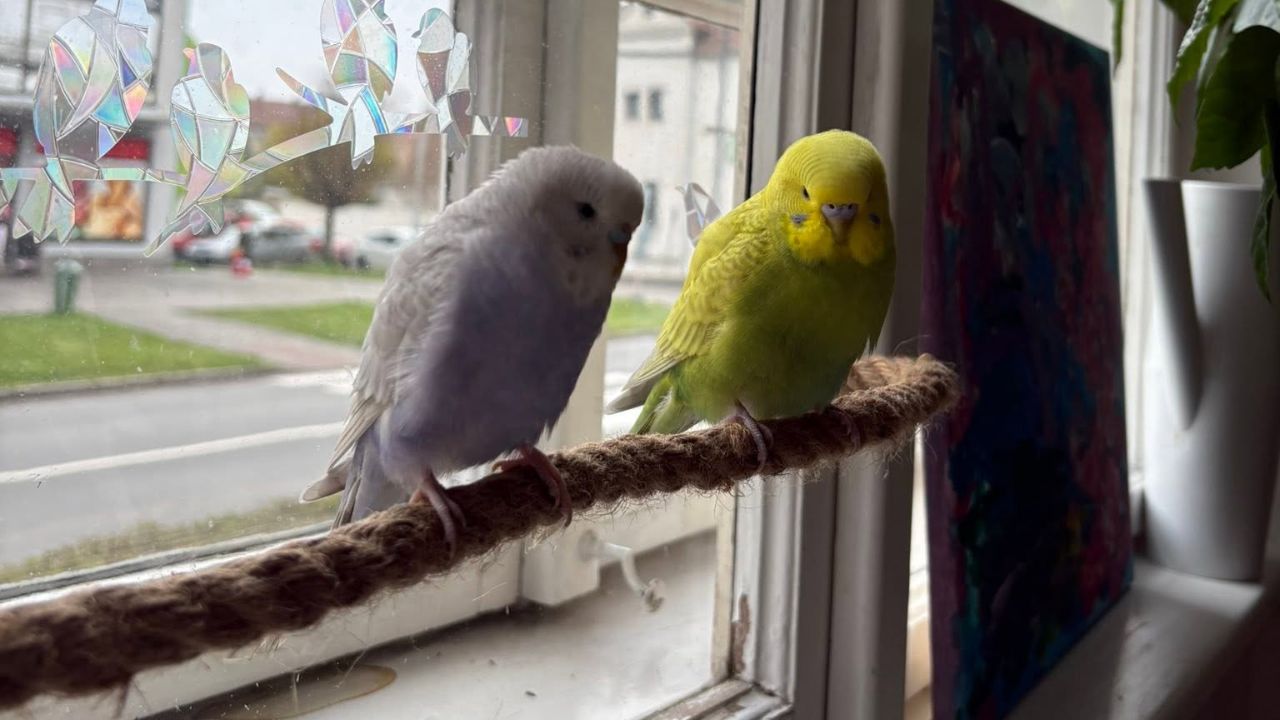

Neil has kept, bred, and sold pet birds at Paradise Pets Swindon since 1988 — over 35 years of watching UK families make pet decisions across every season of the year, and observing which specific timing patterns produce the best outcomes for both families and animals. UK school summer holidays are approaching fast — for most UK families in England and Wales, holidays begin around 22-23 July 2026, giving families just weeks to prepare for the six-week break ahead. And at pet shop counters across the UK — including this one — bird enquiries from UK families have already begun climbing as parents look for ways to occupy children through the extended summer break. But after 35 years of watching what happens when UK families acquire pet birds specifically during the pre-summer-holiday period, Neil has developed a genuinely honest, welfare-led view about why this specific timing produces some of the most predictable welfare compromises and household regret patterns in the UK pet bird community. This is his straightforward, welfare-led message to every UK family currently considering a summer holiday pet bird purchase — the honest reality of what typically happens, the specific mismatches this timing produces, why the pattern is genuinely preventable, and exactly what UK families can do instead to produce genuinely good outcomes for both children and any pet birds they eventually bring home.
A young mother came into the shop one Wednesday afternoon last week with her two children, aged nine and eleven. She had been considering buying the family a pet budgie for months, and with UK school summer holidays approaching she had decided this was the perfect time to make the decision — the children would be at home for six weeks to bond with the new bird, they could learn about care responsibilities together, and the family had time to properly welcome the pet into their household. She wanted my professional opinion on which type of pet bird would be best for the family, and whether we had any specific birds available for the summer. Her intentions were genuinely good. Her reasoning seemed sensible. And her timing was, honestly, one of the worst possible times of the UK calendar year to acquire a pet bird for a family situation.
I sat with her for half an hour and explained the honest answer, which is one I have given hundreds of times over 35 years and which surprised her considerably. Summer holiday timing for pet bird purchases produces the most predictable welfare compromise and rehoming pattern I see at the counter across the entire UK calendar year. The reasoning that makes summer timing seem sensible to UK parents — children home to bond with the bird, time to welcome the pet, holiday period to settle in — actually produces the opposite outcome. New birds require quiet settling time, not intense bonding attempts. Summer holidays typically include family trips, days out, and disrupted routines that make consistent care difficult. September return to school produces a predictable welfare crisis when suddenly-uninteractive children combined with working parents leave the bird under-supported. And the specific psychological pattern of children losing interest in pets after initial novelty is genuinely well-documented across UK households. The mother left that afternoon considering a completely different approach — deferring the pet bird decision until the family had more sustainable regular routines, and using the summer holiday to prepare properly rather than to acquire.
I am writing this article because UK school summer holidays are approaching fast, UK families are already coming to the counter with summer holiday pet purchase plans, and the specific welfare compromises this timing produces are genuinely preventable through honest pre-purchase conversation. The rehoming rates at UK animal welfare organisations spike predictably in September and October each year, and a substantial proportion of those birds and small animals were acquired during the pre-summer-holiday period with genuinely good intentions that did not survive the reality of family life resuming in autumn.
This article is the conversation I have at the counter with UK families arriving with summer holiday pet purchase plans. By the end of it, you will understand exactly why summer holiday timing produces predictable welfare compromises, what the specific trajectory looks like from July acquisition through autumn welfare crisis, why the appealing reasoning inverts into welfare-problematic outcomes, what UK families can genuinely do instead of summer holiday pet purchases, and how to make the honest assessment about whether your specific UK family situation is genuinely suited to pet bird ownership regardless of timing.
Why UK Families Consider Summer Holiday Pet Purchases
For UK readers wanting to understand why summer holiday pet purchases seem so appealing to families, here is the honest picture based on 35 years of watching this pattern repeat.
Why UK summer holiday pet purchases seem sensible to families initially:
- Children home for six weeks — appears to provide bonding time
- Parents often more available during school holidays — flexible schedules
- Time to research and prepare for pet arrival — genuine planning opportunity
- Family unit together to welcome new pet — shared experience appealing
- Educational opportunity for children — care responsibility learning
- Occupation for children through long summer break — practical parenting concern
- Traditional family pet acquisition timing — cultural pattern reinforcement
- UK pet shops well-stocked in summer — availability convenience
- Weather-appropriate for outdoor pet activities — welfare-relevant for some species
- Children specifically requesting pets before or during holidays — parental response to child interest
- Family life feels less time-pressured — pace conducive to pet care
- Reward or milestone framing for children — pet as achievement recognition
Every one of these reasons is genuinely understandable, reflects good parental intentions, and would be sensible if the actual daily reality of the summer holiday and post-summer-holiday period matched the reasoning. The problem is that the reasoning does not match the reality, and UK families making summer holiday pet decisions consistently discover this mismatch after the acquisition has been made.
The pattern is not the fault of UK families. It reflects a genuinely understandable set of reasoning errors that repeat across UK households every summer, combined with UK pet retail practice that has consistently sold into summer holiday demand without adequate honest guidance about the timing implications. After 35 years at the counter, I have watched hundreds of UK families arrive with these entirely sensible reasons and leave with pets whose welfare outcomes did not match the family’s genuine intentions.
For more on UK family pet decision-making generally, our article on why some pets suit UK families better than others covers the broader welfare-led pre-purchase decision principles that apply across summer holiday timing considerations too.
The Predictable UK Summer Holiday Pet Purchase Trajectory
For UK families wanting to understand exactly why summer holiday timing produces welfare problems, here is the honest picture of the trajectory I have watched at the counter for 35 years.
The typical UK summer holiday pet purchase trajectory in detail:
- Weeks 1-2 (Late July): Family acquires pet with intense excitement
Multiple family members compete for handling time. Over-interaction typical. - Weeks 3-4 (Early August): Initial novelty produces welfare-inappropriate over-handling
Bird stressed by constant attention. Trust-building undermined by intensity. - Weeks 4-5 (Mid August): Family holiday or days out
Pet left with temporary carers, extended kennel periods, or minimal daily attention. Environmental stability disrupted. - Week 6 (Late August): School preparation begins
Attention shifts to uniform buying, book purchasing, mental preparation for return. - Week 7 (Early September): School returns and daily routine transforms suddenly
Children absent for school hours. Parents return to work commitments. Daily interaction drops precipitously. - Weeks 8-10 (Mid September): Bird experiences welfare-relevant transition stress
Loss of expected daily interaction. Behavioural changes begin. - Weeks 11-14 (October): Family realises current situation is not sustainable
Time available for pet care does not match acquired pet’s needs. - Weeks 15+ (Late October onward): Rehoming consideration begins
Family conversation about whether keeping the pet is fair to the animal and manageable for household. - December-January: Peak UK rehoming enquiries reach welfare organisations
Predictable seasonal pattern reflecting summer purchase decisions. - Individual UK birds bear the welfare consequences throughout the trajectory
The trajectory is not always this dramatic, and some UK families genuinely manage summer holiday pet acquisitions successfully. But the pattern I have described is the common trajectory rather than the exception. Most UK families acquiring pets during the pre-summer-holiday and summer-holiday period follow substantial elements of this trajectory, even if the specific rehoming outcome is not always reached.
After 35 years of watching this trajectory repeat, I have come to believe UK families are systematically underestimating both the specific timing implications of summer holiday acquisitions and the sustainability challenge of transitioning from summer holiday intensity to autumn school-and-work routine. The mismatch is genuine, predictable, and preventable through honest pre-purchase conversation.
Why The Appealing Summer Timing Reasoning Genuinely Inverts
For UK families wanting to understand how each element of the summer holiday appeal actually inverts into a welfare problem, here is the honest analysis.
How each appealing summer reasoning element actually inverts:
- “Children home to bond with pet” → Welfare-inappropriate over-handling of stressed new bird
New birds need quiet settling, not intense interaction. - “Parents more available during holidays” → Availability disappears in September when needed most
Bird adapts to summer level of attention that cannot continue. - “Time to prepare and welcome pet” → Rushed acquisition to fit holiday timing rather than proper preparation
Pre-purchase research often shortcut by holiday pressure. - “Family unit together” → Multiple humans crowding stressed new bird
Solo settling time actually welfare-appropriate. - “Educational for children” → Children lose interest as novelty wears off
Well-documented psychological pattern of pet ownership. - “Occupation for children” → Pet becomes background presence as summer activities distract
Days out, screen time, friends visit reduce pet engagement. - “Traditional timing” → Reinforces problematic pattern rather than welfare-appropriate practice
Cultural tradition not equivalent to welfare-led practice. - “UK shops well-stocked” → Availability leads to less considered species choices
Species-family matching often shortcut by what is available. - “Weather appropriate” → Actually harder to maintain welfare-appropriate temperatures during UK heatwaves
Summer heat produces welfare complications for many species. - “Family life less pressured” → Post-holiday reality reveals actual family time constraints
Summer temporarily suspends normal time pressures that resume. - “Milestone/reward framing” → Pet acquired for symbolic rather than welfare-led reasons
Reward-based acquisitions produce weaker long-term commitment.
The pattern of appealing reasoning inverting into welfare problems is genuine, consistent, and produces predictable outcomes across UK families. This is not a criticism of UK parents’ intentions. It is honest recognition that the reasoning that seems sensible in July produces the trajectory that becomes welfare-problematic by September and October.
For more on the specific welfare challenges new birds face during acquisition, our article on the one thing most UK new bird owners get wrong in the first week covers the settling-in welfare requirements that summer holiday intensity typically undermines.
What UK Families Can Do Instead — Better Summer Holiday Alternatives
For UK families wanting to occupy children during the summer break and consider pet ownership longer-term, here is the honest practical guidance about better approaches than summer holiday pet acquisition.
- Use summer holiday to research and plan pet ownership properly
Visit welfare-led UK independent shops. Read welfare guidance. Consider species-family matching honestly. - Volunteer with UK animal welfare organisations as family
RSPCA, Blue Cross, local UK sanctuaries all welcome family volunteers. - Visit UK bird reserves and wildlife centres together
RSPB reserves, wildlife trusts, UK zoos with welfare-led approaches. - Educational bird activities that don’t require acquisition
Bird identification apps, garden bird watching, UK citizen science participation. - Consider fostering rather than acquisition
UK welfare organisations often need foster placements. Genuine welfare contribution. - Plan pet acquisition for late September or October instead
Once school and work routines are established. Welfare-appropriate timing. - Use summer to build family capacity for pet ownership
Routine building, responsibility development, financial preparation. - Explore family bird-watching hobby
Sustained interest without pet ownership commitment. - Consider family membership of UK welfare organisation
Ongoing engagement without acquisition pressure. - Delay decision until family situation genuinely suits pet ownership
Waiting is welfare-appropriate response when situation is not right.
The single most valuable UK family summer holiday alternative to pet acquisition is using the time to research pet ownership properly rather than to acquire. UK families that spend summer holiday time learning about welfare-appropriate pet keeping, visiting welfare-led shops, considering species-family matching, and preparing household situations consistently produce better outcomes when they do eventually acquire pets — often the following year at more welfare-appropriate timing.
 The second most valuable alternative is planning acquisition for late September or October rather than mid-summer. This timing produces the opposite welfare trajectory from summer holiday acquisition — quieter arrival period, established autumn routines to build around, gradual approach to Christmas rather than rushed post-summer transition, and genuine welfare-appropriate settling opportunity.
For UK families whose children are specifically requesting pets, honest conversation about deferred timing typically produces better outcomes than immediate acquisition. Children who are involved in the research and preparation process across a longer timeframe develop deeper welfare-led understanding and more sustainable commitment than children whose pet enthusiasm was satisfied immediately during summer holiday period.
If You Are Still Considering Summer Holiday Pet Acquisition — Honest Guidance
For UK families who understand the trajectory concerns but still want to proceed with summer holiday pet acquisition, here is the honest guidance about how to do it in the most welfare-appropriate way possible.
If you must proceed with summer holiday pet acquisition, welfare-led guidance:
- Choose species-family matching very carefully
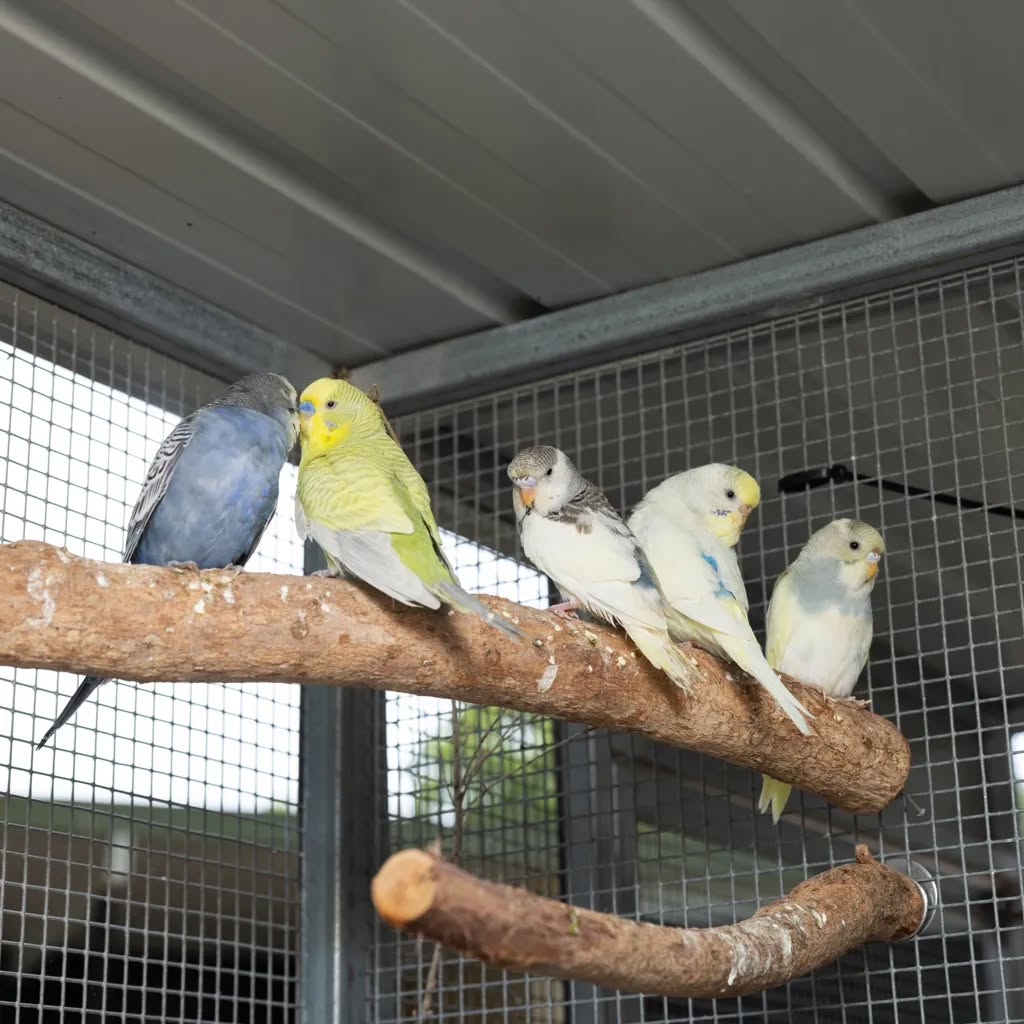
Budgies typically better matched to family situations than Indian Ringnecks or other demanding species. - Consider bonded pair for welfare-led social housing
Reduces owner interaction pressure. Species-appropriate for most pet birds. - Prepare welfare-standard setup before acquisition
RSPCA-guidance-compliant cage, appropriate diet, enrichment ready before bird arrives. - Establish quiet settling routine immediately
Reduce over-handling. Family members take turns rather than all interacting simultaneously. - Plan for August family activities without disrupting bird
Consider whether holidays or days out are compatible with new pet welfare. - Establish autumn continuation plan explicitly
Who provides daily care when school returns? Realistic time commitment? - Prepare children for reduced interaction post-September
Manage expectations honestly rather than allowing summer intensity to establish false pattern. - Build UK avian vet relationship early
Preventative care and welfare monitoring commitment. - Adult must maintain ultimate care responsibility
Not children’s responsibility alone. Adult welfare-led commitment essential. - Realistic acknowledgement of trajectory risk
Understanding the pattern helps prevent it developing.
The honest observation is that UK families who genuinely understand the summer holiday trajectory risk and specifically prepare for it can produce better outcomes than families who follow the pattern unaware. Awareness of the trajectory is genuinely the first step to preventing it. But if honest self-assessment suggests your family situation would follow the trajectory even with preparation, the welfare-appropriate response is deferring acquisition rather than proceeding.
For more on the specific welfare requirements of new UK pet birds during acquisition, our article on the welfare-led UK new bird first-week protocol covers the specific protocol UK families should follow if summer acquisition proceeds.
Common UK Family Regrets After Summer Holiday Pet Purchases
For balance, here are the honest patterns of regret I have watched at the counter over 35 years when UK families follow the summer holiday acquisition trajectory.
- “The children stopped caring after the first few weeks” — well-documented novelty pattern
- “We didn’t realise how tied to the house we would be” — care commitment scale underestimated
- “We had to cut our summer holiday short” — trip planning conflicts with pet care
- “The bird became stressed when we went back to work” — welfare consequence of transition
- “We had to find a bird sitter and could not” — care continuity challenges
- “The bird started plucking feathers in autumn” — stress response to reduced attention
- “The children complained about having to care for it” — expectation vs reality gap
- “We’re thinking about rehoming” — welfare-appropriate response to sustained mismatch
- “The bird seems miserable and we don’t know what to do” — welfare gap recognition
- “We wish someone had told us all this before we bought” — pre-purchase guidance gap
- “The vet bills have been much higher than expected” — stress-related health issues
- “We feel guilty about the decision but don’t see how to fix it” — emotional consequence of trajectory
These regret patterns are genuinely common rather than exceptional. UK families who follow the summer holiday acquisition trajectory produce these regret patterns predictably. The individual UK birds bear the welfare consequences of predictable patterns that could have been prevented through honest pre-purchase conversation.
 After 35 years at the counter, I have come to believe UK independent pet shops have a genuine welfare responsibility to have honest conversations about summer holiday timing before UK families make acquisition decisions. This article is my honest attempt to have that conversation at scale rather than only at the counter.
How To Make The Honest UK Family Pet Ownership Assessment
For UK families considering pet bird ownership at any timing, here is the honest self-assessment protocol that genuinely predicts sustainable welfare-led outcomes.
- Have you researched welfare-appropriate species-family matching?
Budgies typically best for UK families. Cockatiels also suitable. Other species require experienced keepers. - Do you have realistic understanding of daily care commitment?
Every day of the year, not just holiday periods. 8-12 year commitment typical. - Can adult in household take ultimate care responsibility?
Children genuinely helpful but not sole responsibility bearers welfare-appropriate. - Does your family routine sustainably allow pet care?
Term-time reality, not summer holiday intensity. Working parent availability realistic? - Do you have space for welfare-standard cage setup?
Minimum 120cm+ width for pair. Aviary preferred where possible. - Have you budgeted for lifetime pet costs including UK vet care?
Ongoing costs substantially exceed initial purchase price. - Is your household situation stable for the pet’s expected lifespan?
Housing, employment, family situation all considered. - Have you prepared children for realistic daily responsibility?
Beyond initial excitement, sustained commitment expected. - Do you have UK avian vet access within reasonable distance?
Specialist care matters for welfare-led keeping. - Are you making the decision because it is genuinely right, not because timing seems convenient?
Welfare-led decision independent of holiday timing pressure.
UK families scoring 8+ genuine positive responses across these ten questions are typically well-matched to pet bird ownership. UK families scoring below 6 positive responses are typically not currently well-matched, and would benefit from deferring acquisition until situation improves. Summer holiday timing pressure should not push acquisition when honest assessment suggests waiting is welfare-appropriate.
For UK families in the middle range with 6-7 positive responses, honest counter conversation typically identifies specific areas that can be addressed to move toward welfare-appropriate pet ownership readiness. This is often the most valuable outcome of pre-purchase conversation — identifying what needs to change before acquisition rather than proceeding despite gaps.
Frequently Asked Questions
Why is UK summer holiday timing problematic for pet bird acquisition?
Summer holiday timing produces a predictable welfare-problematic trajectory across UK families. Initial acquisition weeks produce welfare-inappropriate over-handling as excited children compete for interaction time. Family holidays and days out during six-week break create inconsistent care and disrupted environmental stability. September return to school produces sudden welfare-inappropriate transition as daily interaction the bird has adapted to expect disappears. Welfare compromises develop rapidly through autumn. UK animal welfare organisation rehoming enquiries predictably spike from October through December. The pattern reflects mismatch between summer holiday reality and post-summer-holiday reality that most UK families do not anticipate.
Are children genuinely worse at caring for pets after the initial novelty wears off?
Well-documented psychological pattern rather than criticism of children specifically. Children’s interest in new pets typically peaks in the first 2-4 weeks and declines substantially thereafter as novelty diminishes. This is normal developmental psychology, not moral failing. UK families that acquire pets primarily as children’s responsibilities consistently discover this pattern. Welfare-appropriate UK family pet ownership requires adult to maintain ultimate care responsibility with children participating meaningfully but not as sole care providers. Families that plan around this psychological reality produce better long-term outcomes than families that assume children will maintain initial enthusiasm throughout the pet’s lifespan.
When is genuinely a good time for UK families to acquire pet birds?
Late September or October is typically the best UK family pet bird acquisition timing. School routines are established. Working parent schedules are settled. Family has capacity to build sustainable daily routine that will continue through autumn and winter. New bird has quiet acquisition environment without summer holiday intensity. Trust-building can develop appropriately without competing family activities. This timing produces the opposite trajectory from summer holiday acquisition — welfare-appropriate settling followed by genuine relationship building rather than intense start followed by welfare-problematic transition.
What if my children are already asking for a pet bird?
Involve children in extended research and preparation process rather than immediate acquisition. This produces better welfare-led understanding and more sustainable commitment than immediate acquisition. Visit welfare-led UK independent shops together for education. Read welfare guidance. Consider species-family matching honestly. Plan for eventual acquisition at more welfare-appropriate timing whilst using intervening period for genuine preparation. Children who participate in months-long welfare-led preparation typically demonstrate more sustained commitment than children whose pet enthusiasm was satisfied immediately.
What are the best UK pet birds for family situations if we do proceed?
Budgies (particularly bonded pairs) are typically the best-matched UK pet birds for family situations. Suitable temperament, manageable welfare requirements, appropriate size, established species knowledge base, welfare-standard cages available in reasonable UK household spaces. Cockatiels are the second recommendation for UK families wanting slightly larger interactive pet birds. Other species (Indian Ringnecks, larger parrots) are typically not suitable for typical UK family situations and produce more challenging outcomes. UK independent shops with welfare-led focus can advise on specific species matching to your family situation.
What should we do if we already made a summer holiday pet purchase we now regret?
The welfare-appropriate response depends on your specific situation and the pet’s welfare status. If the pet is stressed but family is committed to sustainable care, implement welfare-led recovery approach including quiet routine, appropriate interaction levels, and post-September planning. If sustained family situation genuinely cannot provide welfare-appropriate care, rehoming through welfare-led UK organisations (rather than online marketplace) is genuinely the welfare-appropriate response. This is not failure — it is welfare-led response to reality. Please come in for a chat if you are in this situation and want honest guidance about the best welfare-appropriate response for your specific circumstances.
Where can I get UK family pet bird welfare-led advice in Swindon?
Come and see us at Paradise Pets, Manor Garden Centre, Cheney Manor, Swindon SN2 2QJ. We provide honest UK family pet bird pre-purchase advice including timing considerations, species-family matching, welfare-standard setup guidance, and honest assessment about whether your family situation is currently well-matched to pet bird ownership. Free thoughtful advice based on 35 years of watching UK families make pet bird decisions across every season. Ring us on 01793 512400.
One Last Thing From Me
“Should we get the children a pet bird for the summer holidays?” is the question I am hearing most often at the counter this month as UK school holidays approach, and one I want to answer with complete honesty and without judgement. The honest answer, after 35 years of watching UK families make this specific decision at this specific time of year, is — almost certainly not, if your primary reasoning is the summer holiday timing itself. UK summer holiday pet acquisitions follow one of the most predictable welfare-problematic trajectories I see at the counter across the entire UK calendar year. The reasoning that makes summer timing seem sensible to UK parents inverts into welfare problems as the summer holiday reality gives way to autumn school-and-work reality. Children lose interest as novelty wears off. Parents discover care commitment scale after acquisition. Family holidays disrupt bird welfare. September return to school produces welfare-inappropriate transition. Autumn rehoming enquiries follow predictably. This trajectory is not the fault of UK families. It reflects the mismatch between summer holiday intensity and sustainable UK family reality that most families genuinely do not anticipate at July purchase moment. My honest 35-year recommendation for UK families currently considering summer holiday pet bird acquisition is to defer the decision, use the summer holiday for research and preparation rather than acquisition, and plan for potential October acquisition when family routine is established and welfare-appropriate settling can occur. For UK families whose situation is genuinely well-matched to pet bird ownership at any timing, careful preparation for summer holiday acquisition can produce good outcomes — but this requires honest self-assessment showing your family situation is genuinely different from the typical trajectory pattern. Whichever category you fall into, please come in for a chat before making the acquisition decision. After 35 years at the counter, honest pre-purchase conversation with UK families considering summer holiday pet acquisition is one of the most valuable welfare interventions any independent UK pet shop can provide.
The young mother with the two children last Wednesday? She went home with genuine understanding of the summer holiday trajectory concerns, considered the honest assessment I had shared, and decided to defer the pet bird acquisition to October rather than proceeding with the summer holiday purchase she had been planning. She used the summer holiday period to research welfare-led budgie keeping properly with her children, visited the shop multiple times to learn about species-family matching, prepared welfare-standard setup gradually rather than in acquisition rush, and returned in mid-October to acquire a bonded pair of budgies whom the family has been thriving with for the past two years. The deferred timing produced a genuinely better outcome for the family and for the birds. The children remained engaged through the extended preparation process. The autumn acquisition environment allowed proper settling. The family’s sustainable routine supported welfare-appropriate care from acquisition onward. The trajectory that would have produced regret was replaced by trajectory that produced genuine ongoing thriving.
That is what I want for every UK family currently considering summer holiday pet bird acquisition. Not the summer holiday trajectory that produces predictable welfare problems and family regret. Not the well-intentioned decision that produces the opposite of the intended outcome. But the honest welfare-led assessment of whether summer holiday timing genuinely suits your specific family situation, and the practical guidance about what to do instead if the honest answer is deferring acquisition.
UK school summer holidays are approaching. UK families are already considering pet bird purchases. The trajectory pattern is genuinely preventable through honest pre-purchase conversation. And UK families who receive that honest conversation before making acquisition decisions produce genuinely better outcomes for themselves and for any pet birds they eventually bring home.
If you are a UK family considering summer holiday pet bird acquisition — whether from Swindon or beyond — please come in for a chat before committing to any purchase decision. After 35 years at the counter, helping UK families make welfare-appropriate pet acquisition timing decisions is one of the most genuinely valuable things any independent UK pet shop can provide.
Considering A Summer Holiday Pet Bird? Come And See Me First
We provide honest UK family pet bird pre-purchase advice including timing considerations, species-family matching, welfare-standard setup guidance, and honest assessment about whether summer holiday timing suits your specific family situation. Free thoughtful advice based on 35 years of watching UK families make pet bird decisions across every season. That is how we have done things since 1988.