
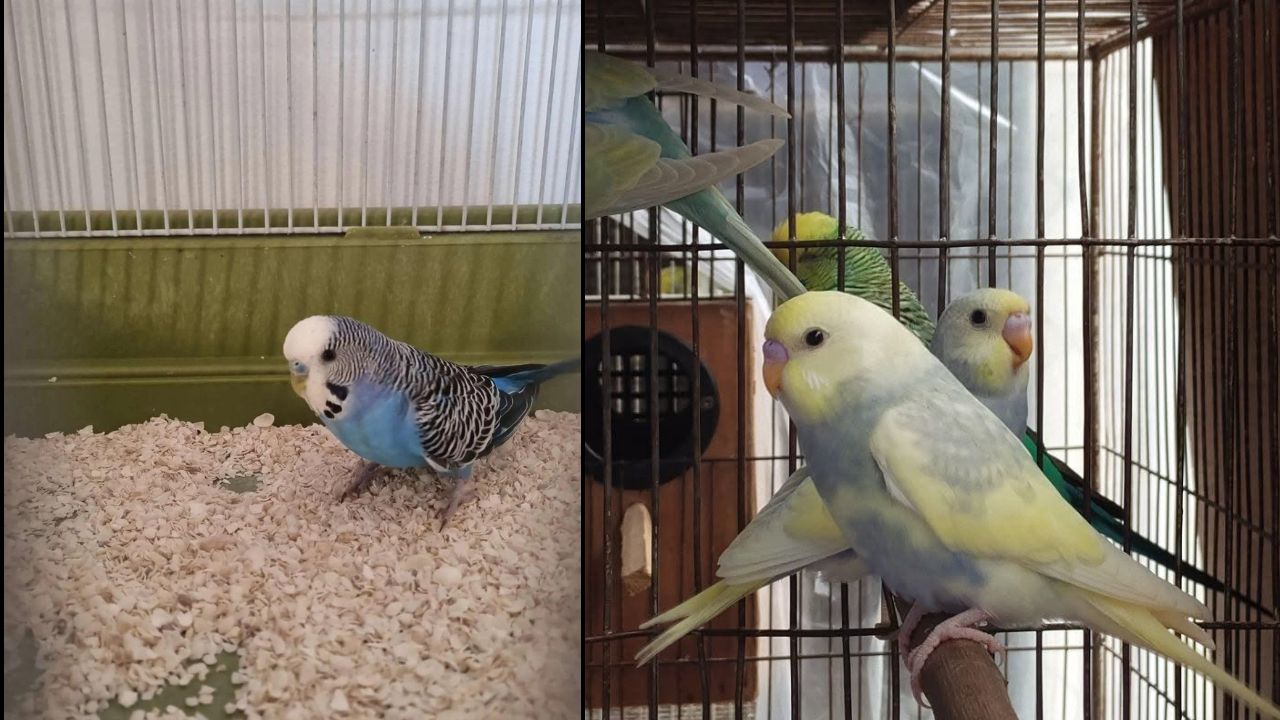

Neil has kept, bred, and sold cage and aviary birds at Paradise Pets Swindon since 1988 — over 35 years of first-hand experience with budgerigars, cockatiels, canaries, finches, and dozens of other species. A story emerged recently about a parakeet that escaped in Central Park, New York, and survived for ten weeks living alongside wild sparrows before being recovered. Most people read it as a charming anecdote. Neil read it as something more instructive — and what it says to UK budgie owners is worth paying attention to.
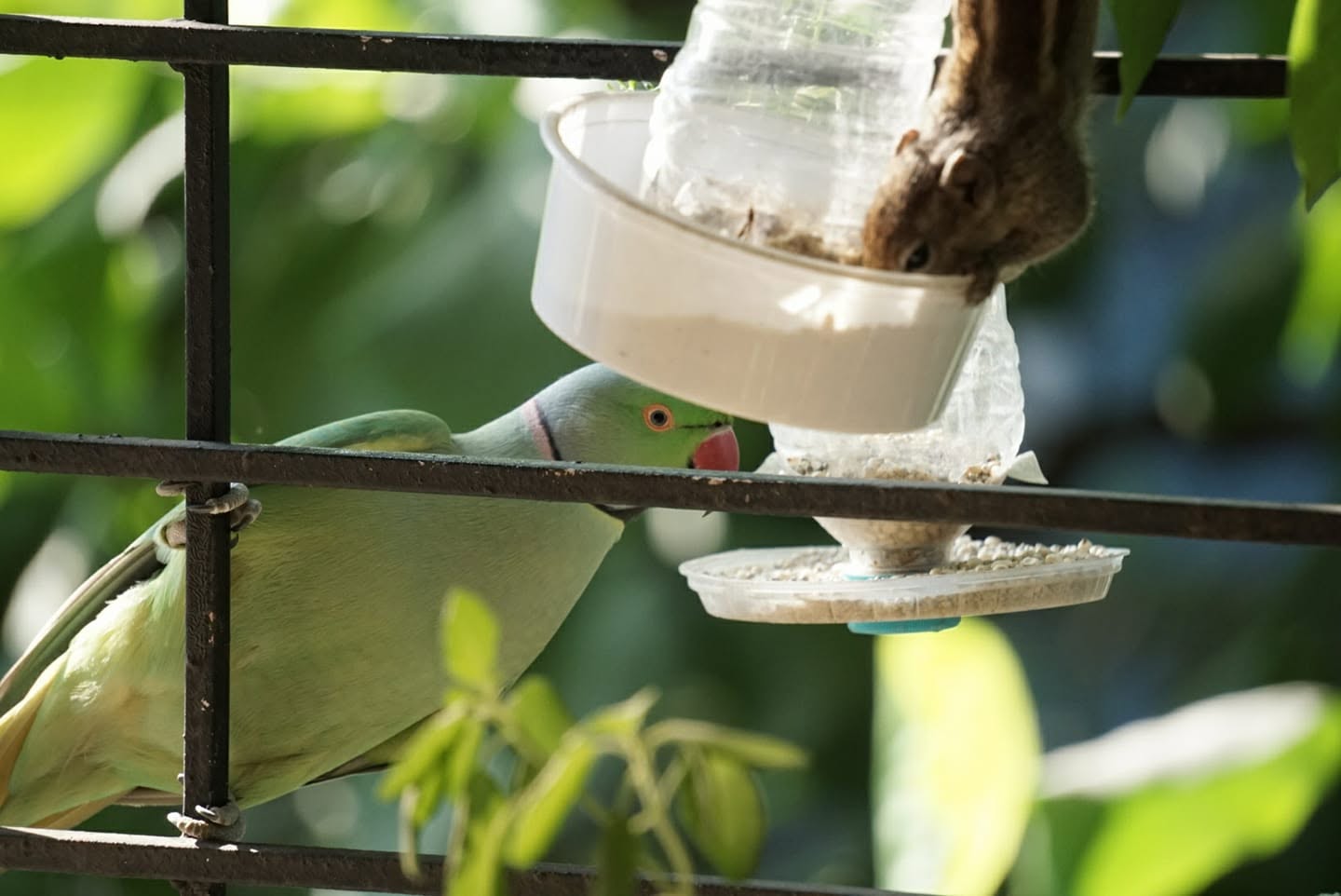
I heard about this story from a customer who had seen it shared on social media. A parakeet — the reports identified it as a monk parakeet, also known as a Quaker parrot, though some coverage used the term loosely — escaped in Central Park and was spotted over the following weeks foraging alongside house sparrows, apparently integrated into their feeding patterns and surviving without any of the care a domestic bird normally receives.
The customer who told me found it heartwarming. She said it was proof that budgies were basically fine if they ever got out — that they could look after themselves. She wanted me to agree with her.
I told her the story was genuinely interesting, but that I read it differently. Not as reassurance that escaped birds do well on their own, but as an illustration of something specific about bird biology and behaviour that has direct implications for how we keep and think about pet birds in the UK. Something that most owners have not been told and that matters more than it might initially appear.
Here is what I mean.
What Actually Happened in Central Park — The Biology Behind the Story
Before drawing lessons from the story, it is worth understanding what was actually happening biologically when the parakeet joined the sparrow group — because the explanation is not simply that the bird was adaptable or resourceful. It is something more fundamental than that.
Parakeets, budgerigars, and most parrot-family species are obligate social animals. Obligate in the biological sense means that sociality is not optional for them — it is a core requirement of their normal functioning. In the wild, budgerigars live in flocks that can number in the thousands. Monk parakeets form tight social colonies. The social group is where foraging information is shared, where predator detection is a collective effort, where the full range of normal behaviour — play, communication, social grooming — is expressed.
An isolated bird of these species is, in biological terms, in a state of ongoing stress. The stress is not metaphorical. It has measurable physiological consequences — elevated cortisol, altered immune function, behavioural changes that reflect the underlying distress of social isolation.
What the Central Park parakeet did by joining the sparrow flock was not remarkable adaptability. It was the expression of an overwhelming biological drive to be part of a social group — any social group — because the alternative is a state of isolation that these species are not equipped to sustain. The bird joined the sparrows because it had no other option, and sparrows were what was available. The social drive was stronger than the species boundary.
This is the part of the story that matters for UK budgie owners. Not “birds can survive alone if they need to” but “the drive to find social companionship in birds like this is so fundamental that a parakeet will cross species lines to find it rather than remain isolated.” That tells you something important about what your budgie needs from you.
What This Means for How We Think About Single Budgies
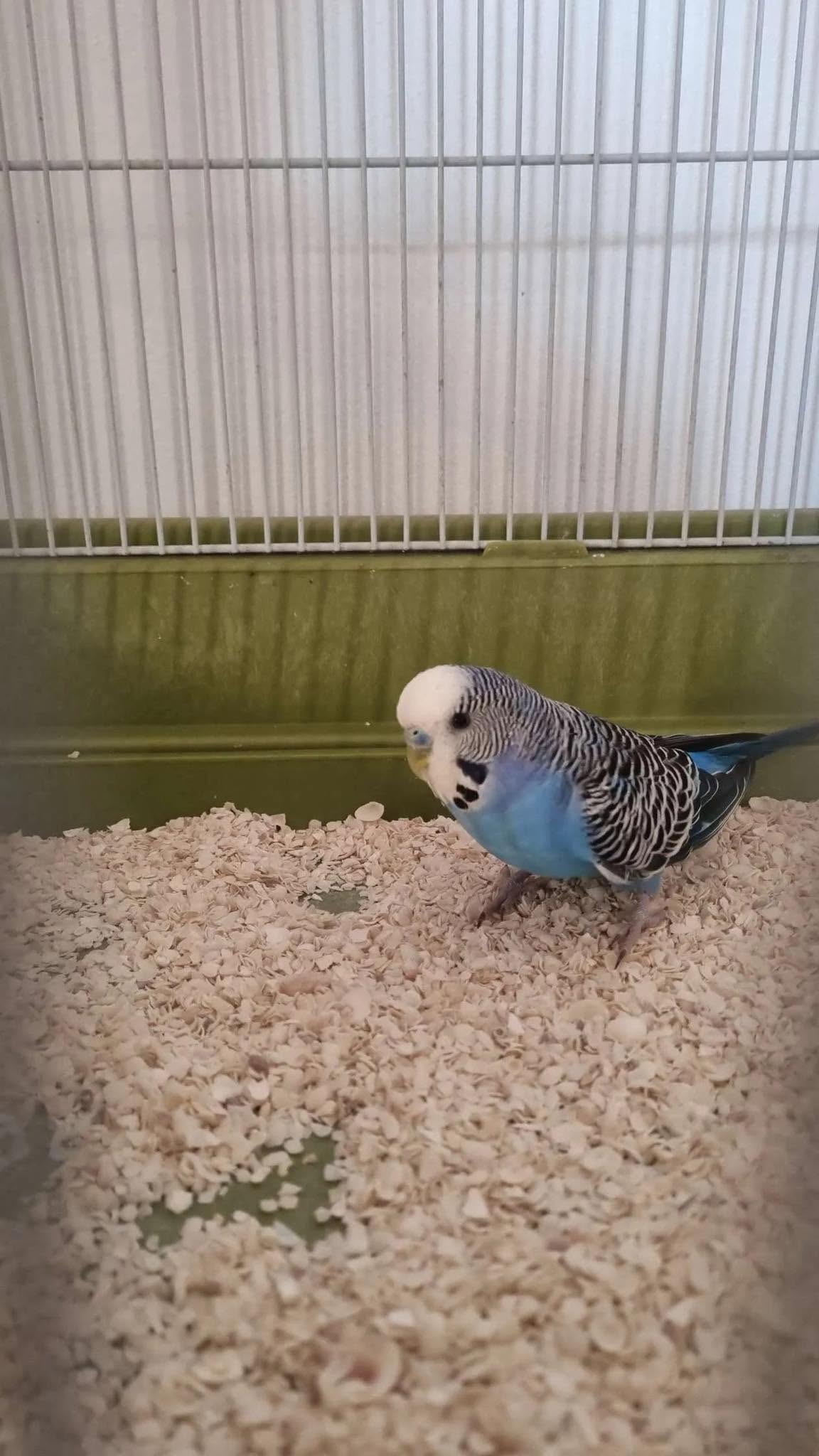
The Central Park story is, among other things, a vivid illustration of something I have been saying from this counter for decades: a single budgie kept without adequate social contact is not a content, independent pet. It is a flock animal in a state of social deprivation that it is managing as best it can with what is available to it.
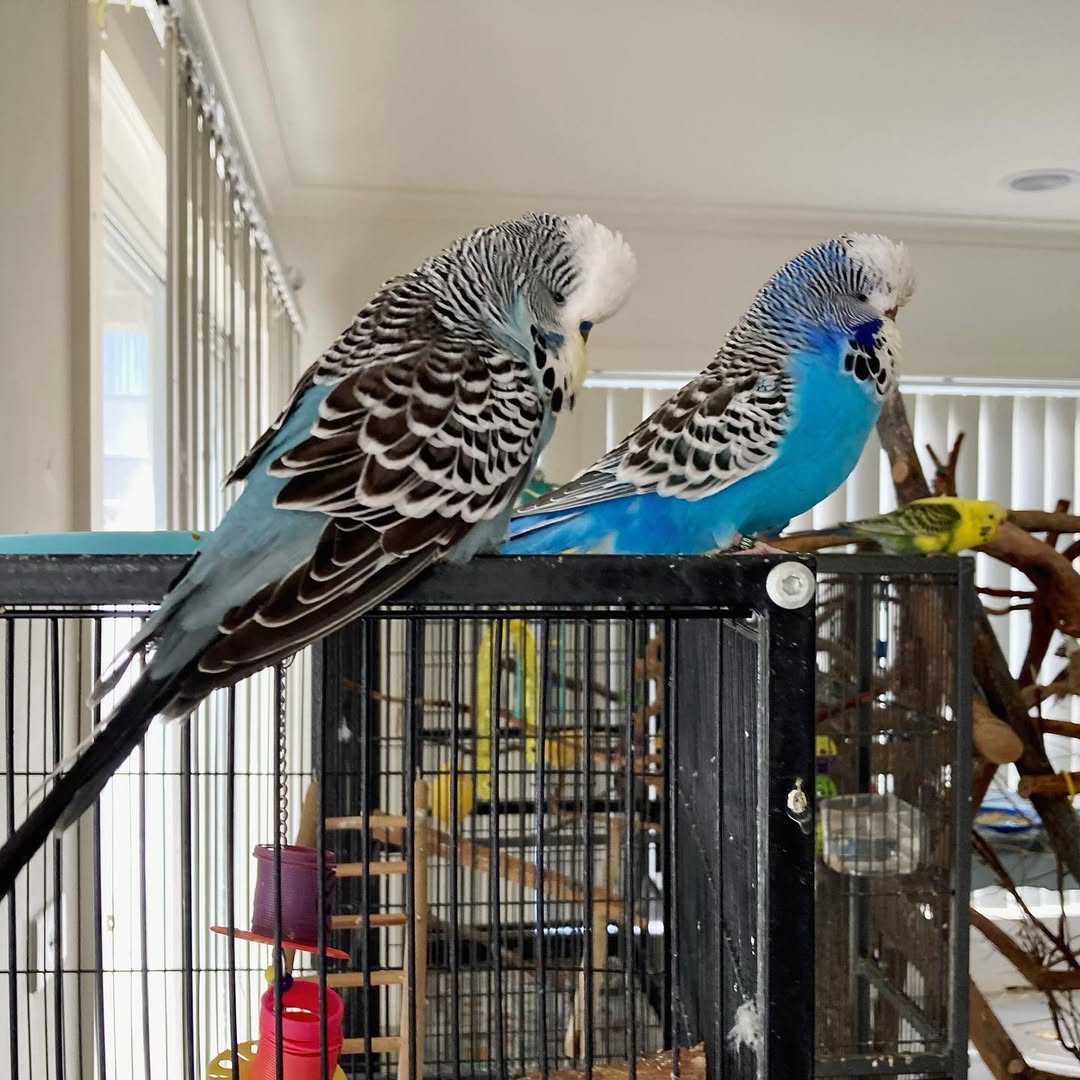
When the available social contact is a committed owner who provides daily interaction — who talks to the bird, who lets it out of the cage, who is genuinely present and engaged for a meaningful portion of each day — a single budgie can do well. The human becomes the flock, in a real if imperfect sense, and the bird’s social drive finds an outlet that, while not identical to conspecific company, is sufficient to prevent the welfare consequences of isolation.
When the available social contact is a household that is empty from eight until four, where the bird’s cage is in a quiet room with no ambient sound or human presence for most of the waking day, the situation is different. The bird is not independent and untroubled by this. It is a social animal in a condition of enforced isolation, doing what it can with what is available — which in many cases is very little.
The Central Park parakeet joined sparrows. A lone budgie in a quiet house does not have sparrows available. It has whatever it can find — reflections in mirrors, shadows, the sound of a television in another room. These are not adequate substitutes. They are what the bird uses because nothing better is available.
The Lesson About Adaptability — What It Does and Does Not Mean
One reading of the Central Park story is that birds are adaptable — that they can cope with situations far outside their normal parameters and manage surprisingly well. This reading is not entirely wrong, but it needs to be handled carefully because it is the reading that most easily slides into justification for inadequate care.
Birds are adaptable. Budgerigars are adaptable. They have colonised an enormous range of habitats in Australia, they have established feral populations in multiple European countries and cities, they can adjust their foraging behaviour, their social groupings, and their environmental responses in ways that reflect genuine cognitive flexibility.
But adaptability is not the same as thriving. A bird that is coping with a suboptimal situation is not a bird that is well. The capacity to manage under difficult conditions is not evidence that the conditions are adequate — it is evidence that the animal is trying very hard to function despite them. These are meaningfully different things, and the difference matters for how we interpret behaviour that looks like fine adaptation.
The Central Park parakeet survived ten weeks alongside sparrows. It was also a domestic bird living outside its appropriate environment, without proper nutrition, without veterinary care, exposed to the full range of outdoor hazards including predators, disease from wild bird contact, and the physiological stress of surviving in conditions it had not been prepared for. The story ended well — the bird was recovered — but the conclusion is not that this was good for the bird. It is that the bird was doing what it had to do, and that it got lucky.
Applied to domestic bird keeping: a budgie that is coping with a small cage, a seed-only diet, minimal social contact, and a quiet empty house is an adaptable bird managing a difficult situation. It is not evidence that those conditions are adequate. The coping is not the standard.
What the Social Drive Tells Us About Enrichment
The social drive that sent the Central Park parakeet to the sparrow flock is the same drive that makes the enrichment question in pet bird keeping more than a nice-to-have. Enrichment is not about making a bird’s life pleasant in some abstract way. It is about providing outlets for behavioural drives — including the social drive — that are part of the bird’s fundamental nature and that, when they cannot be expressed, produce welfare consequences.
A budgie that is actively foraging — working through a foraging toy to access food, investigating a new branch, engaging with a novel item in its cage — is a budgie whose cognitive and exploratory drives are finding expression. This matters because these drives exist in the bird regardless of whether they find adequate outlet, and when they do not, they find other expression: feather plucking, repetitive stereotyped behaviours, excessive vocalisation, lethargy.
 The sparrow flock, for the Central Park parakeet, was an enrichment source as much as a social one. It provided novelty, activity, foraging opportunity, and social stimulation that an isolated bird cannot generate for itself. The domestic equivalent is an environment that actively provides these things rather than simply assuming the bird will be content without them.
What the Escaped Bird Story Tells Us About Security
There is another practical lesson in the Central Park story that is worth drawing out separately: how these birds escape, and what it means for how owners manage the domestic environment.
A significant proportion of escaped pet parakeets and budgies escape through open windows or doors during out-of-cage time. The bird is flying free in the room, a window or door is open or opens unexpectedly, and the bird is outside before anyone has processed what happened. This is not a hypothetical — it is one of the most common causes of bird loss in UK homes, and it happens to careful, attentive owners as well as inattentive ones.
The Central Park story ended with recovery, which is not always the outcome. A budgie that escapes in the UK in winter, or in an urban environment without the foraging opportunities of a New York park in summer, faces a genuinely poor prognosis without rapid recovery. These are not birds equipped for sustained survival in UK outdoor conditions — they are tropical species whose body temperature management and foraging abilities are adapted to very different environments.
The practical implication is straightforward and worth stating plainly. Out-of-cage time should happen in a room where all windows and external doors are either closed or screened. Every time. Not mostly. Every time. The one time the window is forgotten is the time that matters, and it only needs to happen once.
Wings clipped is a topic that divides experienced bird keepers and I do not intend to resolve that debate here. What I will say is that the alternative to wing clipping — which is the complete consistency of a properly secured environment during out-of-cage time — is achievable but requires genuine discipline. If that discipline is not realistic for a particular household, the wing clipping discussion is worth having with an avian vet.
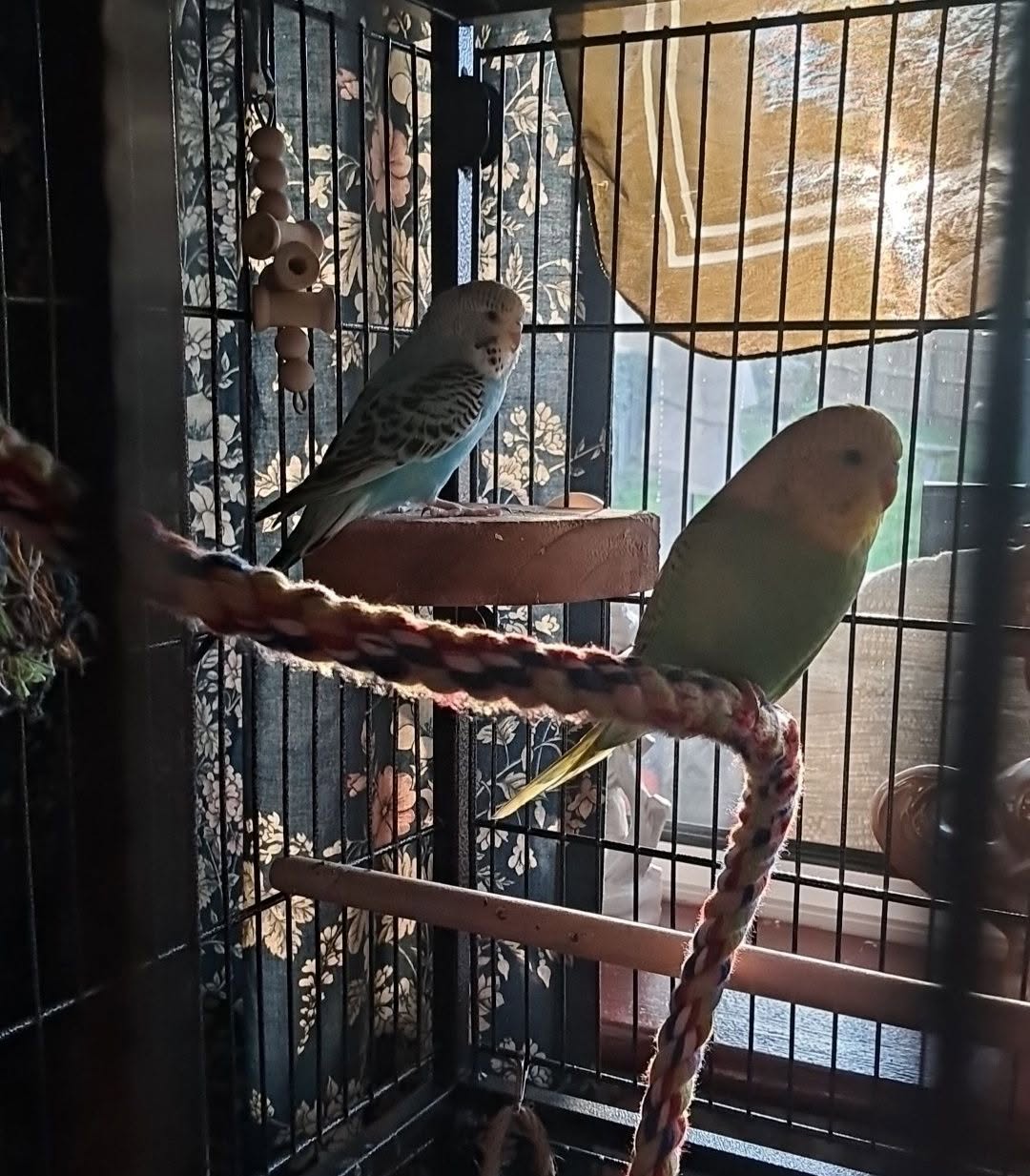
The Reunion — What Recovery After Escape Actually Involves
The Central Park parakeet was recovered. In the UK, escaped budgies are recovered less often than their owners hope, and the chances of recovery decrease sharply with time. But when recovery is attempted quickly and intelligently, the odds are better than most owners assume in the immediate distress of a bird having escaped.
For any UK budgie owner whose bird escapes, the actions that give the best chance of recovery are specific:
- Stay calm and stay outside near the point of escape. A recently escaped bird is often still close to the house and may return to a familiar voice. Talk to it. Call its name. Do not chase it — pursuit triggers flight instinct. Stand still and call.
- Put the cage outside near where the bird was last seen. A familiar cage with familiar food and familiar smells is a significant draw for a bird that is frightened and disoriented. Open cage door, familiar food visible, placed at the height the bird is most likely to approach from.
- Contact local vets, animal rescues, and bird-specific rescue organisations immediately. In the UK, the Parrot Society UK and various regional parrot rescue networks actively help with escaped bird recoveries. The faster they are notified the better.
- Post on local social media — specifically neighbourhood groups, not just general posts. A photograph of the bird and the specific street or location of the escape. People who see it are more likely to report if they have a reference point and a specific local connection.
- Check early morning and at dusk. These are the times escaped birds are most likely to be visible and most likely to be looking for roost and food. Coverage during these windows matters more than random searching through the day.
- Do not give up after a few days. The Central Park parakeet survived ten weeks. Recovery weeks after escape is genuinely possible and happens more often than people expect when the initial search is not abandoned.
What the Story Says About Our Assumptions About Birds
I want to end with the broader point that this story opens up, because I think it gets to something important about how most people think about pet birds and why that thinking sometimes does not serve the birds well.
Most people, when they think about what their budgie needs, think about physical provision — food, water, a clean cage, appropriate temperature. These things matter and they are necessary. But the Central Park story is a reminder that birds are not simple organisms whose needs are met by physical provision alone. They are socially complex animals with drives and needs that express themselves behaviourally, and those behavioural needs are just as real as the physical ones.
A parakeet that crosses species lines to join a sparrow flock rather than remain alone is not telling us something subtle or theoretical. It is making its need for social contact as visible and unambiguous as it is possible for an animal to make it. The lesson is available to anyone who looks at that story and asks what it means rather than simply finding it charming.
What it means is that the flock matters. Whether the flock is another budgie, a pair of cockatiels, or a committed human owner who makes the daily time — the flock matters, and the bird knows it even when we are not paying attention to the fact that it does.
Frequently Asked Questions
Can budgies survive if they escape in the UK?
In warm summer months, a budgie that escapes and can find food and shelter may survive for several weeks. In autumn and winter, the prognosis is significantly worse — budgies are tropical birds whose thermoregulation is not designed for UK cold, and a bird outside in a UK winter without shelter and adequate food is in serious difficulty quickly. The answer is not that they definitely cannot survive, but that the risk is real and increases sharply as temperatures drop. Prevention — consistent window and door security during out-of-cage time — is the correct response rather than reassurance that they tend to be fine.
Should I get a second budgie so my bird is not alone?
For most owners who are regularly away from home during the day, a second budgie is the best welfare provision available. Two budgies together provide each other with the social contact that addresses the core biological need the Central Park story illustrates. The tradeoff — that a bonded pair becomes somewhat more independent of their human keepers — is worth understanding before deciding, but for birds whose owners are out for standard working hours, the pair arrangement is generally the right answer.
My budgie seems happy on its own. Does it really need a companion?
A budgie that appears settled in a single-bird setup with good human contact may genuinely be meeting its social needs through that contact. A budgie that appears settled but receives minimal daily interaction is more likely coping than thriving. The question worth asking is not whether the bird looks distressed, but whether it is receiving the social engagement that its biology requires. The Central Park story is a reminder that these birds will find social contact wherever they can, which tells us something about how strongly that need is felt.
Where can I get honest advice about whether my budgie needs a companion bird in Swindon?
Come and see us at Paradise Pets, Manor Garden Centre, Cheney Manor, Swindon SN2 2QJ, or call us on 01793 512400. Tell us about your current setup — how much time you spend with the bird, what the household looks like during the day, what behaviour you are seeing — and we will give you an honest view of whether a second bird would be the right decision for your situation.
One Last Thing
The customer who told me the story wanted me to agree that it was reassuring — proof that budgies are resilient and do not need worrying about. I did not agree, but I understood why she wanted that reading. Caring about an animal means sometimes not wanting to think too hard about whether you are doing enough for it.
What I told her instead was that the story was actually one of the most vivid illustrations I had encountered of why the social question in bird keeping matters as much as the physical one. A parakeet that will join a flock of sparrows rather than remain alone is a bird telling us something clear. The question is whether we are listening.
After 35 years, I am still making the case that the flock matters — whether it is a second bird, a committed owner, or some combination of both. The Central Park story made the case more memorably than I usually manage. I am glad it happened, for what it illustrates, even if not for what the bird went through to illustrate it.
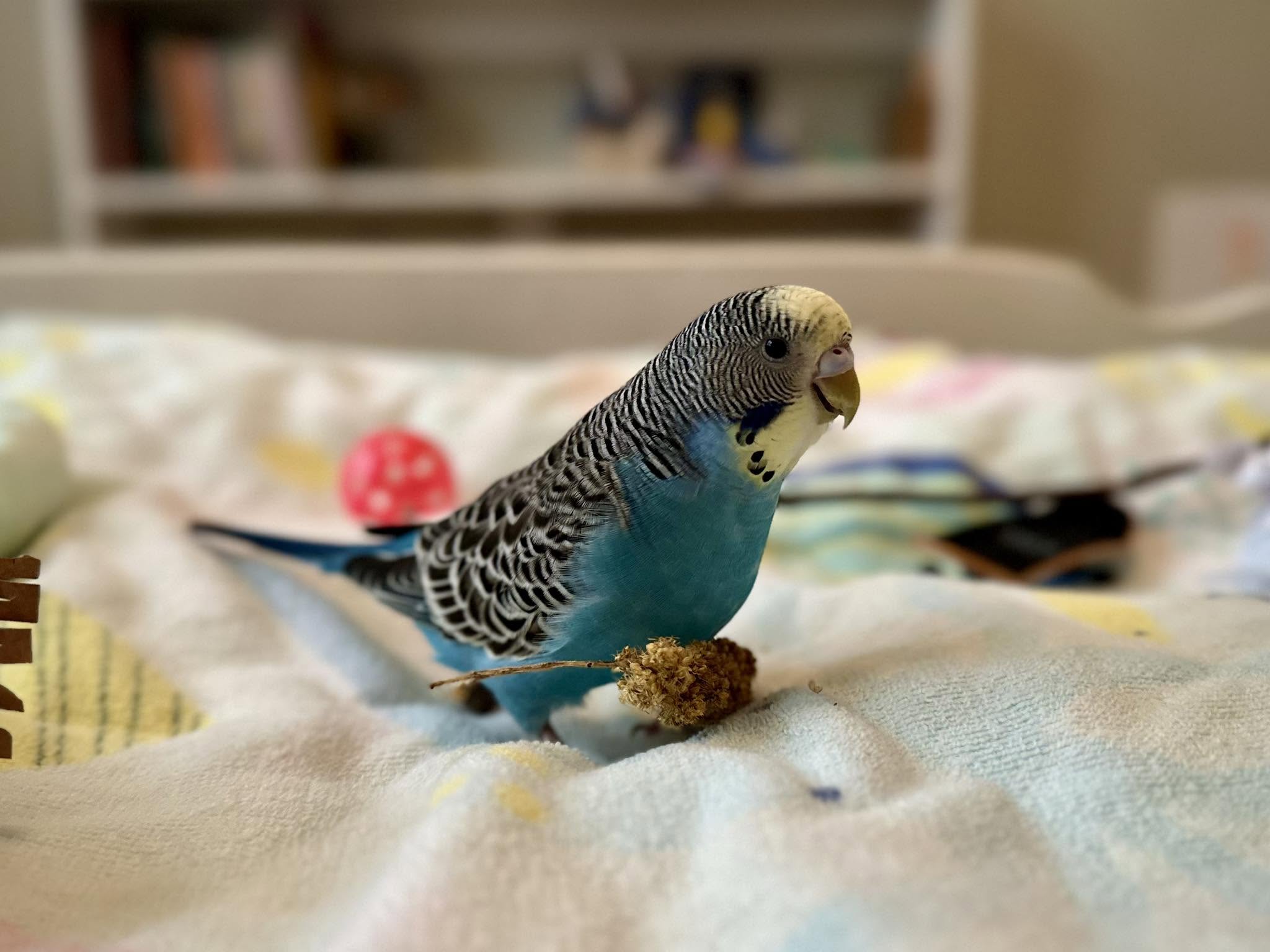
Want to Make Sure Your Budgie’s Social Needs Are Actually Being Met? Come In and We Will Help You Work It Out
We will look honestly at your setup, ask the right questions, and tell you whether what you have is genuinely enough — or whether a companion bird or a different routine would serve the bird better. Free advice, no obligation. That is how we have done things since 1988.