
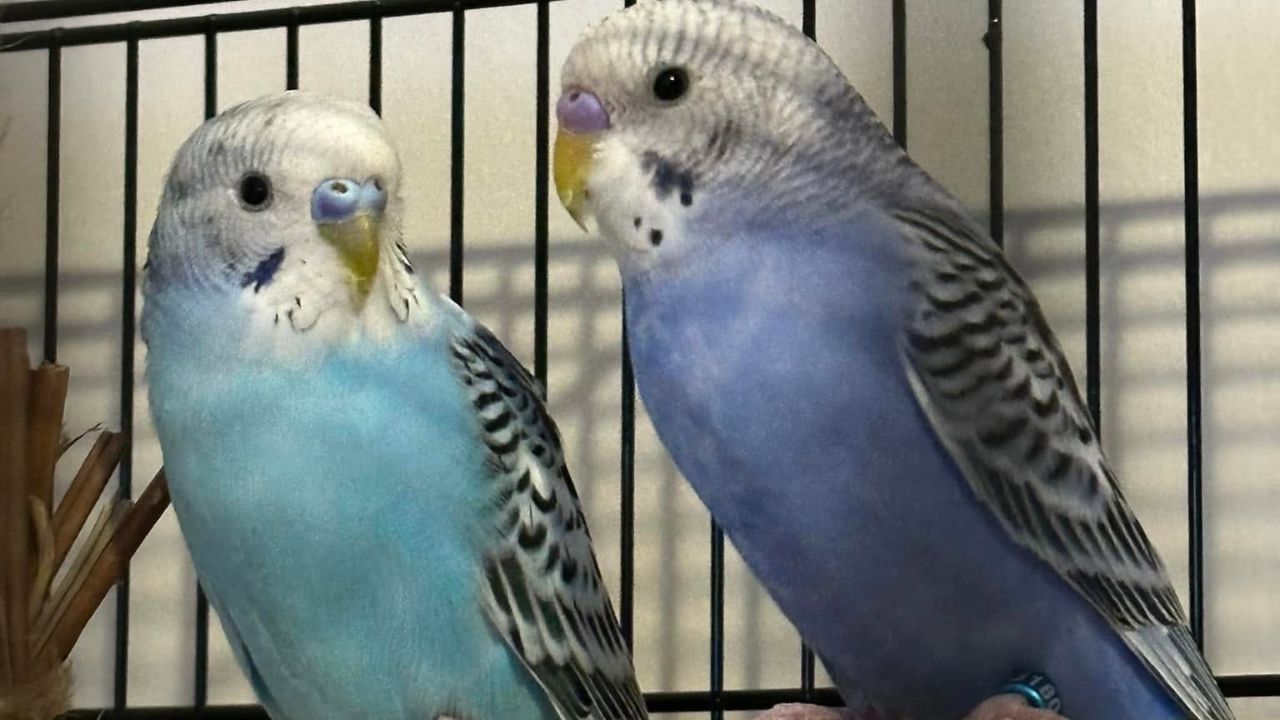

Neil has kept, bred, and sold cage and aviary birds at Paradise Pets Swindon since 1988 — over 35 years of first-hand experience with budgerigars, cockatiels, canaries, finches, and dozens of other species. Over a million budgies are now kept in UK homes. In 35 years behind this counter, Neil has seen the same mistakes made again and again — by well-meaning owners who simply were not told the right things at the start. This is the article he wishes he could hand to every new budgie owner on the day they walked out of the shop.
I sold a budgie to a woman about three years ago. Young bird, well-handled, bright and alert. She came back six months later and the bird had stopped talking, was sitting fluffed up for most of the day, and had lost a noticeable amount of condition. She was worried, and she was right to be.
We went through everything. The cage was too small. It was positioned against a cold exterior wall. The diet was a cheap millet-heavy mix with nothing else. There were no perches of varying thickness. The bird had not been out of the cage in weeks. She had not done any of this deliberately — she had done exactly what the packaging told her, and nobody had told her that the packaging was not enough.
The bird recovered. Not all of them do. And the same conversation — in different forms, with different details, but the same fundamental shape — happens in this shop more times than I can count.
Over a million budgies are kept in UK homes. A significant proportion of them are living in conditions that fall short of what they need — not because their owners do not care, but because what they were told at the point of purchase was incomplete, or generic, or simply wrong. This article is for those owners. It is also for anyone thinking of getting a budgie who wants to start right rather than correct mistakes later.
Mistake One — The Cage Is Too Small, And Positioned Wrong
This is the mistake I see most often, and it causes more ongoing harm than almost any other. Budgies are active, horizontal fliers. In the wild, they cover significant distances every day. A cage that does not allow a bird to move properly — to fly between perches, to explore, to exercise — is not a home. It is a confinement.
The minimum cage size for a single budgie is wider than most people expect: at least 60cm wide, 40cm deep, and 40cm tall. And wider matters more than taller, because budgies fly horizontally. A tall, narrow cage is one of the worst configurations you can buy for a budgie, despite being one of the most commonly sold.
Positioning matters equally. A budgie needs to feel secure — one side of the cage against a wall, so it is not exposed on all sides. It needs to be at roughly chest height, not on the floor and not so high that humans below it feel like a threat. It needs to be away from draughts, away from direct heat sources, and away from the kitchen — cooking fumes, and particularly non-stick cookware at high temperatures, produce fumes that can kill a bird within minutes.
Natural light is important. A position near a window — but not in direct midday sun with no shade available — provides the light cycles that regulate a bird’s behaviour and wellbeing. A budgie kept in a consistently dark or artificially lit room loses the natural rhythm that keeps it healthy.
Mistake Two — A Seed-Only Diet
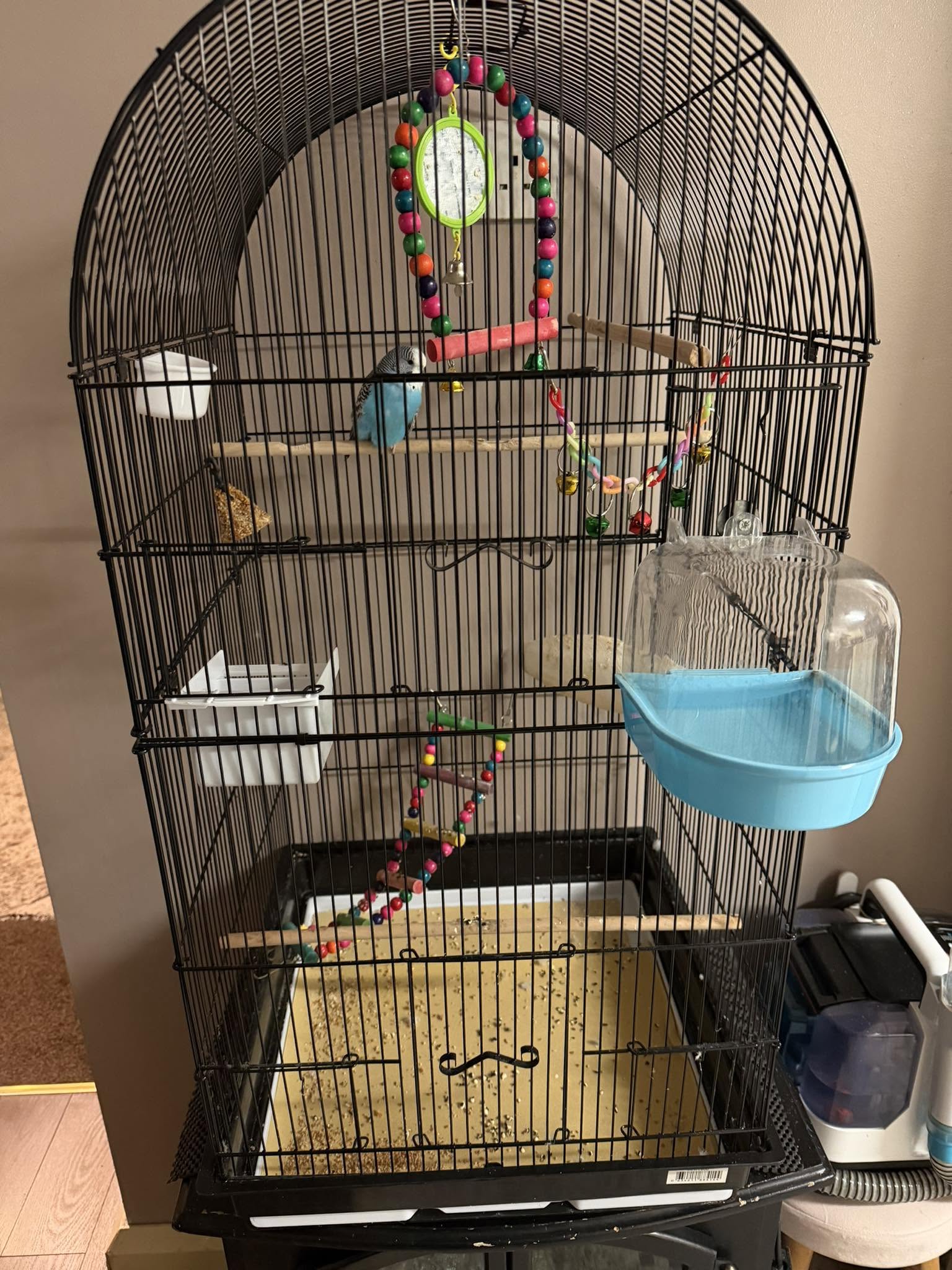
The single most common nutritional mistake with budgies in the UK is feeding seed and nothing else. Seed is not a complete diet. It has never been a complete diet. A budgie living on seed alone — particularly the cheap millet-heavy mixes that dominate the supermarket shelf — is in a state of chronic nutritional deficiency that will shorten its life and reduce its quality of life in the meantime.
What a budgie actually needs is variety. A quality seed mix — not cheap, not millet-dominated, genuinely varied — forms the base. On top of that: fresh greens several times a week. Spinach, kale, chickweed, dandelion leaves. A small piece of fresh carrot. Cucumber. Broccoli. These are not optional extras. They provide vitamins — particularly Vitamin A — that seed cannot supply in adequate quantities, and Vitamin A deficiency is one of the most common underlying causes of illness in pet budgies in the UK.
Pellets are worth adding in small quantities alongside seed — not replacing it, but supplementing it. A small piece of hard-boiled egg once a week provides protein that is particularly useful during a moult. Sprouted seeds — regular seeds that have been soaked and allowed to sprout — have higher nutritional value than dry seed and most budgies find them interesting.
What to avoid is as important as what to include. Avocado is toxic to budgies. Onion and garlic in meaningful quantities are harmful. Chocolate, alcohol, and caffeine are obviously out. The pips and stones of fruit — apple pips contain trace cyanide compounds — should be removed before offering fruit. Iceberg lettuce has almost no nutritional value and causes loose droppings. None of this is complicated once you know it, but almost none of it appears on the packaging of a standard bag of budgie seed.
Mistake Three — Perches That Damage Feet
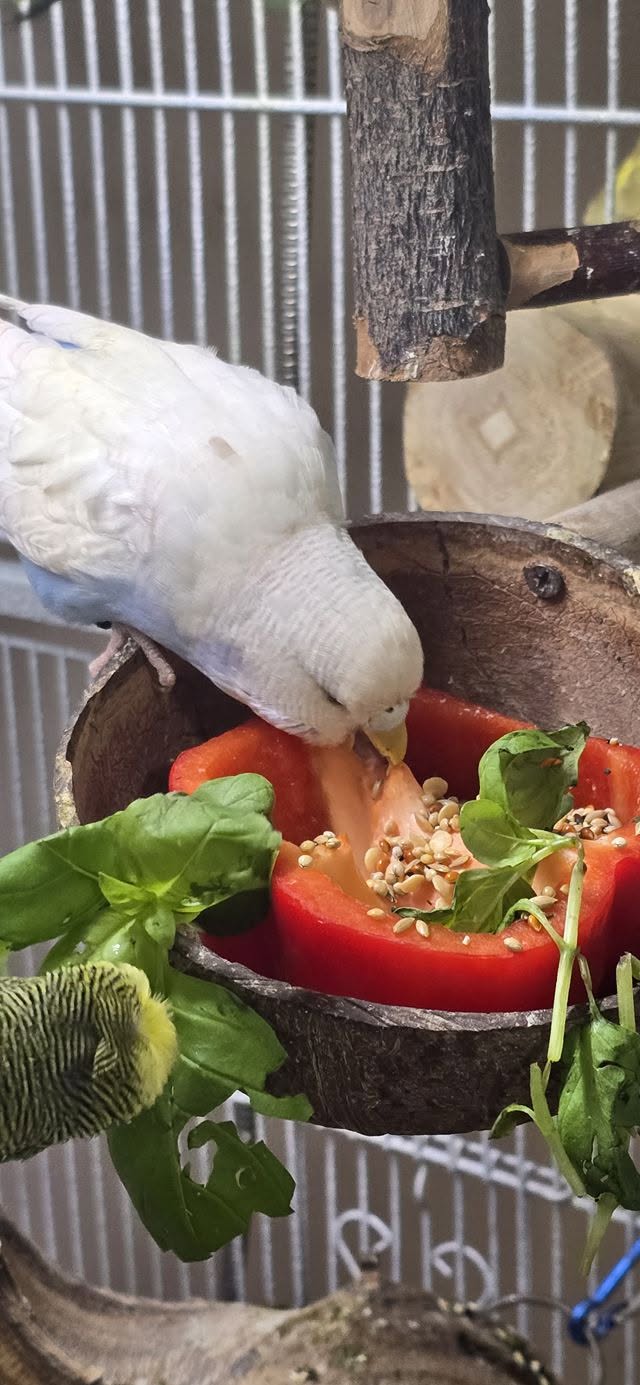
The plastic dowel perches that come fitted in most budgie cages are one of the worst things about the standard budgie setup sold in UK pet retail. They are uniform in diameter, smooth in texture, and give the bird’s feet no variation in grip or position. A budgie standing on the same diameter smooth plastic perch all day, every day, is a budgie developing foot problems — pressure sores, joint issues, and the chronic discomfort that comes from never being able to fully relax its grip.
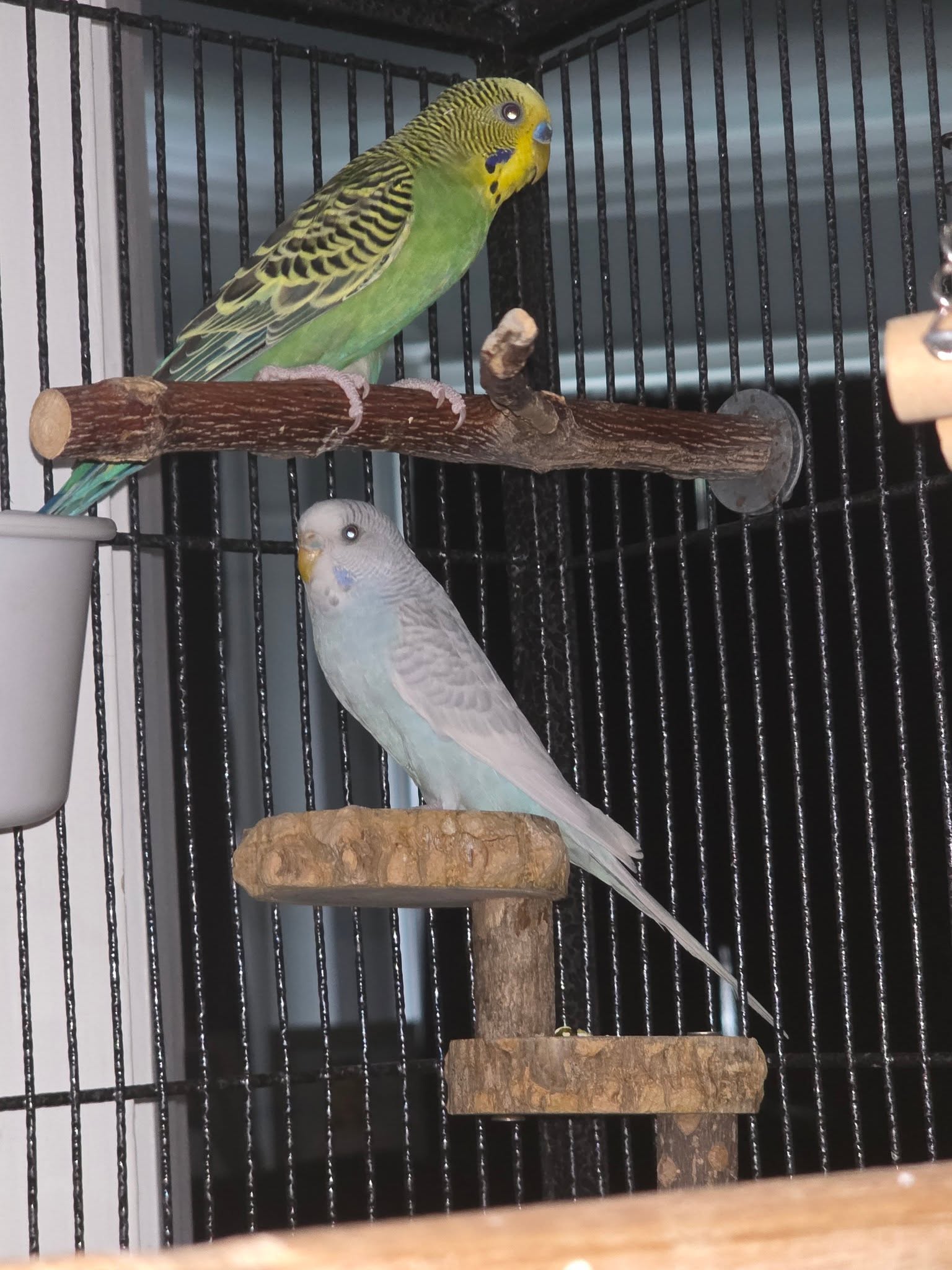
The right perches are varied. Natural wood branches — apple, willow, hazel — of different diameters, so the foot grips differently at different positions. Some rough texture that exercises the grip. A rope perch for variety. A platform perch where the bird can rest flat-footed. None of this is expensive. A branch from the garden, properly identified as safe, washed and dried, is a better perch than anything sold in a plastic packet — and it is free.
Sandpaper perch covers — the textured sleeves sold as nail-wearing aids — do not work as advertised and cause sore feet. Remove them if you have them.
Mistake Four — No Out-Of-Cage Time
A budgie kept in its cage twenty-four hours a day, seven days a week, is not living a full life. Out-of-cage time — supervised, in a safe environment — is not optional enrichment for a bird that has been socialised to humans. It is a basic requirement.
Daily out-of-cage time does several things. It exercises the bird physically in a way that cage movement cannot replicate. It provides mental stimulation — new surfaces, new perspectives, new things to investigate. And for a bird that has bonded with its owner, it provides the social contact that it actively seeks and genuinely needs.
The practicalities of this are straightforward but worth stating clearly. The room should be safe — windows and mirrors covered or clearly marked so the bird does not fly into them, no open water containers, no other pets unsupervised in the room, ceiling fans off, toxic houseplants removed. Once those conditions are met, an hour a day of supervised free flight is achievable for most owners and makes a visible difference to the bird’s condition and behaviour.
Mistake Five — Ignoring The Cere
The cere is the fleshy area at the base of a budgie’s beak, above the nostrils. In a healthy budgie it is smooth, clean, and in adult males typically a bright blue. Most owners do not know what a normal cere looks like, which means they do not notice when it changes.
A cere that becomes crusty, overgrown, discoloured, or develops a brown layered texture in a female bird can indicate several things — parasitic infection, hormonal imbalance, or underlying health issues. Catching these changes early and acting on them is far better than noticing them when the bird is visibly unwell. Check the cere as part of a weekly visual health check. It takes thirty seconds and gives early warning of problems that are easily managed if caught promptly.
Mistake Six — Keeping A Single Budgie And Not Compensating For It
Budgies are flock birds. In the wild, they live in large groups and spend their entire lives in constant social contact with other budgies. A single budgie kept alone is a budgie that has been removed from its natural social context, and that requires something to replace it.
I am not saying single budgies are wrong — I have kept single budgies that were extraordinarily well-adjusted and deeply bonded to their human owners. But a single budgie that bonds to its human keeper needs that keeper to provide the social contact that another bird would otherwise supply. That means daily interaction. Talking to the bird. Spending time near the cage. Out-of-cage time with the owner present. It means the radio or television on when the owner is out, so the bird has voices and sound rather than silence.
A single budgie that is left alone for long periods without social contact does not thrive. It develops feather-destructive behaviours, becomes lethargic, and can decline in ways that are distressing to see and difficult to reverse. The commitment of keeping a single budgie is not just the physical care. It is the social care that replaces what another bird would provide.
Mistake Seven — Treating A Sick Bird At Home
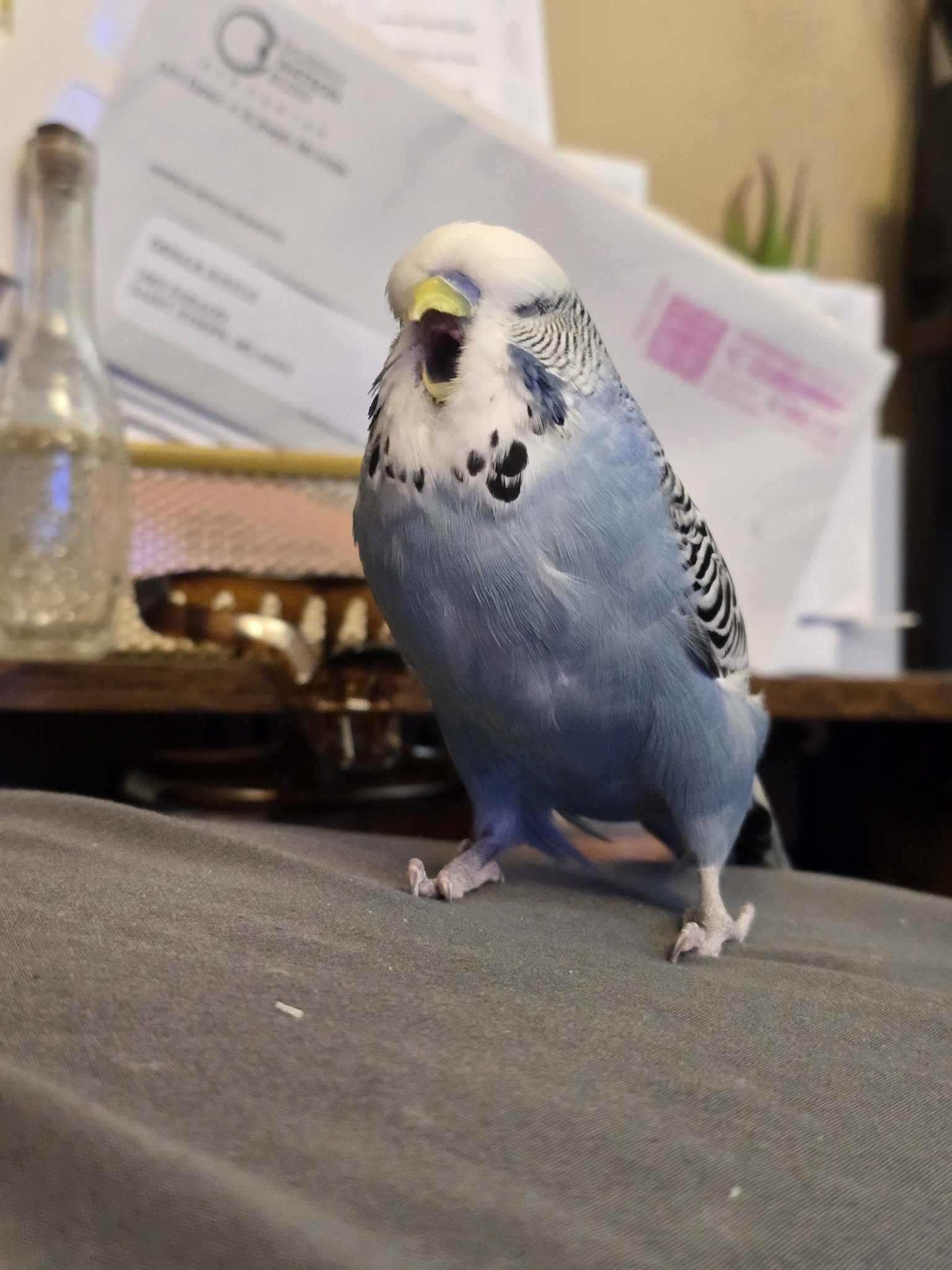
Birds hide illness. This is not a quirk — it is an evolved survival behaviour. In the wild, a bird that shows weakness is targeted by predators. So budgies, and birds generally, suppress visible signs of illness until they can no longer sustain the suppression. By the time a budgie is visibly unwell — sitting fluffed up, eyes closed, tail bobbing, not eating — it has typically been ill for some time.
The consequence of this is that by the time most owners notice something is wrong, the bird needs a vet, not a home remedy. Online forums are full of well-meaning advice about warmth lamps and honey water and vitamin drops. Some of it is harmless. Some of it delays the intervention that would actually help. None of it replaces an avian vet for a bird that is visibly unwell.
Find an avian vet before you need one. Ask specifically whether they see and treat budgies — not all vets have meaningful avian experience. Having a vet you trust, a practice number you know, and a carrier ready to go is the preparation that makes the difference between a bird that recovers and one that does not.
Mistake Eight — Never Cleaning The Cage Properly
A daily clean of the cage floor — removing droppings, replacing paper, refreshing food and water — takes five minutes and is non-negotiable. What many owners miss is the deeper clean: the perches, the toys, the bars, the corners where debris accumulates and bacteria develop.
A proper weekly clean of all surfaces, with a bird-safe disinfectant or plain hot water and thorough drying, removes the bacterial load that builds up in any lived-in environment. Water dishes should be cleaned daily — standing water in a warm room grows bacteria within hours. Food dishes should be washed regularly, not just topped up.
Grit and mineral blocks should be checked and replaced when they are depleted. A cuttlefish bone — provided from the start and replaced when it is worn down — provides calcium and keeps the beak in good condition. These are small habits. Their absence accumulates into health problems over months.
Mistake Nine — Assuming Quiet Means Fine
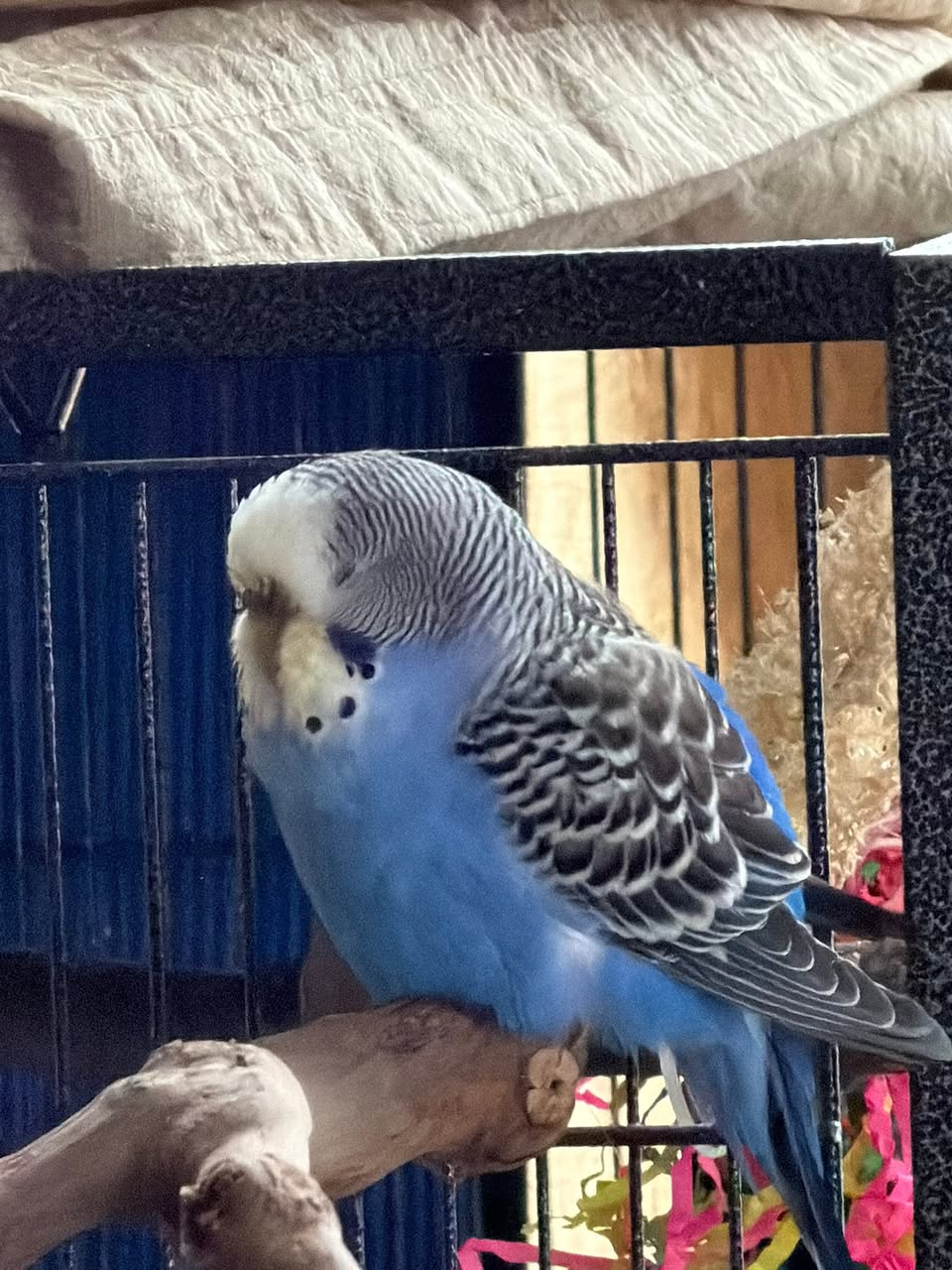
A quiet budgie is not a content budgie. A healthy, well-adjusted budgie is vocal — chattering, whistling, responding to sound, exploring its environment with visible curiosity. A budgie that is sitting quietly, not responding to stimulus, and not moving much is a budgie that warrants attention.
This surprises some owners, who interpret a quiet bird as a calm bird. The opposite is more often true. Quiet and inactive in a budgie is a flag, not a sign of contentment. Know what your bird’s normal activity level looks like so that when it changes, you notice. Noticing is the first and most important step.
Mistake Ten — Buying A Bird Without A Plan For Its Lifetime
A budgie with good care lives ten to fifteen years. This is not a short-term commitment. It is a commitment that will outlast the childhood of a child who asked for one, outlast a rental tenancy, outlast the phase of life the owner was in when they bought it.
I am not saying this to discourage anyone — a well-kept budgie is a rewarding companion over a long period, and the length of the commitment is part of what makes the relationship meaningful. But going in with eyes open means planning for the full lifespan, not just the first excited months. It means thinking about who cares for the bird when you are on holiday. It means thinking about what happens if your circumstances change. It means treating the decision to get a budgie with the same seriousness as any other long-term commitment — because that is what it is.
- Eyes. Bright, clear, fully open. Any discharge, swelling, or half-closed appearance warrants attention.
- Cere. Clean and smooth. Crustiness, overgrowth, or unusual colour changes need investigation.
- Feathers. Smooth and flat when the bird is active. Persistent fluffing at normal room temperature is a warning sign.
- Weight. Run a finger gently over the breastbone. It should be detectable but not sharp. A sharp keel bone indicates weight loss.
- Droppings. Normal budgie droppings have a dark solid component, a white urate component, and a small liquid component. Persistent all-liquid, very dark, or bloody droppings need veterinary attention.
- Beak and nails. Beak should be smooth and properly aligned. Overgrown or misaligned beak needs avian vet attention. Nails should not be so long they hook on cage bars.
- Activity level. A healthy budgie is active and vocal. Prolonged quiet, stillness, or time spent at the bottom of the cage is a flag.
Quick Reference — What Most Owners Get Wrong, And What To Do Instead
| Common Mistake | What It Causes | What To Do Instead |
|---|---|---|
| Cage too small or wrongly placed | Stress, inactivity, behavioural problems | 60cm+ wide, chest height, one side to wall, away from kitchen |
| Seed-only diet | Vitamin A deficiency, reduced immunity, shorter lifespan | Quality varied seed + fresh greens + occasional pellets |
| Plastic dowel perches only | Foot sores, joint problems, chronic discomfort | Natural wood branches of varied diameter, rope perch, platform perch |
| No out-of-cage time | Physical and mental deterioration | Supervised daily free flight in a safe room |
| Not checking the cere | Missed early signs of illness | Weekly visual check — 30 seconds |
| Single bird, no social contact | Feather plucking, lethargy, decline | Daily interaction, radio/TV when alone, out-of-cage time with owner |
| Home remedies for illness | Delayed treatment, worsened outcomes | Avian vet — find one before you need one |
| Surface-level cleaning only | Bacterial buildup, respiratory issues | Daily floor clean, weekly full cage clean with bird-safe disinfectant |
| Interpreting quiet as content | Missed illness until it is advanced | Know your bird’s normal — investigate changes promptly |
Frequently Asked Questions
My budgie has always been on a seed diet — is it too late to change?
It is not too late, but introduce changes slowly. A bird that has eaten seed and only seed for a long time may not recognise fresh greens as food initially. Start by placing a small piece of kale or spinach near the seed dish, not replacing it. Let the bird investigate at its own pace. It can take days or weeks before the bird accepts a new food. Persistence without forcing is the right approach — and the nutritional benefit when it takes is genuine.
How do I know if my budgie is the right weight?
A healthy budgie weighs between 25 and 35 grams depending on the individual. The easiest home check is the breastbone — run a finger down the centre of the chest. The keel bone should be detectable, but padded on both sides by muscle. If it feels sharp and prominent with very little either side of it, the bird is underweight and needs veterinary attention. If you cannot feel it at all beneath soft tissue, the bird may be overweight.
Should I get a second budgie to keep my current one company?
It depends on your bird and your situation. Two budgies kept together are company for each other, which is good for welfare. But they become more independent of their human keepers as a result — a bonded pair of budgies may be less interested in human interaction than a single bird that has formed its primary social bond with you. If the single bird is well-bonded to you and you are able to provide good daily social contact, that can be enough. If you are regularly out for long periods, a companion bird is worth serious consideration.
Where can I get honest budgie advice in Swindon?
Come and see us at Paradise Pets, Manor Garden Centre, Cheney Manor, Swindon SN2 2QJ, or call us on 01793 512400. Bring your questions — whether you are setting up for the first time or troubleshooting something with a bird you already have. We will go through it honestly and tell you what we actually think, not what is easiest to say.
The Last Thing I Want To Say
The woman whose budgie recovered — she came back again the following year. Different bird, same face. She had moved the cage, sorted the diet, put in proper perches, and started letting the bird out every evening. She said it had become a completely different animal. Louder, more active, more interested in her. She said she had not realised how quiet it had been before until she heard what it sounded like when it was actually well.
That is the version of this I want for every budgie owner who reads this. Not the version where the problems accumulate quietly until they are expensive or irreversible. The version where the right information arrives early enough to make a difference.
If any of what I have described sounds familiar — the cage size, the diet, the perches, the vet — come in and talk to us. We have been doing this for 35 years and we will give you an honest view of what needs to change and what is already fine.
Think Something Might Be Wrong With Your Budgie’s Setup? Come In And We Will Tell You Honestly
Bring your questions about diet, cage setup, behaviour, or anything else. Free advice, no obligation — that is how we have done it since 1988.