
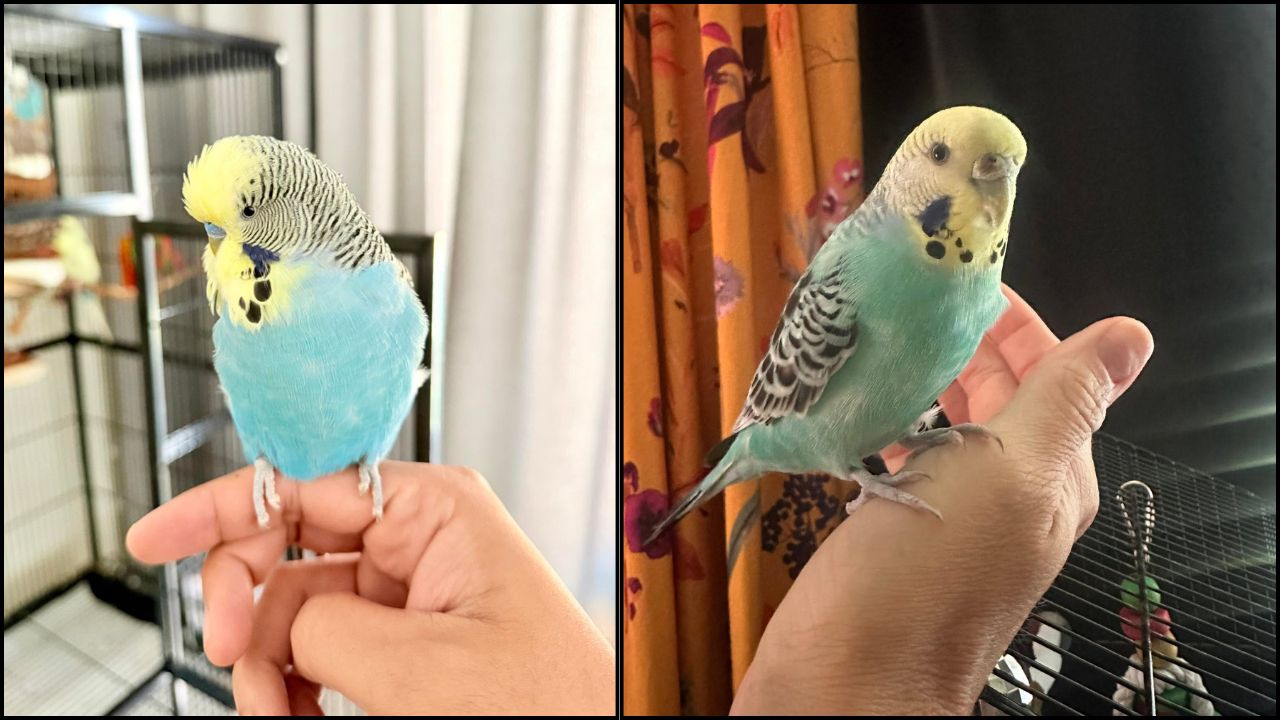

Neil has kept, bred, and sold cage and aviary birds at Paradise Pets Swindon since 1988 — over 35 years of first-hand experience with budgerigars, cockatiels, canaries, finches, and dozens of other species. Every January, hundreds of thousands of UK families take part in the RSPB Big Garden Birdwatch. Every year, a handful of them come into the shop afterwards and ask whether they should get a bird of their own. This is the honest answer.
Last January, a man came in with his daughter — she must have been about eight — and he said they had just finished the Big Garden Birdwatch. They had counted a robin, three blue tits, a woodpigeon that ate everything, and a sparrow that would not sit still long enough to be identified. The daughter had loved it. She wanted to know everything about the birds. She was asking questions he could not answer.
He asked whether he should get her a bird of her own.
I told him yes — and I told him exactly which one, and why. Because after 35 years with birds, I have a clear view on this. Garden birds are wonderful. The Big Garden Birdwatch is genuinely one of the best things the RSPB has ever done. But if you want to actually know a bird — to understand one, to have it know you back — a pet budgie is something garden birds simply cannot compete with.
Here is the honest case.
What the Big Garden Birdwatch Actually Measures — And What It Does Not
The RSPB Big Garden Birdwatch is, by every reasonable measure, a remarkable citizen science exercise. Over 650,000 households counting birds across a single January weekend. The data it generates on population trends — which species are declining, which are recovering, which are adapting to suburban gardens — is genuinely valuable. I have enormous respect for it.
But there is something the Birdwatch cannot give you, and that is worth naming clearly.
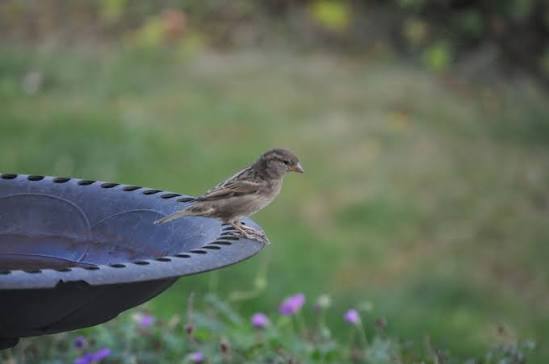
The birds in your garden do not know you are there. They are not interacting with you. They are tolerating your proximity in the way that any wild animal tolerates the presence of something that has stopped being an active threat. The robin that comes to your bird table is not visiting you. It is visiting the mealworms. If the mealworms moved next door, so would the robin.
This is not a criticism. This is what wild birds are. They are magnificent precisely because they are wild — because they live entirely on their own terms, independent of us, shaped by pressures and instincts we can observe but not share. Watching them is a privilege.
But watching is all you get. And for a lot of people — particularly children who have caught the bug, who want more than observation — that is not enough.
What a Budgie Actually Is — And Why Most People Underestimate It
The budgerigar is the most commonly kept pet bird in the world, and I suspect this has worked against its reputation rather than for it. When something is everywhere, people assume it is ordinary. A budgie is not ordinary. It is one of the most behaviourally complex, vocally capable, and genuinely interactive pets available to a UK household at any price point.
Let me give you the specifics, because generalities do not convey this properly.
Budgies are capable of learning human speech — not mimicry in the loose sense, but vocabulary. Individual words used in recognisable contexts. Some budgies develop repertoires of dozens of words and phrases. The record, held by a budgie called Puck, was over 1,700 words. This is not a party trick. It is evidence of a cognitive capacity that most people do not expect from a bird that costs less than a trip to the cinema.
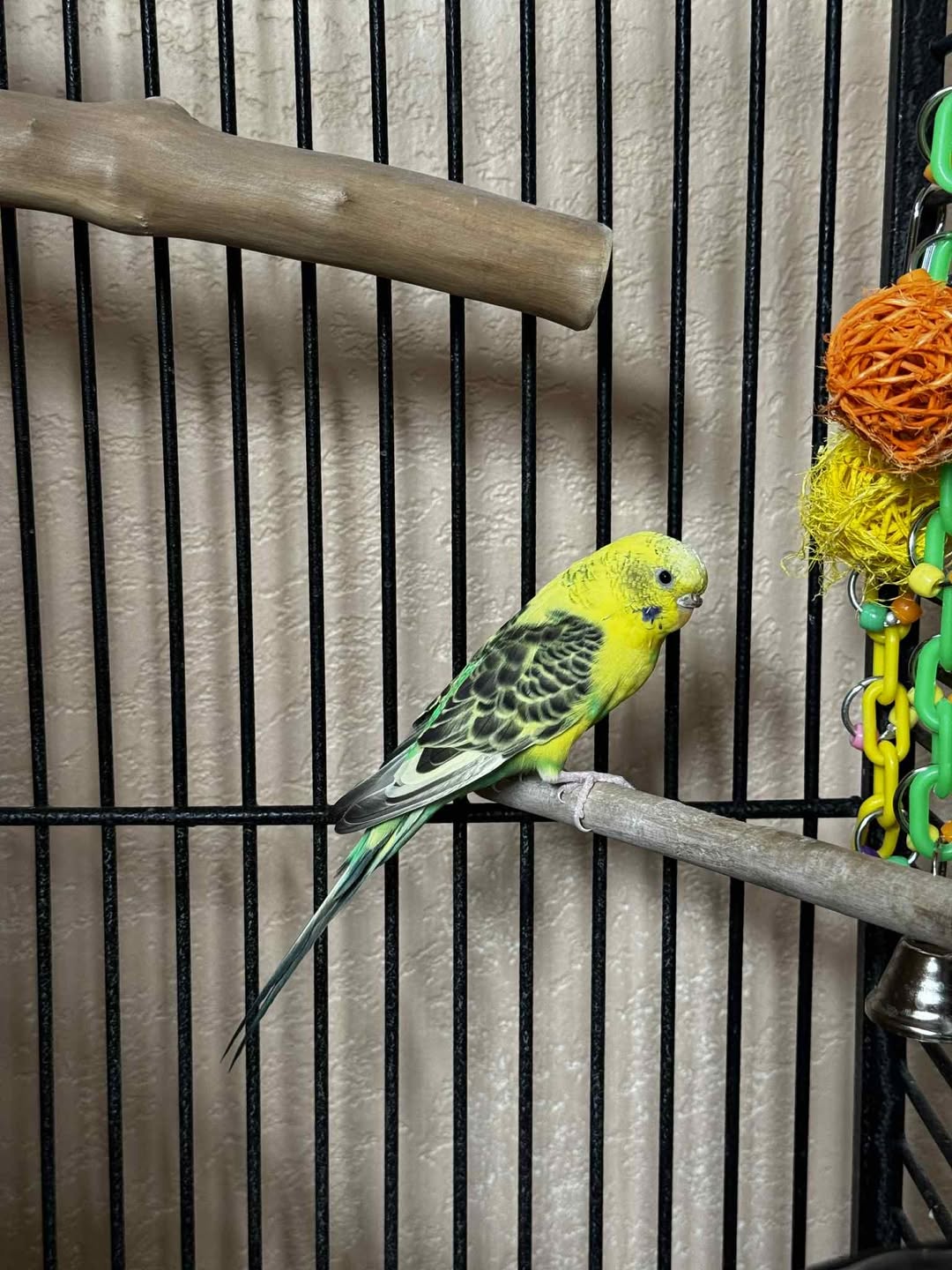
Beyond speech, budgies form genuine social bonds. A budgie that has been properly handled from a young age, given time and patience, will seek out human company in the way that a dog does — not because it has been trained to, but because it prefers your company to being alone. I have seen budgies that follow their owners from room to room. I have seen budgies that recognise specific family members and respond differently to each one. I have seen budgies that greet their owners at the cage door after an absence.
None of this happens with a blue tit on a bird table.
The Comparison That Actually Matters — Observation vs Relationship
When people ask me whether they should get a bird or stick to feeding the garden, I try to reframe the question. They are not really the same activity. They satisfy different things.
Watching garden birds is about the natural world — presence, variety, seasonal change, the comfort of wildness existing alongside your life. It is meditative and genuinely restorative. I am not dismissing it.
Keeping a pet bird is about relationship. It is about an animal that knows your voice, that responds to your presence, that has preferences and moods and individual personality. It is about being, in a meaningful sense, known by another creature.
These are different things. Many people who love their garden birds would also love a budgie — not instead of the garden, but alongside it. In my experience, the people who discover this are surprised by how different the two experiences are, and how much richer having both turns out to be.
What Garden Bird Watchers Are Actually Missing
I want to be specific about this because I think it gets to the heart of why a budgie beats a garden bird for anyone who wants more than watching.
Reciprocal Recognition
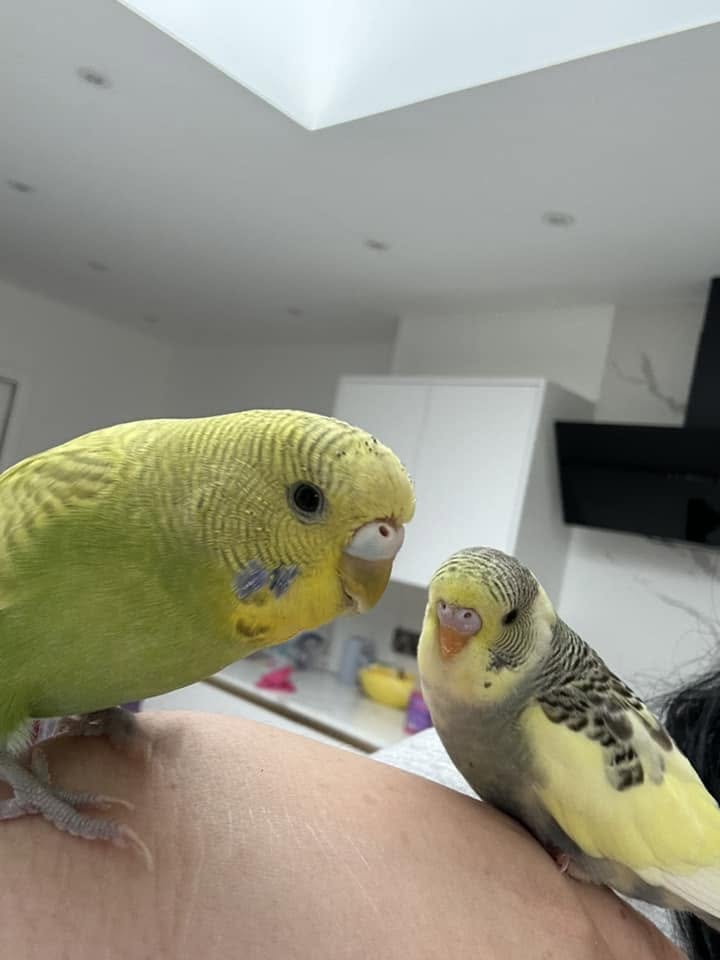
A budgie that knows you recognises you individually. Not just as a large, safe presence — but as you, specifically. It responds to your voice differently from other voices. It comes to you rather than other people. It has, in the genuine sense of the word, a preference for you. Garden birds do not do this. They respond to stimuli — feeders, movement, threat signals — but they do not have individual relationships with individual humans.
Personality You Can Actually See
Individual budgies have distinct personalities. In 35 years I have kept birds that were bold and birds that were cautious, birds that were vocal and birds that were quiet, birds that were playful and birds that were methodical. These differences are visible every day, in the way the bird moves, what it chooses to investigate, how it responds to novelty. Garden birds have individual variation, but you rarely spend enough time with any individual bird to see it.
Participation Rather Than Observation
A child who watches garden birds is an audience. A child who has a budgie is a participant. They feed it, talk to it, train it, understand what it likes and does not like, notice when its behaviour changes. This is not passive. It builds something — curiosity, responsibility, genuine knowledge of another creature. The eight-year-old who came in with her father after the Birdwatch — a budgie would have given her years of that. The robin at the garden table would have been gone by spring.
The Practical Case — What Keeping a Budgie Actually Involves
One of the reasons I think people who love garden birds do not always make the jump to keeping a bird is a set of assumptions about what it involves that do not quite match the reality. So let me deal with the practical questions directly.
Space
A budgie does not need a large house. It needs a cage that is wide enough for it to move between perches — wider than it is tall, because budgies fly horizontally. A well-chosen cage for one or two budgies takes up a modest footprint. This is not a bird that requires an aviary or a dedicated room.
Time
Daily care takes perhaps fifteen to twenty minutes — fresh food and water, a check of the cage, some time with the bird. The social time — talking to it, letting it out for supervised flight — is part of the pleasure, not a burden. If you are the kind of person who spends time looking at birds anyway, this is not additional time. It is redirected time.
Cost
A quality budgie from a reputable source costs between fifteen and thirty pounds. A decent cage costs fifty to a hundred. Monthly running costs for seed, fresh greens, and occasional supplements for a single budgie are modest — ten to fifteen pounds per month if you buy sensibly. This is not an expensive pet. It is significantly cheaper than a dog, cheaper than a cat, and cheaper than the cumulative spend on garden bird feed and feeders that a serious garden bird enthusiast runs up over a year.
Noise
Budgies are vocal. This is not a quiet pet. But the sound is chattering — varied, cheerful, conversational — rather than the sharp alarm calls or repetitive noise that some birds produce. Most people find it pleasant background sound. In a flat or small house it is worth thinking about, but for most households it is not a problem.
Lifespan
With good care, a budgie lives ten to fifteen years. This is a long-term commitment. It is also a long-term relationship — which is the point. This is not a pet you get and lose quickly. It is one that grows with you, or with your children, over a significant stretch of time.
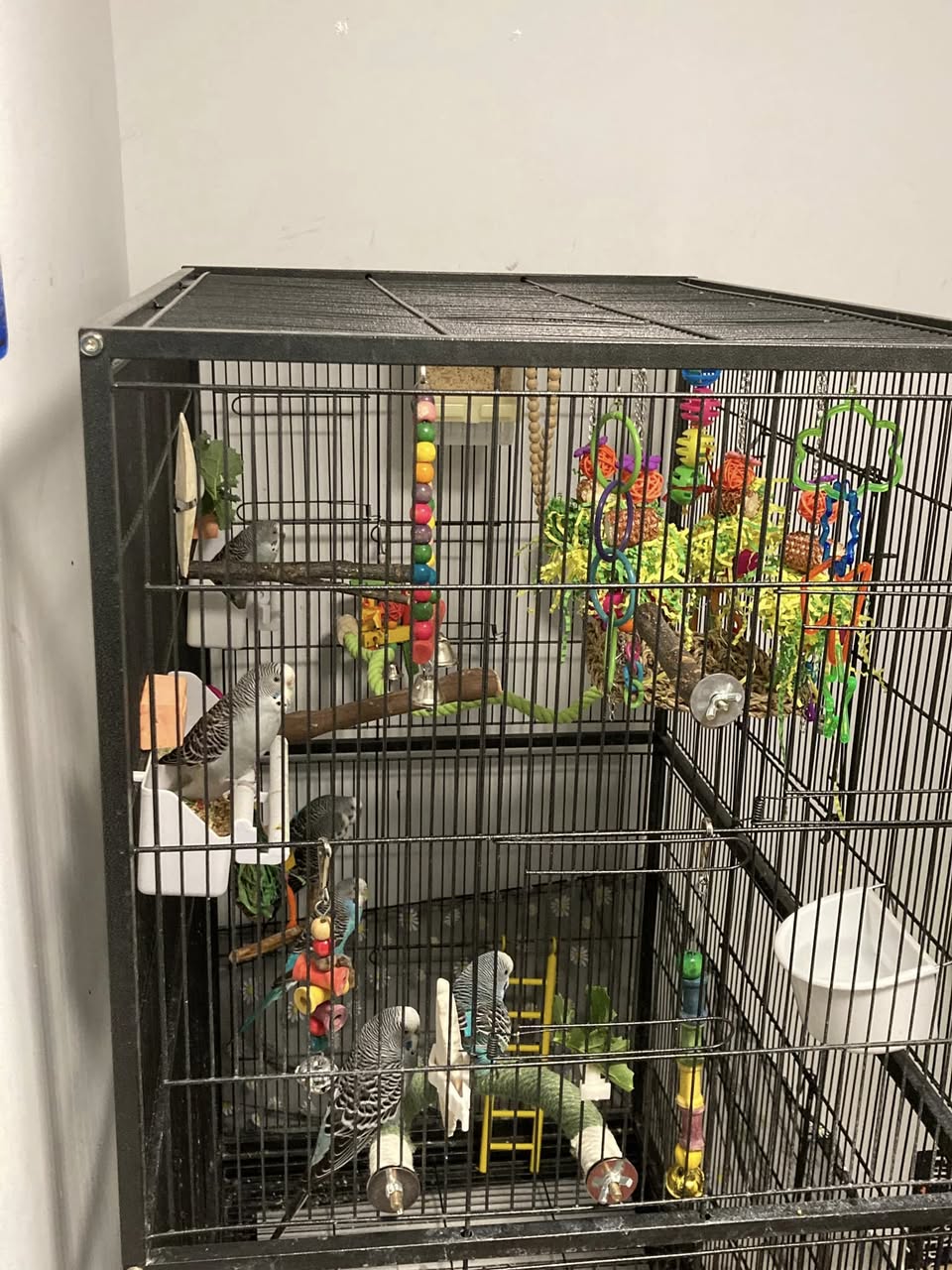
What To Look For When Buying a Budgie — The Honest Checklist
Not all budgies are equal, and not all sources are equal. Here is what I tell every person who comes in ready to buy.
- Buy from a source that handles birds regularly. A budgie that has been handled from a young age — ideally from a few weeks old — is far easier to tame and far more likely to become the interactive pet you want. A bird that has had no human contact until it is several months old is a different proposition entirely.
- Look at the bird’s condition before anything else. Bright eyes, clean feathers, alert posture, eating normally. A bird that sits fluffed up at the bottom of the cage or is visibly inactive is not well. Do not take it home and hope it improves.
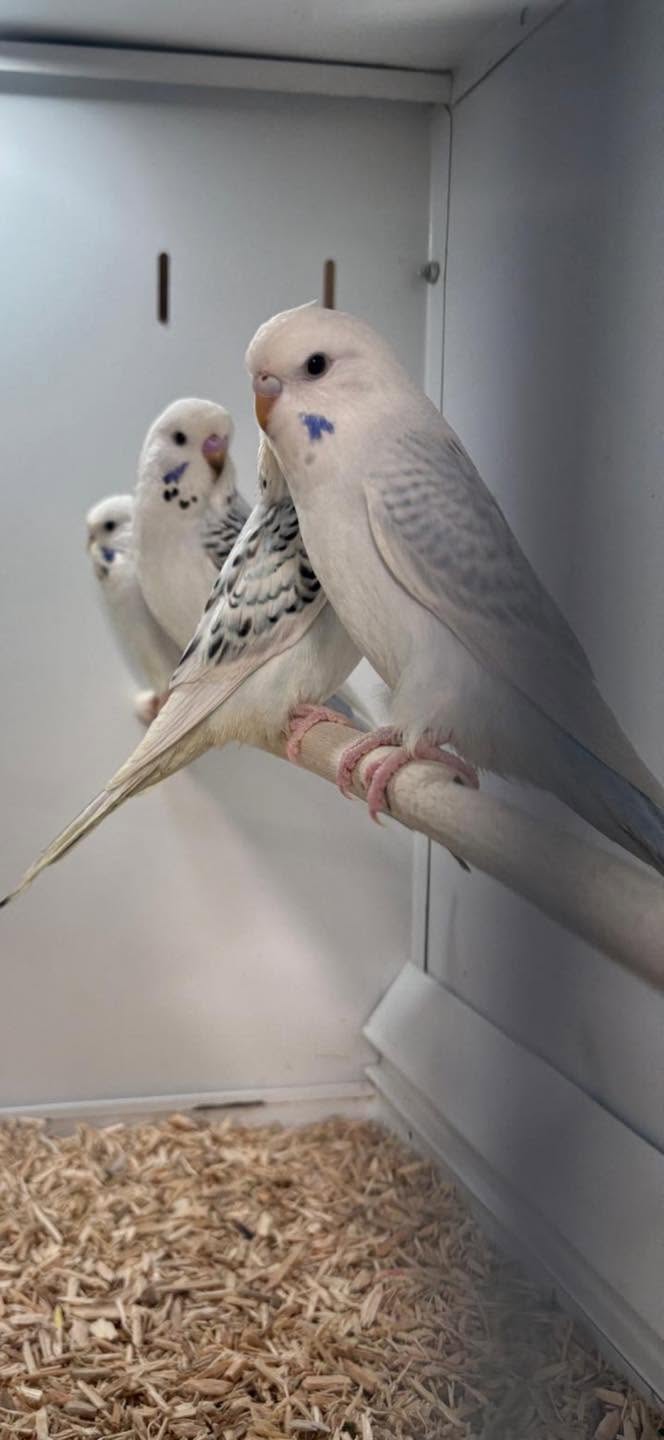
- Ask about the bird’s age. Young budgies — between six and twelve weeks — tame most readily. Older birds can be tamed but require more patience and are better for experienced keepers.
- Buy one or two, not more. A single budgie bonds more strongly to its human keepers. Two budgies are company for each other, which is good for welfare if you are out a lot, but they become more independent of you as a result. Decide which you want before you buy.
- Get the cage before you get the bird. Set it up. Let it sit. Have everything ready. Bringing a bird home to a prepared, settled environment is better than assembling things around a stressed new arrival.
- Ask what the bird has been eating. Match the initial diet to what it is used to, then expand from there. A sudden change in diet on top of the stress of a new home is too much at once.
Quick Reference — Budgie vs Garden Birds, Honestly Compared
| What You Want | Garden Birds | Pet Budgie |
|---|---|---|
| Connection to nature | ✅ Excellent | ✅ Different kind — equally real |
| Individual relationship | ❌ Not possible | ✅ The whole point |
| Reciprocal recognition | ❌ They do not know you | ✅ Recognises you specifically |
| Personality visible daily | ❌ Not with any individual | ✅ Every day, unmistakably |
| Suitable for children | ✅ Great introduction | ✅ Deep, lasting engagement |
| Vocal interaction | ❌ One-way only | ✅ Responds to your voice |
| Low cost | ✅ Feeders and seed | ✅ Modest monthly spend |
| No commitment required | ✅ Fill feeder, done | ❌ Daily care needed — 10–15 years |
| Long-term companionship | ❌ Cannot offer this | ✅ Decade-long relationship |
Frequently Asked Questions
I already feed the garden birds — would a budgie add too much to manage?
Not significantly. Garden bird feeding is already a daily routine — checking feeders, topping up water, keeping things clean. Adding a budgie adds fifteen to twenty minutes of direct care and some social time, which most people find is the part they wanted anyway. The two activities complement each other well. A lot of my customers who started as garden bird enthusiasts now have both, and none of them have found the combination burdensome.
My children love the Big Garden Birdwatch. Would a budgie ruin it?
In my experience, it deepens it. A child who has a budgie at home understands birds differently. They notice things about the garden birds — the way they move, the sounds they make, what they eat — that they would not notice otherwise. Having a bird of their own does not replace their interest in wild birds. It usually intensifies it. The eight-year-old I mentioned at the start — she came back in June with questions I had not been asked in years. The budgie had made her curious in a way the Birdwatch alone had not.
Are budgies good pets if you live alone?
Budgies are excellent pets for people who live alone, for exactly the reasons that make them different from garden birds. A single person living alone with a budgie has something that responds to their presence, that notices when they come home, that interacts with them in a way that is genuinely two-way. I have sold budgies to people in their seventies who live alone and have had more feedback about those birds than almost any other sale. The company they provide is real.
What is the best budgie for a first-time owner?
A young bird — six to twelve weeks — that has been handled regularly. Colour and variety matter less than temperament and handling history. Come and see what we have in stock, watch how the birds behave, and pick one that is alert, curious, and comfortable with people being near the cage. Those are the signs that matter.
Where can I buy a budgie in Swindon?
Come and see us at Paradise Pets, Manor Garden Centre, Cheney Manor, Swindon SN2 2QJ. We have budgies in stock regularly, we know where they come from, and we will go through everything with you — what to buy, what to set up, what to expect. Ring us first on 01793 512400 if you want to check stock before you come in.
One Last Thing
The man and his daughter came back in March. They had a budgie by then — a young green one they had named Pip. The daughter told me it had already learned to say her name. She said it with the kind of seriousness that children use when they want adults to understand that something genuinely important has happened.
I understood. I have been watching people discover this for 35 years.
A garden bird is wonderful. A pet budgie is something else entirely. If you are ready to find out which one you actually want, come and talk to us.
Ready To Meet Your First Budgie? Come In And We Will Help You Choose The Right One
We have budgies in stock regularly and we know exactly what to look for. Come in, see what we have, and we will talk you through everything — no pressure, no obligation.