

Neil has kept, bred, and sold cage and aviary birds at Paradise Pets Swindon since 1988 — over 35 years of first-hand experience with budgerigars, cockatiels, canaries, finches, and dozens of other species. The RSPCA has strengthened its pet bird welfare guidelines for 2026, with updated standards that reflect what avian science now understands about bird needs — and that move the bar for acceptable care higher than it was. This is Neil’s honest assessment of what changed, why it matters, and whether your current setup still meets the standard.
Guidelines get updated, and most of the time the people who most need to read them do not. The update gets noted somewhere in the specialist press, the welfare organisations publish it on their websites, and the existing bird owners who have been keeping birds for years assume — sometimes correctly, sometimes not — that what they have been doing is broadly in line with whatever the current thinking is.
I want to do something different with the RSPCA’s strengthened 2026 pet bird welfare guidelines. Rather than summarising them in a way that allows people to nod along and assume they are fine, I want to go through the specific areas where the guidance has moved and where I know, from decades behind this counter, that the gap between the new standard and common practice is widest.
Because in some of those areas, the gap is significant. And the owners who most need to know about it are the ones who have been keeping birds for long enough to assume they already know everything they need to.
What the RSPCA’s 2026 Guidelines Are Built On
Before getting into what changed, it is worth understanding what the updated guidelines are based on — because this is not a policy revision made in an office. It reflects a genuine accumulation of avian science over the past decade that has changed how the welfare community understands what birds need to live well.
The RSPCA’s approach to pet bird welfare is grounded in the Five Domains model — an updated framework that goes beyond the original Five Freedoms to consider not just the absence of suffering but the presence of positive experience. This shift matters because it raises the standard from “not actively harming the bird” to “actively providing what the bird needs to experience good welfare.” The distinction sounds philosophical but has very practical implications for what adequate bird keeping looks like.
The updated guidelines for 2026 draw on research into avian cognition, social behaviour, and physical needs that was not available when the previous standards were set. Studies on foraging behaviour, on the effects of environmental enrichment, on the welfare consequences of isolation and understimulation, and on the specific physical requirements of common pet bird species have all contributed to a more detailed and demanding picture of what good bird keeping looks like.
The result is guidance that is more specific, more evidence-based, and in several areas more demanding than what preceded it. I think this is correct. The science supports it. And it creates a genuinely useful benchmark against which owners can assess their current setup.
Area One — Cage Size and Configuration
The 2026 guidance on cage size represents one of the clearest shifts from previous standards, and it is the area where I think the gap between the new standard and common practice is most pronounced.
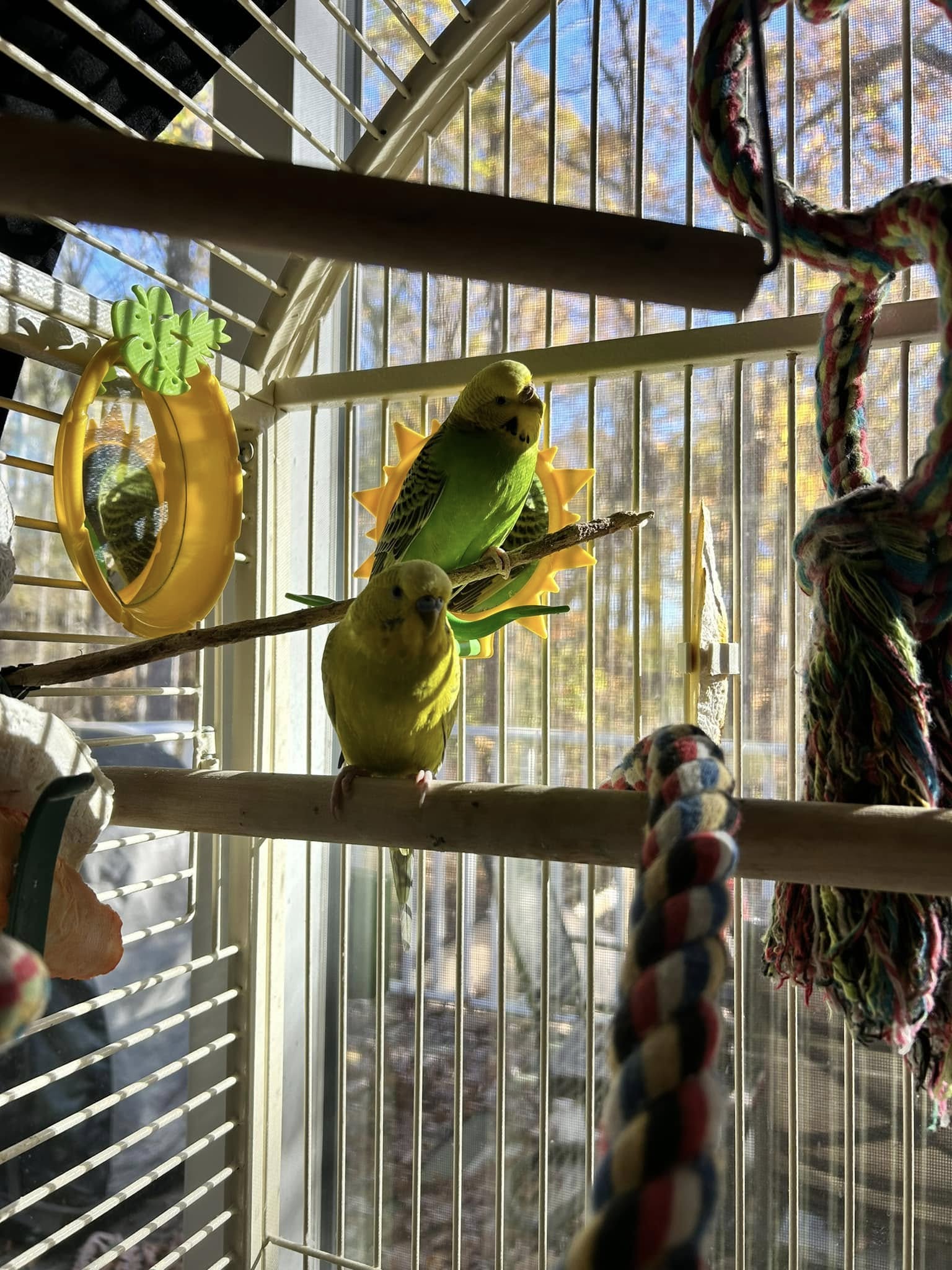
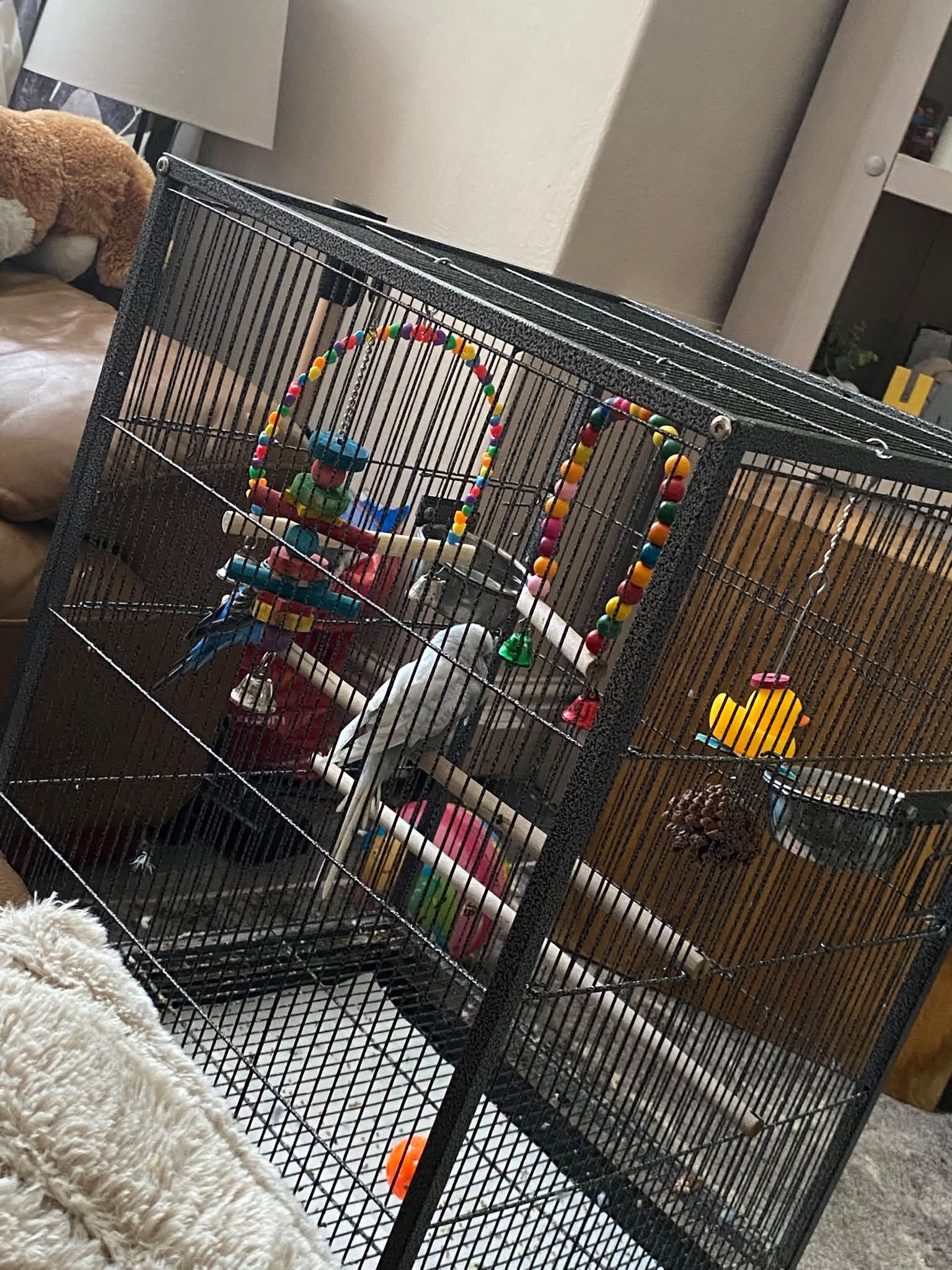
The updated guidance is explicit that cage dimensions must allow full wing extension and movement between perches in a single flight without obstruction — and that width is the primary relevant dimension, not height. For budgerigars, the revised minimum width recommendation is 90 centimetres for a single bird. For cockatiels, the revised guidance recommends a minimum of 120 centimetres in width for a single bird.
I want to be direct about what this means in practice. The vast majority of cages sold in UK pet retail — the standard sizes available in supermarkets, garden centres, and most pet shops — do not meet these revised minimums. The 45 to 60 centimetre wide cage that has been the de facto standard for budgie keeping in UK homes for decades falls significantly short of the 90 centimetre width that the updated guidance considers the appropriate minimum.
This is uncomfortable to say because it means that a large number of existing budgie and cockatiel owners are keeping their birds in cages that, by the current welfare standard, are not adequate. I am not saying those birds are suffering dramatically — I am saying the standard has moved and the honest response is to acknowledge the gap rather than minimise it.
For owners who cannot immediately replace a smaller cage, the guidance prioritises daily out-of-cage time in a safe, supervised environment as a compensatory provision. A bird in a smaller cage that has several hours of daily free flight in a bird-safe room is in a better position than a bird in the same cage with no out-of-cage time. This is not a complete substitute, but it is the responsible interim response.
Area Two — Social Needs and the Single Bird Question
The 2026 guidelines address the social needs of pet birds with more specificity than previous versions, and the position on single-bird keeping has hardened in a way that is worth understanding clearly.
The RSPCA’s updated guidance states that budgerigars should ideally be kept in pairs or small groups, reflecting their naturally highly social, flock-based nature. For owners keeping a single budgie, the guidance places a significantly greater emphasis on the obligation to provide human social contact that compensates for the absence of conspecific companionship — and it is explicit that this is a meaningful daily obligation, not an occasional nice-to-have.
For cockatiels, the guidance similarly emphasises the social nature of the species and the welfare consequences of insufficient social contact. The updated standard is clear that a cockatiel that is left alone for extended periods without either a companion bird or substantial human social interaction is not meeting its welfare needs under the revised framework.
This is not a dramatic change in principle — the importance of social contact for these species has always been understood. What has changed is the specificity with which the obligation is described and the clarity with which it is placed on the owner rather than being treated as a supplementary benefit. The 2026 standard makes social provision a welfare requirement, not an optional enhancement.
For owners who keep a single bird and work regular hours, this requires honest consideration. A bird alone from eight until four on weekdays, five days a week, with no ambient social sound and limited evening contact, is not meeting the social welfare standard under the updated guidance. The solutions — a companion bird, ambient radio or television during the day, a significant increase in daily interactive time — are all achievable. The first step is acknowledging that the current arrangement may fall short rather than assuming it is adequate.
Area Three — Environmental Enrichment
The 2026 guidelines treat environmental enrichment as a welfare requirement rather than a discretionary addition for the first time, and the implications for what an adequate bird environment looks like are significant.
The updated standard requires that pet birds have access to enrichment that satisfies their natural foraging and cognitive needs — not just toys in the cage, but enrichment that is varied, rotated regularly enough to maintain novelty, and specifically designed or selected to engage the bird’s natural behaviour patterns rather than simply occupying space.
For budgerigars and cockatiels, foraging enrichment is the priority. In the wild, these birds spend a significant proportion of their active time foraging — searching for food, processing it, moving between food sources. A captive bird with food delivered in a dish has none of this natural occupation, and the welfare consequences of that absence — understimulation, boredom-driven behaviour problems, reduced activity — are well-documented.
The practical implications of this guidance are straightforward but require active effort. Food should not always be presented in a dish. Foraging toys — items that require the bird to work to access food — should be part of the regular cage setup. The enrichment should change regularly; the same toy in the same position for months provides no ongoing cognitive stimulation. Natural materials — branches, safe plant material, items that can be chewed and destroyed — should be available and replaced when depleted.
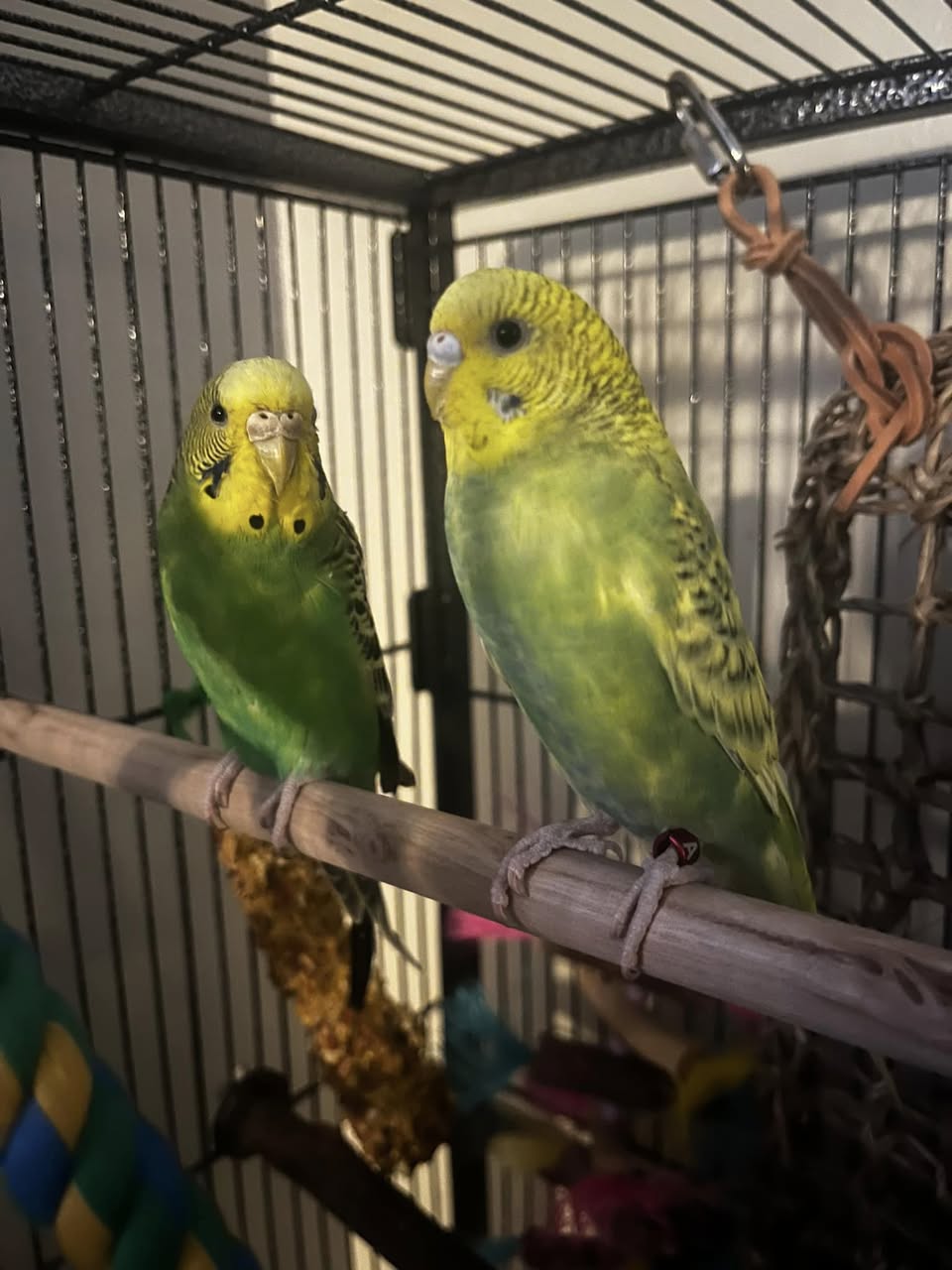
A cage with a full food dish and a single plastic mirror is not meeting the 2026 enrichment standard. This will describe a significant proportion of bird cages in UK homes. The honest response is to assess what is actually in the cage and what it is actually providing, rather than assuming that the presence of any enrichment is sufficient.
Area Four — Diet Standards
The 2026 dietary guidance is more explicit than previous versions about what constitutes an adequate diet for the most commonly kept pet bird species, and the gap between the standard and what most UK birds are actually being fed remains concerning.
The updated guidance for budgerigars specifies that seed should form no more than around 50 percent of the diet, with the remainder comprising fresh vegetables, leafy greens, and a small amount of quality pellets. Previous guidance acknowledged the importance of variety but was less specific about the proportion of the diet that seed should represent. The 2026 standard is more prescriptive: seed as the majority of the diet is not meeting the current welfare standard.
For cockatiels, the guidance similarly recommends a pellet-based diet comprising approximately 60 to 70 percent of intake, with seed reduced to a supplementary role rather than the dietary foundation. This represents a more significant shift for cockatiel owners than for budgie owners, as the strong recommendation toward pellets as the primary food source is a change from the seed-dominant approach that has historically been common.
Vitamin A deficiency remains specifically highlighted in the 2026 guidance as one of the most prevalent and preventable nutritional problems in UK pet birds, caused directly by seed-dominated diets. The updated standard is explicit: fresh dark leafy greens — kale, spinach, broccoli — are a required dietary component, not an optional supplement.
I have been saying this for many years, and it is gratifying to see the formal welfare guidance reflect it clearly. But it means that owners who consider themselves good keepers because they provide a quality seed mix need to look honestly at whether they are providing what the current standard requires alongside that seed.
Area Five — Veterinary Care as a Welfare Obligation
The 2026 guidelines strengthen the position on veterinary care in a way that has direct practical implications for how owners approach their bird’s health management.
The updated standard explicitly recommends annual health checks for pet birds as a welfare baseline — not as a response to illness but as proactive health monitoring. The guidance notes that birds conceal illness as an evolutionary survival behaviour, and that by the time owners notice symptoms, the underlying condition is often significantly developed. Annual veterinary assessment by an avian-experienced practitioner is positioned as the responsible response to this biological reality.
The guidance also strengthens the language around the obligation to seek veterinary care when signs of illness are present — removing the ambiguity that has historically allowed owners to justify extended home monitoring of symptoms that warranted professional assessment. Under the 2026 standard, the bar for seeking veterinary attention has moved downward, toward earlier intervention rather than later.
And the guidance specifically addresses the question of finding an avian-experienced vet rather than any available practice, citing the well-documented difference in outcomes between avian-experienced and general practice veterinary care for bird patients. This is not new knowledge — I have been telling people this for decades — but it is now formally embedded in the welfare standard rather than being specialist advice.
Does Your Current Setup Meet the 2026 Standard?
I want to give owners a practical tool to assess their current setup against the updated standard. This is not a pass or fail exercise — it is an honest picture of where things stand and what, if anything, needs to change.
- Cage width for a budgie. Is it 90cm or wider? If not, is the bird getting significant daily out-of-cage time in a safe environment to compensate? If neither, this is the most important area to address.
- Cage width for a cockatiel. Is it 120cm or wider? Same considerations apply. Cockatiels need more space than the standard retail cage provides.
- Social provision. Is there a companion bird, or does the owner provide substantial daily social contact? For a single bird, substantial means more than a few minutes — it means meaningful daily interaction that partially substitutes for conspecific company.
- Foraging enrichment. Is food sometimes presented in a way that requires the bird to work for it? Is the enrichment in the cage varied and rotated? Does the bird have things to chew, investigate, and manipulate? Or is there a full food dish and a static set of toys that have been in the same positions for months?
- Diet composition. Is seed less than 50 percent of the budgie’s diet? Are fresh dark leafy greens being offered several times a week? For cockatiels, is a quality pellet forming a significant part of the diet? Or is the bird primarily on seed with occasional treats?
- Veterinary provision. Has the bird had an annual health check in the last twelve months? Is there an avian-experienced vet identified before a crisis arises? Is there financial provision — savings or insurance — for veterinary costs?
- Cage position. Is the cage away from direct sunlight, draughts, kitchen fumes, and strong scents? Is it at a height where the bird feels secure? Does it receive indirect natural light?
What to Do If Your Setup Falls Short
I want to be clear about something: most bird setups in UK homes fall short of the 2026 standard in at least one area, and a significant number fall short in several. This is not a condemnation of those owners — it is a reflection of what the standard was before it was updated, and of the gap between what pet retail typically provides and what avian science now recommends.
The appropriate response is not guilt. It is prioritised improvement. Not everything needs to change at once, and a realistic plan for addressing the most significant gaps is more useful than an overwhelming sense that everything is wrong.
The priority order I would suggest, based on welfare impact:
First, diet — if the bird is on a seed-only or seed-dominant diet, this is the change with the most direct long-term health impact, and it can be begun immediately. Introduce fresh greens alongside the existing seed, begin investigating pellet options, reduce seed’s proportion of the diet gradually over several weeks.
Second, cage size or out-of-cage time — if the cage is significantly smaller than the new standard, begin providing daily supervised out-of-cage free time as a compensatory measure while planning for a cage upgrade. This is achievable in most homes with basic bird-proofing and a consistent daily routine.
Third, veterinary provision — if no avian vet has been identified and the bird has not had a recent health check, this is the step that provides the foundation for everything else. Find the vet, book the check, establish the baseline.
Fourth, enrichment and social provision — assess honestly and introduce foraging elements, rotate what is in the cage, review whether the social contact the bird receives is adequate for its needs.
Frequently Asked Questions
Are the RSPCA guidelines legally enforceable?
The RSPCA guidelines are not legislation — they are welfare standards that inform best practice and that the RSPCA uses as a reference point in its enforcement of the Animal Welfare Act 2006. The Act itself requires that owners meet the five welfare needs of their animals, and the RSPCA’s guidelines represent their view of what meeting those needs looks like in practice. Significant departures from the guidelines can inform welfare assessments, but the guidelines themselves are advisory rather than statutory. That said, they represent the current consensus on what good bird welfare looks like, and treating them as a useful target rather than a bureaucratic minimum is the approach I would recommend.
My budgie has been in the same smaller cage for years and seems fine. Does this mean the cage is adequate?
A bird that appears fine may be coping with a suboptimal environment rather than thriving in an optimal one. The Five Domains model that underpins the 2026 guidelines specifically addresses this distinction — the absence of obvious suffering is not the same as the presence of positive welfare. The question is not whether the bird is visibly distressed in a smaller cage, but whether it has the space it needs for its physical and behavioural needs to be fully met. In most cases where the cage is significantly below the new minimum, the honest answer is that the space is not fully adequate, and addressing that — through a larger cage or through consistent daily out-of-cage time — is the responsible response.
Where can I buy the right size cage in Swindon?
Come and see us at Paradise Pets, Manor Garden Centre, Cheney Manor, Swindon SN2 2QJ, or call us on 01793 512400. We will show you what meets the updated standard, explain the options at different price points, and give you an honest view of what represents genuine value versus what is inadequate regardless of price. We would rather guide you toward the right cage than sell you the wrong one.
Is the shift toward pellets for cockatiels really evidence-based?
Yes, and it has been for some time — the 2026 guidelines are formalising what avian nutritional science has been indicating for several years. Quality pellets formulated for cockatiels provide a more complete nutritional profile than seed-dominant diets, addressing the micronutrient deficiencies — particularly Vitamin A and calcium — that seed diets commonly produce. The transition from seed to pellets requires patience and a gradual approach, but the nutritional outcome is meaningfully better. I am happy to go through the transition process with any cockatiel owner who wants to make the change.
One Last Thing
Welfare standards get updated because our understanding improves. The 2026 RSPCA guidelines are not a criticism of how people have been keeping birds — they are a reflection of better science, applied to the question of what birds actually need to live well rather than simply to survive. The difference between those two things is what the Five Domains model is about, and it is a difference worth taking seriously.
After 35 years in this trade, I will tell you that most of what the 2026 guidelines say is consistent with what I have observed the birds themselves to need, long before any formal standard articulated it. Bigger space. More social contact. More foraging and cognitive engagement. Better diet. Regular professional health assessment. These are not bureaucratic requirements — they are what the birds are telling us, in their behaviour and their health outcomes, when they are provided and when they are not.
Use the checklist. Be honest about the gaps. Address them in priority order. And come and talk to us if you want help working out what that looks like in your specific situation.
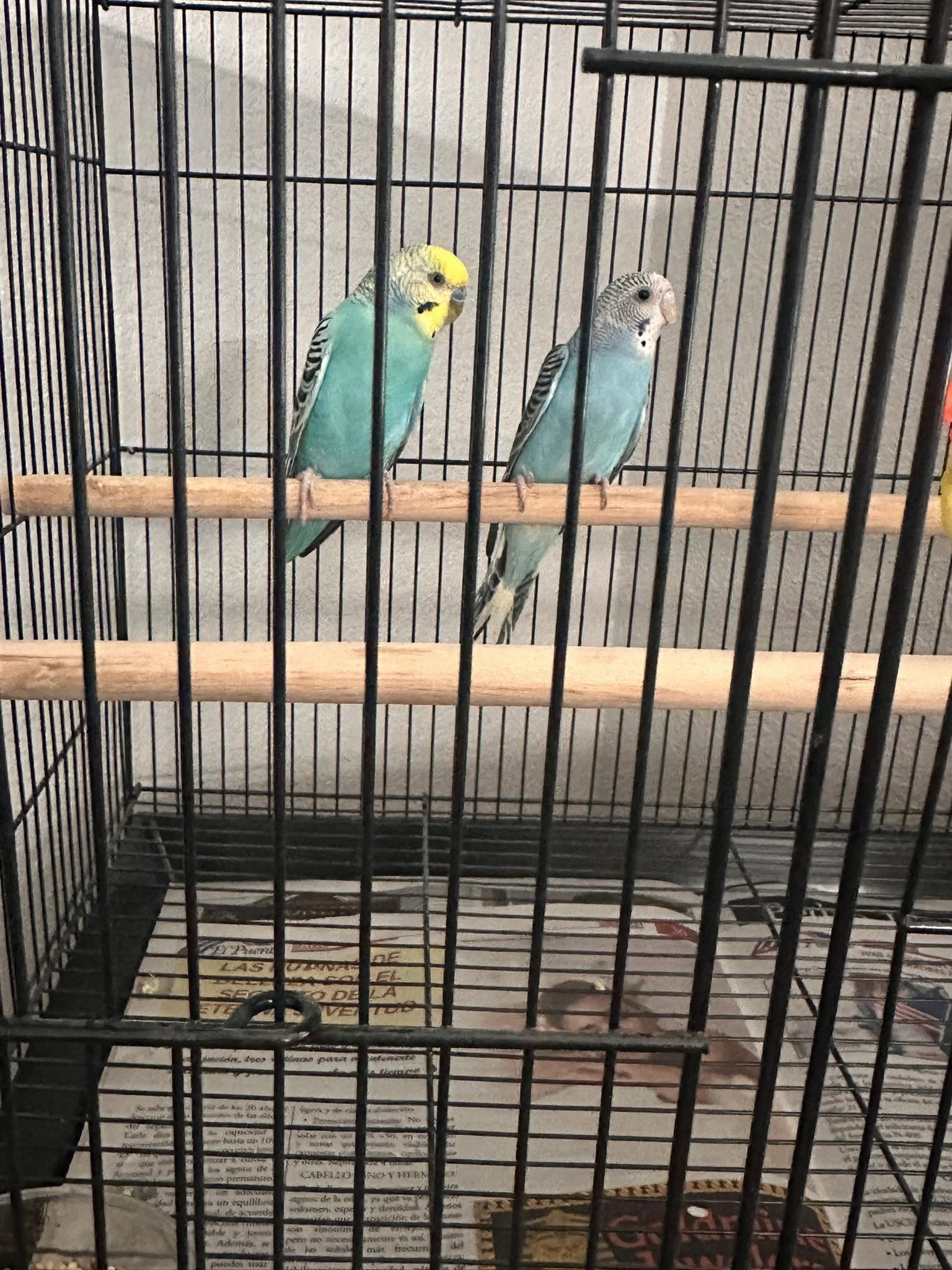
Want to Know If Your Bird’s Setup Meets the 2026 RSPCA Standard? Come In and We Will Go Through It
Tell us about your cage, your diet, your daily routine — and we will give you an honest assessment of where things stand and what, if anything, needs to change. Free advice, no obligation. That is how we have done things since 1988.