
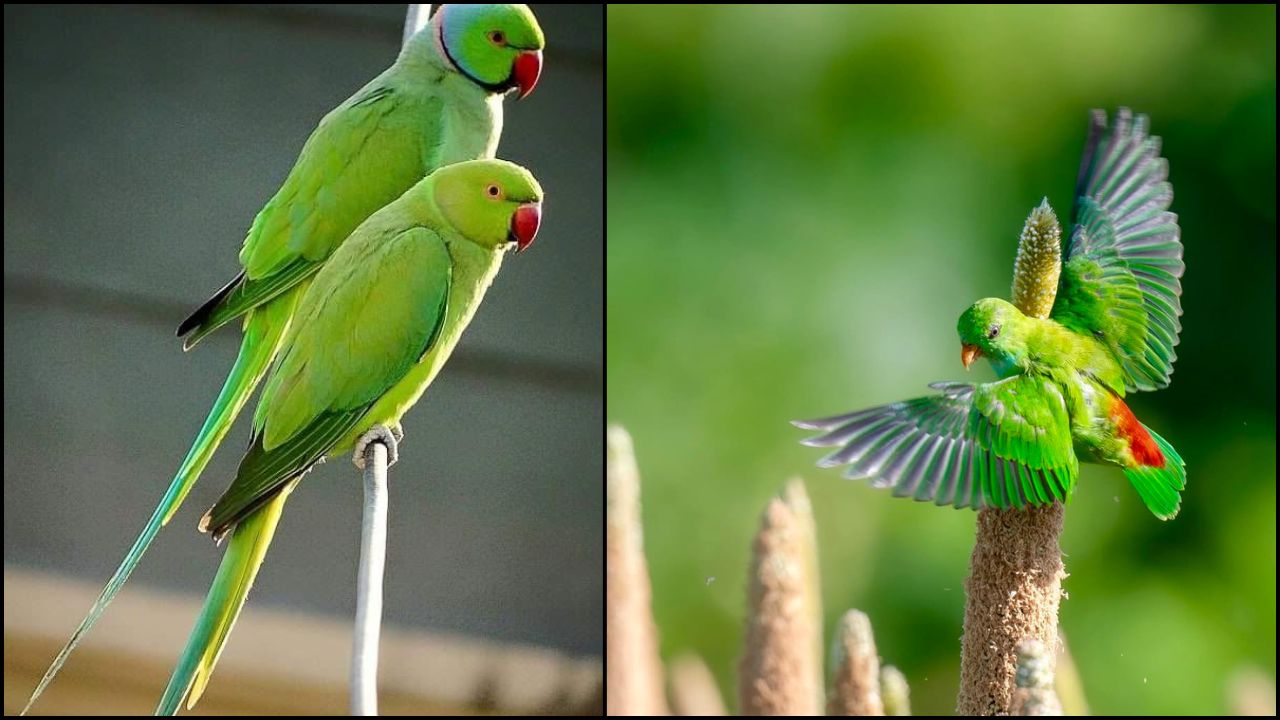

Neil has kept, bred, and sold pet birds at Paradise Pets Swindon since 1988 — over 35 years of watching UK households make decisions about which parrot species genuinely suits their home situation, and which parrot species produces genuine welfare compromises across most typical UK households. Indian Ringneck parrots — also known as ring-necked parakeets or rose-ringed parakeets — have been growing in UK pet ownership popularity in recent years, with substantial marketplace presence, active UK breeder communities, and rising visibility driven partly by the well-known feral London parakeet populations that have made the species genuinely familiar to UK families. But after 35 years at the counter watching UK households acquire, keep, and sometimes rehome Indian Ringnecks, Neil has developed a genuinely honest, welfare-led verdict about whether this specific parrot species actually suits most UK homes. This is his straightforward, welfare-led assessment based on decades of watching what actually happens when UK families bring Indian Ringnecks into typical British households — the genuine welfare success stories, the more common welfare compromises, the specific UK situations where Indian Ringnecks genuinely thrive, and the specific UK situations where the honest recommendation would be a different parrot species entirely.
A young couple came into the shop one Saturday afternoon, visibly excited but also thoughtfully uncertain. They had been considering an Indian Ringneck as their first parrot for months, had watched extensive online content about the species, had read several UK pet keeper websites, and had genuinely fallen in love with the idea of keeping one of these strikingly beautiful, intelligent, talking parrots. They wanted my professional opinion about whether an Indian Ringneck was genuinely the right choice for their specific situation — a two-bedroom Swindon flat, both working full-time jobs, no previous parrot-keeping experience, and a wish for an interactive, engaging pet bird relationship. They asked me the question I have been answering at the counter about Indian Ringnecks for 35 years — “Neil, honestly, are they right for us?”
I sat with them for an hour and explained the honest answer, which is one I have given hundreds of times and which surprised them slightly. For their specific situation — first-time parrot keepers, working full-time, apartment living, wanting genuine interactive relationship — Indian Ringnecks were probably not the right choice, despite being beautiful and intelligent birds. My reasoning was not based on preference against the species but on 35 years of watching what genuinely happens when UK households with their specific profile acquire Indian Ringnecks, and observing the welfare patterns that consistently emerge. They left that afternoon considering alternative parrot species better suited to their specific situation, came back three weeks later with a different plan, and eventually acquired a bonded pair of cockatiels who have thrived in their care for the past three years. Their honest reconsideration had produced a genuinely better outcome for both the family and the birds.
I am writing this article because Indian Ringneck popularity is genuinely growing across UK pet ownership, driven by the species’ visibility, striking appearance, intelligence, speech ability, and the extensive social media content that has made them appealing to UK households. But the same characteristics that make Indian Ringnecks appealing on video make them genuinely challenging pet birds for most UK households, and the welfare consequences of species-household mismatch are borne by the individual UK birds and by the UK families whose expectations do not match the daily reality of Indian Ringneck keeping.
This article is the conversation I have at the counter with UK households considering Indian Ringnecks. By the end of it, you will understand what Indian Ringnecks are actually like as pets in typical UK households, why the species’ popularity has grown despite genuine welfare-led concerns about the mismatch, which specific UK household profiles genuinely suit Indian Ringnecks, which alternative UK parrot species suit most households better, and how to make the honest pre-purchase decision that will serve your specific UK situation best for the potentially 25-30 year lifespan commitment ahead.
Why Indian Ringneck UK Popularity Is Genuinely Growing
For UK readers wanting to understand the context of the growing Indian Ringneck popularity, here is the honest picture based on 35 years of watching UK parrot keeping evolve.
Why UK Indian Ringneck popularity is growing:
- Striking visual appearance across multiple colour mutations — green, blue, yellow, white, violet
- Well-documented UK feral parakeet populations in London and South East creating species familiarity
- Extensive social media content featuring talking Indian Ringnecks genuinely appealing
- Speech ability substantially better than budgies — impressive vocabulary potential
- Intelligence genuinely engaging for UK owners wanting interactive relationship
- Active UK breeder communities and marketplace presence — approximately 72 active UK marketplace listings currently
- Cultural association with exotic beauty making them aspirational pets
- Marketing framing as “starter parrot” making them seem accessible
- Price points more accessible than larger parrot species in UK market
- Size perceived as manageable compared to macaws or cockatoos
- Long lifespan potential appealing to committed UK owners
- UK parrot-keeping culture growing generally across post-pandemic period
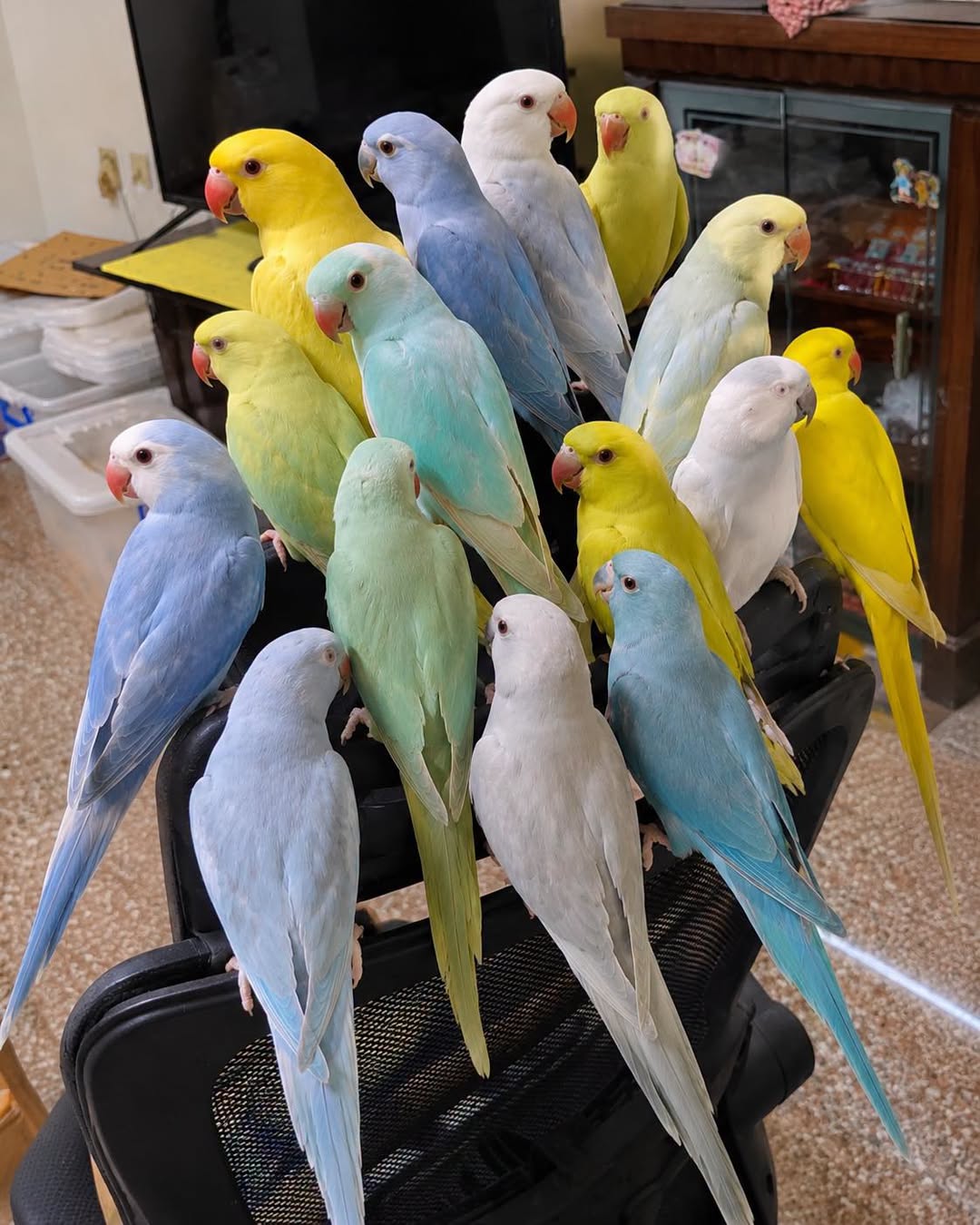
The growth in UK Indian Ringneck popularity is genuinely real and reflects legitimate appeal — these are beautiful, intelligent, capable birds that produce genuine welfare-led relationships in the right UK households. My concern is not with the appeal itself but with the mismatch that develops when the appealing characteristics meet the daily reality of typical UK household situations.
After 35 years of watching UK parrot keeping evolve, I can tell you that Indian Ringneck popularity has genuinely grown, but so has the rate of Indian Ringneck rehoming, welfare compromise, and household regret across UK pet parrot communities. Popularity and welfare-appropriate matching are not the same thing, and UK Indian Ringneck popularity has consistently outpaced UK household preparedness for what the species actually requires.
For more on UK exotic pet ownership growth generally, our published article on the exotic pet surge and what it gets wrong covers the broader UK exotic pet growth context that shapes Indian Ringneck popularity too.
The Honest Verdict — Why Most UK Households Are Not Well-Matched
For UK readers wanting the direct 35-year verdict, here is the honest picture of why Indian Ringnecks and typical UK households are frequently mismatched.
Why Indian Ringnecks typically produce welfare compromises in typical UK households:
- Substantial daily interaction requirements — 2-3 hours minimum for welfare-led keeping
- Loud vocalisations that carry substantial distances — often problematic in flats or terraced UK homes
- Piercing flock calls particularly disturbing to noise-sensitive UK neighbours
- Nipping and biting behaviour common when needs not met
- Destructive behaviour when bored or under-stimulated
- Sensitivity to environmental change and household disruption
- Substantial cage space requirements often not available in UK apartments
- Extensive out-of-cage time needed for welfare-appropriate keeping
- Long lifespan producing multi-decade care commitment
- Not typically suitable for households with young children due to bite risk and welfare-appropriate handling requirements
- Require experienced parrot-keeping knowledge for welfare-led outcomes
- Diet complexity beyond seed-only feeding requiring commitment
Why UK first-time parrot keepers typically struggle with Indian Ringnecks:
- No previous parrot experience to draw on for behavioural interpretation
- Expectations shaped by social media rather than daily reality
- Not prepared for noise levels that emerge in home environment
- Under-prepared for bite risk during behavioural adjustment periods
- Insufficient welfare-led knowledge about specific species requirements
- Cage sizing typically undersized initially until welfare-led thinking develops
- Handling techniques often incorrect for Indian Ringneck welfare
- Training approaches frequently misapplied from budgie or cockatiel knowledge
- Long-term commitment scale often not fully appreciated at purchase
- Rehoming rates for first-time Indian Ringneck keepers genuinely higher than for other UK parrot species
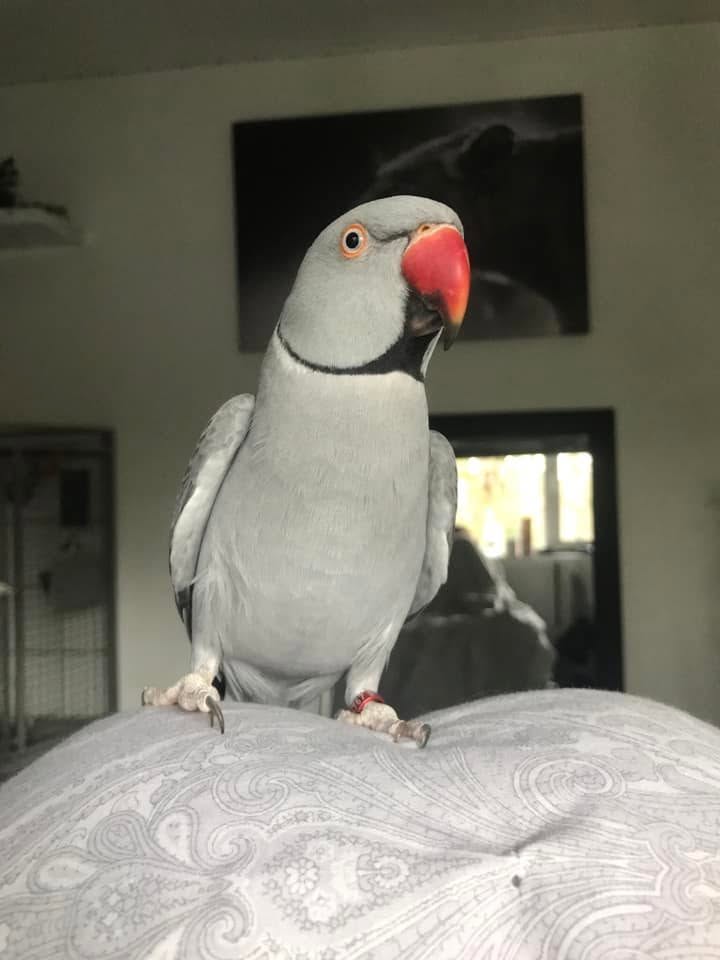
The pattern I have watched at the counter for 35 years is genuinely consistent. UK first-time parrot keepers who acquire Indian Ringnecks typically arrive at week 2-4 describing their bird as “biting,” “loud,” “not what I expected,” or “possibly aggressive.” What they are typically describing is a bird whose welfare-appropriate needs are not being adequately met in their specific UK household situation, and whose behaviour reflects the mismatch rather than the bird’s inherent nature.
The honest verdict is that Indian Ringnecks are not bad pet birds — they are wonderful pet birds in the right UK situation. The problem is that “the right UK situation” describes a relatively small proportion of the UK households currently acquiring these birds. Most UK households considering Indian Ringnecks would be genuinely better served by a different parrot species better matched to their actual daily reality.
Which UK Households Are Genuinely Well-Matched To Indian Ringnecks
For balance, here is the honest picture of which specific UK household profiles genuinely suit Indian Ringneck keeping successfully.
UK households where Indian Ringnecks genuinely thrive:
- Experienced parrot keepers with previous parrot ownership
- Adult-only households or households with older teens
- Detached or semi-detached homes without close noise-sensitive neighbours
- UK owners with substantial daily availability for interaction — 2-3+ hours minimum
- Households genuinely committed to 25-30 year lifespan care
- UK owners specifically wanting speech-capable parrot companion
- Households with space for welfare-standard cage setup — minimum 120cm+ width
- UK owners prepared for bite risk during adjustment periods
- Households with financial capacity for welfare-led setup and ongoing care
- UK owners willing to invest time in training and behavioural work
- Households with access to UK avian vet specialising in parrots
- UK owners specifically attracted to Indian Ringneck’s distinctive characteristics rather than acquiring by default
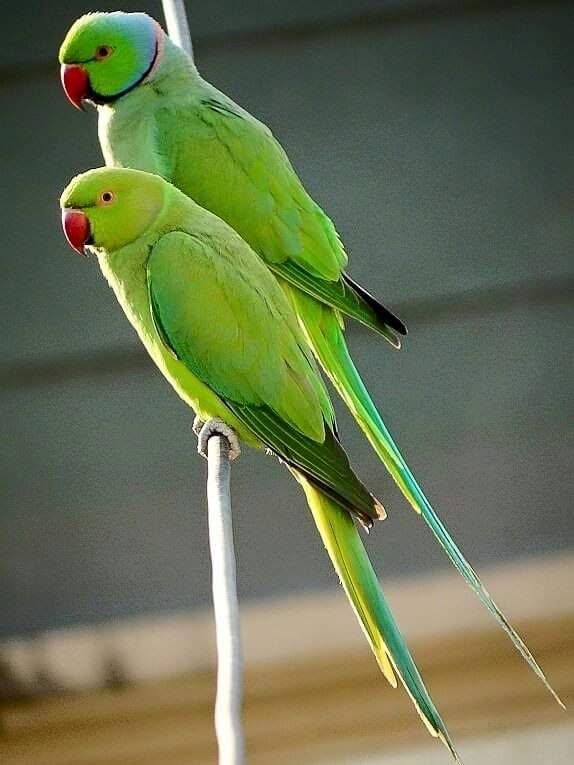
UK households in this well-matched category can genuinely enjoy exceptional pet parrot relationships with Indian Ringnecks. The species produces genuinely rewarding welfare-led outcomes when the UK household situation matches the species’ actual requirements.
The honest test I use at the counter for UK households considering Indian Ringnecks — are you specifically wanting an Indian Ringneck for the qualities that make Indian Ringnecks distinctive (their striking appearance, speech potential, intelligence, distinctive behaviours), or are you wanting a parrot as a “companion pet” from general UK cultural interest in parrot keeping? The first category typically produces good Indian Ringneck-owner matches. The second category typically produces better outcomes with different UK parrot species.
For more on UK pet bird welfare-led decision making generally, our article on why some pets suit UK families better than others covers similar welfare-led pre-purchase decision principles applied to small animal choices.
Alternative UK Parrot Species That Genuinely Suit Most UK Households Better
For UK households that recognise they are not well-matched to Indian Ringnecks but still want a rewarding UK pet parrot relationship, here are the honest alternatives that suit typical UK situations better.
- Budgerigars for first-time UK parrot keepers
Excellent starter pet parrot. Manageable size, generally predictable temperament, less demanding welfare requirements, suitable for most UK household situations. - Cockatiels for UK households wanting interactive companion
Genuinely rewarding companion parrots. Gentler than Indian Ringnecks, generally quieter, easier for first-time UK owners. - Bonded pair budgies for UK households wanting welfare-led setup
Pair keeping addresses social welfare needs. Reduces owner interaction pressure. Suitable for working UK households. - Bonded pair cockatiels for UK households wanting welfare-led companion pair
Same welfare benefits as budgie pair. Slightly more demanding but genuinely rewarding. - Canaries for UK households wanting song bird rather than talking bird
Beautiful vocalists. Less demanding welfare requirements. Manageable for many UK household situations. - Society finches for UK households wanting observed pet bird
Small flock species. Less interactive but visually engaging. Suitable for UK households wanting lower-commitment pet birds. - Zebra finches for UK households wanting active observed pets
Small, active, engaging small pet birds. Lower commitment than parrots generally. - Alexandrine parakeets for experienced UK keepers wanting parakeet-species
Related to Indian Ringnecks but sometimes more manageable temperament in experienced hands. - Green cheek conures for experienced UK households wanting small parrot
Smaller parrot species with generally more manageable behaviour. Still demanding but often suits UK households better. - Peach-faced lovebirds for UK households wanting characterful small parrot
Small size, strong personalities, generally more manageable than Indian Ringnecks.
The honest observation is that most UK households considering Indian Ringnecks would be genuinely better served by budgies or cockatiels — species with more manageable welfare requirements, more predictable temperaments, and better matching to typical UK household situations. This is not because budgies or cockatiels are lesser birds — it is because they are better-matched pet parrot species for typical UK households.
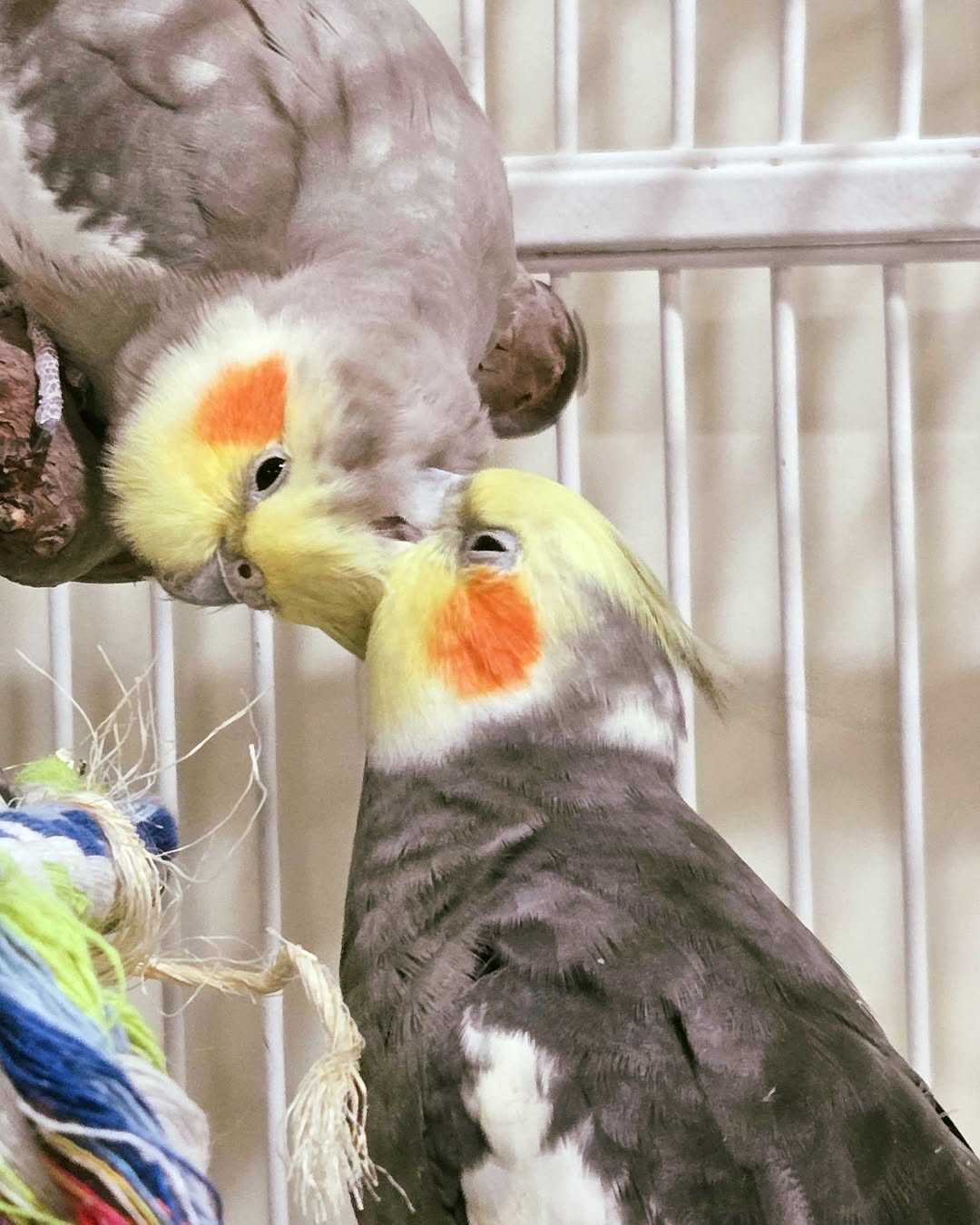 For UK households that specifically want an Indian Ringneck for the species’ distinctive qualities and genuinely match the household profile requirements, the alternative recommendations do not apply. The point is that most UK households considering Indian Ringnecks are actually looking for the general “interactive parrot companion” experience, and this experience is genuinely better delivered by species better matched to typical UK situations.
For more on UK pet budgie welfare context specifically, our article on why the UK now has over a million pet budgies covers the broader UK pet parrot community context and why budgies remain such a well-matched species for most UK households.
What UK Indian Ringneck Owners Need To Provide For Welfare-Led Keeping
For UK households that have honestly assessed themselves as well-matched to Indian Ringnecks and want to proceed with welfare-led keeping, here is the honest picture of what proper Indian Ringneck welfare requires.
- Welfare-standard cage minimum 120cm width for pair
Larger genuinely better. Height and depth also welfare-relevant. Bar spacing appropriate. - Daily out-of-cage time minimum 4-6 hours
Bird-safe indoor space essential. Genuine flight opportunity welfare-important. - Substantial daily interaction 2-3+ hours minimum
Training, play, communication, welfare-led engagement. - Varied welfare-led diet
Pellets, fresh vegetables, occasional fruits, small amounts seed, appropriate treats. - Extensive enrichment rotation
Foraging opportunities, chewing toys, puzzle toys, training targets. - Consistent routine and environmental stability
Indian Ringnecks respond well to predictable daily patterns. - Regular UK avian vet care with parrot specialist
Preventative and responsive care throughout 25-30 year lifespan. - Behavioural training investment
Positive reinforcement training over months and years. - Same-species companionship consideration
Bonded pairs often produce better welfare outcomes than solo keeping. - Long-term commitment planning
25-30 year lifespan requires generational planning for care continuity.
The welfare requirements for UK Indian Ringneck keeping are substantial. Well-matched UK households find these requirements genuinely rewarding to meet. Mismatched UK households find them overwhelming, and welfare compromises develop as a result.
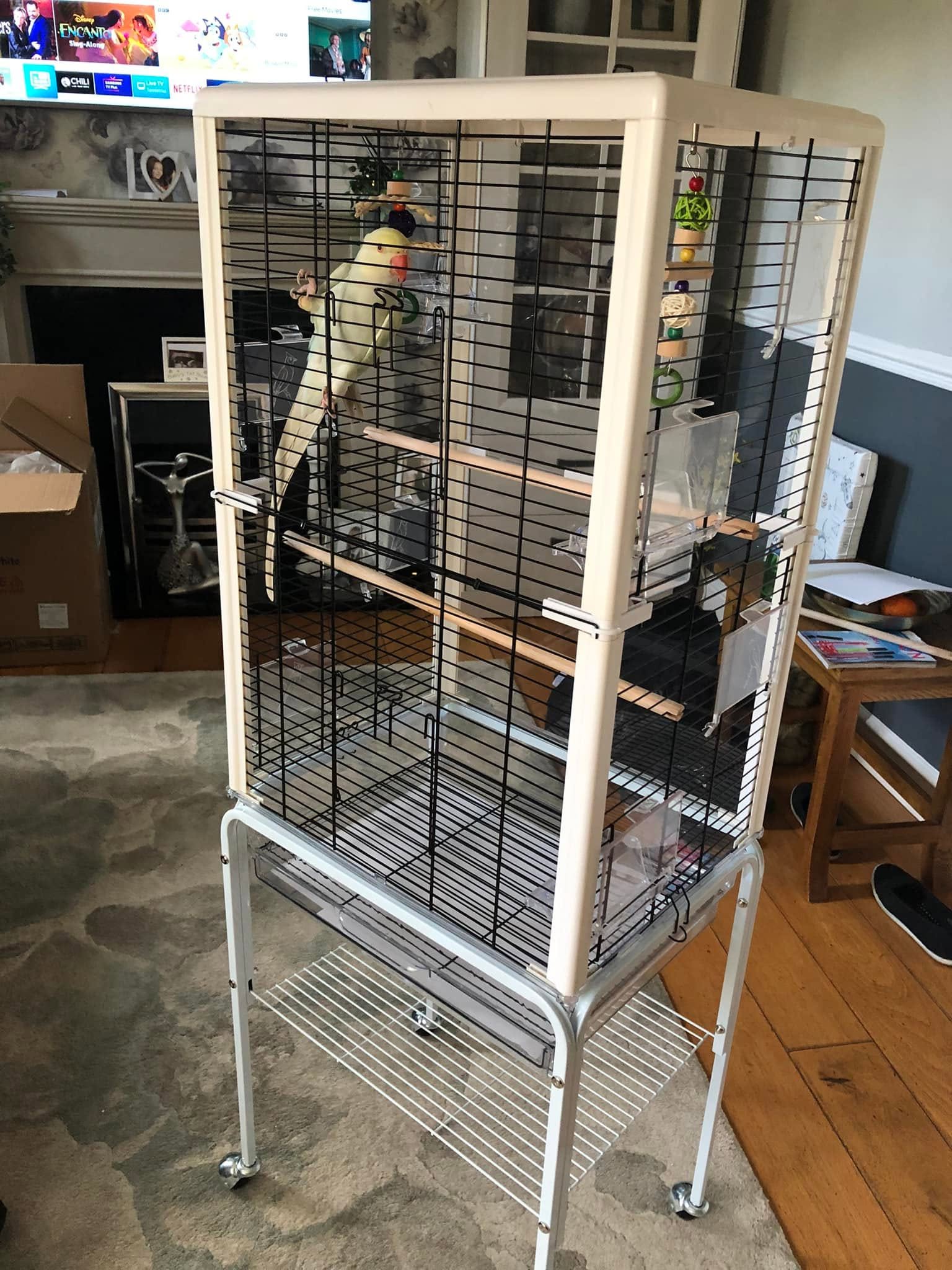 The honest observation from 35 years at the counter is that UK households that genuinely meet these welfare requirements for Indian Ringnecks produce exceptional pet parrot outcomes. But relatively few UK households currently acquiring Indian Ringnecks are genuinely equipped to meet all these requirements, and this is the source of the welfare gap I have been describing throughout this article.
For more on UK welfare-led parrot cage guidance specifically, our article on why most UK budgie cages fall short of RSPCA guidance covers welfare-standard cage principles that apply substantially to Indian Ringnecks too, with even larger dimensions genuinely required.
Common UK Household Regrets After Indian Ringneck Purchase
For balance, here are the honest patterns of regret I have watched at the counter over 35 years when UK households acquire Indian Ringnecks without adequate preparation.
- “We didn’t realise how loud they would be” — noise expectations rarely match reality
- “Our neighbours have complained about the screaming” — welfare impact on household relationships
- “He bites us and we don’t know why” — behavioural understanding gap
- “She’s not the affectionate bird we expected” — social media expectations vs reality
- “We can’t give him enough time” — daily commitment underestimated
- “He destroys everything he can reach” — enrichment inadequate for species
- “She never learned to talk” — speech development requires substantial training investment
- “He hates my partner” — bonding patterns can be exclusive
- “We’re going on holiday and can’t find bird sitters” — care continuity underestimated
- “She plucks her feathers” — welfare compromise stress response
- “He screams whenever we leave the room” — separation distress
- “We’re thinking about rehoming him” — welfare-appropriate response to mismatch
These regret patterns are not exceptional cases — they are the common trajectory when UK households acquire Indian Ringnecks without genuinely matching the species requirements. The pattern is preventable through honest pre-purchase assessment, and the individual UK birds bear the welfare consequences of preventable mismatches.
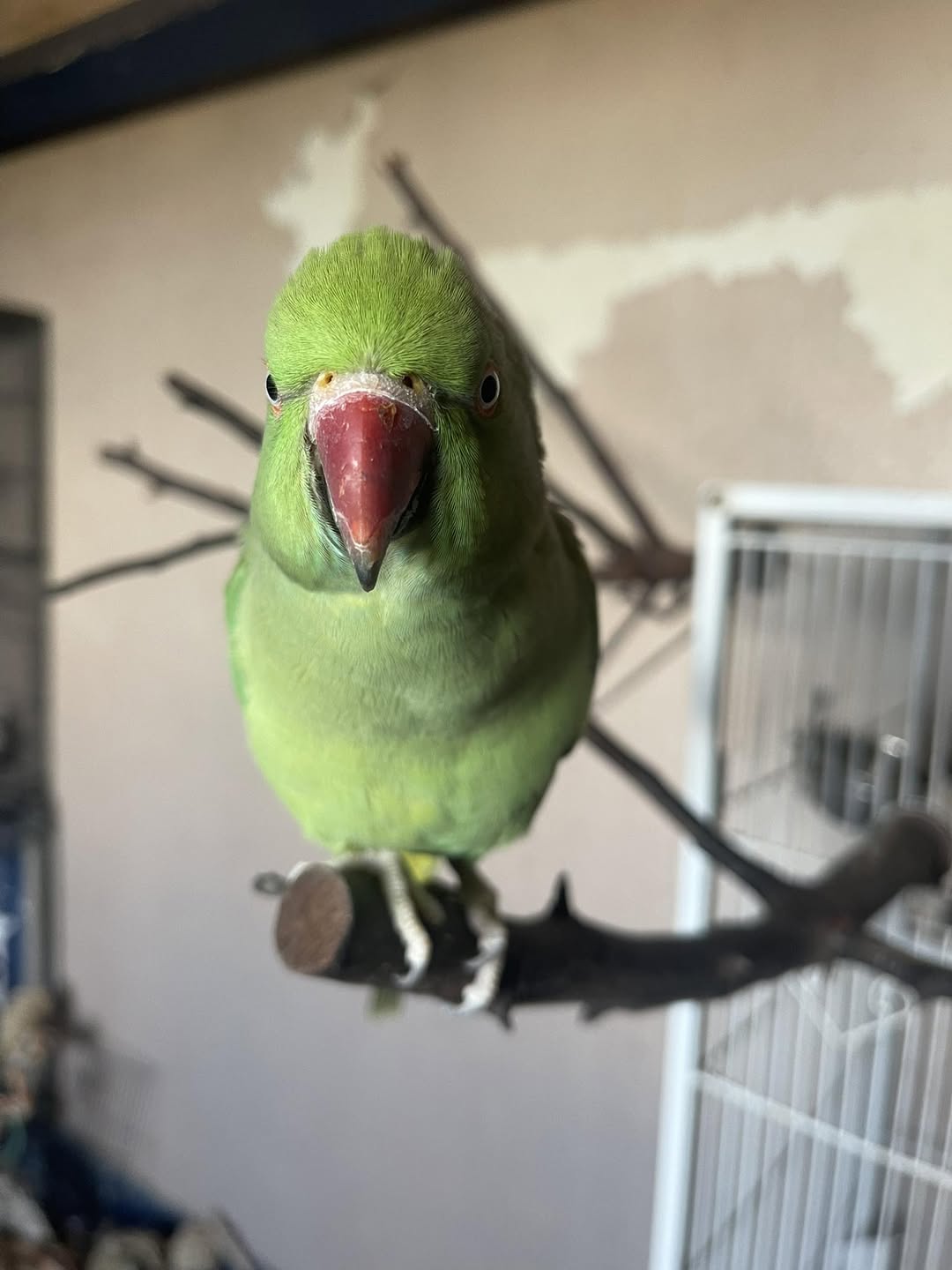 After 35 years at the counter, I have come to believe UK pre-purchase education about Indian Ringnecks is one of the most important welfare interventions the UK independent pet shop community can provide. Honest verdict conversations before purchase prevent welfare compromises after purchase, and every UK Indian Ringneck spared from acquisition into a mismatched household is a welfare outcome worth working for.
How To Make The Honest Pre-Purchase Decision
For UK households considering Indian Ringnecks, here is the honest self-assessment protocol that genuinely predicts species-household match.
- Have you previously kept parrots successfully?
First-time parrot keepers typically better matched to budgies or cockatiels initially. - Do you have 2-3+ hours daily availability for parrot interaction?
Substantial daily commitment genuine welfare requirement. - Do you live in a detached or semi-detached UK home?
Flats, terraces, or shared housing typically not suitable due to noise. - Are you prepared for 25-30 year commitment?
Multi-decade lifespan requires generational planning. - Do you have space for 120cm+ welfare-standard cage?
Space requirements substantially larger than budgie or cockatiel setup. - Are your household adults committed to welfare-appropriate care?
Not suitable for households where care would fall to children alone. - Do you have financial capacity for welfare-led setup and ongoing costs?
Substantial initial and ongoing investment required. - Are you specifically drawn to Indian Ringneck distinctive qualities?
Species-specific interest rather than general parrot interest. - Have you visited multiple UK Indian Ringnecks in home settings?
Reality-check social media expectations against actual home behaviour. - Have you spoken with experienced UK Indian Ringneck owners?
Direct owner experience typically more informative than online content.
The honest assessment I recommend for UK households considering Indian Ringnecks is scoring these questions honestly and considering the pattern of your responses. UK households scoring 8+ genuine positive responses across these ten questions are typically well-matched. UK households scoring below 6 positive responses are typically not well-matched, and would be better served by a different UK parrot species.
The self-assessment is not a barrier to keeping Indian Ringnecks — it is a welfare-led planning tool that produces better outcomes for both UK birds and UK households. Honest assessment before purchase prevents welfare compromises and household regret after purchase.
Frequently Asked Questions
Are Indian Ringneck parrots good pets for first-time UK parrot keepers?
Typically no. Indian Ringnecks are not beginner parrot birds despite frequently being marketed as accessible options. They require substantial daily interaction (2-3+ hours minimum), extensive out-of-cage time (4-6+ hours daily), welfare-standard cage setup (120cm+ width for pair), specific behavioural understanding, and 25-30 year commitment capacity. First-time UK parrot keepers typically produce better welfare outcomes with budgies or cockatiels, which suit typical UK household situations better and provide genuinely rewarding pet parrot relationships without the specific challenges Indian Ringnecks present.
Which UK households are actually well-matched to Indian Ringnecks?
UK households well-matched to Indian Ringnecks typically include experienced parrot keepers with previous parrot ownership, adult-only households or households with older teens, detached or semi-detached homes without close noise-sensitive neighbours, UK owners with 2-3+ hours daily availability for interaction, households genuinely committed to 25-30 year lifespan care, UK owners specifically wanting speech-capable parrot companion, and households with space and financial capacity for welfare-standard setup. UK households meeting these criteria can genuinely enjoy exceptional pet parrot relationships with Indian Ringnecks.
How loud are Indian Ringnecks and does it really matter for UK homes?
Genuinely loud, and yes it really matters. Indian Ringneck flock calls can be piercing and carry substantial distances through UK residential walls, floors, and gardens. Neighbour complaints are genuinely common in UK flats, terraces, and closely-spaced housing. Noise is not something UK owners can eliminate through training — flock calls are natural species behaviour that continues throughout the parrot’s life. UK households in noise-sensitive housing situations are typically better suited to quieter parrot species like cockatiels, or to smaller birds like budgies whose vocalisations carry less distance.
Do Indian Ringnecks actually bite? Are they aggressive?
Indian Ringnecks are not inherently aggressive but they can bite, and biting behaviour is genuinely common particularly during adjustment periods and when welfare needs are not adequately met. First-time UK parrot keepers frequently describe their Indian Ringnecks as “biting” or “aggressive” when the reality is behavioural response to welfare-inappropriate situations. Experienced UK Indian Ringneck keepers typically develop the behavioural understanding and welfare provision that minimises biting behaviour, but this requires knowledge and time investment that first-time UK owners often lack.
How long do UK Indian Ringnecks actually live?
UK Indian Ringnecks with welfare-led care typically live 25-30 years, with some individuals reaching 35+ years. This lifespan represents substantial multi-decade commitment that UK households frequently underestimate at purchase. A young UK adult acquiring an Indian Ringneck may be caring for that same bird through significant life changes including relationships, house moves, career changes, and possibly children. The long lifespan is a genuine welfare consideration that requires honest pre-purchase evaluation of your capacity for multi-decade care commitment.
What parrot species would you recommend instead of an Indian Ringneck for most UK households?
For most UK households considering Indian Ringnecks, honest 35-year recommendation is either budgies (particularly bonded pairs) or cockatiels (particularly bonded pairs). These species produce genuinely rewarding pet parrot relationships whilst suiting typical UK household situations much better than Indian Ringnecks. UK households wanting parrot companionship, interactive relationship, and welfare-appropriate keeping will typically find better outcomes with these species than with Indian Ringnecks. Detailed recommendations depend on your specific UK household situation and can be discussed at the counter.
Where can I get UK Indian Ringneck welfare-led advice in Swindon?
Come and see us at Paradise Pets, Manor Garden Centre, Cheney Manor, Swindon SN2 2QJ. We provide honest pre-purchase advice about UK Indian Ringneck keeping including honest species-household matching assessment, welfare-appropriate setup guidance, and alternative UK parrot species recommendations when Indian Ringnecks are not the right match. Free thoughtful advice based on 35 years of watching UK households acquire, keep, and sometimes rehome Indian Ringnecks. Ring us on 01793 512400.
One Last Thing From Me
“Should we actually get an Indian Ringneck?” is the question UK households ask me most often when considering these birds, and one I want to answer with complete honesty. The honest answer, after 35 years of watching UK households with Indian Ringnecks across every kind of situation, is — probably not, if you are asking me before making the decision. UK households that are genuinely well-matched to Indian Ringnecks typically already know they are — they have parrot-keeping experience, specific interest in the species characteristics, appropriate household situation, and genuine commitment capacity. UK households asking whether they should get an Indian Ringneck are typically the ones for whom the honest verdict is different UK parrot species better matched to their actual situation. This is not a criticism of anyone considering Indian Ringnecks. It is honest recognition that most UK household situations do not match Indian Ringneck welfare requirements, and that acquiring these birds into mismatched households produces welfare consequences for the individual UK birds and household regret for the UK families. My honest 35-year recommendation for most UK households considering Indian Ringnecks is a bonded pair of budgies or cockatiels — species that provide genuinely rewarding pet parrot relationships whilst suiting typical UK household situations much better. For UK households genuinely well-matched to Indian Ringnecks, my honest 35-year recommendation is welfare-led acquisition through reputable UK sources, welfare-standard setup investment, comprehensive pre-purchase preparation, and long-term commitment to the species-appropriate care these remarkable birds deserve. Whichever category you fall into, please come in for a chat before committing to any pet parrot decision. After 35 years at the counter, honest pre-purchase conversations are one of the most valuable welfare interventions any UK independent pet shop can provide.
The young couple with the Indian Ringneck consideration that Saturday afternoon? Three years later, when they came back to the shop with their cockatiels Peaches and Cream, they described the honest conversation that changed their pre-purchase decision as one of the most valuable things anyone had ever told them about pet keeping. They had almost bought an Indian Ringneck. They were now genuinely thriving with their cockatiels. The birds were thriving. The relationship was rewarding beyond what they had originally hoped for. And they were periodically visited by other UK households considering parrots, whom they honestly advised about their own experience of the good decision they had almost not made. Their honest reconsideration had produced a genuinely better outcome for the family, for the cockatiels who had joined their household, and — indirectly — for the Indian Ringneck they had not acquired, who had gone instead to a genuinely well-matched UK household prepared for the species’ actual requirements.
That is what I want for every UK household considering Indian Ringnecks. Not the marketing narrative about accessible starter parrots. Not the social media expectations about talking cuddly companions. But the honest welfare-led assessment of whether your specific UK household situation genuinely suits Indian Ringneck requirements, and honest guidance about the UK parrot species genuinely suited to your specific situation if the answer is no.
Indian Ringneck popularity is growing across UK pet ownership. Welfare-led matching of UK households to appropriate parrot species is growing too, thanks to the increasing number of UK independent shops and UK parrot welfare community members willing to give honest verdicts rather than sale-driven encouragement. This article is my honest 35-year contribution to that welfare-led matching conversation.
If you are considering an Indian Ringneck or any UK pet parrot for your specific household situation, please come in for a chat. After 35 years at the counter, honest pre-purchase conversations about UK parrot species matching are one of the most genuinely valuable things any independent UK pet shop can offer.
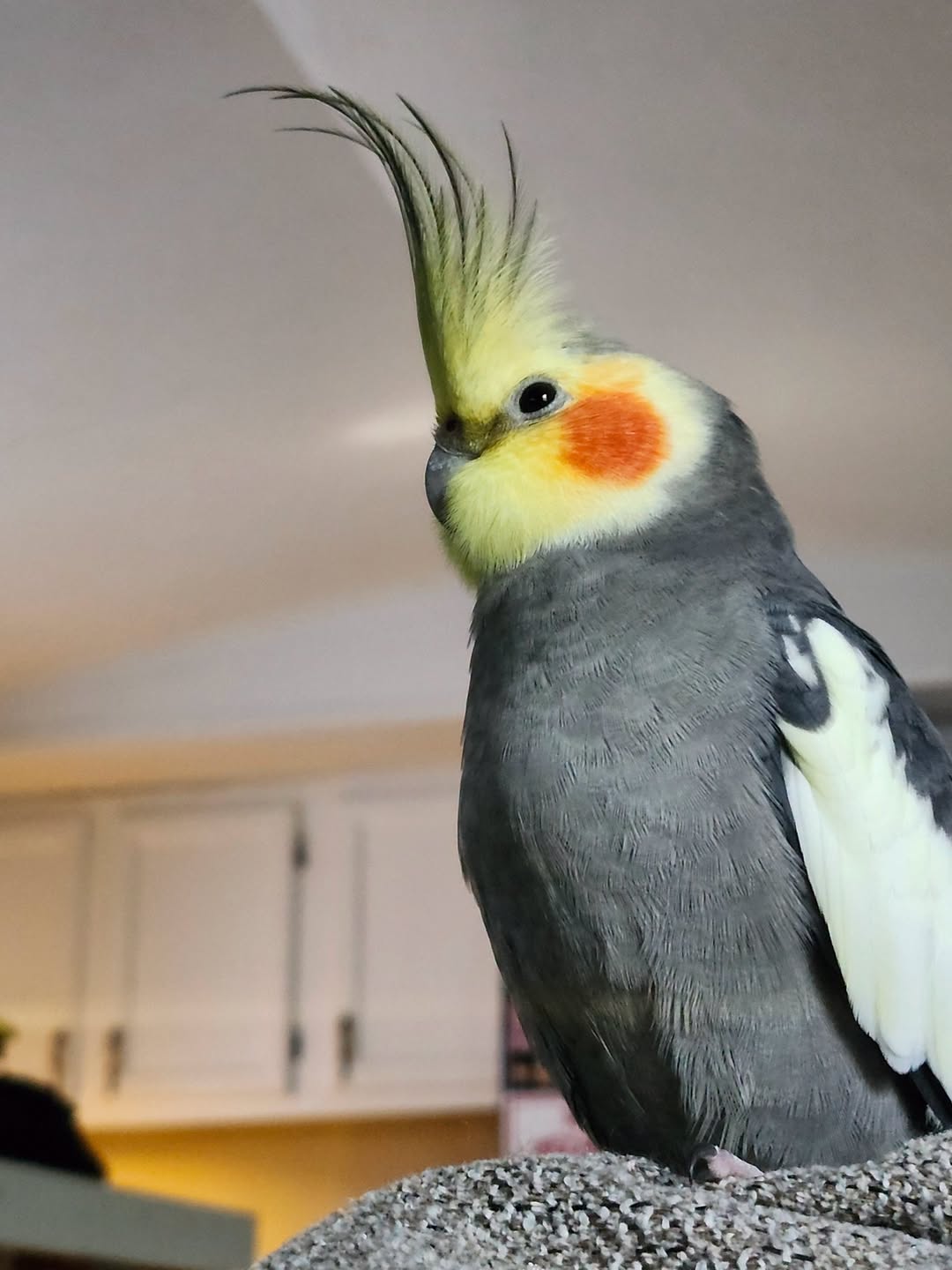
Considering An Indian Ringneck Or Other UK Parrot? Come And See Me First
We provide honest pre-purchase advice about UK parrot species matching including whether Indian Ringnecks suit your specific household situation, and welfare-led alternative UK parrot species recommendations when they do not. Free thoughtful advice based on 35 years of watching UK households acquire and keep pet parrots. That is how we have done things since 1988.
⭐ Customer Reviews
Amazing Bird Selection
Had a lovley visit today,staff were very friendly and very helpful,such a great petshop,their selection of birds is incredible,really impressed,thank so much to the staff at Paradise Pets

Friendly Helpful Staff
I have been coming to this place for years and they have a great stock of food for all types of pets. Have a great selection of small mammals and a lot of birds. Staff are friendly and helpful.

Great Quality Hutch
Bought a guinea pigs hutch and run combo, very happy with the service, the hutch was put in my car for me without even asking for help. The wood quality is very good, the instructions easy to follow and we are extremely happy with the fully built hutch. A good size for 2 guinea pigs

Response from Paradise Pets | Wiltshire
Thank you Melanie Latus Nice to provide services to you.
Best Bird Shop Around
It’s the best pet shop in and around Swindon. They always have an amazing selection of birds and all you need to keep them happy. I keep birds myself and the guys there are happy to answer questions and really know their stuff. I have seen budgies etc. in chain pet shops in the area looking really unhealthy and ill – I wouldn’t go anywhere else than Paradise Pets for animals.

Highly Recommended Bird Shop
I could not praise this shop enough. Really helped my Grandson buy his first bird and he’s loving it. Travelled from Somerset and was welcomed with open arms.

Great Shop with Competitive Prices
Great shop with amazing selection for small animals, hamsters, mice ect, highly recommend!
Also has a great selection for dogs & cats too & very competitive prices! 💖

