

Updated 24 September 2026: separated rabbit and guinea pig housing requirements and added a family planning checklist; removed an unsupported comparison percentage.
Neil has kept, bred, and sold guinea pigs and rabbits at Paradise Pets Swindon since 1988 — over 35 years of helping UK families make one of the most common pet decisions British households face when choosing a first small animal pet for children or family life. The guinea pig or rabbit question comes to the counter more often than almost any other pre-purchase small animal query, and the honest answer is genuinely different depending on the specific UK family situation. This is his practical, welfare-led, honestly-opinionated take on which small animal is genuinely the better choice for most UK families, why the answer surprises many first-time UK buyers, what UK families should think about before either commitment, and the specific situations where the alternative choice would be more appropriate. After 35 years of watching both species thrive and struggle in UK homes across every kind of family situation, Neil has a genuine, evidence-based, welfare-led recommendation — and this article explains it honestly.
A family came into the shop one Saturday afternoon — mum, dad, two children aged eight and eleven, and a genuinely thoughtful pre-purchase attitude. They had been considering a family pet for over a year, had ruled out dogs and cats for practical reasons, had researched pet birds but decided they wanted something the children could handle more directly, and had narrowed their choice to either guinea pigs or rabbits. They wanted my honest opinion about which would be genuinely better for their specific family situation. The father asked me the question I have been answering at the counter for 35 years — “Neil, honestly, which one would you recommend for a family like ours?”
I sat with them for half an hour and explained the honest answer, which surprised them slightly. For most UK families with children, guinea pigs are genuinely the better first small animal pet — despite rabbits often being marketed and perceived as the classic family pet choice. My reasoning was not based on personal preference but on 35 years of watching UK families with both species across every kind of household situation, and observing which choice consistently produces the best outcomes for both the family and the animal. The family left that afternoon with a considered plan, came back two weeks later after preparing their home properly, and took home a bonded pair of guinea pigs who have been thriving in their care for the past four years. The eight-year-old daughter now considers herself the guinea pig expert of the family, has developed genuine handling confidence, and both animals are visibly welfare-thriving.
I am writing this article because the guinea pig or rabbit question is one of the most common pre-purchase small animal decisions UK families face, and the guidance UK families receive is often based on outdated perceptions rather than genuine welfare-led evidence about how each species actually does in typical UK family situations. After 35 years of watching UK families with both species, I have developed a clear, evidence-based, welfare-led view about which choice is genuinely better for most UK families — and about the specific situations where the alternative would be more appropriate. This article shares that view honestly.
This article is the conversation I have at the counter with UK families making this pre-purchase decision. By the end of it, you will understand the genuine welfare-led differences between guinea pigs and rabbits as UK family pets, why guinea pigs consistently produce better outcomes for most UK families with children, the specific situations where rabbits would be the better choice, exactly what UK families should prepare for either species, and how to make the pre-purchase decision that will serve your specific UK household best for the next five to ten years.
The Guinea Pig Vs Rabbit Question — Why Most UK Families Ask It
For UK readers wanting to understand the context of this common pre-purchase decision, here is the honest picture based on 35 years of counter conversations.
Why UK families typically consider both species:
- Both are traditional UK family small animal pets with long cultural association
- Both are appropriate size for family handling compared to smaller rodents
- Both can be housed either indoors or outdoors in appropriate UK setups
- Both are herbivorous with similar diet foundations — hay-based nutrition
- Both cost similar amounts to purchase and keep initially
- Both are commonly available from UK welfare-led sources
- Both have generally friendly reputations in UK culture
- Both require a long commitment — rabbits commonly live longer than guinea pigs
- Both require pair or group housing for welfare — social species requirement
- Both need daily interaction and enrichment
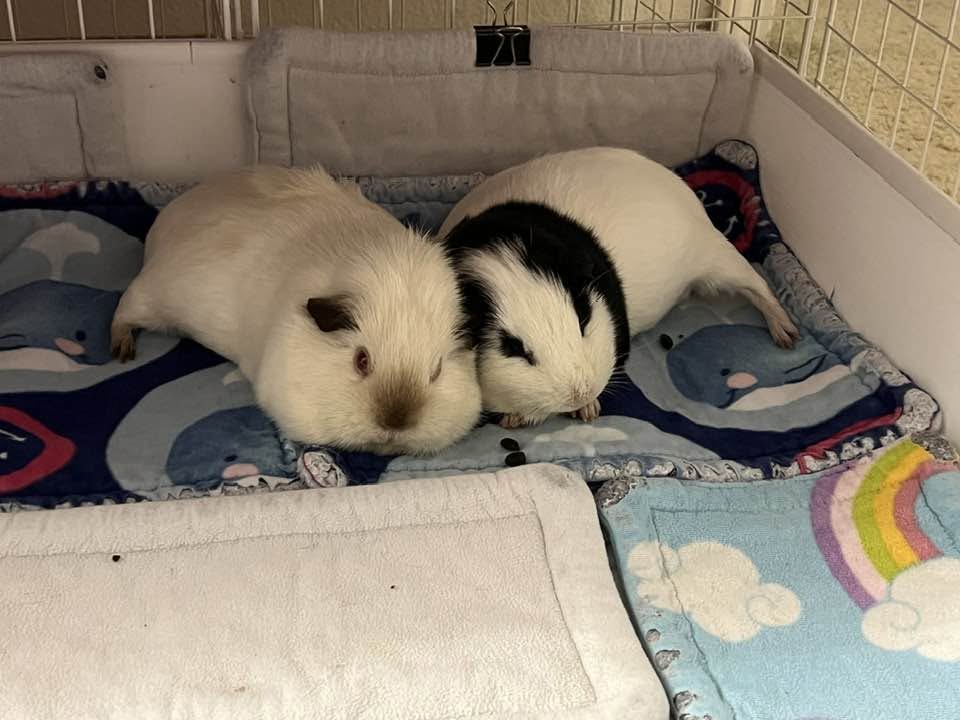
The similarities on paper are genuine, which is why so many UK families arrive at the counter with both species on their shortlist. The differences that matter — and that inform the honest welfare-led recommendation — are less obvious to first-time UK buyers because they emerge in daily interaction patterns and welfare outcomes rather than in headline species characteristics.
For UK families considering their first small animal pet, both species can genuinely thrive in appropriate UK households. The question is not “which species is better” in the abstract, but “which species is genuinely better for most UK families with children in typical UK household situations.” That is a specific practical question with a specific practical answer based on 35 years of counter observation.
Why Guinea Pigs Are Genuinely The Better Choice For Most UK Families
For UK families wanting to understand the honest welfare-led reasoning, here is the specific evidence from 35 years of counter observation.
Why guinea pigs consistently produce better outcomes for UK families with children:
- Predictable temperament across most UK guinea pigs — much less individual variability than rabbits
- Handle more willingly and tolerantly — genuinely enjoy being picked up and held
- Communicate audibly through vocalisation — squeaks, wheeks, purring, easy for children to recognise
- Ground-dwelling by nature — no jumping or complex movement
- Gentle adult-supervised handling is essential — either species can scratch or bite if frightened
- Recover from handling stress quickly — less prolonged distress from typical interaction
- Social behaviours easier for children to understand — clear communication signals
- Bond with humans through daily interaction more predictably
- Litter training not typically required — accepted in cage-based housing
- Diet is more forgiving of typical UK family mistakes — simpler nutritional needs to meet
- Health issues more predictable — vets know common guinea pig problems well
- Compatible guinea pig pairs need careful matching — obtain species-specific introduction advice
Why rabbits typically produce more challenging outcomes for UK families with children:
- Highly variable individual temperament — some are wonderful, some genuinely difficult
- Often dislike being picked up and held — prey species instinct against elevation
- Can kick powerfully with strong hind legs — genuine injury risk to children
- Sharp claws that can scratch during handling
- Can bite hard when frightened — bite pressure genuinely painful
- More prolonged stress responses to handling that children may not recognise
- Communication signals subtler and harder to read — ear position, body posture
- Litter training desirable but requires effort — often abandoned partway
- Diet more sensitive to family mistakes — gut stasis risk from dietary errors
- Bonding rabbits together is complex — pair bonding process often fails without expertise
- Neutering strongly recommended for behaviour — additional cost and vet requirement
- Health issues include more expensive-to-treat conditions — GI stasis, dental problems, myxomatosis
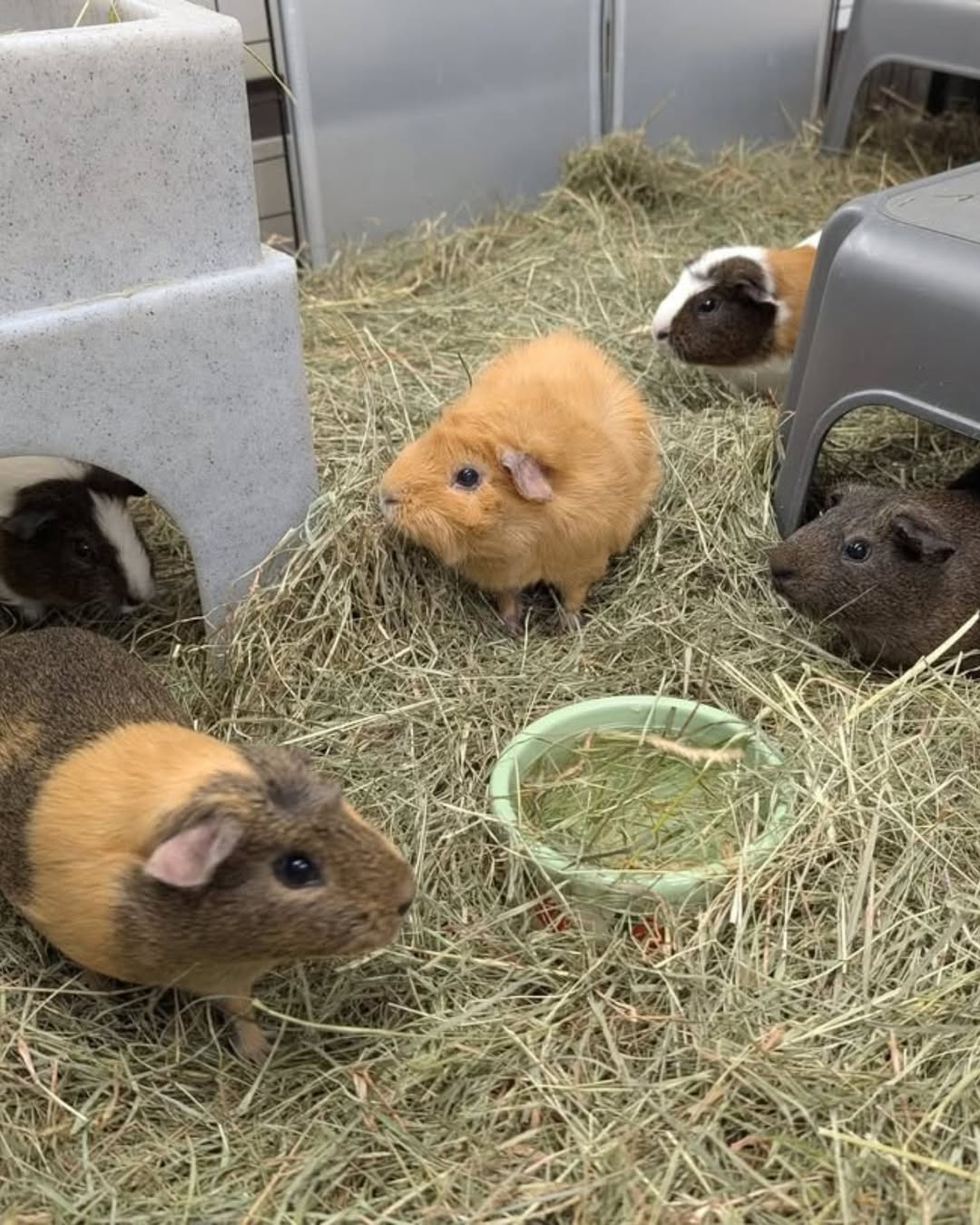
The honest pattern I have seen across 35 years is that UK families with guinea pigs consistently report positive ongoing experiences, whilst UK families with rabbits report significantly more mixed experiences — some genuinely excellent, some quietly disappointed, some outright difficult. The variability with rabbits is the key issue. With guinea pigs, most UK families end up with a positive experience. With rabbits, the outcome is genuinely less predictable.
For more on UK welfare-led small animal keeping generally, our article on the UK hamster welfare standards every owner should know covers the broader welfare framework that applies across small animal species.
The Handling Difference That Matters Most For UK Family Life
For UK families with children particularly, the handling difference between guinea pigs and rabbits is the single most important factor for daily family life. This is where the honest recommendation really matters.
Why handling matters more than UK families initially realise:
- Daily handling is core to child-animal relationship building
- Children want physical interaction with pets — cuddling, stroking, holding
- The animal’s tolerance of handling determines relationship quality
- Stressed pets during handling create negative feedback loop for both child and animal
- Guinea pigs typically accept handling positively once introduced properly
- Rabbits often tolerate handling at best, dislike it at worst
- Positive handling experiences reinforce ongoing engagement
- Negative handling experiences reduce child interest over time
- Injury risk from handling matters — children need physically safe interactions
- Long-term bond depends on daily positive interaction
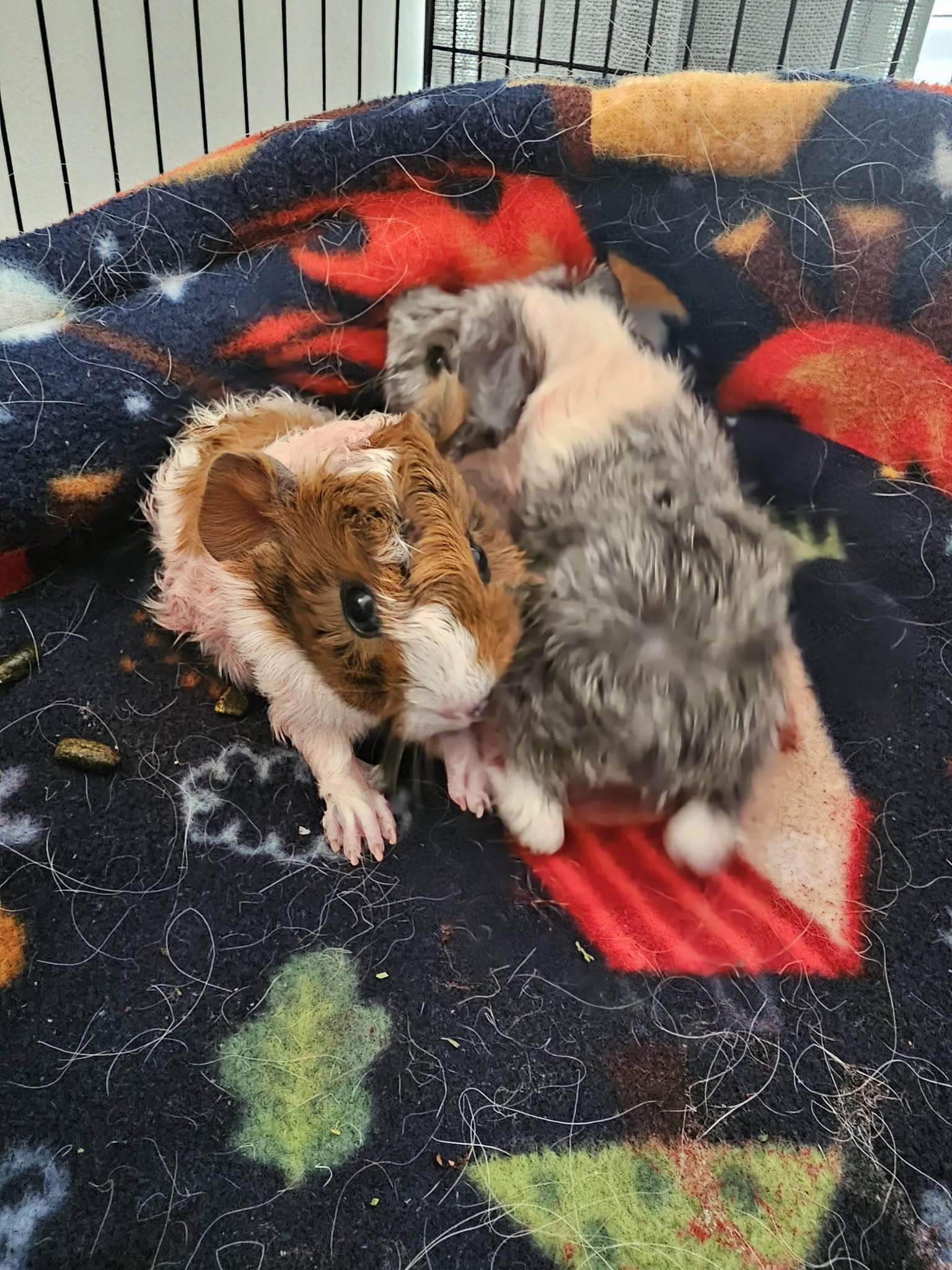
The specific practical difference I see at the counter — UK families with guinea pigs typically bring the animals in for check-ups and describe daily lap-cuddling routines, children reading books whilst the guinea pig sits contentedly on their knee, feeding sessions where the guinea pig comes to them for pieces of vegetable. UK families with rabbits more often describe brief interactions, the rabbit spending most time in its housing rather than with the family, children losing interest over months because the rabbit “just doesn’t want to be held,” and the animal effectively becoming an observed pet rather than an interacted-with family member.
Neither pattern is universal — some rabbits are genuinely brilliant with families and some guinea pigs are more reserved. But the pattern is consistent enough across 35 years of observation that it forms the core of my honest recommendation. UK families who want an interactive, cuddled, handled family pet are typically better served by guinea pigs. UK families comfortable with a more observed, respected-from-a-distance pet may do well with rabbits, but should understand this is the more common rabbit outcome.
When Rabbits Are Genuinely The Better Choice For UK Households
For balance, here are the specific UK household situations where rabbits would genuinely be the better choice over guinea pigs, based on 35 years of counter observation.
UK situations where rabbits are the better choice:
- Adult-only households with pet-keeping experience — handling and welfare needs met adequately
- Families with older children aged 12+ willing to accept low-handling relationship
- Households wanting a house-rabbit indoor lifestyle — with rabbit-proofing and litter training commitment
- Owners specifically wanting a larger small animal — some UK breeds substantially bigger than guinea pigs
- Households with garden space for large secure outdoor enclosure — free-ranging territory
- Owners specifically interested in rabbit behaviour observation as primary relationship
- Households comfortable with more complex vet care requirements — including neutering
- UK owners who have kept rabbits successfully before — understand the specific needs
- Households wanting a longer-lived small animal — rabbits can reach 10+ years with excellent care
- Owners specifically drawn to individual rabbit personality rather than universal handling
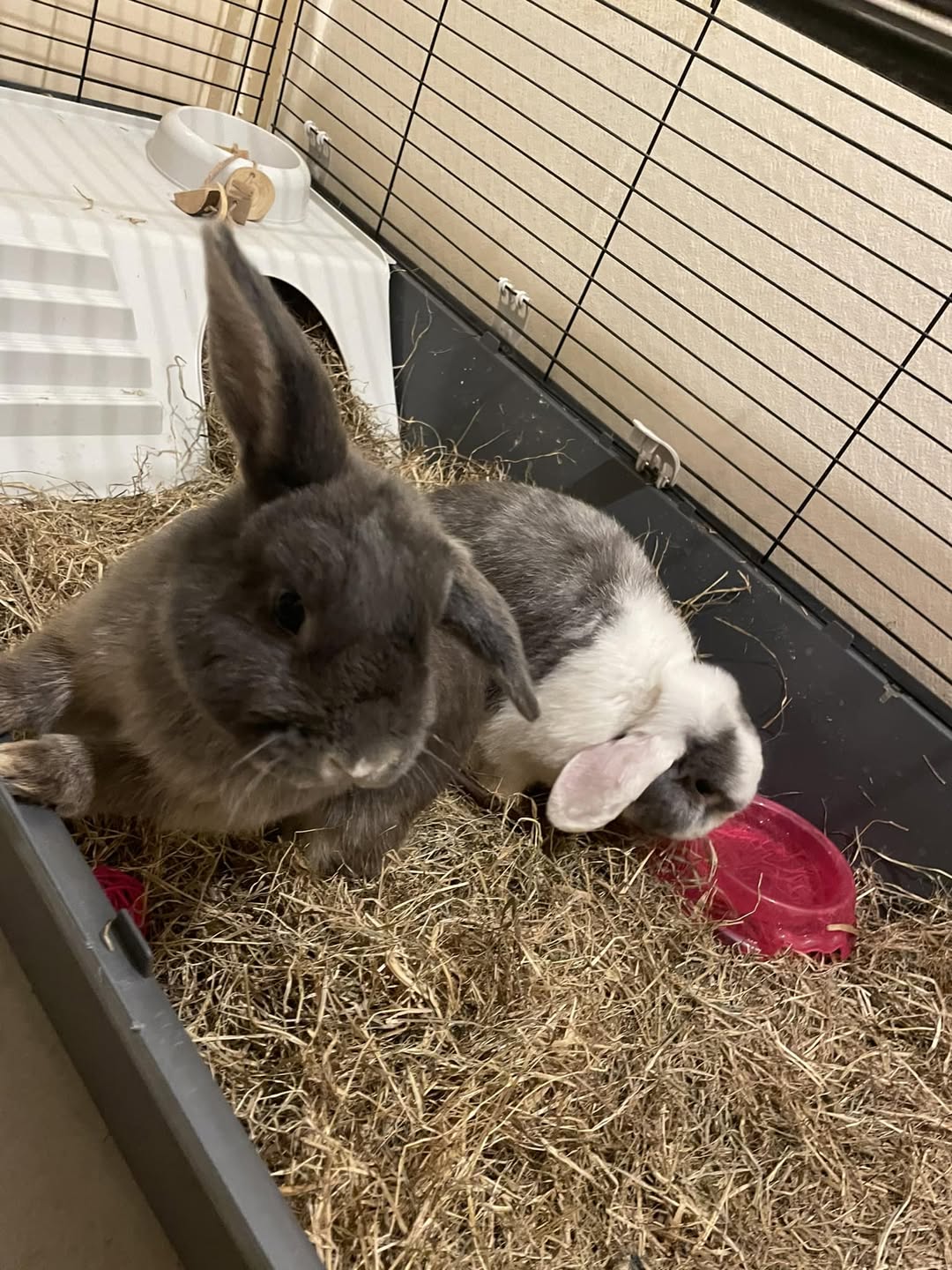
Rabbits are wonderful UK pets in the right situation. My recommendation for guinea pigs as the default UK family choice is not about rabbits being poor pets — it is about them being poor default family pets for typical UK households with children. In adult-only households, families with older children willing to accept the observed-pet relationship, or households with the specific commitment to house-rabbit lifestyle, rabbits can genuinely excel.
The honest test I use at the counter for UK households considering rabbits — are you specifically wanting a rabbit for the qualities that make rabbits distinctive (their observed elegance, their specific behaviours, their larger presence, their potentially longer life), or are you wanting a rabbit as a “family pet” from the traditional UK cultural assumption? The first category typically produces good rabbit-owner matches. The second category typically produces better guinea pig outcomes.
Plan housing and care separately for each species
Guinea pigs and rabbits share a need for daily care, compatible company and space, but they do not share one cage-size rule. Measure the complete home and exercise area before selecting animals. These are welfare recommendations, not statutory product specifications.
| Decision | Guinea pigs | Rabbits |
|---|---|---|
| Space | Blue Cross recommends a main area at least 5ft × 2ft for two females with a separate run; at least 6ft × 2ft for a male pair or trio. Without a separate run, at least 6ft × 4ft. | RWAF recommends permanent access to at least 3m × 2m × 1m high for a pair of average-sized rabbits. A small hutch plus occasional exercise is insufficient. |
| Company | Choose compatible guinea pigs and obtain introduction advice; do not add an unfamiliar animal without a plan. | Plan a compatible rabbit pair with advice about neutering and bonding. |
| Food | Unlimited feeding hay, guinea-pig-specific pellets, appropriate fresh foods and water. Dietary vitamin C is essential. | Unlimited suitable hay/grass, appropriate greens, measured rabbit pellets and water. Do not substitute guinea pig feeding rules without considering rabbit needs. |
| Veterinary planning | Find a practice that treats guinea pigs and plan routine and emergency costs. | Discuss vaccination, neutering and ongoing care with a rabbit-experienced vet; budget for emergencies. |
Sources: Blue Cross on choosing a small pet and RWAF on rabbit space and stable housing. For a guinea pig run, Blue Cross’s care guide recommends at least 6ft × 4ft. Larger animals and groups may need more.
A family planning exercise before you buy
- Mark the proposed floor area at home and place the shelters and supplies within that plan. Check that useful movement space remains.
- Agree which adult will feed, clean and check the animals every day, including during school holidays.
- Decide whether your family will enjoy observing animals at floor level rather than expecting frequent cuddles.
- Arrange a backup carer and identify a vet, including out-of-hours access.
- Plan for weather changes and the full lifespan of the animals, rather than only the summer holidays.
Neither species should be bought on the assumption that children will provide all the care. Individual temperament matters, and a calm introduction does not guarantee that an animal will enjoy being picked up.
Common UK Owner Mistakes With Either Species
For UK families about to bring home either species, here are the common mistakes I see at the counter that undermine welfare-led keeping regardless of species choice.
- Keeping solo — the single most common welfare mistake for both species
- Undersized housing — both species need substantially more space than pet shop cages typically provide
- Muesli-style dry food as diet base — should be hay-based nutrition primarily
- Insufficient fresh vegetables — both species need daily variety
- Housing children handle without adult supervision — welfare concern for animals
- Buying without commitment to welfare-standard care — impulsive purchases produce poor outcomes
- Underestimating the commitment — plan for the species’ lifespan and changes in your household
- Assuming children will maintain care commitment alone — adult supervision essential
- Housing outdoors without appropriate weather protection — welfare compromise
- Not preparing for vet costs — both species need periodic professional care
The single most impactful UK owner mistake for both species is solo keeping. Both guinea pigs and rabbits are strongly social species that genuinely require same-species company for welfare-led living. UK families sometimes think “one is enough” for practical reasons, but the welfare implication is substantial — solo guinea pigs and solo rabbits both show welfare adaptations over time that reflect the species-inappropriate housing arrangement. For both species, the honest advice is pair or group housing minimum.
For more on welfare-led keeping principles that apply across small animals, our article on UK council pesticide bans and welfare-led pet keeping covers the wider UK welfare context.
What 35 Years Has Taught Me About UK Family Small Animal Choices
For balance, here is my honest reflection on UK family small animal keeping across three and a half decades of watching UK households make these choices.
- UK families with pair guinea pigs almost universally report positive experiences
The species-family match is consistently good across UK household types. - UK families with pair rabbits report much more mixed experiences
Positive outcomes possible but less predictable across household types. - Welfare-led preparation is the single biggest predictor of outcome
Species choice matters less if welfare standards are not met either way. - UK children develop genuine relationships with guinea pigs more readily
Handling tolerance and predictable behaviour support child-animal bonding. - UK rabbit welfare has improved substantially since 1988
Larger hutches, better dietary understanding, pair keeping now standard advice. - UK guinea pig welfare has also improved
Larger cages, varied diets, pair keeping now expected standards. - Both species deserve better than the historical UK baseline
Old-fashioned small hutch outdoor solo keeping produced poor welfare outcomes. - UK families increasingly want indoor housing options
Both species can thrive indoors with appropriate setup. - Welfare-led UK independent shops play important role
Specialist advice at point of purchase makes real difference to outcomes. - The UK small animal welfare community has grown substantially
More resources, better vet care, stronger owner networks than 1988.
After 35 years at the counter, I have come to believe UK families making thoughtful pre-purchase decisions about small animals genuinely improve welfare outcomes for the animals and satisfaction outcomes for the family. This article is my honest attempt to support that thoughtful decision-making process with 35 years of practical observation about which choice tends to work best for which UK family situation.
Frequently Asked Questions
Which is genuinely better for UK families with children — guinea pigs or rabbits?
For most UK families with children, guinea pigs are the better choice. After 35 years at the counter, guinea pigs consistently produce better outcomes for UK family situations — predictable temperament, willing handling, easy child interaction, fewer welfare compromises. Rabbits can be excellent pets in the right situation but are more variable in temperament, often dislike being handled, can injure children with kicking or biting, and typically produce more mixed family experiences. Guinea pigs are the recommended default for most UK families. Rabbits are the better choice for adult-only households, families with older children willing to accept the observed-pet relationship, or households specifically wanting rabbit-distinctive qualities.
Can UK families keep just one guinea pig or one rabbit?
No — both species are strongly social and welfare-led UK keeping requires pair or group housing. Solo keeping compromises welfare significantly for both species regardless of how much human interaction is provided. UK welfare guidance from RSPCA, RWAF, and Blue Cross consistently supports pair or group housing minimum. Pairing needs species-specific advice; compatible neutered rabbits and carefully introduced guinea pigs have different bonding considerations. Consider this as a species-level welfare need rather than optional companion consideration.
How much space do UK guinea pigs or rabbits need?
Use the species-specific measurements above. A 120cm hutch is not a complete home for a rabbit pair. Rabbits need permanent access to a substantial exercise area; guinea pigs need ample ground-level living and running space. Do not compare the animals using cage length alone.
What do UK guinea pigs and rabbits eat?
Both need feeding hay as the foundation, appropriate fresh foods, species-specific pellets and constant water. Guinea pigs need vitamin C from their diet. See our guinea pig feeding guide for a practical routine; ask your vet about individual medical needs.
How long do UK guinea pigs and rabbits live?
Plan for a long commitment. Blue Cross describes guinea pigs as commonly living five to seven years. The RSPCA notes that rabbits can live eight to twelve years or longer. Individual lifespans vary. Ask who will provide care if children leave home or family circumstances change.
How much does it cost to keep a UK guinea pig or rabbit?
Get current quotes for the actual enclosure, ongoing supplies and veterinary services you will use. Budget for the group of animals, not only one. Rabbit vaccination and neutering need separate consideration. There is no single yearly figure that safely covers every household or unexpected illness.
Where can I get UK small animal welfare-led advice in Swindon?
Come and see us at Paradise Pets, Manor Garden Centre, Cheney Manor, Swindon SN2 2QJ. We stock welfare-standard guinea pig and rabbit housing, appropriate diet foundations, pair housing arrangements, and offer honest pre-purchase advice about which species genuinely suits your UK family situation. Free thoughtful advice based on 35 years of helping UK families make welfare-led small animal choices. Ring us on 01793 512400.
One Last Thing From Me
“Which one would you honestly recommend for a family like ours?” is the question UK families ask me most often when considering guinea pigs or rabbits, and one I have been answering with genuine care for 35 years. The honest answer, after watching hundreds of UK families with both species across every kind of household situation, is — for most UK families with children, guinea pigs are genuinely the better first small animal pet. This surprises many UK buyers who have grown up with the perception that rabbits are the classic family pet. But the welfare-led evidence from 35 years at the counter is consistent — some guinea pigs become comfortable with gentle handling, but individual behaviour varies and every child-animal interaction needs appropriate adult supervision. Rabbits are wonderful pets in the right situation — but they are typically better suited to adult households, families with older children, or households specifically wanting rabbit-distinctive qualities. If you are a UK family with children considering your first small animal pet, my honest 35-year recommendation is guinea pigs, kept as a bonded pair, with welfare-standard housing, welfare-led diet, and daily family interaction. The species-family match is consistently good, and I have watched countless UK families thrive with this specific choice over three and a half decades of counter conversations.
The family with the two children that Saturday afternoon? They went home with genuine understanding of the honest recommendation, prepared their home properly with welfare-standard pair guinea pig housing over the following two weeks, and returned to select a bonded pair of young female guinea pigs — Coco and Peppercorn. Four years later, they remain regular customers, both guinea pigs are thriving in their care, both children have developed genuine handling confidence, and the family describes the guinea pigs as “the best decision we made for our family.” The eight-year-old who first met the guinea pigs is now twelve and considers herself the family expert on guinea pig care. The animals are visibly welfare-thriving. The family is visibly enjoying the relationship. That is the outcome I want for every UK family making this pre-purchase decision.
That is what I want for every UK family reading this article and considering whether guinea pigs or rabbits would suit their household. Not the marketing narrative about rabbits as classic family pets. Not the assumption that either species will automatically work in any UK family situation. But the honest welfare-led understanding of which choice genuinely tends to produce better outcomes for typical UK families with children, when the alternative would be more appropriate, and what welfare-led preparation makes either choice succeed.
If you are a UK family considering this decision and want honest guidance for your specific situation, please come in for a chat. After 35 years at the counter, helping UK families make welfare-led small animal choices is one of the most genuinely valuable things any independent UK pet shop can do. Every UK household situation is slightly different, and the honest recommendation for your specific family may include nuances I cannot cover in a general article. The conversation is free, thoughtful, and based on genuine 35-year experience with both species in UK family contexts.
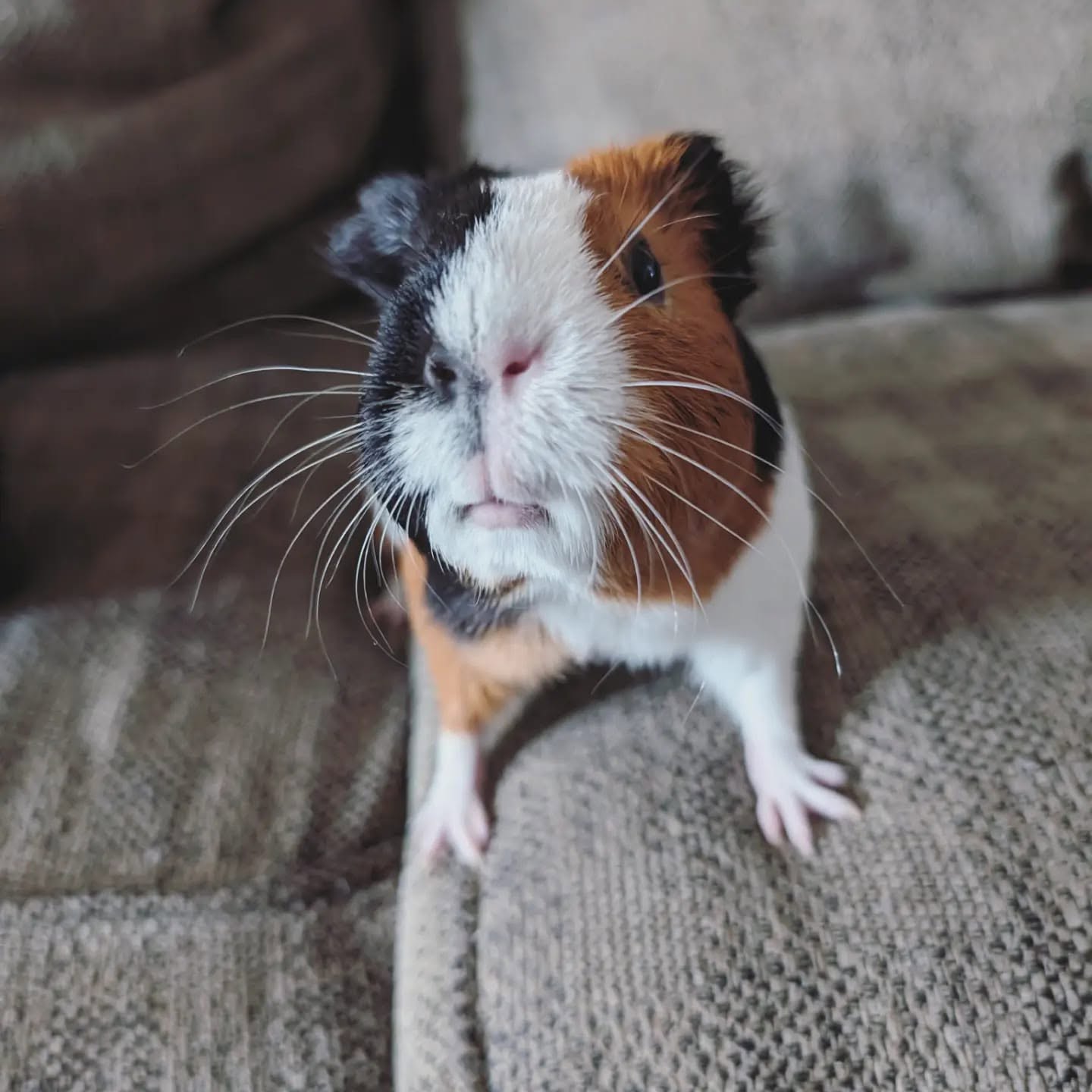
Deciding Between UK Guinea Pigs Or Rabbits? Come And See Me
We stock welfare-standard guinea pig and rabbit housing, bonded pair animals ready for UK family homes, appropriate diet foundations, and offer honest pre-purchase advice for your specific UK household situation. Free thoughtful welfare-led guidance based on 35 years of helping UK families make small animal choices. That is how we have done things since 1988.