
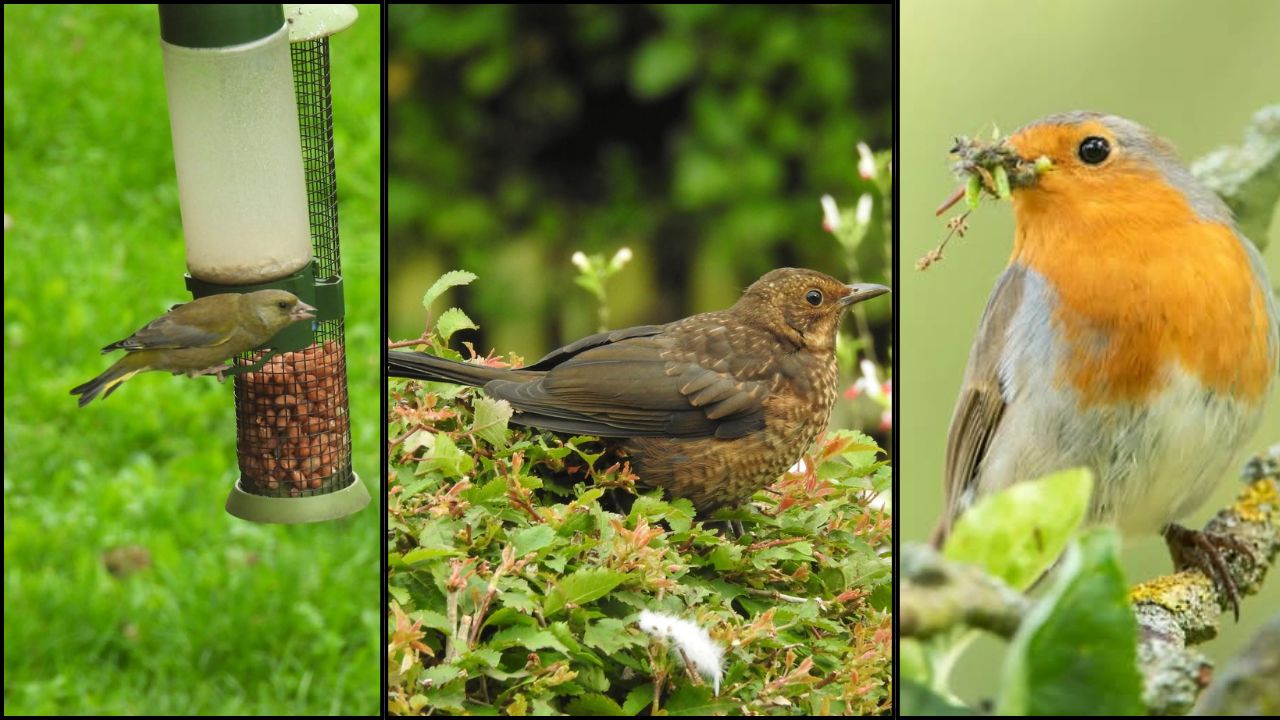

Neil has been keeping, breeding, and selling cage and aviary birds at Paradise Pets Swindon since 1988 — over 35 years of watching the intersection between garden bird welfare and cage bird health more closely than most. The RSPB’s April 2026 guidance — built around the phrase “just one infected bird can turn your busy feeder into a disease hotspot” — has been widely reported as garden bird advice. What has been considerably less reported is what it means specifically for the millions of UK households that both feed garden birds and keep cage birds indoors. This article addresses that gap directly.
A customer rang the week after the RSPB’s new guidance made the national news. She kept two budgies and a canary indoors, fed a garden station with seed and peanuts year-round, and had been reading the coverage carefully. She had one specific question that none of the articles she had found had answered.
“I clean my hands when I come in from the garden anyway,” she said. “But should I be doing more than that? Is there anything about this that’s different because I also have cage birds?”
The honest answer is yes — in one specific way that the general coverage has not addressed clearly, and in a few other practical ways that become relevant once you understand what the disease at the centre of this guidance actually is and how it spreads.
What The RSPB’s Warning Actually Means — In Plain Terms
Just one infected bird can turn your busy feeder into a disease hotspot. That sentence, from the RSPB’s April 2026 Big Garden Birdwatch guidance, is now widely known. What it means in practice requires more explanation than the headline provides.
Trichomonosis is caused by a parasite that affects the mouth, throat and upper digestive tracts of birds, making it hard for them to eat, drink or breathe. Infected birds shed the parasite in their saliva and droppings, contaminating food sources when they feed. It can also be passed directly when adults regurgitate food.
Following a study conducted in conjunction with the BTO and the Institute of Zoology, the RSPB has confirmed that trichomonosis spreads more easily in summer and autumn, and on flat surfaces such as bird tables and bird baths.
The specific mechanism matters here, because it explains both why a single infected bird is such an effective disease vector and why the RSPB’s guidance is as specific as it is about flat feeders. Birds affected by trichomonosis often have difficulty swallowing food, so they regurgitate contaminated material back onto flat surfaces where it is then available for healthy birds to pick up. Even daily feeder cleaning will not prevent healthy birds from ingesting previously regurgitated food on a flat surface — which is precisely why flat-surfaced feeders, including bird tables and window feeders, are now specifically retired under the new guidance rather than simply cleaned more often.
The Part Most Coverage Has Missed — The Cage Bird Connection
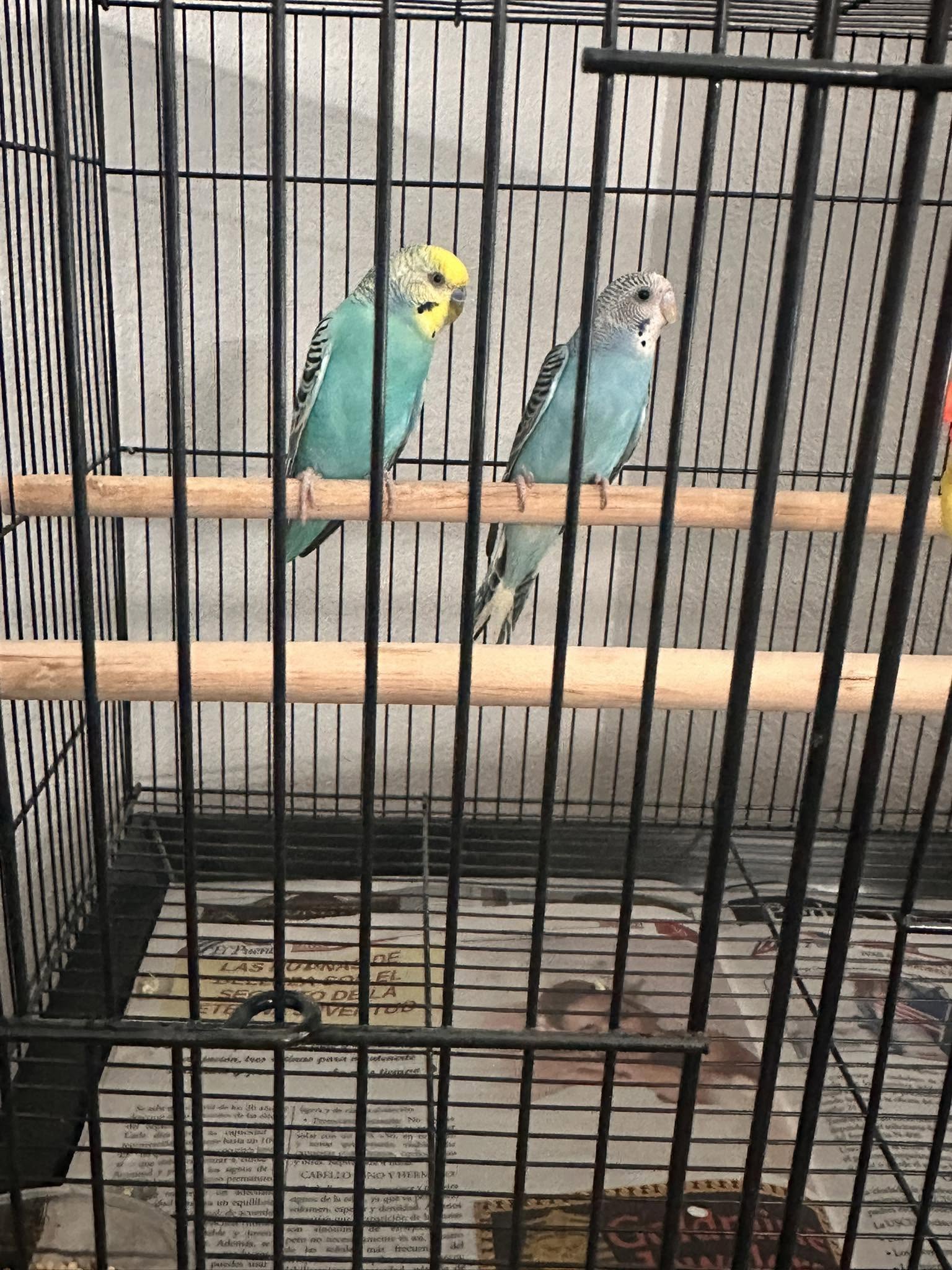
Trichomonas gallinae, the parasite behind the RSPB’s warning, does not only affect wild garden birds. In cage birds — budgies, cockatiels, and related species — the same organism causes a condition known as canker. The presentations differ somewhat between wild and captive birds because the exposure route, dosage, and immune context differ, but the underlying biology is identical.
In budgies, canker from Trichomonas gallinae typically colonises the mouth, throat, and crop, producing yellowish-white, soft deposits inside the beak and throat that make swallowing progressively uncomfortable. Affected birds eat less, may show unusual tongue or jaw movement, drop food repeatedly, or produce a clicking sound when attempting to swallow.
This is not a theoretical connection. It is the same organism. And for a household that both maintains a garden feeder visited by potentially infected wild birds and keeps cage birds indoors, the question of whether those two environments are genuinely separate is worth answering honestly.
- Indoor cage birds have no direct contact with garden feeders — a budgie or canary kept in an indoor cage is not visiting the garden station; the direct exposure route that affects wild birds at feeders does not apply
- But the owner is the bridge between those two environments — anyone who handles garden feeders, cleans bird baths, or has contact with wild bird droppings before handling cage birds or their food and water creates a genuine, if small, cross-contamination pathway
- Trichomonas gallinae does not survive long in the environment — it requires moisture and does not persist on dry surfaces for extended periods; this reduces but does not eliminate the transmission risk via contaminated hands or equipment
- The practical management is simple and already good hygiene — wash hands and change outer clothing after any garden feeder contact before handling cage birds or their food; keep garden bird equipment entirely separate from cage bird equipment; do not reuse containers, dishes, or tools between the two
The Specific RSPB Changes — And What Each One Means For You
The new guidance has several specific components, each worth understanding rather than simply knowing the headline version.
Change 1 — Pause Seed And Peanuts From 1 May To 31 October
- What the guidance says — pause filling feeders with seed and peanuts between 1 May and 31 October to prevent large numbers of birds gathering in one place during the months when disease transmission risk is highest
- What remains acceptable year-round — small amounts of mealworms, fat balls, or suet, described by the RSPB as enough for a day or two at most; the guidance is not a blanket stop to feeding but a specific seasonal pause on the foods most associated with high-density gathering at feeders
- What this means if you also keep cage birds — fewer wild birds visiting the garden during summer months means fewer potential carriers at the feeder, which reduces the background disease level in your garden environment; this indirectly benefits cage bird owners by reducing the contamination that might be carried indoors
Change 2 — Retire Flat-Surfaced Feeders Entirely
- What the guidance says — flat-surfaced feeders including bird tables and window feeders should no longer be used; the RSPB describes this as “bidding a fond farewell” to flat feeders, as research has confirmed a higher disease transmission risk on flat surfaces specifically
- Why flat surfaces are specifically higher risk — the regurgitation mechanism of infected birds deposits contaminated material directly onto flat surfaces where subsequent visitors eat; this cannot be adequately managed through cleaning alone because the material is deposited continuously during visits
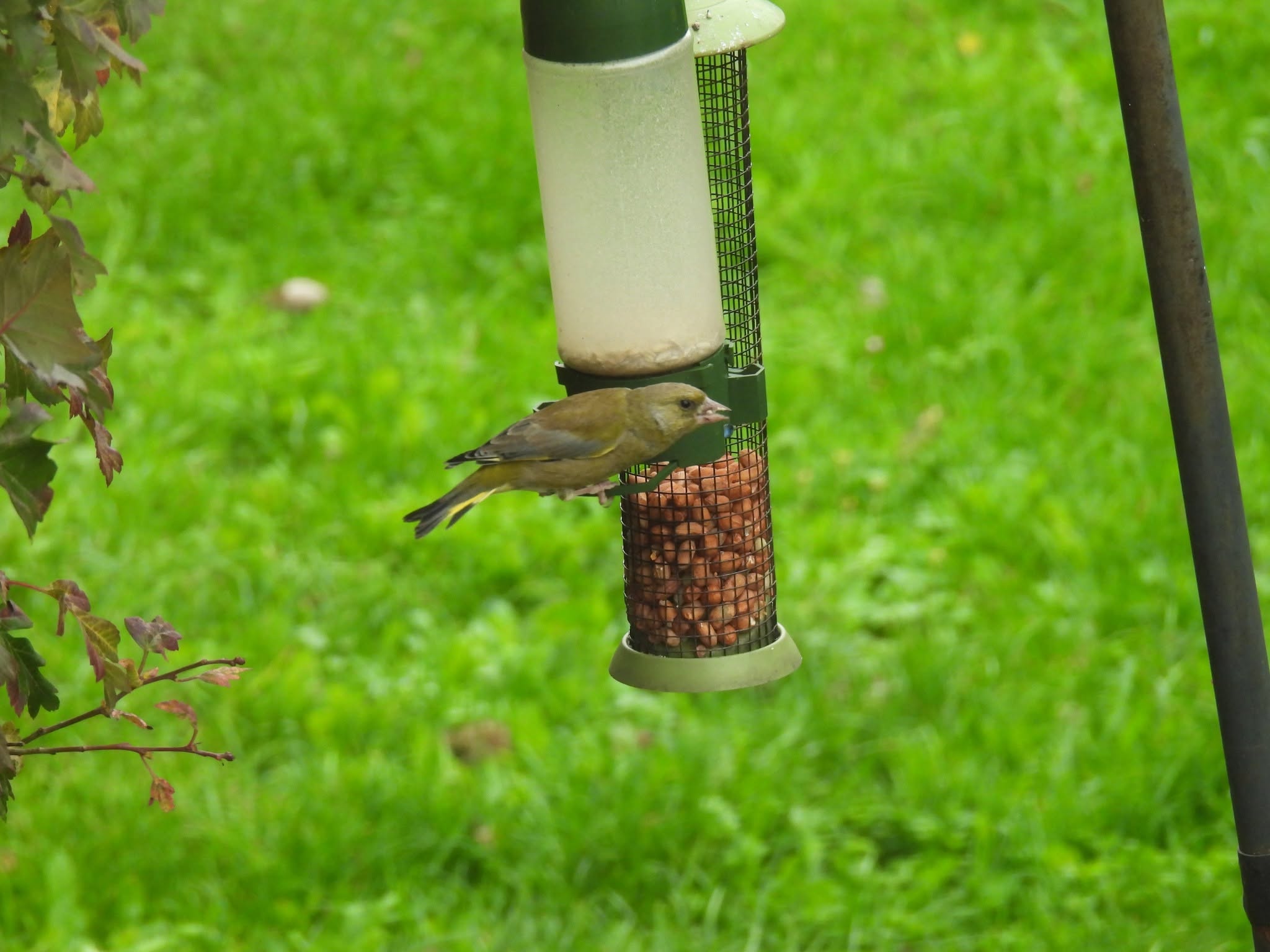
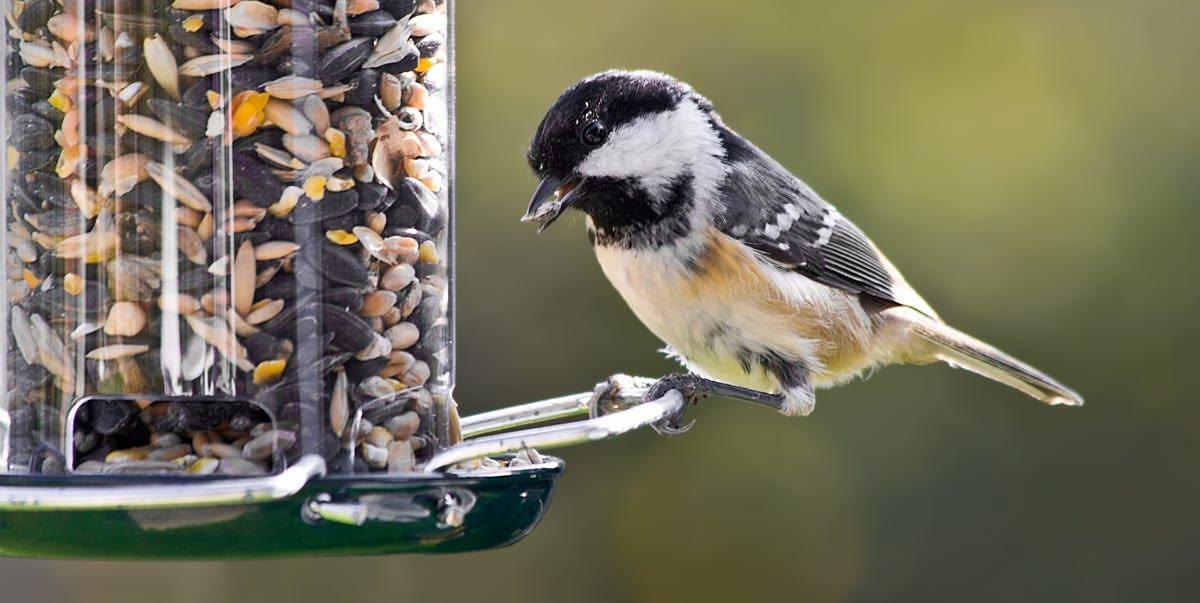
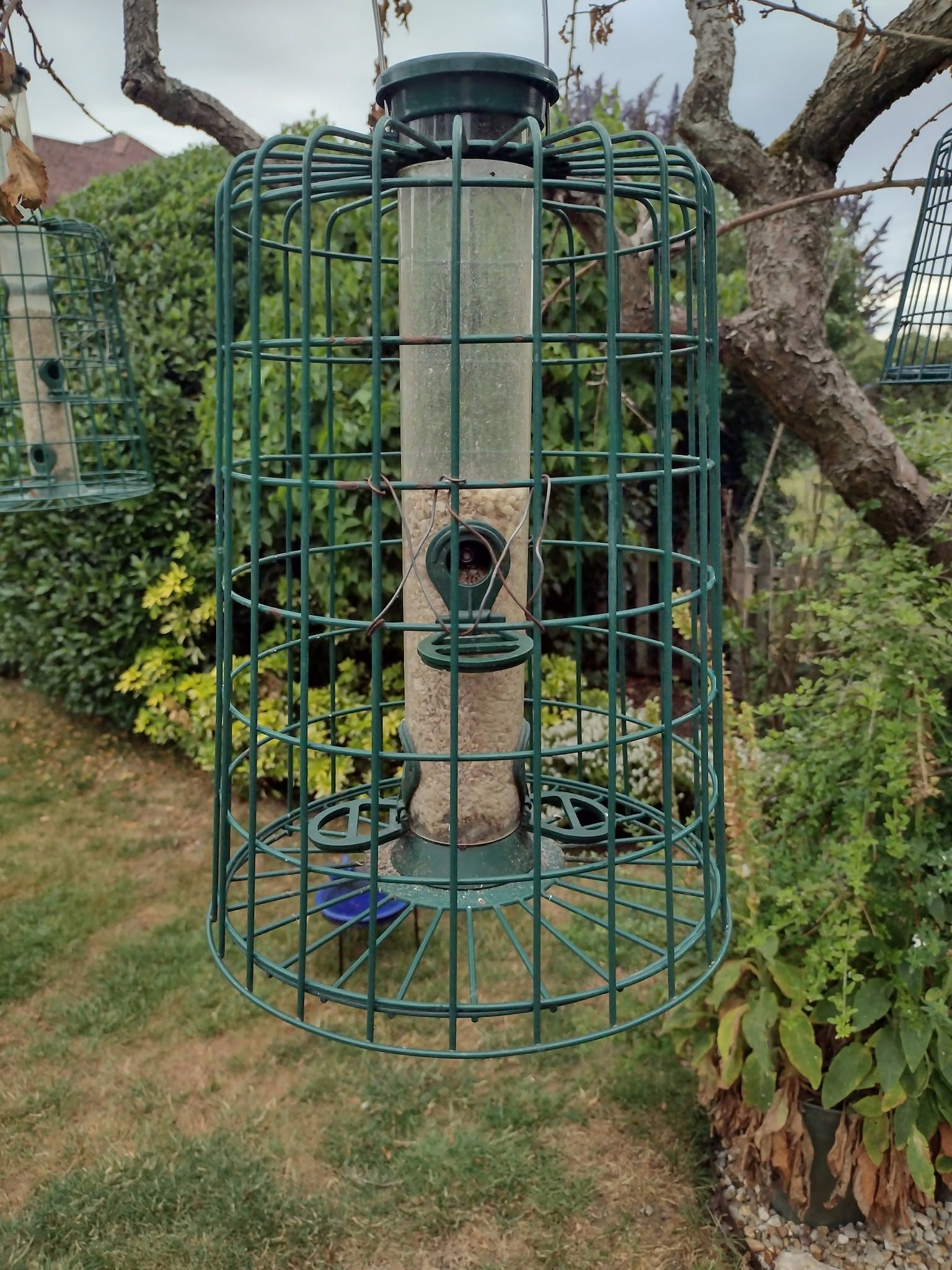
- What to use instead — hanging tube feeders and enclosed hopper-style feeders, which do not have the same flat-surface contamination problem and are easier to thoroughly clean
- What this means for cage bird owners specifically — if you have been using a bird table and touching it before coming indoors to handle cage birds, switching to hanging tube feeders reduces the contamination level on your hands even before you wash them
Change 3 — Clean And Move Feeders Weekly
- What the guidance says — clean feeders at least once a week, and move the feeder to a different location after each clean to prevent contaminated debris building up in the ground beneath a static feeder position
- The ground contamination point is frequently overlooked — a feeder left in the same spot for months or years allows droppings and seed husks containing the parasite to accumulate in the ground beneath it, even if the feeder itself is regularly cleaned; ground-feeding birds and birds landing nearby can pick up contamination from this accumulated material
- Cleaning protocol that matters — empty all remaining food into an outdoor bin rather than reusing it; dismantle the feeder completely; wash with hot soapy water using a long-handled brush to reach inside tube sections; rinse thoroughly; allow to dry before refilling; wear gloves during cleaning
- For cage bird owners — wear gloves during feeder cleaning as standard practice; wash hands and forearms thoroughly after any feeder contact before handling cage birds or touching their food and water equipment
Change 4 — Water Management
- What the guidance says — offer water only if you can change it daily with fresh tap water; bird baths should be cleaned weekly; if you cannot maintain this routine, the RSPB advises it is better to leave the bath dry than to maintain a poorly managed water source
- Why water management matters specifically — the parasite is shed in saliva and droppings; contaminated water in a bird bath is an effective transmission route, and water that is not changed daily accumulates contamination over time regardless of how clean the bath looks
- The flat surface concern applies doubly to bird baths — a flat, wet surface is the highest-risk combination for disease transmission; bird baths are exactly that
- For cage bird owners — the same principles apply to cage water dispensers, as I cover in detail in our cockatiel diet guide; daily fresh water changes and thorough weekly cleaning of water dispensers are standard good practice regardless of the garden bird disease question
Change 5 — The Three-Week Pause If You See A Sick Bird
This is the specific guidance that most casual readers of the new rules have not encountered, and it is the one that has the most direct practical implication for any household with both garden feeders and cage birds.
- What the guidance says — if you see birds showing signs of disease at your feeder, stop feeding for at least three weeks and empty any bird baths; only resume feeding if you are no longer seeing birds with signs of disease
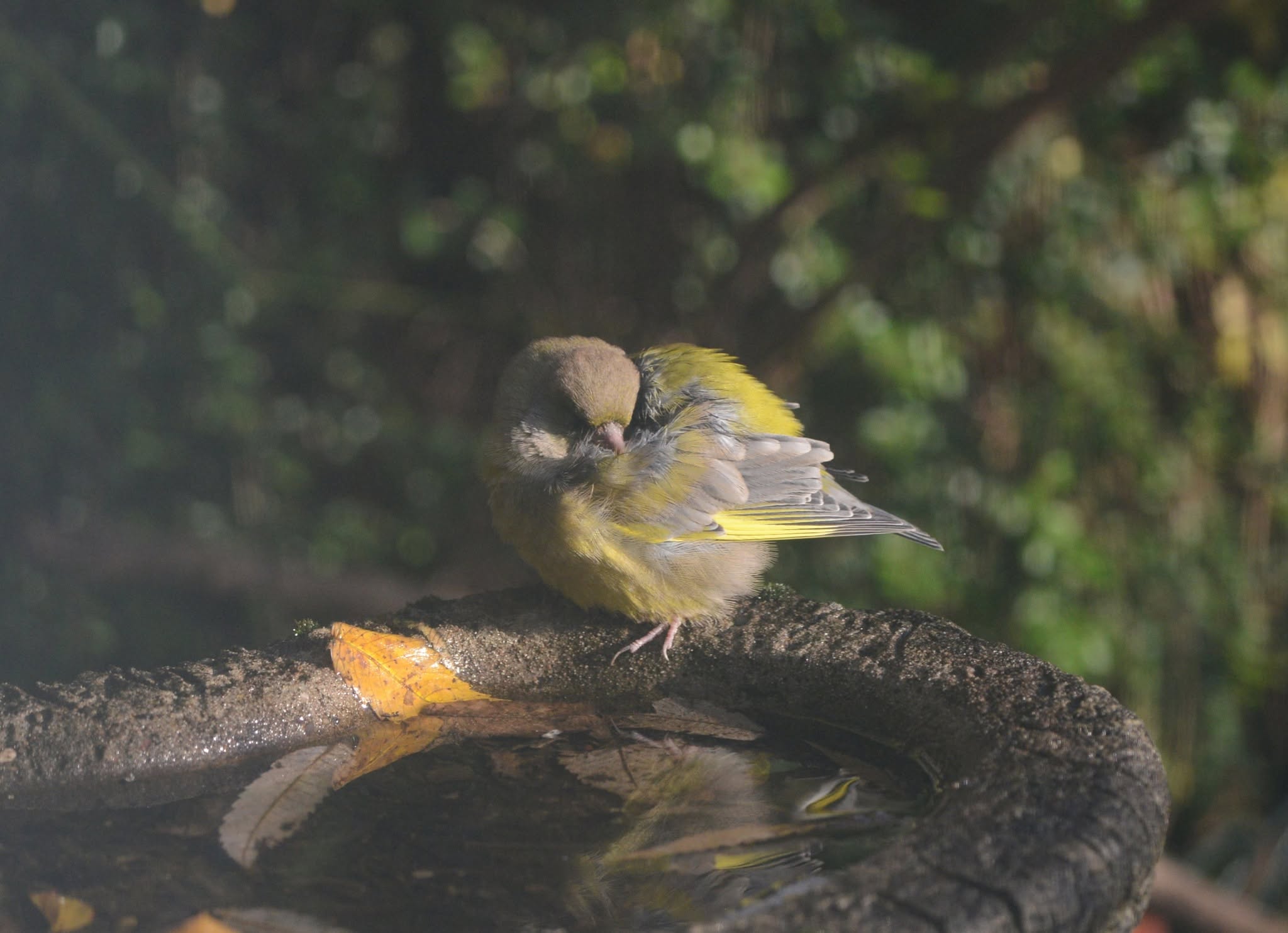
- Signs of trichomonosis to watch for in garden birds — lethargy; puffed-up feathers sitting on the ground rather than roosting; wet or matted plumage around the beak and face; visible difficulty swallowing; repeated dropping of food
- Why three weeks specifically — this is the minimum period needed for the disease cycle to clear from a specific location; resuming feeding too quickly simply reintroduces the risk before the contamination from an infected bird has had time to degrade from the environment
- What this means for cage bird owners — seeing a sick-looking bird at your garden feeder is the highest-risk moment in the garden bird/cage bird connection, and the three-week pause should be treated as a firm minimum rather than a guideline; this is also the moment to be most careful about hygiene between garden and indoor environments during the pause period
- Stop feeding immediately and empty any bird baths — do not continue feeding while sick birds are present
- Do not handle a sick wild bird without gloves; if you must move one to safety, wear gloves and wash hands and forearms thoroughly afterwards before any cage bird contact
- Maintain stricter-than-usual hygiene between garden and indoor environments during the three-week pause — wash and change outer clothing before handling cage birds
- Watch your cage birds more closely than usual during this period — difficulty eating, unusual tongue movement, clicking when swallowing, reduced appetite, or visible deposits at the beak corners warrant a vet check
- Do not resume garden feeding for at least three weeks and only when you are no longer seeing sick birds
- Report sick garden birds to the Garden Wildlife Health project — a collaboration between ZSL, BTO, Froglife, and the RSPB — which tracks disease patterns in garden wildlife across the UK
The Other Feeder Risks The Guidance Also Raises
Trichomonosis is the primary disease driving the RSPB’s new guidance, but the evidence review identified other risks at garden feeders worth knowing about — particularly for households with cage birds, where cross-contamination with any pathogen is worth taking seriously.
- Aflatoxin in mouldy peanuts — peanuts that have been in a feeder too long or stored improperly can develop aflatoxin, a toxic fungal compound that causes liver damage in birds; always use fresh peanuts from reputable suppliers and replace regularly rather than topping up on old stock; this applies to peanuts stored for cage birds too, not only garden feeders
- Salmonella at feeders — bird feeders and bird baths are a documented source of Salmonella for humans, particularly children who touch feeders and then their faces; wear gloves when cleaning feeders, wash hands thoroughly with soap after any feeder contact, and keep children away from feeder cleaning
- Avian influenza hygiene crossover — while garden bird feeders are not considered a major transmission route for avian influenza, the APHA advises maintaining hygiene around feeders during outbreak periods; the same hand-washing boundary between garden and cage bird environments that protects against trichomonosis also reduces any avian influenza exposure risk
The Practical Checklist For Households That Do Both
| Action | When | Why It Matters For Cage Bird Owners |
|---|---|---|
| Pause seed and peanuts at garden feeder | 1 May – 31 October | Reduces wild bird density at feeder, reducing background disease level in your garden |
| Switch to hanging tube feeders, retire bird table | Now, if not already done | Reduces contamination on hands when you handle feeder before coming indoors |
| Clean feeder weekly, wearing gloves | Weekly minimum | Prevents contamination build-up; gloves reduce what is transferred to hands before washing |
| Move feeder position after each clean | Weekly | Prevents ground contamination accumulating beneath a static feeder |
| Change bird bath water daily, clean weekly | Daily water; weekly clean | Flat wet surfaces are highest-risk; contaminated water is a direct transmission route |
| Wash hands and forearms after any garden feeder contact | Every time, before cage bird contact | The primary practical protection for cage birds from garden feeder pathogens |
| Keep garden and cage bird equipment entirely separate | Always | No shared dishes, tools, or containers between the two environments |
| Three-week feeding pause if sick bird seen | Immediately upon seeing sick bird | The highest-risk moment; also warrants closer monitoring of cage birds during pause period |
Frequently Asked Questions
Can my indoor budgie catch trichomonosis from my garden feeder?
Not directly — an indoor cage bird has no contact with the garden feeder or the wild birds using it. The risk is indirect: the organism can theoretically be carried on contaminated hands, clothing, or equipment from the garden environment to the cage bird environment. Thorough hand-washing after any garden feeder contact before handling cage birds or their food and water is the practical management of this risk, and it is simple to implement.
Is trichomonosis the same thing as canker in budgies?
Yes. Both are caused by the same organism, Trichomonas gallinae. The disease is called trichomonosis in the wild bird context and canker in the cage bird context. The presentations differ somewhat because the exposure and immune context differ between a wild bird at an infected feeder and a cage bird, but the underlying parasite is identical. This is the connection most general coverage of the RSPB guidance has not made explicit.
Should I stop feeding garden birds entirely if I keep cage birds indoors?
No — the RSPB is not asking for feeding to stop, and the indirect risk to well-managed indoor cage birds from a garden feeder maintained with appropriate hygiene is small. The practical management is straightforward hygiene between the two environments. If you see a sick bird at your feeder, the three-week pause applies regardless of whether you also keep cage birds, and during that period you should be particularly careful about the hygiene boundary.
Why are flat-surfaced feeders now specifically retired?
Research confirmed that infected birds regurgitate contaminated food onto flat surfaces, where it is then available for healthy birds to eat. This contamination mechanism is specific to flat surfaces and cannot be adequately addressed through cleaning alone, because the material is deposited continuously during visits. Hanging tube feeders and enclosed hopper feeders do not have the same problem, which is why the retirement of flat feeders is a specific rather than a blanket change.
What are the signs of trichomonosis in a garden bird?
Lethargy and inability to fly normally; puffed-up feathers, particularly visible during the day when healthy birds are active; wet or matted plumage around the beak and face, caused by food residue collecting because swallowing is impaired; visible difficulty eating with food repeatedly falling away; and in more advanced cases, visible swelling around the throat. A bird showing these signs at your feeder is the signal to stop feeding immediately and implement the three-week pause.
How do I clean a garden bird feeder properly?
Empty all remaining food into an outdoor household bin — do not reuse it or compost it. Dismantle the feeder completely. Wearing gloves, wash every component thoroughly with hot soapy water and a long-handled brush, paying particular attention to ports, joints, and perches where material accumulates. Rinse thoroughly. Allow to dry completely before refilling. Do this at minimum weekly during any period when feeding continues. Move the feeder to a different position in the garden after each clean.
Should I be worried about Salmonella from my garden bird feeder?
Salmonella at garden feeders is a documented risk for humans — particularly children — who touch feeders and then their faces. Wearing gloves when cleaning, washing hands with soap after any feeder contact, and keeping children away from feeder cleaning are the practical precautions. For cage bird owners, the same hand-washing discipline that protects against trichomonosis cross-contamination also addresses the Salmonella risk.
Where can I get advice about garden bird disease and cage bird health in Swindon?
Come in to Paradise Pets at Manor Garden Centre, Cheney Manor Industrial Estate, Swindon SN2 2QJ — or call us on 01793 512400. Whether you want to talk through the RSPB’s new guidance, get advice on feeder setup, or discuss anything you have noticed about your cage birds’ health, we are happy to help. The advice is always free.
One Last Thing From Me
The customer who rang with the specific question about cage birds and garden feeders took the hygiene steps I described and came back a few months later with an update. Her budgies and canary were well. She had also made the transition away from a bird table — which she had been using for years — to a hanging tube feeder, and had noticed, as a side effect she had not expected, that cleaning was considerably quicker and more thorough once the design allowed the feeder to be dismantled properly rather than simply wiped down.
“I hadn’t realised how difficult the table was to actually clean,” she said. “I thought I was keeping it clean but I was really just wiping the surface.”
That observation captures the practical point this article is making. The RSPB’s guidance is about wild bird welfare at garden feeders. Its implications for the households that also keep cage birds are specific, manageable, and not particularly burdensome — but they do require knowing about them, which is what most of the general coverage has not provided.
Questions About Garden Bird Disease And Cage Bird Health? Come And Talk To Us
Whether you have seen a sick bird at your feeder, want advice on feeder setup, or have noticed something about your cage birds’ health — come in or ring us. Free advice, no obligation. That is how we have done things here for 35 years.