
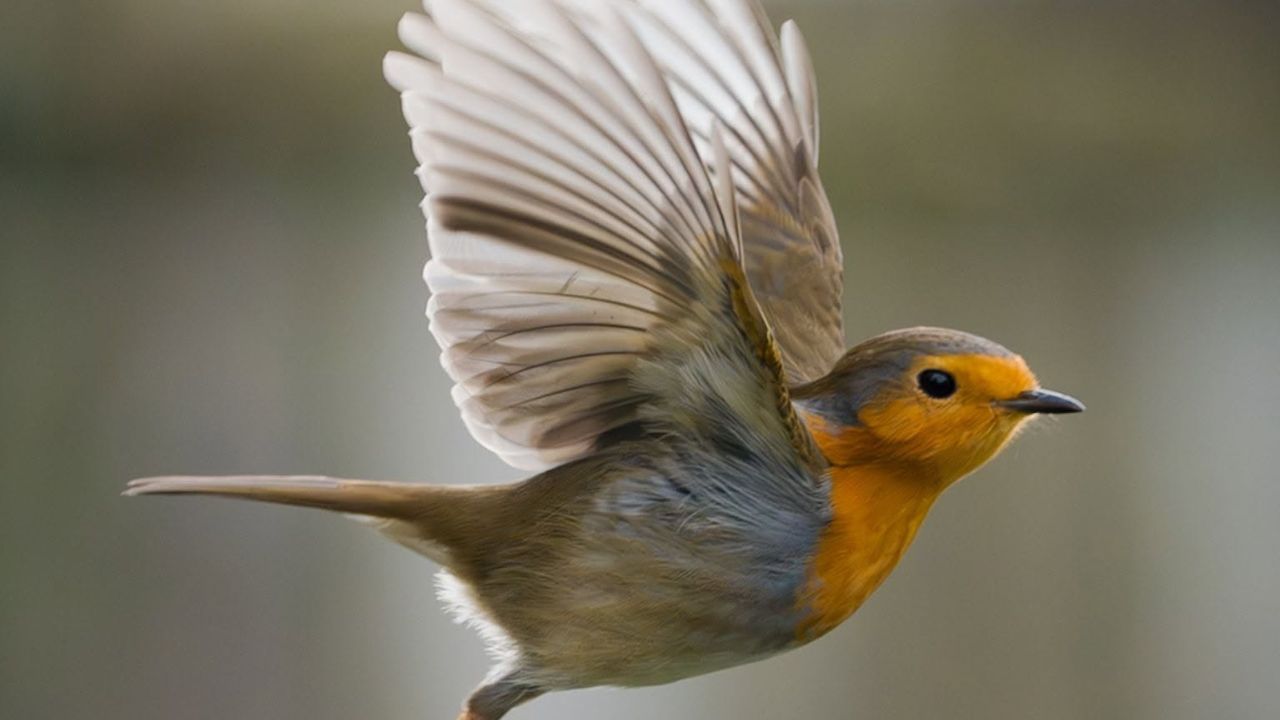

Neil has kept, bred, and sold cage and aviary birds at Paradise Pets Swindon since 1988 — over 35 years watching how people feed garden birds, well and badly. New guidance issued by the RSPB this year has confirmed something that conservation scientists have suspected for a long time — and it points squarely at a feeder habit that millions of well-meaning UK households are still getting wrong. This is what changed, and what every garden bird feeder needs to know.
I have sold a great many bird tables over the years. The traditional, flat-topped wooden bird table with a roof and a railing — the kind of feeder that has been a fixture of British gardens for generations, the kind that featured on the front of seed packets and gardening catalogues for decades. People still ask for them. Many people still have one.
I need to tell you something that the RSPB confirmed formally this year, after a major scientific review: that flat-surfaced feeder, however charming and however traditional, is one of the most significant disease risks you can introduce into your garden’s bird population. And the mistake is not just about bird tables specifically — it is about flat surfaces of any kind where food and droppings can accumulate together.
This is not a small or theoretical concern. The disease in question has already caused the collapse of one of Britain’s most familiar garden birds, and the latest evidence suggests the way many of us are still feeding is actively making the problem worse.
The Disease Behind This — Trichomonosis
The disease at the centre of this is called trichomonosis, also known as canker in pigeons and doves, caused by a protozoan parasite called Trichomonas gallinae. It first emerged as a serious problem in British finches in 2005, with the initial outbreak concentrated in central and western England and Wales, and it has been quietly devastating one species in particular ever since.
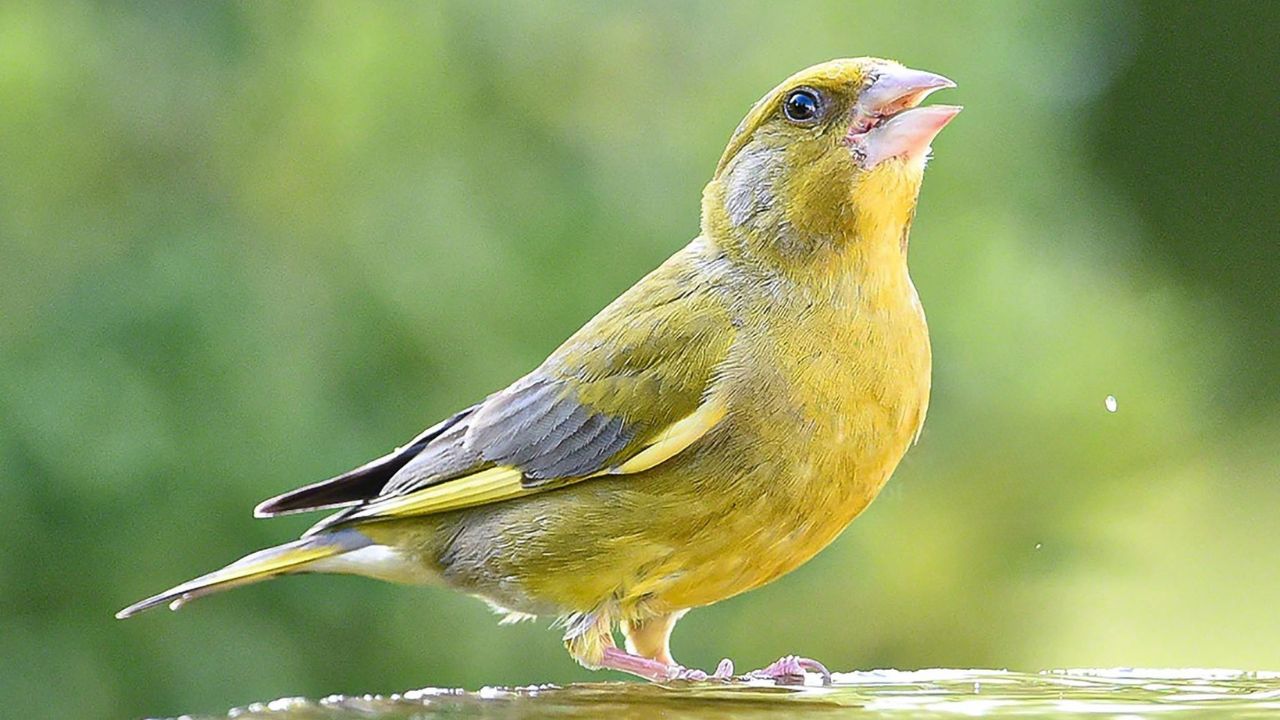
The Greenfinch — once one of the most familiar visitors to any UK garden feeder — has seen its population fall by more than sixty-five per cent since the mid-1990s, and disease has been identified as a key driver of that collapse. The Chaffinch has experienced a similarly dramatic decline in the years since, and there is now concern that the Bullfinch may be starting to show the same pattern.
I remember when Greenfinches were one of the most reliable visitors to any feeder in this part of the country. Watching that population fall by two-thirds within living memory, substantially because of a disease that spreads through garden feeding stations, is one of the more sobering things I have seen across thirty-five years of paying attention to garden birds.
The parasite spreads through direct contact between birds, and through contaminated saliva and food residue left at shared feeding sites — which is precisely why feeding stations have become identified as a primary hotspot for transmission rather than an incidental one.
The Mistake — Flat Surfaces Where Birds Feed
This is the specific finding that prompted the RSPB’s updated guidance in April 2026, following a major evidence review conducted with the Institute of Zoology and the British Trust for Ornithology. Research has confirmed there is a higher risk of disease spreading on flat surfaces, where contaminated food can collect.
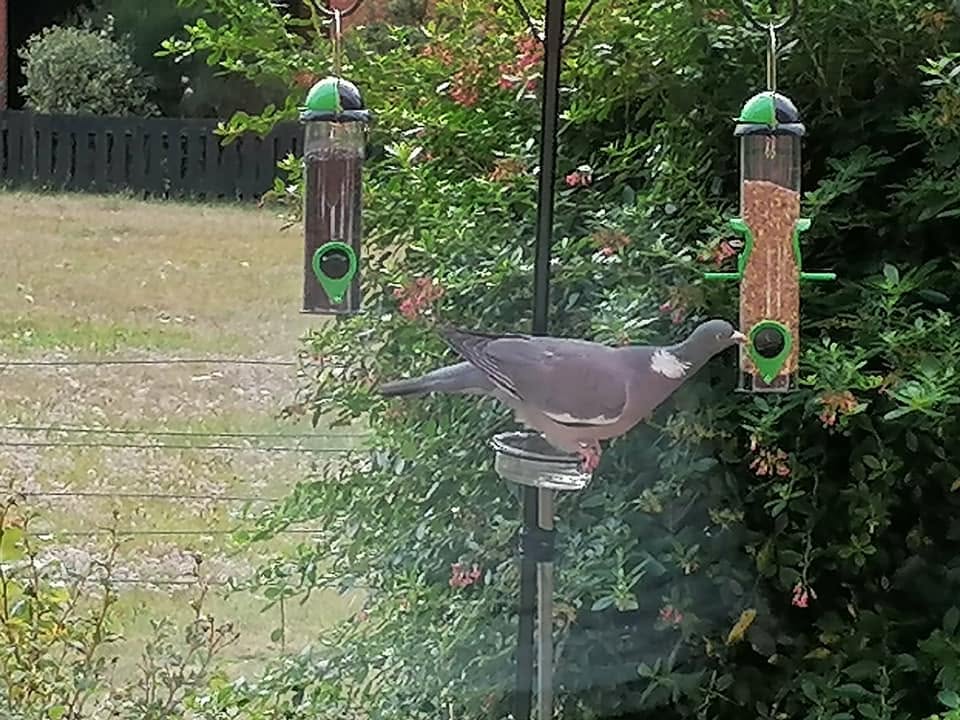
That single finding has a direct and significant practical consequence: traditional flat-surfaced feeders — including bird tables, and any feeder design with a flat tray or platform where multiple birds feed simultaneously and food residue can build up — are now understood to carry meaningfully more disease risk than feeders designed without flat collection surfaces.
The mechanism is straightforward once you understand it. A flat surface allows food to sit, get damp, and accumulate alongside the droppings of every bird that has visited. An infected bird does not need to make direct contact with a healthy one to pass on trichomonosis — it simply needs to leave contaminated saliva on a piece of food, or contaminated droppings on the surface, that a subsequent bird then comes into contact with. A flat tray with a build-up of old food and droppings underneath it is, in effect, exactly the kind of environment the parasite needs to keep circulating through the local bird population.
The updated RSPB guidance is direct about the conclusion this leads to: retiring flat-surfaced feeders, including bird tables, in favour of feeder designs that do not allow this kind of contaminated build-up to accumulate in the first place.
I want to be honest that this is a difficult piece of advice for a lot of people to hear, myself included, because the traditional bird table is such a familiar and well-loved fixture of British garden bird feeding. But the evidence behind this specific recommendation is solid, recent, and drawn from a serious cross-institutional review — not a minor adjustment to existing advice.
What the Updated 2026 Guidance Actually Recommends
The RSPB’s April 2026 guidance update sets out a specific, practical set of changes that every garden bird feeder in the UK should now be following.
Clean and move your feeders weekly. Get into the habit of giving feeders a thorough clean at least once a week, and place them in a different spot in the garden after each clean. This prevents the build-up of contaminated debris in any one location underneath the feeder, which would otherwise continue accumulating risk even after the feeder itself has been cleaned.
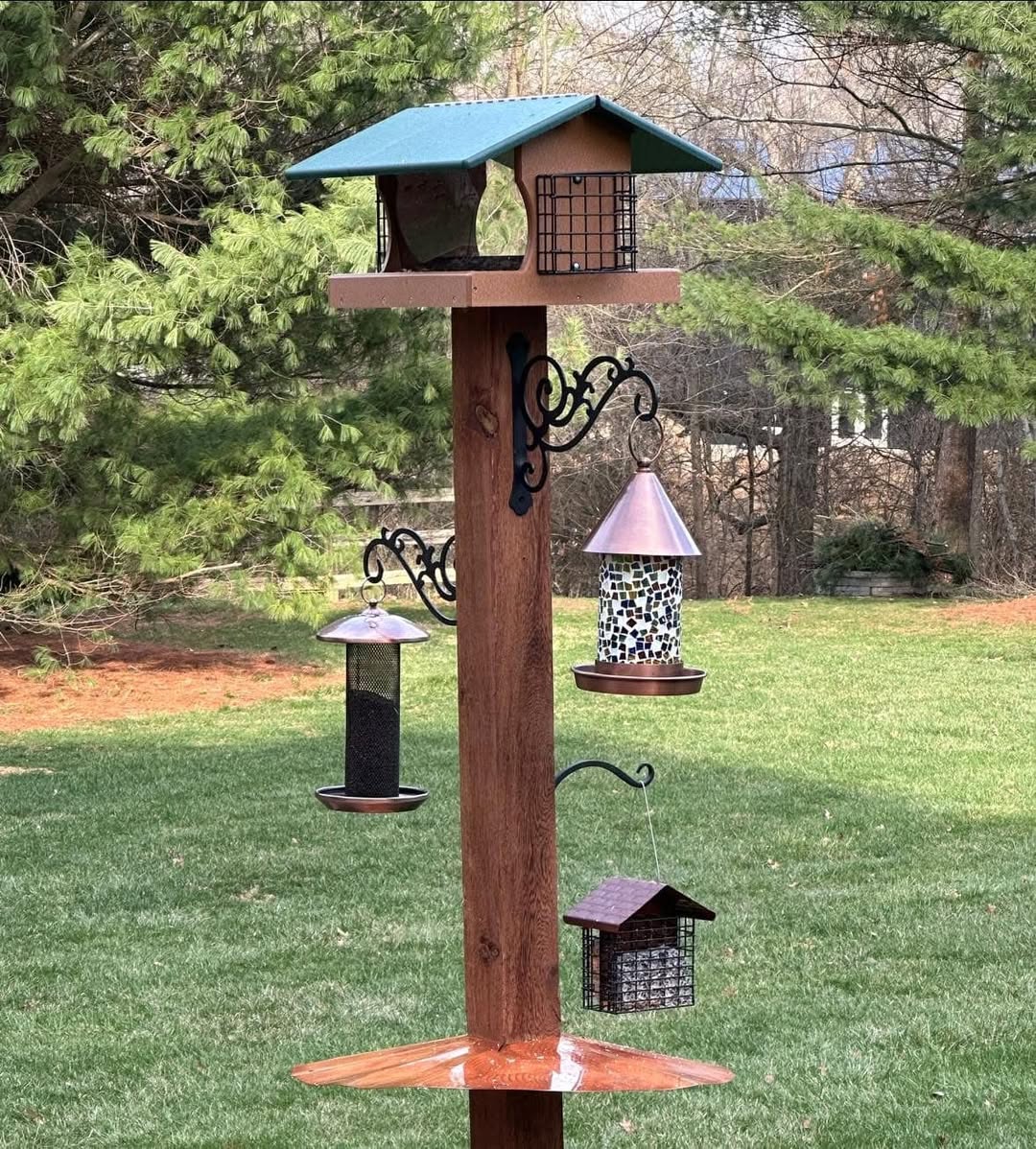
Retire flat-surfaced feeders. This includes traditional bird tables and any other feeder with a flat tray where food and droppings can collect together. Tube feeders, hanging feeders, and other designs that minimise flat collection surfaces are the safer alternative.
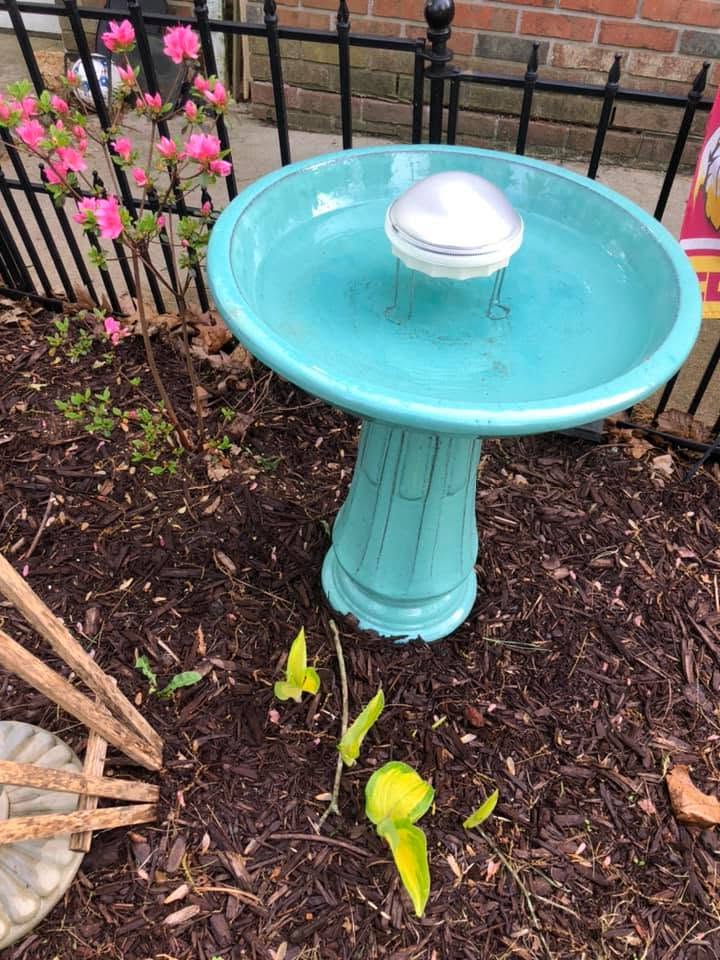
Change water daily, and only offer it if you can commit to that frequency. Water should be tap water, changed every single day. Bird baths should additionally be given a full clean on a weekly basis, separate from the daily water change.
Pause seed and peanut feeding between May and October. This is one of the more significant seasonal changes in the updated guidance — the RSPB now recommends pausing the filling of feeders with seeds or peanuts specifically across this period, when disease transmission risk through feeding stations is at its highest. Small amounts of mealworms, fat balls, or suet can continue to be offered through this period if you wish to keep some supplementary feeding going.
This represents a genuine shift in established advice. For years the general guidance to UK gardeners was that supplementary feeding could continue largely unchanged throughout the year. The updated position reflects a more nuanced understanding — that the benefits of feeding are real, but so are the risks, and the balance between the two changes with the season.
Why the Picture Is Genuinely Mixed
It would be easy to read all of this and conclude that garden bird feeding is simply dangerous and should stop. That is not the RSPB’s position, and it is not mine either.
The RSPB’s own scientists describe the picture honestly as quite mixed: there are clear benefits, but also some risks, and plenty we still don’t fully understand. Garden feeding provides a genuinely significant supplementary food source for UK garden birds, particularly during periods when natural food is scarce, and the evidence for its broader benefit to garden bird populations and to human wellbeing through engagement with nature remains strong.
The point of the updated guidance is not to discourage feeding. It is to make feeding safer by addressing the specific practices that have been identified as carrying disproportionate risk — flat surfaces, infrequent cleaning, and continuous unmonitored feeding through the highest-risk months of the year.
Ongoing research, including a 2025 project funded through the RSPB and Natural England’s Action for Birds in England partnership, working alongside the BTO and the Zoological Society of London, has been visiting gardens where suspected trichomonosis outbreaks have been reported in order to identify the specific feeder types, food types, and cleaning frequencies that carry the highest risk. This is precisely the kind of evidence-gathering that produced the updated 2026 guidance, and it is ongoing — meaning further refinements to the advice are likely as more is learned.
Salmonellosis — The Other Disease Feeding Stations Can Spread</h2
Trichomonosis is not the only disease where feeding station hygiene matters. Passerine salmonellosis — caused predominantly by particular strains of Salmonella Typhimurium — has been documented as a cause of garden bird mortality in England and Wales since the 1950s, with most identified outbreaks occurring at and around feeding stations specifically.
There is also a human health dimension to this one that is worth knowing about directly. Research has found genetic similarity between the Salmonella strains causing illness in garden birds and those causing salmonellosis in humans, with similar patterns of infection occurring in both bird and human populations over the same time periods. The evidence supports garden birds acting as a reservoir of infection for these bacteria that can, in some circumstances, also affect the people who handle feeders, bird baths, or sick or dead birds without taking basic hygiene precautions.
The practical implication: wash your hands after handling feeders, bird baths, or any sick or dead bird, and do not handle a visibly unwell bird without appropriate care. Most passerine salmonellosis exposure in humans is linked directly to contact at or around feeding stations — which makes routine hand hygiene as relevant to safe bird feeding as the cleaning of the feeders themselves.
What a Genuinely Safe Feeding Setup Looks Like Now
Bringing the updated guidance together into a practical setup for any UK garden.
Choose feeder designs without flat collection surfaces. Tube feeders, hanging seed feeders, and similar designs that do not allow food and droppings to accumulate together are the current best-practice choice. If you have a traditional bird table, this is the moment to retire it or replace it with a different design.
Clean weekly and relocate after cleaning. A full clean — not just a quick wipe — at least once a week, with the feeder moved to a different position in the garden afterwards to prevent any one spot accumulating a build-up of contaminated debris over time.
Change water daily and clean baths weekly. If you cannot commit to changing water every day, it is better not to offer standing water at all than to offer water that sits and accumulates contamination.
Adjust seed and peanut feeding seasonally. Consider pausing seed and peanut feeding between May and October, when transmission risk is highest, while continuing limited offerings of mealworms, fat balls, or suet if you want to maintain some level of supplementary feeding through this period.
Wash your hands after handling feeders or baths. This is a simple habit that addresses the human health dimension of feeding station hygiene, particularly relevant to salmonellosis risk.
Report sick or dead birds appropriately. If you notice unwell or dead birds at or near your feeders, the Garden Wildlife Health project and the RSPB’s wildlife enquiries service are the appropriate channels for reporting — this kind of public reporting is part of how the evidence base on these diseases continues to improve.
What I Tell People at the Counter
When someone comes in wanting to buy a bird table — and people still ask for them regularly, because they remain a familiar and much-loved image of garden bird feeding — I now have a different conversation than I would have had a few years ago.
I tell them what the evidence has found. That the flat surface, which seems like such a natural and traditional way to offer food, is exactly the design feature that the latest research has identified as carrying disproportionate disease risk. I point them toward tube feeders and hanging designs instead, and I explain why.
Most people, once they understand the actual mechanism — contaminated food and droppings accumulating together on a surface that multiple birds use — find this an easy adjustment to make. Nobody wants to be the reason a Greenfinch in their garden picks up an illness that a different feeder design would have made significantly less likely.
The wider point I want every garden bird feeder to take from this is that good intentions are not the same as good practice. Feeding garden birds is, on balance, a positive thing to do — for the birds and for the people doing it. But how you do it matters, and the evidence on how to do it well has genuinely moved forward this year. It is worth adjusting your setup to match.
Come in if you want advice on feeder types, cleaning routines, or anything else related to garden bird feeding. We are at Manor Garden Centre, Cheney Manor Industrial Estate, Swindon, SN2 2QJ — open every day. Or call us on 01793 512400.
- “My bird table looks clean so it’s probably fine” — Visible cleanliness does not confirm the absence of pathogen contamination. Trichomonas gallinae and Salmonella bacteria are not visible to the naked eye, and a feeder surface can look clean while still carrying significant contamination from recent bird activity. The recommended weekly cleaning schedule applies regardless of how the feeder currently looks.
- “I should stop feeding birds altogether to be safe” — The RSPB’s own position is explicit that feeding provides genuine benefit and should continue — the updated guidance is about feeding more safely, not about stopping. The mixed picture described by RSPB scientists includes clear benefits alongside the risks. Adjusting your setup, not abandoning feeding, is the recommended response.
- “Only sick-looking birds spread disease so I’ll just watch for that” — Birds can be infectious before showing visible symptoms, and trichomonosis in particular can be present and transmissible without obvious signs in every infected individual. Relying on visual identification of sick birds as your only safeguard misses a significant proportion of transmission risk. Routine hygiene matters regardless of whether any currently visiting bird looks unwell.
- “I clean my feeder occasionally so weekly seems excessive” — The weekly cleaning recommendation is based directly on the evidence review that produced the 2026 guidance update, not an arbitrary precaution. Less frequent cleaning allows exactly the kind of contaminated build-up that has been identified as driving disease transmission at feeding stations.
- “Bird tables have always been used so they can’t be that risky” — Long-standing tradition is not the same as having been scientifically evaluated for disease risk. The flat-surface risk finding is relatively recent, drawn from research that became available as the scientific understanding of trichomonosis transmission improved. Updated evidence sometimes overturns long-standing assumptions, and this is one of those cases.
- Feeder design.
Retire flat-surfaced feeders, including traditional bird tables. Use tube feeders, hanging feeders, or other designs without flat collection surfaces where food and droppings can build up together. - Cleaning frequency.
Full clean at least once a week. Move the feeder to a different spot in the garden after each clean to prevent contaminated debris accumulating in one location. - Water provision.
Change daily, using tap water. Only offer water if you can commit to this frequency. Clean bird baths fully on a separate weekly basis. - Seasonal seed and peanut feeding.
Consider pausing seed and peanut feeding from May to October, when transmission risk is highest. Mealworms, fat balls, and suet can continue in small amounts through this period. - Personal hygiene.
Wash hands after handling feeders, bird baths, or any sick or dead bird. This addresses the human salmonellosis risk associated with feeding station contact. - Reporting concerns.
Report sick or dead garden birds through the Garden Wildlife Health project or the RSPB’s wildlife enquiries service. This contributes to the ongoing evidence base on these diseases.
Visit Us at Paradise Pets Swindon
We stock tube feeders, hanging feeders, and a range of feeder designs that follow current best-practice guidance, alongside cage and aviary birds and everything else bird-related. If you want advice on updating your garden feeding setup, come in and talk to us.
We also stock gerbils and hamsters, guinea pigs, and rabbits.