


Neil has kept, bred, and sold birds at Paradise Pets Swindon since 1988 — over 35 years watching how gardens and the birds that use them change across the seasons. The weeks immediately before nesting season are, in his view, the most important and the most consistently overlooked window in the garden calendar. This is what he wants every UK homeowner to know before March arrives.
I hear the same story every year, usually in April or May. Someone comes in — sometimes upset, sometimes just puzzled — and says that they were cutting the hedge or doing a bit of pruning and they found a nest. Sometimes there were eggs in it. Sometimes chicks. They want to know what to do, whether they have done anything wrong, and whether the birds will be alright.
The honest answer is complicated, and it involves a conversation I would rather have with them in January or February than in May when the damage may already be done.
The window before nesting season — the weeks from now until the end of February, when the garden is still quiet and the birds are not yet committed to a site — is the most useful window in the year for a homeowner who wants to do right by the birds using their garden. Not because there is anything alarming to do. Because the practical work — the hedge trimming, the tree pruning, the clearing, the putting up of nest boxes — is infinitely easier, more effective, and legally safer when it is done before the birds have started.
Here is what that actually means in practice.
When Nesting Season Actually Starts — Earlier Than Most People Think
Most people, when asked when birds start nesting in the UK, say spring. March, maybe April. The truth is earlier — and more variable — than that assumption suggests.
The UK’s main nesting season runs from March through to August, with peak activity between April and early July. But several species — blackbirds, robins, wrens, wood pigeons — can begin nest building in February during mild weather. The RSPB’s advice, and the guidance used by Natural England for regulatory purposes, treats the first of February as the start of the sensitive period for practical purposes.
What this means for a homeowner is that hedge cutting, tree pruning, and any significant vegetation work in the garden should ideally be completed before the end of February — and that January, right now, is the genuinely safe window to do it.
This is not a technicality. It is the difference between cutting a hedge that is empty and cutting a hedge that contains a nest you have not seen yet. The nest is the problem in the second case, not the cutting — but you cannot always see a nest until you are already into the hedge, and by then it is too late.
The Legal Position — What Every Homeowner Needs to Know
This is the part of the conversation that people sometimes find surprising, because the assumption is that the law about birds applies to countryside and farmland rather than to a back garden in a suburban street.
It does not work that way.
Under the Wildlife and Countryside Act 1981, all wild birds, their nests, and their eggs are protected by law. The protection applies everywhere — not just in designated nature reserves or protected habitats. A blackbird’s nest in your garden hedge carries exactly the same legal protection as a nesting peregrine falcon on a cliff face. The species does not change the protection. The location does not change the protection. Your own property does not change the protection.
The specific offence is intentionally taking, damaging, or destroying the nest of any wild bird while it is in use or being built. This includes nests with eggs, nests with chicks, and nests that are in the process of being constructed as part of an active attempt. A nest that is clearly being used — even if you did not know about it before you started cutting — falls within this protection once you are aware of it.
The penalties are not trivial. Anyone found guilty can face an unlimited fine and up to six months in prison.
The practical application in a domestic garden: cutting a hedge that turns out to contain an active nest is not automatically an offence if the disturbance was genuinely accidental and you had no reason to know the nest was there. But hedge cutting in April or May, during a period when any experienced observer would know nesting is highly likely, is a different matter. The law’s use of the word intentionally does not require that you intended to damage a specific nest. It requires that you carried out an action knowing — or having good reason to know — that a nest might be affected.
The simplest and most effective way to avoid this situation entirely is to do the cutting before February, when the nests are not there yet.
What to Do Before the End of February
This is the practical section — the specific actions that make the most difference in the weeks before nesting season begins.
Complete any hedge cutting or pruning now. Any hedge, shrub, climber, or tree work that you have been considering for the garden should, where possible, be done before the end of February. Not in March when the weather has improved and the garden is more pleasant to work in — by then, several of your garden birds may already have started. January and early February are the safest window. The RSPB recommends the September to February window as the period for hedge and vegetation work, and the closer to February that work falls, the more careful the pre-cut check should be.
Check before you cut even in January. The RSPB’s guidance is explicit: even within the generally safe window, it is worth checking hedges and dense vegetation for any signs of bird activity before starting work. In a mild winter, some species begin earlier than the average. A quick visual check of the hedge before starting takes thirty seconds and removes the risk of an unpleasant discovery mid-cut.
Put up nest boxes now. A nest box installed in January or February has time to settle into the garden environment before the breeding season starts — allowing potential occupants to discover it, investigate it, and decide whether it is suitable before the urgency of the breeding season arrives. A box put up in April, once birds are already looking for sites, will sometimes be taken up immediately. But a box that has been in the garden since February is more likely to be considered as a real option rather than a last resort.
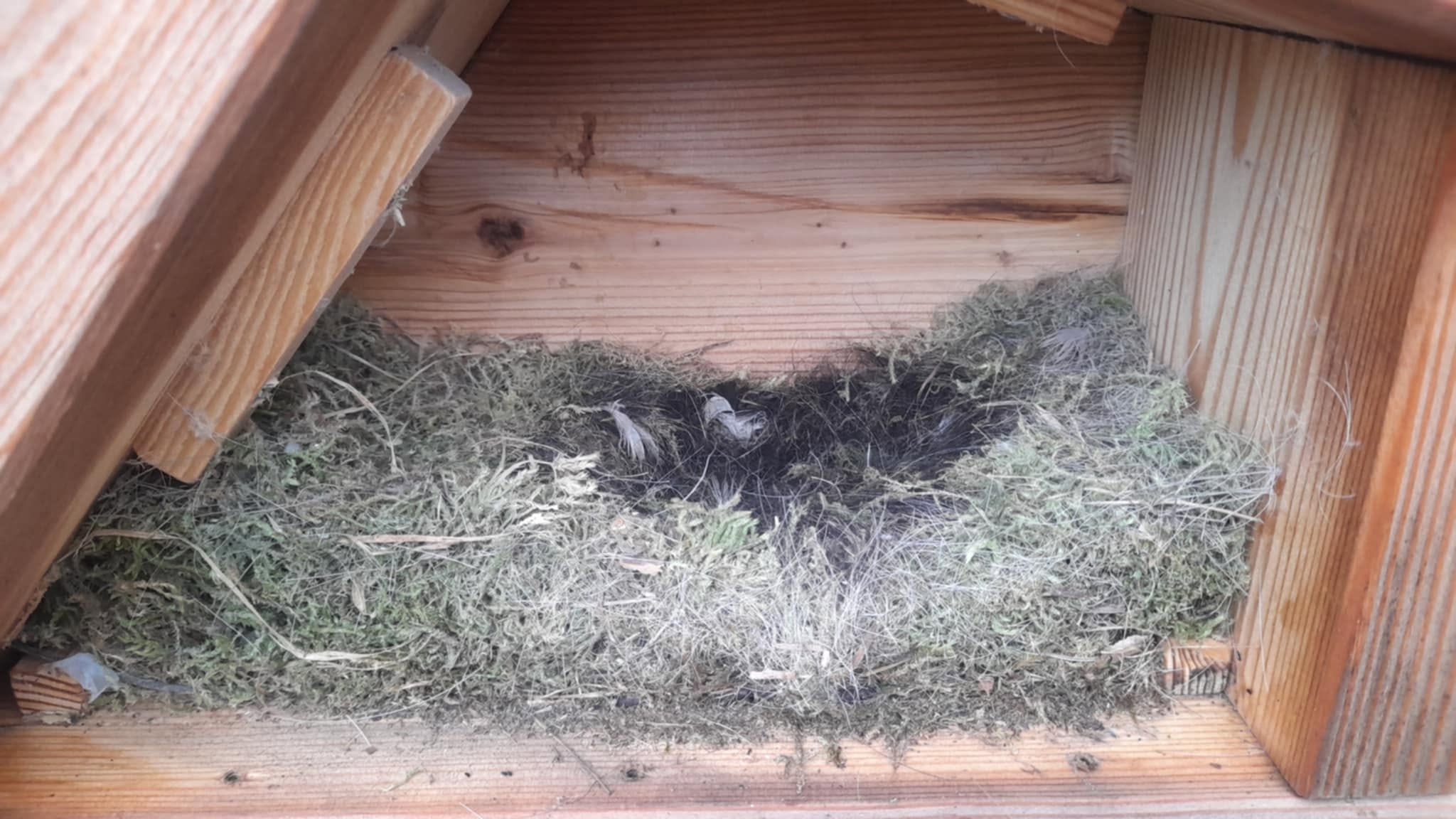
Clean out existing nest boxes. If you have a nest box that was used last year, now is the time to clean it out. Old nesting material can harbour parasites and bacteria that reduce the chances of successful breeding in the current season. Remove the old material, wipe the inside with a mild disinfectant solution, and allow it to dry thoroughly before the season begins. Do not clean it out during the breeding season — if a box is occupied, leave it completely alone until the birds have finished.
Nest Boxes — What Actually Works and Where to Put Them
The nest box market has expanded significantly and the range available can be confusing. Here is the practical version of what matters.
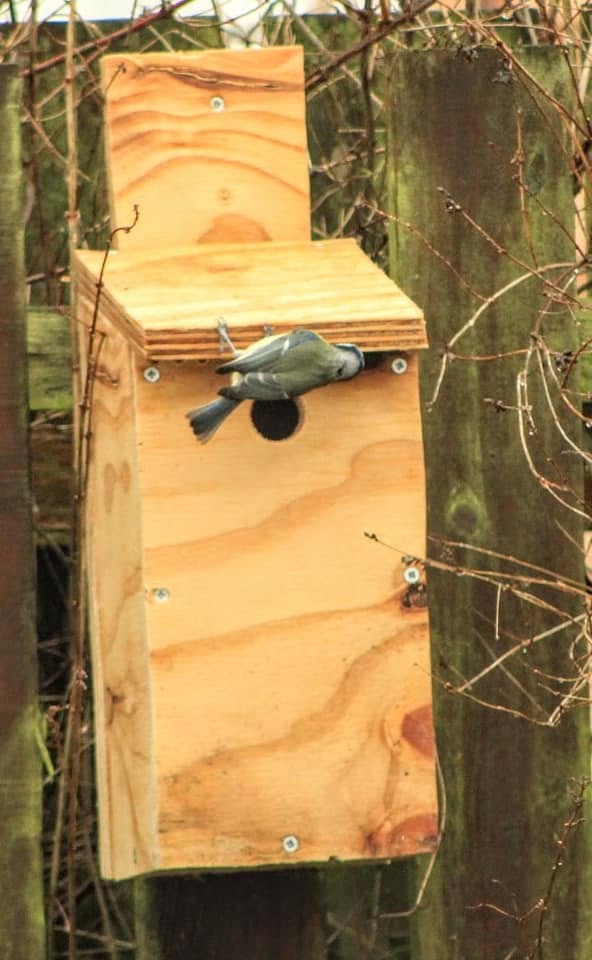
The hole size is the most important factor in determining which species will use a box. A 25mm entrance hole suits blue tits and coal tits. A 28mm hole suits great tits and tree sparrows. A 32mm hole is appropriate for house sparrows and nuthatches. Larger species — starlings, great spotted woodpeckers — need larger holes still. Getting the hole size right is more important than the appearance of the box or its price.
Position matters significantly. The box should face between north and east — away from the prevailing south-westerly wind and rain, and out of direct afternoon sun which can overheat a box in summer. It should be positioned between one and five metres from the ground, depending on the species you are aiming for. It should be tilted very slightly forward so that any rain that enters runs out of the entrance rather than pooling inside. There should be a clear flight path to the entrance — no branches or obstacles immediately in front of the hole.
Distance from other boxes matters. Most small garden birds are territorial around their nest site and will not nest immediately adjacent to another occupied box. Spacing boxes at least five metres apart reduces competition and increases the chance of multiple boxes being used.
The box should be secured firmly and not swing in the wind — an unstable box is an unsafe one from the bird’s perspective and is unlikely to be adopted.
Wood is the preferred material over plastic, which can overheat and does not breathe in the same way. Untreated wood is preferable to treated or painted wood inside the box.
What Garden Birds Actually Need From a Garden
A nest box is one component of what makes a garden useful to nesting birds. The others are worth understanding, because a box in an unsuitable garden will sit empty regardless of how well it is positioned.
Nesting birds need cover. Dense vegetation — hedges, thick shrubs, climbing plants on walls and fences — provides both the raw material for nest building and the protection from predators that makes a site viable. A garden that is kept very tidy, with no thick hedges, no ivy, no undisturbed corners, is a garden that offers very little to nesting birds regardless of what boxes are put up in it.
Food matters across the breeding season, not just in winter. Parent birds feeding chicks need reliable access to protein-rich food — insects primarily, which is why gardens with flower borders, compost heaps, and areas of unmown grass are more productive for nesting birds than those without. Supplementary feeding during the breeding season — mealworms, which house sparrows and robins in particular use heavily when feeding young — supports breeding success in a way that standard seed feeding does not.
Water is as important as food and is more frequently overlooked. A reliable, clean water source — a bird bath that is refreshed regularly — supports drinking and bathing year-round, and bathing for feather maintenance is particularly important for a bird that is using its plumage heavily during the breeding season.
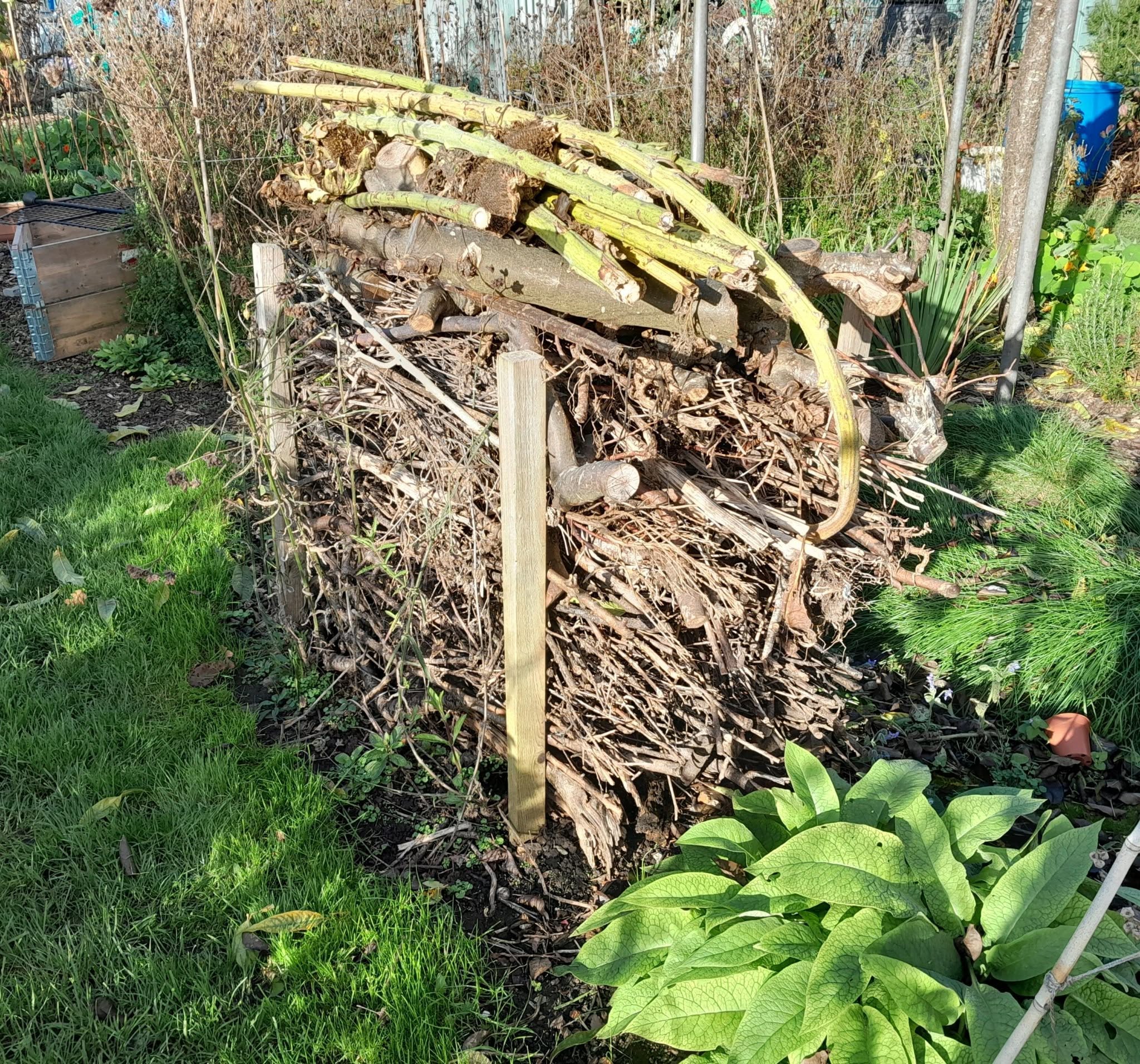
Leaving undisturbed areas is the simplest and least expensive contribution a garden can make. A patch of ground not dug over. A log pile left alone. A section of hedge not cut this year. Dead plant stems left standing rather than removed in autumn. Each of these provides habitat — insects for food, shelter for nesting, material for nest construction — that disappears the moment it is tidied away.
The Species Most Likely to Nest in Your Garden
Knowing which birds are likely to use your garden helps you understand what they need and how best to support them.
The house sparrow is the most commonly recorded garden bird in the UK for the twenty-third consecutive year in the RSPB’s 2026 Big Garden Birdwatch — and it is on the conservation red list, with numbers down sixty percent since 1979. House sparrows nest colonially, often under roof eaves, in ivy, or in nest boxes positioned on walls rather than in trees. They are one of the species that benefits most directly from nest boxes and from the kind of scruffy, food-rich garden that has become less common in increasingly tidy suburban environments.
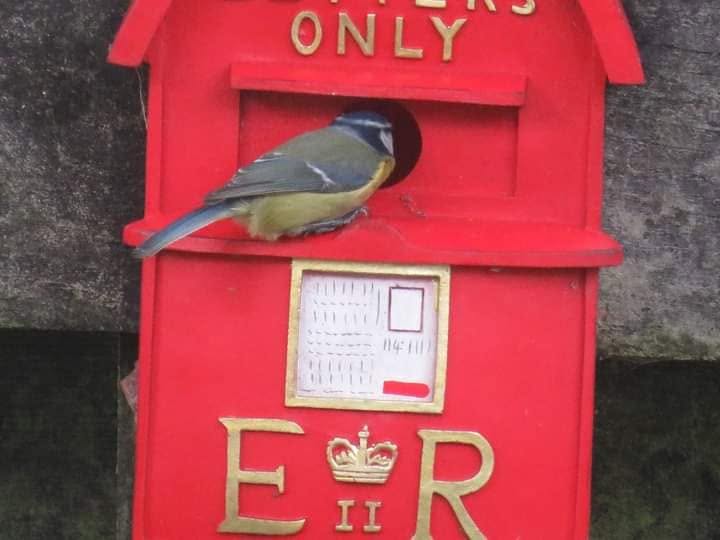
The blue tit is one of the most reliable occupants of standard small-hole nest boxes and one of the species where garden feeding and nest provision have the clearest documented positive effect on population. A blue tit pair raising a brood of chicks will make hundreds of trips to the nest each day carrying caterpillars — which is why a garden with a variety of trees and shrubs supporting insect life is a much better breeding habitat than one without.
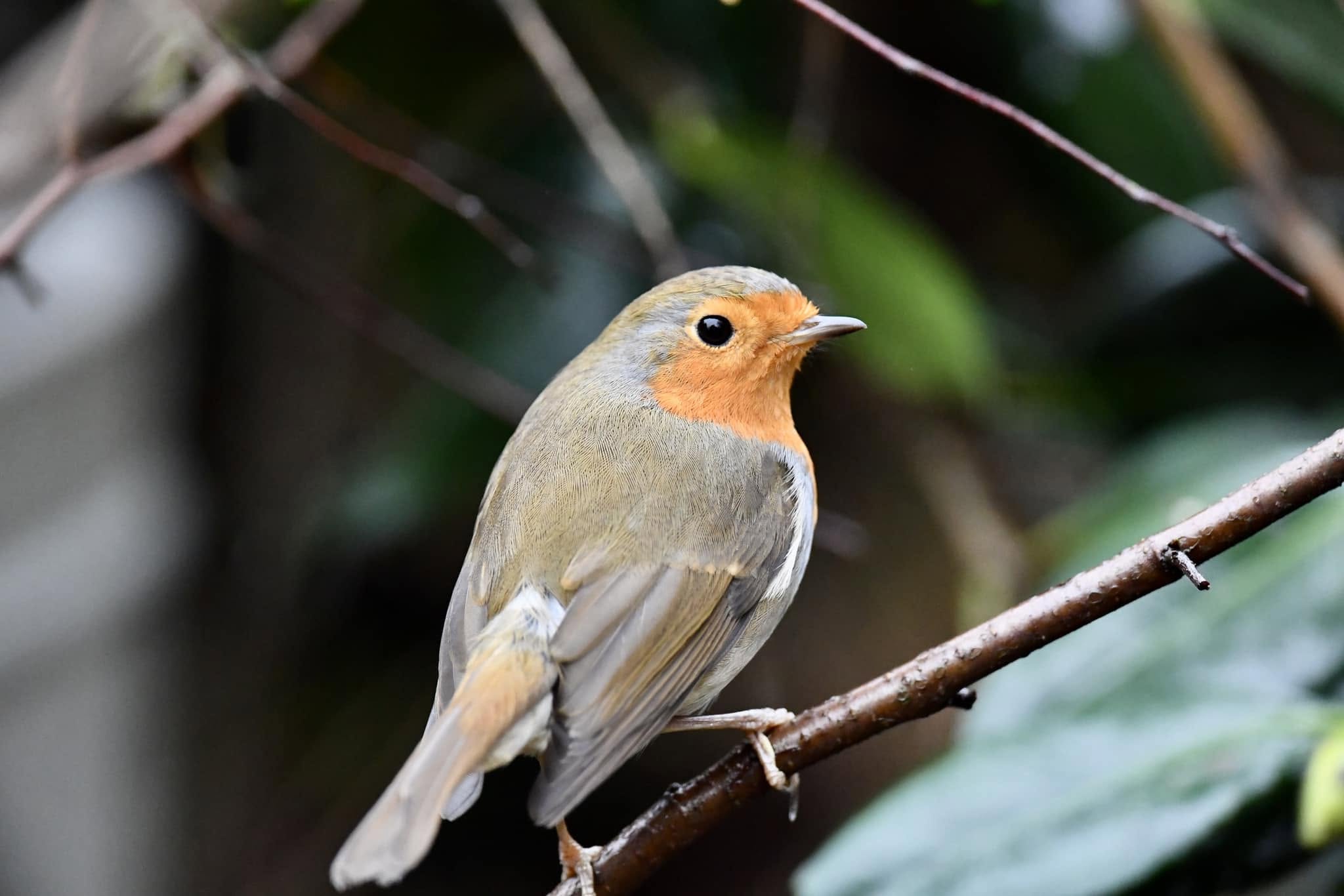
The robin nests in low, dense cover — often in an ivy-covered wall, a low hedge, or an open-fronted box positioned low to the ground and well hidden. It is one of the species most likely to be nesting earlier than the standard March start in a mild winter. If your garden has robins singing actively in January and February, they may already be looking at sites.
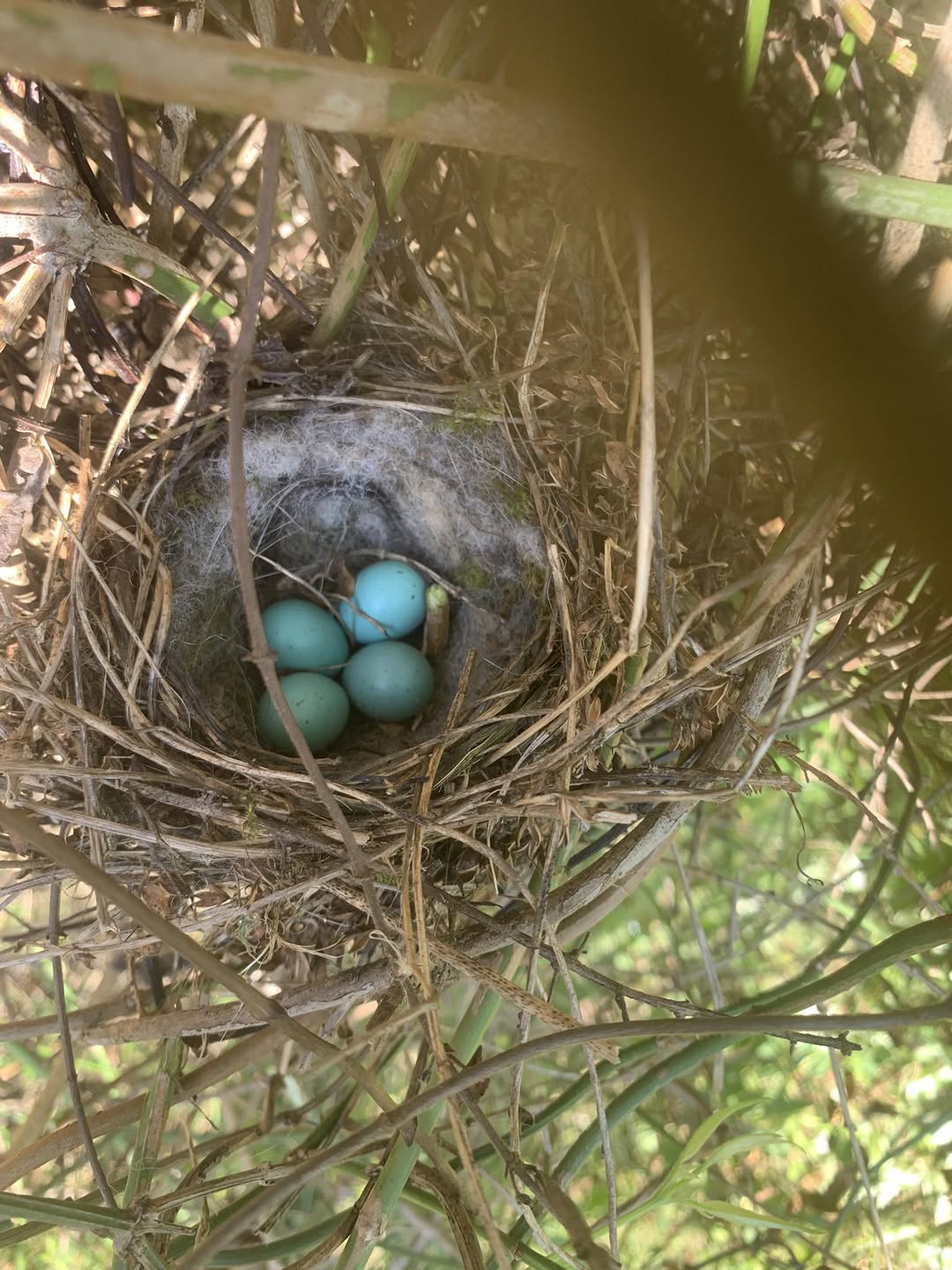
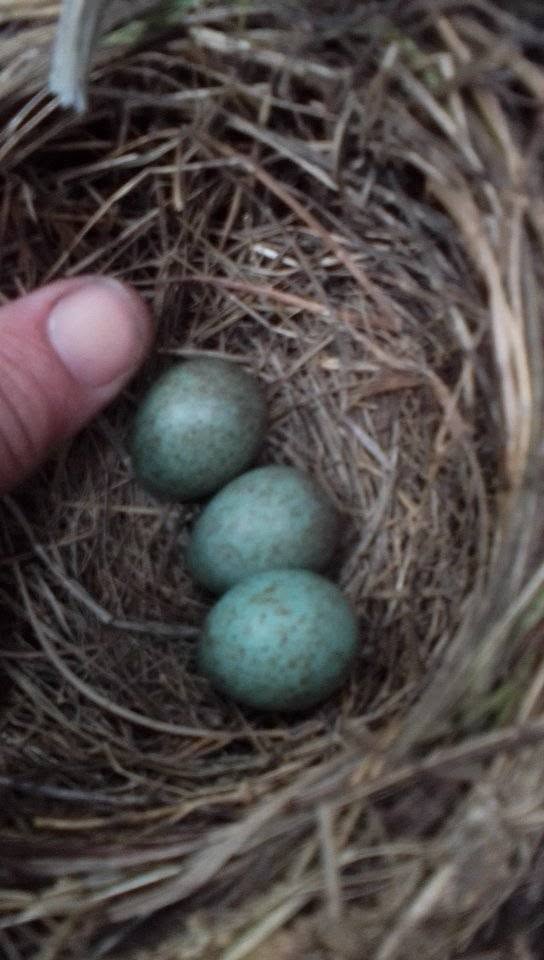
The blackbird nests in hedges, in dense climbing plants, in conifers — almost any dense vegetation at low to medium height. It is often the first nest a garden owner discovers because blackbirds are not as particular as some species about concealment and their nests, once you know what to look for, are relatively easy to spot.
The wren — as discussed in the companion piece on this site — is the UK’s most common breeding bird and nests in extremely well-concealed sites at ground level. A wren nest in a compost heap, in a log pile, in dense ivy at the base of a wall is essentially invisible until you are in the middle of it.
If You Find a Nest During Garden Work
Despite all the precautions, it happens. Someone starts cutting and finds a nest. Here is what to do.
Stop immediately. Do not continue cutting past the point where you discovered the nest. Do not attempt to remove the nest or move it to a different location — moved nests are almost always abandoned by the birds, and moving a nest containing eggs or young is an offence.
Restore as much cover as you reasonably can. If you have cut away material around the nest, try to replace some of it — using cuttings from the same hedge, or other similar material — to restore the concealment the nest had before. You will not perfectly replicate it, but partial restoration is better than none.
Leave the area alone. Do not approach the nest unnecessarily. Birds that are disturbed repeatedly will sometimes abandon a nest even if it is not physically damaged. Once you have done what you can to restore cover, give the nest a wide berth until the birds have finished — typically until chicks have fledged and left, which for most garden species takes three to four weeks from hatching.
Monitor quietly. From a distance, without disturbing the birds, check periodically that the adults are still visiting the nest. If the nest appears to be abandoned — no adult activity for more than a day or two — contact the RSPB or a local wildlife rescue for advice.
What I Tell People at the Counter
When someone comes in about a nesting situation that has gone wrong, the first thing I feel is that this conversation should have happened six weeks earlier. Not to blame them — most people simply do not know that February is the relevant deadline, or that the law applies to their garden hedge as much as to anything else.
The window is short and it is genuinely useful. A hedge cut in January takes the same amount of time as a hedge cut in April and creates none of the complications. A nest box put up now has twelve weeks to become part of the landscape before the first egg is laid.
The birds that use your garden do not require a great deal. They require cover, food, water, and some reasonable measure of being left alone while they raise their young. Most of that is provided by ordinary garden management decisions — what to cut and when, what to leave, what to put up. None of it is complicated. Most of it is free.
The window to make those decisions well is right now. The window closes faster than most people expect.
Come in if you want to talk through what your garden currently offers and what might improve it. We are at Manor Garden Centre, Cheney Manor Industrial Estate, Swindon, SN2 2QJ — open every day. Or call us on 01793 512400.
- “The law only protects rare birds — common garden birds are fine” — The Wildlife and Countryside Act 1981 protects all wild birds, all their nests, and all their eggs. There is no exemption for common species. A blackbird’s nest, a sparrow’s nest, a robin’s nest in your garden hedge is protected in exactly the same way as the nest of any rare or endangered species. The commonness of the bird does not reduce the protection of its nest.
- “I can just move the nest to a safer spot” — Moving a nest that contains eggs or young is almost always fatal for those eggs or young, and is an offence under the Wildlife and Countryside Act unless carried out under specific circumstances with appropriate authority. Parent birds use location cues to find their nest — a moved nest is often simply abandoned. Leave the nest where it is and work around it.
- “If I do it quickly the birds won’t mind” — Speed of the disturbance is not the relevant factor. Whether an active nest is damaged or disturbed is the relevant factor. Cutting through a hedge quickly that contains an active nest is no different in its effect on the nest — or in its legal implications — than cutting slowly.
- “Nest boxes don’t work in cities and suburbs” — Some of the highest nest box occupancy rates recorded in the UK are in urban and suburban gardens. House sparrows, blue tits, great tits, and starlings are all comfortable nesting in boxes in built-up areas. A well-positioned, correctly sized box in a suburban garden is not less likely to be occupied than one in a rural setting — in some cases it is more likely, because the competition from natural cavities is lower.
- “I’ll put a nest box up in spring when the birds are looking” — A box installed in spring, when birds are already actively looking for sites, may be used — but a box that has been in the garden since January or February has had time to weather, lose human scent, and become established in the local birds’ knowledge of available sites. Install now, not in March.
- Hedge cutting and pruning — complete any outstanding work now.
The safe window for unrestricted hedge and vegetation work is September to the end of January. From February, check carefully for nest activity before cutting anything. From March, treat any actively used hedge as off-limits until birds have finished. - Clean out existing nest boxes — do it this month.
Remove old nesting material, clean the interior with mild disinfectant, allow to dry completely before the season begins. Do not clean out a box during the breeding season if it is occupied. - Put up new nest boxes — before the end of February.
North or east-facing, one to five metres high depending on target species, clear flight path to the entrance, firmly secured. Hole size matched to the species you want to attract. - Check your bird bath and water source — clean and refill now.
A clean, reliable water source is as valuable as food throughout the year. Refresh regularly. Check that it has not cracked or become fouled over winter. - Assess your garden for nesting cover — consider what to leave.
Identify which areas of dense, low vegetation are present and decide which sections will not be cut this season. Ivy on walls, thick hedges, dense shrubs — these are nesting habitat. Not every hedge needs cutting every year. - Check the garden for any natural cavities — note and monitor.
Holes in walls, cavities in trees, gaps under roof tiles — these are natural nest sites that birds may already have identified. Note their locations so you know to check for activity before any relevant work in those areas.
Visit Us at Paradise Pets Swindon
We stock a full range of cage and aviary birds alongside advice on garden birds, nesting, and everything in between. If you want to talk through what your garden currently offers wildlife, or you are thinking about getting a bird of your own, come in and find us at Manor Garden Centre.
We also stock gerbils and hamsters, guinea pigs, and rabbits.
⭐ Customer Reviews
Amazing Bird Selection
Had a lovley visit today,staff were very friendly and very helpful,such a great petshop,their selection of birds is incredible,really impressed,thank so much to the staff at Paradise Pets

Friendly Helpful Staff
I have been coming to this place for years and they have a great stock of food for all types of pets. Have a great selection of small mammals and a lot of birds. Staff are friendly and helpful.

Great Quality Hutch
Bought a guinea pigs hutch and run combo, very happy with the service, the hutch was put in my car for me without even asking for help. The wood quality is very good, the instructions easy to follow and we are extremely happy with the fully built hutch. A good size for 2 guinea pigs

Response from Paradise Pets | Wiltshire
Thank you Melanie Latus Nice to provide services to you.
Best Bird Shop Around
It’s the best pet shop in and around Swindon. They always have an amazing selection of birds and all you need to keep them happy. I keep birds myself and the guys there are happy to answer questions and really know their stuff. I have seen budgies etc. in chain pet shops in the area looking really unhealthy and ill – I wouldn’t go anywhere else than Paradise Pets for animals.

Highly Recommended Bird Shop
I could not praise this shop enough. Really helped my Grandson buy his first bird and he’s loving it. Travelled from Somerset and was welcomed with open arms.

Great Shop with Competitive Prices
Great shop with amazing selection for small animals, hamsters, mice ect, highly recommend!
Also has a great selection for dogs & cats too & very competitive prices! 💖

