


Neil has been keeping, breeding, and selling cage and aviary birds at Paradise Pets Swindon since 1988 — over 35 years of watching how garden bird feeding habits change, and occasionally need to change. The RSPB issued new guidance this spring on how UK households should feed garden birds — a genuine shift in advice, not a minor tweak, and one that has caught a lot of regular garden bird feeders by surprise. This is Neil’s honest breakdown of what has actually changed, why, and what it means for your garden.
A customer came in a few weeks ago holding a printed page from a gardening website, looking faintly betrayed. “Are you telling me,” she said, “that I’m supposed to stop feeding the birds in my own garden? After everything I’ve read for years about how important it is?”
I understood the confusion completely, because the RSPB’s new advice, on first reading, sounds like a reversal of decades of conventional wisdom. For years the guidance most of us grew up with was straightforward: keep your feeders topped up, keep them reasonably clean, and feeding garden birds is an unambiguous good. The new guidance complicates that picture, and if you have not read past the headline, it can sound like the RSPB has decided feeding birds is now a problem.
It has not. What it has done is something more specific and, once you understand the reasoning, genuinely sensible.
What Actually Prompted This Change
The new guidance, published by the RSPB in April this year, followed a significant evidence review carried out jointly with the British Trust for Ornithology and the Institute of Zoology. The review looked specifically at the relationship between supplementary garden feeding and the spread of disease among the birds using those feeders — and what it found was a clear, troubling link.
The disease at the centre of this is trichomonosis — caused by the parasite Trichomonas gallinae. It affects the back of a bird’s throat and gullet, making swallowing increasingly difficult. Infected birds become lethargic, develop matted, wet feathers around the beak and face, and the condition is frequently fatal. It spreads most readily where birds gather closely together and share contaminated food or surfaces — which describes a busy garden bird feeder almost exactly.
The scale of the impact this disease has already had is significant enough that it should change how seriously anyone takes garden feeder hygiene. Greenfinch numbers have fallen by more than 65 percent since the mid-1990s, a decline measured in millions of birds, and disease has been identified as a primary driver of that collapse. The species is now on the UK Red List of conservation concern specifically because of disease-related decline. Chaffinches have also been significantly affected, and there is growing concern the same pattern may now be extending to bullfinches.
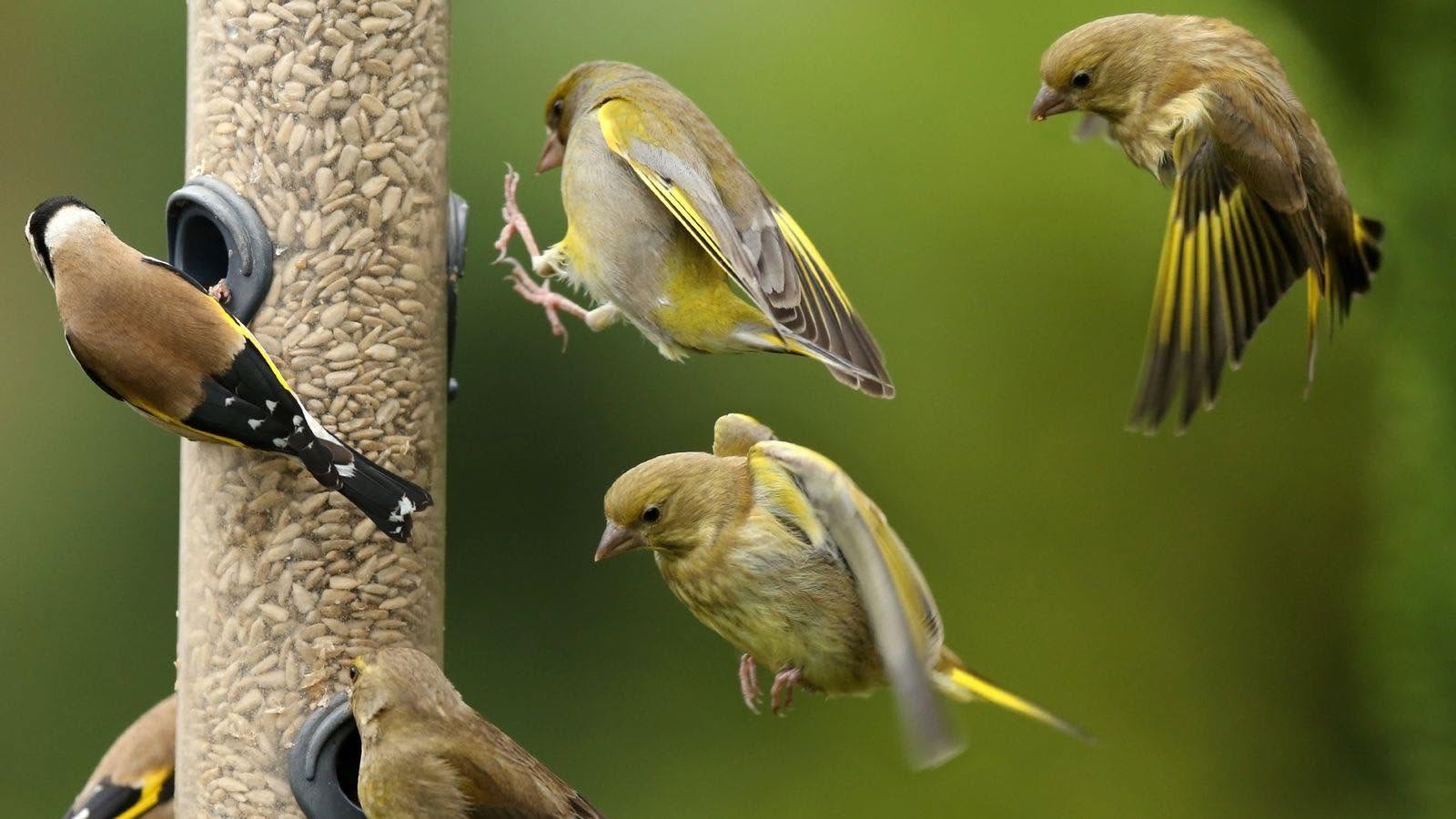
The New Guidance — “Feed Seasonally, Feed Safely”
This is the RSPB’s own framing for the updated advice, and it captures the two practical changes households are now being asked to make.
Feed Seasonally
- Between 1 May and 31 October, pause filling feeders with seed and peanuts — this is the headline change, and the one that has surprised most regular garden bird feeders; the reasoning is that these foods, offered in the warmer months, encourage exactly the kind of crowding at feeders that allows disease to spread between birds most readily
- Small amounts of mealworms, fat balls, or suet can continue year-round — these are not subject to the same seasonal pause; the RSPB’s position is specifically about seed and peanuts in the warmer months, not a blanket instruction to stop feeding entirely
- Why warmer months specifically — trichomonosis spreads more readily in warmer weather, and on the flat surfaces typical of bird tables and bird baths; the combination of warm conditions and birds gathering closely at a busy feeder creates the conditions the parasite needs to transmit between individuals
- This is not a permanent stop — the guidance is explicitly seasonal; resuming full feeding with seed and peanuts from November is part of the advice, not an afterthought
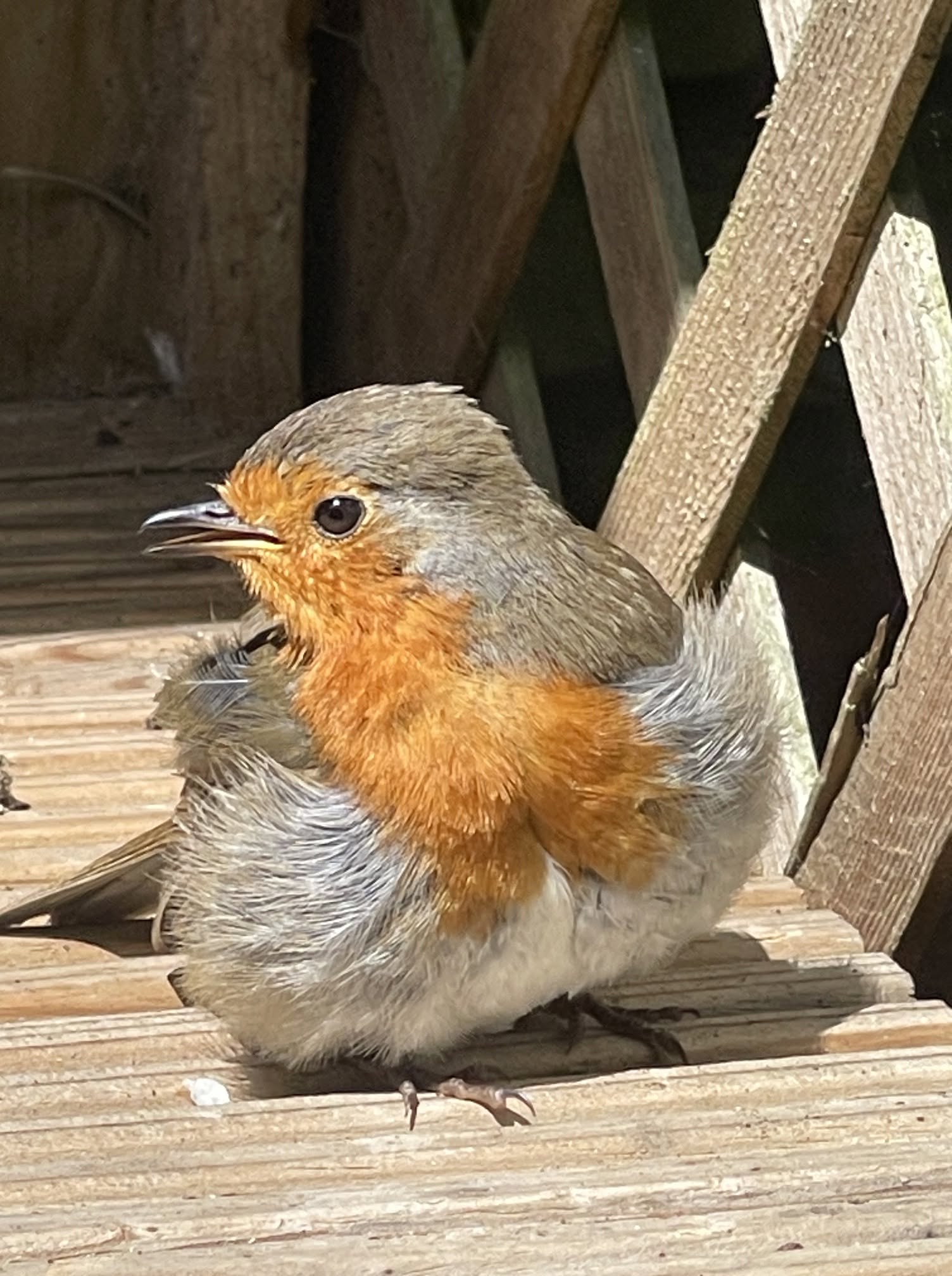
Feed Safely
- Hygiene matters more than most people have been treating it — the RSPB’s point here is blunt: a single infected bird visiting a feeder can turn that feeder into what amounts to a disease hotspot for every other bird that subsequently feeds there
- Clean feeders regularly — not an occasional task but a routine one, particularly during the months when feeding continues
- Move feeders around the garden periodically — this reduces the build-up of contaminated material in any single spot, which matters because the parasite and other pathogens can persist on surfaces and in soil beneath a feeder that stays in exactly the same position for months or years
- Stop feeding immediately if you see a sick bird — a bird showing the signs of trichomonosis (lethargy, puffed feathers, wet or matted plumage around the beak) at your feeder is a clear signal to pause feeding at that location for a period, to avoid the feeder continuing to spread infection to other visitors
- Bird baths need the same attention as feeders — flat, wet surfaces are specifically identified as higher-risk for disease transmission, and bird baths fit that description closely; the same hygiene principles that apply to feeders apply here
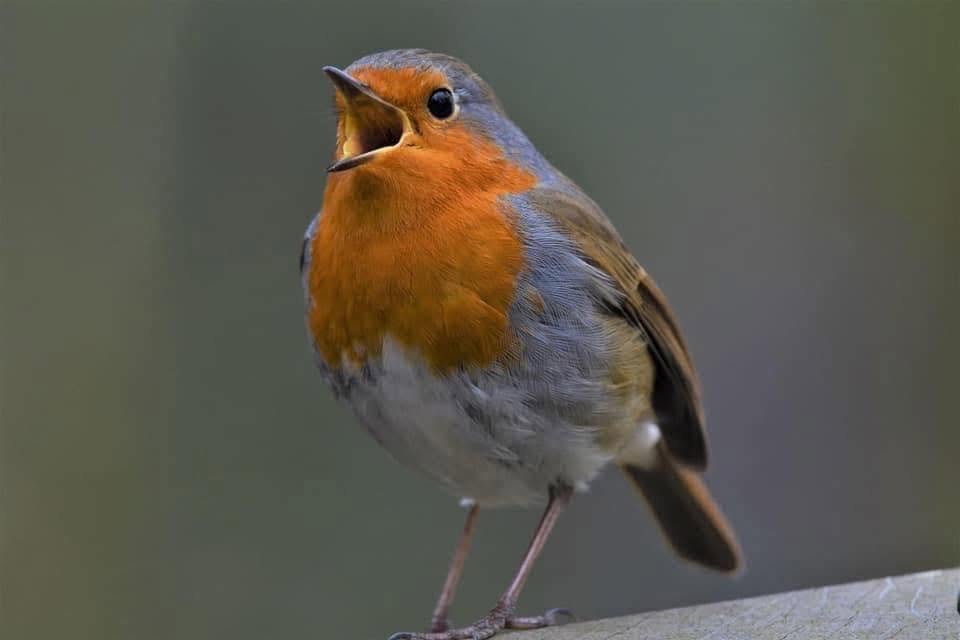
Why This Is Not A Contradiction Of “Feeding Birds Is Good”
I want to address this directly, because it is the part that produced the most confusion in the customer I mentioned at the start, and in most people’s first reaction to this guidance.
The RSPB has been explicit that the benefits of supplementary feeding remain real and significant. Feeding can improve breeding success — particularly when protein-rich foods such as mealworms are offered — and can be genuinely important to bird survival during harsh winter conditions. It supports species including tits and finches specifically, and the RSPB has also acknowledged the wellbeing benefit that feeding birds provides to the people doing the feeding, which is not a trivial consideration.
What the new evidence review found is not that feeding is harmful in general. It is that a specific combination of factors — certain foods, certain seasons, and inadequate attention to feeder hygiene — creates conditions that allow a specific, already-documented disease to spread more readily than it otherwise would. The response to that finding is not to stop feeding. It is to feed in a way that keeps the benefit while reducing that specific risk.
This is, in my view, exactly how evidence-based guidance should work. Nobody is asking gardeners to abandon one of the more genuinely beneficial things millions of UK households already do. They are asking for a more precise, seasonally-adjusted approach informed by a clearer understanding of how disease actually spreads at feeders.
What This Means Practically For Your Garden — Right Now
If you are reading this during the period the RSPB identifies as higher risk — 1 May to 31 October — here is the practical adjustment.
- Pause topping up seed and peanut feeders — empty and clean any feeders currently holding these foods rather than leaving them out half-empty, which does not meaningfully reduce the crowding risk the advice is addressing
- Continue offering mealworms, suet, or fat balls in modest quantities — these remain acceptable year-round under the new guidance and continue to provide valuable support, particularly the protein content that benefits breeding success
- Step up your cleaning routine on whatever you do continue to offer — wash feeders regularly with appropriate cleaning products designed for the purpose, rinse thoroughly, and allow to dry fully before refilling
- Clean bird baths at least as often as feeders, if not more — flat water surfaces are specifically flagged as higher risk; regular cleaning and fresh water matter as much here as at the feeder itself
- Move feeding stations periodically if your garden layout allows it — even a modest repositioning every few weeks reduces the build-up of contaminated material in one fixed spot
- Watch for sick birds and respond if you see one — a bird with puffed feathers, lethargy, and wet or matted plumage around the beak at your feeder is the sign to pause feeding at that location and clean thoroughly before resuming
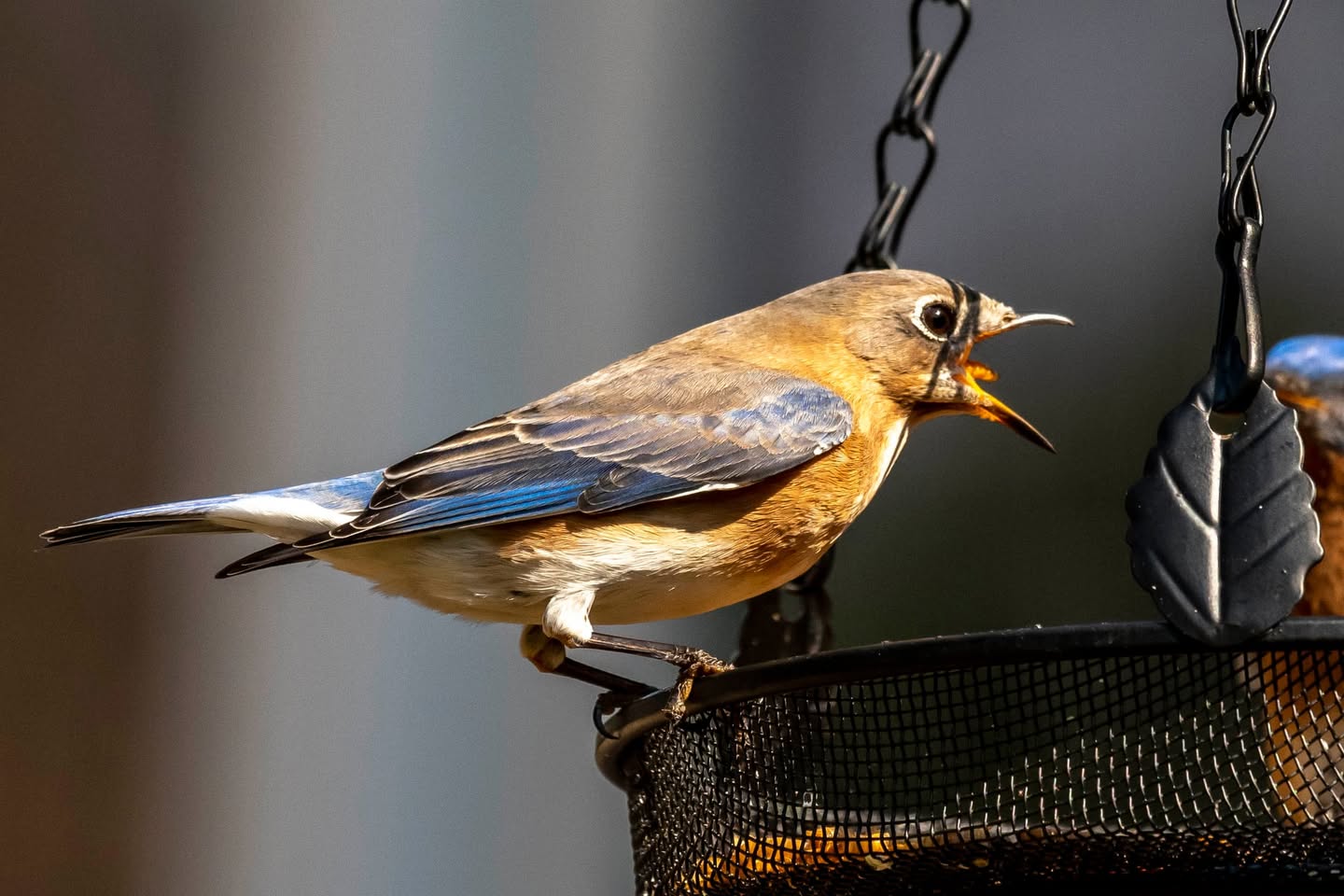
What This Means From November Onward
- Resume full seed and peanut feeding — the seasonal restriction lifts from 1 November under the current guidance, reflecting lower disease transmission risk in cooler conditions
- Winter feeding remains genuinely important — this is the period when supplementary food can be most critical to bird survival through harsh weather, and nothing in the new guidance changes that
- Continue good hygiene practice year-round — the seasonal pause on certain foods is specific to the higher-risk months, but the underlying principle of regular cleaning and periodic repositioning is good practice throughout the year, not just during the restricted period
The Bigger Picture — Why Gardens Matter More Than People Realise
I want to add some context here because I think it changes how seriously this guidance should be taken, beyond simply following the seasonal calendar.
UK gardens collectively now function as one of the most significant connected habitats available to garden birds, at a time when farmland habitat, hedgerows, and other traditional food sources have come under sustained pressure from changes in agricultural practice, development, and climate. Millions of individual gardens, taken together, form a genuinely important national network of reliable food and safe resting points for species that increasingly depend on them.
This is precisely why the precision of the new guidance matters so much. If feeding gardens are now doing some of the work that natural habitat used to do more fully on its own, then getting the detail right — what to feed, when, and how cleanly — has a much larger cumulative effect across the country than any single garden’s choices would suggest on their own. A million gardens making the same small hygiene improvement adds up to something genuinely significant for species like the greenfinch that are already in serious trouble.
Quick Reference — What To Do And When
| Period | Seed and Peanuts | Mealworms, Suet, Fat Balls | Hygiene Priority |
|---|---|---|---|
| 1 May – 31 October | Pause filling feeders with these | Continue offering in modest amounts | High — clean regularly, move feeders, watch for sick birds |
| 1 November – 30 April | Resume normal feeding | Continue offering as usual | Standard good practice — regular cleaning still matters |
| Any time a sick bird is seen at a feeder | Pause feeding at that location | Pause feeding at that location | Clean thoroughly before resuming, regardless of season |
Frequently Asked Questions
Has the RSPB really told people to stop feeding birds?
No, not entirely, and this is the most common misreading of the new guidance. The RSPB has asked people to pause filling feeders with seed and peanuts specifically between 1 May and 31 October, while continuing to offer small amounts of mealworms, suet, or fat balls year-round. Feeding garden birds overall remains something the RSPB actively supports and considers beneficial — the change is about timing and specific foods, not feeding in general.
Why is summer feeding considered riskier than winter feeding?
Trichomonosis, the disease driving this guidance change, spreads more readily in warmer weather and on the flat, often damp surfaces typical of bird tables and bird baths. Warmer conditions combined with birds congregating closely at busy feeders create favourable conditions for the parasite to pass between individuals. Cooler winter conditions appear to reduce this transmission risk, which is part of why the seasonal restriction applies specifically to the May to October period.
What is trichomonosis and how do I know if a bird has it?
Trichomonosis is caused by a parasite, Trichomonas gallinae, that affects a bird’s throat and gullet, making swallowing difficult. Infected birds typically appear lethargic, have puffed-up feathers, and show wet or matted plumage around the beak and face. It has been a major driver of the significant decline in UK greenfinch and chaffinch populations and can affect other species too. If you see a bird showing these signs at your feeder, the RSPB advises pausing feeding at that location and cleaning thoroughly before resuming.
Can I still feed mealworms and suet in summer?
Yes. The new guidance specifically allows small amounts of mealworms, fat balls, or suet to continue being offered year-round, including through the May to October period when seed and peanuts should be paused. These protein-rich foods are also specifically highlighted as beneficial for breeding success, making them a sensible year-round option under the updated advice.
How often should I clean my bird feeders now?
More frequently and more thoroughly than many households have historically managed, particularly during the months when feeding continues. The new guidance places significant emphasis on hygiene as the second pillar alongside seasonal timing — the RSPB’s point is that a single infected bird at an unclean feeder can turn it into a source of ongoing infection for every subsequent visitor. Regular cleaning with appropriate products, thorough rinsing, and full drying before refilling should now be treated as routine rather than occasional.
Does this guidance affect bird baths as well as feeders?
Yes, directly. Bird baths are specifically identified in the evidence review as a higher-risk surface for disease transmission, given they are flat and frequently wet — exactly the conditions the relevant parasite favours. The same hygiene attention recommended for feeders, particularly during the higher-risk season, applies equally to bird baths.
Will this guidance change again in future?
It is reasonable to expect refinement as more evidence becomes available — the RSPB has indicated this guidance follows a major evidence review conducted with the BTO and Institute of Zoology, with further detailed findings expected in due course. Good practice is to follow current published RSPB guidance and stay aware that seasonal dates or specific recommendations could be adjusted as understanding develops further.
Where can I get advice about bird feeding or garden birds in Swindon?
Come in to Paradise Pets at Manor Garden Centre, Cheney Manor Industrial Estate, Swindon SN2 2QJ — or call us on 01793 512400. We stock feeders, foods, and accessories and are happy to talk through what the current guidance means for your specific garden setup. We have been doing this for 35 years.
One Last Thing From Me
The customer who came in with the printed page left, in the end, considerably more reassured than when she arrived. Once we had gone through what the guidance actually said — rather than the slightly alarmist version that had reached her secondhand — she realised she was not being asked to abandon something she genuinely enjoyed. She was being asked to adjust the timing of two specific foods and pay a bit more attention to cleaning, in return for a meaningfully reduced risk to exactly the birds she had been trying to help all along.
“I think I’d rather know this than not know it,” she said, “even if it means changing the routine a bit.”
That is, honestly, the right reaction to evidence-based guidance changing. The instinct to feel affronted by new advice is understandable but ultimately unhelpful, because the alternative to guidance changing in response to new evidence is guidance that stays comfortable and familiar while the greenfinch population continues quietly disappearing in the background. I would rather adjust what I put in a feeder twice a year than watch that continue.
If you feed garden birds — and a great many of our customers do, alongside keeping cage birds of their own — this is genuinely worth taking on board properly rather than reacting to a headline. The birds visiting your garden this summer are, in a real sense, relying on gardens like yours more than they ever have. Getting the detail right matters more than it used to.
Setting Up Or Updating Your Garden Bird Feeding? Come And Talk To Us
Whether you need feeders, foods, or just want to talk through what the new guidance means for your specific garden — come in or ring us. We have been advising on birds, wild and kept, for 35 years.