

Neil has been keeping, breeding, and selling cage birds and small animals at Paradise Pets Swindon since 1988 — over 35 years of watching UK pet ownership trends change, accelerate, and occasionally go badly wrong. Exotic pet ownership in the UK has grown roughly 60 percent since 2000, a surge that has brought millions of new owners into contact with species they would not have encountered in previous generations. Most of them are well-intentioned. A significant number of them are getting one specific thing consistently wrong — and it is not the thing most welfare campaigns focus on. This is Neil’s honest account of what that thing is.
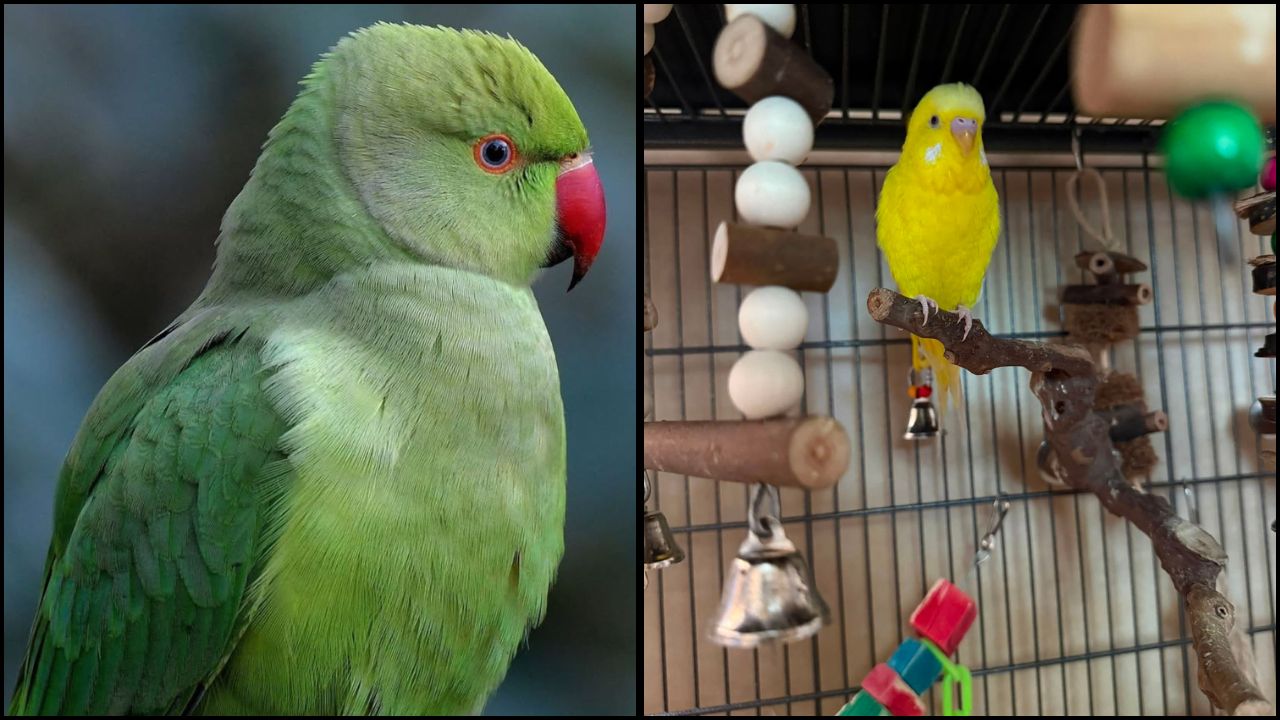
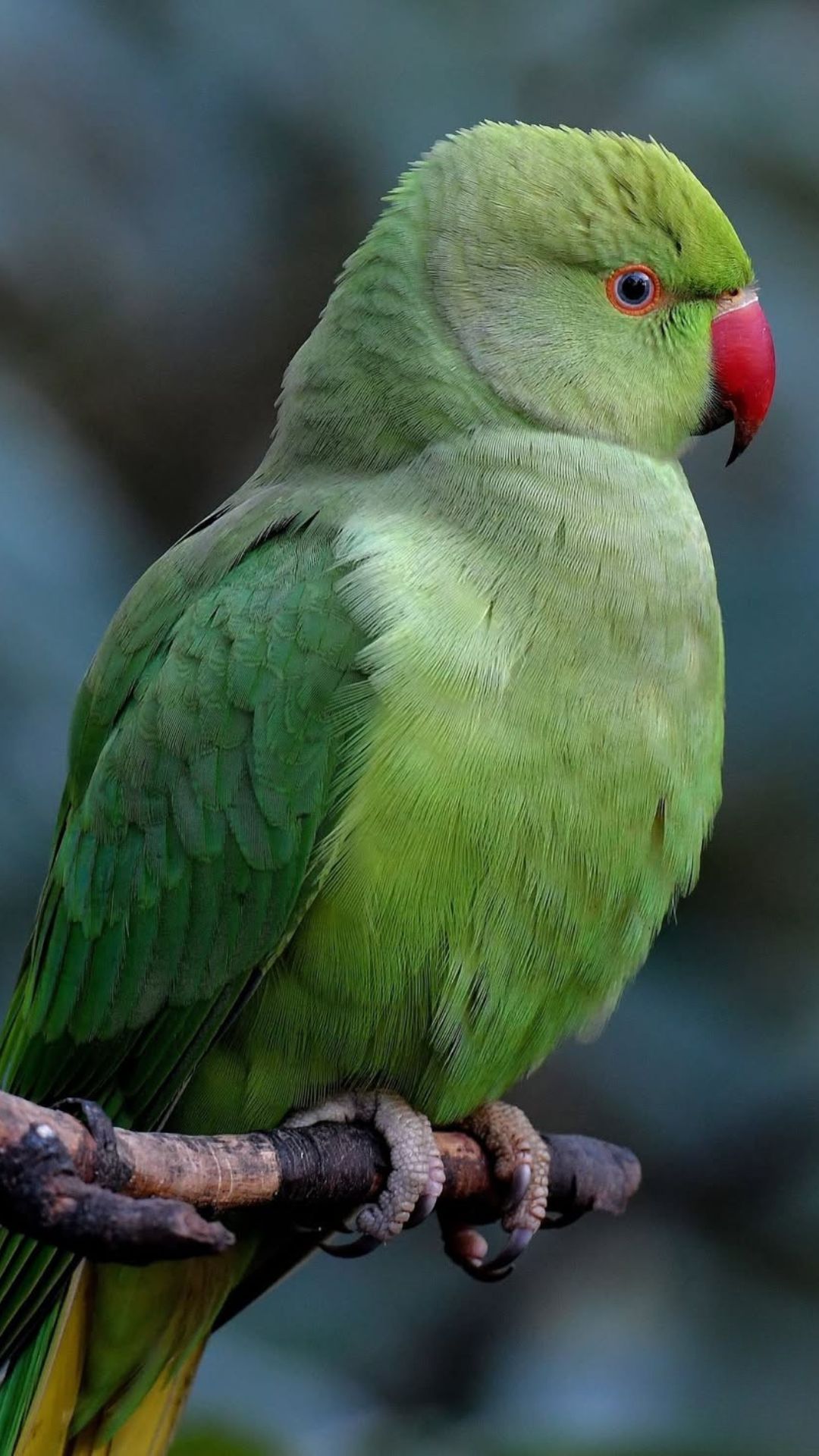
A man came into the shop about eight months ago with a question I had not heard quite in this form before. He had, two months earlier, bought a pair of ring-necked parakeets after watching what he described as “about forty YouTube videos” on the subject. The videos had made the process look manageable — interesting, even. He had bought a cage, bought food, and bought the birds. He had followed every piece of advice in the videos he could find.
The birds were not tame. They showed no sign of becoming tame. He had been following the settling-in process conscientiously and the birds were, after two months, still deeply averse to any human proximity. He wanted to know what he had done wrong.
The honest answer was nothing he could have prevented without information the videos had not given him — that ring-necked parakeets require a specific, sustained, and considerably more complex handling and socialisation process than most cage birds, that the window for developing genuine tameness in these birds is narrow and specific, and that the birds he had bought, at the age they had been when he bought them, had already largely missed that window. The videos he had watched had been accurate about the birds as a species but had not adequately communicated what the specific practical demands of those particular birds, at that particular stage of their lives, in that particular inexperienced household, would actually involve.
He had chosen a species significantly beyond what his level of experience made genuinely appropriate. Not because he was careless. Because nobody told him that was a meaningful consideration.
What The Numbers Actually Show
Exotic pet ownership in the UK has risen by roughly 60 percent since 2000. The PFMA puts the total UK pet population at around 34 million in 2026, including 3 million pet birds and 1.5 million pet reptiles.
Reptile ownership grew 31 percent since 2020, making them the fastest-growing pet category. Axolotls and crested geckos have boomed via social media, while bearded dragons have steadied as a mainstream first reptile.
Several quiet shifts explain the surge. UK homes have become smaller, so species that thrive in a compact vivarium or a tabletop setup fit modern flats better than a large dog ever could. Working hours have lengthened, and pets that need only a quick daily health check rather than two walks a day are gaining ground. Social media has put previously unfamiliar species in front of millions of new keepers.
None of this is inherently problematic. The growth in exotic pet keeping has brought genuinely wonderful experiences to millions of households and, where it is done well, contributes to species knowledge, responsible breeding, and conservation awareness. The surge is not the problem. What the surge is bringing with it, in a significant proportion of cases, is.
What Social Media Gets Right And Wrong About Species Discovery
I want to be specific about this rather than simply criticising social media as a category, because it has genuinely done things for exotic pet keeping that are positive and worth acknowledging.
Social media, particularly short video formats, has introduced millions of people to species they would never have encountered otherwise. It has shown the genuine depth of personality in birds, reptiles, and small mammals that previous generations largely did not appreciate. It has created communities of knowledgeable keepers who share genuinely useful husbandry information. For specific species and specific households, this has directly improved animal welfare by connecting owners with better information than they would have found elsewhere.
What it does not, and structurally cannot, do well is communicate the experience gap required by many of the species it makes appealing.
A thirty-second video of a hand-tame African grey parrot doing something impressive does not communicate — because it is not designed to, because it would be a different kind of video if it did — the twenty to thirty year commitment that species represents, the daily social interaction requirements that make it wholly inappropriate for most UK households, the significant specialist veterinary costs over that lifespan, or the fact that African grey parrots in unsuitable homes are one of the most consistently welfare-compromised species in the UK exotic pet sector.
A video of an axolotl drifting elegantly through a well-lit tank does not communicate what maintaining the precise water parameters these animals require actually involves day-to-day, or what happens to the animal when a new keeper does not understand why those parameters matter.
A video of a cockatiel perched on its owner’s shoulder, whistling cheerfully, does not communicate the daily interaction commitment this species genuinely needs to avoid the anxiety-related behavioural problems — feather plucking, excessive screaming, self-harm — that cockatiels in insufficiently interactive homes regularly develop.
- Social media shows tractable, experienced-keeper animals — the most photogenic and most behaviorally advanced individuals, in the most experienced hands, producing the most impressive footage; this is not deceptive, but it is not representative
- Social media does not show the setup phase — the weeks and months of patient, often unrewarding work that precede a tame, confident, exhibitable animal are not, by the nature of short-form content, what gets filmed and shared
- Social media cannot assess household fit — a video that is appropriate guidance for a retired keeper with extensive experience and unlimited daily time is the same video seen by a full-time working household with two young children and a first exotic pet; the species requirement does not change between those two viewers, but the appropriateness of the recommendation does
- The algorithm rewards appealing species, not appropriate species — the most visually striking, most interactive, most impressive-looking animals perform best on social platforms, which naturally draws interest toward species that are often among the most demanding to keep well
The Specific Welfare Consequence — What The Counter Shows
I want to ground this in what I actually observe, rather than keeping the argument at the level of principle.
Shelter intake rose 18 percent in 2024/25 as pandemic puppies reached adolescence — behavioural issues including separation anxiety and reactivity the top reason for surrender. This is the pattern the current exotic pet surge is replicating, one species at a time, more quietly.
What I see most consistently at this counter — from the species Paradise Pets works with directly — is owners who have chosen a species meaningfully beyond their experience, who have done so in good faith and with genuine commitment, and who encounter a problem they cannot solve because they did not know, at the point of purchase, that the problem was likely to occur. The species was appealing on a screen. The practical demands were not communicated. The gap between those two things is the welfare problem.
- Ring-necked parakeets bought as first birds by new owners — genuinely beautiful, compelling on video, and a species that requires specific early socialisation and more experienced handling than a budgie or canary; the gap between their appearance and their practical demands for a first-time owner is significant and well-documented in the bird welfare literature
- Single cockatiels in households with limited daily interaction time — the cockatiel’s social requirements make it one of the less forgiving species in terms of insufficient daily contact; anxiety-related behaviours in under-socialised cockatiels are common and distressing for both the bird and the owner
- Long-lived species bought without long-term commitment awareness — African grey parrots live thirty to sixty years; some tortoise species outlive multiple human generations; the commitment these species represent is not communicated effectively by visual content that shows only the appealing daily moments
- Specialist welfare needs misunderstood from the outset — specific water chemistry requirements for aquatic species, temperature and humidity requirements for reptiles, or the complex dietary needs of birds kept on inadequate seed-only diets for years; these are the problems that accumulate quietly until they produce visible welfare failure
What The Honest Fix Looks Like — At The Point Of Sale
I am not arguing that the 60 percent growth is bad. I am arguing that a specific, correctable failure at the point of sale is producing welfare consequences that would not exist if buyers were given the right information before they bought.
The honest fix is not more social media content showing the difficult days — that is not how the medium works, and it is not going to change. The fix is a better conversation at the point of sale, every time, for every species that has genuine experience or commitment requirements.
- Ask about household circumstances before recommending or selling any species — daily routine, available interaction time, household members and their ages, living situation, prior experience with the category; these questions should be as standard as asking what food they plan to use
- Be willing to recommend a different species or no species at all — the conversation that genuinely serves a new buyer sometimes ends with a recommendation toward a less demanding species, or with an honest statement that now is not the right time for this kind of pet; a shop that will not have this conversation is a shop prioritising the sale over the outcome
- Communicate lifespan before purchase, not as a footnote — a twenty-year commitment should be disclosed as the central, headline fact about a species, not as an interesting aside after the purchase is already emotional
- Be honest about the settling-in process for species that require one — what the first weeks and months will actually involve; what the likely challenges are; what the realistic taming timeline looks like; not the best-case version from the most experienced keeper’s most tractable animal
- Recommend avian and exotic vets before purchase — knowing that appropriate specialist veterinary care exists locally, and approximately what it costs, should be part of any pre-purchase conversation for any exotic species
What Buyers Can Do — Before The Purchase, Not After
- Seek information about the worst-case realistic scenario, not the best-case aspirational one — what this species needs when it is not at its most photogenic; what goes wrong with this species in inexperienced hands; what this species requires of you on a typical Tuesday morning three years after purchase, not on an exceptional Saturday
- Talk to an experienced keeper, not just a content creator — the best sources of realistic species-keeping information are people who have kept the species for years, including the difficult periods, and who can speak frankly about what the experience actually involves rather than what it looks like from outside
- Visit the species in person before committing — a bird or animal that looked appealing on a screen should be experienced in real life before any purchase; the noise level of cockatiels, the handling demands of some parrot species, the specific requirements of exotic mammals are all considerably more vivid in person than on video
- Ask specifically about lifespan, daily time requirements, and specialist veterinary costs — these three factors, honestly assessed against your actual household situation, will resolve most species-appropriateness questions without requiring specialist knowledge
- Come in and have the conversation before buying anywhere — at Paradise Pets or at any reputable specialist retailer; the conversation that takes twenty minutes before a purchase prevents the situation that takes much longer to either improve or resolve after one
Frequently Asked Questions
Is UK exotic pet ownership actually growing that much?
Yes. Exotic pet ownership in the UK has risen by roughly 60 percent since 2000, based on PFMA, RSPCA, and Exotics Keeper survey data. Reptile ownership specifically grew 31 percent between 2020 and 2025, making it the fastest-growing pet category in Britain. The growth is real, documented, and continuing.
Is social media responsible for welfare problems in exotic pets?
Not directly, and it is worth being precise about this. Social media is responsible for creating appealing, accessible species discovery that is structurally unable to communicate the experience requirements of the species it makes appealing. The welfare problem comes not from the content itself but from the purchasing decisions made based on that content without the additional information that would make those decisions appropriate. A better point-of-sale conversation is the most directly effective intervention, not a change in how social media works.
Which exotic species are most commonly mismatched to owner experience in the UK?
Speaking specifically from the categories Paradise Pets works with: ring-necked parakeets bought as first birds, cockatiels bought for households with limited daily interaction time, and any long-lived parrot species — including African greys, amazons, and macaws — bought without full understanding of their lifespan and daily social requirements. In the broader exotic pet market, reptiles whose specific husbandry requirements are underestimated at point of purchase, and long-lived tortoise species whose commitment timescale is not fully communicated, appear consistently in welfare conversations.
What questions should I ask before buying an exotic pet?
Four specific questions cover the most important ground: what is the typical lifespan of this species; what does daily care look like on an average day, not an exceptional one; how much interaction time does this species need to remain behaviourally healthy; and are there specialist veterinary requirements and approximately what do they cost locally. Honest answers to those four questions, assessed against your actual household routine and circumstances, will resolve most species-appropriateness questions without specialist knowledge.
If I have already bought a species that is beyond my experience, what should I do?
Be honest with yourself about what you are observing, and seek information from people with genuine experience of the species rather than only from general online sources. A good avian or exotic vet can assess the animal’s welfare and advise on the specific management challenges you are experiencing. A reputable specialist retailer can advise on the realistic outcomes of continued ownership versus responsible rehoming to an experienced keeper. The worst outcomes consistently come from continuing with a problematic situation without seeking specific, expert guidance.
Does this apply to budgies and canaries, or only to more exotic species?
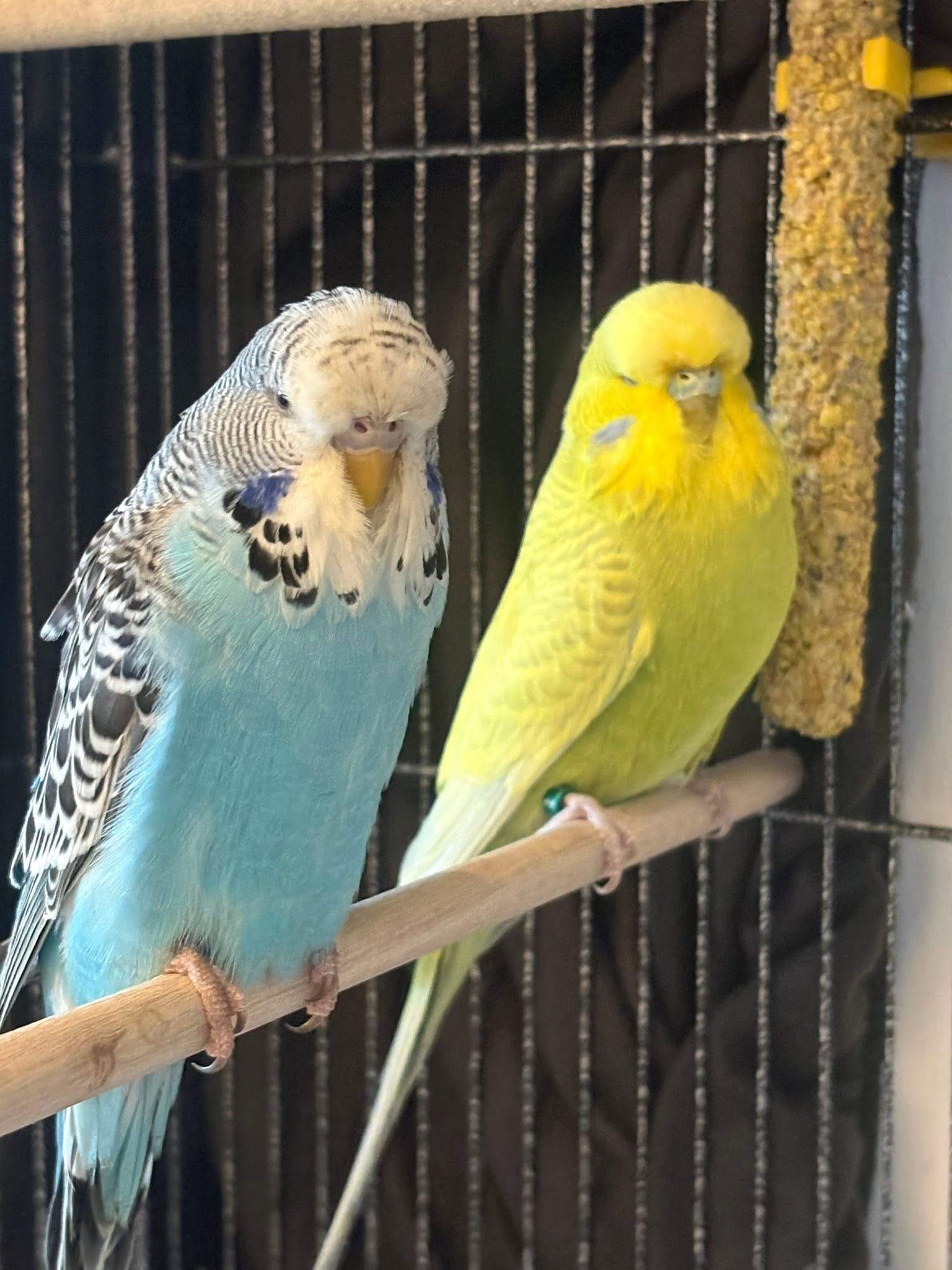
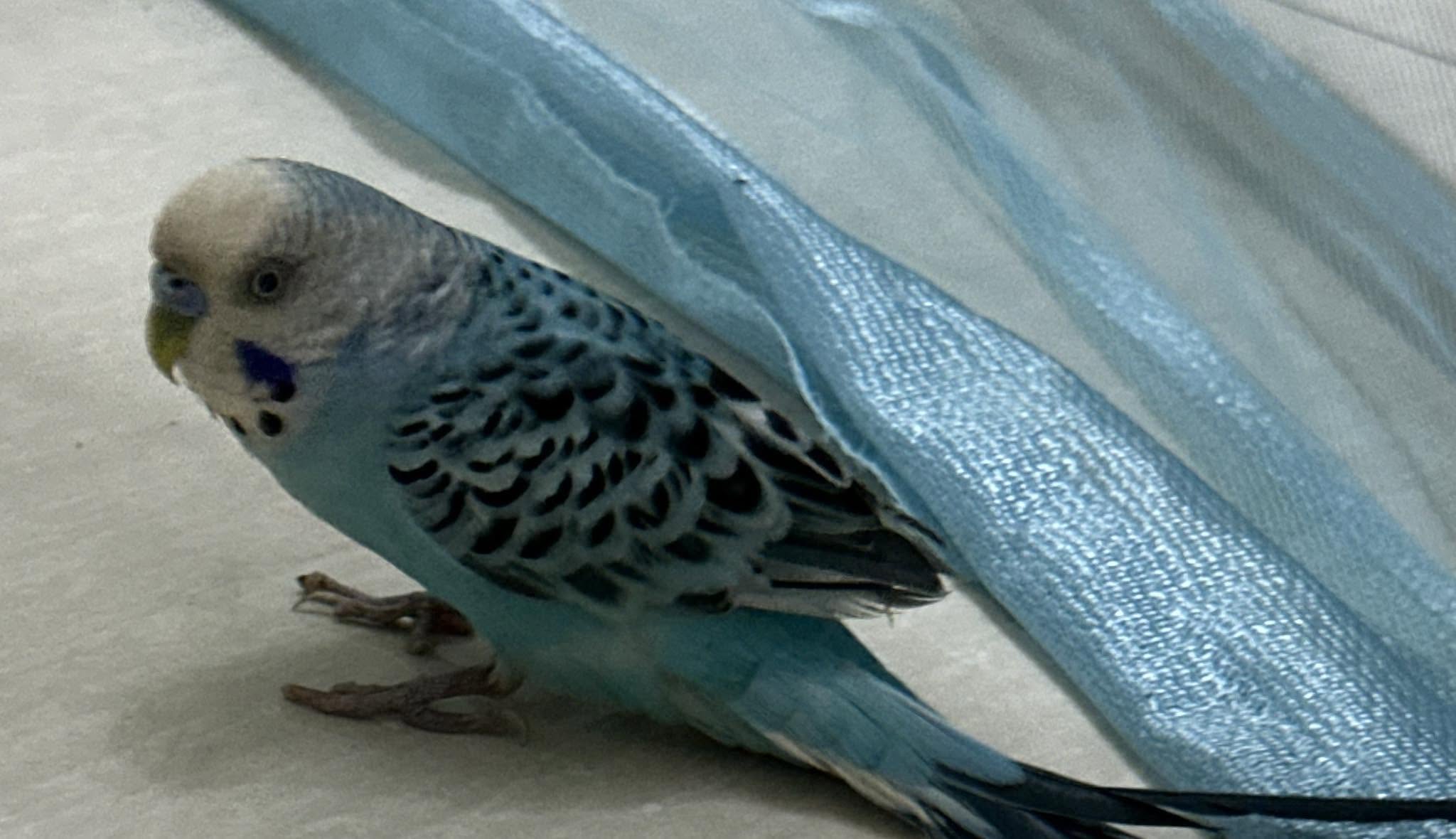
The same principle applies at every level, though the magnitude of the welfare consequence varies. A budgie bought for a household that then provides inadequate daily interaction, incorrect housing, or a seed-only diet for years is not suffering in the same way as a severely distressed cockatiel or a reptile with unmet husbandry needs — but the gap between what the bird needed and what it received is the same kind of gap. The honest conversation before purchase is the intervention that matters, regardless of species.
Where can I have this honest conversation before buying a bird or small animal in Swindon?
Come in to Paradise Pets at Manor Garden Centre, Cheney Manor Industrial Estate, Swindon SN2 2QJ — or call us on 01793 512400. We ask the questions about your household before we make any recommendation, and we are genuinely willing to suggest a different species or a different time if that is what an honest assessment of your situation points toward. That is the conversation this article is arguing for, and it has always been free here.
One Last Thing From Me
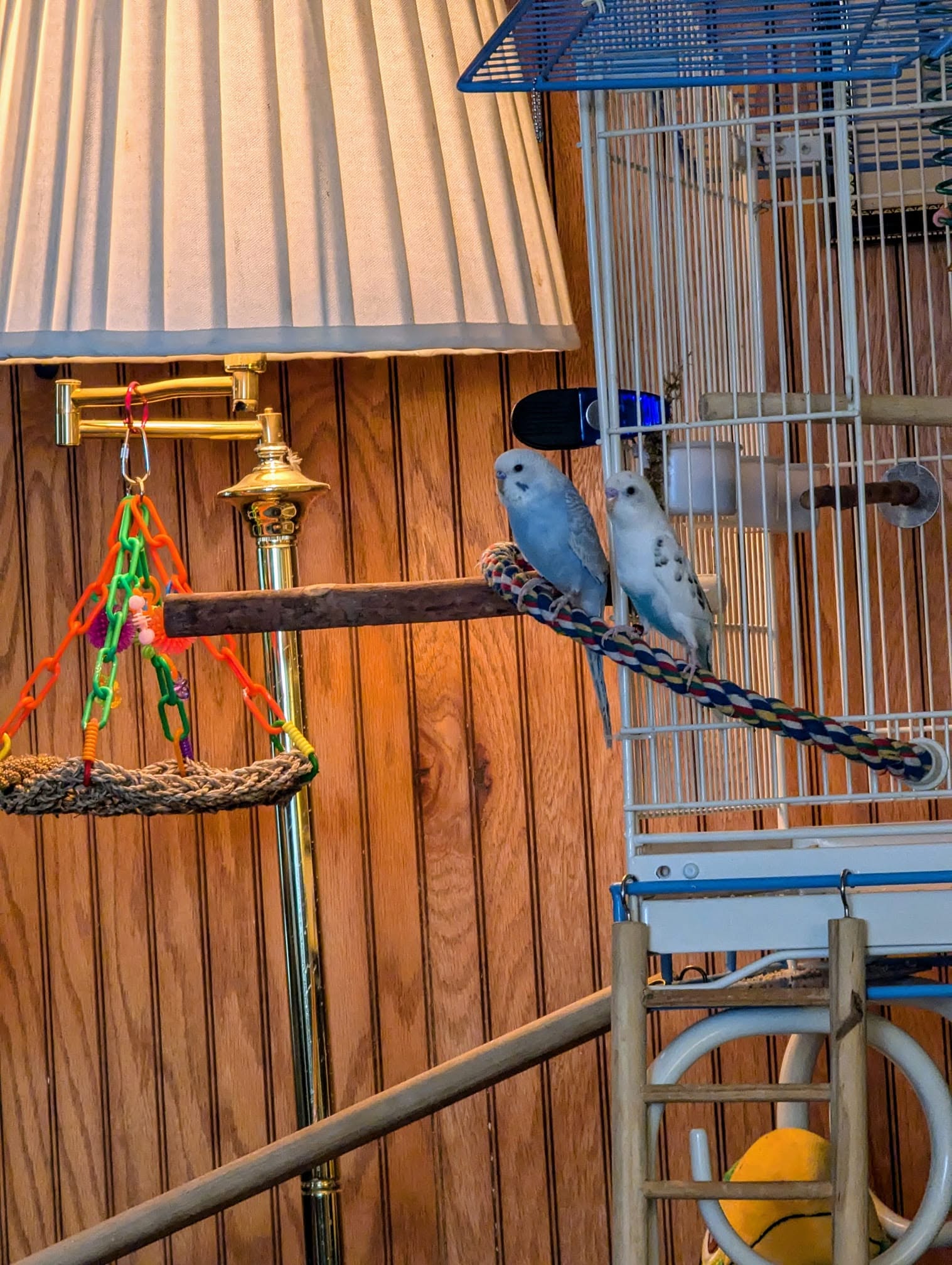
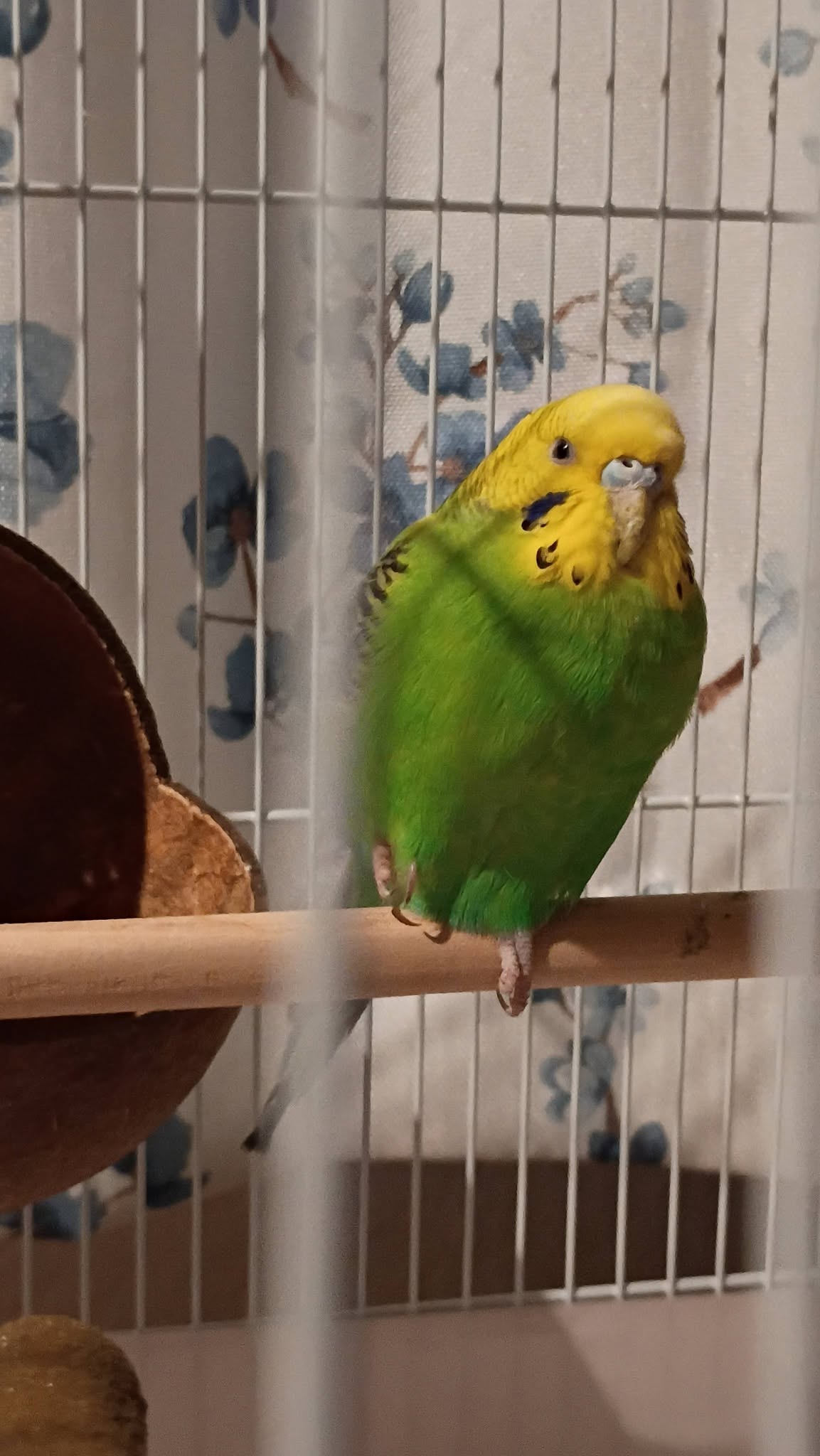
The man with the ring-necked parakeets came back a few months after our first conversation. He had found an experienced keeper through a specialist bird club who was willing to take the pair and continue their socialisation under more appropriate conditions. He had then, after a period of consideration, come back and bought a pair of budgies. He wanted to do this properly, he said — to start with the right species for his experience level, understand the process, and build toward the more demanding birds later if that still appealed to him.
He was doing it in the right order. He had just needed to understand that there was an order.
That, in miniature, is the whole argument of this article. The 60 percent growth in UK exotic pet ownership is not a problem. The specific, correctable gap between species appeal and species requirement — created by the most effective species discovery mechanism in history, and not corrected at the point of sale often enough — is producing a proportion of that growth that lands in the wrong households. The fix is not complicated. It is a conversation, before the purchase, about the actual daily reality of the species being considered, compared honestly against the actual daily reality of the household considering it.
This shop has been having that conversation for 35 years. It is the most useful thing we do.
Thinking About An Exotic Pet? Come And Have The Honest Conversation First
Tell us about your household, your experience, your daily routine, and what appealed to you about the species you are considering. We will tell you honestly whether it is a good match. If it is not, we will tell you that too. Free advice, no obligation. That is how we have done things here for 35 years.