
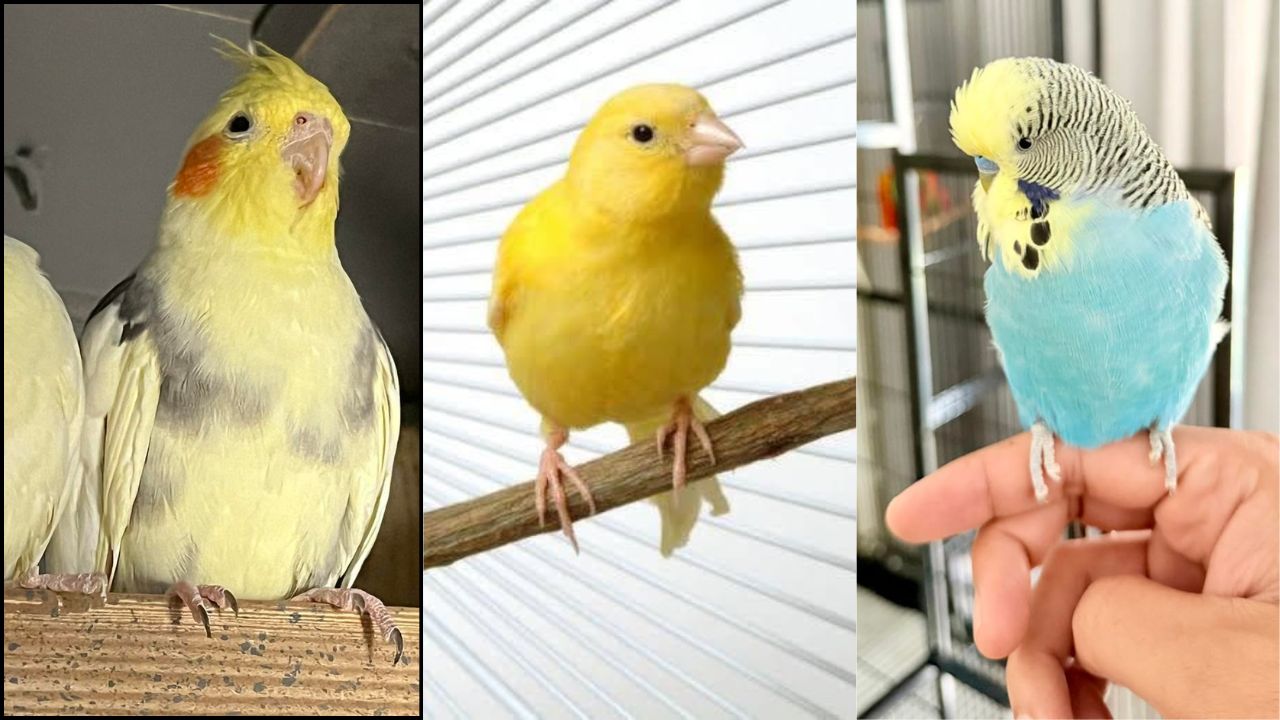

Neil has owned and run Paradise Pets Swindon since 1988 — over 35 years of selling cage and aviary birds to families, individuals, and couples across Swindon and the surrounding area. People searching for birds for sale in Swindon usually arrive at this shop with a species already half-decided, often based on something they saw online or remembered from childhood. What I have learned, across thousands of these conversations, is that the right bird for a specific household is rarely chosen this way. This article is my honest guide to actually working it out.
A man came in a few months ago asking specifically about cockatiels for sale. He had decided on the species before walking through the door — a colleague at work had one, he liked the look of it, and he had come in with that single species fixed in his mind. About ten minutes into our conversation, having asked him about his daily routine, his work hours, and what he was actually hoping to get out of keeping a bird, it became clear that a cockatiel was very likely the wrong choice for his specific situation. He worked long, irregular shifts, lived alone, and was honest that he was hoping for a bird that could be reasonably independent on quieter days without requiring the kind of consistent daily social interaction a cockatiel genuinely needs to thrive.
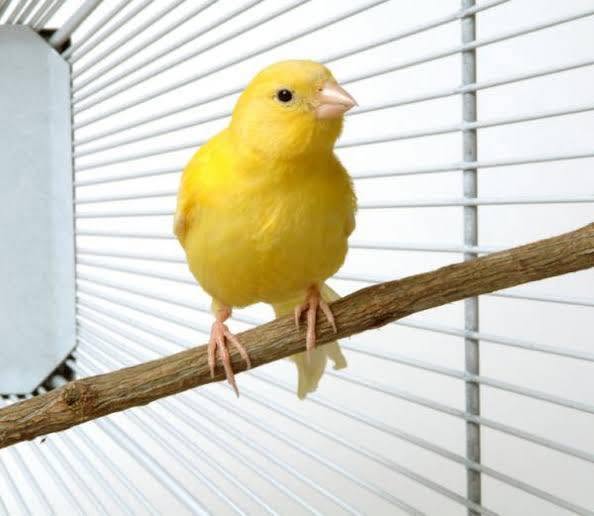
He left, in the end, with a canary — a species he had not considered at all before that conversation, and one that turned out, once he understood why I was suggesting it, to be a considerably better match for the life he actually had rather than the life he had imagined when he walked in.
This happens more often than people expect. Choosing a pet bird based on appearance, on what a friend has, or on a single online video is one of the most common mistakes I see at this counter, and it is almost always fixable with about fifteen minutes of honest conversation about what your actual daily life looks like.
Start With Your Household, Not With The Bird
Before getting into specific species, I want to set out the questions I actually ask every customer who comes in looking for a bird, because these questions matter more than any species comparison that follows.
- How much genuine daily interaction can you realistically offer? — not how much you hope to offer in the excitement of a new pet, but what your actual daily routine allows once the novelty has settled; some species need consistent daily social time to thrive, others are more content with less
- How much noise can your household and your neighbours genuinely tolerate? — bird species vary enormously in vocal volume and frequency, and this is one of the most common sources of regret I hear about from owners who did not consider it carefully enough beforehand
- What is your living situation? — flat versus house, proximity to neighbours, whether you rent and have any restrictions, all genuinely affect which species and which housing setup will work without creating ongoing friction
- Are you looking for a bird primarily for one person, or a genuine family pet? — this affects both species choice and the single-versus-pair decision in ways worth thinking through honestly before you buy
- What is your realistic budget, both for the initial setup and ongoing costs? — species vary considerably in cage size requirements, food costs, and veterinary costs over a lifetime, and being honest about this upfront avoids difficult compromises later
- How long are you genuinely prepared to commit to? — lifespan varies dramatically between common pet bird species, from several years to multiple decades, and this is worth treating as a serious, central question rather than an afterthought
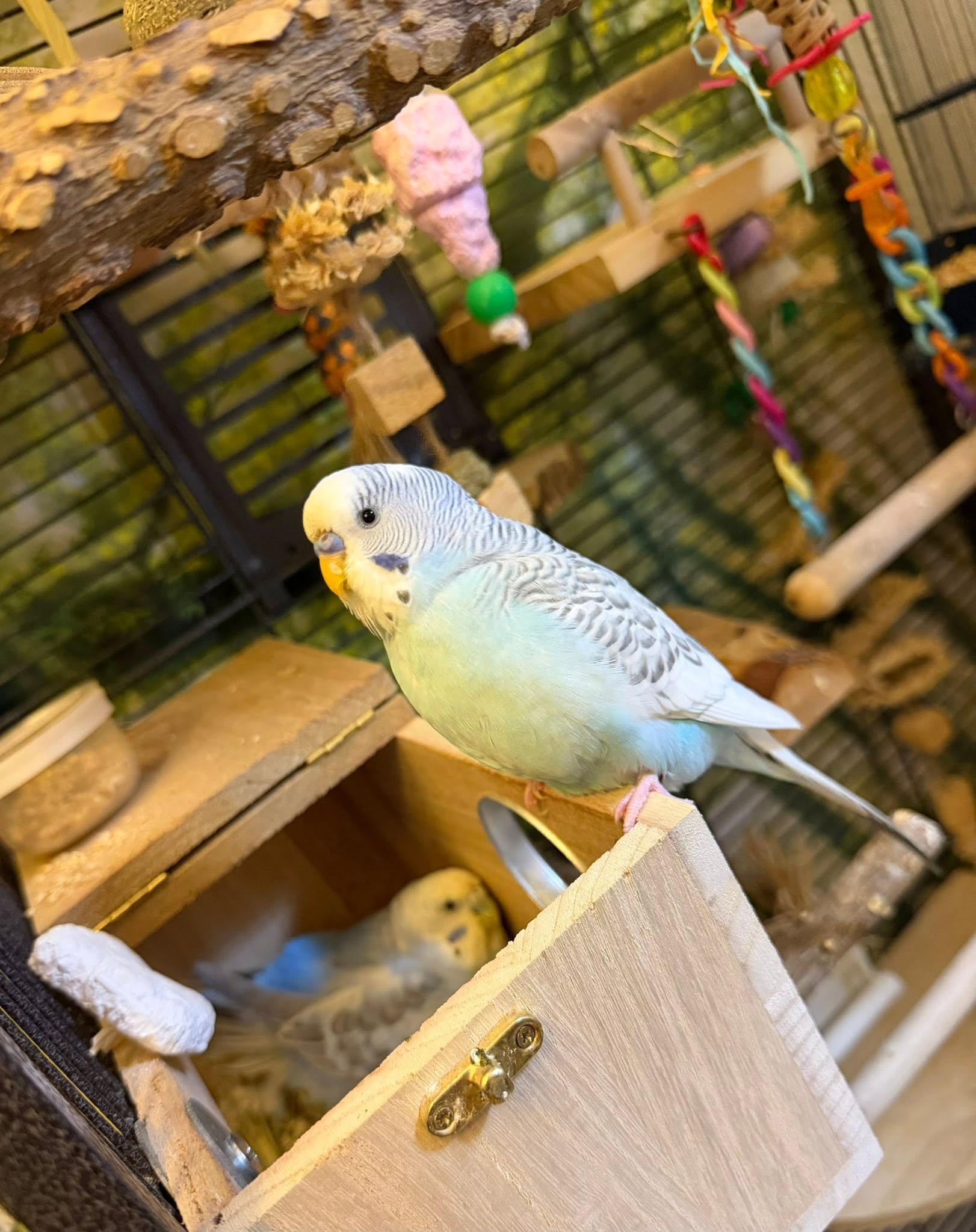
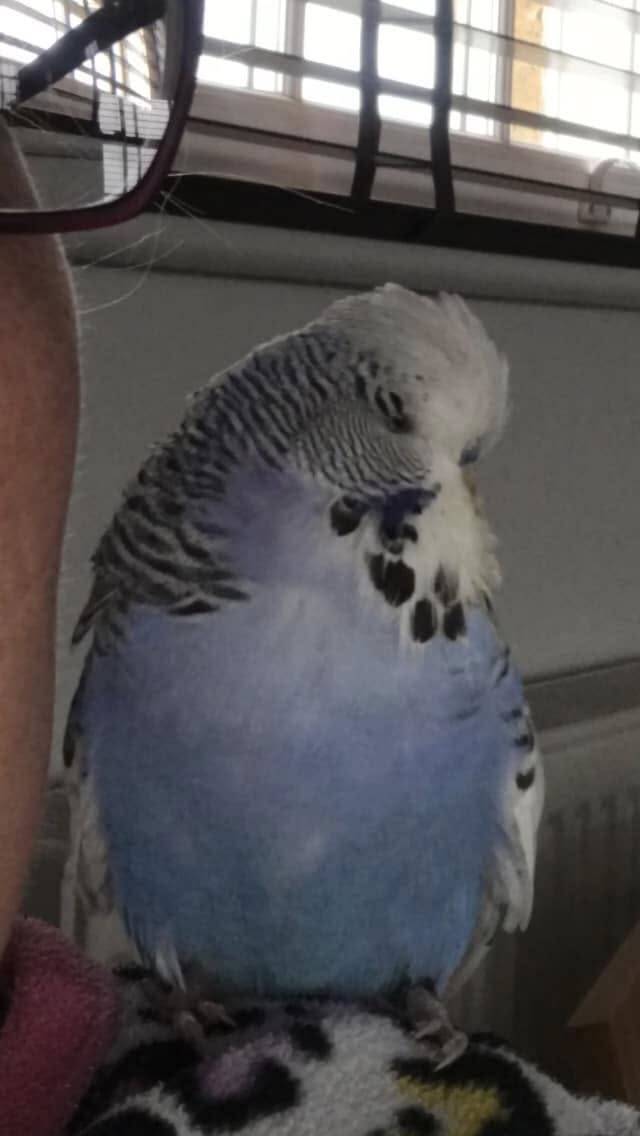
Budgies — The Right Choice For Most First-Time UK Households
This remains, after 35 years, the species I recommend most often to families and individuals coming in for their first bird, and the species we sell more of than any other.
- Best suited to — first-time owners, families with children old enough to handle gentle interaction, individuals wanting a genuinely interactive companion bird without an extreme time commitment
- Noise level — moderate; budgies vocalise regularly through the day but at a volume that rarely causes neighbour issues even in flats; individual birds vary, with some being naturally chattier than others
- Time commitment — daily interaction genuinely improves taming and bonding, but budgies tolerate a somewhat more flexible routine better than some other species; a single budgie in a household with consistent daily attention bonds closely; a pair manages reasonably well with less intensive daily interaction
- Typical lifespan — 7 to 10 years on average with good care, with some individuals living considerably longer
- Cost considerations — among the most affordable common pet birds to set up and maintain, both in initial cage and accessory costs and ongoing food and veterinary costs
- Why this is usually my first recommendation for new owners — budgies offer a genuinely high ceiling for taming and interaction, including speech mimicry in some individuals, while remaining forgiving of a household still learning the basics of bird care
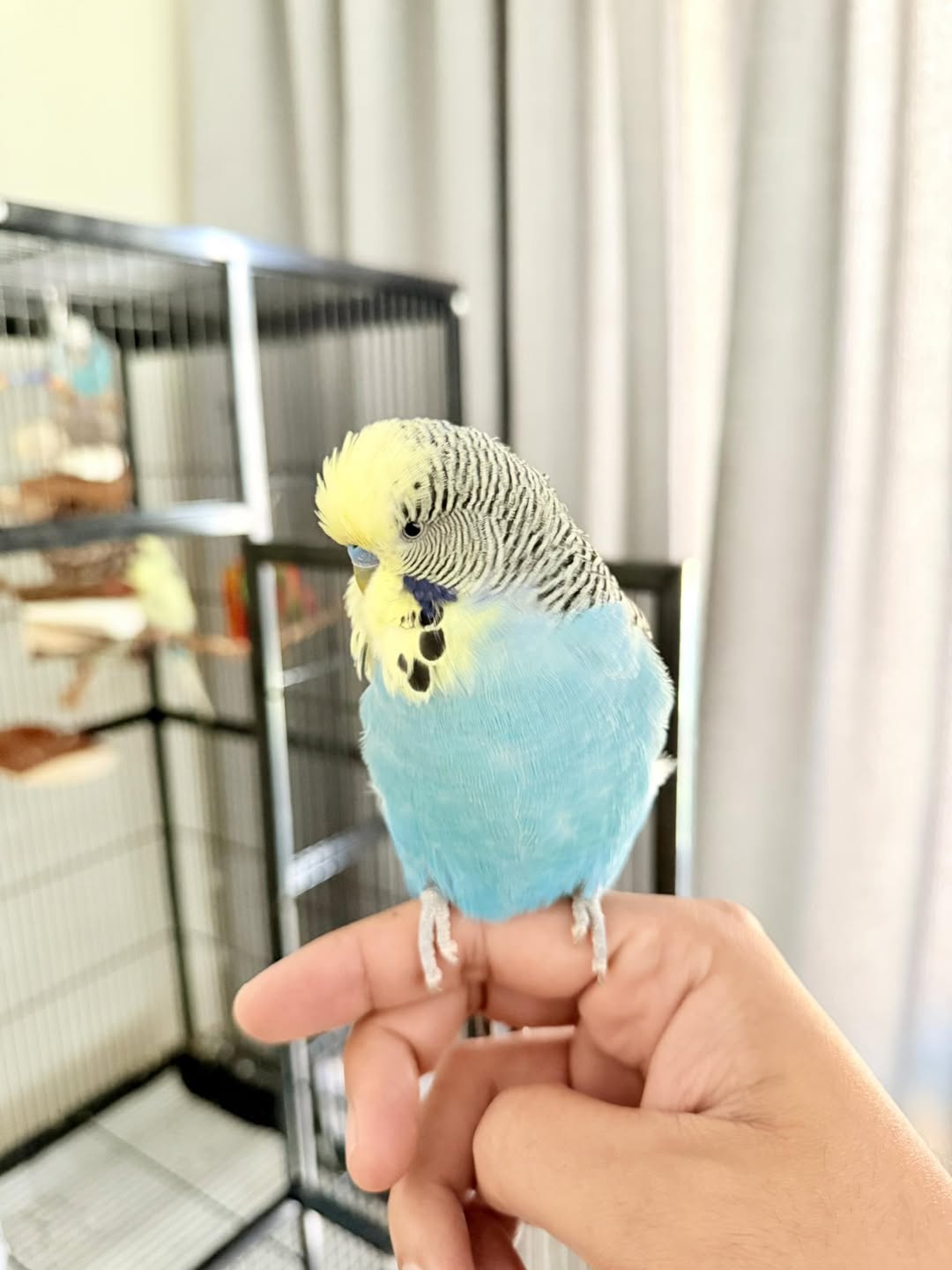
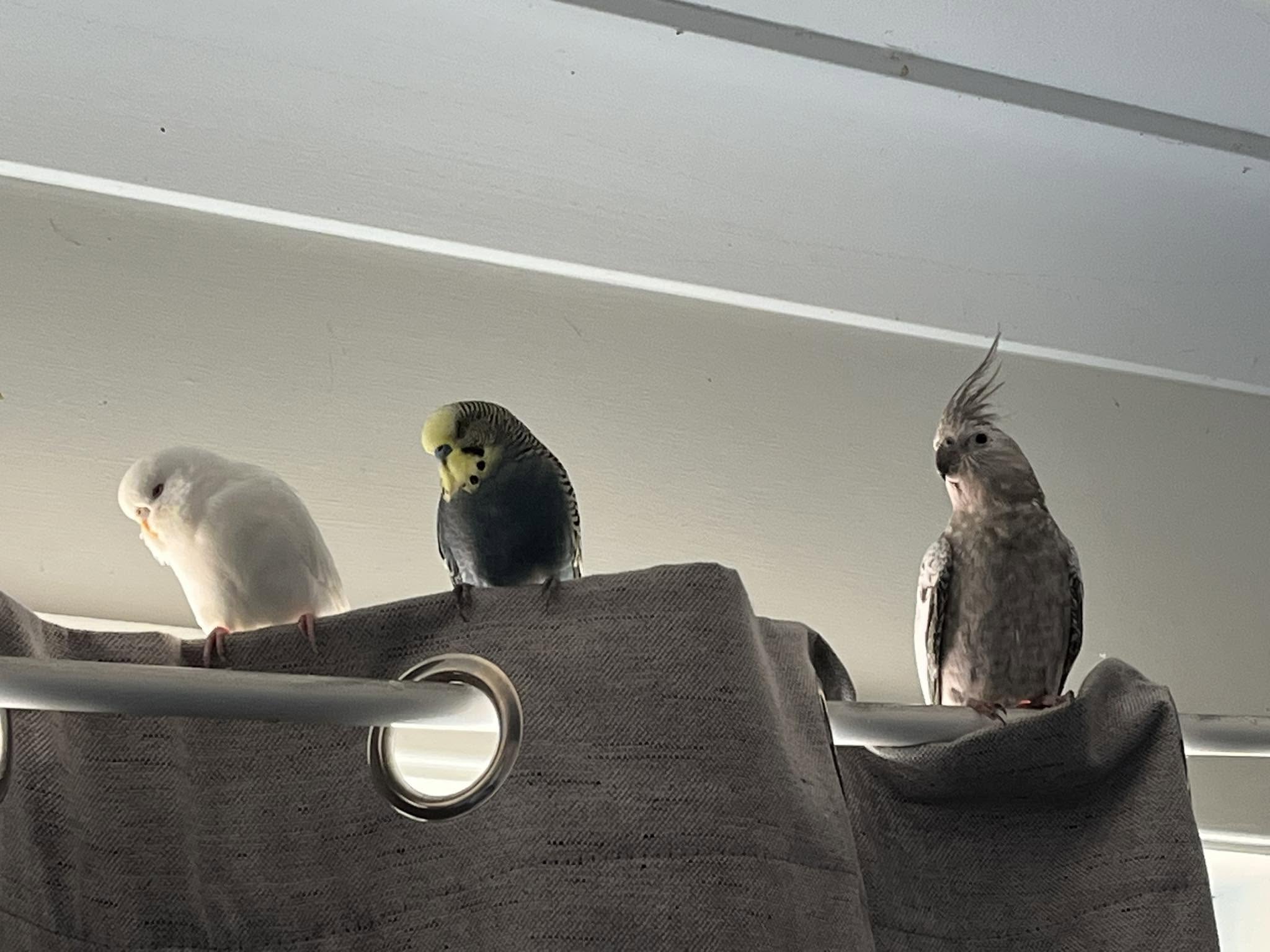
Cockatiels — Affectionate, But A Genuinely Higher Commitment
- Best suited to — households able to offer consistent, near-daily social interaction; people specifically wanting a bird known for strong, affectionate bonding and the distinctive crest-based body language that makes their mood relatively easy to read
- Noise level — can be considerably louder than a budgie, with a piercing whistle-based vocalisation in some individuals that is worth genuinely experiencing in person before committing, particularly in close-proximity housing such as flats with shared walls
- Time commitment — significantly higher than a budgie; cockatiels are known for forming strong attachments and can become genuinely distressed with insufficient social interaction, sometimes developing problem behaviours such as feather plucking or excessive screaming as a result
- Typical lifespan — 15 to 20 years or more with good care, a meaningfully longer commitment than a budgie
- Cost considerations — larger cage requirements than budgies, correspondingly higher initial and ongoing costs
- The honest caveat I give most often — this was the right call for the man in my opening story to avoid, given his irregular working hours; a cockatiel in a household that cannot offer consistent daily attention is genuinely more likely to develop behavioural problems than a budgie in the same situation
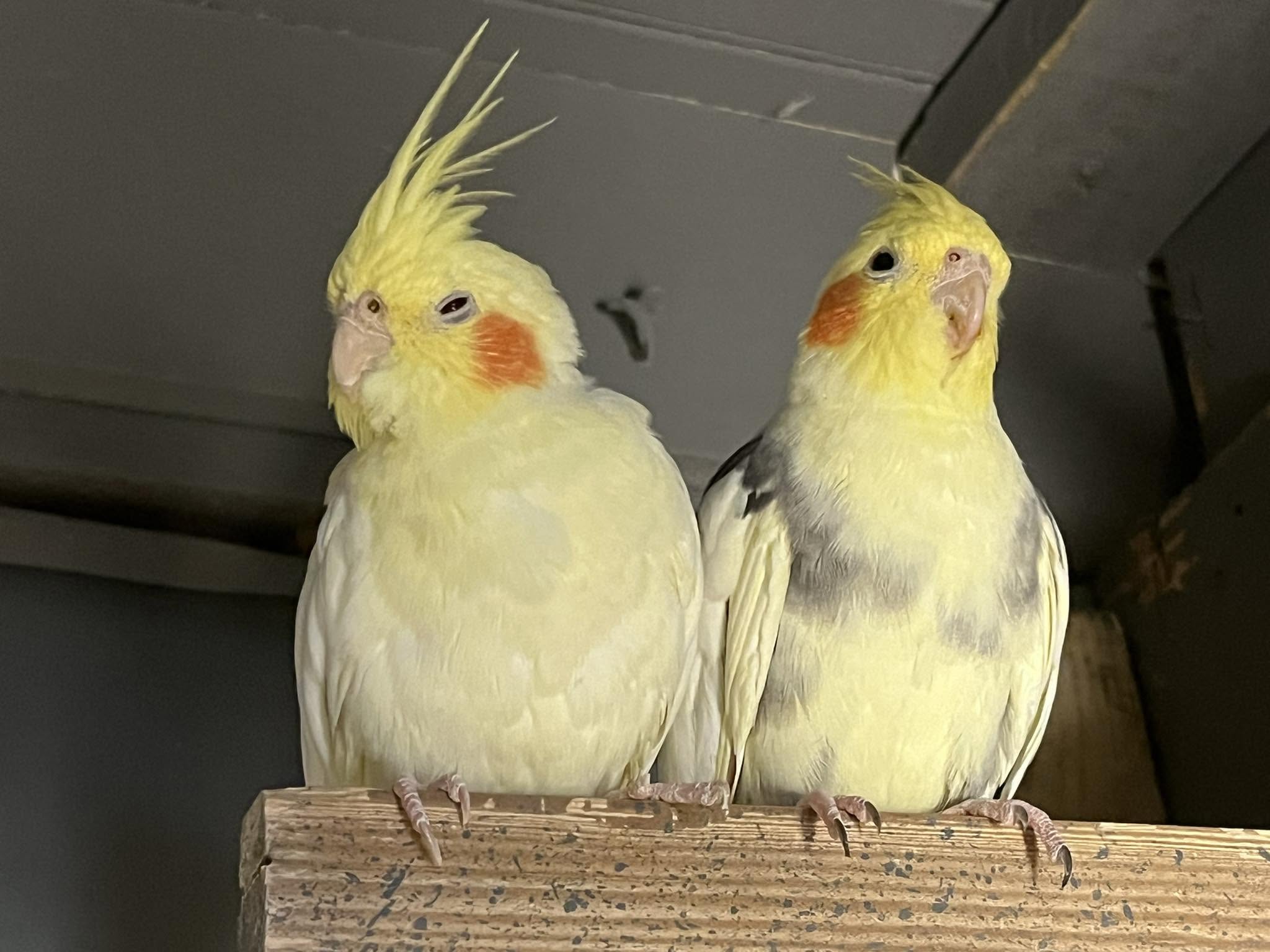
Canaries — Independent, Melodic, And Genuinely Lower-Maintenance
- Best suited to — households wanting the pleasure of a genuinely musical bird without the need for extensive daily hands-on interaction; people who enjoy birdsong as a primary draw rather than physical handling and bonding
- Noise level — male canaries sing regularly and the song is generally considered pleasant rather than disruptive, though it is genuinely frequent through the day, particularly in spring; this is worth experiencing rather than only imagining, as some people find consistent birdsong more present in daily life than expected
- Time commitment — considerably lower than budgies or cockatiels in terms of required social interaction; canaries are generally not handled extensively and do not typically form the same hands-on bond, making them genuinely well suited to households wanting a beautiful, low-maintenance companion rather than an interactive pet
- Typical lifespan — 10 to 15 years with good care
- Cost considerations — comparable to or slightly lower than budgies for initial and ongoing costs
- Why this was the right recommendation for the man with irregular hours — a canary thrives without the intensive daily social interaction a cockatiel needs, while still offering genuine daily presence and reward through its song and behaviour, matching a household where consistent hands-on interaction was not realistic
Small Animals — When A Bird May Not Actually Be The Right Fit At All
I want to include this honestly, because part of giving good advice at this counter is occasionally telling someone that a bird, of any species, is not the right pet for their situation at all.
- If genuine daily interaction is not realistic and you are specifically wanting a more independent, lower-maintenance pet — small animals such as guinea pigs or hamsters may suit your situation better than any bird, and we are happy to talk through this honestly rather than steer every conversation toward a bird purchase regardless of fit
- If noise of any kind, even moderate birdsong, is genuinely incompatible with your living situation — a tight rental agreement, very thin shared walls, a household member with specific sensory sensitivities — this is worth raising directly with us, as it may rule out birds as a category rather than simply narrowing the species choice
- We would always rather have this honest conversation upfront — a bird returned or rehomed because the fundamental fit was wrong from the start is a worse outcome for everyone, including the bird, than a slightly disappointing but more honest recommendation toward a different kind of pet entirely
The Comparison At A Glance
| Species | Daily Interaction Needed | Noise Level | Typical Lifespan | Best Suited To |
|---|---|---|---|---|
| Budgie | Moderate — benefits from daily attention, forgiving of some flexibility | Moderate, generally flat-friendly | 7–10 years | Most first-time owners and families |
| Cockatiel | High — needs consistent near-daily social interaction | Can be loud; piercing whistle in some individuals | 15–20+ years | Households able to offer genuinely consistent daily attention |
| Canary | Low — minimal hands-on interaction required | Frequent but generally pleasant song, particularly in spring | 10–15 years | Busier households wanting low-maintenance daily reward |
What To Do Once You Have Narrowed The Species Down
- Visit in person rather than buying purely from online research — spend genuine time observing and, where appropriate, interacting with the actual birds before committing; this is the only way to get a real sense of individual temperament alongside the general species characteristics covered in this article
- Ask about the specific bird’s age, history, and handling background — at Paradise Pets we only stock birds from UK breeders we know personally, and we are always happy to talk through this directly
- Set up the cage and environment before bringing the bird home — appropriate size and bar spacing for your chosen species, positioned correctly, ready and waiting rather than assembled in a rush on the day
- Be honest with us about your situation — the more accurately we understand your household’s routine, noise tolerance, and time availability, the better we can help match you to the right individual bird, not just the right species
Frequently Asked Questions
What is the easiest pet bird for a beginner in the UK?
Budgies are, in most cases, the best starting point for a first-time UK bird owner. They offer a genuinely high ceiling for taming, interaction, and even speech mimicry in some individuals, while remaining relatively forgiving of a household still learning the basics of bird care. They are also among the more affordable species to set up and maintain, which makes them a sensible entry point before considering a species with a higher commitment requirement.
Which pet bird is quietest for a flat or apartment?
Budgies generally produce a moderate noise level that is well tolerated in flats and shared housing. Canaries sing frequently but the song is generally considered pleasant rather than disruptive, though it is worth experiencing in person if you are sensitive to frequent birdsong throughout the day. Cockatiels are the species most likely to cause noise concerns in close-proximity housing, due to a piercing whistle-based vocalisation present in some individuals.
How much time does a pet bird actually need from its owner each day?
This varies considerably by species. Budgies benefit from daily interaction but tolerate some flexibility in routine reasonably well, particularly if kept as a pair. Cockatiels need consistent, near-daily social interaction and can develop behavioural problems such as feather plucking or excessive screaming without it. Canaries require the least hands-on daily interaction of the three, making them well suited to busier households that still want the genuine daily reward of a pet bird’s presence and song.
What is the longest-living common pet bird?
Of the species most commonly kept as pets in the UK, cockatiels typically live the longest, with a lifespan of 15 to 20 years or more with good care — a genuinely significant, decades-long commitment worth weighing carefully. Canaries typically live 10 to 15 years, and budgies typically live 7 to 10 years, though individual birds in any of these species can live considerably longer with excellent care.
Should I get a single bird or a pair?
This depends on how much genuine daily interaction your household can realistically commit to, more than it depends on the specific species. A single bird that receives consistent, dedicated daily attention will typically bond more closely with you than a bird kept as part of a pair. A pair is generally the better choice if daily interaction is likely to be inconsistent, as the birds provide companionship for each other rather than relying solely on you.
Is a bird always the right pet, or might a small animal suit me better?
Not always, and it is worth being honest with yourself about this before buying. If genuine daily interaction is not realistic for your household and you are specifically looking for a lower-maintenance, more independent pet, a small animal such as a guinea pig may be a better fit than any bird species. If noise of any kind is genuinely incompatible with your living situation, this may rule out birds as a category. A good shop should be willing to have this honest conversation with you rather than steering every enquiry toward a bird purchase regardless of fit.
Where can I see birds for sale in Swindon before deciding?
Come in to Paradise Pets at Manor Garden Centre, Cheney Manor Industrial Estate, Swindon SN2 2QJ — or call us on 01793 512400. We stock budgies, cockatiels, canaries, and other cage and aviary birds, all sourced from UK breeders we know personally. Spend some genuine time with us talking through your household’s routine and what you are hoping for, and we will help you find the bird that honestly fits your life.
How do I know if a Swindon bird shop is reputable before buying?
Look for a shop that asks you genuine questions about your household and routine before recommending a species, rather than simply selling whichever bird you point at. A reputable shop should be able to tell you the specific age, history, and handling background of any bird you are interested in, and should source from known, traceable UK breeders rather than anonymous suppliers. A willingness to honestly suggest a different species, or even a different kind of pet entirely, if that genuinely suits your situation better, is one of the clearest signs of a shop prioritising the right outcome over the immediate sale.
One Last Thing From Me
The man who came in wanting a cockatiel and left with a canary rang the shop a few months later, not with a problem but simply to say how things were going. He described coming home after long, irregular shifts to a bird that was settled, content, and that greeted him with song rather than the kind of anxious, attention-seeking behaviour he had read about as a risk with a cockatiel in his specific situation.
“I’d never even have considered a canary,” he said. “I didn’t know enough about any of this to know what I actually needed.”
That sentence, in one form or another, is something I hear regularly, and it is exactly why this article exists. Most people searching for birds for sale in Swindon arrive with a species already half-decided, based on something they saw rather than something they have honestly worked out about their own life. The right bird is out there for almost every household — but working out which one it actually is takes an honest conversation about your routine, your noise tolerance, and your time, rather than a quick glance at whichever bird looks most appealing on the day.
Looking For The Right Pet Bird In Swindon? Come And Have That Honest Conversation
Tell us about your household, your routine, and what you are hoping for, and we will help you work out which bird — and which species — genuinely fits your life. Free advice, no obligation. That is how we have done things here for 35 years.