
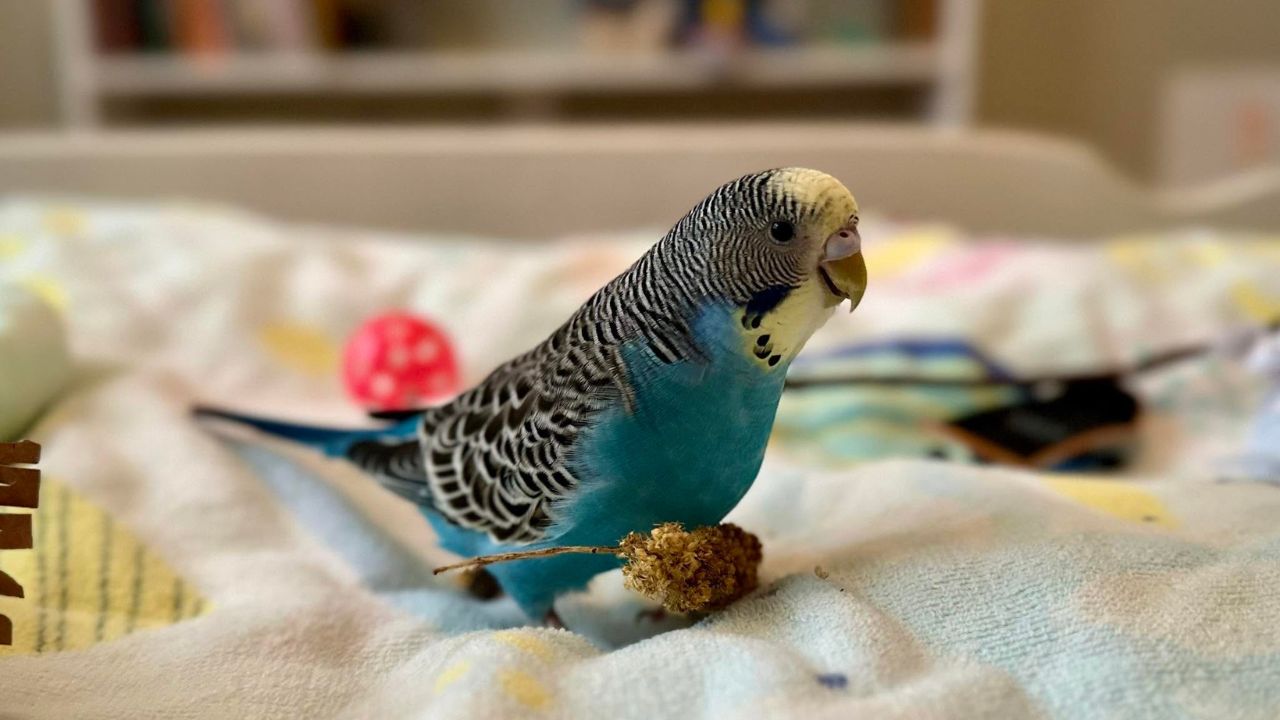

Neil has kept, bred, and sold cage and aviary birds at Paradise Pets Swindon since 1988 — over 35 years of first-hand experience with budgerigars, cockatiels, canaries, finches, and dozens of other species. New data confirms that nine out of ten swifts return to reuse the same nest site year after year — a degree of fidelity to place and partnership that has surprised even experienced ornithologists. After 35 years watching birds, Neil explains what that loyalty reveals about bird psychology — and why it matters directly for how UK owners understand and keep pet budgies.
I have always paid attention to swift data. They are one of the most studied birds in the UK — the BTO and various university research groups have been tracking individual birds for decades — and what they reveal about bird psychology is consistently more interesting than the headlines suggest.
The latest confirmation that nine out of ten swifts return to the same nest site every year, and that pair bonds are maintained across breeding seasons at similar rates, is one of those findings that sits quietly in the specialist literature and deserves more attention than it typically gets. Not because swift conservation is not important — it is — but because of what it tells us about how birds relate to place, to partnership, and to consistency in ways that have direct implications for the birds in our living rooms.
This is the connection most people will not make. I want to make it explicitly, because after 35 years I am convinced that understanding why swifts fly back to the same roof every summer is one of the more useful things a budgie owner can be told.
What the Swift Nest Fidelity Data Actually Shows
Before drawing the parallel to pet birds, it is worth understanding what the swift data is actually measuring — because the ninety percent nest site fidelity figure is more striking when you understand the context in which it occurs.
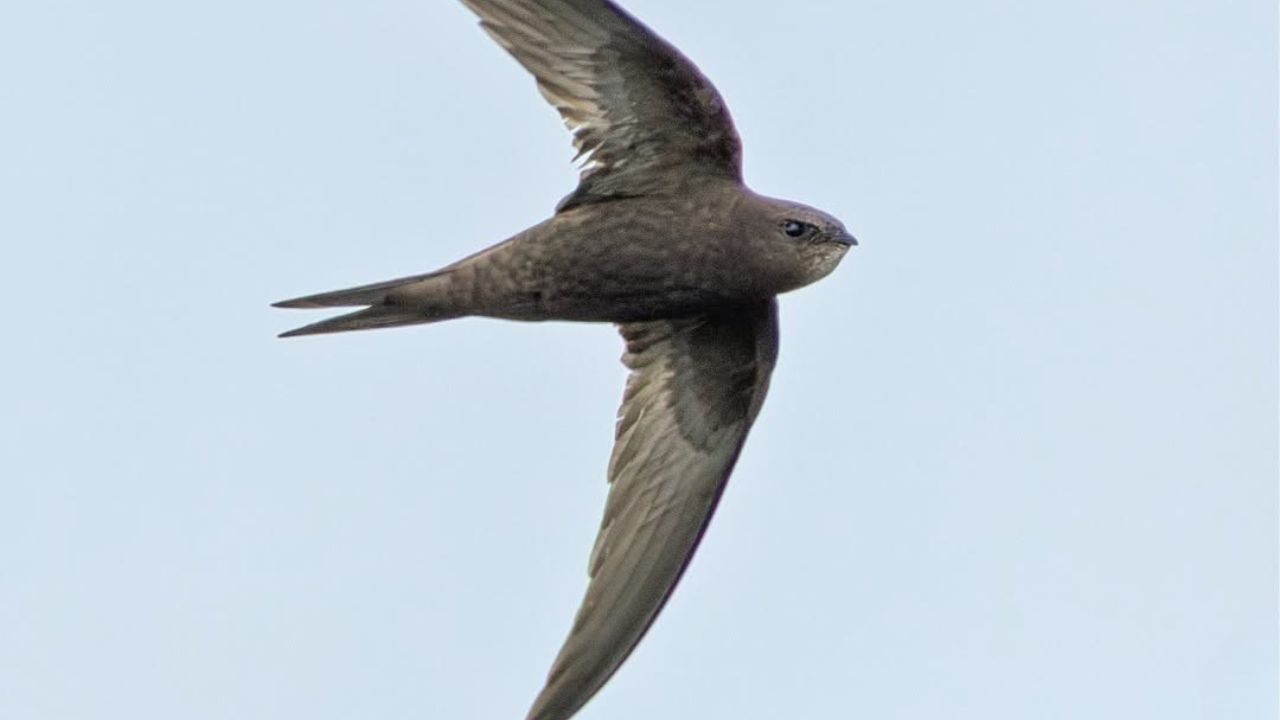
Common swifts spend the winter in sub-Saharan Africa, covering distances of up to fourteen thousand kilometres on their migration. They are aerial birds that, when not at the nest, spend almost all of their time in flight. They sleep on the wing. They feed on the wing. They are, in almost every dimension of their lives, creatures of open sky with no fixed relationship to any specific place.
Except one. The nest site.
When swifts return in May, paired birds reunite at the same nest cup, in the same building, in the same location they used the previous year. Not approximately the same location — the same site, identifiable to within centimetres. Research using individually marked birds has confirmed this repeatedly across long-term studies. A swift that has bred successfully at a nest site will return to that site across multiple years, across tens of thousands of kilometres of migration, with a fidelity that is essentially without parallel among comparably mobile birds.
The pair bond component is equally striking. Swifts maintain pair bonds across breeding seasons at rates exceeding seventy percent in stable populations. The same two birds, returning from independent migrations to the same site, reuniting to breed again. The bond and the place are intertwined — the site is where the relationship is anchored.
What the data shows, when you look at it this way, is that swifts — birds that live their entire non-breeding lives in the most unstructured, unattached way imaginable — have a profound biological need for continuity at the point that matters most. The nest site is not just a convenient location. It is a fixed point in a life otherwise defined by movement. It is where trust, familiarity, and successful breeding history are accumulated and held.
Why Birds Need Continuity — The Biology Behind the Loyalty
The swift’s nest site fidelity is not a charming quirk. It is the expression of a deep biological principle that runs through bird behaviour far more broadly than swifts: familiarity reduces stress, and reduced stress enables the physiological conditions under which birds thrive.
In birds, as in many animals, the stress response — the activation of the HPA axis, the release of corticosterone — is triggered by novelty, unpredictability, and the absence of reliable predictive cues. A bird in a familiar environment with familiar social partners and a known routine has a lower baseline stress hormone level than a bird in an unpredictable environment with unfamiliar partners. This is not a comfort preference. It is physiology. Lower baseline corticosterone supports immune function, reproductive success, and longevity. Elevated baseline corticosterone suppresses them.
The swift’s extraordinary return to the same nest site is, in this light, a physiologically motivated behaviour as much as a sentimental one. The familiar site is a low-stress site. The known partner is a low-stress partner. The accumulated history of successful breeding at a location is stored biological value — in the form of reduced uncertainty — that the bird protects by returning to it.
This principle applies across bird species, including the ones in our living rooms. A budgie in a stable, familiar environment with consistent, known social partners has a physiological advantage over one in an unpredictable environment with constantly changing conditions. The advantage is real and measurable. The loyalty the swift shows to its nest site is a vivid example of the same principle operating at an extreme scale.
What This Tells Us About Budgies Specifically
Budgerigars are, in their natural history, almost the opposite of swifts in one important respect. Swifts are highly site-faithful. Budgerigars are nomadic — they do not maintain fixed territories or return to specific nest sites across seasons. Their breeding is opportunistic, triggered by rainfall, and occurs in different locations year to year. Site fidelity is not part of their wild biology in the way it is for swifts.
But the underlying principle — that familiarity reduces stress, and reduced stress enables thriving — is the same. What differs is the object of that familiarity. For swifts, it is place. For budgerigars, it is social partners and social environment.
Wild budgerigars form stable pair bonds within their nomadic flocks. The individual pairings persist even as the flock moves and the location changes. The familiar partner — the known other bird, with its predictable behaviour and its established relationship — is what provides the continuity and the stress reduction that the swift gets from its nest site.
For pet budgies, this translates into something specific and important. The stable, known social partner — whether another budgie or a committed human keeper — is the fixed point around which the bird’s sense of security and physiological calm is organised. Disrupting that relationship, or failing to provide it consistently, has the same effect on a budgie that moving a swift’s nest site would have — it removes the point of continuity around which stable, low-stress functioning is built.
And providing it — consistently, reliably, as a genuine priority rather than an afterthought — has the same effect on a budgie that a successful return to a known nest site has on a swift. It lowers the baseline stress. It enables immune function. It supports the full expression of the bird’s social and cognitive capacity. It is the difference between coping and thriving.
The Three Things Budgies Need From Their Fixed Point
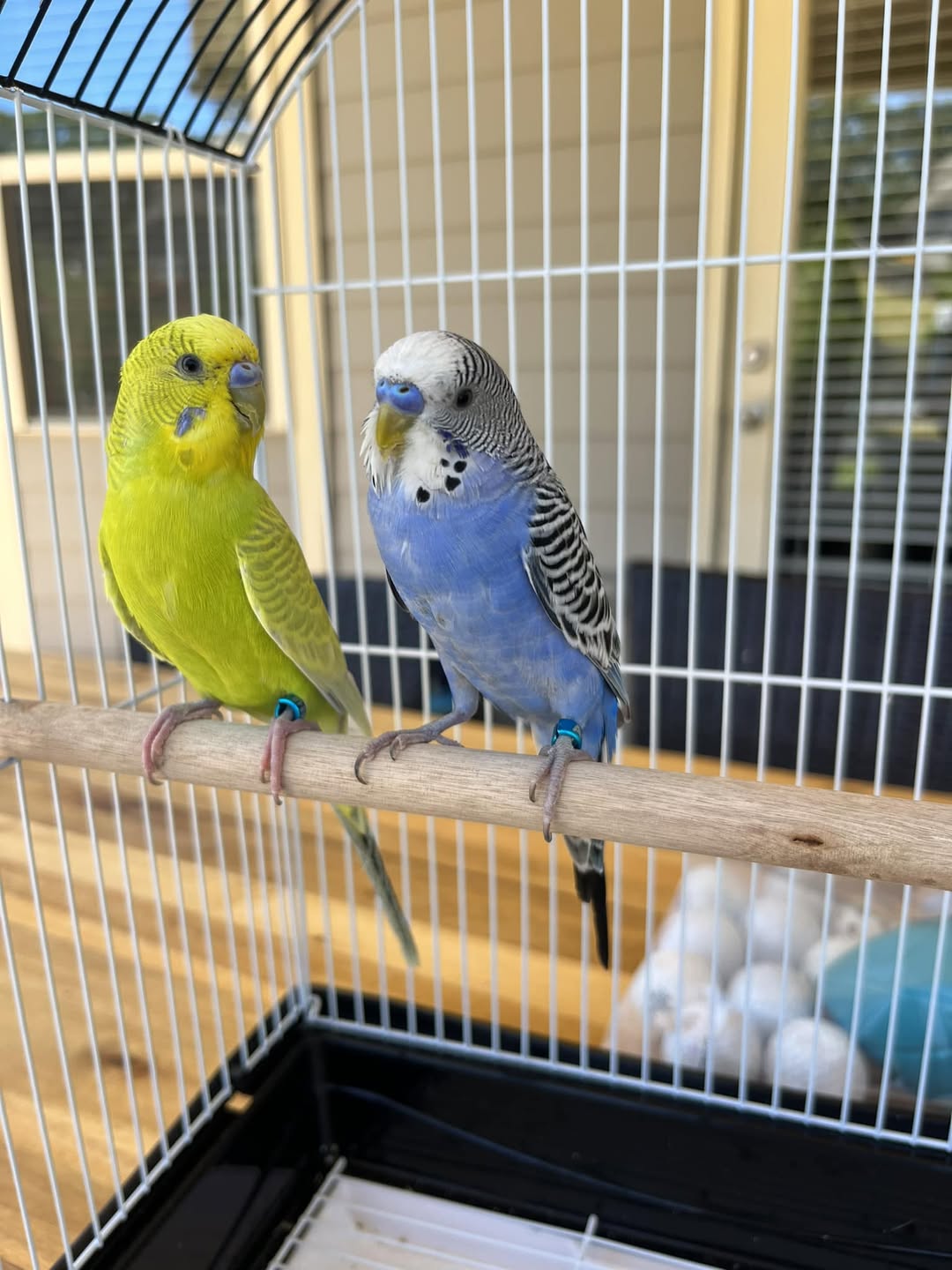
Taking the swift lesson seriously — that birds need a reliable, known fixed point of continuity around which stability is organised — means being specific about what that fixed point needs to provide for a pet budgie. Here are the three things I consider essential, based on what both the science and 35 years of observation tell me.
Consistency of Social Contact
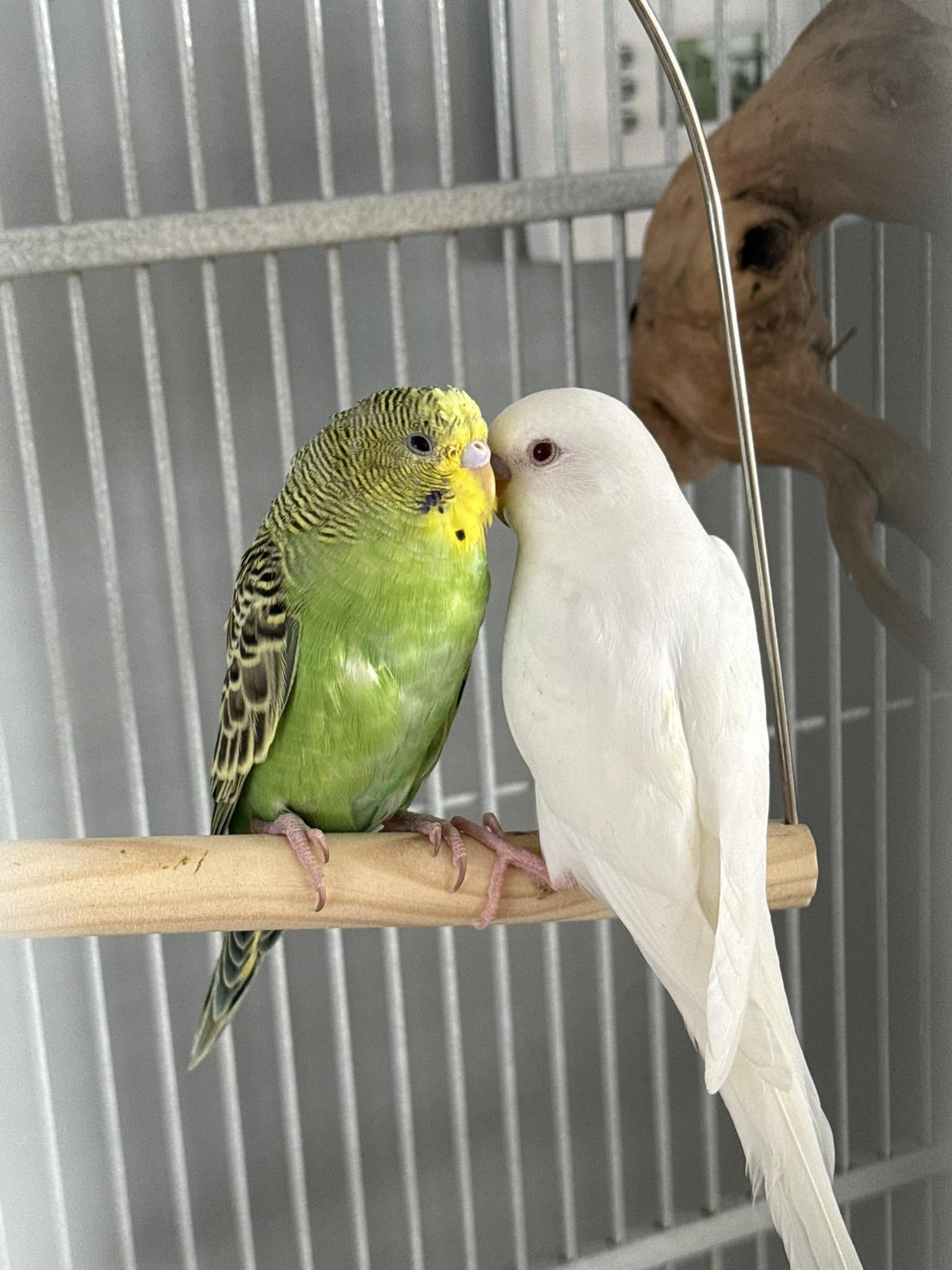
The most important single provision for a pet budgie is consistent, predictable social contact. Not intense or frequent by any extraordinary measure — but reliable. The same person, at roughly the same times, engaging in the same kinds of interaction. The bird knows what to expect. It knows when you will be there. It knows how you will behave. This predictability is the domestic equivalent of the swift’s known nest site — it is where the bird’s security is anchored.
The opposite — sporadic contact, unpredictable timing, long absences followed by intensive attention — is physiologically disruptive even when the total amount of time invested is the same. Consistency is the mechanism, not volume. Twenty minutes every day is worth more to a budgie than two hours on Saturday and nothing through the week. The swift does not return to a different building each year and achieve the same outcome. Neither does irregular contact substitute for reliable contact.
Stability of Environment
While budgerigars are not site-faithful in the way swifts are, they do develop a relationship with a familiar environment that reduces stress and enables normal functioning. A cage that is in a consistent position, with consistent furnishing, with predictable daily routines around cleaning and feeding, is a cage in which the bird’s environmental stress is minimised. Frequent, unpredictable changes — moving the cage, regularly rearranging the perches and toys, changing the feeding routine without transition — create the kind of unpredictability that the biology responds to with elevated stress.
This does not mean a static environment — novelty and variety in enrichment are important. It means that the fundamental structure of the environment — position, basic layout, daily routine — should be stable, with novelty introduced within that stable frame rather than as disruption to it.
Known, Trusted Partnership
The swift’s pair bond is maintained because it represents accumulated trust — a known partner whose behaviour is predictable, whose presence reduces uncertainty, and with whom successful breeding has a history. For a pet budgie, the equivalent is the relationship with its primary social companion, whether bird or human.
Building that trust takes time and consistency. It cannot be rushed and it cannot be faked. But once established, it is the most significant welfare provision a bird can have — the fixed point around which stable functioning is organised, the equivalent of the swift’s return to the known roof in May.
What Disrupts the Fixed Point — And What the Consequences Are
Understanding what the fixed point provides helps clarify what disrupting it costs. This is worth going through specifically because some of the most common disruptions to a budgie’s stability are things owners do without understanding the effect they have.
Rehoming
Moving a budgie from one home to another is one of the most significant disruptions to its stability that is possible. A bird that has built its social trust and environmental familiarity over months or years, moved to a completely new environment with new social partners and no familiar cues, is a bird that has had its fixed point removed entirely. The resettling process takes time — weeks to months depending on the bird’s age and previous experience — and during that period the bird is in an elevated stress state that affects its health and its behaviour.
This does not mean rehoming is always wrong — sometimes it is unavoidable and sometimes it is genuinely in the bird’s best interest. It means understanding what it involves for the bird and managing the transition accordingly, with patience and a deliberate investment in rebuilding the familiarity that was lost.
Significant Changes to the Household
New people in the household, new pets, significant changes to the owner’s routine, even major renovations or furniture changes near the cage — all of these represent disruptions to the predictable environment that the bird has mapped as safe. Birds vary in their sensitivity to household change, but the underlying biology is consistent: unpredictable change activates the stress response, and repeated or prolonged unpredictability has cumulative consequences.
This is not a counsel of stasis — life changes and households change. It is a reminder to be thoughtful about introducing changes gradually where possible, to maintain the most stable elements of the bird’s environment and routine during periods of wider household disruption, and to increase rather than decrease social contact during times when the bird’s environment is changing.
Inconsistent Social Contact
I have already covered this but it deserves emphasis in the context of the swift parallel. The swift that returns to the same nest site does so every year, without exception. Its pair partner is there. The site is there. The consistency is the point. An owner whose engagement with their bird is sporadic — intense when things are going well or when the bird is novel, absent when life is busy — is providing the opposite of what the swift analogy suggests the bird needs. The inconsistency is itself the stressor, independent of the total amount of contact time.
What the 650,000 Birdwatchers Can Learn From the Swifts They Are Counting
The Big Garden Birdwatch that brings 650,000 households into contact with wild birds every year is, among other things, a remarkable demonstration of how much people value the presence of birds in their lives. The effort that those households put into attracting and maintaining garden birds — the feeders, the nest boxes, the mealworms, the careful placement of water sources — reflects a genuine investment in the relationship.
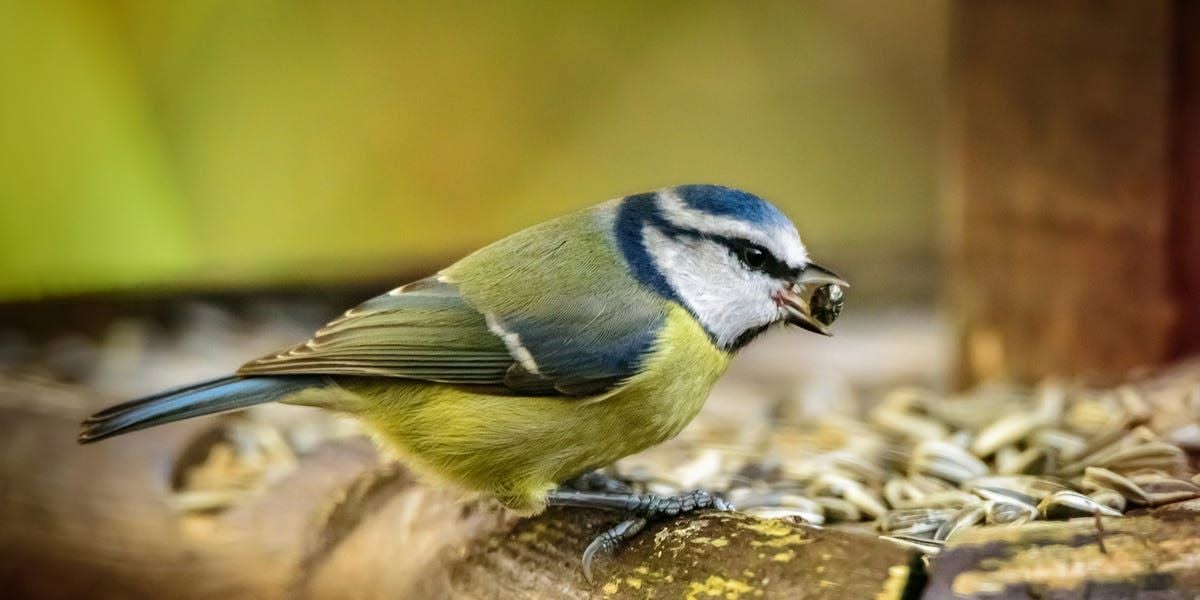
What those 650,000 households are doing, often without articulating it, is providing stability and predictability. The feeder in the same position. The water topped up reliably. The garden maintained in a way that makes it consistently attractive. And the birds — the robins, the blue tits, the sparrows — return to it with precisely the kind of site fidelity that the swift data documents at its most extreme. The garden birds that visit consistently are visiting because the garden has become a known, reliable, low-stress resource. The consistency of provision creates the loyalty of return.
This is exactly the dynamic that makes the best pet bird relationships work. The owner who provides consistently — who is there reliably, who maintains the environment thoughtfully, who invests in the relationship as a daily practice rather than an occasional gesture — is the owner whose bird returns that investment with the kind of trust and engagement that makes bird keeping genuinely rewarding.
The swift returns to the same roof because the roof has proven reliable. The budgie trusts the same hand because the hand has proven trustworthy. The biology is the same. The scale is different. The lesson is identical.
Frequently Asked Questions
How long does it take for a new budgie to establish its ‘fixed point’ with a new owner?
With consistent, patient daily interaction — the kind I describe in the first two weeks guidance I have written about elsewhere — most young budgies begin showing clear signs of the trust relationship within two to four weeks. Full establishment of the bond — the bird actively seeking your company, responding to your voice specifically, showing the settled behaviour that indicates low baseline stress — typically takes six to twelve weeks of consistent daily engagement. The process cannot be rushed, but it cannot be skipped either. Consistency is what builds it.
My budgie went through a period of stress when we moved house. How do I help it resettle?
The key is re-establishing the familiar elements as quickly as possible and then maintaining them consistently. The same cage in the new home. The same routine. The same person providing the same daily interaction. The familiar social partner — you — is the most important fixed point you can provide when everything else has changed. Increase your daily engagement time during the resettling period rather than reducing it, and allow the bird to adjust at its own pace without rushing the process.
Does a second budgie strengthen or weaken the bond with the human owner?
A second budgie typically reduces the degree to which the first bird relies on human social contact — two bonded birds meet each other’s social needs more completely than a single bird and human alone. This is a genuine tradeoff worth understanding before acquiring a second bird. For owners who are regularly absent during the day and whose primary concern is the welfare of a bird that would otherwise be alone, a second bird is almost always the right answer. For owners who are primarily seeking an interactive, handleable pet and are able to provide good daily human contact, the tradeoff deserves careful consideration.
Where can I get advice about building a genuine bond with my budgie in Swindon?
Come and see us at Paradise Pets, Manor Garden Centre, Cheney Manor, Swindon SN2 2QJ, or call us on 01793 512400. We will go through where you are in the process, what might be getting in the way, and what consistent daily practice looks like for your specific situation. Free advice, no obligation.
One Last Thing
The 650,000 families who count garden birds every January are, in their own way, participating in something the swifts have been doing for millions of years — returning to the same place, finding the same familiar presences, and experiencing the particular quality of comfort that comes from things being where and what they were expected to be.
It is one of the most fundamentally bird things there is. The swift crossing fourteen thousand kilometres to land on the same nest cup. The robin appearing at the same garden feeder at the same time of the same winter morning. The budgie flying to the same shoulder at the sound of the same voice.
These are not separate phenomena. They are the same biology expressing itself at different scales — the deep need for a known fixed point in a changing world, and the remarkable things that biology makes possible when that need is reliably met.
Be the fixed point. Do it every day. That is the whole lesson.
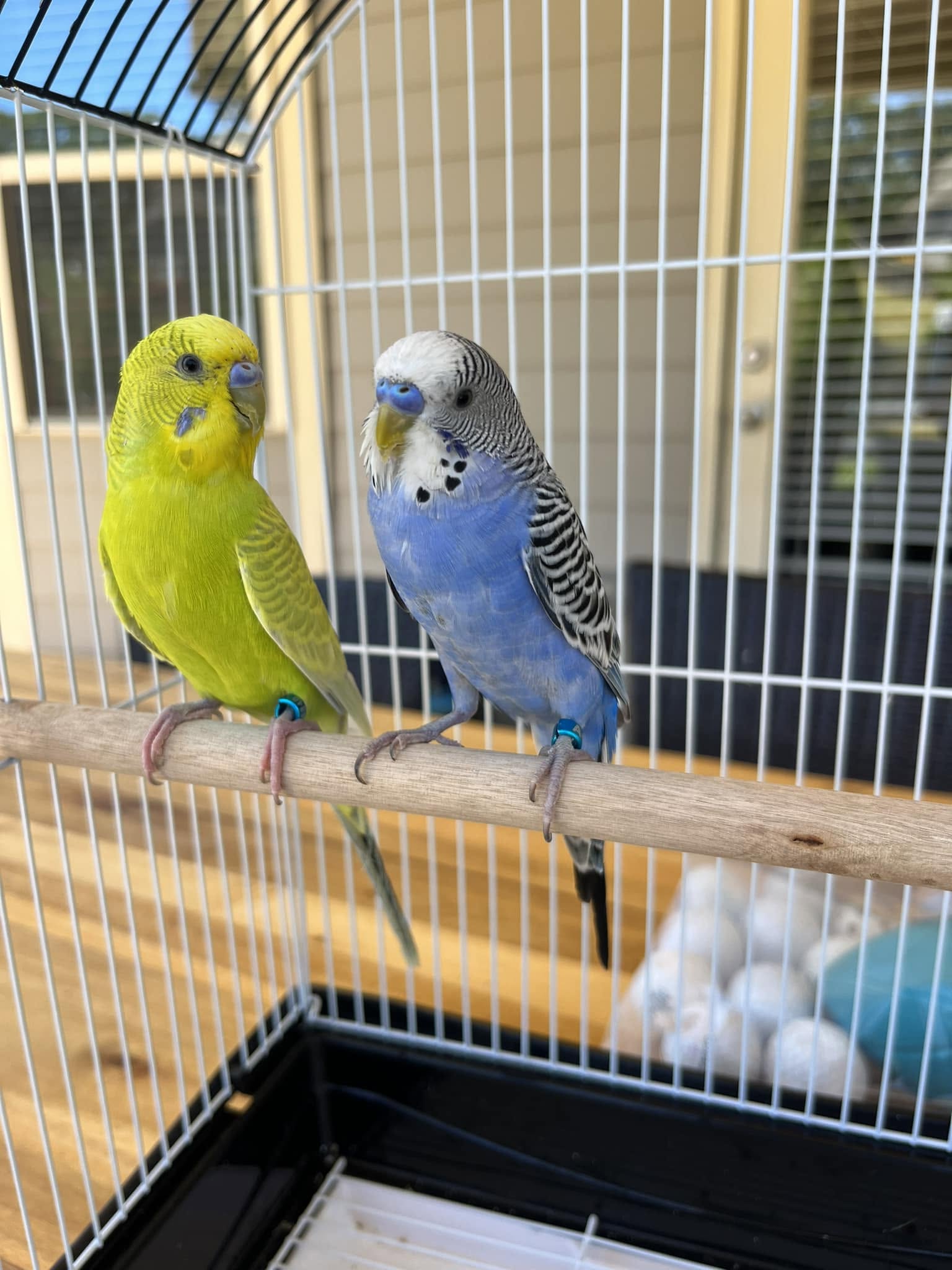
Want to Build the Kind of Bond With Your Budgie That Makes Bird Keeping Genuinely Rewarding? Come In and We Will Help
We will talk through consistency, daily routine, and what genuine engagement looks like — honestly, with 35 years behind the answer. Free advice, no obligation. That is how we have done things since 1988.