
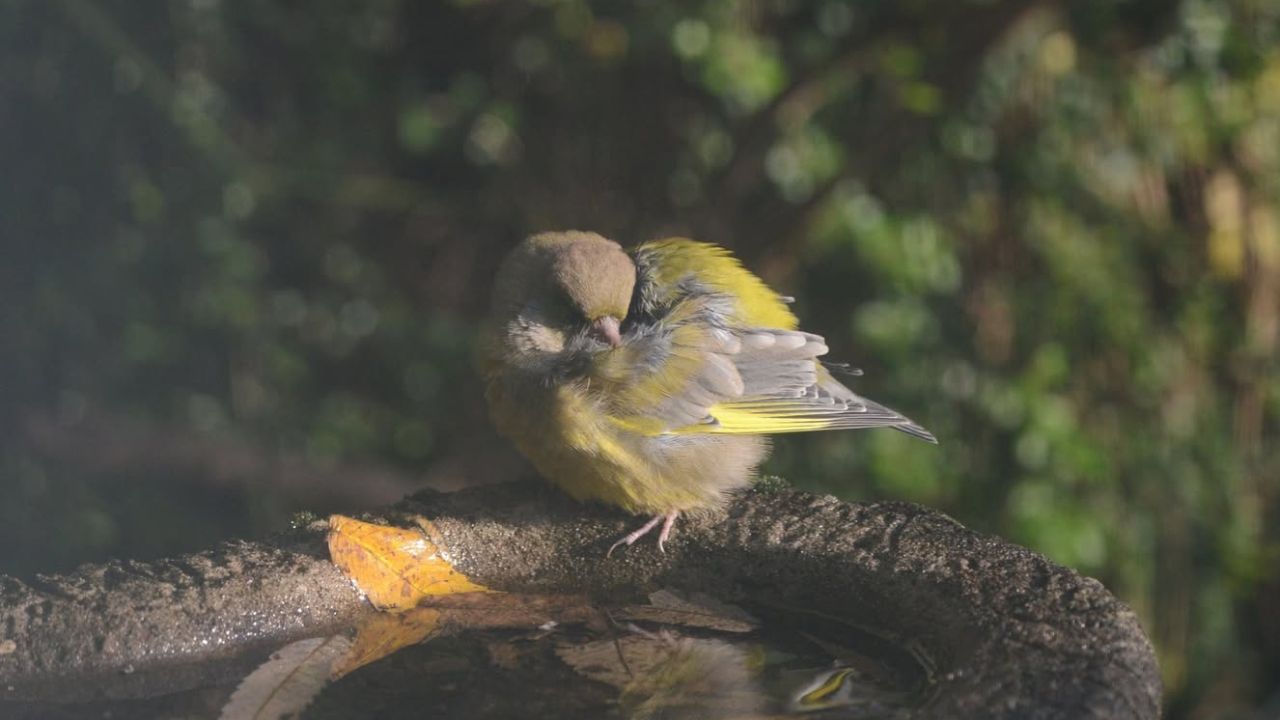

Neil has kept, bred, and sold cage and aviary birds at Paradise Pets Swindon since 1988 — over 35 years of first-hand experience with budgerigars, cockatiels, canaries, finches, and dozens of other species across UK households. The UK Greenfinch population collapse is now genuinely well-documented — from approximately 4.3 million breeding birds in 2006 to around 1 million by 2021 according to British Trust for Ornithology (BTO) research, a decline of over 77 percent representing the largest scale mortality of British birds due to infectious disease on record. The cause is trichomonosis, a parasitic disease caused by Trichomonas gallinae. And this specific parasite is genuinely already present in UK pet bird populations — capable of infecting UK budgies, cockatiels, canaries, and other cage birds through routes that welfare-conscious UK pet bird owners can meaningfully address. But whilst the broader awareness of the UK Greenfinch crisis has grown across UK bird enthusiast communities, most UK pet bird owners have not been given the specific practical checking protocol that welfare-led response actually requires. This is Neil’s honest, welfare-led action guide — the specific symptoms UK pet bird owners must check for today, the immediate isolation protocol if trichomonosis is suspected, the welfare-standard prevention protocol every UK pet bird household should be following, and exactly when to contact your UK avian vet urgently.
A regular customer came into the shop one Saturday morning, visibly worried and looking for immediate practical guidance. She had been reading about the UK Greenfinch collapse over the previous few days, had recognised the disease name — trichomonosis — but had not been given clear practical guidance about what to actually do about it as a UK pet bird owner. Her pet budgies Buddy and Belle had lived in her Swindon living room for three years. She wanted to know exactly what symptoms she should be checking for in her budgies right now, what she should be doing to prevent infection, and when she should be seeing her UK avian vet urgently. She wanted an action list, not an awareness lecture. She wanted the specific practical protocol welfare-conscious UK pet bird owners actually need.
I sat with her for an hour and walked her through the exact protocol I have been giving UK pet bird customers for the past several years as the UK Greenfinch crisis has continued to develop. Trichomonosis in UK pet cage birds is genuinely preventable through welfare-appropriate protocols, genuinely recognisable through specific symptoms, and genuinely treatable when identified early with proper UK avian vet intervention. But the protocol requires knowing exactly what to check for, exactly what to do, and exactly when to escalate to veterinary intervention. She left that afternoon with a specific action list she implemented immediately in her budgie setup — daily welfare-led symptom checks, weekly welfare-standard cleaning protocol, water and feeder replacement schedule, wild bird contact prevention, and emergency UK avian vet contact prepared. Two weeks later she came back to tell me both budgies were completely fine, her prevention protocol was now solidly in place, and she felt genuinely equipped to protect Buddy and Belle from the disease that had reshaped UK wild finch populations.
I am writing this article because the UK Greenfinch trichomonosis crisis is real, the disease genuinely affects UK cage birds, and most UK pet bird owners currently do not have the specific practical action protocol welfare-led response requires. Awareness of the crisis is genuinely growing across the UK bird enthusiast community, but awareness without action protocol does not protect individual UK pet birds. The specific checks and prevention steps required are practical, achievable, and genuinely welfare-appropriate for any UK pet bird household committed to protecting their birds from infection.
This article is the conversation I have at the counter with UK pet bird owners who understand the crisis exists but need the practical checking and prevention protocol. By the end of it, you will know exactly what symptoms to check for in your UK pet birds today, exactly what welfare-standard prevention protocol you should be implementing this week, exactly what emergency response looks like if trichomonosis is suspected in your birds, and exactly when to contact your UK avian vet urgently rather than waiting for confirmation.
The UK Greenfinch Crisis Context — What UK Pet Bird Owners Must Know
For UK pet bird owners wanting to understand the specific context of the disease threatening UK cage birds, here is the honest picture based on verified BTO research and 35 years of counter observation.
What the verified UK research actually shows about trichomonosis:
- UK Greenfinch population fell from 4.3 million to approximately 1 million between 2006 and 2021 per BTO Breeding Bird Survey
- 77 percent overall population decline — largest infectious disease impact on British birds on record
- Trichomonosis caused by Trichomonas gallinae parasite
- Disease “jumped” from pigeons and doves to finches in 2005
- UK Greenfinch added to UK Red List in 2021
- UK Chaffinch population also affected — declined from 2nd to 5th most common wild bird
- Disease spread through contaminated water, food, and regurgitation
- Present in UK cage bird populations as well as wild birds
- Peak transmission July to October traditionally though year-round now
- Multiple UK finch species affected — greenfinch, chaffinch, dunnock, siskin, house sparrow, great tit
- Budgies, cockatiels, canaries, and other pet species susceptible through contamination routes
- Genuinely preventable through welfare-appropriate protocols in UK pet bird settings
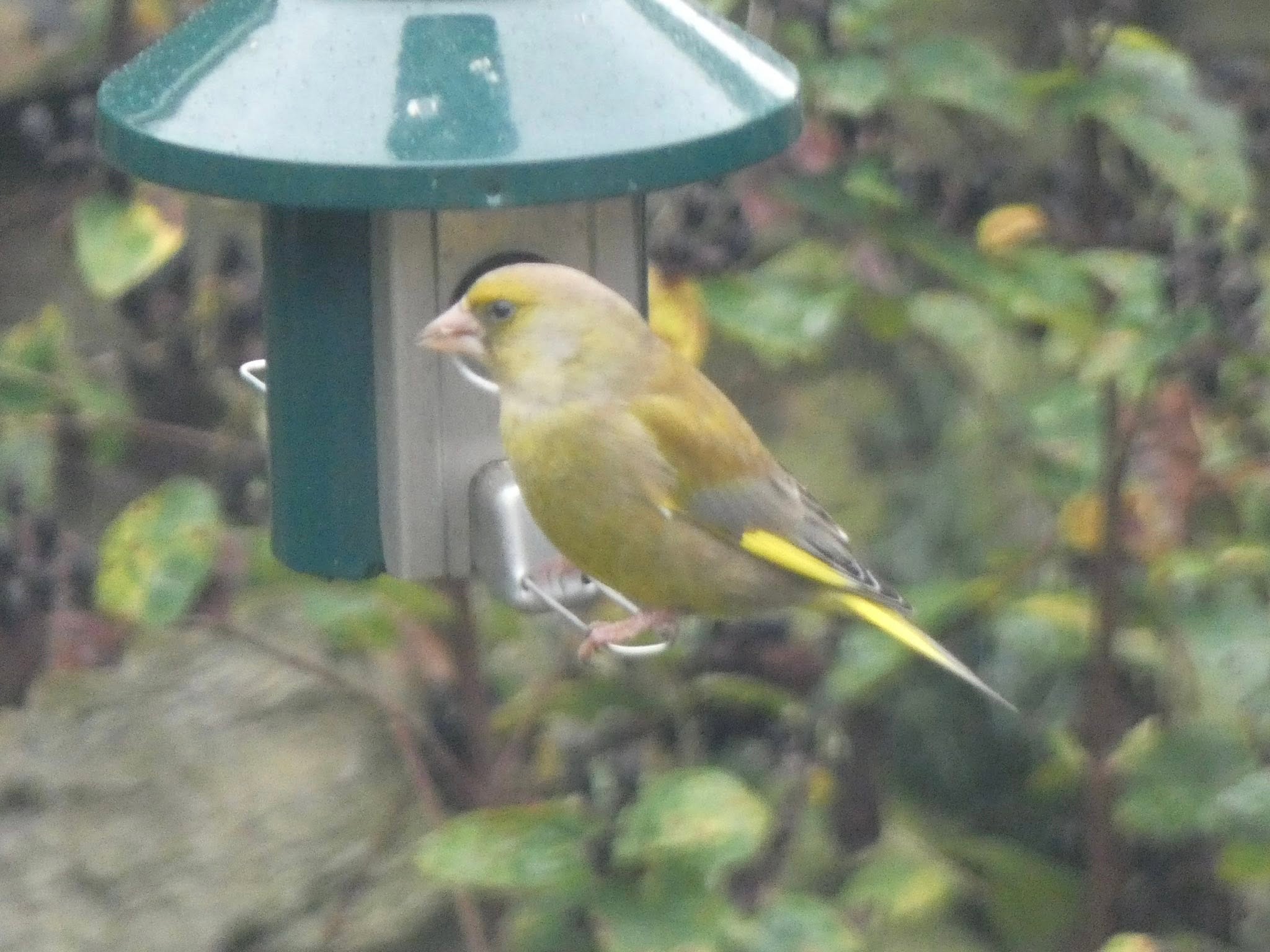
The context matters because UK pet bird owners need to understand that trichomonosis is not a distant threat affecting only wild UK birds. It is present in UK pet bird populations and represents genuine risk that welfare-led UK owners can address through specific practical protocols. The scale of the wild UK Greenfinch collapse demonstrates the parasite’s genuine capacity for large-scale bird mortality. UK pet birds are protected from that mortality by welfare-appropriate housing and care — but only when the specific prevention protocol is actively maintained.
After 35 years at the counter, I have come to believe UK pet bird owner understanding of the specific trichomonosis prevention and recognition protocol is genuinely one of the most important welfare interventions the UK pet bird community can implement collectively. Individual UK pet bird welfare depends on individual UK owner implementation of the specific protocol this article describes.
For broader context on the UK Greenfinch crisis and cage bird implications, our article on the disease that wiped out UK Greenfinches can reach your cage birds too covers the wider awareness context that supports the action protocol in this article.
The Specific Symptoms Every UK Pet Bird Owner Must Check Today
For UK pet bird owners wanting to know exactly what to check for in their pet birds today, here is the honest picture of trichomonosis symptoms based on veterinary literature and 35 years of counter observation.
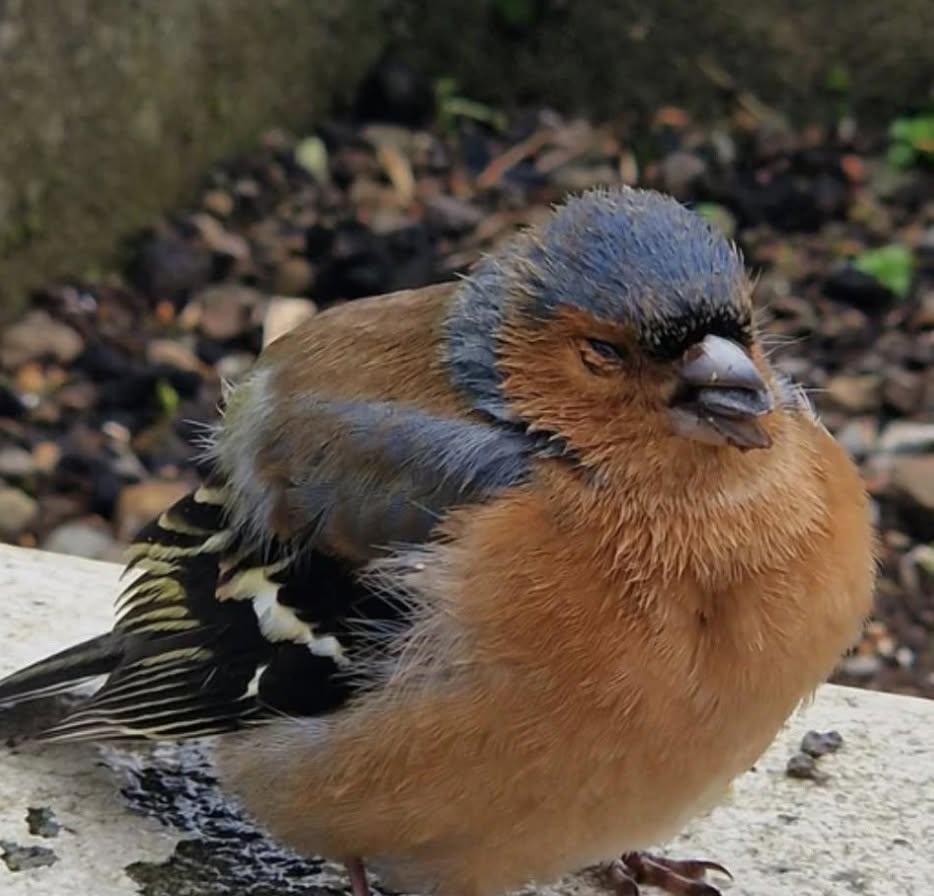
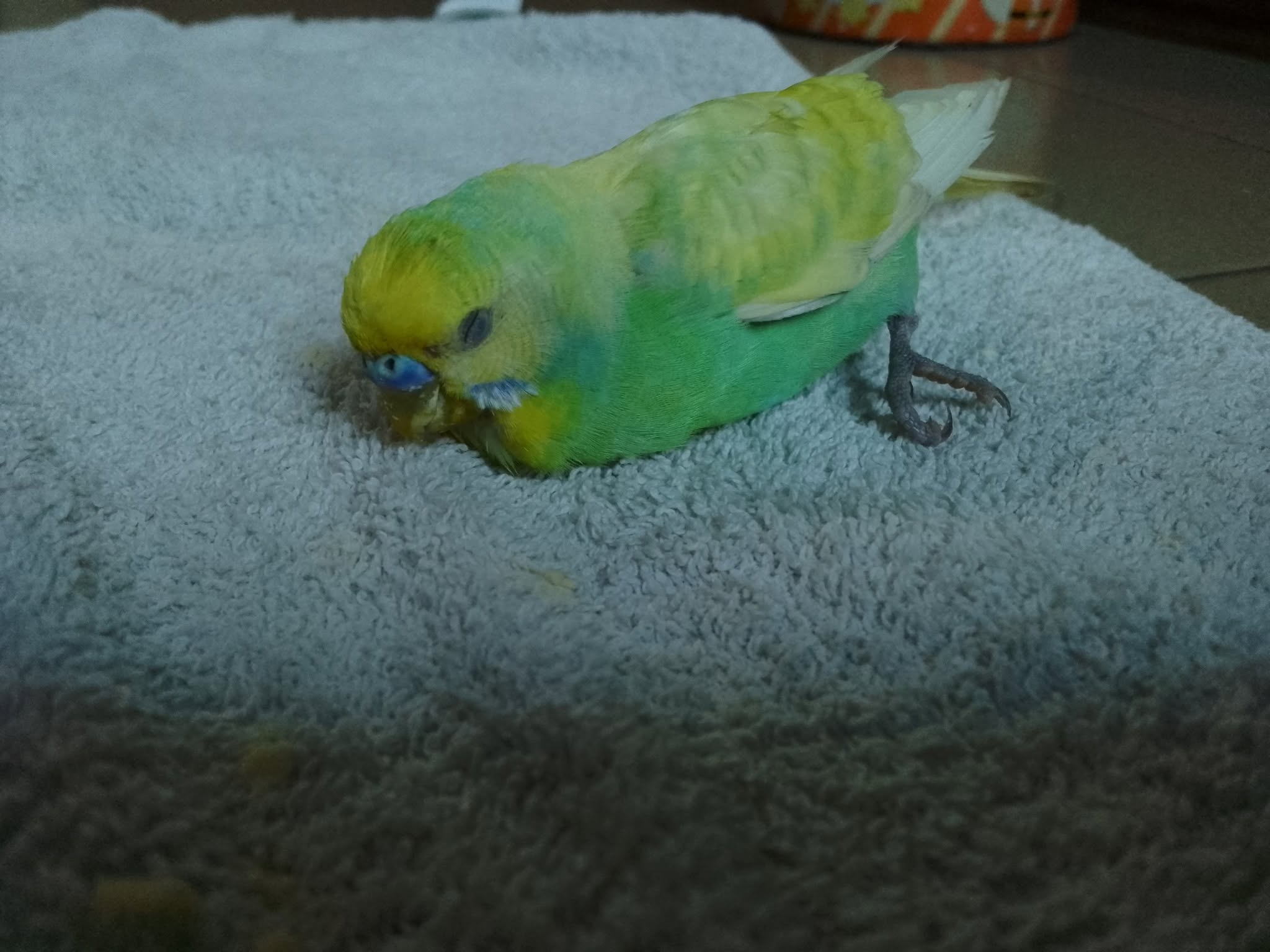
- Fluffed-up appearance during normal daytime hours
Healthy UK pet birds have smooth sleek feathers during active daytime. Persistent fluffing indicates illness — trichomonosis frequently produces this early sign. - Difficulty swallowing or reduced eating
Trichomonosis produces lesions in throat and crop that make swallowing difficult. Watch for hesitation at food dishes, dropping food, or reduced consumption. - Wet or matted feathers around the beak or head
Regurgitation and drooling from throat lesions cause characteristic wet appearance. This is one of the most specific trichomonosis indicators. - Visible material or plaques inside the beak or throat
Yellow or white cheesy-looking plaques inside the mouth are classic trichomonosis lesions. Requires gentle examination. - Weight loss and reduced body condition
Handle your bird gently and check keel bone prominence. Rapid weight loss is a serious warning sign. - Lethargy and reduced activity
UK pet birds spending unusual time sitting still, not interacting with environment, not vocalising as normal. - Puffy or swollen neck appearance
Crop enlargement or throat swelling visible through feathers. - Vomiting or regurgitation without breeding context
UK pet birds regurgitating food or fluid at times or in ways that do not reflect normal courtship or feeding behaviour. - Increased water consumption alongside other symptoms
Attempting to drink more due to throat discomfort or dehydration. - Bad breath or noticeable odour from beak area
Infection produces genuine detectable odour in some cases.
The symptoms of trichomonosis are genuinely recognisable when UK pet bird owners know what to look for. The daily check protocol takes only a few minutes but produces the early detection that makes UK avian vet treatment successful.
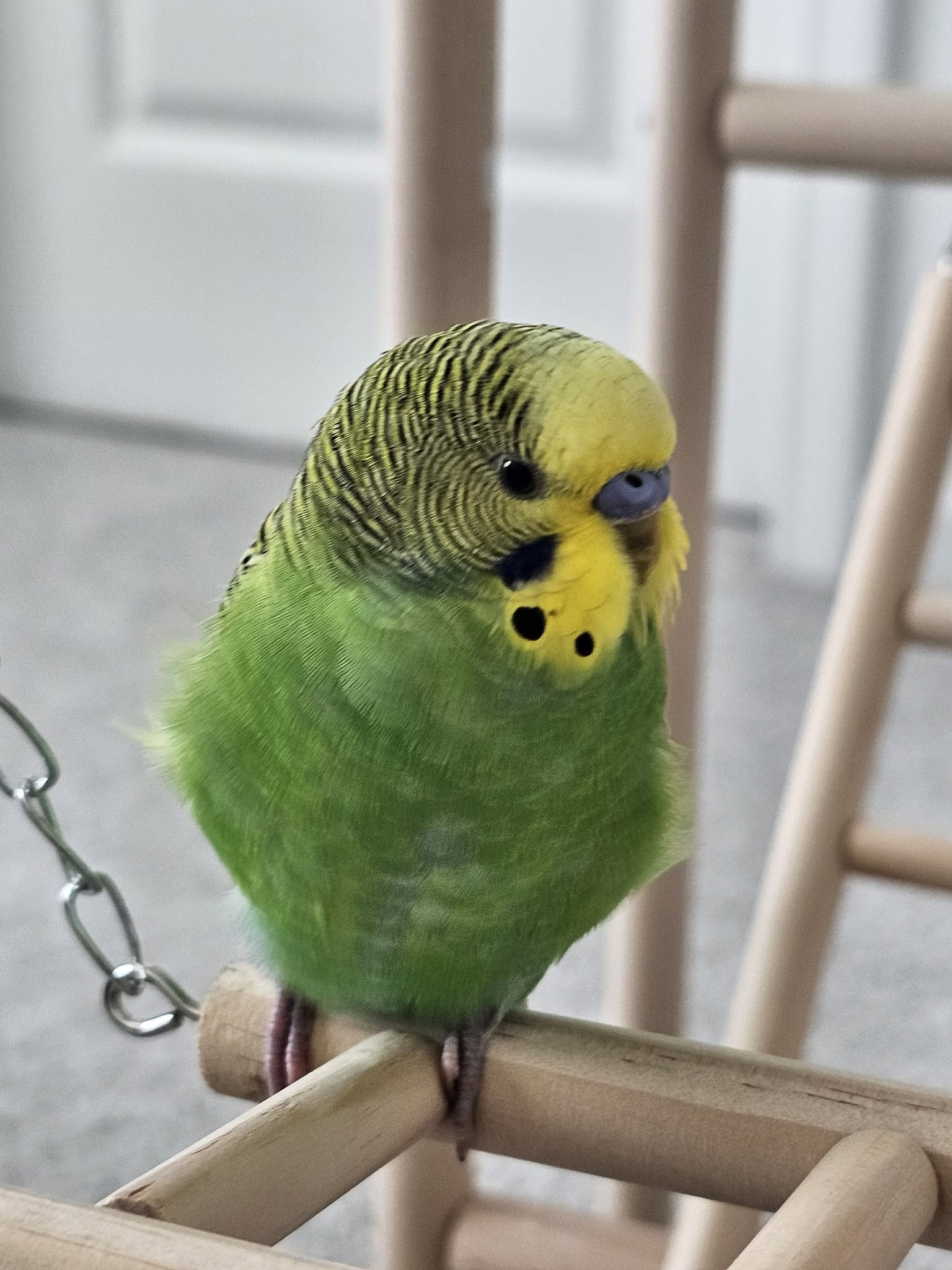 Not every symptom on this list indicates trichomonosis — other conditions can produce some of these signs. But if you observe multiple symptoms from this list simultaneously in your UK pet bird, or if you observe any of the more specific signs (visible plaques, wet head feathers, difficulty swallowing), the welfare-appropriate response is immediate UK avian vet contact rather than waiting to see if symptoms resolve.
For more on UK pet bird welfare-standard care that supports overall health and disease resistance, our article on why new science confirms UK pet birds have complex inner lives covers the welfare-led setup that supports UK pet bird welfare across multiple dimensions.
The Welfare-Standard UK Pet Bird Prevention Protocol — This Week’s Action Plan
For UK pet bird owners wanting to implement the specific prevention protocol this week, here is the honest picture based on BTO guidance combined with 35 years of practical UK pet bird welfare experience.
- Daily fresh water changes with proper cleaning
Empty water dish completely, wash with hot soapy water, rinse thoroughly, refill with fresh water. Trichomonosis parasite survives in contaminated water — daily changes break transmission chain. - Weekly welfare-standard cage disinfection
BTO recommends dilute sodium hypochlorite (household bleach at approximately 5 percent solution) for effective disinfection. Wash cage bars, perches, and accessories weekly. Rinse thoroughly and allow to dry completely before returning to use. - Daily food dish cleaning between refills
Empty completely, wash with hot soapy water, rinse, dry, then refill fresh. Contaminated food surfaces support parasite survival between meals. - Wild bird contact prevention
Keep UK pet bird cages away from open windows during warm months. Prevent contamination from wild bird droppings entering pet bird environment. Cover outdoor aviaries appropriately. - Bird bath cleaning protocol if provided
Empty and clean daily. Refresh water. Contaminated bathing water is a specific transmission route. - Prevent contact between UK pet birds and wild bird feeding stations
Do not allow UK pet birds out-of-cage access to areas where wild birds may have contaminated surfaces or shared feeders. - Quarantine any new UK pet bird arrivals for minimum 30 days
Separate housing, separate equipment, separate care handling. Prevents introducing parasites to existing UK pet bird flock. - Separate cages for multiple UK pet birds where practical
For established flocks, careful observation and welfare-led management continues; for new introductions, quarantine strictly. - Hand hygiene between UK bird contact and other activities
Wash hands thoroughly after handling UK pet birds, cleaning cages, or contact with any wild bird activity in your garden. - Establish UK avian vet relationship if not existing
Preventative check-up if UK avian vet is new to your birds. Emergency contact prepared for urgent situations.
The prevention protocol is genuinely achievable for UK pet bird owners in typical UK households. None of the steps require exceptional resources or expertise — they require consistent implementation as part of weekly UK pet bird care routine.
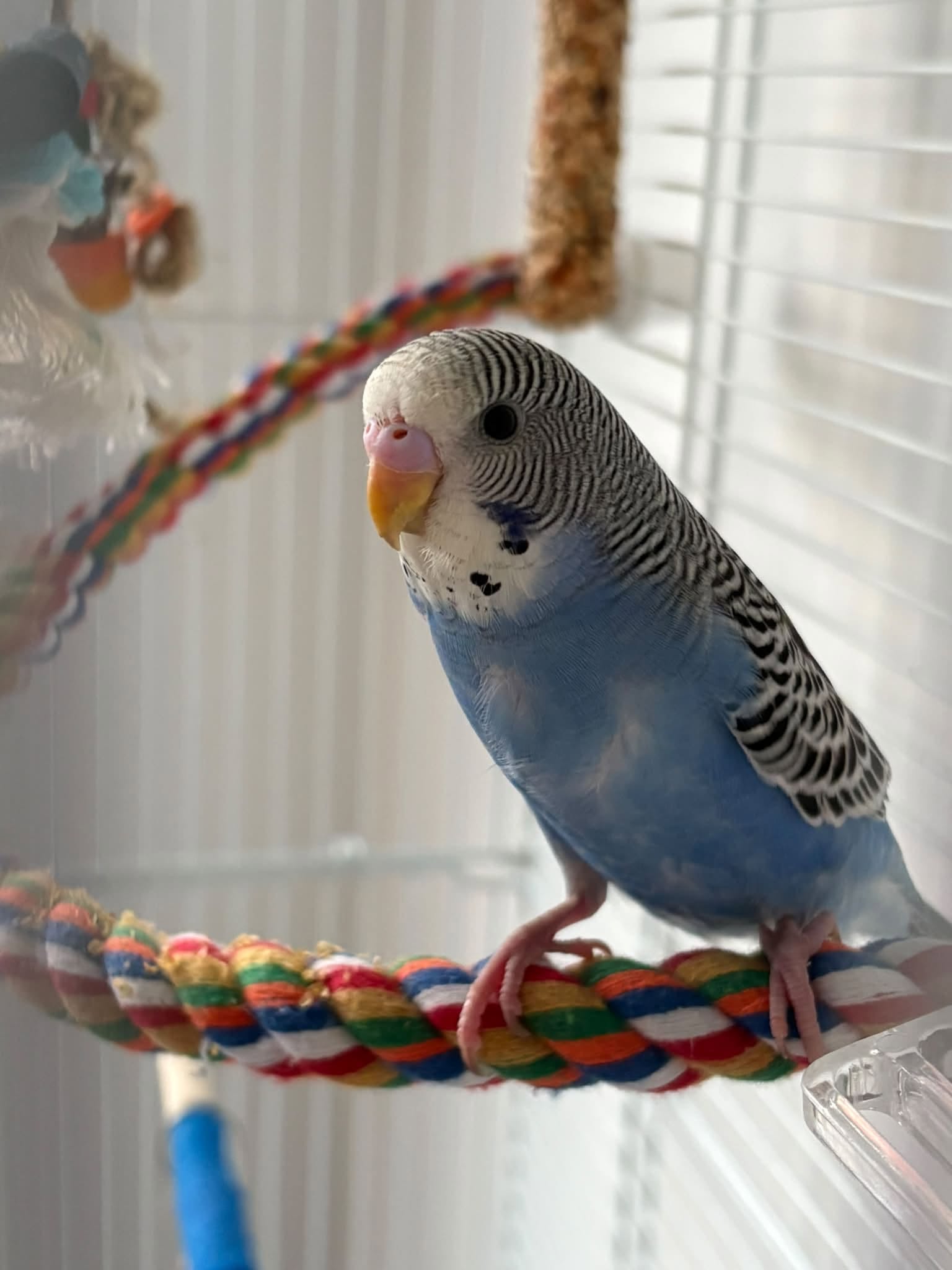 The single most impactful prevention step is welfare-standard weekly cage disinfection with dilute sodium hypochlorite solution. This breaks the primary transmission chain that supports parasite persistence in UK pet bird environments. UK pet bird owners who implement only this single protocol element consistently reduce trichomonosis risk substantially.
For UK pet bird owners already maintaining welfare-led setups, the specific trichomonosis prevention protocol integrates naturally with existing welfare-appropriate care. For UK pet bird owners with less rigorous existing protocols, this is genuinely the moment to upgrade to welfare-standard hygiene practice.
Emergency Response — What To Do If You Suspect Trichomonosis Today
For UK pet bird owners who observe symptoms today and suspect trichomonosis, here is the honest emergency response protocol based on veterinary guidance and 35 years of UK pet bird welfare experience.
- Immediately isolate the suspected bird — separate cage in different room, do not delay separation
- Contact UK avian vet the same day — trichomonosis progresses quickly, delay reduces treatment success
- Do not attempt home treatment without UK avian vet guidance — anti-parasitic medications require veterinary prescription and dosing
- Provide fresh water and easily-swallowed food — softened seed, gentle food access to maintain hydration and nutrition
- Deep-clean the affected bird’s cage and equipment using sodium hypochlorite solution before any potential return
- Deep-clean equipment used for other UK pet birds in the household — cross-contamination prevention critical
- Monitor other UK pet birds in the household closely — daily welfare-led symptom checks intensified
- Wash your hands thoroughly between bird contacts — human transmission of parasite possible
- Prepare UK avian vet with observation details — when symptoms started, which symptoms, other birds’ status
- Follow UK avian vet treatment protocol precisely — full medication course even if bird appears improved
- Continue enhanced prevention protocol after recovery — trichomonosis reinfection possible
- Report to Garden Wildlife Health if applicable — supports UK bird welfare research
The emergency response protocol matters because trichomonosis progresses quickly. UK pet birds showing symptoms today can deteriorate significantly within 24-48 hours without treatment. Same-day UK avian vet contact is genuinely the difference between successful treatment and severe welfare outcomes.
 Anti-parasitic medications for trichomonosis are effective when administered promptly and correctly by qualified UK avian vets. Metronidazole is the typical treatment, dosed appropriately for the specific bird species and weight. Full course completion is essential — apparent improvement after a few days does not mean the parasite has been eliminated. UK pet bird owners must follow UK avian vet treatment guidance precisely.
For UK pet bird owners without established UK avian vet relationships, the practical implication is establishing this relationship before any emergency situation develops. Emergency UK avian vet access is substantially easier when the relationship already exists.
UK Pet Bird Species Most At Risk From Trichomonosis
For UK pet bird owners wanting to understand which specific species require particular vigilance, here is the honest picture based on veterinary literature and observed patterns.
UK pet bird species with documented trichomonosis susceptibility:
- Budgerigars (budgies) — commonly kept UK pet species, susceptible to infection
- Cockatiels — UK pet parrot species, susceptible through contamination routes
- Canaries — related to affected wild UK finch species, particular vigilance warranted
- Zebra finches and other UK pet finch species — direct family relationship to affected wild species
- Bengalese finches (society finches) — UK pet finch species requiring vigilance
- Larger UK pet parrots — African Grey, Amazon, Macaw species susceptible
- UK pet dove and pigeon species — historical hosts of Trichomonas gallinae
- UK pet quail if kept — game bird species with trichomonosis susceptibility
- Any UK pet bird kept alongside affected species — cross-contamination risk
- UK pet birds with immune-compromised status — elderly, ill, or stressed birds at higher risk

The species range susceptible to trichomonosis is genuinely broad across UK pet bird populations. UK pet bird owners with multiple species in their households need to apply the prevention protocol comprehensively across all UK pet birds, not just species they perceive as most vulnerable.
UK pet finch species deserve particular vigilance given the close relationship to the wild UK finch species that have suffered the documented population collapse. Canaries, zebra finches, Bengalese finches, and other UK pet finch species require the strict daily welfare-led symptom checking protocol described in this article.
For more on UK pet bird welfare-appropriate housing that supports disease resistance and welfare-led care generally, our article on why most UK budgie cages fall short of RSPCA guidance covers welfare-standard setup that supports overall UK pet bird welfare and resilience.
Common UK Pet Bird Owner Questions About Trichomonosis
For UK pet bird owners with specific practical questions about the trichomonosis protocol, here are the honest counter-experience answers I give at Paradise Pets.
- “Can my UK pet budgie catch trichomonosis from wild UK birds?”
Yes, through contamination routes. Direct contact is not required — contaminated surfaces, water, or food that traces back to wild UK bird activity can transmit the parasite to UK pet birds. - “How often should I really be cleaning cages and equipment?”
Water dishes daily. Food dishes daily. Cages weekly with disinfectant. Perches weekly. Complete deep clean monthly. Not more often — welfare-led cleaning matters more than obsessive cleaning. - “Is the bleach solution safe for my UK pet birds?”
Yes when used correctly — dilute solution, thorough rinsing, complete drying before UK pet bird returns to environment. Bleach residue is harmful; properly rinsed and dried equipment is safe. - “What if my UK avian vet does not have specific trichomonosis experience?”
Ask for referral to UK avian specialist. Trichomonosis treatment protocols are established and accessible to UK vets willing to consult specialist resources. - “Can UK pet birds be vaccinated against trichomonosis?”
No effective vaccine currently available for UK pet bird trichomonosis. Prevention through hygiene protocol is the primary welfare-led response. - “How do I know if my UK pet birds have been exposed but not yet showing symptoms?”
UK avian vet can perform diagnostic testing if exposure is suspected. Prophylactic treatment sometimes appropriate in specific exposure situations. - “Should I stop feeding wild UK birds in my garden if I have UK pet birds indoors?”
No, but follow RSPB current guidance including seasonal summer pause, hygienic feeder maintenance, and preventing wild bird contact with indoor UK pet bird areas. - “How long does the parasite survive in the environment?”
Trichomonas gallinae survives poorly in dry environments — this is why complete drying after cleaning is welfare-critical. Wet contaminated environments support longer parasite survival. - “What is the recovery time for UK pet birds treated for trichomonosis?”
With prompt UK avian vet treatment, most UK pet birds recover within 2-4 weeks. Delayed treatment substantially reduces recovery success. - “Can trichomonosis affect humans?”
Trichomonas gallinae is a bird parasite. Human trichomoniasis is caused by a different species. However, hygiene practices remain important when handling potentially infected UK pet birds.
The honest answers reflect the practical reality UK pet bird owners face rather than theoretical concerns. UK pet bird owner questions about trichomonosis typically focus on practical implementation — how often, what products, what to do when — rather than on theoretical background. This article prioritises practical implementable guidance over theoretical explanation because welfare-led UK response requires practical action.
Frequently Asked Questions
How serious is the UK Greenfinch trichomonosis crisis really?
Genuinely serious — the largest scale mortality of British birds due to infectious disease on record according to BTO research. The UK Greenfinch population declined from approximately 4.3 million breeding birds in 2006 to around 1 million by 2021, representing a 77 percent decline. UK Greenfinch was added to the UK Red List in 2021 reflecting genuine species conservation concern. UK Chaffinch populations have also been affected, declining from the second to fifth most common UK wild bird species. The scale of documented mortality demonstrates the parasite’s capacity for significant bird welfare impact when transmission is not controlled.
Is my UK pet budgie really at risk from trichomonosis?
Yes, through documented contamination routes. Trichomonas gallinae can infect UK pet budgies, cockatiels, canaries, finches, and other pet bird species. The parasite spreads through contaminated water, food surfaces, and regurgitation. UK pet birds are not directly exposed to wild UK bird contact typically, but can be exposed through contamination routes — bird feeders visible from cage areas, wild bird activity near open windows, contaminated hands from wild bird garden interaction, or contact with contaminated surfaces that trace back to wild UK bird activity. The prevention protocol described in this article specifically addresses these transmission routes.
What is the single most important prevention step I should take today?
Weekly welfare-standard cage disinfection with dilute sodium hypochlorite (approximately 5 percent household bleach solution). This single protocol element breaks the primary transmission chain that supports parasite persistence in UK pet bird environments. Combined with daily fresh water changes and daily food dish cleaning, weekly cage disinfection provides substantial trichomonosis risk reduction. UK pet bird owners implementing only these three protocol elements consistently reduce trichomonosis risk meaningfully compared to less rigorous hygiene approaches.
How quickly can trichomonosis progress in UK pet birds?
Rapidly — UK pet birds showing symptoms today can deteriorate significantly within 24-48 hours without treatment. This is why same-day UK avian vet contact is welfare-critical when symptoms are observed. Trichomonosis produces lesions in throat and crop that interfere with swallowing and cause rapid decline in body condition when untreated. Prompt UK avian vet intervention with appropriate anti-parasitic medication typically achieves full recovery. Delayed intervention substantially reduces treatment success and can result in severe welfare outcomes.
Which UK pet bird species are most at risk?
UK pet finch species deserve particular vigilance given close relationship to affected wild UK finch species — canaries, zebra finches, Bengalese finches, and other UK pet finches. Budgies, cockatiels, and other commonly kept UK pet parrots are also susceptible. Larger UK pet parrots including African Grey, Amazon, and Macaw species are susceptible. UK pet dove and pigeon species are historical hosts of the parasite. Realistically, the specific prevention protocol should be applied comprehensively across all UK pet birds in the household regardless of species.
Should I stop feeding wild UK birds in my garden?
No, but follow current RSPB guidance which includes seasonal summer pause during trichomonosis peak transmission months (May to October), hygienic feeder maintenance protocols, and appropriate feeder cleaning schedule. The key issue is preventing wild bird activity from contaminating UK pet bird environments — cage placement away from windows during warm months, hand hygiene between wild bird garden activity and UK pet bird contact, and general awareness of contamination routes. UK garden bird feeding continues to matter for UK wild bird welfare and can continue alongside welfare-led UK pet bird protection.
Where can I get UK pet bird trichomonosis advice in Swindon?
Come and see us at Paradise Pets, Manor Garden Centre, Cheney Manor, Swindon SN2 2QJ. We provide welfare-led UK pet bird advice including trichomonosis prevention protocol implementation, symptom recognition guidance, and UK avian vet referral information for Swindon and surrounding areas. Free thoughtful advice based on 35 years of UK pet bird welfare experience. Ring us on 01793 512400.
One Last Thing From Me
“What should I actually be doing about the UK Greenfinch trichomonosis crisis for my own UK pet birds?” is the question UK pet bird owners ask me most often once they understand the crisis exists, and one I want to answer with complete practical clarity. The honest answer, after 35 years at the counter and increasingly over recent years watching the crisis develop, is — the specific practical protocol this article describes, starting today. Daily welfare-led symptom checking of your UK pet birds. Daily fresh water changes with proper cleaning. Daily food dish cleaning. Weekly welfare-standard cage disinfection with dilute sodium hypochlorite solution. Wild bird contact prevention. Quarantine protocol for any new UK pet bird arrivals. UK avian vet relationship established and emergency contact prepared. And immediate same-day UK avian vet contact if any concerning symptoms are observed. The protocol is genuinely practical, genuinely achievable for any UK pet bird household, and genuinely effective at reducing trichomonosis risk for UK pet birds. UK pet bird owners who implement the protocol consistently protect their UK pet birds from a disease that has caused documented catastrophic decline in UK wild bird populations. UK pet bird owners who do not implement the protocol leave their UK pet birds vulnerable to the same parasite that has reshaped UK wild finch populations over the past two decades. After 35 years at the counter, I have come to believe UK pet bird owner implementation of this specific practical protocol is one of the most impactful welfare interventions the UK pet bird community can undertake collectively. Individual UK pet bird welfare depends on individual UK owner implementation of the specific action steps this article describes. The protocol is not theoretical. It is practical, immediate, and genuinely welfare-critical for UK pet bird protection today.
The customer with Buddy and Belle that Saturday morning? She went home and implemented the protocol immediately. Daily water changes with proper cleaning. Daily food dish cleaning. Weekly cage disinfection with dilute bleach solution. Prevented wild bird contact by keeping windows closed during warm months. Established UK avian vet relationship with local Swindon practice. Two weeks later she came back to tell me both budgies were completely fine, her prevention protocol was solidly in place, and she felt genuinely equipped to protect Buddy and Belle from trichomonosis long-term. The practical action protocol had produced practical welfare-led outcome that awareness alone could not achieve.
That is what I want for every UK pet bird owner reading this article. Not the passive awareness of the UK Greenfinch crisis without practical response. Not the anxiety about a threat you feel powerless against. But the specific practical implementation of the welfare-led UK pet bird protection protocol that welfare-conscious UK owners can genuinely execute in typical UK households starting today.
The UK Greenfinch trichomonosis crisis is real. The disease is present in UK bird populations including UK pet birds. The prevention protocol is genuinely effective when implemented consistently. And UK pet bird owner action starting today is what protects individual UK pet birds from the disease that has reshaped UK wild finch populations.
If you have specific questions about implementing the trichomonosis protocol for your UK pet birds, want honest assessment of your current welfare-led hygiene approach, or want UK avian vet referral information for the Swindon area, please come in for a chat. After 35 years at the counter, helping UK pet bird owners implement welfare-led disease prevention protocol is one of the most genuinely valuable things any independent UK pet shop can do.
Want To Discuss The UK Pet Bird Trichomonosis Protocol? Come And See Me Today
We provide welfare-led UK pet bird advice including trichomonosis prevention protocol implementation, welfare-standard hygiene guidance, and UK avian vet referral information for Swindon and surrounding areas. Free thoughtful advice based on 35 years of UK pet bird welfare experience. That is how we have done things since 1988.