
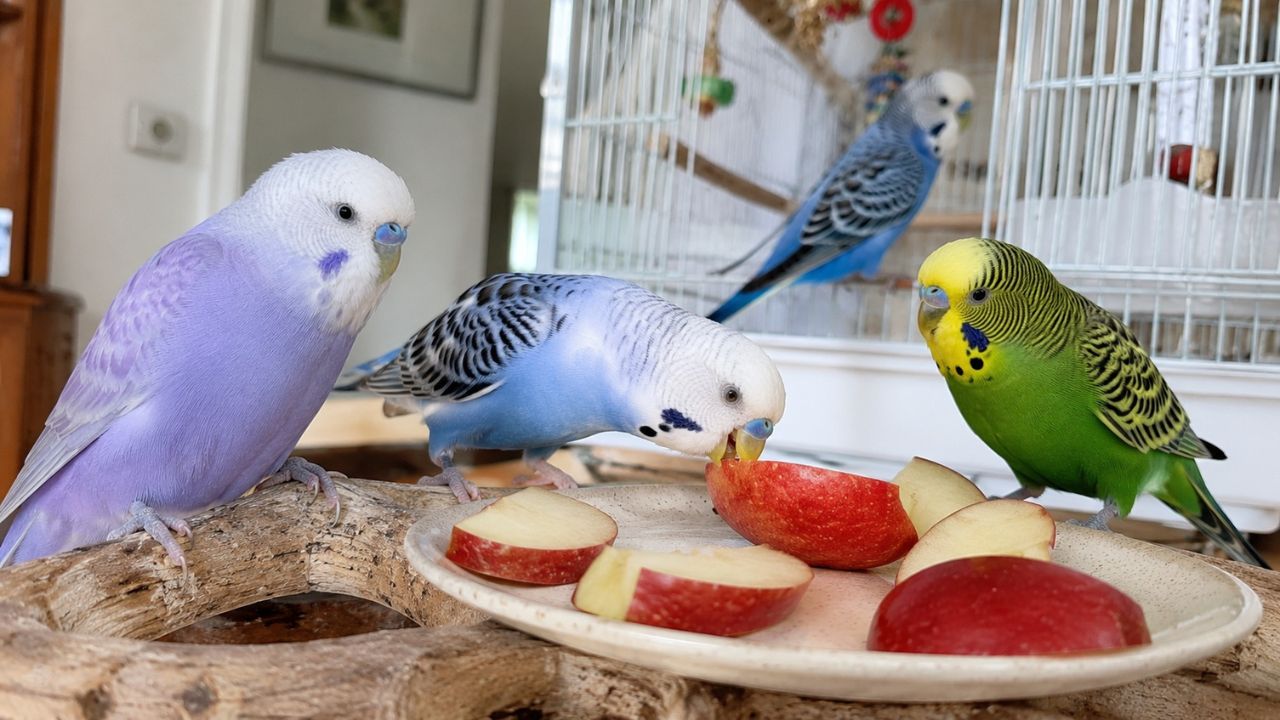

Neil has kept, bred, and sold budgies at Paradise Pets Swindon since 1988 — over 35 years of first-hand experience with these birds. In that time, he has answered the “can my budgie eat…” question more times than he can count. This is his honest answer to one of the most common — and one of the most important to get right — can budgies eat apples?
A grandmother came into the shop one afternoon with her young grandson. The boy had been visiting and they had cut up an apple together for the budgie. “Neil,” she said, “we just want to check — can he have apple? We gave him a small piece with the core still attached. Was that alright?”
I felt my stomach drop slightly, because the answer was important. The honest truth is this — yes, budgies can absolutely eat apple flesh, and most of them love it. But apple seeds and the core contain compounds that are genuinely toxic to budgies, and many UK owners do not know this.
The good news was that the boy had only given a small piece and the budgie likely had not eaten any actual seeds. The grandmother was relieved, and we had a proper conversation about how to give apple safely going forward. The bird was fine, and the whole family learned something important that day.
In 35 years of selling budgies, I have watched plenty of UK owners successfully feed apples to their birds and a few who made small but potentially serious mistakes. Apple is one of the safest, most popular fresh foods for budgies — provided you prepare it properly. Get it right and your bird gets a healthy, delicious treat. Get it wrong and you can cause real harm.
This article is the conversation I have at the counter when owners ask about apples, written down for every UK budgie owner who wants to share this fruit safely. By the end of it, you will know exactly how to give apples to your budgie, what to avoid completely, and why this seemingly simple question genuinely matters.
The Short Answer — Yes, Budgies Can Eat Apple Flesh
Let me give you the straightforward answer first, then explain the critical details. Yes, budgies can eat apple flesh safely, and most birds love it. Fresh, properly prepared apple is a nutritious occasional treat that most UK budgies accept readily and benefit from.
There is no danger of poisoning from the flesh of the apple itself. The crisp texture, the sweetness, and the moisture content all appeal to budgies, and apples are one of the easiest fresh foods to introduce to a bird that has only eaten seed before.
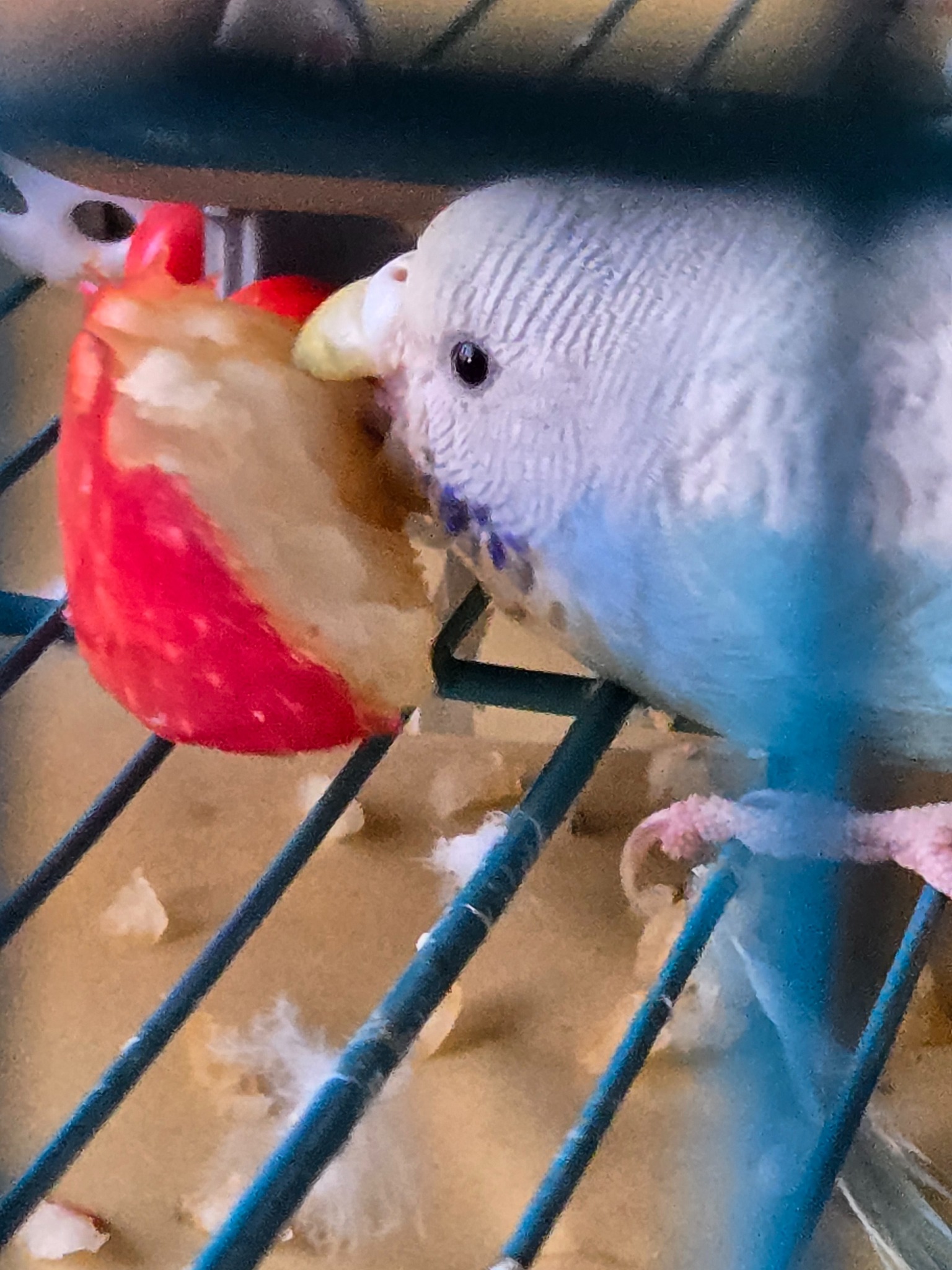
But — and this is genuinely important — the seeds and core of an apple are not safe. Apple seeds contain amygdalin, a compound that releases cyanide when broken down. For a small bird with a small body weight, even a few crushed apple seeds can cause harm or death. This is the part most casual feeding guides skip over, and it is the part every UK budgie owner must know.
Why Apple Seeds Are Genuinely Dangerous
This is the part I want every UK budgie owner to properly understand, because it matters. Apple seeds contain a compound called amygdalin, which converts to hydrogen cyanide when crushed, chewed, or broken down in the digestive system.
In humans, the amount of cyanide from a few apple seeds is small enough that an adult eating one accidentally has nothing to worry about. But budgies are tiny. A small bird’s body weight is roughly 30 to 40 grams. The same amount of cyanide that would be insignificant for a human can cause genuine harm to a creature that small.
The danger comes when the seeds are crushed or chewed. An intact whole seed passes through without releasing the toxin. But a budgie’s beak is designed to crack and crush seeds — that is what they do. If your budgie chews into apple seeds, the toxic compound is released directly into the bird’s system.
- Contain amygdalin — converts to cyanide when chewed or digested
- Budgies crush seeds — their beaks are designed for this
- Small body weight — even a small amount of cyanide is significant
- Apple cores hold multiple seeds — concentration is higher than people think
- Symptoms can be rapid — breathing difficulty, weakness, collapse
- Effects can be cumulative — repeated small exposures cause harm over time
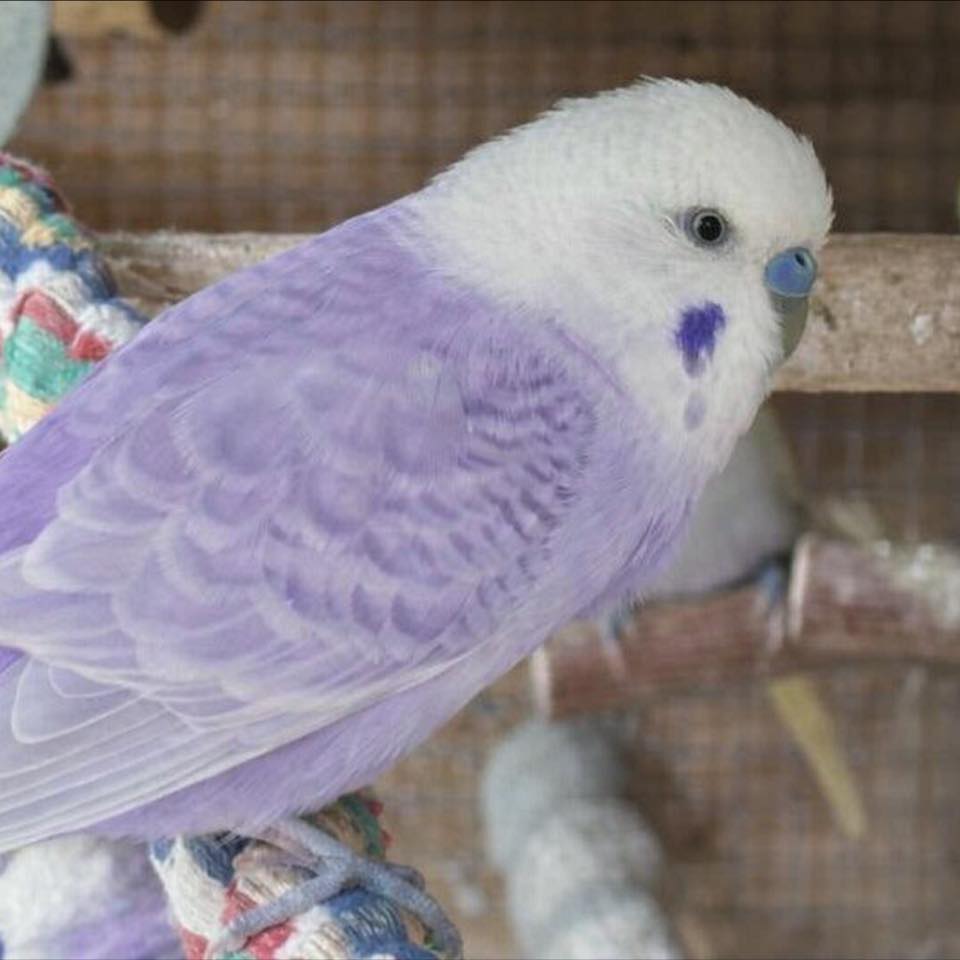
The honest practical advice — remove all seeds, the core, and the stem before offering any apple to your budgie. Cut a clean slice of the flesh only, and discard the core completely. Do not leave any piece of apple where the bird could pick at the seeds.
What Apple Flesh Actually Provides For Budgies
With the seed warning understood, let me cover the genuine benefits. Apple is not just a safe treat — it provides real nutritional value when given properly. Here is what budgies get from a small piece of apple flesh.
- Vitamin C — supports immune function
- Dietary fibre — helps digestive health
- Antioxidants — natural compounds beneficial for overall health
- Hydration — apples are around 85% water
- Natural sugars — quick energy source in moderation
- Potassium — supports heart and muscle function
- Vitamin K — small amounts, useful for overall nutrition
- Crisp texture — enjoyable for budgies to peck and chew
The crispness of apple is one of its practical benefits. Unlike softer fruits, apple gives budgies something to peck at and shred, which provides enrichment as well as nutrition. Many budgies enjoy the process of pecking at apple as much as eating it.
How Much Apple Can A Budgie Eat?
This is the practical question that matters for safety. The honest answer based on 35 years of feeding budgies is — a small fingertip-sized piece, two or three times a week maximum.
That is plenty. A piece much bigger than that is more than the bird needs and starts contributing too much sugar. Apple, while healthier than something like banana, still contains natural sugars that should be moderated. A budgie eating apple every day in large amounts will gain weight, develop fussy eating habits, and miss out on the variety it needs.
| Bird | Portion Size | Frequency |
|---|---|---|
| Single adult budgie | Fingertip-sized slice | 2-3 times per week |
| Two budgies sharing | Slightly larger slice between them | 2-3 times per week |
| Young budgie (under 6 months) | Very small piece | Once weekly only |
| Older budgie (over 7 years) | Fingertip-sized slice | 2-3 times per week |
| Overweight or unwell budgie | Avoid until weight/health stable | Discuss with avian vet first |
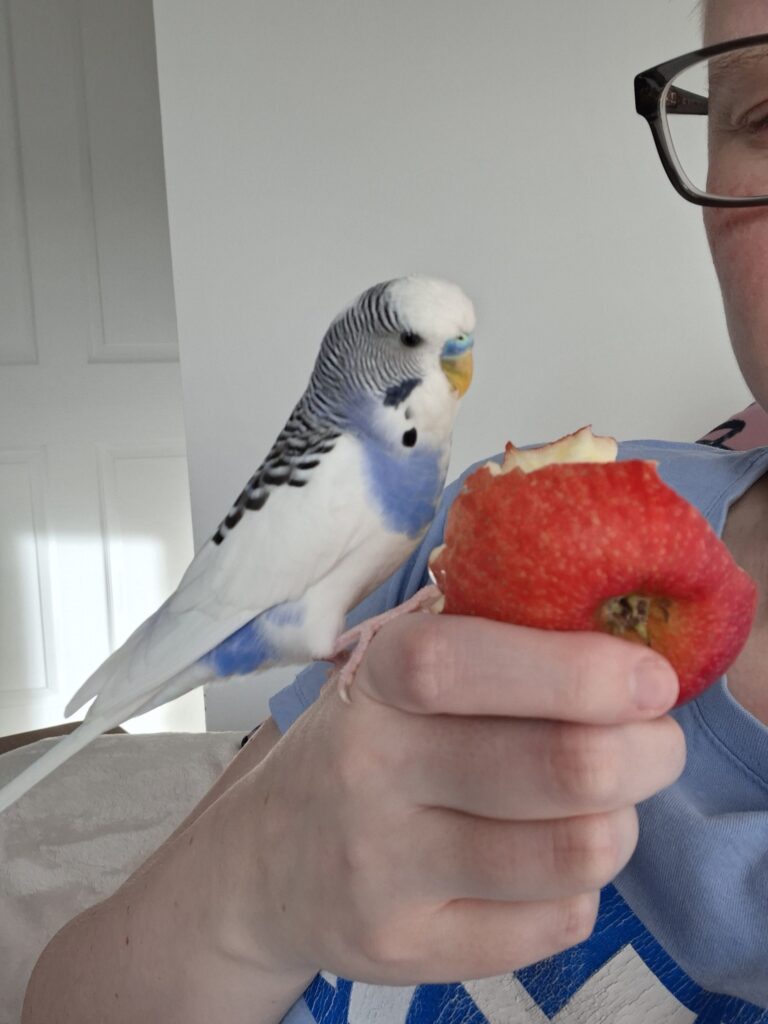
The honest rule of thumb — if you can fit the piece on the end of your finger, that is about right. The bird will finish a small piece and probably look for more. Resist the urge to give more. Small portions, given regularly, are far better than larger portions less often.
How To Prepare And Offer Apple Safely
Preparation is genuinely important with apple, because the seeds are where the danger lies. Here is the proper step-by-step approach I tell every UK owner at the counter.
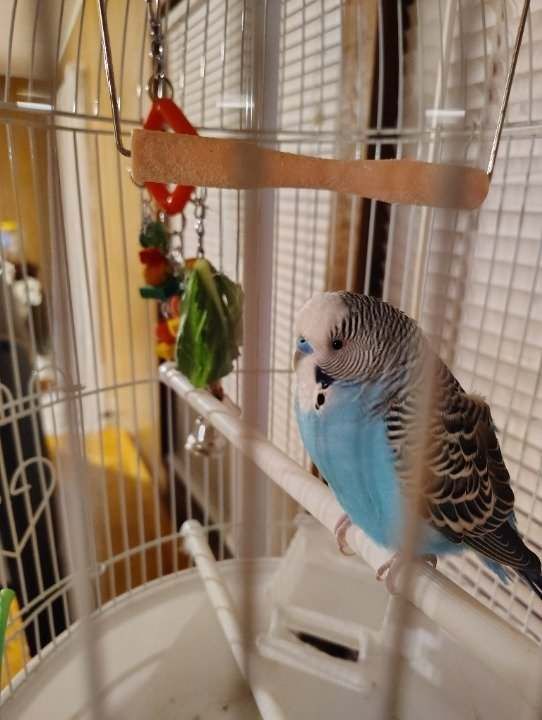
- Choose a fresh, firm apple
Not bruised, not overripe, not starting to spoil. A normal eating apple is fine — any common UK variety works. - Wash the apple thoroughly
Even though you remove the skin in some cases, washing removes surface pesticides, dust, and dirt. - Cut a clean slice from the side
Take a wedge from the side of the apple, well away from the core. - Remove all seeds, core, and stem completely
Examine the piece carefully. Any visible seeds or core material — discard. Do not give the bird anything you have not personally checked. - Decide on skin or no skin
Organic apple skin is fine and provides extra nutrients. Non-organic skin should be peeled to remove pesticide residues if possible. - Cut a small, fingertip-sized portion
The size of your fingertip is plenty for one budgie. - Offer at room temperature
Not straight from the fridge — cold food can chill a small bird. - Place in a separate dish or clip to the cage
Some owners clip a piece to the cage bars, others use a small ceramic dish. - Remove uneaten apple within 2-3 hours
Fresh apple oxidises and spoils. Remove before it goes brown or attracts flies.
About The Skin — Honest Considerations
This is a question I get often. The apple skin itself is not toxic. Whether to leave it on or peel it depends on a few factors.
Leaving the skin on:
- Provides additional fibre and antioxidants
- Most budgies enjoy pecking at the skin texture
- Easier — no peeling required
- Best if you are using organic apples
Peeling the skin off:
- Removes potential pesticide residues from non-organic apples
- Removes any waxy coating commercial apples often have
- Slightly softer texture, easier for some budgies to manage
- Safer choice if you are not sure of the apple’s source
The practical advice — wash thoroughly regardless, and peel non-organic apples to be safe. For organic apples, leaving the skin on is fine.
Different Apple Varieties — Are Any Better Or Worse?
This is a question that comes up at the counter occasionally. Most common UK apple varieties are equally safe for budgies, but there are a few practical differences worth knowing.
| Apple Variety | Suitability For Budgies | Notes |
|---|---|---|
| Gala, Pink Lady, Braeburn | Excellent | Crisp, sweet, well-accepted by most budgies |
| Cox’s Orange Pippin | Good | Traditional UK variety, slightly tart — some birds love it |
| Granny Smith | Good | Tart, less sweet — better for moderating sugar intake |
| Golden Delicious, Royal Gala | Good | Sweet, soft, easy to eat — popular with budgies |
| Bramley (cooking apple) | Use sparingly | Very tart raw — most budgies prefer dessert apples |
| Dried apple, apple chips, processed | Avoid | Often contain added sugar, preservatives, or sulphites |
| Apple juice or sauce | Not recommended | Too concentrated in sugar, often contains additives |
The honest advice — any fresh, properly prepared apple is fine. Stick to fresh fruit rather than processed apple products. Variety is good if you can offer different types occasionally.
The Honest Downsides Of Apples
For balance, let me cover the few downsides honestly. Apples are excellent treats, but they are not perfect, and regular owners should understand the limitations.
- The seed danger — biggest concern, manageable with proper preparation
- Natural sugars — less than banana but still meaningful for a small bird
- Pesticide residues on non-organic apples — wash and peel to manage
- Oxidises and spoils quickly — must be removed from cage within hours
- Can stain cage and beak briefly — usually washes off easily
- Some budgies refuse it at first — patience is needed for new foods
- Pesticide-treated commercial apples — buying organic eliminates this concern
None of these issues mean you should avoid apples — they just mean apples deserve respect as a fresh food rather than being treated casually.
Introducing Apple To A Bird That Has Never Tried It
Not every budgie eats apple immediately. Birds raised on seed alone sometimes look at fresh foods with suspicion. If your bird has never had apple before, here is the patient approach that works.
- Offer a tiny piece and simply leave it in the cage
- Do not force or expect the bird to eat it
- Try clipping a piece to the cage bars — many budgies investigate this way
- Eat an apple yourself near the cage — the bird sees you eating and gets curious
- Try a slightly different variety if the first is refused
- Be patient — it can take days or weeks for a bird to try a new food
- Mix a small piece into existing food sometimes
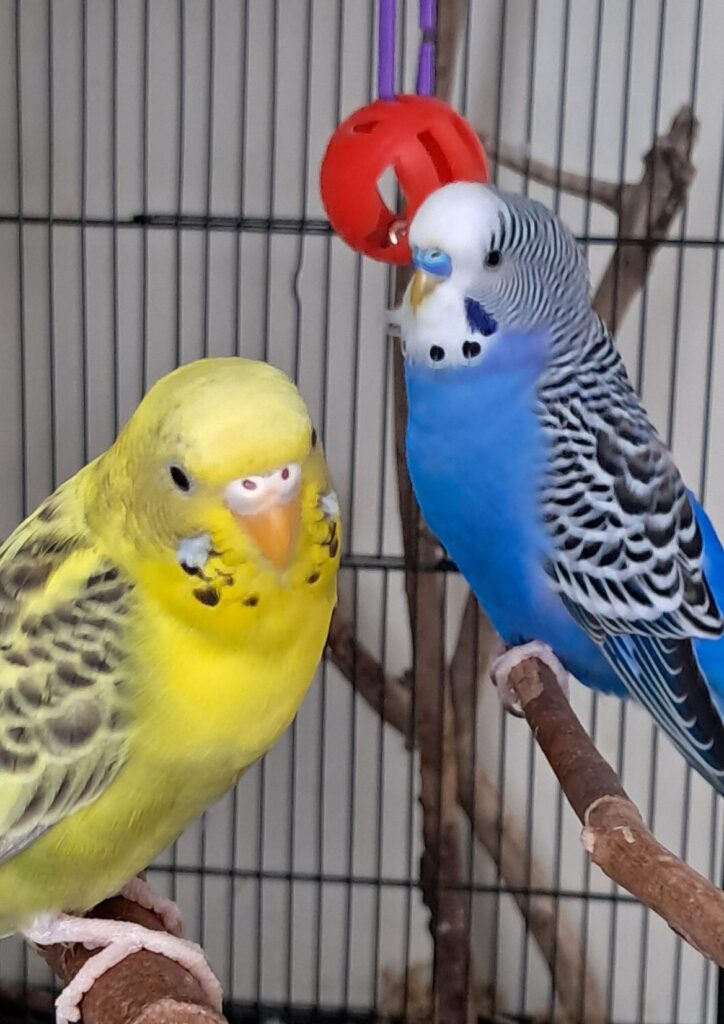
Most budgies eventually accept apple, particularly young birds and hand-reared birds. Once they discover they like it, you may have a bird that gets excited every time you walk past with an apple.
What To Do If Your Budgie Has Eaten Apple Seeds
This deserves its own section because it can happen accidentally. If your budgie has eaten part of an apple core or you suspect it has ingested seeds, do not panic, but act quickly.
- Stay calm — do not panic
A few seeds may cause no harm. Cyanide toxicity depends on the amount and the seeds being crushed. - Remove any remaining apple material immediately
Take away the core and any leftover pieces so the bird cannot eat more. - Watch the bird closely for symptoms
Difficulty breathing, weakness, fluffed up posture, drooling, seizures. - If symptoms appear, contact an avian vet immediately
This is an emergency. Time matters with toxic exposure. - If no symptoms after a few hours, continue monitoring
Most accidental small exposures cause no lasting harm if the bird is otherwise healthy. - Keep your vet’s emergency number accessible
For any toxic exposure, knowing where to call quickly matters.
The good news is that small accidental exposures rarely cause serious harm if the bird is otherwise healthy. The bigger risk is repeated exposure or significant quantities. The lesson is simple — prevent the exposure in the first place by always preparing apple properly.
Other Fruits Budgies Can Safely Eat
While we are on the topic of apples, here is a quick reminder of other safe fruits to provide variety in your bird’s diet. Variety is more important than relying on any single fruit.
- Banana — soft, sweet, easy to introduce. Small pieces only.
- Grape — cut in half, small portions. Both red and green are fine.
- Pear — similar preparation to apple. Remove seeds.
- Melon — watermelon and cantaloupe both fine. Small cubes.
- Berries — blueberries, strawberries, raspberries. Watch the staining.
- Mango — small piece, very sweet so limit amount.
- Peach, plum, nectarine — small pieces, never the stone (contains cyanide too).
- Kiwi — small piece, packed with vitamin C.
The same rules apply to all of these — small portions, occasional treats only, prepared properly, removed before they spoil. Fruits should not make up more than around 5 percent of the total diet, with vegetables, pellets, and good quality seed forming the bulk.
For more on the full picture of what budgies should eat, our complete UK budgie feeding guide covers the proper diet in detail, and our guide on can budgies eat bananas covers another popular fruit option.
Foods Budgies Should Never Eat
While we are on the topic of fruits, let me remind every UK owner of the foods that are genuinely dangerous. Some seem safer than they are.
- Apple seeds, apple core, apple stems — contain cyanide compounds (the focus of this article)
- Cherry stones, peach stones, plum stones — also contain cyanide
- Avocado — highly toxic to birds, can cause sudden death
- Chocolate — toxic to birds in any amount
- Caffeine — coffee, tea, energy drinks all dangerous
- Alcohol — even tiny amounts can be fatal
- Onion and garlic — can cause anaemia and digestive issues
- Salty, sugary, or fatty processed foods — crisps, biscuits, fried foods
- Mushrooms — many varieties are toxic to birds
- Rhubarb leaves — toxic
- Mouldy fruit of any kind — including apples that have started to spoil
If your budgie accidentally eats any of these in significant amounts, contact an avian vet immediately. Time matters with toxic exposure.
What I Tell Owners At The Counter About Apple
When a UK owner asks me about giving apple to their budgie, the conversation goes something like this. Five minutes of honest advice usually covers everything important.
- Have you given apple before, or is this the first time?
First-time owners need to hear about the seed warning clearly. - Did you know about apple seeds being toxic?
Many owners do not — this is the most important thing to confirm. - Will you be removing all seeds and the core completely?
The safety check that prevents harm. - How often were you planning to give it?
Two or three times a week is right. Daily is too much. - What size piece did you have in mind?
Fingertip-sized. Smaller is fine, bigger is too much. - Organic or non-organic?
Affects whether to leave the skin on. - Will you remove uneaten apple within a few hours?
Important — fresh apple oxidises and spoils quickly. - Does the bird eat other fresh foods too?
Variety is more important than relying on any one fruit.
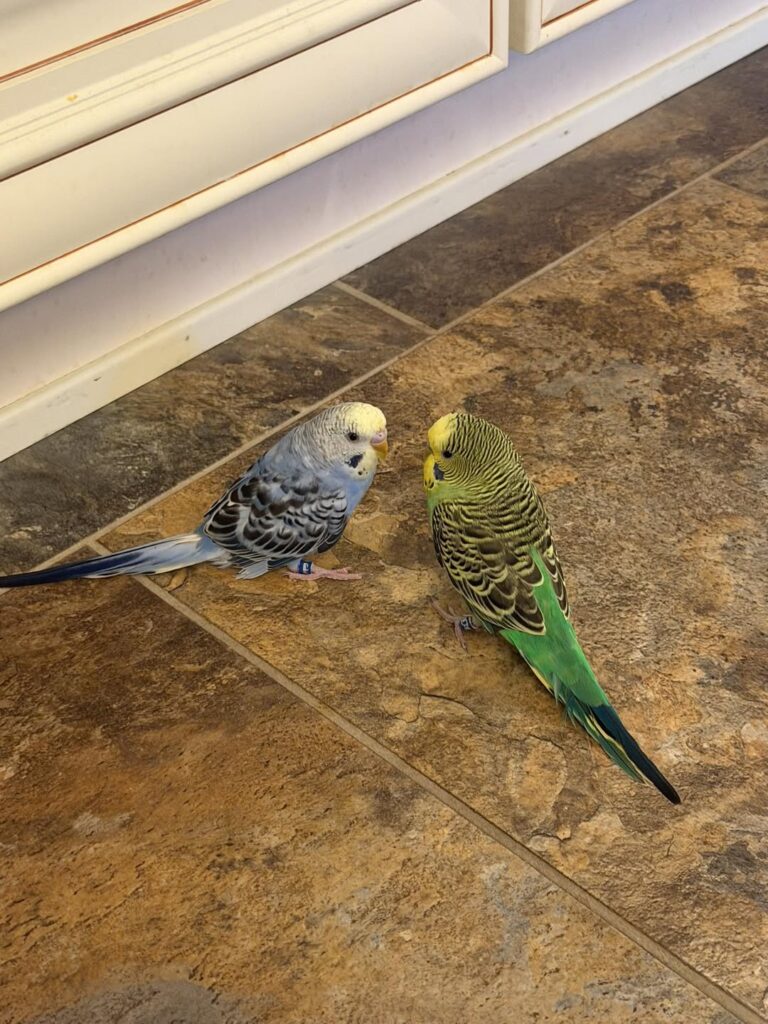
Most owners are doing the right thing instinctively — they just want to confirm the details. The seed warning is the one piece of information I never let go past without confirming.
Frequently Asked Questions
Can budgies eat apple skin?
Yes, apple skin is not toxic, but the answer depends on the apple. Organic apple skin is fine and provides additional nutrients and fibre. For non-organic apples, peeling removes potential pesticide residues. Either way, wash the apple thoroughly first. Most budgies enjoy pecking at the skin’s texture.
Are apple seeds really toxic to budgies?
Yes, apple seeds contain amygdalin, which releases cyanide when chewed or digested. For a small bird with a body weight of around 30-40 grams, even a small amount of cyanide can cause harm. Always remove all seeds, the core, and the stem before offering apple. Never leave a whole apple or a piece with the core where a budgie can reach it.
What happens if my budgie eats an apple seed?
A single seed accidentally eaten by an otherwise healthy budgie may cause no symptoms — toxicity depends on the seed being crushed and the amount consumed. Watch the bird carefully for signs of distress (breathing difficulty, weakness, fluffed up posture) over the next few hours. If any symptoms appear, contact an avian vet immediately. Prevention is far easier than treatment.
How often can budgies eat apples?
Two or three times a week is the right frequency for healthy adult budgies, in fingertip-sized portions. Daily apple is too much — the sugar content adds up and the bird may start refusing healthier vegetables. Treat apples as a regular treat, not a daily food. Younger budgies should have less frequent apple.
Can young budgies eat apples?
Yes, but in smaller amounts and less frequently than adult birds. Wait until the bird is at least 6-8 weeks old, eating well on the standard diet, and accepting new foods readily. Start with very small pieces no larger than half a fingertip, once a week. Always remove seeds and core completely.
Can budgies eat cooking apples like Bramleys?
Yes, they are safe, but most budgies prefer dessert apples because cooking apples are very tart. There is no nutritional reason to choose cooking apples specifically, and many birds will reject them. Stick to common eating varieties like Gala, Braeburn, or Cox’s for better acceptance.
Where can I get honest budgie advice in Swindon?
Come and see us at Paradise Pets, Manor Garden Centre, Cheney Manor, Swindon SN2 2QJ. Or give us a ring on 01793 512400. The advice is free and we have been doing this for 35 years.
One Last Thing From Me
“Can my budgie eat apple?” is the question. The honest answer, after 35 years of selling these birds, is — yes, absolutely, in small properly-prepared pieces, two or three times a week, with all seeds, core, and stem completely removed. Most budgies love it, and it is one of the safest and most nutritious fresh foods you can offer.
The grandmother and her young grandson I mentioned at the start of this article? They went home that day knowing exactly how to give apple safely going forward. A few weeks later they were back in the shop, the boy beaming. “Neil, our budgie loves apples! He gets so excited when he sees one. We always take the seeds out now, like you said.” His grandmother smiled. “He has taught the whole family to check what we give the bird. We see Paradise Pets advice working every week.”
That is the outcome you want — a household that knows how to feed their budgie safely, a bird that loves its small properly-prepared treats, and confident owners who understand why the rules matter.
If you are thinking of giving your budgie apple for the first time, go ahead — but follow the rules in this article. Wash, prepare carefully, remove all seeds and core, fingertip-sized portions, two or three times a week, remove uneaten pieces within a few hours. Get those things right and apple will become a favourite treat that both you and your bird enjoy. And if you have any other “can my budgie eat…” questions, come and see us. We answer them every day and we are always happy to help.
Questions About Feeding Your Budgie? Come And See Me
Bring your questions about safe foods, treats, or anything else. I will give you honest, practical advice based on 35 years of feeding these birds. Free advice, no obligation. That is how we have done things for 35 years.