
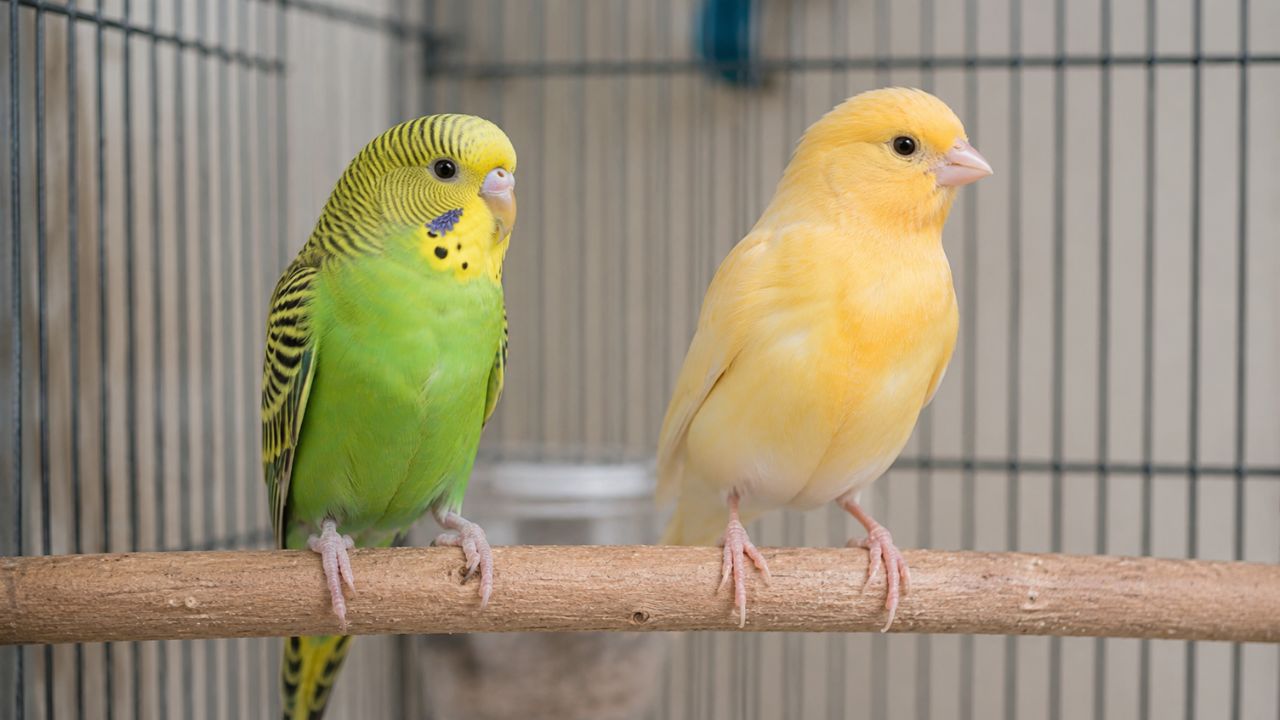

Neil has kept, bred, and sold both budgies and canaries at Paradise Pets Swindon since 1988 — over 35 years of helping people make the right choice between two birds that look, from a distance, like they might be interchangeable. They are not. This is his honest account of the difference, and the questions he asks before he recommends either one.
Two men came in on the same Saturday morning last autumn, both asking the same question from completely different directions.
The first had been researching for weeks. He wanted a bird that would talk, that he could handle, that would become a companion in his retirement. He had narrowed it down to budgie or canary and wanted my view.
The second had not researched at all. His wife had suggested a bird for the kitchen. Something that would add some colour and life. She liked the sound of birdsong in the morning, he said. Neither of them was particularly interested in handling it.
Both men said they were deciding between a budgie and a canary.
I sold the first man a budgie. I sold the second man a canary.
Both left with exactly the right bird for their household. And both would have been in the wrong household with the other bird.
That is the entire thesis of this article. The comparison between these two birds is not a question of which is better — it is a question of what kind of relationship with a bird you are actually looking for, because the answer to that question makes the decision straightforward.
The Fundamental Difference — Two Completely Different Relationships
Everything else in this comparison flows from one central distinction, and I want to establish it clearly before going into any detail.
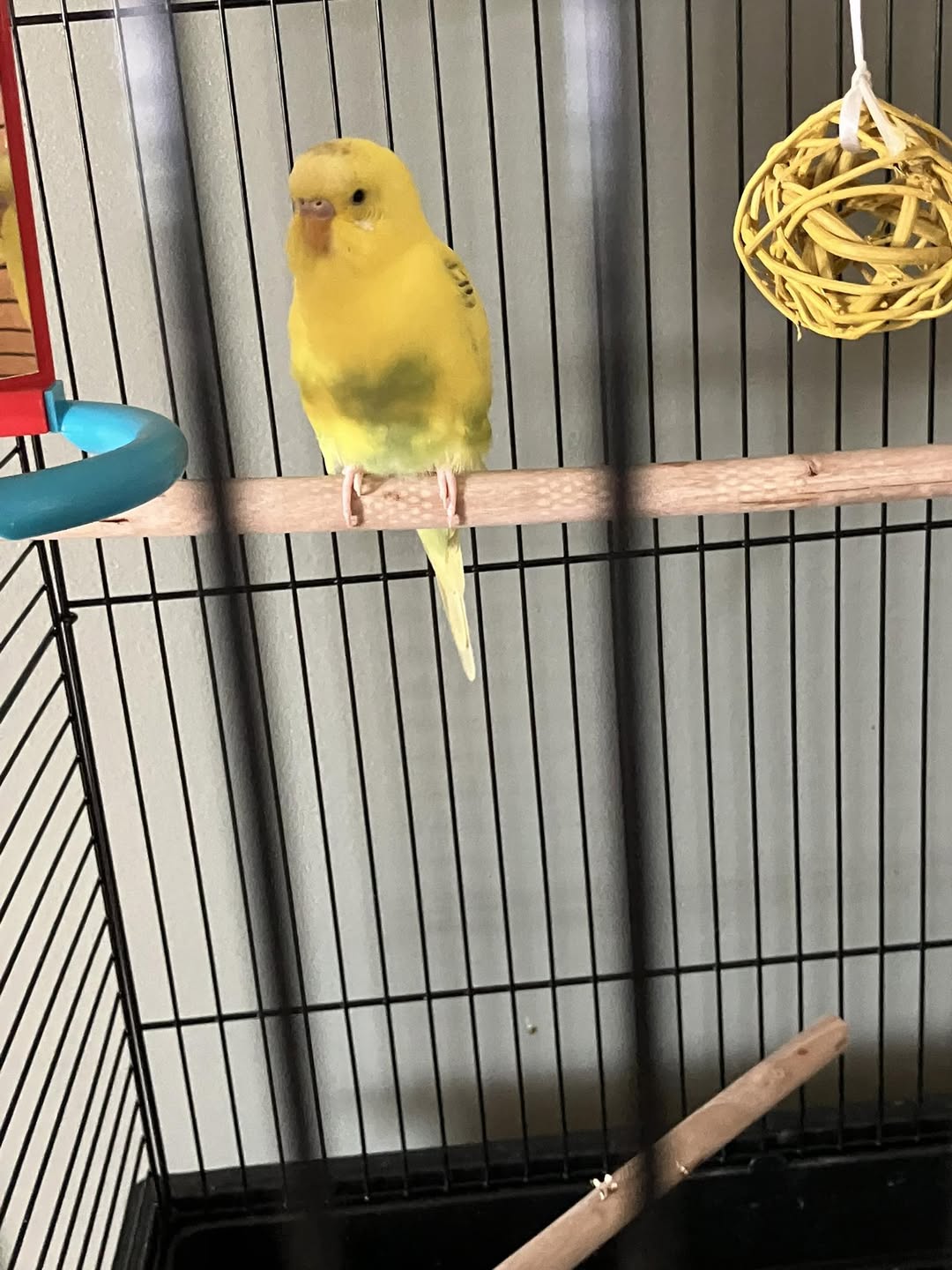
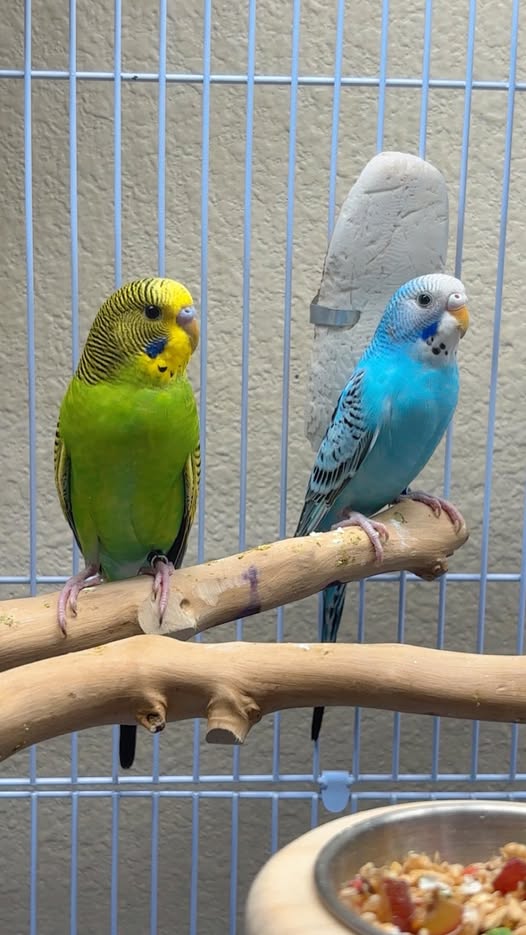
A budgie is an interactive bird. It engages with its owner, can be trained to step onto a hand and sit on a shoulder, may learn words and mimic sounds, and responds to human presence in a way that most owners find genuinely rewarding. The relationship with a tame budgie is a relationship — a two-way exchange in which the bird chooses to participate.
A canary is an observational bird. It does not want to be handled. It does not form the kind of bond with its owner that a budgie does. It lives its own life in its cage, doing canary things — singing, moving, eating, investigating its environment — while you watch and listen. The relationship with a canary is essentially aesthetic. It is closer to the experience of having a painting that changes than the experience of having a pet in the conventional sense.
Neither of these is a lesser relationship. They are simply different relationships, and the person who would be delighted by the canary would find the budgie’s demands excessive, while the person who wants a budgie’s interactivity would be disappointed to discover that the canary they brought home has no interest whatsoever in sitting on their finger.
The Budgie — What You Are Actually Getting
I have written extensively about budgies elsewhere on this site, so I will not repeat all of it. But in the specific context of comparing the two birds, the qualities that matter most are these.
A budgie in the right household is one of the most engaging small pets available at any price point. It is intelligent, curious, vocal, and actively interested in what is happening around it. A well-kept, well-handled budgie will watch what you are doing from its perch with evident interest, will respond to your voice, will step onto your hand and sit there without alarm, and may begin to produce recognisable words and phrases after months of patient socialisation. It is present in the household in an active sense — you are aware of it, and it is aware of you.
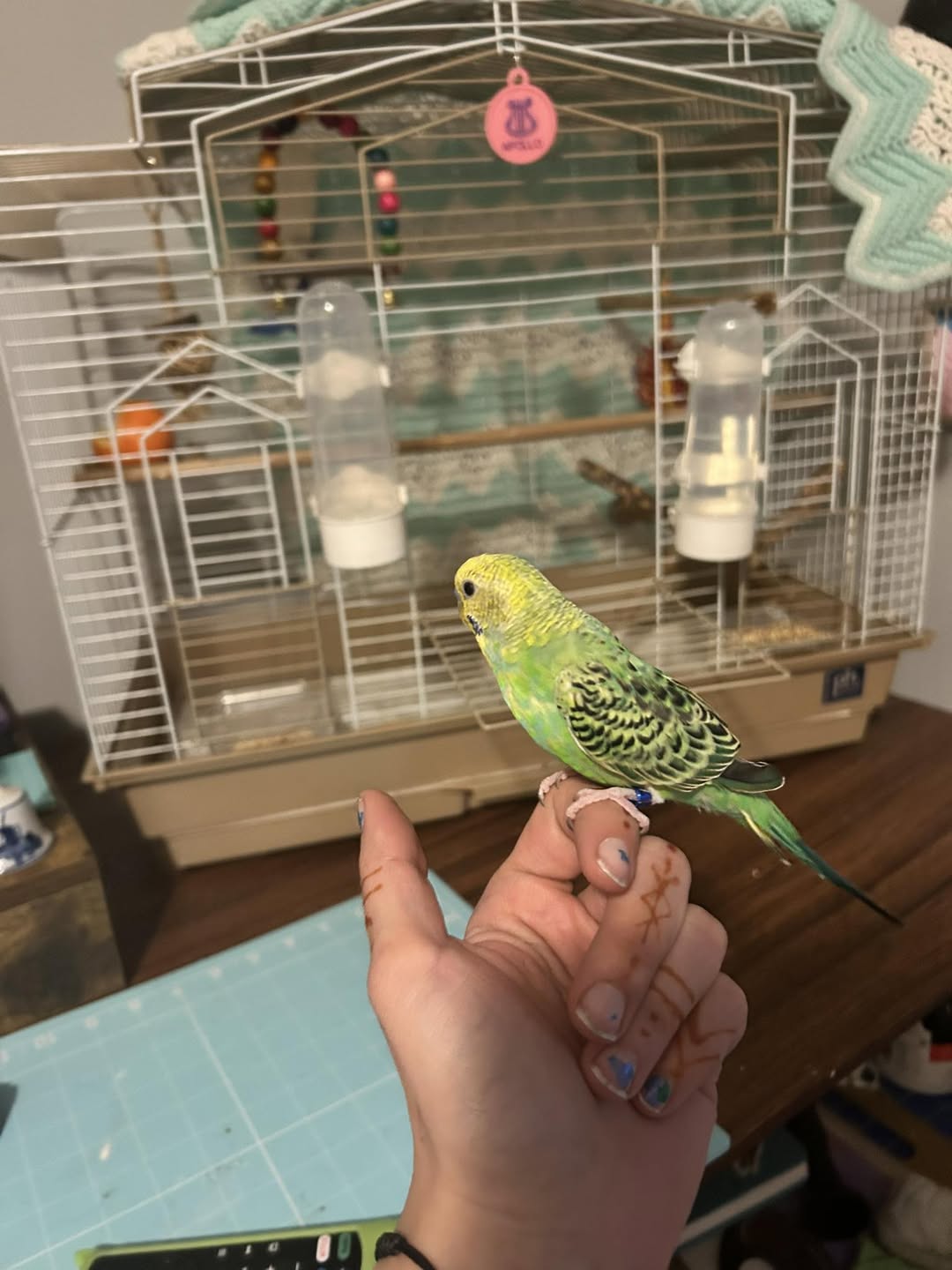
What a budgie asks of you in return is significant and worth being honest about. Taming requires consistent, patient work over weeks or months. Interaction requires daily engagement — a budgie that is left alone for most of the day without a companion bird will not thrive. The noise level of an active budgie, or a pair of budgies, is a genuine household consideration — not loud in the way of a large parrot, but persistent and constant during active hours.
The talking possibility, which often brings people to budgies specifically, is real but not guaranteed. Some male budgies become excellent talkers with clear words and sentences. Others manage something that sounds approximately like words if you know what to listen for. Others produce no recognisable speech at all. If the talking is the primary reason for choosing a budgie, the owner needs to understand the variability before they commit.
- Lifespan: 7–12 years — a real long-term commitment
- Interaction: High — requires taming work, daily engagement, and your time
- Handling: Possible and rewarding with consistent patient work
- Noise: Persistent chattering when active — constant background noise during waking hours
- Talking: Possible, not guaranteed — males more likely. Individual variation is significant.
- Social needs: High — pair recommended for welfare; single bird needs substantial human interaction daily
- Difficulty: Low to moderate — forgiving of imperfect conditions but not of neglect or complete inattention
- Best for: Someone who wants an interactive relationship, has time for daily engagement, and finds the chattering noise pleasant rather than irritating
The Canary — What You Are Actually Getting
The canary is, in my experience, the most underrated pet bird in the UK. Its reputation as an old-fashioned choice — a bird for a different generation — is unfair and causes people to overlook something genuinely extraordinary in favour of the more fashionable.
A good male canary in full song is one of the most beautiful sounds available in a domestic setting. This is not sentiment. The canary’s song is complex, sustained, varied, and genuinely musical in a way that is difficult to describe accurately in print and that must be heard to be properly understood. It is not the background chirping of a sparrow or the mechanical repetition of a beginner musician. It is an improvised vocal performance of real quality, delivered fresh each morning, different each day.
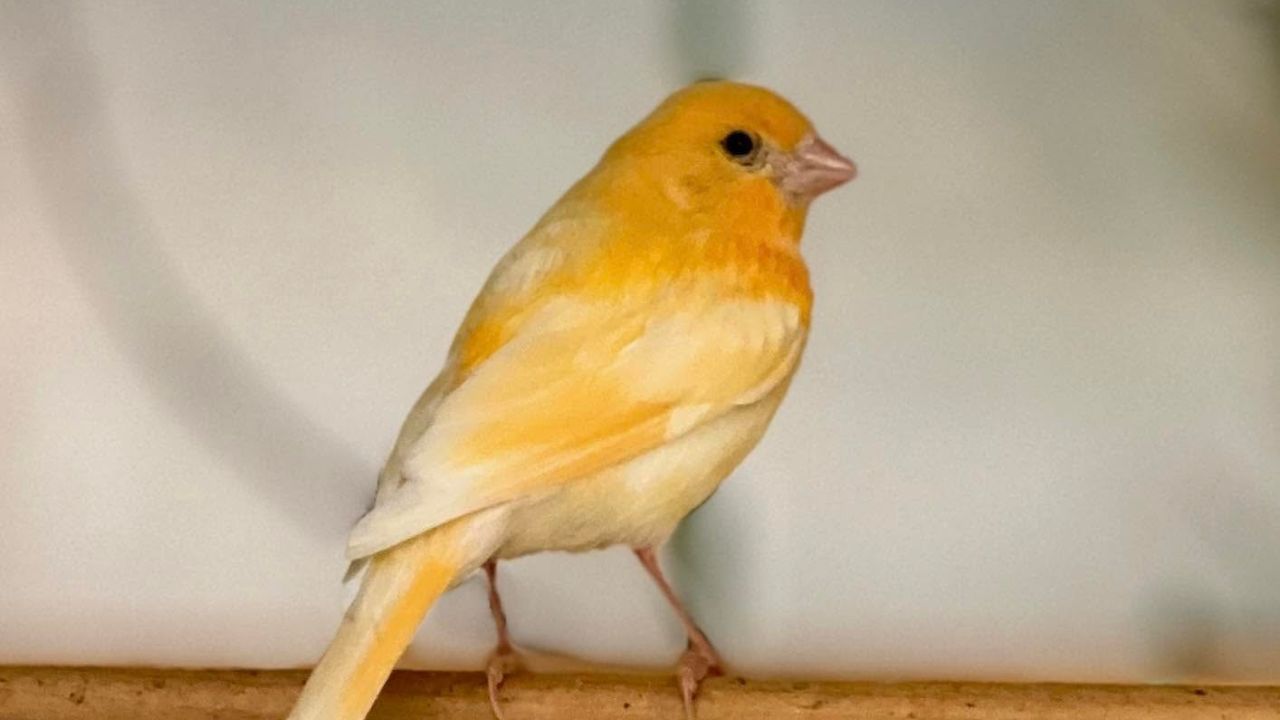
What the canary does not offer is what the budgie does. It does not want to be held. Attempting to regularly handle a canary that has not been raised with specific handling from a very young age — and most have not been — will stress the bird without building the relationship you are hoping for. The canary lives in its cage, sings when it is in good condition and feels settled, and engages with the world on its own terms. The person who interprets this as aloofness has misunderstood what kind of animal they have.
The canary’s appeal is specifically to owners who can derive genuine satisfaction from the aesthetic experience of a beautiful, living sound source in their home — without needing or wanting that sound source to interact with them on demand.
Only male canaries sing. Female canaries produce minimal vocalisations. If the song is the reason for considering a canary, you need a male, and you need to ask for one specifically. This seems obvious but I mention it because I have sold female canaries to people who wanted the song and then came back wondering why the bird was quiet, and the answer — that I had not asked the right clarifying question when they bought it — is not one I want to give twice.
- Lifespan: 7–12 years with good care
- Song: Males only — one of the finest songs produced by any common cage bird. Ask specifically for a male if song is the appeal.
- Handling: Generally not willing and not recommended — causes stress without building relationship
- Noise: Beautiful, carries across a room. Not irritating in the way persistent chattering can be. Song is a feature, not a liability.
- Interaction: Low — lives its own life. The owner observes and listens rather than engages hands-on.
- Social needs: Low — males often kept alone for best singing; a second bird can suppress the singing drive
- Difficulty: Low — lowest maintenance of the common cage birds. Does not require taming work or daily handling.
- Best for: Someone who wants song and beauty, has limited time for daily interaction, finds hands-off observation satisfying, or cannot give a budgie the engagement it requires
The Time Question — The Most Honest Differentiator
In my experience, the time available to the owner is the single most reliable factor in determining which bird is right for them — more reliable than preference, more reliable than household type, more reliable than budget.
A canary requires your time for feeding, cleaning, and fresh food — probably fifteen to twenty minutes per day in total. It does not need your engaged attention beyond that. You can be in the same room or in a different room. You can go away for a weekend with a trusted person visiting once a day to check food and water. The canary will sing when it feels like singing and be quiet when it does not. Your schedule shapes its life very little.
A budgie — particularly a single budgie — requires a meaningful amount of your engaged daily presence. Not just your physical proximity, but active interaction: talking to it, offering your hand, letting it out for flight time, maintaining the taming process or the established relationship. A single budgie left without meaningful human interaction for most of its waking day will become bored, then stressed, then unhappy in ways that are visible in its behaviour.
If your lifestyle involves long working hours, frequent travel, or a household where the bird would be genuinely alone for most of the day — a canary is the honest recommendation. A budgie in those conditions will be a less well bird than a budgie in a household where someone is present and engaged. A canary in those conditions will sing happily regardless.
The Noise Comparison — Honest About Both
Both birds make noise, and the noise they make is different in quality, volume, and character. Both need to be considered honestly before a purchase.
Budgies produce a constant, busy chattering when active — chirps, squeaks, whistles, the clicking of beaks, the occasional burst of apparent enthusiasm. It is not loud in the way of a large parrot, but it is persistent and present throughout the active day. Some people find this charming. Some find it grating. This is purely a personal response, and it is worth honestly assessing your own before committing.
Canaries produce song — a complex, fluting, musical sound that most people find genuinely beautiful. The song carries across a room and can be heard from other rooms when the bird is in full voice. On balance, most people who have both birds in their experience find the canary’s sound more pleasant — but the song is not constant. It is episodic: morning, midday, sometimes evening, with quieter periods in between. A canary does not provide the continuous background vocal texture that a budgie pair does.
Both birds can be quieted by covering the cage, though I discourage using the cover as a management tool for noise rather than for sleep regulation. The honest answer is that both birds make their presence known acoustically, and neither is appropriate for a household where any bird noise would be genuinely problematic.
The Talking Question — Setting Expectations Correctly
Talking ability is the factor that most often brings people to budgies over canaries, and it is the factor most frequently misunderstood.
Budgies can talk. Some individual budgies become genuinely clear and prolific talkers — birds that produce recognisable words, short phrases, and in some cases remarkably clear reproduction of sounds and speech patterns from the household. These are the birds whose videos appear online and create the impression that talking budgies are the norm.
They are not the norm. They are the talented end of a wide distribution. A typical male budgie given regular, patient one-to-one interaction will, in most cases, produce sounds that approximate words — things that are recognisable as the target word to someone who knows what the bird has been taught, but that would not be identified by a stranger listening without context. Some budgies produce nothing that could be called speech at all.
Canaries do not talk. If speech is the primary reason for considering a bird, canaries are not in the conversation.
But this is worth balancing with a realistic assessment of how much talking actually matters to daily life with a bird. In my experience, owners who have lived with a tame budgie for a year and a half will tell you that the talking, if it happens, is charming — but that it is not the thing that makes the relationship worth having. The thing that makes the relationship worth having is the stepping up, the shoulder sitting, the way the bird watches them from the cage and calls when they leave the room. The talking is a bonus, not the substance.
The Maintenance Comparison — Honest About Both
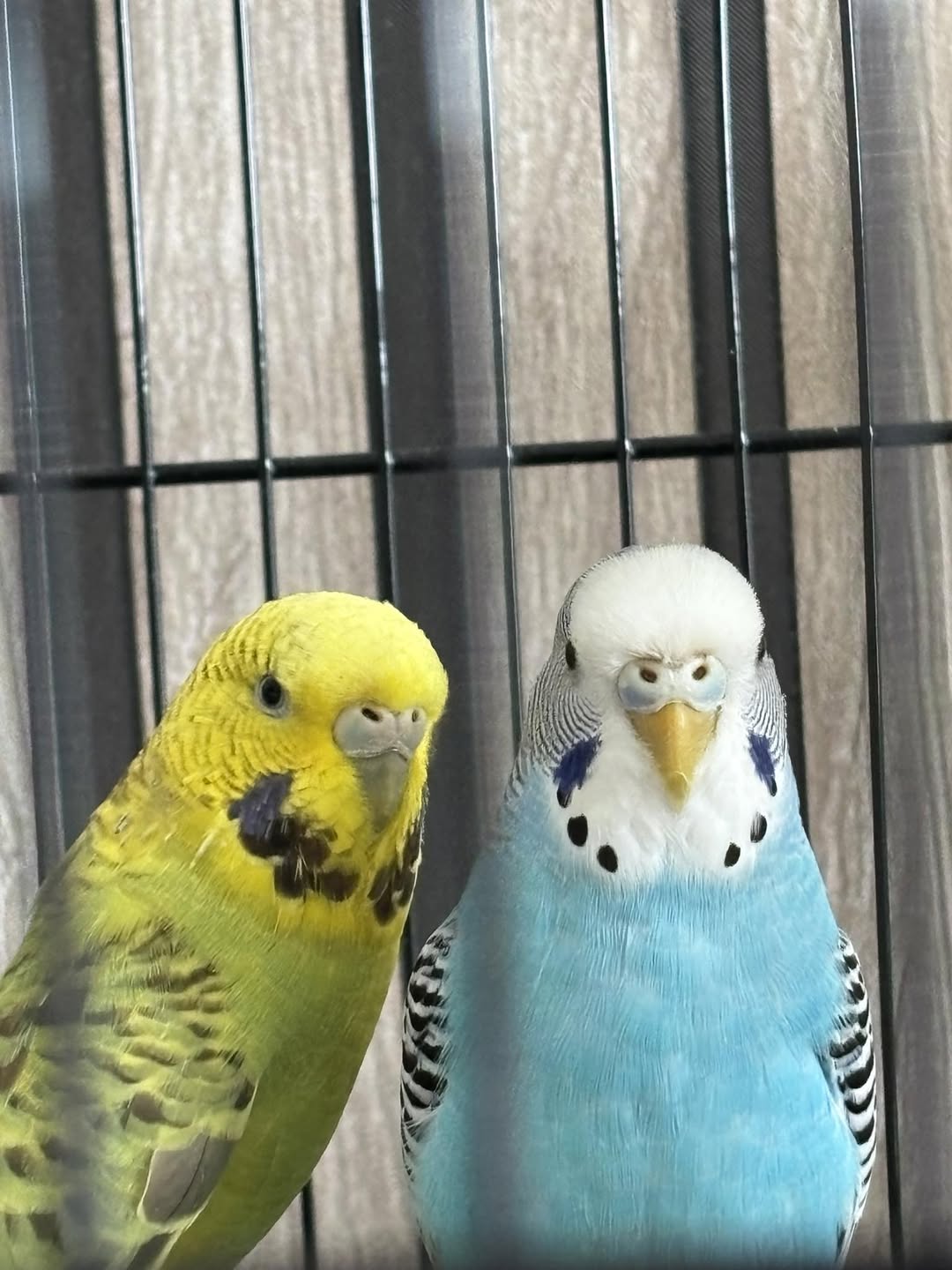
Canaries are lower maintenance than budgies in every practical dimension, and it is worth being specific about what that means.
Food: both birds require daily fresh food and water. Canaries benefit from a varied diet that includes fresh greens, egg food, and quality seed. Budgies benefit from a similar variety. Neither is demanding in dietary terms compared to a larger parrot. The canary, however, does not require the daily taming or interaction sessions that a well-kept budgie’s welfare demands.
Cage cleaning: both require regular cleaning. A canary’s cage may be smaller if it is kept alone (though a larger cage is always better), and with only one bird produces less mess than a pair of budgies.
Veterinary: both birds need access to a vet experienced with birds, and both can develop health problems. There is no meaningful difference in the typical health needs of the two species — both require the same attention to signs of illness and the same prompt response when something changes.
Out-of-cage time: budgies benefit significantly from daily flight time outside the cage. Canaries do not require supervised out-of-cage time in the same way — they benefit from it if it can be provided safely, but their welfare is less compromised by spending their time in a well-sized cage with good enrichment than a budgie’s would be.
Who Should Get Which Bird — The Honest Summary
Get a budgie if:
You want an interactive relationship — a bird that you can tame, handle, and build a two-way connection with. You have time for daily engagement — at least an hour of genuine interaction, more for a single bird. The chattering noise of an active bird is something you find pleasant or at least neutral. Talking is appealing, and you understand it is possible but not guaranteed. You are in a household where someone is present for a meaningful portion of the day. You want to be more than an observer — you want to be part of the bird’s social life.
Get a canary if:
You want song and beauty — the aesthetic pleasure of a living, singing presence in your home — without the hands-on relationship commitment a budgie requires. You have limited time for daily interaction and want a bird whose welfare does not depend on your being there and engaged. You travel occasionally and do not want a bird whose needs cannot be met by a brief daily check from a trusted person. You find the persistent chattering of a budgie more irritating than charming. You want the lowest maintenance of the common cage birds. You want a bird that complements your life rather than requiring you to reorganise it.
Quick Comparison — Budgie vs Canary at a Glance
| Factor | Budgie | Canary |
|---|---|---|
| Typical lifespan | 7–12 years | 7–12 years |
| Type of relationship | Interactive — the bird engages with you | Observational — you watch and listen |
| Handling | Achievable with patient taming work | Not recommended — causes stress |
| Talking | Possible — males more likely. Not guaranteed. | No |
| Song | Chatters, whistles — pleasant background noise | Males: genuinely beautiful, complex musical song |
| Noise character | Persistent and constant during active hours | Episodic, musical — song rather than chatter |
| Daily time needed | High — daily engaged interaction for welfare | Low — feeding and observation, no taming required |
| Social needs | High — pair recommended; single needs significant human time | Low — males typically kept alone for best song |
| Maintenance level | Moderate | Low — lowest of the common cage birds |
| Good for busy households? | Yes, if kept in a pair — not ideal as a single bird with limited owner time | Yes — least affected by owner absence of any cage bird |
| Good for complete beginners? | Yes — forgiving and rewarding, but requires honest commitment to daily engagement | Yes — arguably the most straightforward first bird |
| Cost | Lower purchase price | Variable — quality singers cost more; males significantly more than females |
My Honest Answer — After 35 Years of Selling Both
After 35 years, the pattern I have observed is clear: owners who are drawn to birds primarily because they want company and interaction almost always end up happiest with a budgie. Owners who want something beautiful and alive in their home without the interactive commitment — something that provides daily pleasure through song and movement without requiring daily engagement in return — almost always end up happiest with a canary.
The mistakes happen when people choose on appearance alone, or when they choose based on what they think they are supposed to want. Someone who buys a budgie because budgies seem more interesting and interactive, and who then discovers they do not have the time or patience for the daily engagement that produces the relationship they wanted, ends up with a bird that is less well cared for than it should be. Someone who buys a canary because it seems more sophisticated, and then tries to handle it and wonders why it will not sit on their finger, ends up frustrated with an animal that is doing exactly what it should be doing — living its own life beautifully.
The right bird is the one that matches what you actually want and what you can actually give. The conversations I have had at this counter that I am proudest of are the ones where a customer came in expecting to buy one bird and left with the other — because the questions I asked revealed that the second bird was the right one, and they knew it before they left.
If you are not sure which you are, come in and talk to me. I will ask you the right questions.
Frequently Asked Questions
Is a budgie or canary better for a beginner?
Both are appropriate for first-time bird owners, but the right answer depends on what the beginner wants from the experience. A canary is the simpler, lower-commitment option and is more forgiving of the practical imperfections of first-time bird keeping. A budgie offers a more interactive relationship that many owners find more rewarding — but it requires more time and more consistent effort to achieve. If you are uncertain whether you can commit to the daily engagement a budgie needs, start with a canary. You can always progress to a budgie from a canary. You cannot provide what a budgie needs while keeping the canary’s schedule.
Do canaries get lonely?
Male canaries are generally kept alone for practical reasons — a second bird, whether male or female, can suppress the male’s drive to sing. Unlike budgies, which are strongly social flock animals that suffer when alone, canaries are less socially demanding and do not show the same clear welfare decline when housed singly. That said, providing enrichment — varied perches, foraging opportunities, visual access to household activity — remains important for a canary’s quality of life. A canary kept in a sparse cage in a quiet room may become lethargic and may sing less even if it is not lonely in the way a budgie would be.
Which bird is easier to keep in a flat?
Both are appropriate for flat living, with one consideration: the persistent chattering of a budgie pair, carried through a wall, is more likely to be noticeable to neighbours than the episodic song of a canary. A single male canary’s song is beautiful and carries, but is unlikely to cause the kind of ongoing noise concern that a vocal pair of budgies might in very close-proximity housing. For the quietest-possible flat option, a canary is the better choice.
Can a canary learn to talk?
No. Canaries do not learn to talk or mimic speech in the way parrots and budgies can. They have a syrinx capable of producing complex musical song, but they do not have the social motivation to mimic human speech that makes talking possible in budgies. If speech is on your list of requirements, a canary is not the bird for you.
How do I know if a canary is a good singer before buying?
Ask to hear it. A male canary in good condition and good spirits will usually sing when it is settled in its environment. A bird that is quiet in the shop may be stressed by the shop environment, which is not unusual, but a reputable seller should be able to give you a realistic assessment of the bird’s singing quality based on what they have heard. The quality of song is partly individual — some canaries are finer singers than others — and partly determined by breed. Roller canaries and Waterslager (Malinois) canaries, bred specifically for their song, tend to produce the finest singing. Come in and I will help you identify what you are looking for.
Where can I see budgies and canaries in Swindon before deciding?
We always stock both at Paradise Pets. Come and see us at Manor Garden Centre, Cheney Manor, Swindon SN2 2QJ. Stand at the cages and listen to both birds. Watch how they behave. Ask me the questions you have. I will give you my honest view of which is right for your household — and I will not try to sell you one if I think the other is the better fit. Call us on 01793 512400 before you visit to find out what we currently have in stock.
Still Not Sure — Budgie or Canary? Come in and Let Me Help You Decide
If you have read this and you are still not certain which bird fits your household — come in. Stand at the cages, watch both birds, and tell me what you are looking for. I have had this conversation hundreds of times and I can usually tell within five minutes which bird is right. The five minutes is free.