


Neil has owned and run Paradise Pets Swindon since 1988 — over 35 years of selling pets to families, individuals, and everyone in between. In that time he has turned away customers more than once. This is one of those stories — and why he thinks it is worth telling.
She came in on a Saturday morning with her daughter. The girl was seven, perhaps eight, and she had clearly been promised something. There was that particular energy children have when they know they are about to get what they want — slightly elevated, slightly unable to stand still.
They looked at the small animals first. Then the birds. Then they came back to the guinea pigs. The mother asked me what they needed. I went through it — the cage size, the diet, the companionship requirements, the daily care. I asked a few questions of my own. Did they have space for a proper enclosure? Were they aware guinea pigs lived five to seven years? Who would be caring for them when the daughter was at school?
The answers were not reassuring. They were moving house in six weeks. The mother worked full time. The daughter’s interest in animals had previously extended to a goldfish that had lasted three months. The intended cage was one I recognised — a small one, sold in most chain pet shops, that I knew from experience was too small for guinea pigs to thrive in.
I did not sell them the guinea pigs.
I said, as directly and as kindly as I could, that I did not think the timing was right. That the move would stress the animals. That the cage they had in mind was not adequate. That a seven-year-old with a short history of pet interest was not, on its own, a sufficient reason to take on animals with a seven-year lifespan and specific social and space requirements.
The mother was not pleased. The daughter was quietly devastated. They left without buying anything.
I thought about that conversation for the rest of the day, as I occasionally do when I have said no to someone who came in wanting to say yes.
Why We Say No — And Why It Is Not Simple
I want to be honest about something. Turning away a sale is not easy. It is not a comfortable thing to do. There is a child who is disappointed. There is a parent who came in with good intentions and is leaving empty-handed. There is, in practical terms, a transaction that did not happen.
I have been running this shop for thirty-five years. Every sale matters. And I am not unsympathetic to the genuine desire people have when they come in looking for an animal. Most of the time that desire is real, and it is something I want to help with.
But I have also been doing this long enough to know what happens when an animal goes home to the wrong situation. I have seen the animals come back — sometimes weeks later, sometimes months — in worse condition than they left. I have had the conversations with owners who ran out of enthusiasm, or whose circumstances changed, or who simply did not understand what they were taking on. I have seen what happens to animals that are not properly cared for, not out of cruelty but out of ignorance and unpreparedness.
Saying no, in those cases, is not a commercial decision. It is the job.
What We Look For Before We Sell
There are certain things I look for in every sale, and I want to be transparent about what they are — because I think customers deserve to understand how we think.
Is the space genuinely adequate? Not adequate by the standard of the minimum cage sold in the nearest chain pet shop. Adequate by the standard of what the animal actually needs to live well. These are not always the same thing, and I would rather have that conversation before the sale than after.
Is the timing right? A house move, a new baby, a period of significant change in the household — these are not always reasons not to get a pet, but they are reasons to think carefully. An animal arriving into a chaotic environment is an animal that will have a harder start than it should.
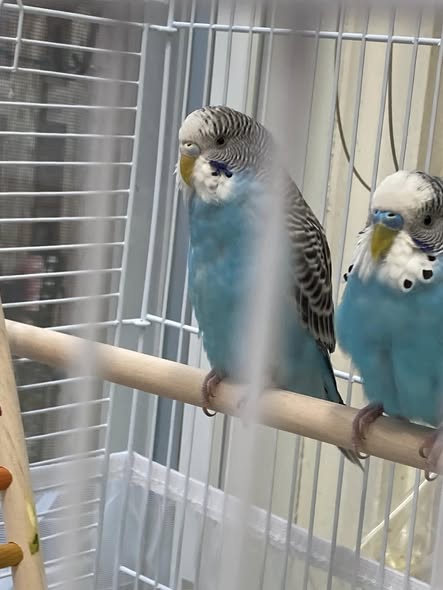
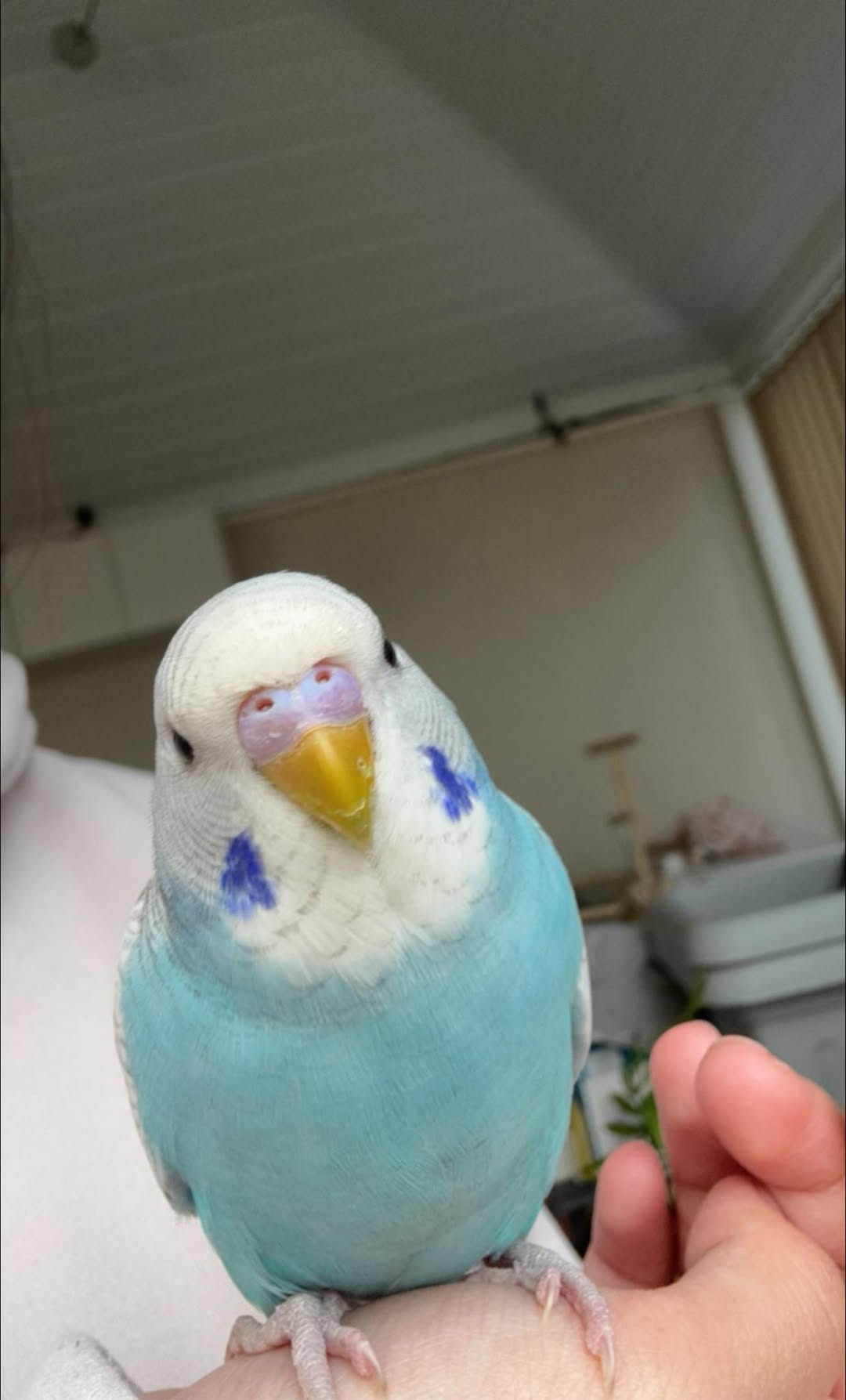
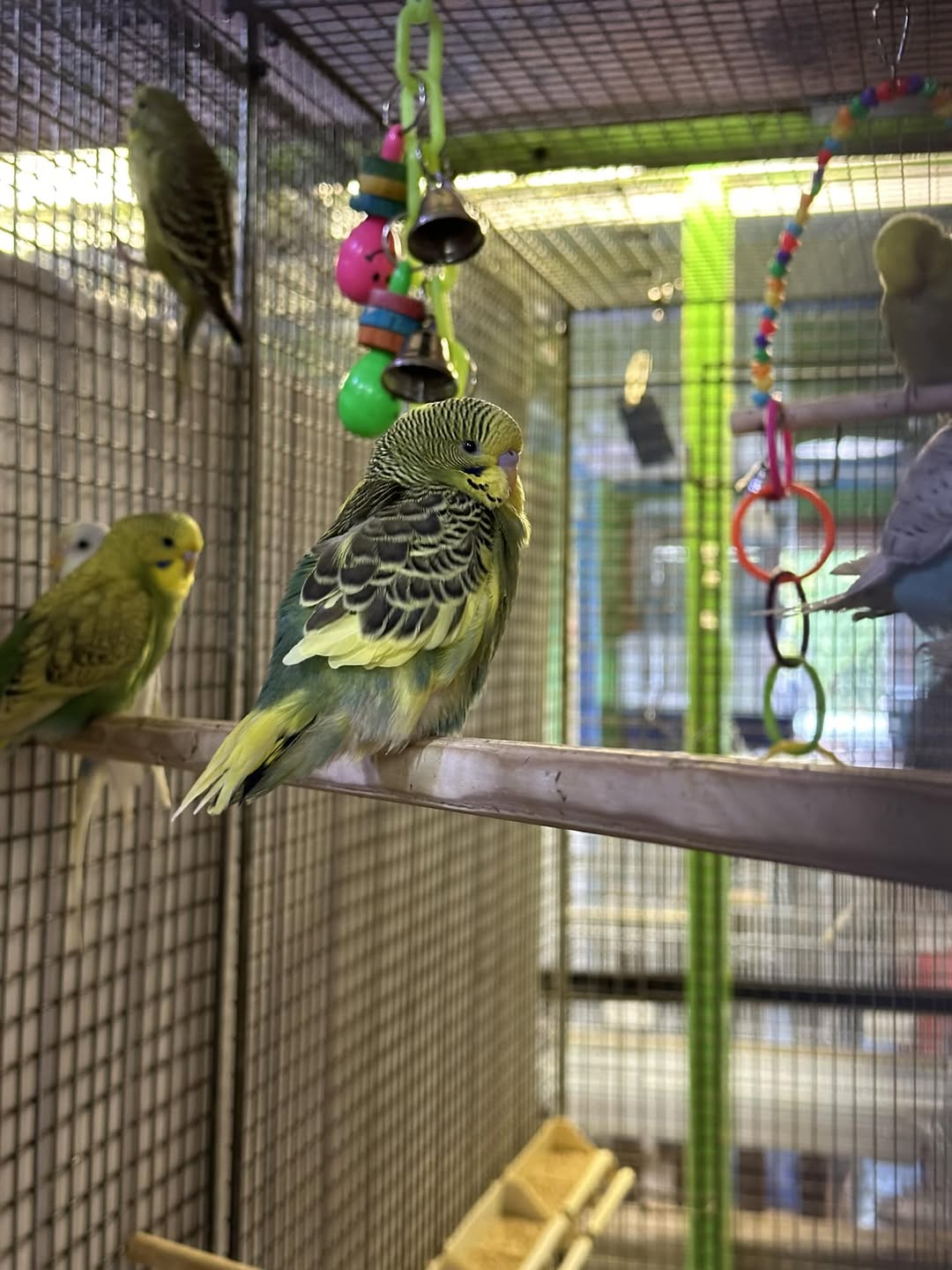
Is the level of commitment realistic? A guinea pig lives five to seven years. A budgie lives eight to twelve. A rabbit can live ten to twelve years or more. The initial enthusiasm of a child is not, on its own, sufficient reason to commit to an animal for that length of time. The adults in the household are the real custodians. Are they prepared to take on that responsibility if the child’s interest fades?
Has the research been done? Not exhaustive research — people should not need to present a dissertation before buying a hamster. But a basic understanding of what the animal eats, how it lives, and what it needs. Owners who come in having genuinely thought about it — who have questions, who have done some reading — almost always have better outcomes than those who have decided on an animal entirely on impulse.
Is the choice right for the individual animal? Sometimes the species is fine but the individual animal is not right for that buyer. A nervous, recently arrived bird is not the right choice for a household with young children and a lot of noise. A highly active hamster variety is not the right choice for someone who wants a calm, handleable pet. Matching matters as much as readiness.
What We Do Instead of Selling
When the answer is no, or not yet, the conversation does not end. That is the part that I think matters as much as the refusal itself.
I tell people what would need to be different. If the cage is wrong, I tell them what the right cage looks like. If the timing is wrong, I tell them what a better time might look like and why. If the commitment level is uncertain, I talk about what day-to-day ownership actually involves — the unglamorous parts as well as the rewarding ones.
Sometimes I suggest a different animal entirely. A family that is not ready for guinea pigs might be perfectly ready for something that requires less space and a shorter daily time commitment. A child who wants to hold and interact with an animal might be better served by a well-handled Syrian hamster than by a pair of gerbils that will always prefer each other’s company to theirs.
Sometimes I suggest they come back. Not as a brush-off — genuinely. Come back in a month when the house move is done and you are settled. Come back in the spring when the garden setup you are planning is finished. Come back after you have done a bit more reading and talked it through as a family.
And sometimes the honest answer is that this is not the right time, and might not be for a while, and that is all right.
What Happened With the Woman and Her Daughter
Four months after that Saturday morning, she came back.
The house move was done. They had settled. She had, she told me, spent the time reading about guinea pigs properly — not just the basics, but genuinely understanding what they needed. She had sorted out a proper enclosure in the garden. Her daughter had maintained an interest over the four months, which she described as a deliberate test of whether it was real.
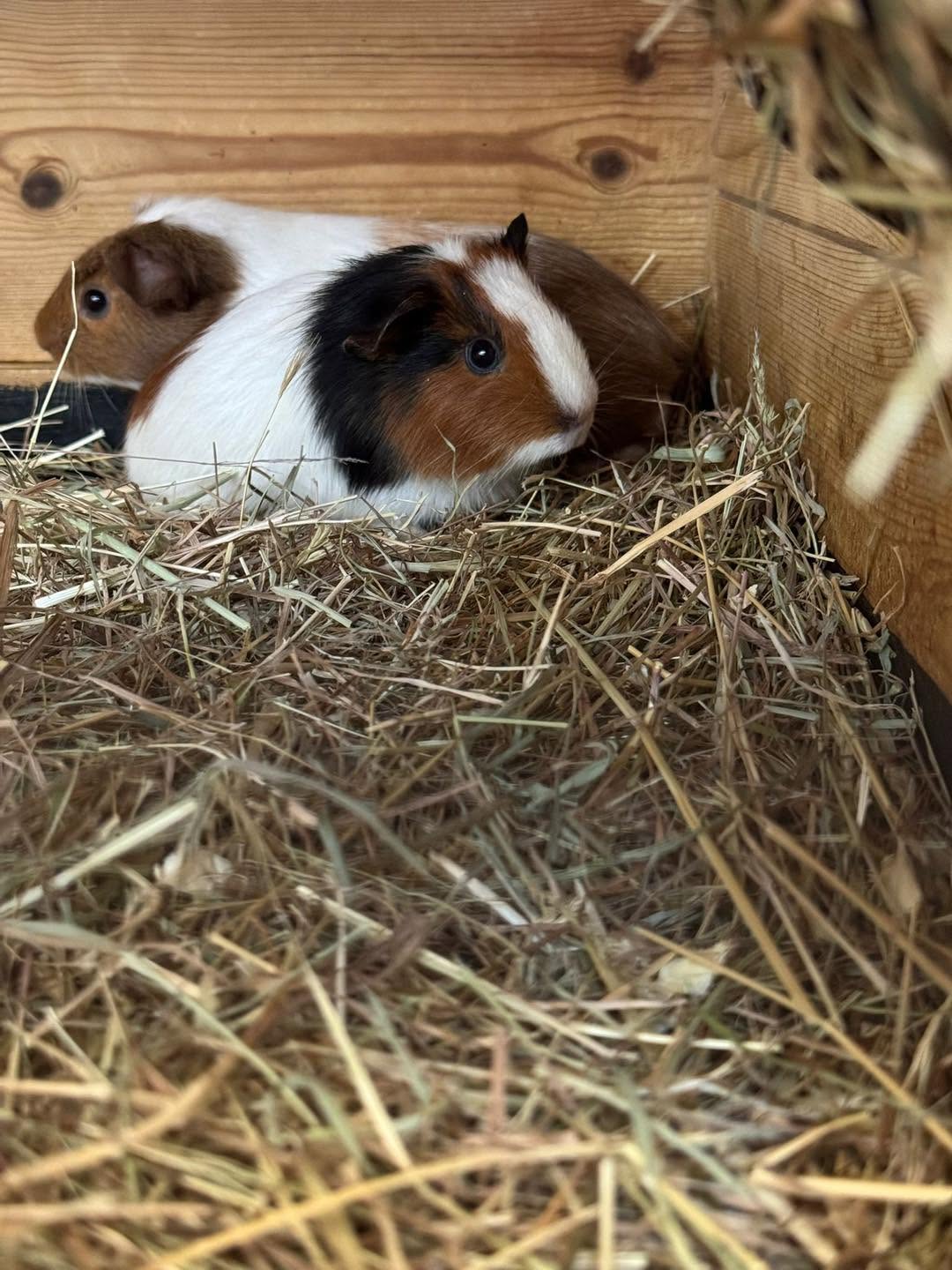
They bought two guinea pigs. Sisters from the same litter, well socialised, good age to settle into a new home. I spent a while with them going through the setup and the feeding and what to watch for in the first few weeks.
The daughter, who was now a few months older and visibly more composed than the child I had turned away, asked good questions. Specific ones. She had been doing her own research.
I have seen them a few times since. The guinea pigs are doing well. The mother mentioned in passing, on one of those visits, that she had thought about that first conversation often over the four months — and that she had eventually come to understand it as a kindness rather than a refusal.
That is what I mean when I say they thanked us later.
Why This Matters Beyond One Story
I am not telling this story to present Paradise Pets as uniquely virtuous. Every independent pet shop I respect operates with some version of this ethos — the understanding that the animal’s welfare is not separable from the quality of the sale.
I am telling it because I think customers deserve to know that this is how we work. That when you buy an animal from us, someone has made a judgement that the situation is right. That we did not simply take your money and send you home with a living thing without thinking about whether it was the appropriate choice.
That judgement is not always popular in the moment. But it is, in my experience, almost always appreciated in retrospect.
We also do not import animals. Every animal we sell has been bred in this country, by breeders we know personally and trust. That matters for welfare at the point of origin, for health at the point of sale, and for the long-term wellbeing of the animal in its new home. It is part of the same philosophy — the animal is not a product. It is a living thing with specific needs, and our responsibility to it does not end at the point of purchase.
What to Expect When You Come In
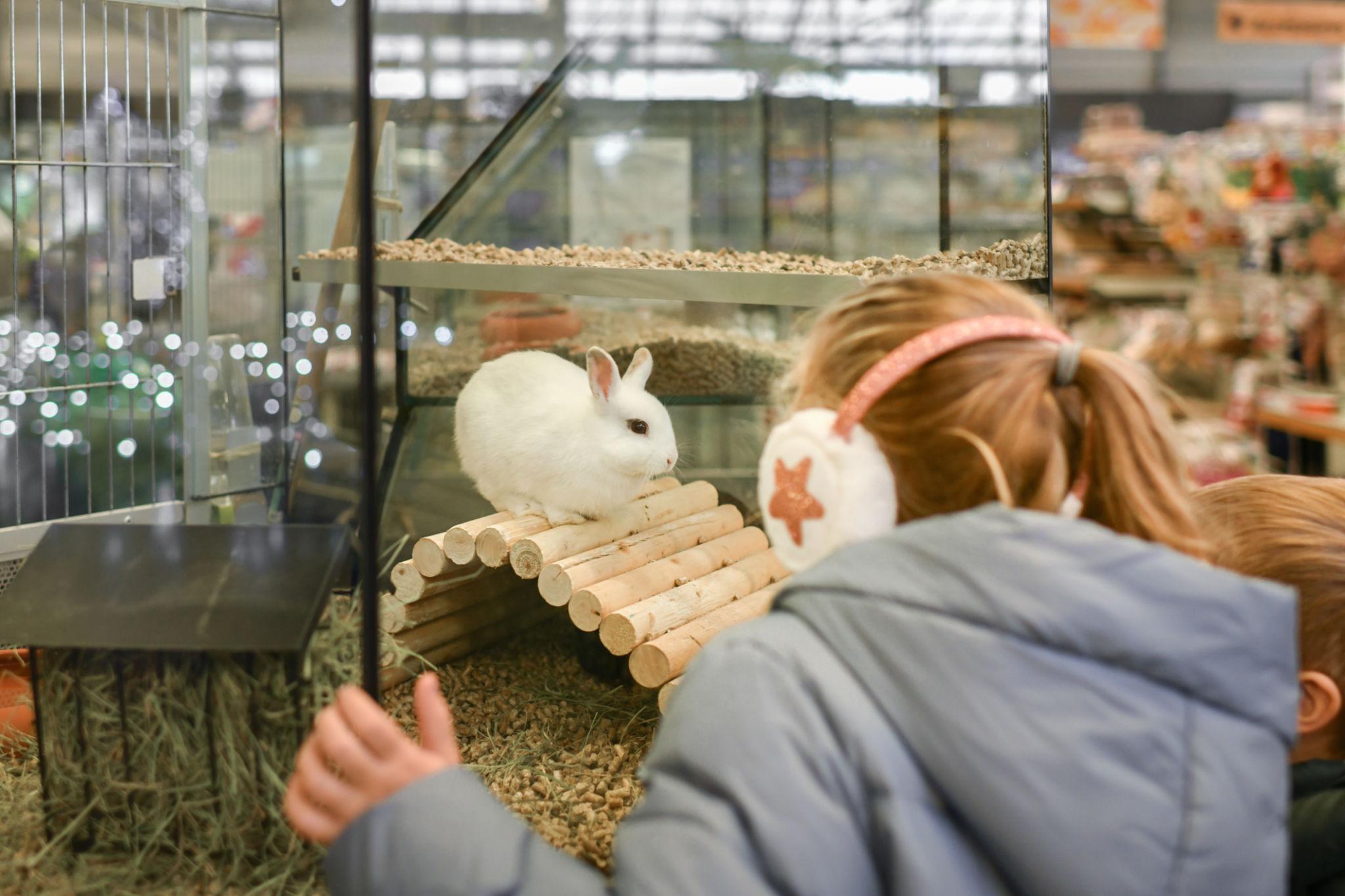
If you come into Paradise Pets to buy an animal, you will be asked questions. Not to make things difficult. Not to judge you. To make sure that what you are buying is the right choice for your situation and that the animal is going home to a setup where it can actually thrive.
If the answer is yes, you will leave with an animal, good advice, and a genuine offer to come back and talk to us whenever you need to.
If the answer is not yet, you will leave with a clear picture of what needs to change and an open invitation to return when those things are in place.
If the answer is no, it will be explained honestly and without condescension, and there will usually be a suggestion about what might work better for your specific situation.
None of those outcomes involves being dismissed or made to feel inadequate. All of them involve being treated as someone whose genuine interest in an animal deserves an honest response rather than a convenient one.
That is what we have been doing here since 1988. Come in and see for yourself.
One Last Thing
The animal in the cage does not get a say in where it goes. It cannot interview its prospective owner or decline a situation that is not right for it. That responsibility falls entirely to the people selling it.
I take that seriously. I always have. And in thirty-five years, I have never regretted saying no to a sale that was not right — even when it was uncomfortable in the moment.
The customers I have turned away and who came back properly prepared have, without exception, been among the most rewarding conversations I have had in this job. Because what they came back with was not just readiness. It was understanding. And an owner who genuinely understands what their animal needs is the best possible outcome for everyone — especially the animal.
If you want to come in and have that conversation — whatever stage you are at — we are at Manor Garden Centre, Cheney Manor, Swindon SN2 2QJ, every day. Get in touch here or call 01793 512400.
Visit Us at Paradise Pets Swindon
We stock small animals, cage birds, and aviary birds year-round — all UK-bred, all from trusted sources. Come in and talk to us before you decide. There is no pressure and no rush. The right animal in the right home is always worth taking the time to find.