

Neil has kept, bred, and sold hamsters at Paradise Pets Swindon since 1988 — over 35 years of first-hand experience with these animals. How a hamster sleeps is one of the most consistent indicators of how it is actually feeling. This is his guide to reading those signals accurately.
A man came in a few months ago, visibly concerned. His hamster, he said, had been lying completely flat on its back with its legs in the air. It had been in that position for several minutes. He had looked it up online, found several contradictory answers, and had come in because he genuinely did not know whether the animal was dead.
I asked him a few questions. When had this happened — morning or evening? Had the hamster moved at all since he noticed it? Was the room warm or had it been cold recently?
He said it was late evening — the hamster’s natural active period. The room was warm. And yes, now that he thought about it, he had seen the animal’s side rise and fall once or twice.
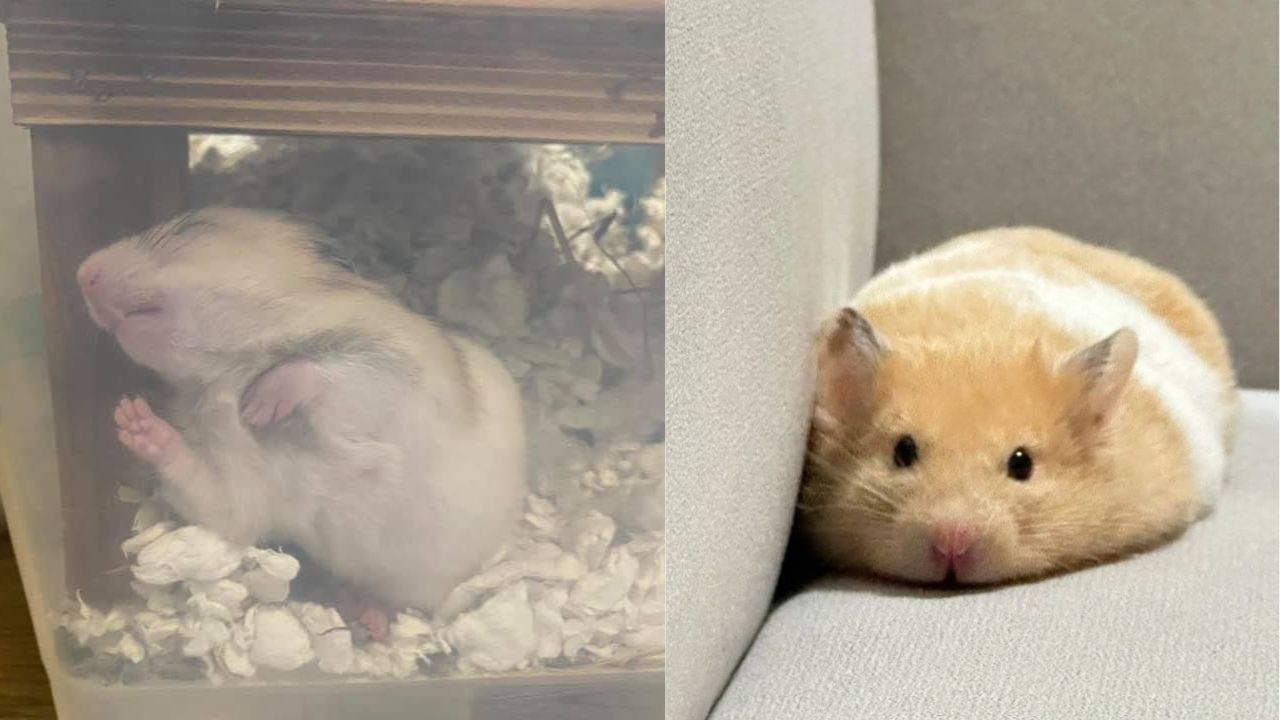
I told him what he had was a deeply, contentedly sleeping hamster. The on-the-back position with legs in the air is, in a warm environment and an otherwise healthy animal, one of the most relaxed sleeping positions a hamster produces. It looks alarming. It is not.
He went home considerably less worried than he had arrived.
That conversation — or some version of it — happens regularly. Because hamster sleeping positions do genuinely communicate something, and most owners have never been told how to read them. That is what this article is for.
Why Sleeping Position Matters More Than Most Owners Realise
Hamsters spend a significant portion of their lives asleep. They are nocturnal animals, and during the daytime hours — when most owners are home and observing them — they will typically be in a sleep cycle. How they sleep, where they sleep, and in what position tells you a great deal about whether they feel safe, whether they are comfortable, and occasionally whether something is wrong.
The difficulty is that hamster sleep can look alarming to an uninformed eye. A hamster sleeping on its back looks dead. A hamster sleeping in a fully stretched position looks ill. A hamster sleeping outside its nest can look lost or distressed. Almost none of these are cause for concern in the right context. But “the right context” is the important part — and that is what I want to give you here.
The Curled Ball — The Classic Position
This is the position most owners recognise immediately. The hamster is curled tightly into a ball, nose tucked toward its belly, all four legs folded underneath, tail tucked in. It may be in the nest or in a corner of the cage.
This is the most common sleeping position and the most self-explanatory. A hamster curled tightly is conserving heat and protecting its vulnerable underside — both things a relaxed, healthy hamster does naturally during a normal sleep cycle.
In a cooler environment, the curl will be tighter. In a warmer environment, it will be looser. Both are normal. The tightness of the curl is the hamster’s response to ambient temperature, not an indicator of stress or illness.
If your hamster always sleeps like this and seems well in all other respects, this is simply your hamster sleeping normally. Nothing to act on.

Flat on Its Side — Relaxed or Cause for Concern?
A hamster lying flat on its side, legs extended, body fully stretched out — this is the position that produces the second most queries after the on-the-back position.
In a warm room, in an otherwise healthy and active hamster, flat-on-side sleeping is a sign of deep relaxation. The animal is comfortable enough to expose its side — a vulnerable position for a prey animal — which means it feels safe in its environment. You will often see this in hamsters that are well settled, well tamed, and comfortable with their surroundings.
The context questions to ask: Is the room warm? Was the hamster active during its normal active period last night? Is it eating and drinking normally? Does it respond when the cage is gently tapped or your voice is heard nearby?
If the answers are yes, you are looking at a relaxed hamster. If the hamster is in this position and is cold to the touch, unresponsive to sound or gentle stimulation, and has not been active for an extended period — that is a different picture, which I will come to.
On Its Back With Legs in the Air — The One That Causes the Most Panic
This is the position the man came in to ask about. And it is genuinely the one that causes the most unnecessary alarm, so I want to be very clear about it.
A hamster lying on its back with its legs in the air, in a warm room, is almost always a deeply contented, deeply relaxed animal. It is the hamster equivalent of a dog rolling on its back on a warm afternoon. The animal feels safe enough to expose its most vulnerable side completely. This is a good sign, not a bad one.
It tends to happen more in warmer weather or in warm rooms, because the hamster is too comfortable and too warm to curl up for heat conservation. It will often look completely limp and may have its eyes partially closed.
The way to distinguish this from something serious is simple: watch for breathing. A sleeping hamster’s side will rise and fall, however shallowly. A gentle sound — your voice, a soft tap on the cage — should produce some response, even if it is small. A living, deeply sleeping hamster will also feel warm to a very gentle touch.
If those things are true, leave the hamster alone. It does not need to be woken, checked on, or worried about. It is sleeping well.
Sleeping Outside the Nest — What It Usually Means
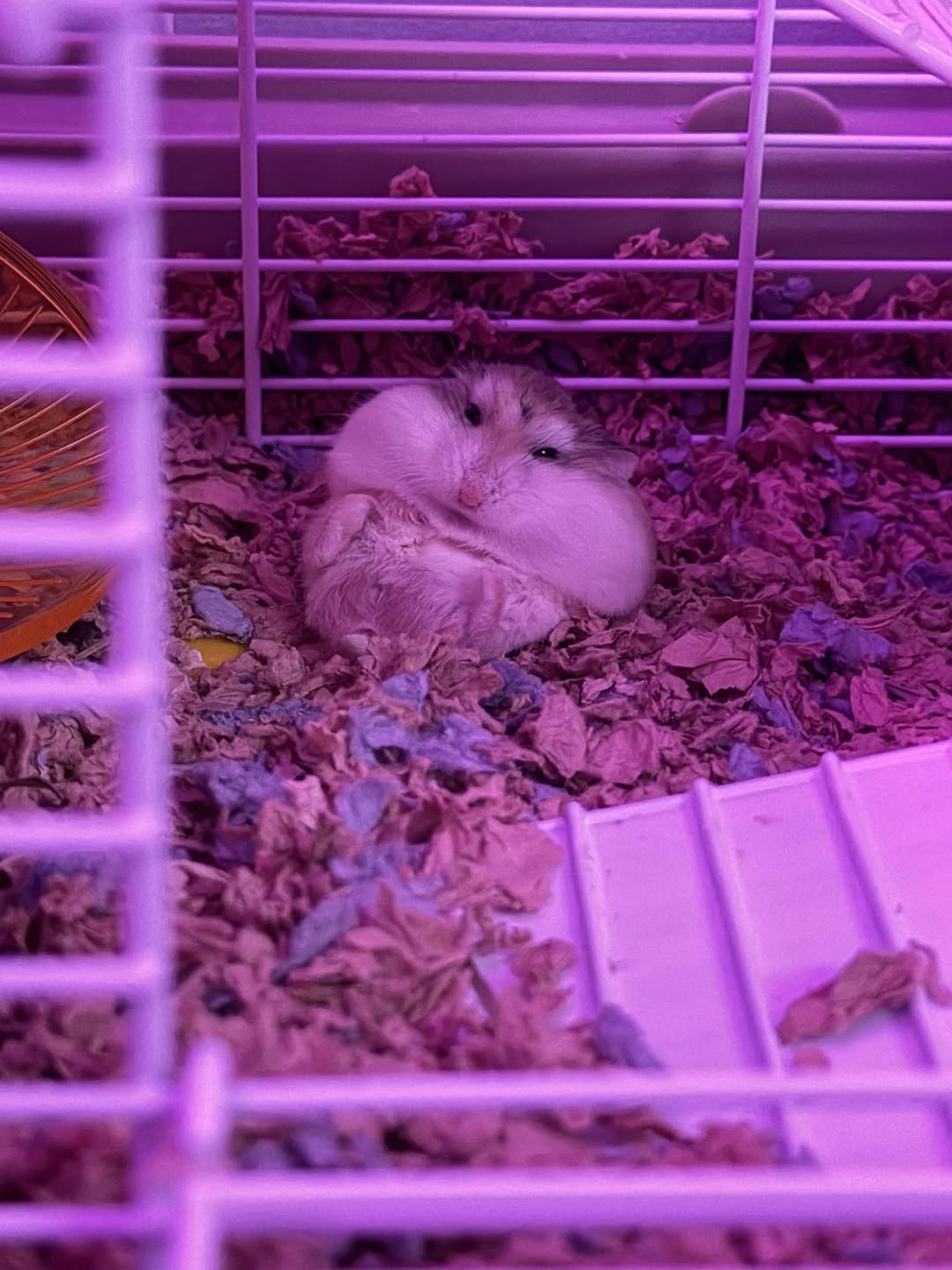
A hamster that regularly sleeps outside its nest — in a corner of the cage, against the bars, in the food bowl, or in an open area rather than its designated sleeping spot — is worth paying attention to, though not always cause for alarm.
The most common reasons are environmental. The nest may be too warm. The bedding may need changing. The nest box may be in a position the hamster does not feel comfortable with — too exposed, too close to a draughty area, or recently disturbed.
Hamsters are very particular about their nests. If something about the nest is not right — temperature, smell, position, material — the hamster will find somewhere else to sleep rather than using it. This is instinct rather than a welfare crisis, but it is telling you something about the environment that is worth addressing.
If the sleeping location outside the nest is consistent and the hamster is otherwise well, check the nest first. Is it too packed? Is the bedding damp or soiled? Has the cage recently been cleaned in a way that removed the hamster’s own scent from the nest area? A full cage clean that removes all familiar smells can temporarily make the hamster feel less secure in its own nest.
If environmental explanations do not account for it, and the hamster is also showing other changes — reduced activity, reduced eating, or changed droppings — a vet visit is the right step.

Sleeping Much More Than Usual — When to Pay Attention
This is one of the more important things to cover, because it is where sleeping position shades into a broader health indicator.
A hamster that is sleeping significantly more than it usually does — that you rarely see active even during its natural evening hours, that seems slower to respond, that is not eating or drinking as much — may be unwell. Increased sleep is one of the earliest and most consistent signs of illness in hamsters, and it is easy to miss precisely because hamsters sleep a lot anyway.
The baseline you are looking for is your individual hamster’s normal. That is why observation matters — once you know how active your hamster usually is in the evenings, how long it usually sleeps during the day, what its typical energy level looks like, a change becomes obvious.
Hamsters also slow down naturally as they age. A hamster in its final months will sleep more and be less active than it was a year earlier. That is normal ageing rather than acute illness, though it warrants monitoring.
The sleeping position that accompanies illness is often the same as normal sleep — curled ball, flat on side — but with the key difference that the hamster cannot be roused easily, is cold rather than warm, and has not been eating or drinking. If that picture fits what you are seeing, do not wait.

Torpor — The One That Gets Mistaken for Death
This is the most important section in the article, and I want to be direct about it.
Hamsters can enter a state called torpor — a temporary slowing of all bodily functions in response to cold. It is not true hibernation in the way bears hibernate, but it produces a similar outward appearance: the hamster is limp, cold, barely breathing, and completely unresponsive. It can easily be mistaken for death.
Torpor is triggered by exposure to cold temperatures. If the room your hamster is in drops significantly — below around 10 degrees Celsius — the hamster may enter torpor. This can happen in an unheated room in winter, in a garage or outbuilding, or during a cold snap if the heating in the house goes off overnight.
A hamster in torpor is not dead. But it is in a vulnerable state, and it needs to be warmed carefully and promptly.
If you find your hamster cold, limp, and unresponsive, bring it somewhere warm immediately. Hold it gently in your cupped hands and let your body heat transfer to it slowly. Do not use direct heat — a radiator, a hot water bottle, a hairdryer. Gradual warming over twenty to thirty minutes is what is needed.
As it warms, you should see small movements begin to return. Twitching, then more deliberate movement, then eventually the hamster becoming active again.
If the hamster does not respond to gradual warming within thirty to forty minutes, or if it was found in circumstances where you are uncertain whether it is torpor or something else, get to a vet. Time matters.

A Quick Reference — Sleeping Position and What It Means
I know some owners want a straightforward summary, so here it is.
Tightly curled ball in the nest, in a cool room. Normal. The hamster is conserving heat. Nothing to do.
Loosely curled or flat on side, in a warm room. Normal. Deep, relaxed sleep. Nothing to do.
On its back with legs in the air, in a warm room, breathing visible. Normal. Deeply contented. Looks alarming, is not.
Outside the nest consistently. Worth investigating. Check nest temperature, bedding condition, and cage position. Usually environmental.
Sleeping significantly more than usual, reduced activity in the evenings. Monitor closely. If accompanied by reduced eating or drinking, vet visit warranted.
Cold to touch, completely unresponsive, no visible breathing. Possible torpor or serious illness. Warm gradually if temperature is the likely cause. Vet immediately if not responding.
Frequently Asked Questions
My hamster sleeps with its eyes open — is that normal?
Yes, occasionally. Hamsters sometimes sleep with their eyes partially or fully open, particularly during lighter sleep phases. It looks unsettling but it is not harmful. If the hamster responds normally when approached and is active during its usual hours, there is nothing to be concerned about.
Should I wake my hamster during the day to check on it?
No — not as a routine. A hamster woken from sleep during the day will be disoriented and defensive, and repeated daytime disturbances will cause stress and make handling more difficult. If you have a specific concern — you have not seen the hamster move for an unusually long time, the position looks genuinely abnormal — a gentle sound near the cage is a better first step than reaching in. If there is no response to sound, then proceed more carefully.
How long do hamsters normally sleep?
Syrian hamsters typically sleep twelve to fourteen hours per day. Most of that sleep happens during daylight hours. During their natural active period — from dusk onward — they should be awake, moving, eating, and drinking. If your hamster is also asleep or very inactive during the evening hours, that is the pattern worth paying attention to.
My hamster seems to be sleeping in a new spot since I cleaned the cage — is this connected?
Very possibly. A full cage clean removes the hamster’s scent from every surface, including the nest. The hamster has to re-establish familiarity with its environment, and some animals respond to this by sleeping in a different location temporarily. Leaving a small amount of used bedding in the nest area during cleaning helps maintain the familiar scent and reduces this disruption.
Could my hamster be cold rather than in torpor?
The distinction matters less than the response. A hamster that is cold but not yet in torpor will be sluggish and slow to respond. A hamster in full torpor will be completely unresponsive. Both need the same initial response — gradual warming in a cupped hand in a warm room. If the hamster is simply cold, it will recover quickly. If it is in torpor, it will take longer. If it does not respond to gradual warming within thirty to forty minutes, go to a vet.
One Last Thing
Knowing what your hamster’s sleeping positions mean is one of those small investments of time that pays back consistently. It removes unnecessary alarm when the hamster is fine. And it sharpens your awareness of when something actually has changed — which is the thing that saves animals.
The owners I have seen make the best decisions in a genuine health situation are almost always the ones who knew their animal well enough to recognise that something was different. Not dramatically different. Just different from what they knew was normal.
That knowledge is built through observation, and it starts with something as simple as paying attention to how your hamster sleeps.
If you have seen something that does not fit any of the descriptions above, or if you want to talk through anything specific, come and find us at Manor Garden Centre, Cheney Manor, Swindon SN2 2QJ. Get in touch here or call 01793 512400.
Visit Us at Paradise Pets Swindon
We stock Syrian and dwarf hamsters year-round alongside everything you need to keep them well. If you have a concern about your hamster’s health or behaviour, come in and talk to us.