
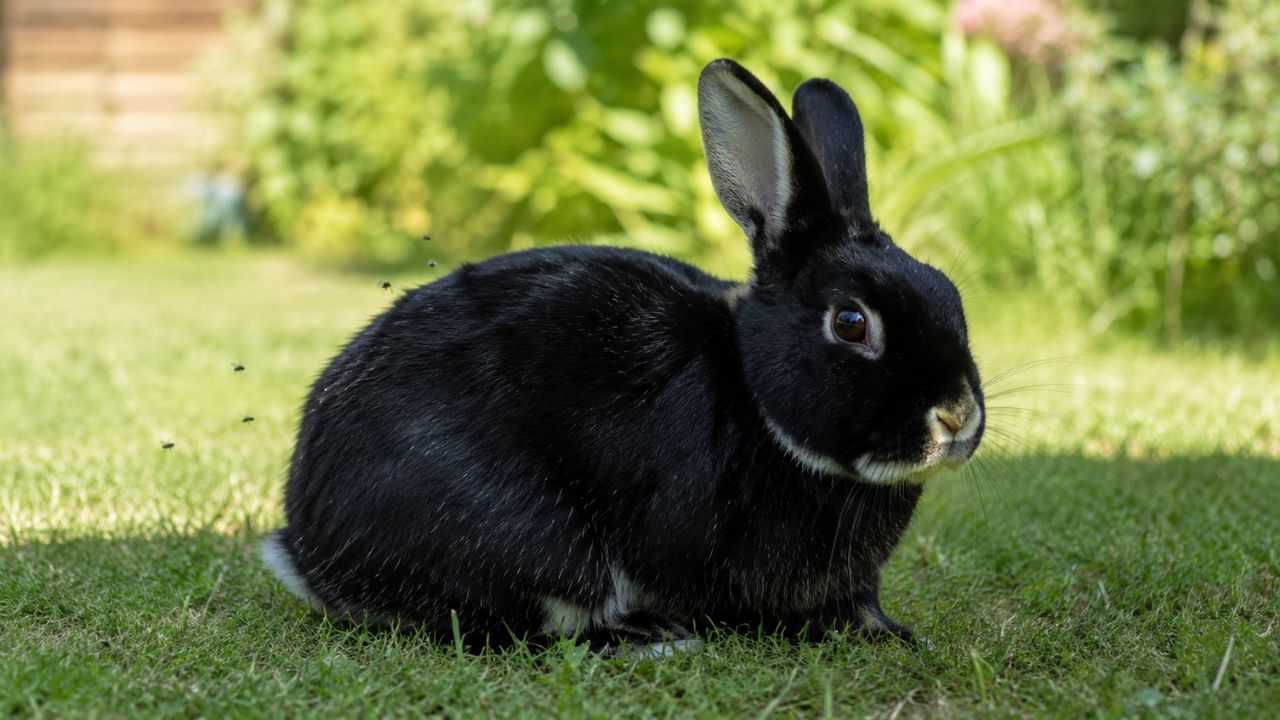

Neil has been keeping, breeding, and selling rabbits at Paradise Pets Swindon since 1988 — over 35 years of daily first-hand experience with these animals and the people who keep them. Every summer, without exception, he sees rabbits brought in or hears from owners whose rabbits have died from a condition that is entirely preventable and that most owners have never heard of before it happens to their animal. This is his honest guide to flystrike — what it is, why it kills rabbits so fast, and what to do every single day from April to October to make sure it never happens to yours.
A man came into the shop on a Tuesday in July. He did not have the rabbit with him. He had come in, he said, because he needed to talk to someone who would understand.
His rabbit had died that weekend. A four-year-old Netherland Dwarf, healthy by all appearances, kept in a well-maintained hutch in the garden. On Saturday morning it had been fine. By Saturday afternoon it was clearly unwell — hunched, not moving, something visibly wrong around the back end. He had got it to an emergency vet by early evening.
The vet had found hundreds of maggots in the tissue around the rabbit’s hindquarters. The damage was too extensive to treat. The rabbit was put to sleep the same evening.
The man sat down in the shop and told me he had owned that rabbit for four years without ever hearing the word flystrike. He had never been told about it when he bought the rabbit. He had never read about it. He had not known it existed until the vet explained what had killed his animal.
He was not angry. He was the quiet, devastated kind of upset that is worse than anger, and he wanted to know why nobody had told him.
I did not have a satisfying answer. I have thought about that conversation many times since. The honest answer is that flystrike is not mentioned enough, not prominently enough, not early enough in the relationship between owner and rabbit. It should be the first thing every new rabbit owner is told about summer care. It is, without question, the garden danger that sends more rabbits to the vet — and kills more rabbits — than anything else between April and October.
This is the article I wish every rabbit owner had read before they needed it.
What Flystrike Actually Is — The Honest Explanation
Flystrike — the common name for myiasis in rabbits — occurs when blowflies lay their eggs on a rabbit, usually in the area around the hindquarters, and the eggs hatch into larvae that burrow into and feed on the living tissue of the rabbit. The primary species responsible in the UK is Lucilia sericata, the green bottle fly, though other blowfly species are also involved.
The process is faster than most people imagine. In warm summer weather, blowfly eggs can hatch in as little as twelve hours. The larvae begin feeding on the rabbit’s tissue immediately. In a rabbit that is not checked, a significant infestation can develop within 24 hours of egg laying. The maggots produce toxins as they feed and burrow, and the resulting combination of tissue damage and toxaemia can kill a rabbit within 24 to 72 hours of the infestation beginning.
- Blowflies are attracted by moisture, warmth, and the smell of urine or faeces — a rabbit with a dirty or damp hindquarter is at significantly higher risk than a clean, dry rabbit; any condition that causes urine scalding, diarrhoea, or soft caecotrophs being left on the fur rather than eaten provides the conditions blowflies need
- The risk is highest between April and October — particularly during warm, humid spells when blowfly populations are at their peak; the risk effectively disappears in cold weather when flies are inactive, which is why this is specifically a summer condition
- Any rabbit can be affected — but some are at significantly higher risk; overweight rabbits that cannot reach their hindquarters to groom, rabbits with dental problems that prevent normal caecotroph eating, elderly or arthritic rabbits, and rabbits with any condition causing loose stools or urine incontinence
- The damage is not visible from a normal viewing distance — the eggs are tiny and the early larvae are small; by the time the rabbit’s behaviour changes noticeably, the infestation is already advanced; this is why checking — not just looking at the rabbit — is essential

Why Rabbits Are Particularly Vulnerable
The combination of factors that makes rabbits so vulnerable to flystrike is worth understanding clearly — because it explains why vigilance is not optional and why the condition can progress so fast without the owner realising.
Rabbits are prey animals with a strong instinct to hide illness and vulnerability. A rabbit in the early stages of flystrike will continue to eat, will move around, will appear broadly normal — because showing vulnerability in the wild is fatal. By the time the rabbit’s behaviour changes enough for an owner to notice without a close physical check, the infestation is well advanced.
Additionally, the hindquarter area — where flystrike most commonly develops — is not an area owners typically look at closely during daily observations. A rabbit sitting in its hutch looks fine from the front. The area at highest risk is behind and beneath the animal, which is not visible without picking the rabbit up or specifically examining the hindquarters.
- Normal observation is not sufficient during summer — seeing that the rabbit is eating and moving does not tell you what is happening in the area around its hindquarters; a close physical check is required
- Rabbits with mobility issues cannot groom their hindquarters effectively — overweight rabbits, arthritic rabbits, rabbits with spinal problems, and very large breeds that cannot flex their spine sufficiently to reach the rear all accumulate the urine and faecal material that attracts flies; these animals are at highest risk and need the most frequent checking
- Dental disease increases flystrike risk — a rabbit with dental pain will not eat normally and may not eat its caecotrophs; undigested caecotrophs accumulating around the hindquarters are a major fly attractant; dental problems and flystrike risk are linked in a way most owners do not know about
- Diarrhoea and soft droppings massively increase risk — any condition causing runny or soft droppings creates the wet, soiled fur that blowflies need; during summer, digestive upsets in rabbits require immediate attention in part because of the flystrike risk they create
The Conditions That Make Your Garden Dangerous
The garden is the environment where most flystrike occurs in UK pet rabbits — and understanding why helps owners make practical changes that reduce risk significantly.
- Warm, humid weather — the combination of heat and humidity that characterises UK summer weather is optimal for blowfly reproduction and egg development; temperatures above 10 degrees Celsius allow fly activity; above 20 degrees the risk escalates significantly
- Soiled bedding not removed frequently enough — wet, soiled bedding in a hutch is a fly attractant; during summer the minimum standard is daily removal of soiled material; in very warm weather, twice daily is appropriate for high-risk rabbits
- A hutch that does not drain or ventilate adequately — a damp hutch floor with poor ventilation creates the warm, moist conditions that accelerate fly egg hatching; hutch maintenance and positioning matter during summer
- Long grass and organic material in the run area — blowflies are attracted by decomposing organic matter; a run area with accumulated droppings, damp soil, and vegetation provides a general fly-attracting environment near the rabbit
- Proximity to compost heaps, bird feeders, or other fly attractants — positioning the hutch and run well away from these reduces the local fly population the rabbit is exposed to
- Shaded but poorly ventilated hutch positions — while direct sun exposure creates its own risks, a hutch that is shaded but poorly ventilated in warm weather can be warmer than the surrounding air due to the rabbit’s body heat and fermentation of bedding; ventilation is as important as shade
How To Check Your Rabbit Every Day — The Non-Negotiable Summer Routine
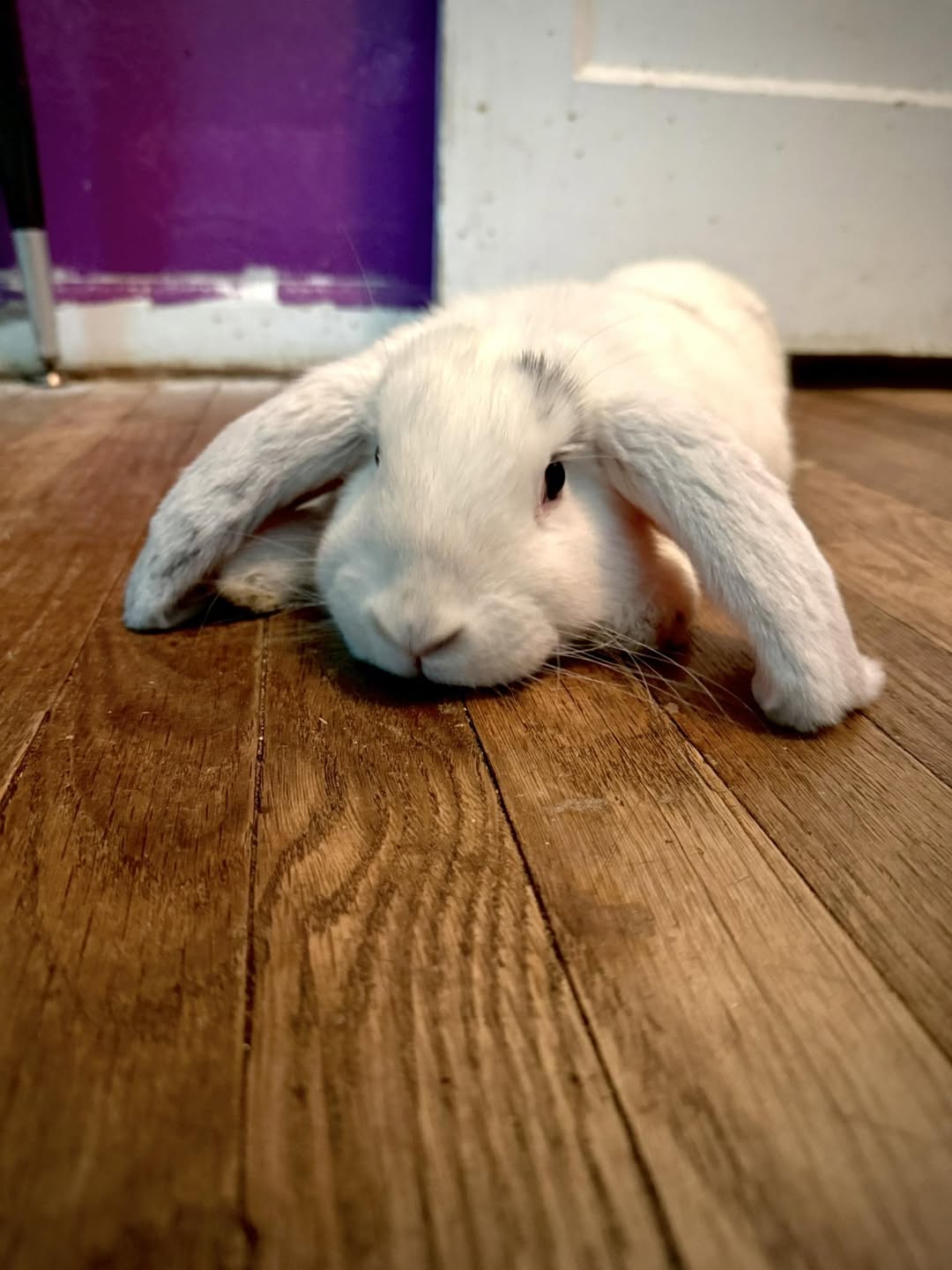
This is the section I want every rabbit owner to read, print, and put on the hutch. Daily checking during summer is the single most effective flystrike prevention measure available. It is also the one most owners skip because the rabbit seems fine from a distance.
- Pick the rabbit up and check the hindquarters directly, every single day from April to October — not from above, not from a distance; the rabbit needs to be lifted or turned so the area beneath the tail, around the vent, and along the inner thighs can be examined directly; this takes thirty seconds and is the most important thirty seconds in summer rabbit care
- What you are looking for — any wet or soiled fur; any unusual smell (a sweet, unpleasant, or fermenting smell is a serious warning sign); any tiny white eggs in the fur (smaller than a grain of rice, clustered in groups); any tiny cream or white larvae moving in the fur or against the skin; any redness, swelling, or broken skin in the hindquarter area
- Check in the morning and in the evening during very warm spells — fly activity peaks in the warmest part of the day but eggs can be laid from early morning; twice-daily checking during heat waves is appropriate for all rabbits and essential for high-risk ones
- Clean soiled fur immediately — if you find urine-soiled or faeces-stained fur during checking, clean it gently with warm water, dry it thoroughly, and investigate the cause of the soiling; a rabbit that is consistently soiling its fur needs a vet check to identify the underlying reason
- Do not skip a day — flystrike can develop from egg to advanced larval infestation within 24 hours in warm weather; the day you skip is the day it happens

Prevention — Everything That Actually Reduces Risk
Beyond daily checking, these measures each make a genuine difference to flystrike risk and should all be in place for any outdoor rabbit during summer.
- Rearguard — veterinary prevention treatment — Rearguard is a licensed veterinary product applied to the hindquarters of the rabbit that prevents blowfly larvae from developing; it is available from vets and some pet shops; one application protects for ten weeks; for high-risk rabbits it is as close to a guarantee of protection as available; I recommend it to every rabbit owner every spring
- Daily hutch hygiene — remove soiled bedding daily during summer; do not allow wet or soiled areas to sit in the hutch; the hutch floor should be dry and the bedding fresh; a clean hutch is a significantly less attractive environment for blowflies
- Fly screens on the hutch — fine mesh screens on the hutch openings prevent flies from landing on the rabbit while still allowing ventilation; purpose-made rabbit hutch fly screens are available or can be constructed from fine insect mesh; these are particularly useful at dusk and dawn when fly activity is highest
- Weight management — an overweight rabbit that cannot reach its hindquarters to groom is at dramatically higher flystrike risk than a rabbit at healthy weight; if your rabbit is overweight, addressing this is a genuine health priority, not just an aesthetic one
- Regular grooming of long-haired breeds — angoras and other long-haired rabbits are at higher risk because their fur traps moisture and provides more surface area for fly egg laying; regular grooming and trimming of the fur around the hindquarters during summer reduces risk significantly
- Correct diet for digestive health — a rabbit with consistently well-formed droppings and normal caecotroph production is at lower risk than one with chronic loose stools; the foundation of good digestive health is unlimited hay, restricted pellets, and minimal sugary treats; correct diet is a flystrike prevention measure
- Regular veterinary health checks — dental disease, arthritis, obesity, and kidney problems all increase flystrike risk; an annual health check identifies these conditions so they can be managed, and in doing so reduces the secondary flystrike risk they create
If You Find Flystrike — What To Do In The Next Ten Minutes
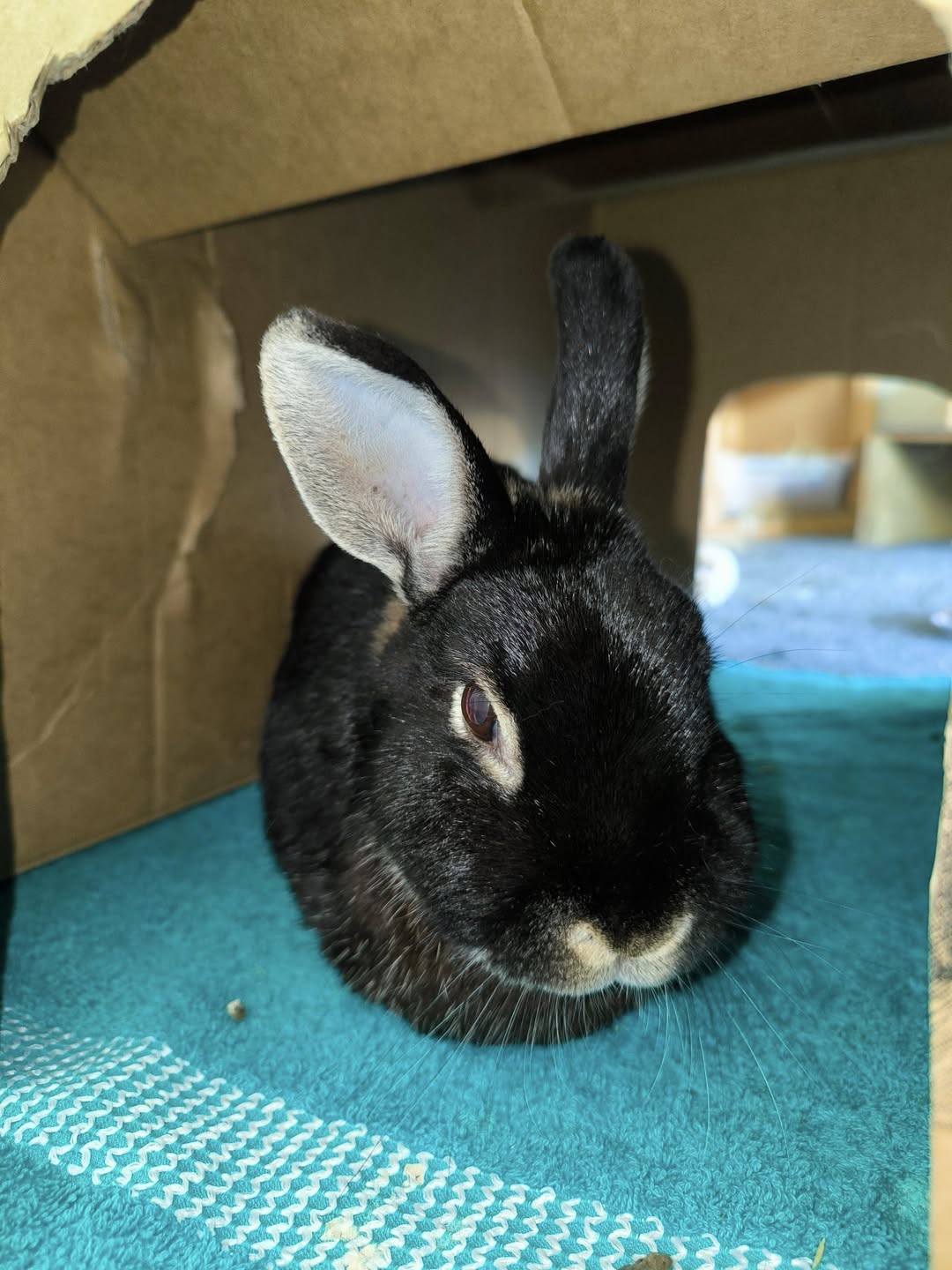
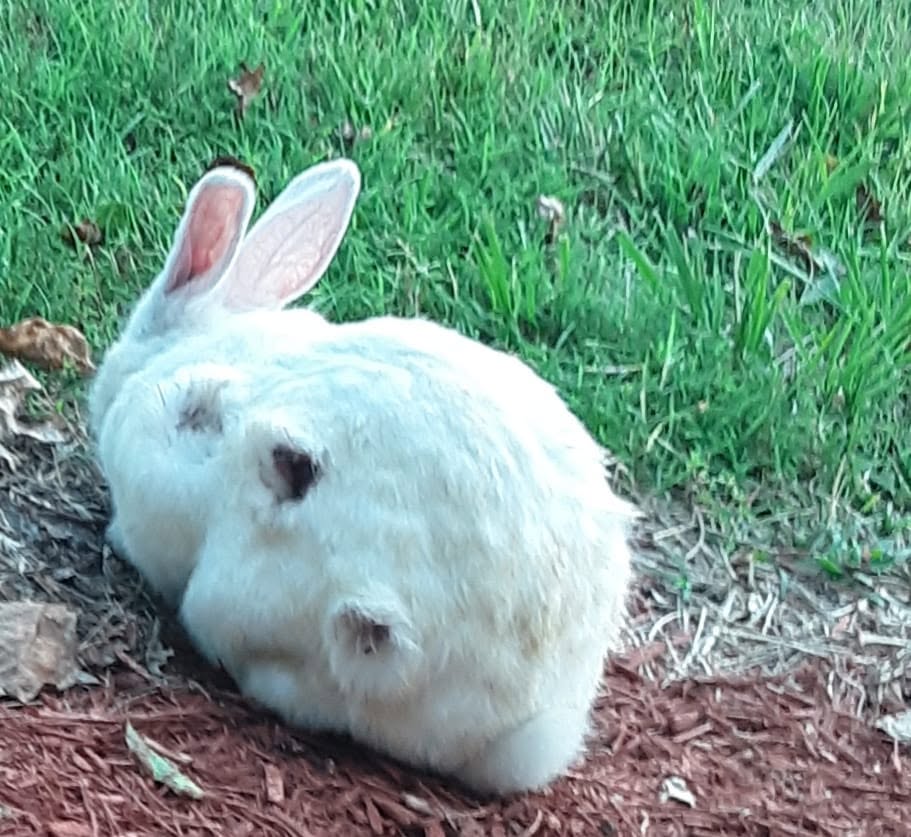
- If you find maggots on or in your rabbit, phone an avian and exotic vet or a vet experienced with rabbits immediately — tell them you have a rabbit with flystrike and ask to be seen as an emergency; this is not a same-day appointment situation, it is a now situation
- Do not attempt to remove larvae yourself — the rabbit will be in shock and significant pain; handling the affected area without appropriate pain relief causes additional trauma; veterinary sedation and pain management are required before the area can be properly assessed and cleaned
- Keep the rabbit warm — a rabbit in shock loses body heat rapidly; a warm, dark, quiet box while you travel to the vet helps stabilise the animal
- Do not put the rabbit in water or attempt to wash the affected area — this can send the rabbit into further shock and does not effectively remove larvae from tissue they have already burrowed into
- Be honest with the vet about how long you think the infestation has been present — this information directly affects treatment decisions; the earlier it is caught, the better the chance of a positive outcome
- Understand that severely advanced cases may not be treatable — a rabbit with extensive tissue damage from an advanced infestation may not survive treatment or may have a quality of life that makes euthanasia the kindest option; this is the reality of late-stage flystrike and it is why prevention matters so absolutely
The Signs of Early Flystrike — Act Before These Become Obvious
The challenge with flystrike is that the signs owners typically notice are signs of advanced infestation. Here are the early signs — the ones that, if you are checking daily, you can catch before the infestation reaches a critical stage.
- Unusual smell from the hutch or from the rabbit — a sweet, unpleasant, or distinctly different smell from the rabbit’s hindquarter area is often the first detectable sign; trust this and investigate immediately
- Tiny white clusters in the fur around the hindquarters — blowfly eggs before hatching; these can be removed with warm water at this stage and the risk addressed before larvae develop; this is the earliest possible intervention point
- The rabbit is sitting in an unusual position or appears uncomfortable — a rabbit that is sitting hunched, that keeps shifting position, or that is reluctant to move normally may be responding to early larval activity before the infestation is visually obvious
- Wet or matted fur around the hindquarters that was not present at the last check — even without visible eggs or larvae, newly soiled or damp fur in the hindquarter area during warm weather requires immediate examination and cleaning, and should prompt twice-daily checking until the cause is identified
- Any change in normal behaviour during summer — reduced appetite, reduced activity, unusual stillness — in a rabbit that is otherwise well-housed during the at-risk months, any behavioural change warrants a physical check of the hindquarters before any other investigation
Frequently Asked Questions
How do I know if my rabbit has flystrike?
The only reliable way to know is direct physical examination of the hindquarters — lifting the rabbit and checking the area beneath the tail, around the vent, and along the inner thighs. From a normal viewing distance, early flystrike is not visible. By the time behavioural signs appear, the infestation is typically advanced. During the April to October risk period, check your rabbit’s hindquarters directly every single day, regardless of how well the rabbit looks.
Can indoor rabbits get flystrike?
Yes, though the risk is lower than for outdoor rabbits. Any rabbit with soiled fur, urine scalding, or soft droppings that is in a room where flies are present is at risk. During warm weather when windows are open, indoor rabbits should be checked daily and any soiling addressed promptly. Fly screens on windows in rooms where rabbits are kept significantly reduce risk.
What is Rearguard and should I use it?
Rearguard is a licensed veterinary product containing cyromazine that prevents blowfly larvae from developing in the rabbit’s coat. One application protects for approximately ten weeks. It is available from vets and some specialist pet retailers. I recommend it to every rabbit owner every spring — particularly for outdoor rabbits and for any rabbit in a high-risk category. It is not a substitute for daily checking but it adds a meaningful layer of protection on top of good hygiene and monitoring.
My rabbit had loose droppings. Should I be worried about flystrike?
Yes — immediately. Loose or soft droppings that accumulate in the fur around the hindquarters create exactly the conditions blowflies need. Check the hindquarters immediately, clean any soiling, and investigate the cause of the loose droppings. A rabbit with loose droppings during summer needs a vet check both for the underlying digestive cause and because the flystrike risk while the droppings are abnormal is significantly elevated. Do not wait to see if the droppings improve before checking for flystrike risk.
How fast does flystrike develop?
In warm summer weather — temperatures above 20 degrees Celsius — blowfly eggs can hatch in as little as twelve hours. Larvae begin feeding on the rabbit’s tissue immediately. A significant infestation can develop within 24 hours of egg laying. A rabbit that was checked yesterday and appeared fine can be in crisis today. This is why daily checking is not an optional extra — it is the entire basis of flystrike prevention.
Where can I get Rearguard and flystrike advice in Swindon?
Come in to Paradise Pets at Manor Garden Centre, Cheney Manor Industrial Estate, Swindon SN2 2QJ — or call us on 01793 512400. We can advise on Rearguard, hutch hygiene, daily checking technique, and any aspect of summer rabbit care. If you are concerned about a rabbit that may already have flystrike, contact a vet immediately — do not stop here on the way. Free advice on prevention, no obligation. That is how we have done things here for 35 years.
One Last Thing From Me
The man who came into the shop after losing his rabbit — the one who had never heard of flystrike — came back about a month later. He had a new rabbit. And he had come back, he said, specifically to talk to me about flystrike prevention before summer arrived properly.
He had Rearguard. He had a daily checking routine that he had written down and pinned to the hutch. He had upgraded the hutch mesh to include fly screening. He had read everything he could find about high-risk conditions and what they looked like.
He was doing everything right.
“I just wish I had known all this before,” he said.
I told him the same thing I tell every owner who hears about flystrike for the first time. The information was always available. The problem is that nobody makes sure new rabbit owners hear it early enough and clearly enough for it to stick before they need it.
If you have read this article before you have ever had a rabbit affected by flystrike, that is exactly where I want you to be. Informed, prepared, checking daily, and with Rearguard in the hutch from April.
The rabbits that die from flystrike die because their owners did not know to look. The ones that do not die — the ones that live long, healthy, summer-safe lives — do so because their owners knew exactly what to check for and checked every single day.
Thirty seconds. Every day. April to October.
That is the whole thing.
Questions About Flystrike Prevention Or Summer Rabbit Care? Come In.
Tell me your rabbit’s setup and I will tell you honestly what the risk level is and what changes are worth making. We stock Rearguard and can advise on everything from hutch position to daily checking technique. Free advice, no obligation. That is how we have done things here for 35 years.