
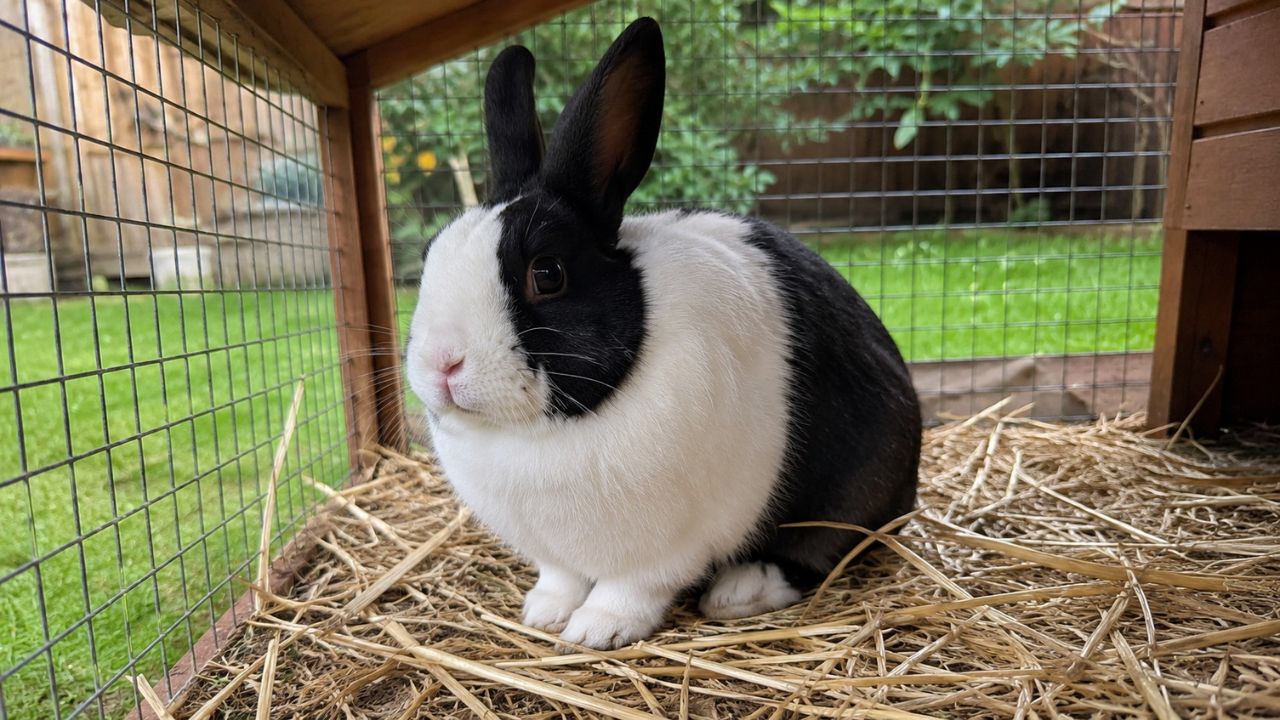

Neil has kept, bred, and sold rabbits at Paradise Pets Swindon since 1988 — over 35 years of first-hand experience with these animals. In that time, sneezing rabbits have been one of the most common concerns owners bring to the counter. This article is his honest guide to what is actually going on — and when it needs urgent attention.
A woman came into the shop on a Wednesday morning with a video on her phone. Her rabbit — a two-year-old mini lop called Biscuit — had been sneezing repeatedly for three days. She had filmed it the previous evening. She held the phone up and played me about thirty seconds of footage.
In that thirty seconds, Biscuit sneezed four times. After the second sneeze, I could see a small amount of white discharge around her nostril. After the fourth, Biscuit wiped her nose with her front paw.
I told the woman to get to a vet that afternoon.
“Is it serious?” she asked.
I said — it might not be. Or it might be snuffles, which is a bacterial respiratory infection in rabbits that can become chronic and very difficult to manage if it is not caught and treated early. I did not want to frighten her unnecessarily. But I also was not going to tell her to wait and see, because waiting and seeing with respiratory symptoms in a rabbit is how a treatable condition becomes a lifelong problem.
Biscuit had Pasteurella — the most common bacterial cause of snuffles in rabbits. She was treated with antibiotics. She recovered well. And her owner now knows exactly what to watch for if it comes back.
That is the conversation this article is about.
First — Is Occasional Sneezing Normal in Rabbits?
Yes — and I want to say this clearly before anything else, because I do not want owners panicking every time their rabbit sneezes once.
Rabbits sneeze occasionally for exactly the same reasons people do. A bit of dust in the air. A piece of hay that went up the nose. A strong smell. A dry environment. An occasional sneeze — one or two in an hour, without any other signs, in a rabbit that is otherwise completely well — is not a cause for concern.
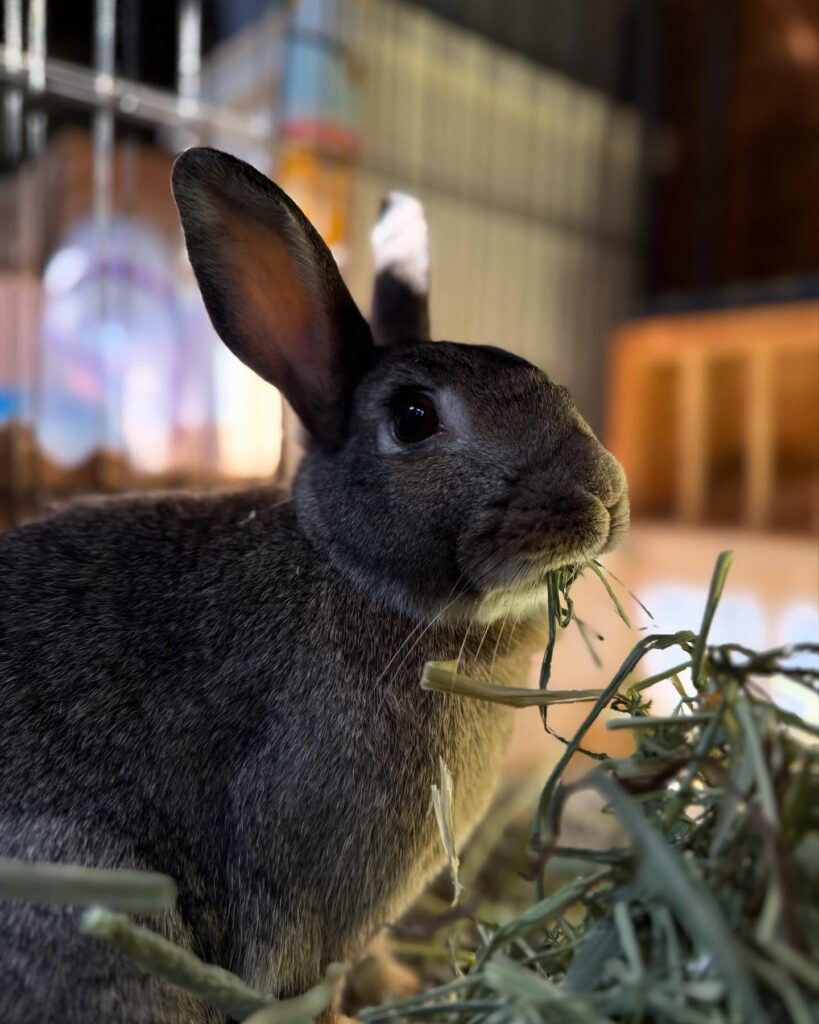
What I am describing in this article is something different — repeated sneezing, sneezing that comes in bouts, sneezing that is accompanied by discharge, or sneezing that is happening in a rabbit that also seems quiet, less interested in food, or generally not quite right.
That is when you act.
- Normal — one or two sneezes, no discharge, rabbit otherwise completely well, eating and moving normally
- Normal — a single sneezing episode after hay has been disturbed or bedding changed
- Act on this — sneezing repeatedly throughout the day, or in obvious bouts of multiple sneezes
- Act on this — any discharge from the nostrils — white, yellow, or clear — alongside sneezing
- Act on this — wet or matted fur on the front paws — rabbits wipe their noses with their feet
- Act on this — sneezing alongside other signs — reduced appetite, less movement, quieter than usual
- Act on this — sneezing that has been going on for more than a day or two without obvious cause
Cause 1: Snuffles — The Most Important Cause to Know About
Snuffles is the common name for a bacterial upper respiratory infection in rabbits — most often caused by Pasteurella multocida, though other bacteria can be involved. It is the cause I think about first when a rabbit is sneezing repeatedly, and the one that has the most significant implications if it is not caught early.
Pasteurella is extremely common in rabbit populations. Many rabbits carry it without showing symptoms — it lives in the nasal passages and only becomes an active problem when the rabbit’s immune system is compromised by stress, a change in environment, poor diet, or another illness. Once it becomes active, it causes the classic signs of snuffles.

- Repeated sneezing — often in bouts, multiple times throughout the day
- Nasal discharge — white, creamy, or yellowish. Clear discharge can also be present in earlier stages
- Wet or matted fur on the inside of the front paws — from wiping the nose
- Noisy or slightly laboured breathing — a subtle change in breathing sound
- Reduced appetite alongside the sneezing — the congestion affects the rabbit’s ability to smell food
- Weepy or slightly crusty eyes — Pasteurella can spread to the tear ducts
- The rabbit seems quieter and less engaged than usual
The reason I always say act the same day with suspected snuffles is this — Pasteurella infections in rabbits can become chronic. Once the bacteria establishes itself deeply in the nasal passages, sinuses, or middle ear, it can be very difficult to eliminate completely. Chronic snuffles is a manageable but lifelong condition. An early infection caught quickly and treated with the right antibiotic is a very different situation — often resolving fully and not recurring.
The earlier you act, the better the outcome. This is one of the cases where a day or two genuinely matters.
Cause 2: Dental Problems — The Cause Most Owners Never Suspect
This is the one that surprises owners the most when I mention it at the counter — because the connection between teeth and sneezing is not obvious. But it is one of the most common causes of chronic nasal discharge and sneezing in rabbits, and missing it means treating the wrong problem.
A rabbit’s upper teeth roots sit very close to the nasal passages. When those teeth develop problems — overgrowth, spurs, root abscesses, or elongation — the roots can press on or become involved with the nasal passages, causing persistent discharge and sneezing that looks exactly like an infection.

- The sneezing is not responding to antibiotics — if a rabbit has been treated for a bacterial infection and the sneezing continues, dental causes need to be investigated
- The discharge is from one nostril only — one-sided discharge is a strong pointer toward a dental root problem on that side, rather than a generalised infection
- The rabbit is also dropping food, losing weight, or eating less — dental problems affect both eating and breathing when the roots are involved
- The rabbit has not had adequate hay — hay wears teeth down naturally. A rabbit without unlimited hay is at significantly higher risk of dental problems
- The rabbit is over three years old — dental problems become more common as rabbits age
Dental problems in rabbits can only be properly assessed under sedation — the back teeth in particular cannot be examined in a conscious rabbit. If sneezing is persistent and not responding to treatment, ask your vet specifically about a dental assessment.
Cause 3: Environmental Irritants
This is the cause that is most often responsible for occasional, mild sneezing in an otherwise well rabbit — and it is the easiest to fix once you identify it.
Rabbits have sensitive noses. Certain bedding materials, dust from hay, cleaning products, strong-smelling sprays, and even scented products used near the hutch can irritate the nasal passages and trigger sneezing without any underlying infection being present.

- Dusty hay — some hay, particularly cheaper varieties, has significant dust content. Switching to a higher quality, dust-extracted hay often resolves mild sneezing immediately
- Cedar or pine wood shavings — these release aromatic compounds that irritate a rabbit’s respiratory tract. Use paper-based bedding instead
- Aerosol cleaning products — used near the hutch or in the same room. Never use aerosols near rabbits
- Scented candles or plug-in diffusers — less acutely dangerous than in birds, but still a respiratory irritant for rabbits
- Cigarette or vape smoke — chronic exposure irritates the respiratory tract
- Freshly painted walls or new furniture off-gassing — in indoor rabbits particularly, new furnishings or decoration can cause temporary sneezing
If your rabbit’s sneezing started after a change in bedding, a cleaning session, or the introduction of a new product into the environment — environmental irritation is the first thing to check. Remove the potential irritant, improve ventilation, and monitor. If the sneezing resolves within a day or two, you have your answer. If it continues, get to a vet.
Cause 4: Allergies
True allergies are less common in rabbits than environmental irritation, but they do occur — and they are worth knowing about because they can look very similar to a mild infection.
A rabbit with an allergy will typically show sneezing and mild discharge that comes and goes rather than progressing consistently. It may be triggered by specific things — a type of hay, pollen from outdoor plants if the hutch is outside, a specific cleaning product. The rabbit will otherwise seem well — eating, moving, and behaving normally.
- Allergy — sneezing tends to be seasonal or triggered by specific exposures. Clear discharge rather than thick white or yellow
- Allergy — the rabbit is otherwise well — eating, active, no change in demeanour
- Allergy — comes and goes rather than progressing
- Infection — sneezing is consistent and often worsening. Discharge is thicker and may be coloured
- Infection — the rabbit seems less well overall — quieter, less interested in food
- Infection — progresses rather than fluctuating
If you suspect an allergy, a vet visit is still worthwhile — partly to rule out infection, and partly because an allergic rabbit that is repeatedly exposed to its trigger can develop secondary infections over time.
Cause 5: Foreign Body in the Nose
This one is less common but worth including because it can look very much like a sudden onset of snuffles and can be missed if it is not considered.
A piece of hay, a strand of bedding material, or another small object lodged in the nasal passage will cause persistent, localised irritation — repeated sneezing, often one-sided discharge, and obvious discomfort. The rabbit may paw at its face repeatedly or rub its nose on the ground.

A foreign body in the nose is a vet visit — do not attempt to remove anything from a rabbit’s nasal passage at home. A vet can examine the passage properly and, if a foreign body is present, remove it safely.
The pointer toward a foreign body rather than an infection is the sudden onset — the rabbit was fine and then suddenly started sneezing persistently, without the gradual build-up that typically accompanies a developing infection.
What I Check When a Rabbit Owner Comes Into the Shop
When someone brings a sneezing rabbit in, here is the assessment I run through — quickly, because the difference between a minor irritation and snuffles needs to be established fast.
- Is there any discharge? Clear — less urgent but still worth a vet check if persistent. White, yellow, or green — act today. No discharge at all — likely environmental or occasional normal sneezing.
- How long has it been happening? One or two isolated sneezes — probably nothing. Repeated sneezing for more than a day — needs veterinary attention.
- Is the discharge from one nostril or both? One-sided — consider dental cause. Both sides — more likely infection.
- Are the front paws wet or matted? Yes — the rabbit has been wiping its nose consistently. This confirms the sneezing is persistent and not occasional.
- Has anything changed in the environment recently? New bedding, cleaning products, position of the hutch. If yes — environmental cause worth ruling out first.
- Is the rabbit otherwise well? Eating, active, normal droppings. If yes — less urgent, but still needs assessment within a day. If no — vet today.
What To Do Right Now — Step By Step
Here is the practical summary — exactly what I would tell you if you were standing at my counter today.
| What You Are Seeing | What To Do | How Urgently |
|---|---|---|
| One or two sneezes, no discharge, rabbit well | Monitor — check bedding and environment for irritants | Not urgent — watch for 24 hours |
| Repeated sneezing, no discharge, rabbit otherwise well | Check for environmental irritants, vet if continues beyond 48 hours | This week |
| Any discharge from the nose | Vet same day — do not wait | Today |
| Wet matted fur on front paws | Vet same day — sneezing is persistent | Today |
| Sneezing alongside reduced eating or lethargy | Vet same day | Today, urgently |
| One-sided discharge, rabbit picking at nose | Vet same day — possible foreign body or dental cause | Today |
| Sneezing not responding to antibiotic treatment | Back to vet — ask about dental assessment | This week |
How To Reduce the Risk of Snuffles in Your Rabbit
For owners reading this whose rabbit is currently well — here is what I recommend to reduce the risk of snuffles and respiratory problems developing.
- Unlimited high-quality, low-dust hay — the foundation of a rabbit’s diet and the single most important factor in dental health, which directly affects respiratory health
- Paper-based bedding — not cedar or pine shavings, which release respiratory irritants
- Good ventilation without draughts — a hutch that is damp, poorly ventilated, or exposed to cold draughts is a hutch that predisposes to respiratory infection
- No aerosol sprays near the hutch — ever
- Stress reduction — stress is one of the main triggers that activates Pasteurella in carriers. A rabbit with a companion, adequate space, and a consistent routine is less likely to develop active snuffles
- Regular observation — check the nose, the front paws, and the breathing sound every day as part of your normal routine. Catching discharge early is what makes the difference between a treatable infection and a chronic one
Related Reading
Our guide on why rabbits stop eating covers the broader picture of rabbit health emergencies — reduced appetite often accompanies snuffles and is always worth taking seriously in a rabbit.
Our article on why rabbits are not low-maintenance pets covers the full picture of rabbit care — including the veterinary attention that rabbits regularly need and that many owners underestimate.
Frequently Asked Questions
Is it normal for rabbits to sneeze?
Occasional sneezing — one or two sneezes without discharge, in an otherwise well rabbit — is normal. Rabbits sneeze to clear dust, hay particles, or other minor irritants from their nostrils. What is not normal is repeated sneezing, sneezing in bouts throughout the day, or sneezing accompanied by any discharge from the nose. If you are seeing those signs, get to a vet.
What does rabbit snuffles look like?
The classic signs of snuffles are repeated sneezing, white or yellowish discharge from one or both nostrils, and wet or matted fur on the inside of the front paws where the rabbit has been wiping its nose. The rabbit may also seem quieter than usual and less interested in food. If you are seeing white or coloured discharge — even a small amount — this is a same-day vet visit.
Can rabbit snuffles go away on its own?
In my experience, no — not reliably, and not without risk. Snuffles caused by Pasteurella or other bacteria requires antibiotic treatment. An untreated infection can become chronic, spreading to the sinuses, middle ear, and lower respiratory tract, making it progressively harder to manage. Early treatment gives the best outcome. Waiting to see if it resolves on its own risks turning a treatable acute infection into a chronic lifelong condition.
Can I catch snuffles from my rabbit?
Pasteurella multocida — the most common cause of rabbit snuffles — is not generally considered a significant health risk to healthy humans. People with compromised immune systems should take sensible precautions — wash hands after handling a sneezing rabbit, avoid contact with discharge. But for healthy adults and children, the risk of transmission is very low. Your vet can advise specifically if you have concerns.
My rabbit sneezes every morning — what does this mean?
Morning sneezing that occurs consistently when the rabbit first becomes active is often environmental — dust settling overnight in the bedding or hay, or the rabbit disturbing its bedding as it wakes. Check the quality of the hay — switch to a dust-extracted variety and see whether the morning sneezing reduces. If it continues, or if there is any discharge, get a vet check. Morning-specific sneezing that resolves through the day and has no discharge is less concerning than sneezing that continues throughout the day.
Where can I get honest rabbit advice in Swindon?
Come and see us at Paradise Pets, Manor Garden Centre, Cheney Manor, Swindon SN2 2QJ. Or give us a ring on 01793 512400. The advice is free and I have been doing this for over 35 years.
Worried About Your Rabbit? Come And See Me
Bring your rabbit, bring a video, or just bring your questions. I will have a proper look and tell you honestly what I think. Free advice, no obligation. That is how we have done things for over 35 years.