

Updated 24 September 2026: corrected the appetite warning advice. Contact your vet immediately about reduced eating or droppings; do not wait for a fixed number of hours. See the supporting veterinary or welfare guidance.
Neil has kept, bred, and sold rabbits at Paradise Pets Swindon since 1988 — nearly 35 years of first-hand experience with these animals. In that time, he has had more urgent phone calls about rabbits that have stopped eating than he can count. This article is his honest guide to why it happens, why it is always serious, and exactly what to do.
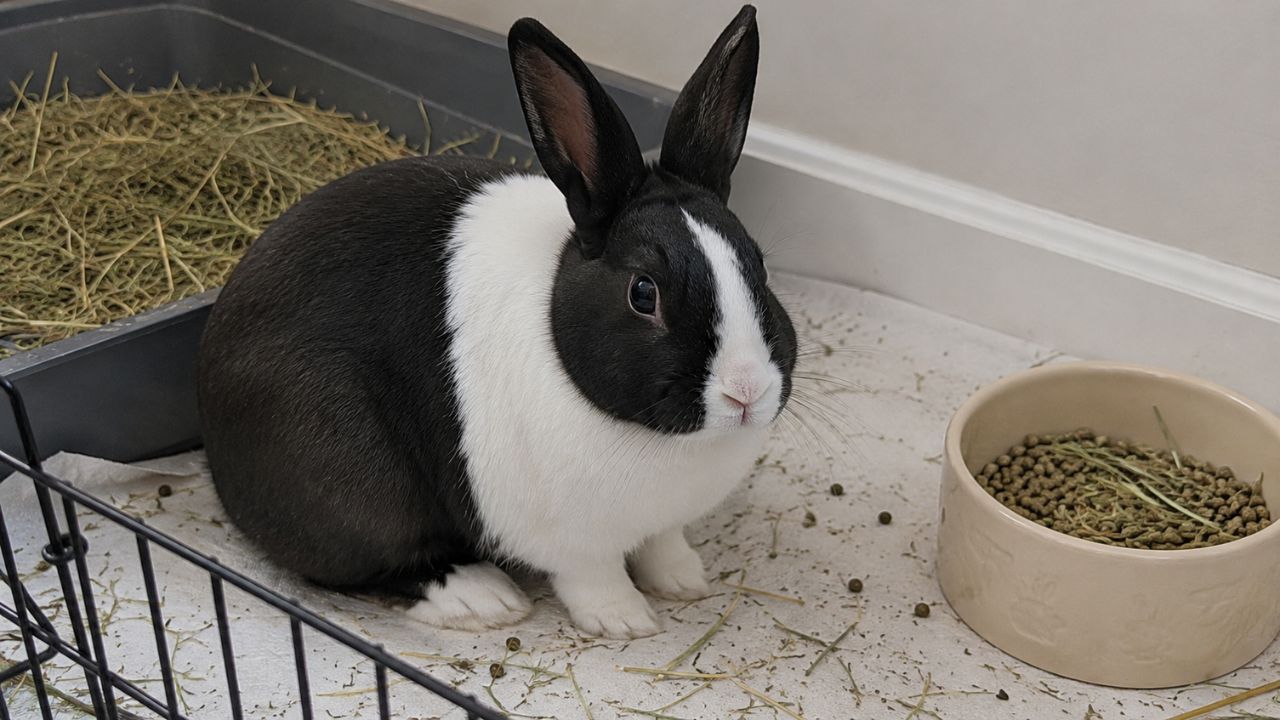
A woman rang the shop on a Wednesday afternoon, properly worried. Her rabbit — a three-year-old Dutch called Biscuit — had not touched his food since the previous evening. He was sitting hunched in the corner of his hutch. He had not moved much all day. She had noticed it that morning but had convinced herself he was just having a quiet day.
By the time she rang me, it had been nearly eighteen hours.
I told her to get to a vet immediately. Not tomorrow. Not that evening. Right then, that afternoon.
Prompt veterinary assessment matters because reduced appetite can have several causes, including painful dental and gut problems. A recovery story cannot establish a safe waiting period for another rabbit.
I tell this story at the start because I want every rabbit owner reading this to understand something before we go any further. When a budgie stops eating, you have a day or two to act. When a hamster stops eating, you have a similar window. When a rabbit stops eating — you have hours. Not days. Hours.
If your rabbit eats less than normal, call your vet immediately. Do not wait for a fixed number of hours.
Why Rabbits Stopping Eating Is Always Serious
To understand why a rabbit not eating is such an emergency, you need to understand a little about how a rabbit’s digestive system works — because it is genuinely unlike most other animals.
A rabbit’s gut is designed to be in almost constant motion. Food passes through continuously. The gut is populated by a complex community of beneficial bacteria that keep the whole system functioning. When a rabbit stops eating — for any reason — that gut motility slows. The bacteria begin to die off. Gas builds up. The gut, which was designed to keep moving, begins to shut down.
Gut stasis is a potentially life-threatening problem. Reduced eating and pain can worsen each other, so veterinary assessment must not be delayed.
Do not use one species’ appetite pattern to decide how long another can wait. Contact a vet promptly about a pet that is eating less than usual.
I want that sentence to be the thing you remember from this article above everything else.
First — Has Your Rabbit Actually Stopped Eating?
Before we go further, I want to make sure we are talking about the same thing — because rabbit owners sometimes misread what they are seeing.
Rabbits eat in cycles throughout the day. They may seem quiet and inactive during certain parts of the day — particularly in the afternoon — and then be active and eating again in the morning and evening. A rabbit that appears not to have eaten at one specific check may simply have eaten earlier and be resting.
Watch whether your rabbit is eating hay and passing its normal amount of droppings. Reduced intake, fewer droppings, a hunched posture or unusual quietness warrants an immediate vet call; you do not need to wait to prove that eating has stopped completely.
Also check the droppings. A rabbit that is eating normally produces a consistent stream of small, round, dark droppings throughout the day. A rabbit that has stopped eating will produce far fewer droppings — or none at all. Absent or greatly reduced droppings alongside a rabbit that seems quiet and uninterested in food is a clear signal to act.
The Most Common Causes of a Rabbit Stopping Eating
The following are possible causes, not a diagnosis. Contact your vet immediately about reduced appetite, regardless of the suspected cause.
1. Gut Stasis — The Most Urgent Cause
I have already explained what gut stasis is, but I want to be clear about how it starts — because it does not always have an obvious trigger.
Gut stasis can be caused by a sudden change in diet, insufficient hay, stress, pain from another condition, dehydration, or sometimes for no reason that can be identified at all. The rabbit’s digestive system is sensitive and can be disrupted more easily than owners expect.
- Not eating — hay untouched, pellets ignored, vegetables refused
- No droppings, or very few and very small droppings
- Hunched posture — the rabbit sits in a tight, uncomfortable-looking position
- Teeth grinding — a sign of pain in rabbits
- A visibly bloated or hard abdomen — press gently; a tight, drum-like belly is serious
- The rabbit is reluctant to move and flinches when touched on the belly
- Lethargy — the rabbit does not respond normally to your presence
Your vet will assess the cause and choose the appropriate treatment. Do not start medicines or assisted feeding unless the vet has advised it for this rabbit.
2. Dental Problems — More Common Than People Realise
Rabbits’ teeth grow continuously throughout their lives — both the front teeth you can see and the back teeth you cannot. When those teeth do not wear down properly, they can develop sharp spurs, misalignment, or overgrowth that makes eating genuinely painful.
A rabbit with dental problems will often approach its food, pick it up, drop it, and walk away. It wants to eat — it is hungry — but it cannot do so comfortably. Over time it eats less and less, loses weight, and eventually stops eating altogether.
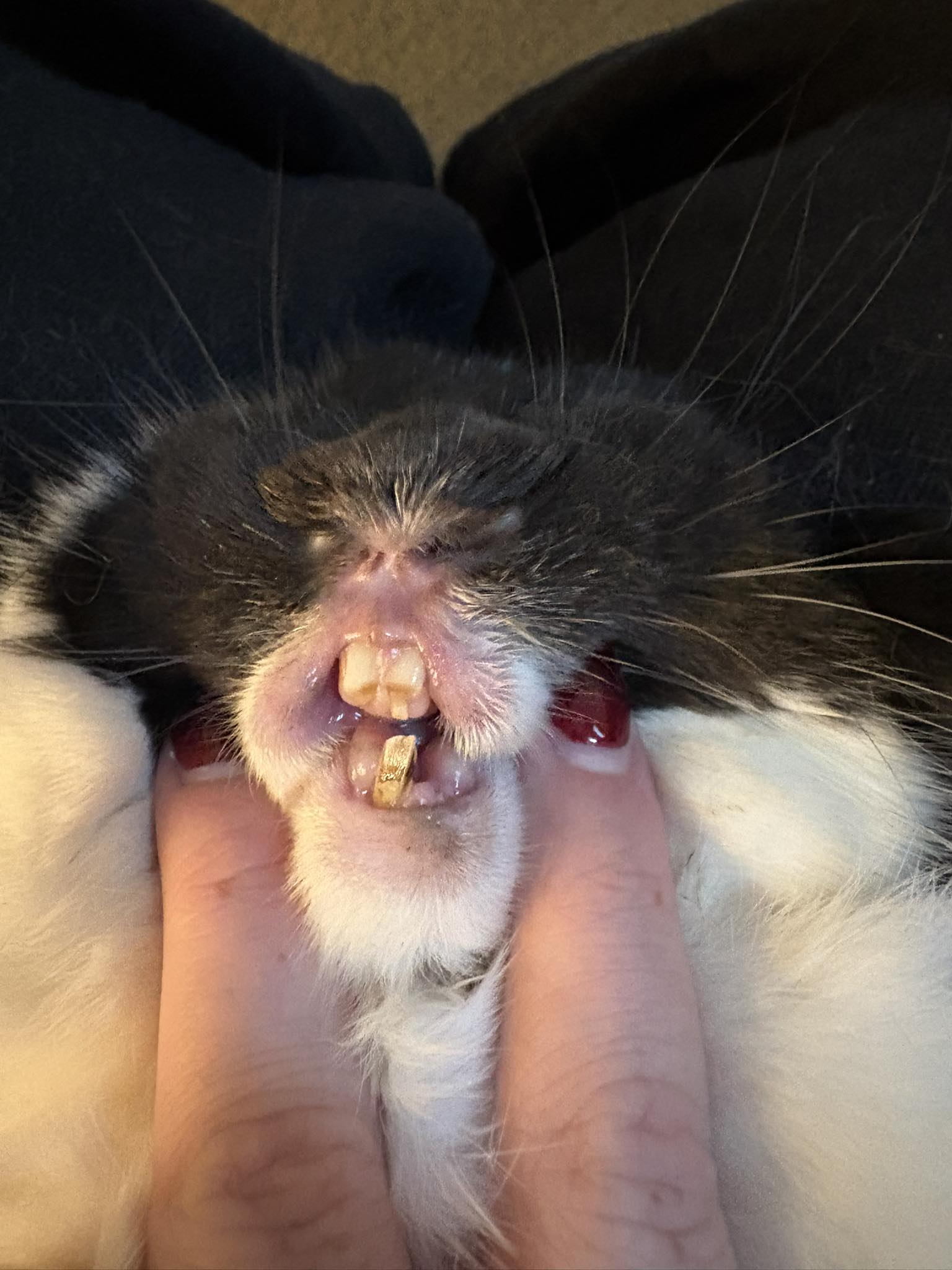
Dental problems in rabbits are very common — particularly in rabbits that have not had enough hay in their diet, since hay is what naturally wears the teeth down. This is one of the many reasons unlimited hay is so important. It is not just food — it is dental maintenance.
Signs that dental problems may be behind the food refusal include the rabbit picking up food and dropping it repeatedly, weight loss over weeks rather than sudden onset, and drooling or wet fur under the chin. A vet can assess the back teeth under sedation — you cannot check these yourself at home.
3. Respiratory Infection
A rabbit with a respiratory infection — snuffles, as it is commonly called — will often go off its food. The congestion makes it difficult to smell food properly, and rabbits, like most animals, rely heavily on smell to identify food as safe to eat. A rabbit that cannot smell properly may simply not recognise its food.
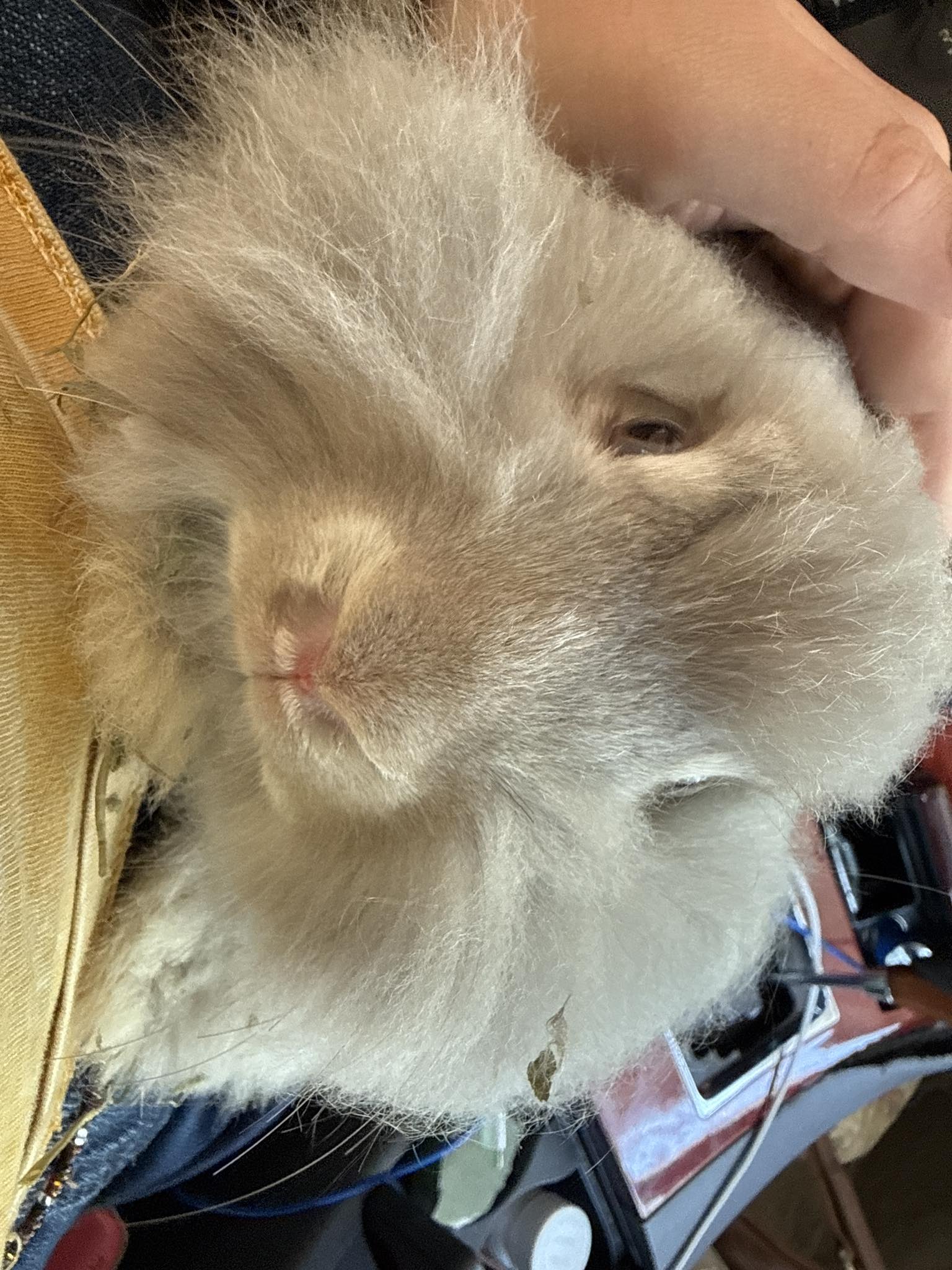
- Sneezing — repeated or persistent sneezing is always worth investigating
- Discharge from the nose — white, yellow, or green discharge
- Wet or matted fur on the front paws — rabbits wipe their noses with their paws
- Laboured or noisy breathing
- Reduced appetite alongside any of the above
Respiratory infections in rabbits are treatable with antibiotics but need prompt veterinary attention. Left untreated, they can become chronic and much harder to manage.
4. Pain From Another Condition
A rabbit in pain from any source — an injury, an abscess, a urinary problem, arthritis in an older rabbit — will often stop eating. Pain suppresses appetite. This is the rabbit’s body directing its resources toward dealing with whatever is wrong, and it happens across many species.
The difficulty is identifying where the pain is coming from. Sometimes it is obvious — a limb held differently, a visible injury. Often it is not obvious at all, and only a veterinary examination will find it.
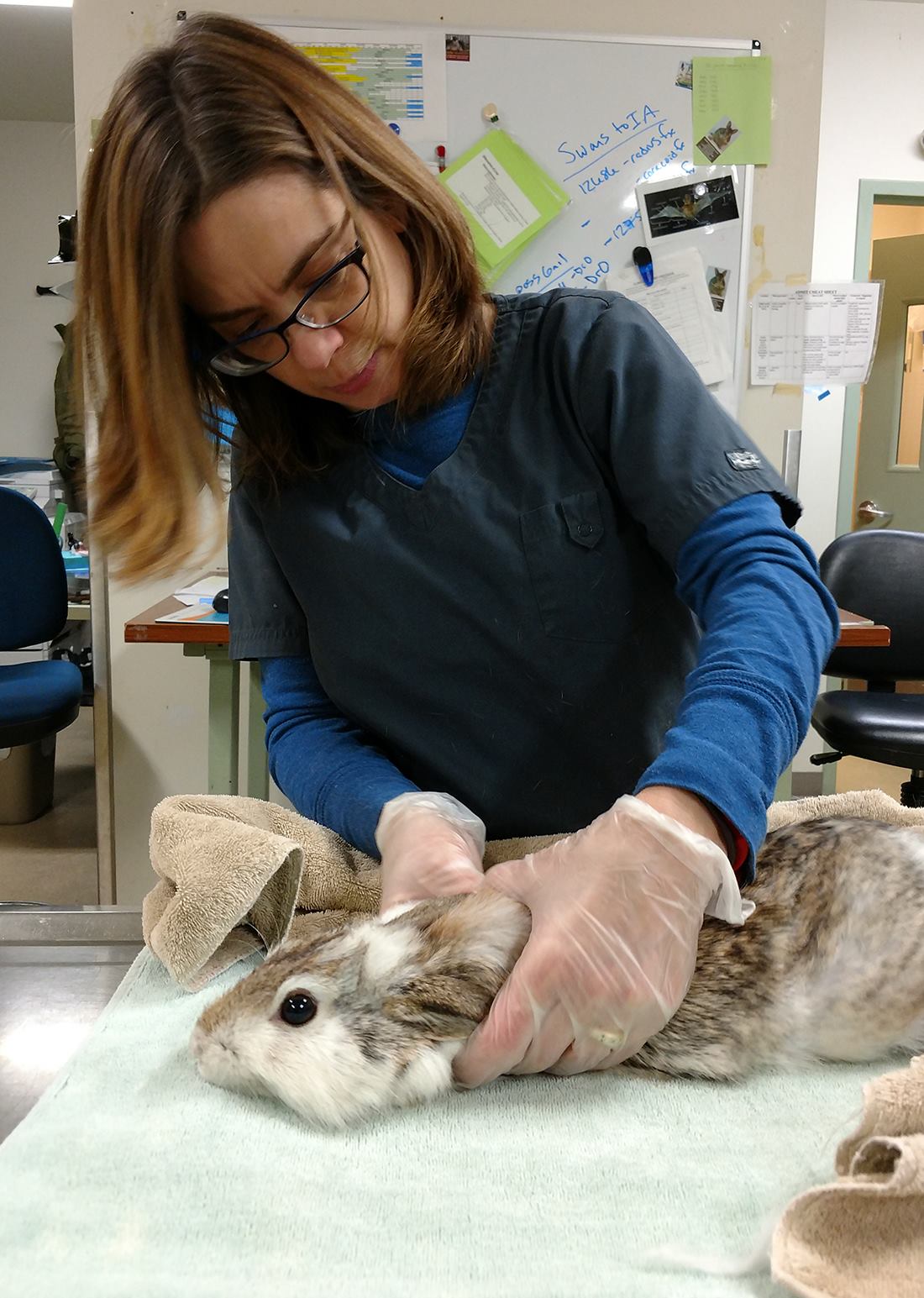
This is why I always say — if your rabbit has stopped eating and you cannot identify an obvious cause, do not try to diagnose it yourself. Get to a vet. The gut stasis clock is ticking regardless of the underlying cause, and finding the reason quickly matters.
5. Stress
Rabbits are sensitive animals. A significant change in their environment — a new home, a new animal in the house, building work nearby, a predator they can smell or see, a change in routine — can suppress their appetite for a short period.
Stress-related food refusal is usually brief — a few hours — and the rabbit will often eat again once it has settled. But it can tip into gut stasis if it goes on long enough, which is why even stress-related not eating needs to be monitored carefully.
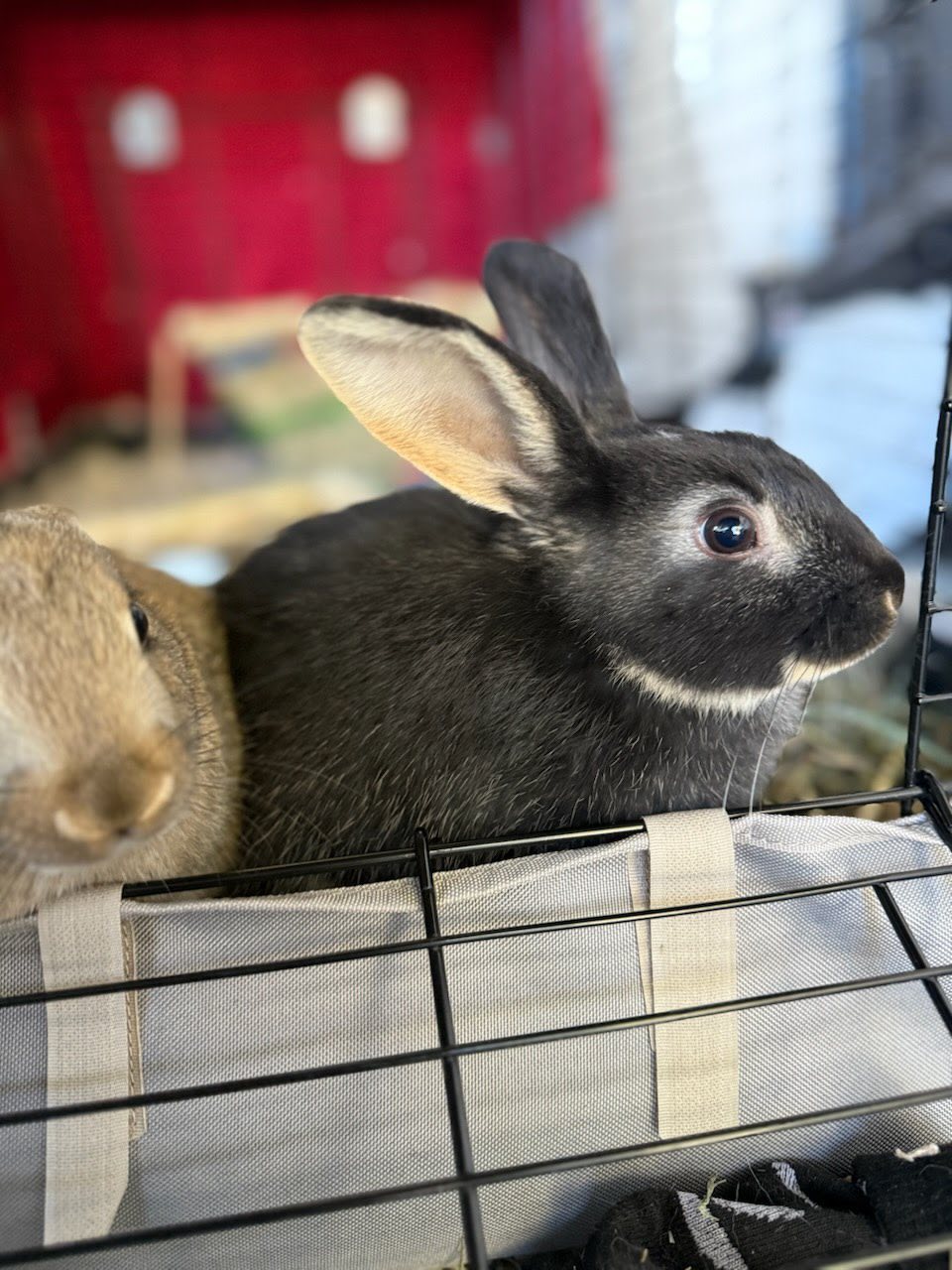
- A new home — a change of environment may affect appetite, but reduced eating still needs an immediate vet call.
- A new pet — a cat, dog, or ferret that the rabbit can see, smell, or hear is a predator to the rabbit’s instincts, regardless of how gentle the other animal is
- Loud noise — fireworks, building work, or even a particularly loud storm can genuinely distress a rabbit
- Loss of a bonded companion — rabbits form strong pair bonds, and the loss of a bonded partner can cause genuine grief-like responses including loss of appetite
- Change in routine — rabbits are creatures of habit, and significant changes to their daily pattern can cause temporary stress
What I Check When a Rabbit Owner Comes Into the Shop
When someone comes in or rings about a rabbit that has stopped eating, here is the assessment I run through — quickly, because with rabbits, time genuinely matters.
- When did eating change? Tell the vet when you first noticed the reduction and what the rabbit last ate. Call immediately; do not wait for a six- or twelve-hour threshold.
- What do the droppings look like? Normal, reduced, or absent? Absent droppings alongside not eating is gut stasis until proven otherwise.
- What is the rabbit’s posture? Upright and alert, or hunched and withdrawn? A hunched rabbit is a rabbit in pain or distress.
- Is the belly hard or bloated? A tight, drum-like abdomen is a serious sign of gas build-up — get to a vet immediately.
- Has anything changed recently? Note changes in food, surroundings or companions for the vet. A possible stress trigger does not make reduced eating safe to wait out.
- How old is the rabbit? Young rabbits — under six months — are particularly vulnerable. Older rabbits may have dental or age-related causes.
What To Do Right Now — Step By Step
Right. Here is the practical version — exactly what I would tell you if you were standing at my counter today.
| What you notice | What to do |
|---|---|
| Eating less than normal, even if otherwise alert | Contact your vet immediately for advice and assessment. |
| Stopped eating, fewer or no droppings, hunched posture or abdominal swelling | Tell the vet it is urgent; use the out-of-hours service if needed. |
| Collapse or breathing difficulty | Contact an emergency vet immediately and follow transport instructions. |
The One Thing That Saves Rabbit Lives More Than Anything Else
After nearly 35 years of selling and advising on rabbits, I can tell you with certainty what separates the owners whose rabbits recover from gut stasis and the ones who lose their animals.
It is not the quality of the vet. It is not how serious the stasis was. It is how quickly the owner acted.
The owners who ring me and say “he hasn’t eaten since yesterday morning” — those are the difficult calls. The owners who ring me and say “he hasn’t eaten since this morning and something feels off” — those rabbits almost always make it.
Trust your instincts. You know your rabbit. You know what normal looks like for that individual animal. If something feels wrong — if the rabbit seems quieter than usual, less interested in food, less responsive to your presence — do not wait for it to get more obviously serious. Act on the feeling.
The window for intervention in a rabbit is short. But it is there. And the owners who use it save their animals.
How To Keep Your Rabbit Eating Well — Prevention
Right. For those of you reading this whose rabbit is currently fine — here is what I tell every rabbit owner to get right from the start. These are the things that make gut stasis, dental problems, and stress-related food refusal far less likely.
- Unlimited hay, always — timothy hay or meadow hay, available at all times. This is the single most important thing in a rabbit’s diet and the most commonly underestimated
- Fresh water, changed daily — dehydration is a significant gut stasis trigger. Both a bottle and a bowl if possible
- Fresh leafy greens daily — a small handful per rabbit. Romaine lettuce, kale, parsley, mint, basil. Avoid iceberg lettuce, potatoes, and anything sugary
- Pellets in moderation — a small amount of good quality pellets, not the muesli mixes that allow selective feeding
- Space to exercise — a rabbit that moves around regularly has better gut motility than one kept in a small hutch
- Check droppings every day — this is the most reliable early warning system. Changes in droppings are almost always the first visible sign something is wrong
- Find a rabbit-experienced vet before you need one — not all vets have strong small animal experience. Find one you trust while your rabbit is healthy
Related Reading
Our guide on why rabbits are not low-maintenance pets covers the full picture of rabbit care — the space, the diet, the companionship needs, and the veterinary costs that catch owners by surprise.
Our article on guinea pig care covers similar ground for guinea pig owners — many of the same principles around diet, hay, and emergency signs apply across both species.
And our guide on the warning signs owners miss in budgies covers the same principle that applies to all small pets — by the time an animal looks visibly unwell, it has often been unwell for some time. Acting on early, subtle signs is what makes the difference.
Frequently Asked Questions
How long can a rabbit go without eating?
There is no safe countdown to use at home. Contact your vet as soon as you notice reduced eating or fewer droppings. Do not wait for the rabbit to go a full day without food.
My rabbit stopped eating overnight — what should I do?
Get to a vet today. Do not wait to see if it improves on its own. Check the droppings — if they are absent or greatly reduced alongside the not eating, this is likely gut stasis and needs same-day veterinary treatment. If the rabbit is also hunched, grinding its teeth, or has a bloated belly, treat this as an emergency.
Can stress cause a rabbit to stop eating?
Stress can reduce appetite, but it does not rule out illness. Contact your vet immediately about reduced eating rather than waiting to see whether the rabbit settles.
What does gut stasis look like in a rabbit?
The most common signs are a rabbit that has stopped eating, reduced or absent droppings, a hunched posture, lethargy, and sometimes teeth grinding which indicates pain. In more advanced cases, the abdomen may feel hard or bloated from gas build-up. If you are seeing these signs, this is a same-day vet visit — gut stasis moves fast and is very difficult to treat once it has progressed significantly.
Should I try to syringe feed my rabbit at home?
Only on the advice of your vet, and only with a proper rabbit recovery food. Do not attempt to syringe feed a rabbit with plain water or human food without veterinary guidance — the wrong approach can cause aspiration or make an underlying condition worse. If you are worried your rabbit is not eating enough, get veterinary advice first.
Where can I get honest rabbit advice in Swindon?
Come and see us at Paradise Pets, Manor Garden Centre, Cheney Manor, Swindon SN2 2QJ. Or give us a ring on 01793 512400. The advice is free and I have been doing this for nearly 35 years.
Worried About Your Rabbit? Come And See Me
Bring your rabbit, bring a video, or just bring your questions. I will have a proper look and tell you honestly what I think. Free advice, no obligation. That is how we have done things for nearly 35 years.