
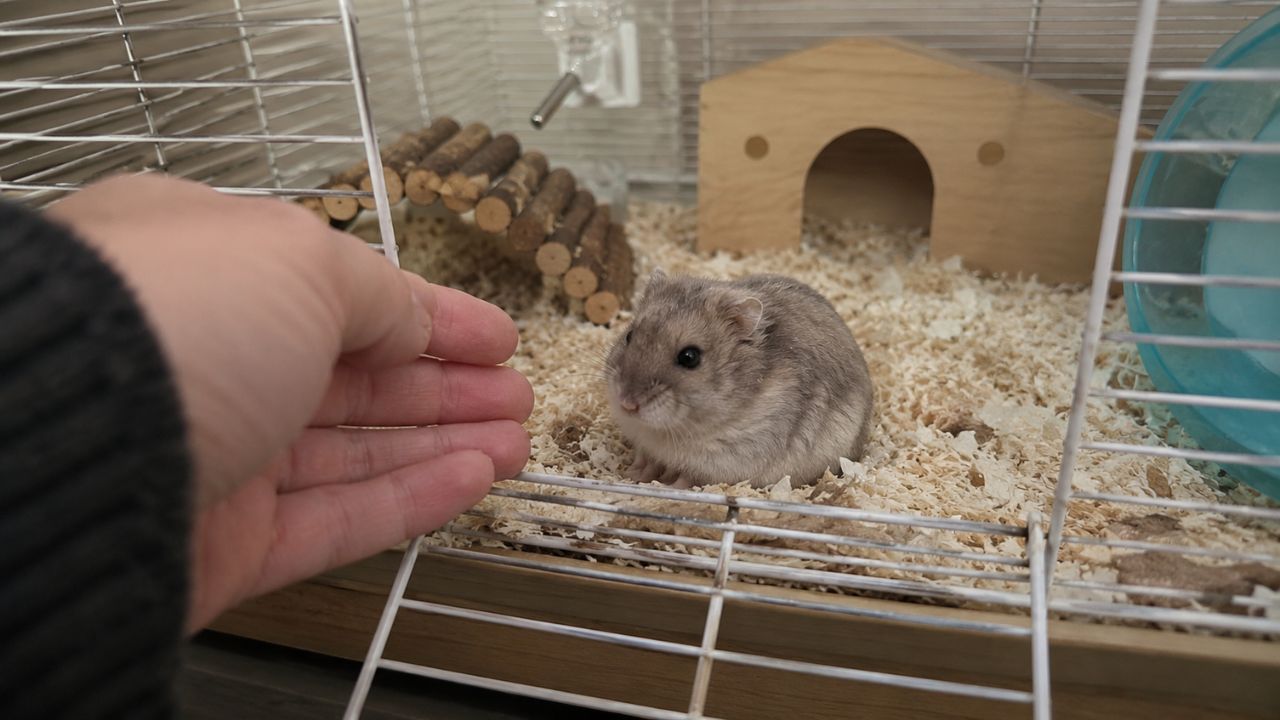

Neil has kept, bred, and sold hamsters at Paradise Pets Swindon since 1988 — nearly 35 years of first-hand experience with these animals. In that time, he has seen hundreds of worried owners walk through the door convinced their hamster is dying. Sometimes it is serious. Sometimes it is something else entirely. This article is his honest guide to telling the difference — and knowing what to do.
It was a Saturday morning, about half past nine, and a woman came into the shop with her daughter — eight years old, maybe nine, properly upset. The hamster was at home. It had not moved since the previous evening. It was breathing, just about, but it was cold to the touch and completely unresponsive. The daughter had been awake half the night worrying about it.
I asked one question. What was the temperature like in the room where the hamster’s cage was kept?
The mother thought about it. Cold, she said. They had turned the heating off a few days ago because the weather had been mild. But the room the hamster was in — a spare bedroom at the back of the house — had got quite cold overnight. She thought maybe eight or nine degrees.
That was the answer. The hamster was not dying. It was torpid — a state somewhere between deep sleep and hibernation that hamsters enter when the temperature drops too low. It was not an emergency. It needed warmth, slowly and carefully applied, and it would come round.
I tell this story because it is one of the most common scenarios I see — a hamster that appears completely unresponsive, an owner who is convinced the worst has happened, and a cause that is entirely fixable once you know what you are looking at.
But I also tell it because not every hamster that stops moving is in torpor. Sometimes something genuinely is wrong. And knowing the difference — quickly — is the most important thing a hamster owner can learn.
First — Is Your Hamster Actually Unwell, or Just Asleep?
Before anything else, I need to address something that catches new hamster owners out constantly — hamsters sleep a lot, and they sleep deeply.
A hamster in deep sleep can look genuinely alarming to someone who is not used to it. They curl into a tight ball. They barely seem to breathe. They do not respond when you tap the cage or speak to them. They feel slightly cool to the touch. And if you have never seen this before, it looks exactly like something is wrong.
It is not. It is just a hamster being a hamster.
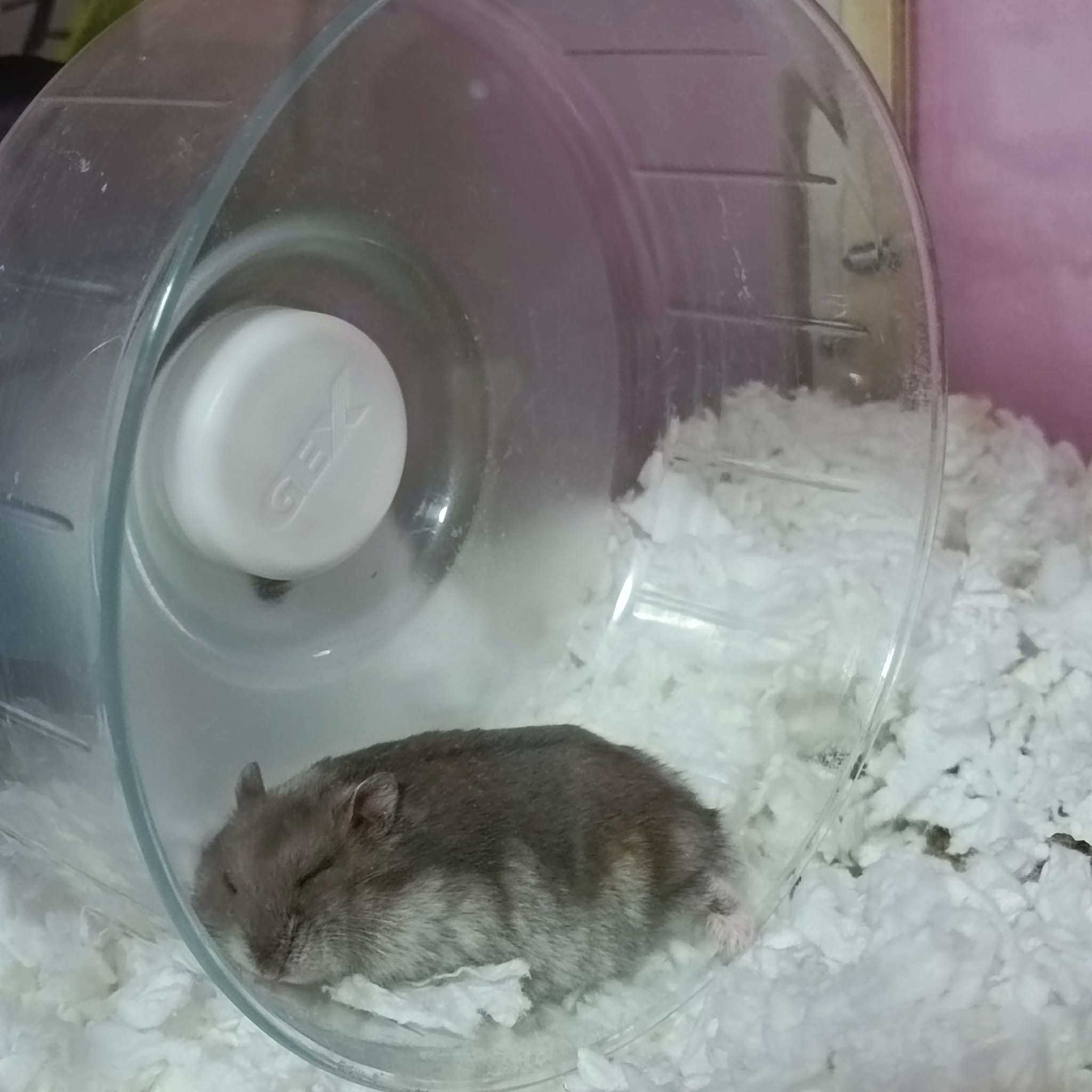
- Deep sleep — the hamster is curled in a ball, feels slightly cool, breathing is very slow but visible, and if you hold it gently for a minute or two in your warm hands it will start to stir
- Deep sleep — it happened during the day, which is normal — hamsters are naturally nocturnal and sleep heavily during daylight hours
- Torpor — the hamster is in a cold room, feels very cold to the touch, is almost completely unresponsive, but is still breathing — even very slowly
- Something wrong — the hamster is limp rather than curled, is not breathing visibly, has laboured or noisy breathing, has discharge from the nose or eyes, or has been like this for many hours without any response to gentle warmth
- Something wrong — the hamster was active recently and has become suddenly unresponsive without an obvious temperature-related cause
The simplest test — hold the hamster gently in your cupped, warm hands for two to three minutes. A sleeping or torpid hamster will almost always begin to stir. A hamster that does not respond at all to sustained warmth needs veterinary attention.
Reason 1: Torpor — The Most Common Cause and The Most Misunderstood
Let me explain torpor properly, because it is the thing I spend more time talking about than almost anything else with hamster owners.
Hamsters are not true hibernators — not in the way that bears or hedgehogs are. But when the temperature in their environment drops below around ten to fifteen degrees Celsius, their body enters a state called torpor. Their metabolism slows dramatically. Their body temperature drops. They curl up, become unresponsive, and can appear dead to an owner who does not know what they are looking at.
This is not hibernation in the traditional sense. It is a survival response. And in a domestic hamster, it is usually a sign that the room they are kept in is too cold — not that they are ill.

- Do not use direct heat. No hairdryers, no radiators, no hot water bottles placed directly against the animal. Rapid temperature change is dangerous.
- Cup the hamster in your warm hands. Body heat is the safest warming method. Hold the hamster gently, close to your body, and let it warm up gradually.
- Move to a warmer room. Bring the cage into a room that is properly heated — ideally between eighteen and twenty-four degrees Celsius.
- Give it time. A hamster coming out of torpor may take twenty to thirty minutes to become properly responsive. Do not panic if it is slow to come round.
- Offer water and food once it is alert. A hamster that has been in torpor will be dehydrated and hungry when it wakes.
- If it does not respond to warmth within thirty minutes, get to a vet. Prolonged torpor can cause serious health complications.
Once your hamster has recovered, the fix is simple — keep it in a room that stays above fifteen degrees Celsius at all times. In a UK home, that means thinking carefully about which rooms get cold overnight, particularly in autumn and winter. Spare bedrooms, conservatories, and garages are the worst offenders.
Reason 2: Illness — The One You Cannot Afford to Miss
Right. This is the serious one, and I want you to read it carefully.
Hamsters, like budgies, are prey animals. They hide illness instinctively — in the wild, a sick animal is a vulnerable animal, and vulnerability gets you eaten. By the time a hamster looks visibly unwell, it has usually been unwell for some time already. This is why acting quickly the moment something seems wrong is so important.
A hamster that has stopped moving because it is genuinely ill is a medical situation that can move very fast. Hamsters are small animals with fast metabolisms — they do not have the reserves that larger animals do. A hamster that has not eaten or drunk for twenty-four hours is already under serious physiological stress.
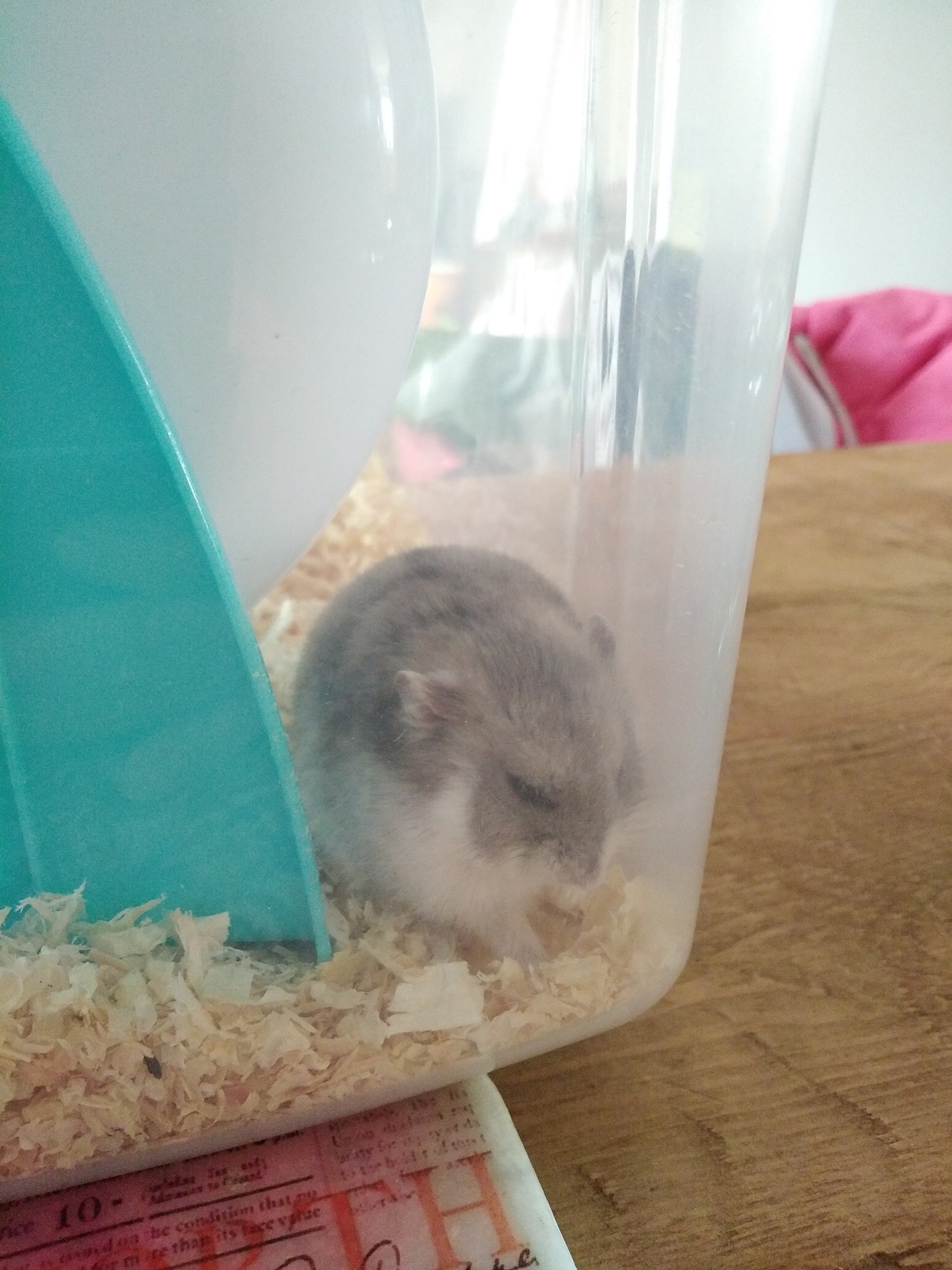
- The hamster is limp rather than curled — a sick hamster often loses muscle tone entirely
- Laboured, noisy, or very rapid breathing — clicking or wheezing sounds are serious
- Discharge from the nose, eyes, or mouth
- Wet fur around the tail area — this is a sign of wet tail, a serious bacterial infection that can be fatal within forty-eight hours if untreated
- The abdomen looks swollen or distended
- The hamster has not eaten or drunk anything — confirmed, not just appearing that way — for more than twelve to twenty-four hours
- The hamster was warm and active recently and has become suddenly unresponsive
- It is not responding to gentle warmth after several minutes
If you are seeing any of the above, please do not wait to see if it improves. Get to a vet that has experience with small animals — today, not tomorrow. The window for intervention in a small animal is much shorter than most owners realise.
Reason 3: Wet Tail — The Most Urgent Hamster Emergency
I am giving wet tail its own section because it is the hamster illness I see most often in the shop, and because it is the one where speed matters more than almost anything else.
Wet tail — properly called proliferative ileitis — is a bacterial infection of the intestines that causes severe, watery diarrhoea. The name comes from the most visible sign — the fur around the tail and hindquarters becomes wet and matted. The hamster becomes lethargic, stops eating and drinking, and can deteriorate very rapidly.
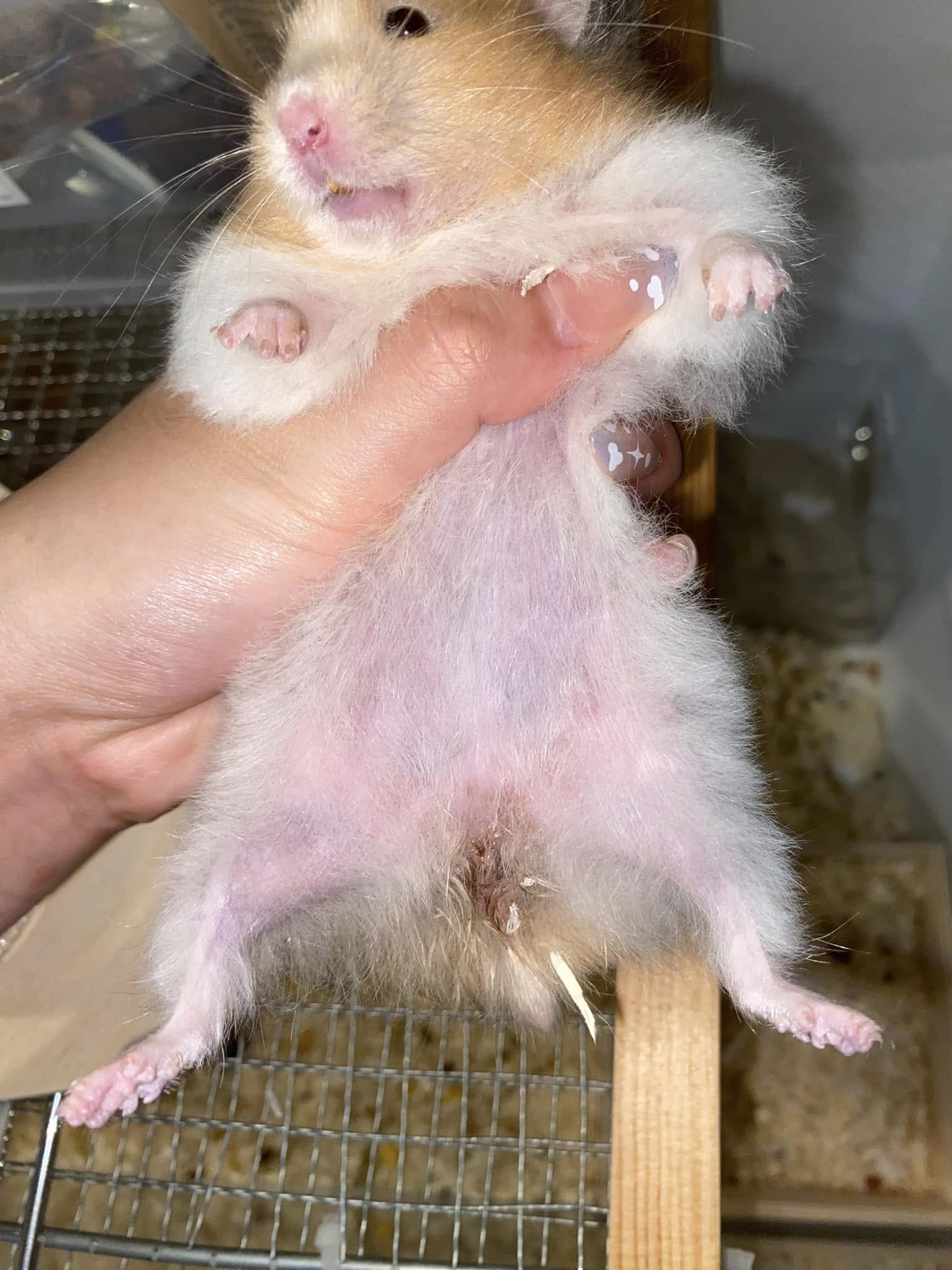
Wet tail is most common in young hamsters — particularly in the first few weeks after coming to a new home, when the stress of the move can trigger the infection. But it can affect hamsters of any age.
- Wet, matted fur around the tail and bottom — the most obvious sign
- Strong, unpleasant smell from the cage or the hamster itself
- Hamster is hunched, lethargic, and not moving
- Not eating or drinking
- Diarrhoea — watery droppings or soiling in the cage
If you see these signs, this is a same-day vet visit. Not tomorrow. Not this evening if it is already afternoon. Now. Wet tail can kill a hamster within forty-eight hours of symptoms appearing. It is treatable with antibiotics if caught early. It is very difficult to treat once the hamster has deteriorated significantly.
Reason 4: Old Age and Natural Decline
This is a conversation I have gently with owners whose hamsters are getting on in years — and it is one I think deserves honest handling.
Hamsters have short lifespans. A Syrian hamster typically lives two to three years. A dwarf hamster often lives slightly less. By the time a hamster is approaching two years old, it is elderly. And elderly hamsters slow down — they sleep more, move less, eat a little less, and gradually become less active over weeks and months.
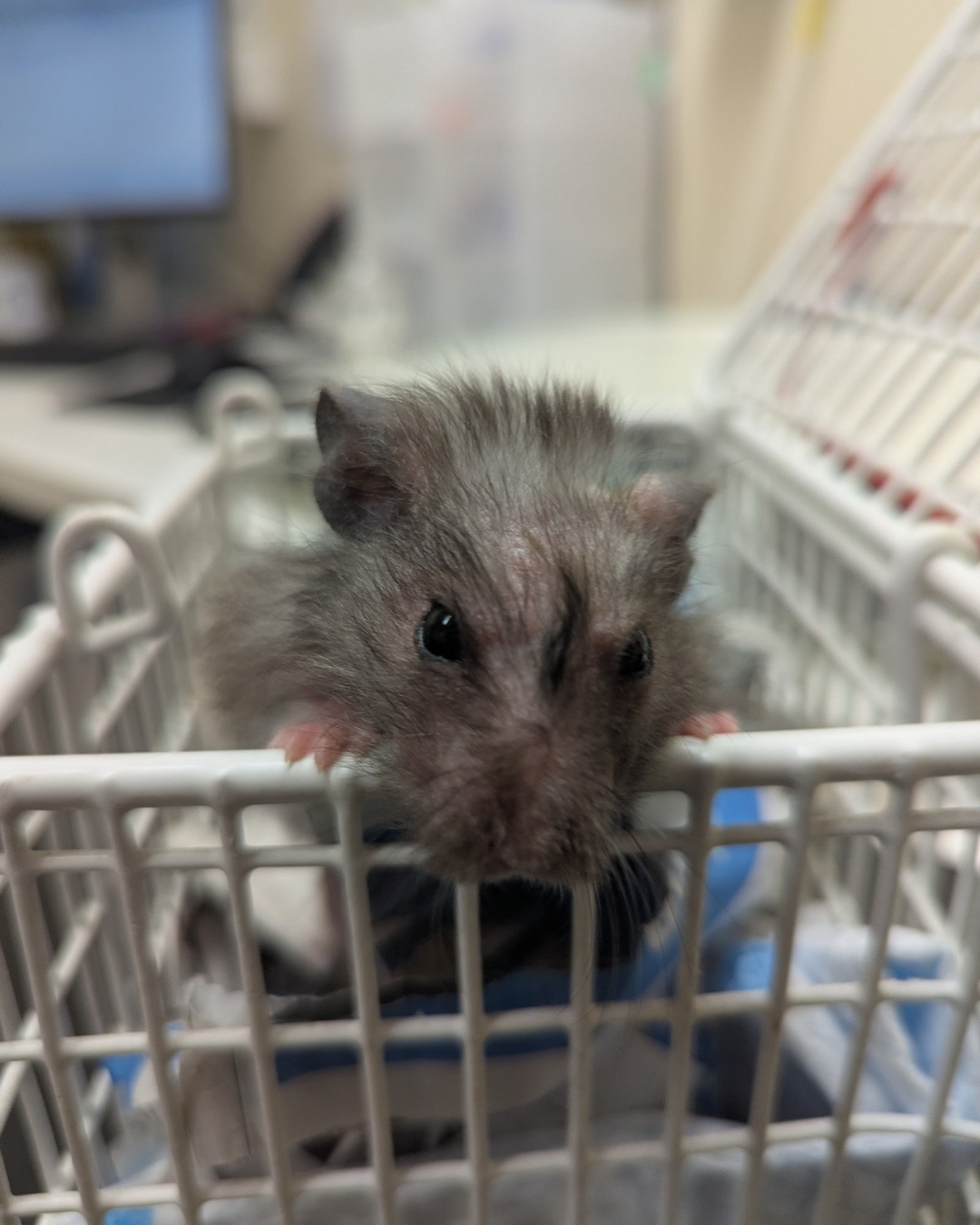
This gradual slowing is not the same as sudden unresponsiveness. But it can be hard to watch, especially for children who have had the hamster since it was young. The signs of natural age-related decline are different from illness — the hamster is still responsive, still eating a little, still moving when it chooses to. It is just doing everything more slowly and with less enthusiasm than it used to.
If your hamster is over eighteen months old and has been gradually slowing down over several weeks, this may be what you are seeing. It does not mean veterinary care is unnecessary — a vet can help manage an elderly hamster’s comfort and rule out treatable conditions. But it is worth understanding that some of what you are seeing may simply be age.
Reason 5: Stress and Environmental Problems
A hamster that is chronically stressed will eventually stop behaving normally — and one of the ways that shows is reduced activity and apparent lethargy. This is less dramatic than torpor or illness, but it is worth understanding.
Common causes of chronic stress in hamsters that I see in the shop include cages that are too small, insufficient bedding depth for burrowing, too much handling from young children, a cage positioned in a noisy or brightly lit area, and the presence of other animals — particularly cats or dogs — that the hamster can see or smell but cannot escape from.

- Cage too small — PDSA’s guide cites a minimum floor area of 100cm by 50cm. Housing checks must not delay veterinary advice for a hamster that is unusually inactive.
- Not enough bedding — hamsters need at least fifteen to twenty centimetres of bedding to burrow properly. A shallow tray of wood shavings is not enough.
- Too much light — hamsters are nocturnal. A cage in a brightly lit room, or near a window with strong afternoon sun, disrupts their sleep cycle and causes chronic stress.
- Noise and vibration — a cage near a television, speaker, or washing machine is a stressful place for an animal with extremely sensitive hearing.
- Other pets nearby — a cat that sits and watches the hamster cage, or a dog that sniffs around it, is a constant source of predator stress for the hamster.
What I Check When a Hamster Comes Into the Shop
When someone brings a hamster in because it has stopped moving or seems unwell, here is the assessment I run through at the counter — usually takes about five minutes.
- What is the room temperature? This is always my first question. If the answer is “quite cold” or “we turned the heating off,” torpor is the most likely cause and the most easily fixed.
- Is the hamster breathing? Look closely at the sides — even very slow, shallow breathing is a positive sign. No visible breathing at all is an emergency.
- Is the hamster limp or curled? A curled hamster is almost always sleeping or torpid. A limp, uncurled hamster is more concerning.
- Check the tail area. Wet, matted fur is wet tail until proven otherwise. Get to a vet immediately.
- How old is the hamster? Under six months — stress or illness most likely. Over eighteen months — age-related decline becomes a possibility.
- What changed recently? New home, new cage position, new pet in the house, change in temperature, change in routine. The cause is often sitting right there.
Five minutes of these questions almost always tells me whether we are dealing with something I can help with at the shop, or something that needs a vet the same day. That is the most important distinction to make quickly.
What To Do Right Now — Step By Step
Right. Let me give you the practical version — exactly what I would tell you if you were standing at my counter today.
| What You Are Seeing | What To Do | How Urgently |
|---|---|---|
| Curled up, cold room, slow breathing | Warm gently in cupped hands, move to heated room, offer water when alert | Not urgent — do this now, monitor |
| Curled up, warm room, daytime | Leave it alone — it is almost certainly in deep sleep | Not urgent — check again this evening |
| Limp, unresponsive, not breathing visibly | Avian and exotic vet — immediately | Emergency — right now |
| Wet fur around tail, strong smell | Vet same day — wet tail moves fast | Today, urgently |
| Noisy or laboured breathing | Vet same day | Today, urgently |
| Not warming up after 30 minutes | Vet same day | Today, urgently |
| Gradually slowing down over weeks, older hamster | Vet check to rule out treatable conditions | Within a few days |
How To Prevent These Problems in the First Place
After nearly 35 years of selling and advising on hamsters, here is the short version of what I tell every new owner. Get these things right from the start and the chance of your hamster developing serious problems drops significantly.
- Keep the cage in a room that stays between eighteen and twenty-four degrees Celsius at all times — never let it drop below fifteen
- Plan for at least 100cm by 50cm of floor space, as cited in PDSA’s guidance above; provide more space where possible.
- Provide at least fifteen to twenty centimetres of bedding for proper burrowing
- Position the cage away from direct sunlight, draughts, televisions, and speakers
- Handle gently and not excessively — hamsters need quiet time too
- Check the hamster every evening when it should naturally be active — this is the best time to spot changes
- Know what normal looks like for your individual hamster — changes from normal are always the first sign something is wrong
- Find a vet with small animal experience before you need one — when something goes wrong, you do not want to be searching
Frequently Asked Questions
My hamster is not moving but still breathing — what should I do?
Check the room temperature first. If the room is cold — below fifteen degrees Celsius — your hamster is likely in torpor. Cup it gently in your warm hands and move to a heated room. It should start to stir within twenty to thirty minutes. If the room is warm and the hamster is still unresponsive after warming, or if you see any other signs of illness, contact a vet today.
How do I know if my hamster is dead or in torpor?
Look very closely at the sides for any breathing movement — even very slow and shallow. Gently cup the hamster in your warm hands for two to three minutes. A hamster in torpor will almost always show some response to warmth — a slight twitch, a change in breathing, a small movement. A hamster that has died will be completely rigid and will not respond at all to warmth.
What is wet tail and how serious is it?
Wet tail is a serious bacterial infection causing severe diarrhoea. The most visible sign is wet, matted fur around the tail and hindquarters, often with a strong smell. It is most common in young hamsters, particularly those that have recently moved to a new home. It can be fatal within forty-eight hours if untreated. If you see these signs, get to a vet today — not tomorrow.
My hamster sleeps all day — is this normal?
Yes, completely. Hamsters are nocturnal animals — they naturally sleep during the day and are active at night. A hamster that is curled up and sleeping during daylight hours is behaving normally. The time to check on your hamster properly is in the evening, when it should be active. If it is not active in the evening when it normally would be, that is worth paying attention to.
How long can a hamster go without moving?
A healthy hamster sleeping normally can sleep for many hours during the day. A hamster in torpor may be unresponsive for longer — but should respond to warmth within thirty minutes. A hamster that has been completely unresponsive for several hours without an obvious temperature-related cause needs veterinary attention today.
Where can I get honest hamster advice in Swindon?
Come and see us at Paradise Pets, Manor Garden Centre, Cheney Manor, Swindon SN2 2QJ. Or give us a ring on 01793 512400. The advice is free and I have been doing this for nearly 35 years.
Worried About Your Hamster? Come And See Me
Bring your hamster, bring a video, or just bring your questions. I will have a proper look and tell you honestly what I think. Free advice, no obligation. That is how we have done things for nearly 35 years.